Sichuan Fine Arts Institute Museum
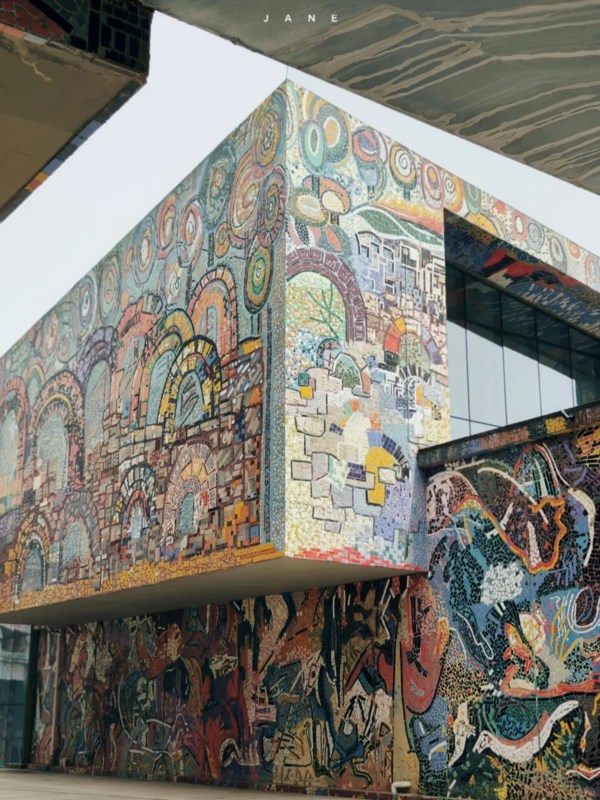
The majority of the tourists visit Chongqing to have hotpot and Hongyadong. However, deep in the university quarter, the Sichuan Fine Arts Institute Museum is something to surprise even more, the building is covered with multiple broken-colored tiles and it almost looks like a fairytale castle. It is free to go there and even the campus looks more like a sculpture park than a school.
The museum covers two campuses Huxi and Huangjueping. The popular mosaic walls and the Luo Zhongli Art Museum are found in Huxi. Huangjueping is transforming the graffiti street and the old industrial warehouses into galleries. They are both worth a visit in case you have time.
Quick Facts about Sichuan Fine Arts Institute Museum
| 📍 Location | Huxi Campus & Huangjueping Campus, Chongqing |
| 🕒 Opening Hours | Tue–Sun, 9:00 AM–5:00 PM (last entry 4:30 PM) |
| 🎟️ Admission | Free, reservation required via WeChat |
| ⏱️ Suggested Visit | 1.5–3 hours |
| 🚇 Nearest Metro | Line 1 – University Town Station |
| 📱 Reservation | WeChat: 四川美院美术馆 |
| ⭐ Visitor Rating | 4.2/5 (based on major travel reviews) |
Shattered Tiles and Revolutionary Portraits
-
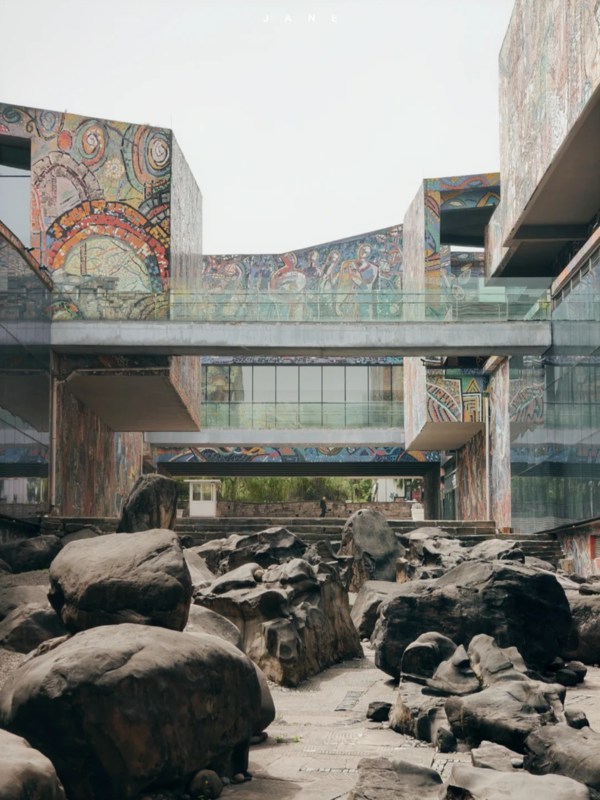

- Walls outside the Museum
-
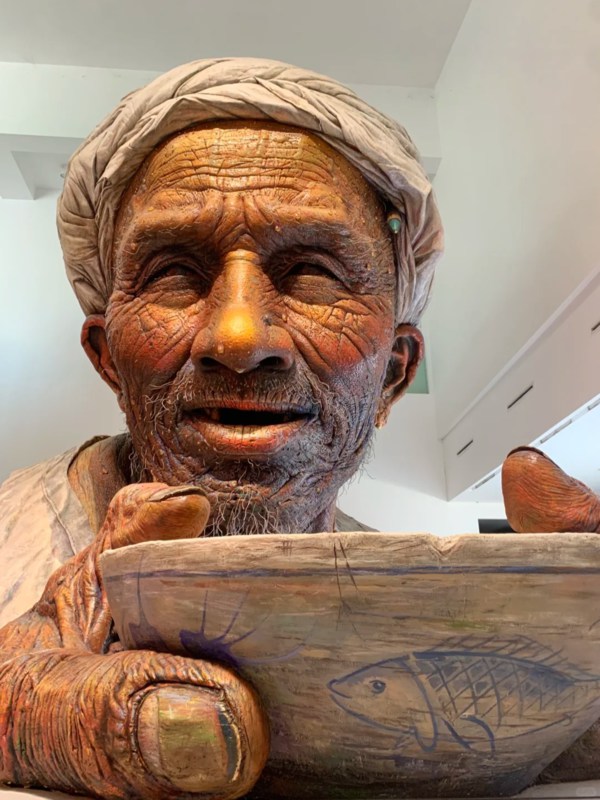
- The Father Connection
A Building Made from Broken Tiles — And Why That Matters
The Sichuan Fine Arts Institute Museum does not have a painted exterior wall. Thousands of shattered ceramic tiles, scraps which the factories were glad to dispose of, cover it. These "废料" (waste materials) were purchased by the design team at approximately RMB 90/m 2. That's about USD 13. In comparison, the cost of standard exterior cladding is five or ten times higher.
These fragments were assembled by more than 30 students of SFAI. The outcome is now regarded as one of the largest buildings of the world covered with mosaics. On a closer look, you will find flowers, human figures, and abstract patterns extending along the walls. The tones change with the light, warmer afternoon colors, and cool morning blues.
I recall at least ten minutes time standing there, and simply attempting to decide where one pattern was broken, and where another commenced. The experience was not so much of a museum but a walk to a large piece of art. The SFAI Museum demonstrates that sustainability and beauty do not necessarily need to be considered two distinct concepts.
The "Father" Connection — Luo Zhongli's Legendary Painting
The Luo Zhongli Art Museum inside the campus is named after a man whose single painting changed Chinese contemporary art. In 1980, Luo Zhongli created "Father"—a hyperrealistic portrait of an elderly peasant from the Daba Mountains. The painting won the gold prize at the National Youth Art Exhibition in 1981.
What made it controversial? The scale. At over two meters tall, it was the size typically reserved for political leaders, not farmers. Luo painted wrinkles, sunburn, and exhaustion with unflinching honesty. Today, "Father" is housed in Beijing's National Art Museum. But here at the Sichuan Fine Arts Institute Museum, you walk through the space where that vision was born.
Exploring Two Campuses of Sichuan Fine Arts Institute Museum
-
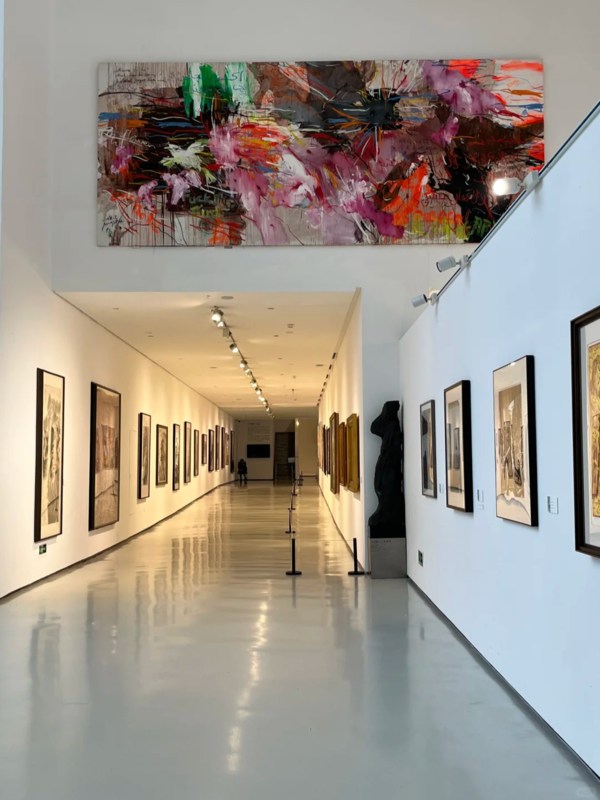
- Huxi Campus
-
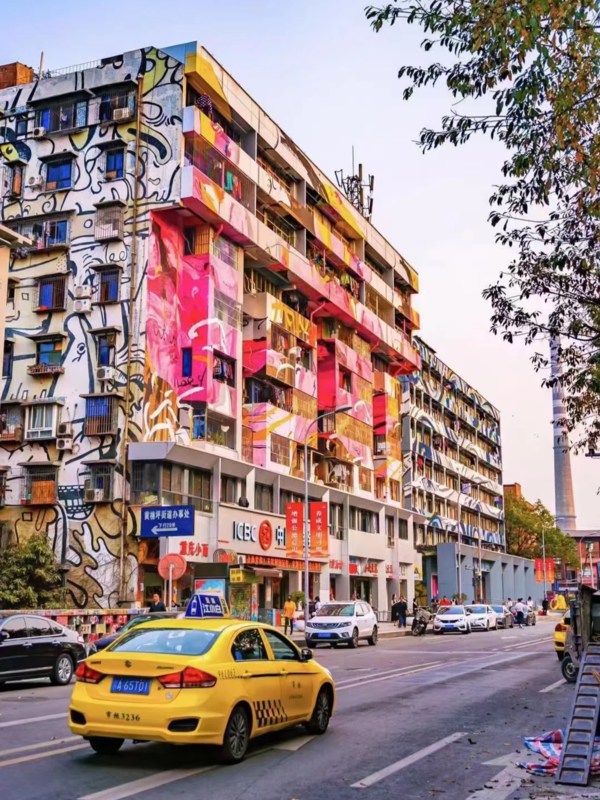
- Huangjueping Campus
Huxi Campus — The Colorful Castle Everyone Talks About
The Huxi Campus is where most visitors head first. The Luo Zhongli Art Museum sits at its center—23,000 square meters of exhibition space with ceilings reaching up to 12 meters high. It's massive. The building looks like a cluster of old granaries, each section connected by open courtyards.
Outside, colorful terraced fields made of ceramic tiles slope down toward the main plaza. In the middle stands "Ke Du" (刻度), a giant ruler sculpture designed by artist Fang Lijun. It's meant to remind students that art requires constant self-measurement. A bit philosophical, maybe, but it makes for a good photo.
Here's something most guides don't mention. Near the museum entrance, there's an eight-meter-tall replica of Michelangelo's David. The Galleria dell'Accademia in Florence gifted it to the Sichuan Fine Arts Institute Museum in December 2018. It's the first David sculpture in China and only the fourth replica worldwide. The castle-style gate at the campus entrance uses bricks, flagstones, and recycled ceramic tiles. Some visitors on Trip.com recommend spending 1-2 hours walking slowly through the grounds. I'd agree. Rushing through means missing half the details.
Huangjueping Campus — Where Industrial Meets Artistic
The past Huangjueping Campus is very different. It's grittier, more bohemian. What was once a military warehouse in the 1950s, 501 Art Warehouse is now where artist studios and rotating exhibitions are found. Five stories of pure concrete and naked piping. Unpolished to be punched.
The Huangjueping Graffiti Street, which is located just outside the campus gate, is approximately 1.25 kilometers long. There are those who claim it as the longest graffiti art street on earth. The murals are repainted regularly, thus the students change the murals after a number of months. Vibrant yellows, intense reds, cartoons combined with abstract forms. One of the reviewers on Wanderlog had advised to get there before the sun sets down--the colors are just enhanced by the lighting.
Do not leave out Rent Collection Courtyard exhibition indoors. These 1965 socialist realist sculptures show life of the peasants, as the slaves of the feudal landlords. They are a part of Chinese art history that a majority of the Western visitors never heard about.
Small stores around the gate of the SFAI Huangjueping are also selling sketchbooks, brushes and pigments at affordable prices to students. Certain products are half the price of downtown chongqing.
Must-See Highlights Inside Sichuan Fine Arts Institute Museum
-
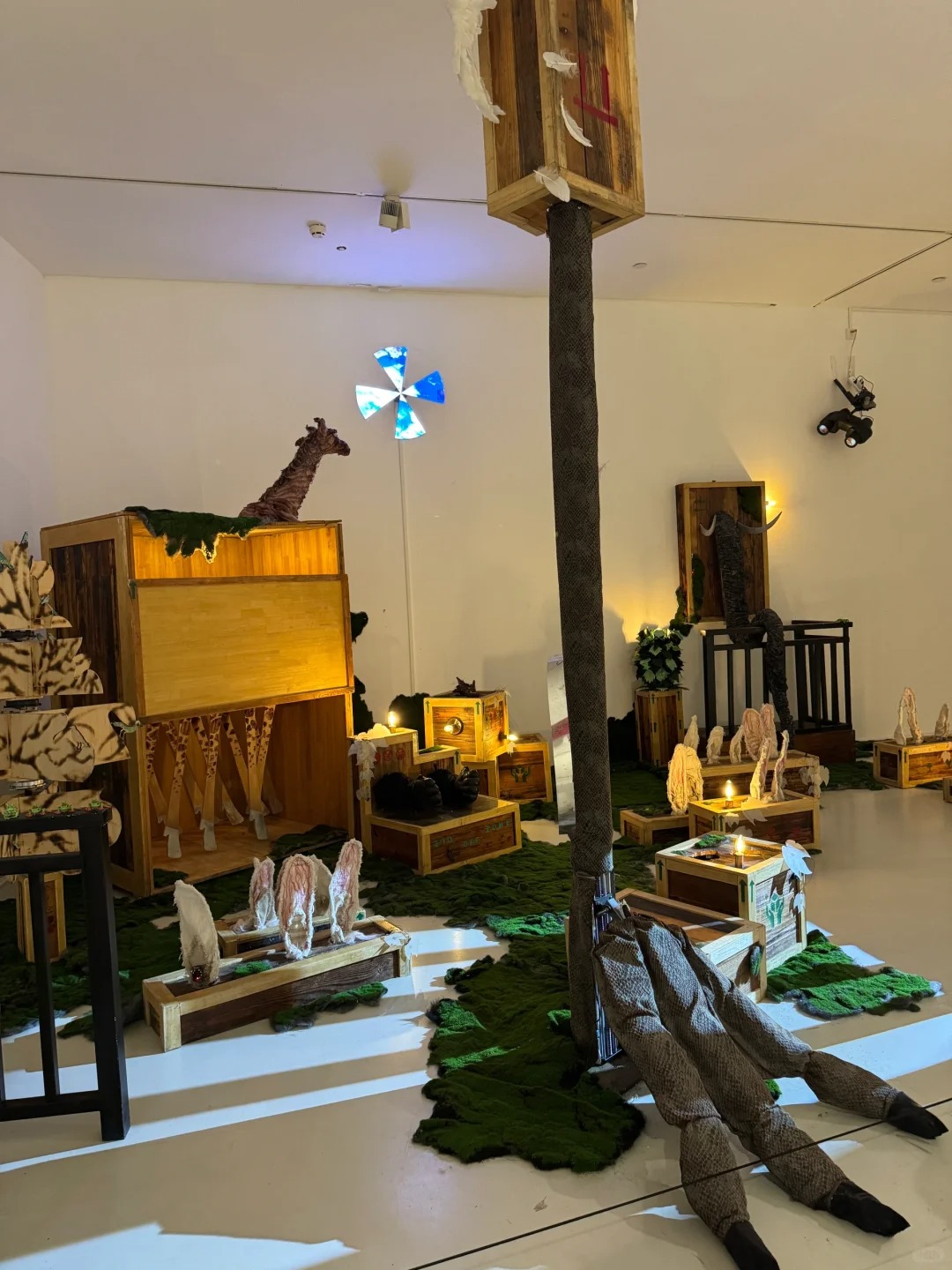

- Luo Zhongli Art Museum
-
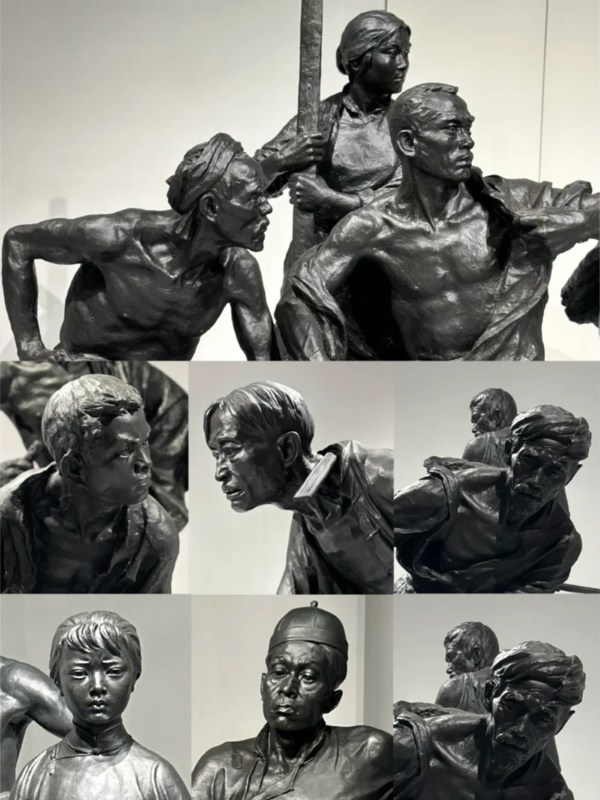
- Rent Collection Courtyard
-
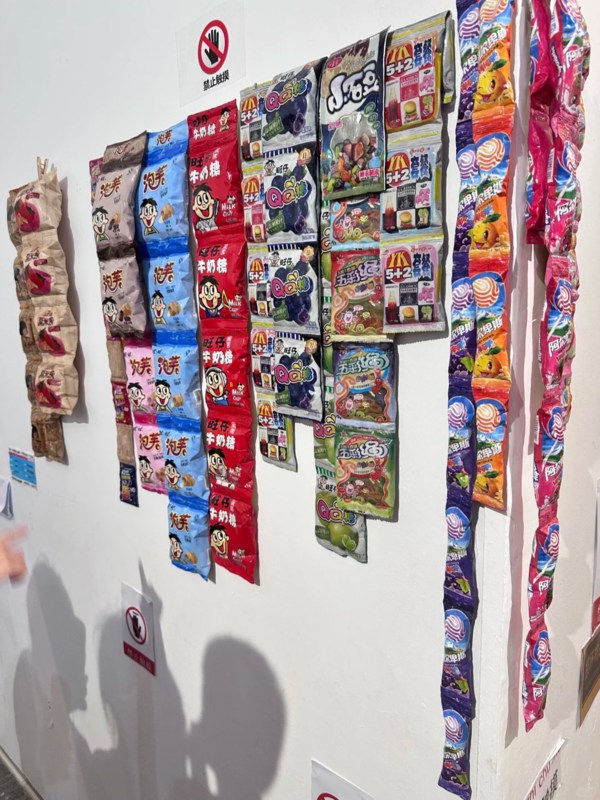
- Student Exhibitions
Luo Zhongli Art Museum — What's Actually on Display
The permanent collection focuses on oil paintings, sculptures, and prints from SFAI faculty and alumni. You'll find works spanning several decades—from socialist realism of the 1960s to contemporary abstract pieces. The museum rotates exhibitions every few months, so what you see depends on timing.
One thing surprised me. The ceilings reach 12 meters in some halls. Large-scale installations fit easily. During my visit, a graduation show filled three rooms with experimental video art and mixed-media sculptures. Not everything was polished, but that's the point. You're seeing artists at the start of their careers.
If you would like to go to the SFAI Museum of Art, you must check their official WeChat account first. They have a current events listing, provided in Chinese. However, the titles are usually good enough to give you an approximate idea of what to expect.
Rent Collection Courtyard — A Piece of Chinese Art History
Located in a secondary building, the sculptures at the Rent Collection Court (收租院) deserve far greater recognition than they receive. These life-size clay figures were sculpted in 1965 to illustrate peasant tenants paying their rent to a tyrannical landlord. This social realist artwork is an extreme example of the social realist style with the 114 pieces of work being displayed together in a very intense manner, showing each individual figure on display within its own individual narrative.
The work became politically famous during the Cultural Revolution. Today, it feels like stepping into a history textbook. Lighting is dim, and the figures look weathered. Some visitors walk through quickly. Others stay and read every panel. Either way, it's not something you'll see in a typical art museum.
Student Exhibitions — Raw Talent Worth Discovering
Don't skip the student galleries at the Sichuan Fine Arts Institute Museum. Graduation season (May to June) brings the best work. Painting, sculpture, animation, product design—everything goes on display.
The quality varies, obviously. But every now and then, you spot something genuinely impressive. A few years back, several SFAI graduates went on to show at international biennales. You might be looking at the next big name.
How to Visit Sichuan Fine Arts Institute Museum — A Step-by-Step Guide

Graffiti Wall
Making Reservations (Don't Skip This Step)
You can't just walk in. Sichuan Fine Arts Institute Museum is a museum that needs to be booked in advance via WeChat. Look up the official account of the venue of search fourchowin installation of fine art and subscribe to it. Then click on the menu Visitor Reservation (观众预约).
You will be required to put in your name and phone number and ID/passport number. Pick a date and time slot. The system creates a QR code- screenshot it. It will be scanned by the staff at the entrance.
Book 3-5 days early during high seasons such as May or October holidays. Afternoons of weekdays tend to be less busy. I have read of how tourists arrive without making advance reservations and were sent away at the gate. Booking can be done in two minutes. Don't risk it.
Getting There — Metro, Bus, and Taxi Options
For the Huxi Campus, take Metro Line 1 to University Town Station (大学城站). Use Exit A and walk southwest for about 15 minutes. Signs point toward "四川美术学院" along the way.
The Huangjueping Campus is trickier. Metro Line 18 gets you close, then switch to Bus 441 to Sichuan Fine Arts Institute Station. Alternatively, buses 223, 256, and 277 also stop nearby.
Taking a taxi from Jiefangbei (解放碑) to Huxi costs roughly RMB 40-60 depending on traffic. Use Didi if you don't speak Mandarin—just paste the Chinese address: 重庆市沙坪坝区大学城南路56号. Drivers usually know the spot.
Best Time to Visit and What to Avoid
Spring (March to May) and autumn (September to November) offer the best weather for wandering the outdoor sculptures. Summers in Chongqing get brutal—expect 35°C and heavy humidity.
Skip weekends if possible. The SFAI campus fills up with local families and photography groups. June is graduation season, which means student exhibitions everywhere. That's actually worth timing your visit around. One thing to remember: the museum closes every Monday, no exceptions.
Insider Tips for Your Sichuan Fine Arts Institute Museum Visit
Photography Spots You Shouldn't Miss
The best view of the Mosaic Wall is at a distance of about 10 meters from the wall. Standing too close to the wall causes the patterns to appear as random fragments. The Mosaic Wall shows its cool colours best in the morning before 10 A.M., and the afternoon sun brings out warmer reds and oranges.
You can photograph the David Sculpture late in the afternoon when the sunlight falls onto the white surface without creating harsh shadows. The Terraced Fields look better from above—climb the steps near the main gate and shoot downward from that vantage point. At Huangjueping Graffiti Street, golden hour is everything. Arrive around 4-5 PM in autumn. The low sun makes the murals glow.
Common Mistakes Visitors Make (And How to Avoid Them)
Many visitors will only visit one campus within the Sichuan Fine Arts Institute Museum and believe they have completed the museum. This is false; Huxi is a highly refined and attractive area, while Huangjueping is considered to be a more unrefined bohemian experience. They are both entirely different experiences.
Another common mistake made by visitors is forgetting that they need to book their ticket online (if not, you will be turned away), wearing new shoes or high heels (The campus has a large area that can be difficult to walk in), and not visiting the student exhibition halls. Often, students create many of the more interesting pieces shown in these smaller galleries.
One reviewer on Wanderlog wrote that the "old campus felt different from what I was expecting." I understand this because someone familiar with traditional museums that have white walls and velvet ropes may feel confused about the museum experience at SFAI. The SFAI museum is scattered in terms of its organization, informal in how it is set up, and doesn't always appear to be "clean." However, that is a part of the realness of the museum experience.
One last note: any food and drink items are not allowed in the exhibition halls (there are free lockers just inside the entrance).
Nearby Attractions to Pair with Your Museum Visit
-
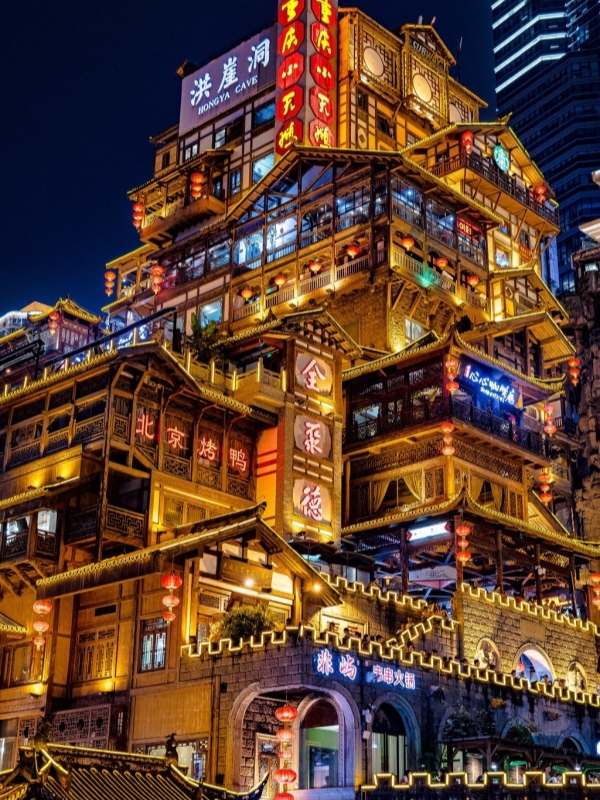
- Hongyadong
-
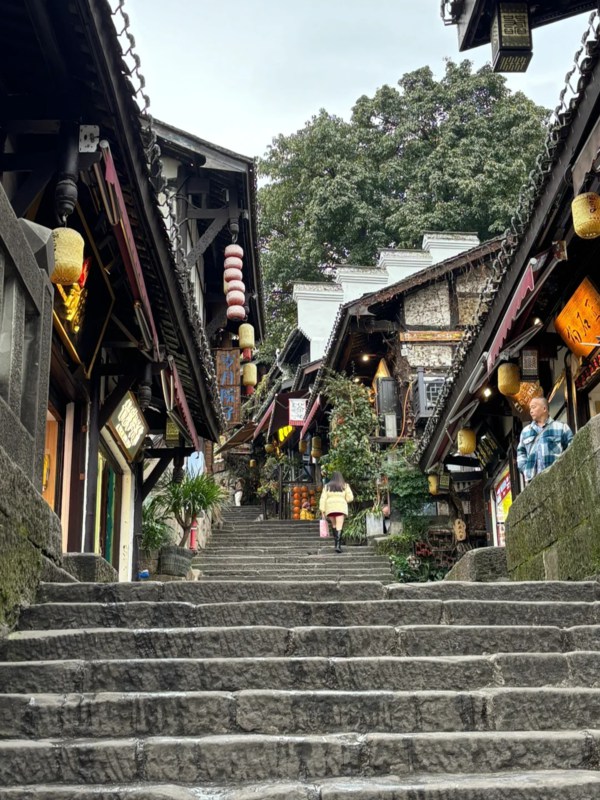
- Stairs of Ciqikou
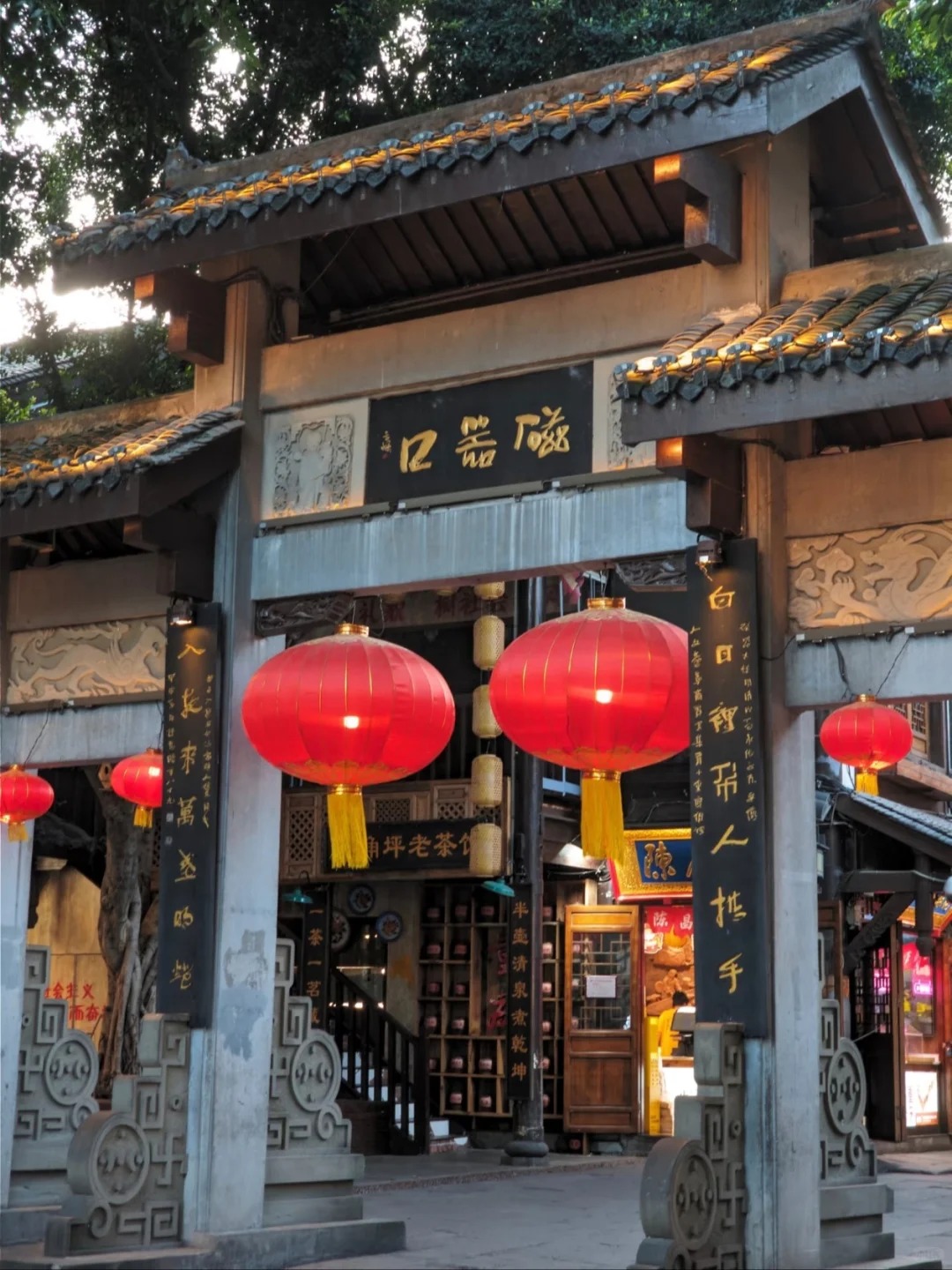
Located close to some of of Chongqing's most popular tourist destinations, you can easily spend a full day exploring this part of the city. If you're starting from the Huxi Campus, it will take approximately 20 minutes by taxi or bus to reach the Ciqikou Ancient Town (磁器口). Since the streets can get very crowded on the weekends; however, the fried dough sticks and handmade crafts are usually worth the effort to get to this place. Also, it does not cost anything to enter Ciqikou.
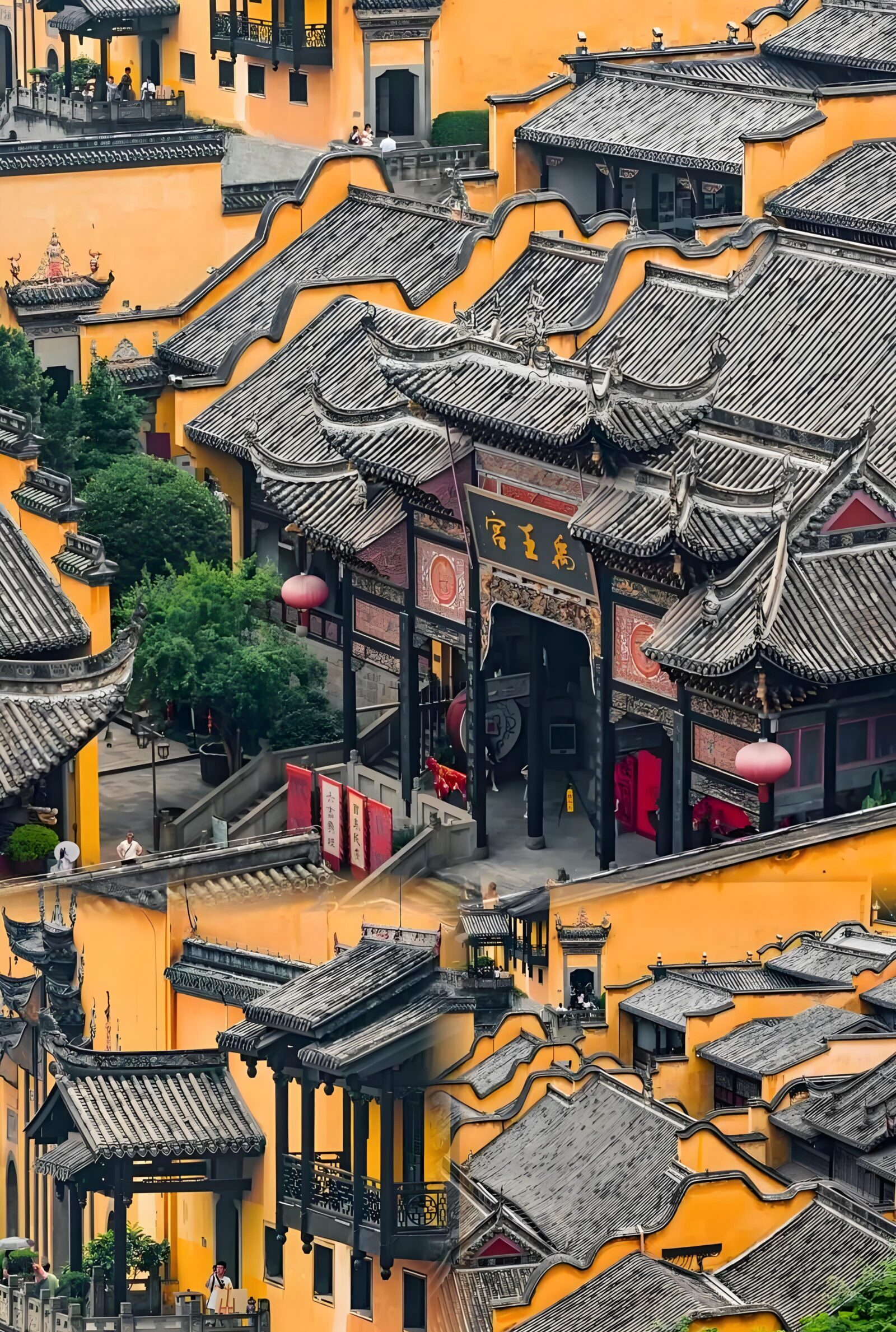
Alternatively, if you are visiting the Huangjueping Campus instead, you could consider visiting the Hongyadong at night. This building is known for its stilted design and especially unique when lit up at 7 PM; therefore, it definitely looks like a scene from a Studio Ghibli film (watch for the monorail as it passes through an apartment building). That was one of the craziest things I have ever seen while in China.
Additionally, for more art, the Chongqing Art Museum is another place you can visit. The art museum downtown has a much smaller size and more traditional feel than the SFAI. Together, they comprise the major art museums in the Chongqing area; you could visit both on your trip.
A possible itinerary: Huxi Campus (morning), Ciqikou (lunch), the Huangjueping Campus and Hongyadong (evening). It would be a long day, but it is feasible.
FAQ About Sichuan Fine Arts Institute Museum
Q: Is the Sichuan Fine Arts Institute Museum free to enter?
Yes, admission is completely free. However, you still need to make a reservation through WeChat before visiting. Some special exhibitions inside the Luo Zhongli Art Museum might charge a small fee—usually around RMB 20-30—but the main galleries and outdoor areas cost nothing. Just bring your passport or ID card for verification at the entrance. Students with valid campus cards can walk in directly without booking.
Q: Do I need to make a reservation for the Sichuan Fine Arts Institute Museum?
Absolutely. No reservation, no entry. Follow the official WeChat account "四川美院美术馆" and select "观众预约" (Visitor Reservation) from the menu. You'll enter your name, phone number, and passport details. The system gives you a QR code—save it to your phone. During busy periods like national holidays, I'd suggest booking 3-5 days ahead. Weekday afternoons tend to be quieter if you want fewer crowds.
Q: What are the opening hours of the Sichuan Fine Arts Institute Museum?
The museum opens Tuesday through Sunday, from 9:00 AM to 5:00 PM. Last entry is at 4:30 PM. It's closed every Monday except during public holidays. Hours might change for special exhibitions or campus events, so checking the official WeChat account before your visit is a good idea. The outdoor sculpture areas and campus grounds stay accessible slightly longer, but indoor galleries close strictly on time.
Q: How do I get to the Sichuan Fine Arts Institute Museum from downtown Chongqing?
For Huxi Campus, take Metro Line 1 to University Town Station (大学城站), Exit A, then walk about 15 minutes southwest. For Huangjueping Campus, Metro Line 18 gets you close—then transfer to Bus 441. A taxi from Jiefangbei costs roughly RMB 40-60 depending on traffic. Use Didi and paste the Chinese address if your driver doesn't speak English. Both campuses have signage pointing toward the museum entrances.
Q: Which campus should I visit — Huxi or Huangjueping?
It depends on what you're looking for. Huxi Campus has the famous colorful mosaic building, the Luo Zhongli Art Museum, and the David sculpture. It's more photogenic and polished. Huangjueping Campus feels grittier—old warehouses, street graffiti, and a bohemian art village vibe. If you only have half a day, Huxi is the safer choice. With a full day, try to see both. They offer completely different experiences.
Q: Is the Sichuan Fine Arts Institute Museum suitable for children?
Mostly yes. Kids usually enjoy the colorful outdoor walls, the terraced tile fields, and the giant sculptures. The campus is open and walkable, so there's space to run around. However, some indoor exhibitions feature contemporary art that might not hold a child's attention for long. The Rent Collection Courtyard sculptures can also feel intense—dark lighting, serious subject matter. For younger children, I'd focus on the outdoor areas and keep the visit under two hours.
Q: Can I take photos inside the Sichuan Fine Arts Institute Museum?
Photography is generally allowed in most exhibition halls, but flash is usually prohibited. Some temporary exhibitions may have stricter rules—look for signs at the entrance of each gallery. Tripods and professional equipment sometimes require advance permission. Outdoor areas like the mosaic walls, David sculpture, and graffiti street have no restrictions. Just be respectful around student workspaces. A few artists don't appreciate visitors photographing unfinished pieces.
Q: What is the Luo Zhongli Art Museum?
The Luo Zhongli Art Museum is the main exhibition building inside the Sichuan Fine Arts Institute Museum complex at Huxi Campus. It's named after Luo Zhongli, the artist famous for his 1980 painting "Father"—a landmark work in contemporary Chinese art. The museum covers 23,000 square meters with ceilings up to 12 meters high. It hosts rotating exhibitions of paintings, sculptures, and multimedia installations, primarily featuring SFAI faculty and student works.