Shopping in Beijing
Shopping in Beijing used to terrify me. I pictured aggressive shopkeepers shouting prices at me in terrible English just like any guidebook suggested. But on Day One, I was proven totally wrong. After three shopping expeditions that took me through heritage lanes, into fashion districts, and even a full-blown art zone, I learned that shopping in Beijing doesn’t have to scorch your credit card. There are routes with each that weave culture into the experience where your guidebook claims there isn’t. And it’s not just about killer deals (although you’ll get those, too). Instead, it's about buying silk from 130-year-old shops where staff teach you quality testing, bargaining at markets that feel like living history, and meeting artists who explain their creative process while you hold the finished piece. Throughout this guide, I'll share exactly where I went, what I paid, which mistakes cost me time and money, and why these three paths transformed how I understand this city. Ready to experience shopping in Beijing through real adventures instead of generic advice?
Beijing's Heritage Shopping Route Delivers Authentic Treasures Without Tourist Traps
Qianmen to Dashilan Walking Loop Costs Under 800 Yuan for Premium Silk
-
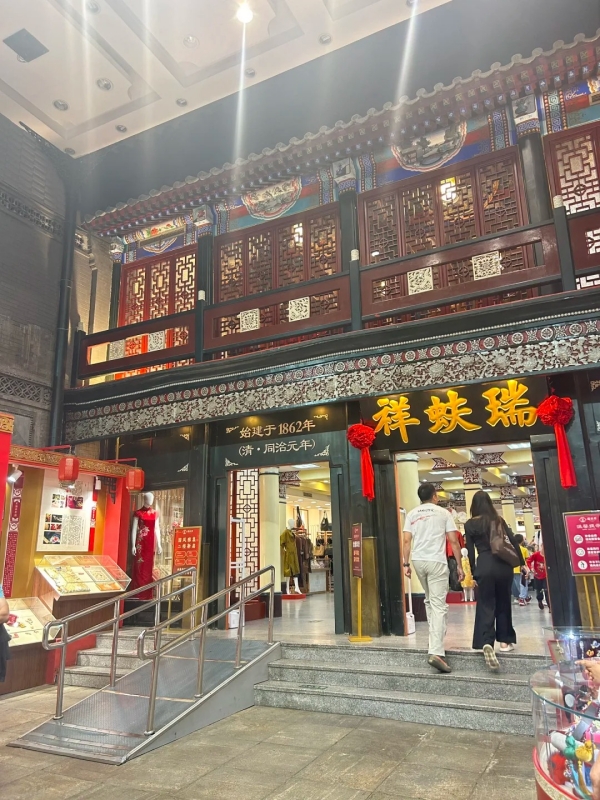

- Ruifuxiang
-
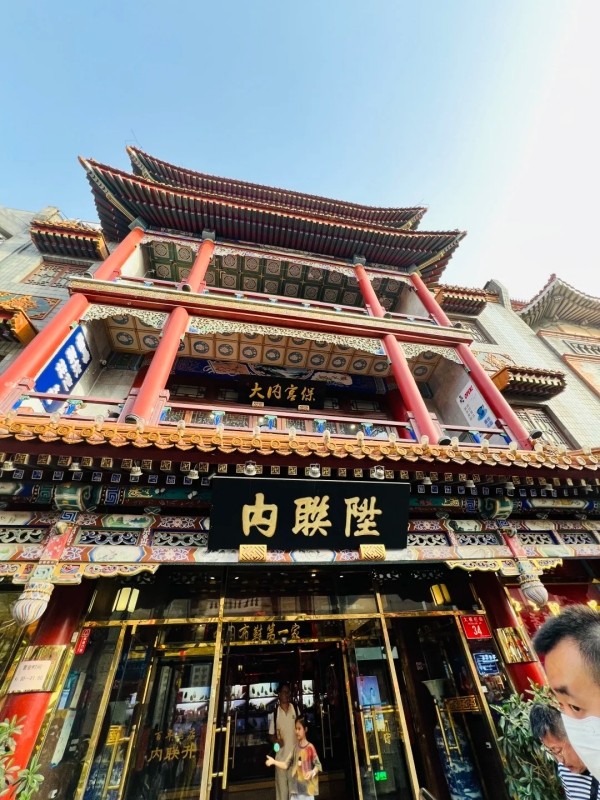
- Neiliansheng Cloth Shoes
-
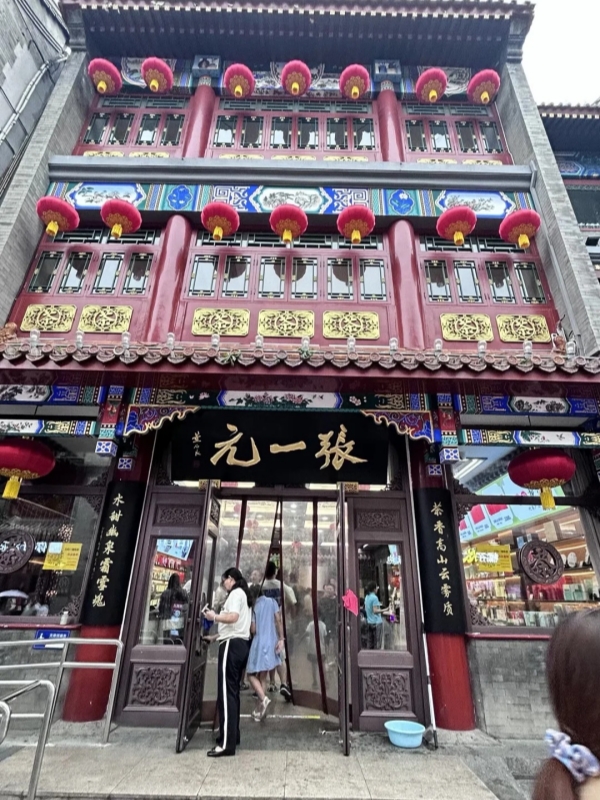
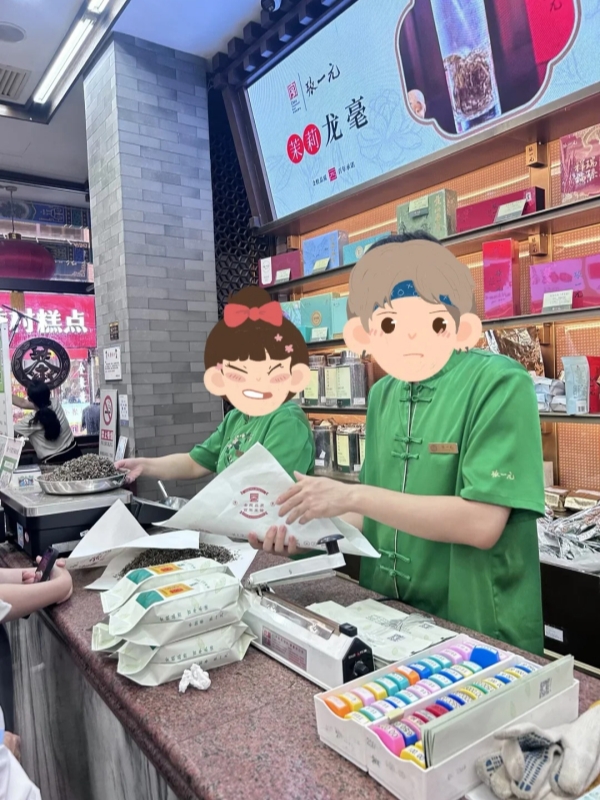
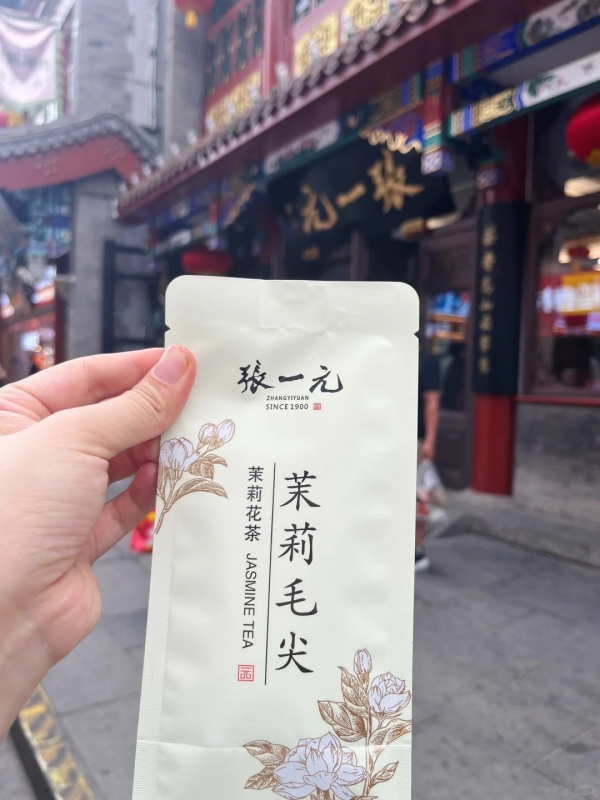
- Zhangyiyuan Jasmine Tea
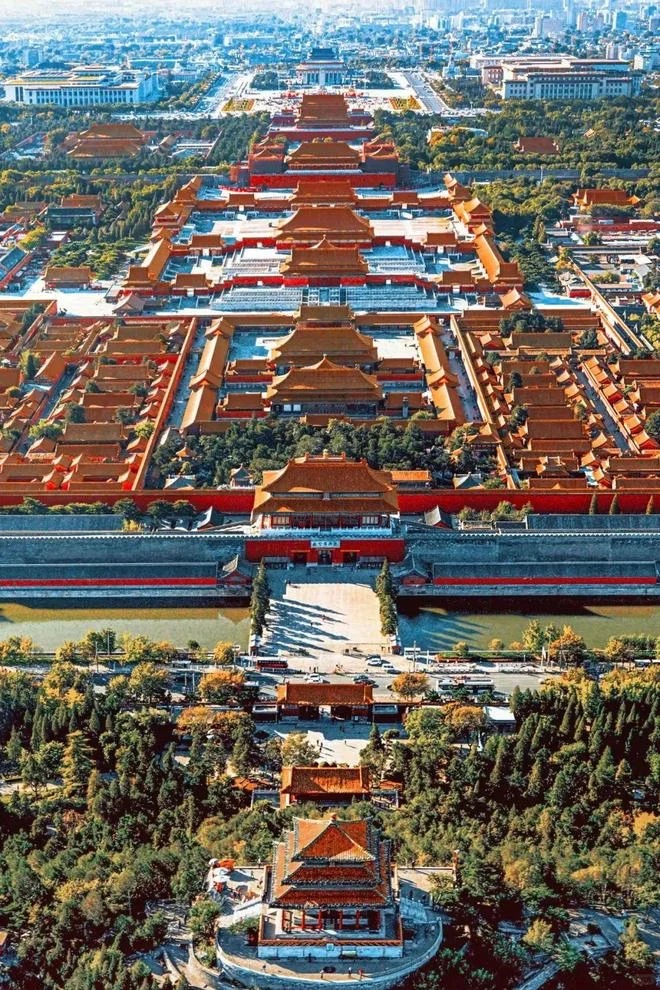
I began my day of heritage shopping bright and early at 9am at Qianmen Station (Metro Line 2, Exit C). The route is no stranger to me—the boulevard of Qianmen street morphs into the hutongs of Dashilan, a 10-minute walk apart. All the way till lunchtime I was flitting from shop to century-old shop: Ruifuxiang for silk, Neiliansheng for cloth shoes, Zhangyiyuan for jasmine tea. This shopping route is heritage shopping in Beijing at its finest! For my lunch of Bianyifang Roast Duck (¥120 per person) or noodles (¥45 per person) at Fangzhuanchang 69, I’d head over to Xianyukou Food Street at noon.
Afterwards, my afternoon brought me to Beijing Fun, a cultural landmark mixing modern design with traditional architecture. Specifically, PAGE ONE bookstore's rooftop terrace gave perfect Zhengyangmen Gate views while I rested. If time allowed, Liulichang Culture Street sat 15 minutes south. My total: ¥680 shopping, ¥130 meals, ¥20 metro. Importantly, every shop accepted Alipay. The genius lies in compact design—everything connects by foot, old stores close by 5 PM (requiring early starts), and Dashilan's inner lanes cost 20-30% less than Qianmen's touristy main street.
Four Heritage Stores Give Me Real Beijing Better Than Souvenirs
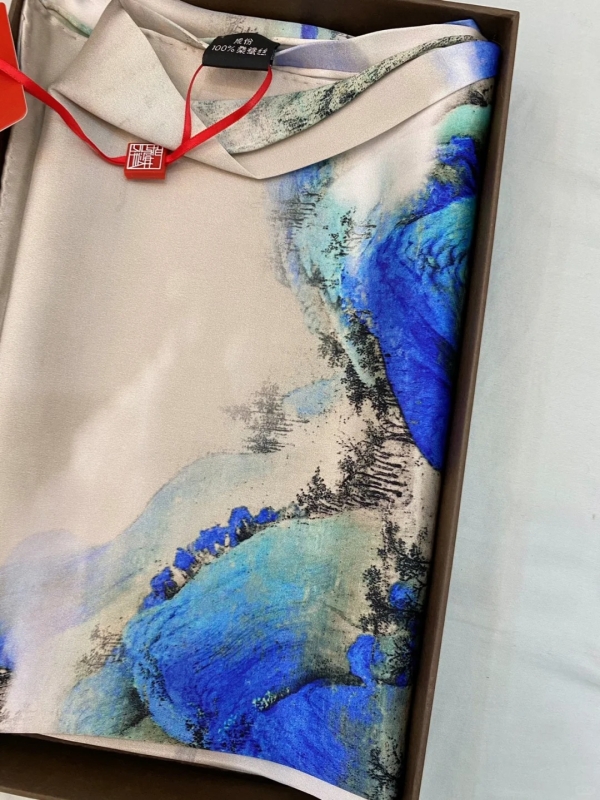
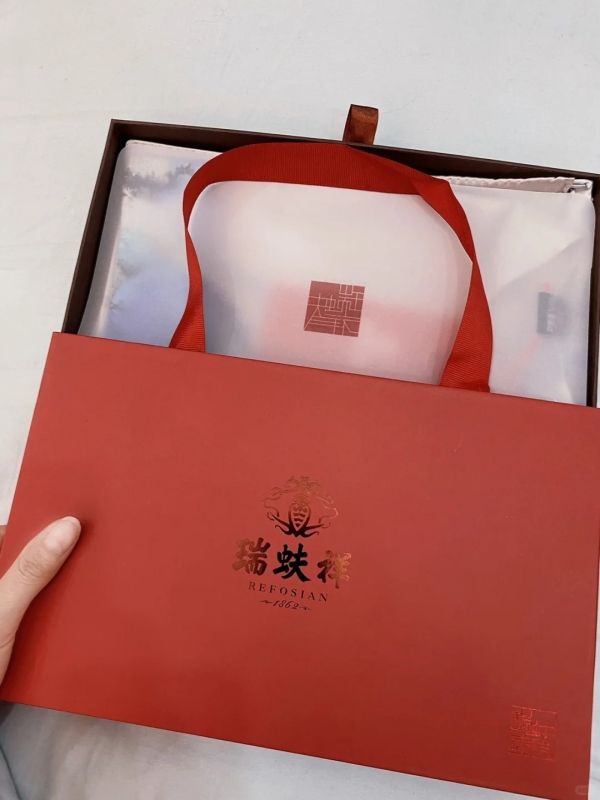
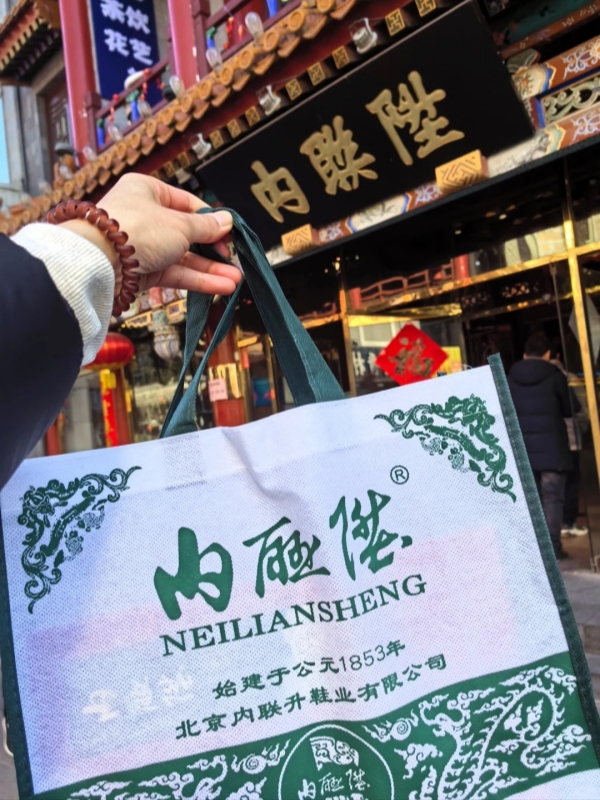
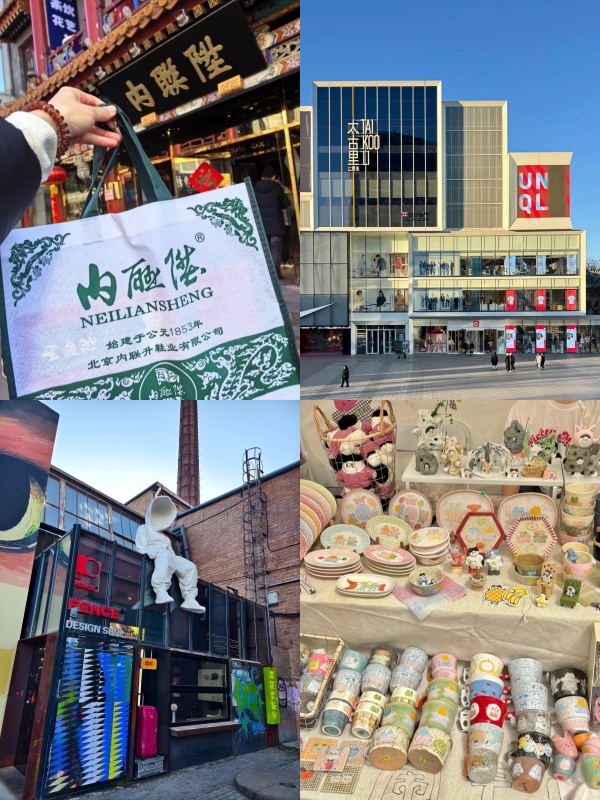
I headed straight for Ruifuxiang Silk, and picked up a lovely 90cm scarf with Peking Opera patterns for ¥380. They do fighting “silk” sampling (burn the damn thing and point out that real has that lovely burning-hair smell, while polyester makes plastic!), and explained the hand-rolled edges (I think using a technique that’s 130 years old?). I also saw similar from an airport shop and they were ¥520!!! Couple of doors down is Neiliansheng Cloth Shoes where I learnt of the thousand-layer soles (more than 2,100 hand stitches to each pair!) making them three times as breathable as leather. Picked up my pair of the women’s shoes for ¥420. So far this week, I’ve done 15,000 steps per day in them and can confirm they are v comfortable.
Zhangyiyuan Jasmine Tea solved my souvenir problem. Their gift box (200g, ¥180) included free tasting where staff explained fragrance types. The iron canister survived my luggage perfectly, beating airport prices by 35%. Additionally, Beijing Gift Official Store at Beijing Fun offered contemporary cultural products. I selected a mortise-tenon Central Axis puzzle (¥128, 15cm×8cm) combining traditional carpentry with modern design. One warning: Qianmen's main street has many "heritage-style" new shops. Real century-old stores display founding years on plaques and don't bargain—but quality justifies fixed prices.
This Heritage Route Feels Like Time Travel With Shopping Bags
-
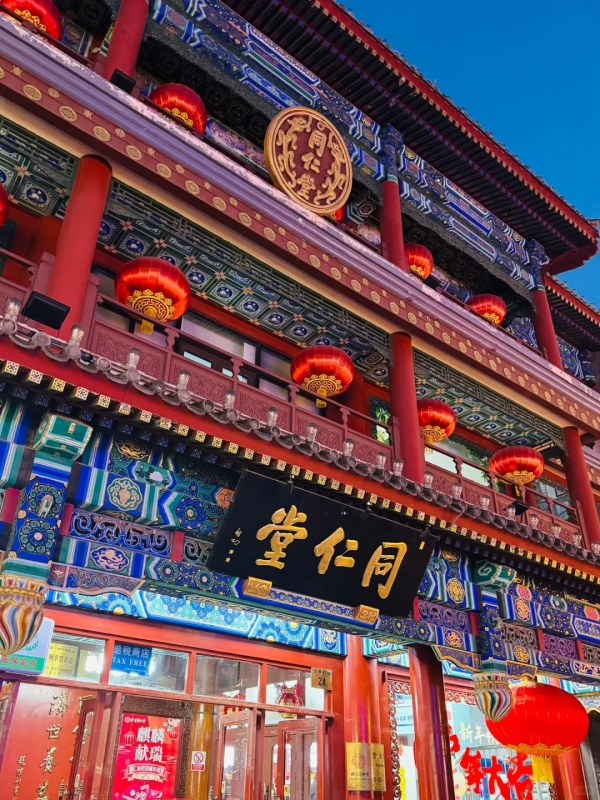
- Tongrentang
-
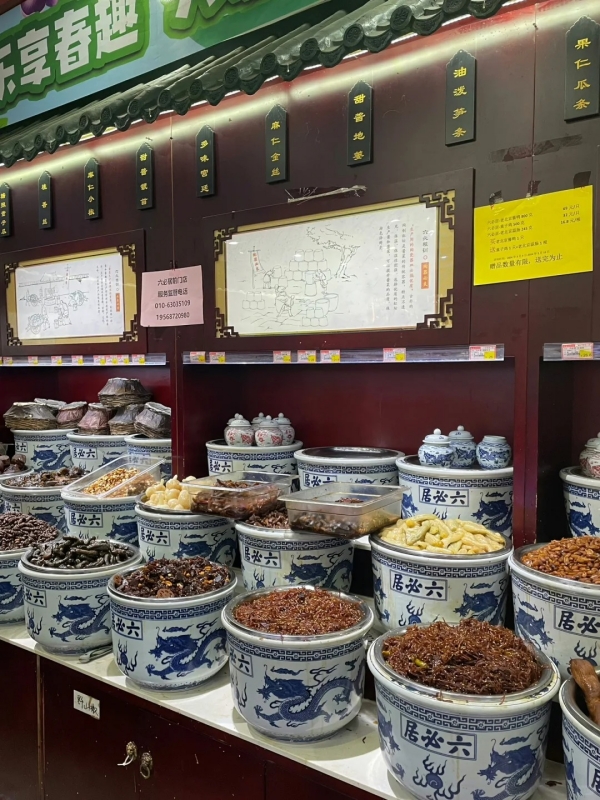
- Liubiju
Stepping from Qianmen's 42-meter-wide boulevard into Dashilan's 3-5 meter hutongs created instant time travel. Suddenly, glass storefronts disappeared, replaced by gray brick courtyard shops from Ming-Qing dynasties. The contrast hit within seconds—one moment photographing LED logos, next touching 300-year-old door frames at Tongrentang Medicine Shop. Beyond that, historical authenticity goes beyond architecture. Tongrentang's Qing Dynasty cabinets (still used after 300 years) and Liubiju's porcelain vats (operating 200+ years) aren't museum replicas—they're functional antiques. Meanwhile, watching pharmacists measure herbs with bronze scales while customers paid via Alipay created surreal modern-ancient fusion.
Later, my actual lunch at heaven knows which Bianyifang’s roasted duck or Fangzhuanchang’s noodles anchored them into memory—with every whiff of roasted duck I conjuring that morning’s purchase of silk. And finally I got my favourite moment at rooftop PAGE ONE of Beijing Fun, wondering the puzzle timeline in my clumsy Chinese, the Zhengyangmen Tower 600 years old beside me. Now I get it. Beijing’s “ancient capital”. Shopping in Beijing here isn’t transactions, it’s conversations with living history.
Beijing's Fashion Districts Rival Tokyo and Seoul for Half the Price
SKP to Sanlitun Marathon Covers Luxury and Streetwear in One Day
-
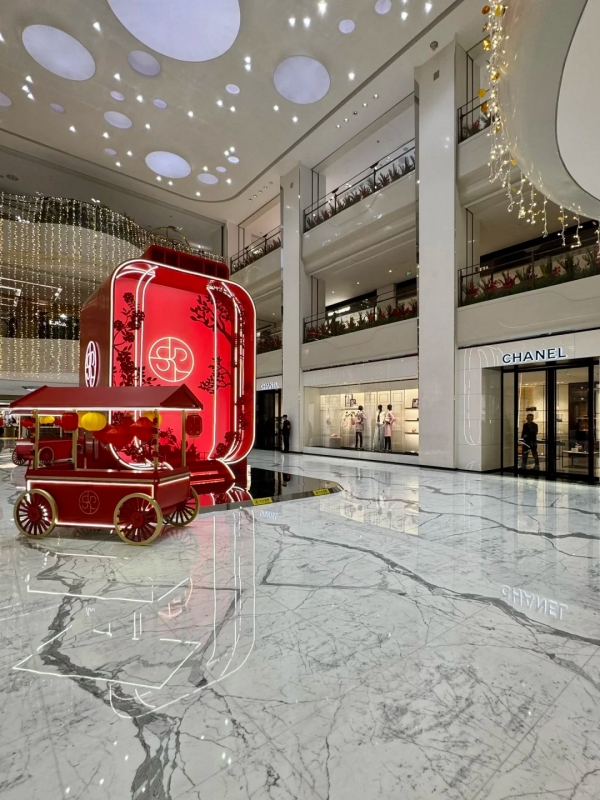
- SKP
-
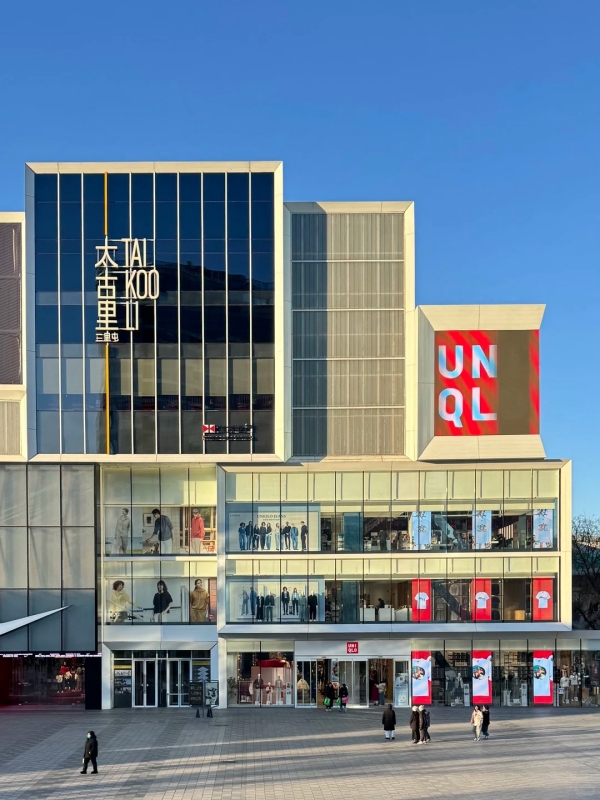
- Sanlitun Taikoo Li
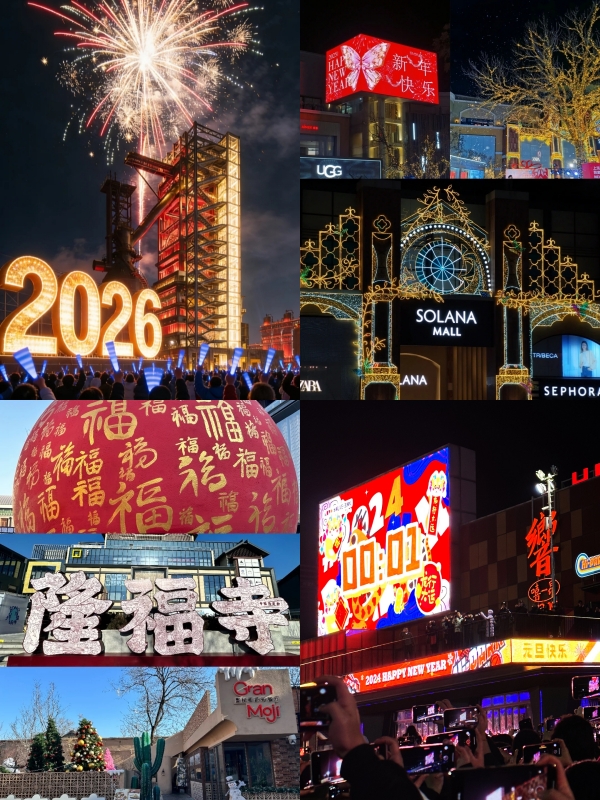
I planned a full fashion day covering three zones. For anyone exploring shopping in Beijing's modern side, this route delivers everything. Starting at 10 AM, I explored SKP and SKP-S for three hours (Dawanglu Station Exit A, Line 10). Then, mid-afternoon shifted to Sanlitun Taikoo Li after food court lunch (¥60-100). Tuanjiehu Station Exit A places you directly at Taikoo Li's north entrance. The 3.5-hour Sanlitun session became my main battlefield—comparing prices, trying items, absorbing street fashion energy.
By 630pm, I took a ¥35 taxi (20 minutes) to SOLANA for casual evening browsing. Budget considerations: window shoppers typically spend ¥200-500 on a meal and smaller items. Moderate shoppers like me “allow” ¥1000-3000 or so to acquire designer pieces.
Luxury buyers allow ¥5000+ as their starting point. I also learned that traffic is about 60% lighter on weekdays - I visited on Tuesday and I browsed a GENTLE MONSTER store, without queuing. Conversely, I made attempts on Saturday but waited 40 minutes before giving up. I treated SKP-S like a free art exhibition to preserve my stamina. Then we have Taikoo Li to give my full attention to. Finally, SOLANA. Just to relax.
Designer Sunglasses and Labubu Dolls Made My ¥2,000 Budget Work
-
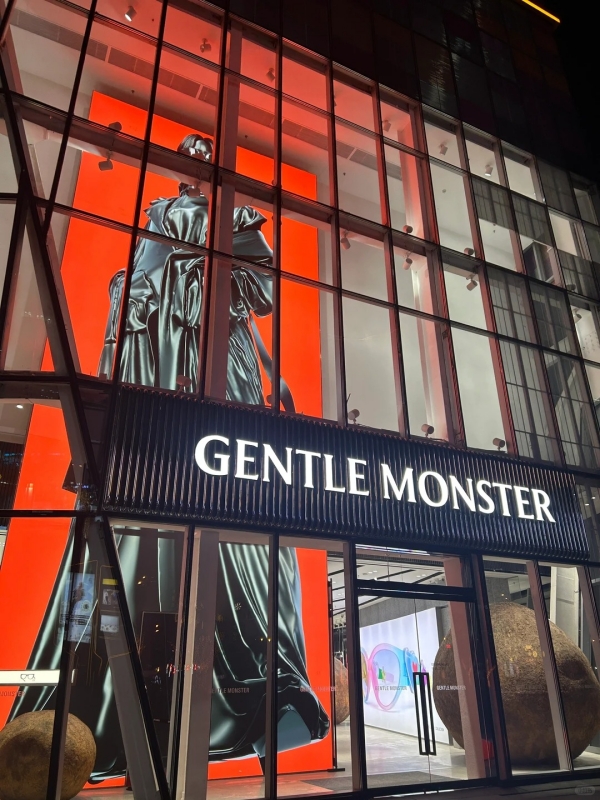
- GENTLE MONSTER sunglasses at Sanlitun
-
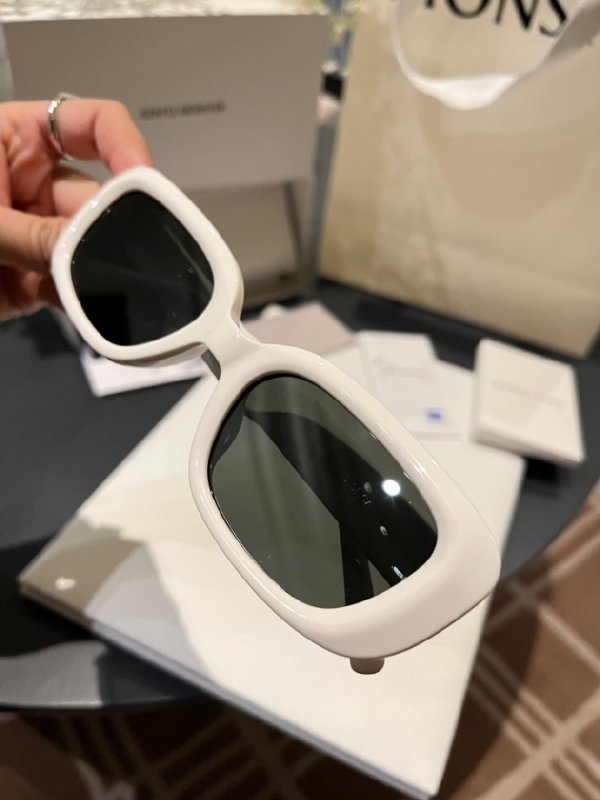
- GENTLE MONSTER Sunglasses
-
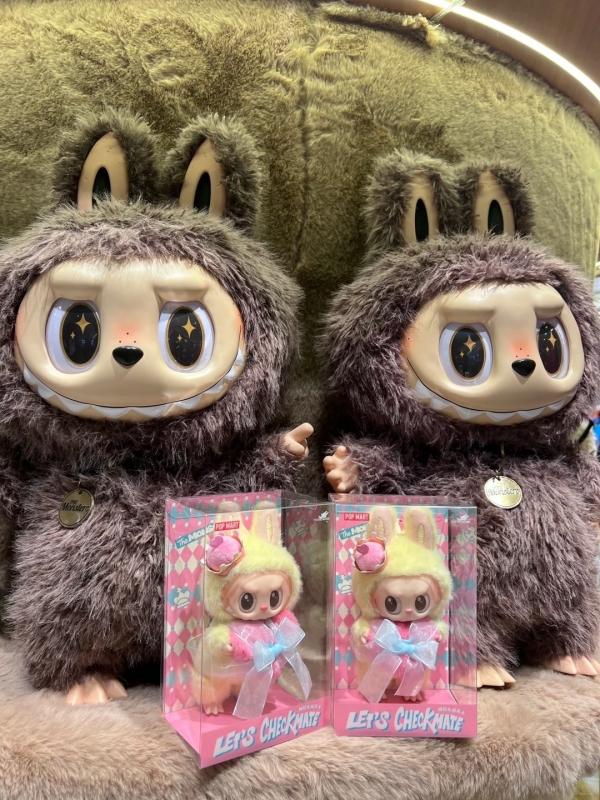
- LABUBU Blind Boxes
GENTLE MONSTER sunglasses at Sanlitun cost ¥1,280. Staff analyzed my face shape, recommending frames balancing proportions. I tried 12 styles before selecting oversized black frames. Versus Korean websites (¥1,450 plus ¥200 shipping, 3-week wait), I saved ¥370 with immediate gratification. Next, POP MART City Park became my guilty pleasure—three LABUBU blind boxes (¥59 each) plus one fixed doll (¥79), totaling ¥256. The world's first POP MART theme park offers exclusive Beijing editions released bi-weekly. Weekend queues stretch 30 minutes, Tuesday mornings meant zero wait.
My new pick-me-up was the Byredo Bal d'Afrique travel spray (30ml, ¥680) found after a 20-minute consultation in the fragrance zone of SKP, one of Xi'an's most extravagant shopping malls. The advisor sprayed my wrists and a piece of paper with 15 fragrances in total, to help me identify my tastes beyond the vanilla-vs-floral spectrum.
She suggested the Bal d'Afrique based on my style of dress. I also left the Zara at Taikoo Li with two T-shirts and a tote (¥150), and I considered the China-exclusive colours and those limited edition totes a boost to my collection. My total of ¥2,366 actually exceeded the ¥2,000 I had planned to spend by ¥366. But the zany zero-purchase days like Monday felt 'well-considered'.
Beijing's Fashion Scene Pulses Fastest Between These Three Spots
-
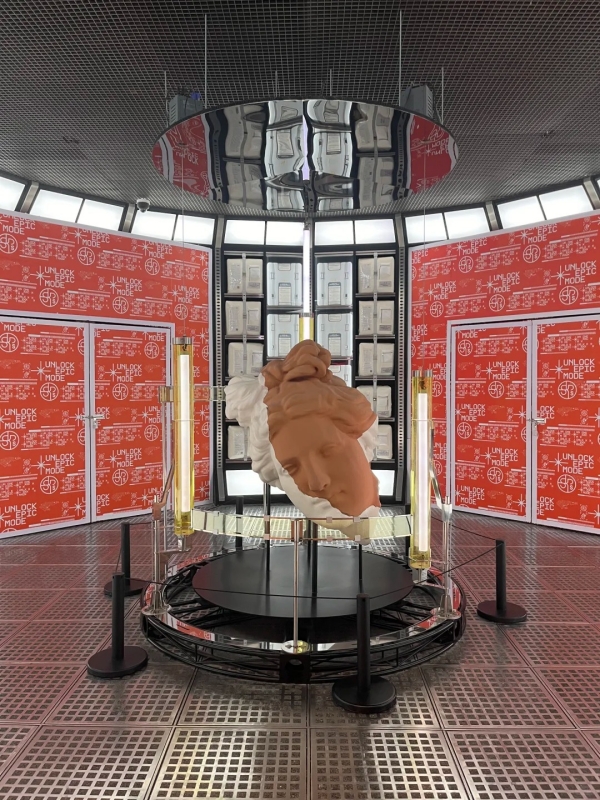
- SKP-S Future Mars Exibition
-
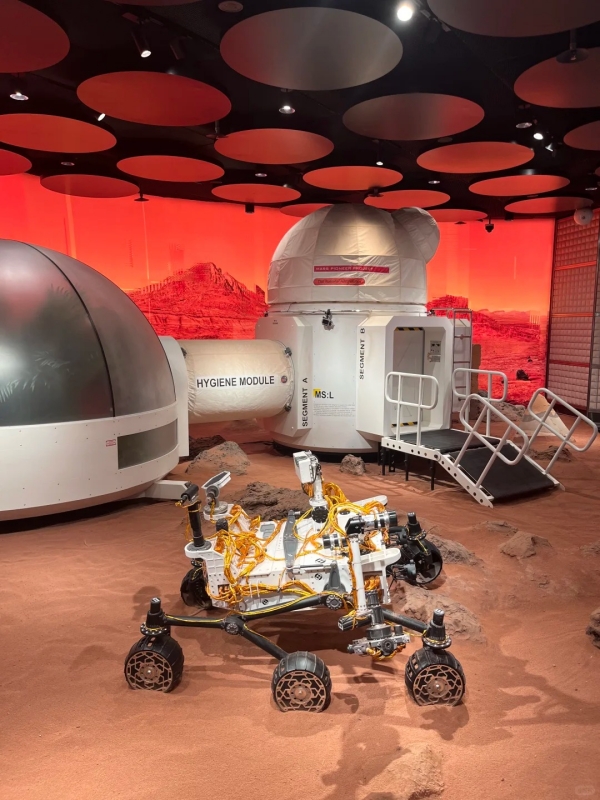
- SKP-S Future Mars Exibition
-
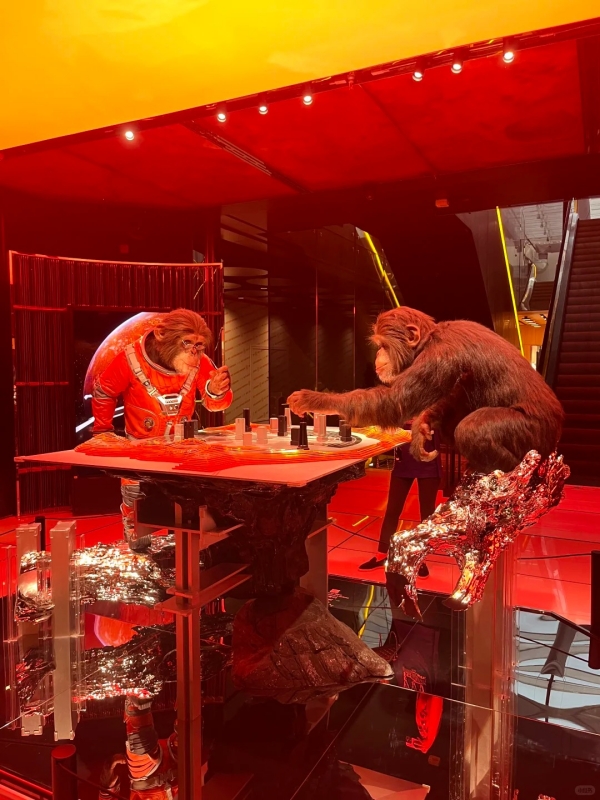
- SKP-S Future Mars Exibition
SKP-S transformed shopping in Beijing into science fiction. The "Future Mars" theme fills this mall with suspended meteorite sculptures, 3D holographic walls, and mirror-ceiling infinity effects. I spent 90 minutes photographing installations before touching products. LV, Gucci, Hermès occupy floors 3-4, but the real luxury is free art immersion. Meanwhile, Taikoo Li Sanlitun electrified me with street culture. This open-air district dissolves retail-public space boundaries. I counted 15 street photographers outside Apple Store—people-watching rivals shopping as primary activity.
The crowd skews young 20s to 35 with 30%+ foreigners creating the international atmosphere. I heard English, Korean, Japanese within 5 minutes. Then SOLANA flipped me into romance mode. European-town architecture surrounds a small lake makes for that fairy-tale experience further heightened by twinkly lights past 6 PM. As edgy as all that energy at Taikoo Li was, that family-friendly vibe eased the overtired mind. These three last places tell me that Beijing is not just the “ancient capital” but that its fashion is totally alive in the lovingly curated spaces we see.
Beijing's Art Districts Hide Handmade Treasures Big Malls Cannot Sell
798 Art Zone to Lángyuán Station Circuit Takes Half a Day
-
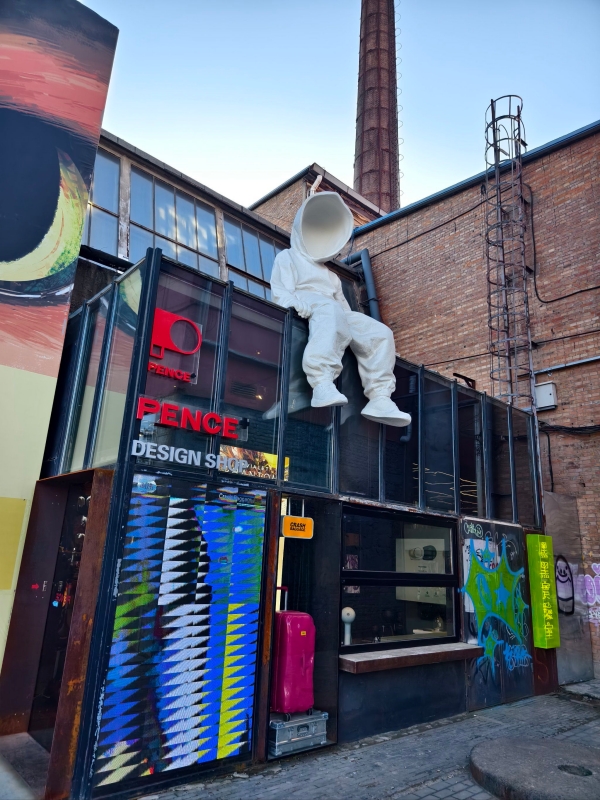
- 798 Art Zone
-
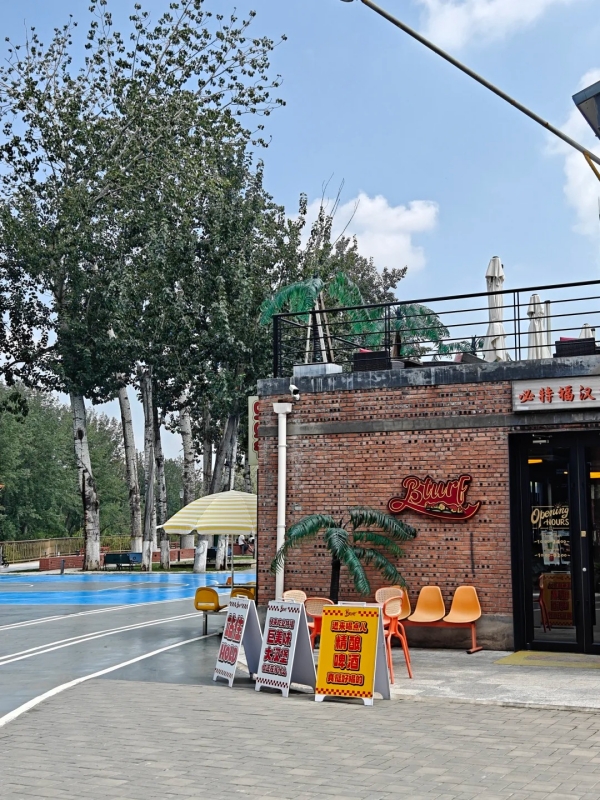
- Lángyuán Station
I started at 10 AM at 798 Art Zone (Metro Line 14 to Wangjing South Exit C, then 15-minute walk or ¥12 taxi). For creative souls, shopping in Beijing's art districts offers treasures malls cannot replicate. The Bauhaus factory architecture houses 200+ galleries and designer boutiques. UCCA Center anchors the district—I browsed their shop 40 minutes comparing limited-edition prints. Independent designer stores line main pathways selling handmade jewelry, clothing, ceramics. Several pottery workshops offer drop-in experiences (¥80-150 for 1.5 hours).
Lunch at AT Café (¥80-120) or Trojan Theater Restaurant (¥100-150) provided mid-circuit rest. By 2:30 PM, I took a 25-minute taxi (¥45) to Lángyuán Station. The converted textile warehouse features red-brick industrial aesthetics. Tourist traffic drops 80% versus 798, creating quiet atmosphere perfect for creator conversations. Many studios welcome visitors to watch work. Custom services (jewelry sizing, pottery glazing) add personalization impossible at mass retailers. Total costs: ¥60-80 transport, ¥100-150 dining, ¥200-1,000 shopping.
Handmade Earrings and Pottery Cups Cost Less Than Mass-Produced Items
-
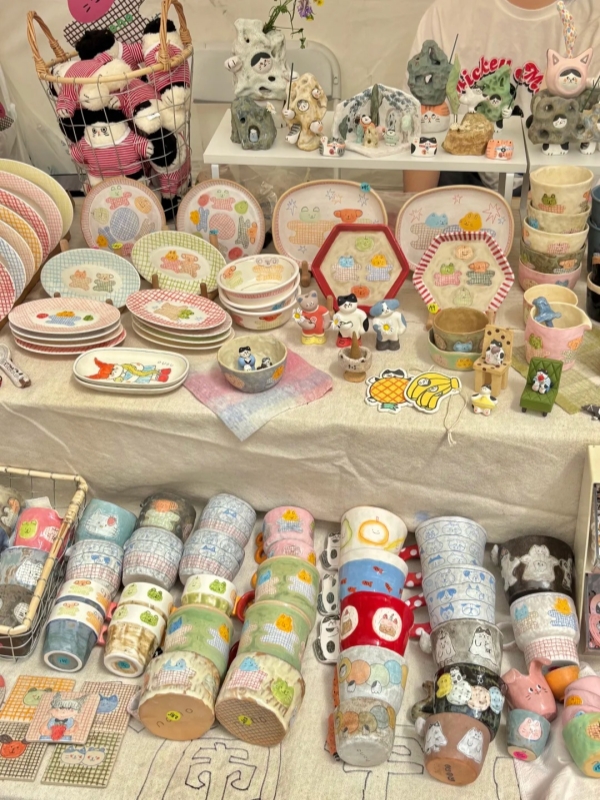
- Handmade Pottery Cups
-
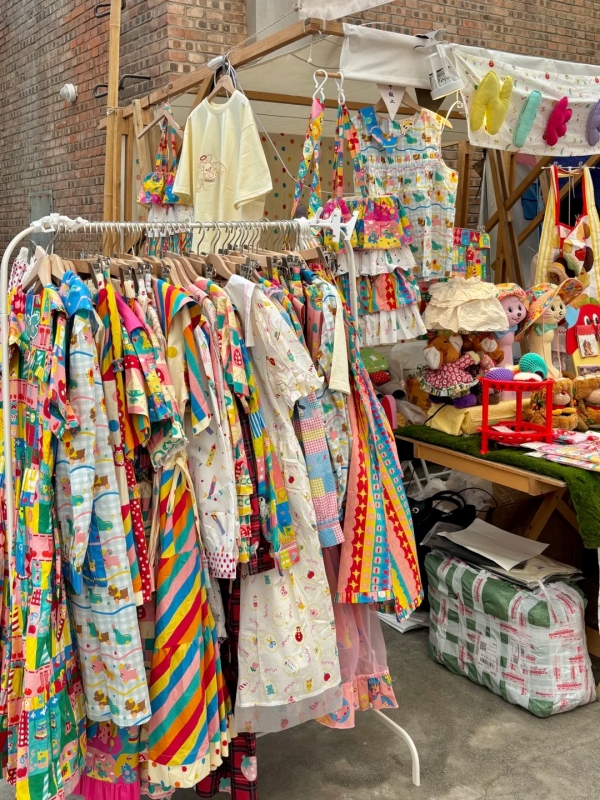
- Lángyuán Store
Lángyuán handmade silver earrings (925 silver, irregular wave shape): ¥180. In contrast, mall designer brands sell similar for ¥400-600. I got to talk to the artist, who explained the ocean waves inspiration, adjusted the ear hooks for free on my smaller ears, and also gave me a signed certificate, plus a polishing cloth. Next, a hand-thrown pottery coffee cup (250ml) ¥150; from a 798 workshop. MUJI's machine-made ceramics go for more like ¥80-120 but feel very much "sterilized". I can see the potter's fingerprint in the bottom of mine - a deliberate "signature" intended to demonstrate the handwork.
Limited-edition art prints at UCCA ran ¥350 for numbered copies (30/100 edition). IKEA prints cost ¥50-150 but offer zero collecting value. Original artworks start ¥50,000+. These prints bridge affordability and art collecting, including certificates and artist biographies. Additionally, tie-dye silk scarf (¥280) came from a Lángyuán store. Zara sells synthetic scarves for ¥100-200, branded silk costs ¥600-1,200. This included 20-minute tie-dye demonstration using natural dyes. Why do handmade items cost less? Direct artist sales eliminate middleman markups. Small-batch production avoids inventory costs. My ¥960 total bought four unique pieces carrying maker stories.
Every Purchase Comes With a Story Artists Tell You Themselves
-
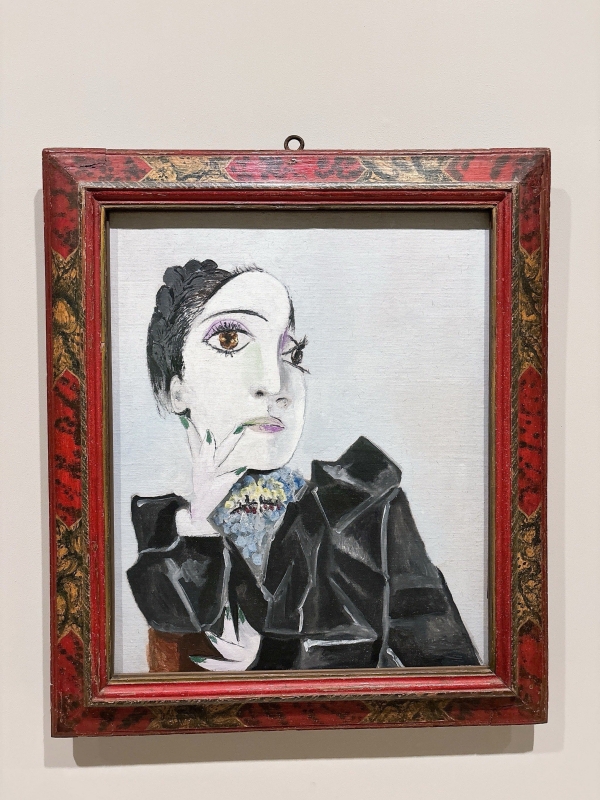
- UCCA Art Prints
-
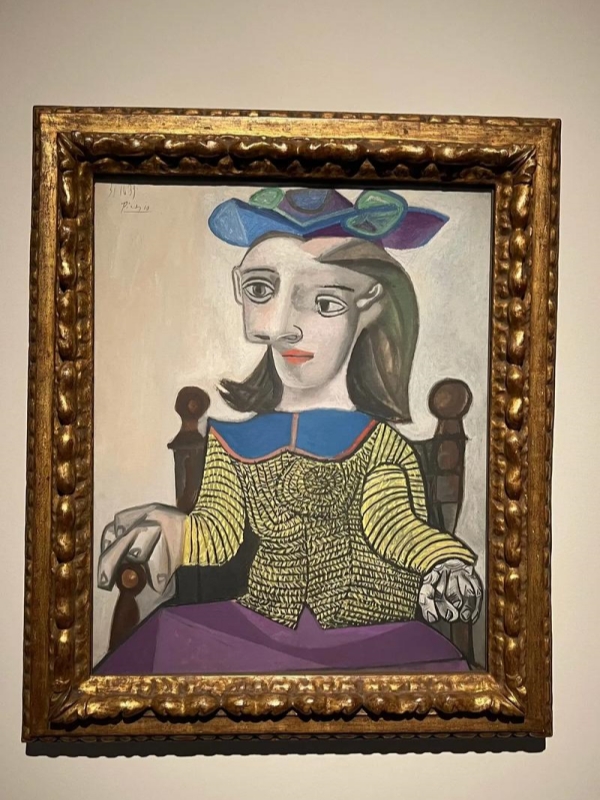
- UCCA Art Prints
Thrills of discovery abound in the spaces of 798. Bauhaus factories soar to over 8 meters high, with unmarked doorways to obscure galleries lying around each corner. I stumbled across a glass-working studio through a unlabeled red door. I chitchatted with a master, clearly well-practiced after more than 40 years at his craft. Cupid found his bow for me and shot me on to stage 2 like it always should, rewarding me, like others, for my wanderings in lieu of planned routes. There’s that treasure-hunt excitement missing from sterile malls.
Moreover, meaningful conversations transform shopping in Beijing into relationships. Lángyuán studios averaged 15-30 minute chats about creative processes. The potter told me: "This cup's fingerprint is my signature—machines can never produce this warmth." Similarly, the tie-dye artist explained: "See how blue depth varies? That comes from fabric folding pressure differences." Additionally, weekend markets add human warmth. Changping Xinzhuang Market's bread oven released wheat aromas while bakers explained sourdough. Papercut masters demonstrated techniques to rapt audiences. These gestures transformed products into memory vessels where exchange experiences matter as much as objects.
These 4 Practical Tips Saved Me ¥500 and Hours of Confusion
Alipay Tour Pass Works Better Than Credit Cards in 80% of Beijing Shops
When it comes to shopping in Beijing, payment methods matter immensely. Setting up Alipay Tour Pass took me five minutes: download app, select Tour Pass, bind international credit card, load ¥500. I used it seven days with 98% success across Dashilan shops, 798 cafés, and market stalls. Only failed twice—one elderly vendor without smartphone, one cash-only cart. Therefore, carry ¥500-1,000 backup cash for emergencies and traditional vendors.
Bargaining at Silk Market Starts at 40% of Asking Price
At Silk Market, vendors expect negotiation—I started at 30-50% of asking prices. My cashmere scarf: tagged ¥450, I offered ¥150, settled ¥180 after 20 minutes. Panjiayuan antiques also bargain heavily. However, never haggle at heritage stores or mall counters. Use "太贵了" (too expensive) with smiles. Ultimately, treat it as playful game, not combat.
Weekday Mornings Beat Weekends for Crowds and Prices
Weekdays 10 AM-3 PM cut crowds by 60% everywhere. Taikoo Li felt spacious Tuesday versus packed Saturday. Double 11 (November 11) brings 50-80% mall discounts. Christmas season offers more sales. Heritage shops close by 5 PM—start early morning. My Saturday mistake: 40 minutes finding parking at Sanlitun. In contrast, Tuesday visit: same route in one hour including coffee.
Budget ¥1,000 Per Route Gets You Authentic Souvenirs
My heritage route totaled ¥900: jasmine tea ¥180, puzzle ¥130, silk scarf ¥380, snacks ¥30, roast duck lunch ¥150, metro ¥30. Fashion route ran ¥990-2,840 depending on designer purchases. Art route cost ¥540-1,210 for handmade items. Free experiences included SKP-S art installations, 798 galleries, Beijing Fun architecture. Ultimately, setting ¥1,000 budget per route balanced my desires with spending limits.
FAQs: Your Beijing Shopping Questions Answered From Real Experience
Q: Is Beijing a good place for shopping?
Yes, but success depends on goals. When considering shopping in Beijing, you'll find it excels in cultural souvenirs with heritage (century-old silk and tea shops), affordable Chinese designer goods (40-60% less than exports), and unique handmade pieces (798 studios). However, skip Beijing for Western luxury at Western prices—Hong Kong serves that better. Ultimately, shopping in Beijing blends culture with commerce, delivering experiences beyond transactions.
Q: What is the best thing to buy in Beijing?
Three categories deliver optimal value: Zhangyiyuan tea (¥120-300) beats airport prices by 40%, independent designer jewelry from Lángyuán (¥150-600) costs half of mall brands, and 798 art prints (¥200-500) provide collecting entry. Avoid mass-produced "Forbidden City" merchandise. My winner: Ruifuxiang silk scarves (¥380) combining 130-year craftsmanship with practical beauty.
Q: Is shopping for clothes cheaper in China?
Chinese domestic designers cost 40-60% less than exports. Fast fashion (Zara/H&M) matches European pricing. Luxury brands cost more due to import taxes—Gucci bags run 15-20% higher than Paris. Buy Chinese streetwear, handmade market items, or Silk Market basics after heavy bargaining. I saved ¥800 selecting local designers over international brands during my fashion route.
Q: Is Beijing cheap or expensive?
Beijing sits between budget and luxury depending on choices. Cheap: traditional markets (¥50+), street food (¥10-30), metro (¥3-9). Expensive: international brands, Wangfujing tourist traps, trendy cafes (¥40-60). My daily spending averaged ¥500-1,500 comfortably. Budget travelers manage ¥300-400 daily. Beijing offers mid-range value with high cultural returns compared to pricier Shanghai.
Q: Where can I find cheap clothes in Beijing?
Silk Market offers cheapest options—start bargaining at 30-40% of marked prices. I bought t-shirts for ¥40 (marked ¥150). Better value: Xidan malls where Chinese brands cost ¥50-200 with reliable quality. Use Silk Market for basics only, invest ¥200-600 in Chinese designers for lasting pieces.
Q: What are the best luxury shopping malls in Beijing?
SKP Beijing houses every major luxury brand. SKP-S adds "Future Mars" art installations. China World provides international atmosphere. WF Central offers quiet refined luxury. I tested all: SKP wins for variety, China World for convenience, WF Central for peaceful browsing. Weekday mornings reduce crowds 60%.
Q: Are there any unique markets in Beijing I shouldn't miss?
Panjiayuan Antique Market opens 6 AM weekends for treasure hunting—90% items are reproductions but atmosphere feels authentic. Hongqiao Pearl Market specializes in pearls (floors 3-4) with 50-70% bargaining room. Changping Xinzhuang weekend market features artisan bread, organic produce, and maker conversations. Visit Panjiayuan early before tourist crowds. Bring cash for elderly vendors.
Q: How do I avoid buying fake products in Beijing?
Silk Market sells 95% counterfeits—shop there only for cheap copies knowingly. For authentic goods, stick to official stores (SKP, China World), heritage shops (Ruifuxiang, Neiliansheng), or artist studios (798, Lángyuán). Quick check: genuine luxury costs 70%+ of retail. If ¥300 "Gucci" seems impossible, it's fake.
Q: What's the best way to get around Beijing shopping districts?
Metro wins for efficiency at ¥3-9 per trip. Lines 1 and 10 connect major areas. Download "Beijing Subway" app for English. Use Didi when carrying bags or visiting remote locations. Taxis cost ¥13 base plus ¥20-40. I used metro 80% of shopping days. Walking connects heritage points easily.
Q: Can I get a tax refund when shopping in Beijing?
Foreign visitors get 9% refund on purchases above ¥500 at designated stores. Request forms when paying, get customs stamps at airport, collect refund. Takes 30-60 minutes—arrive early. I reclaimed ¥180 on ¥2,000 spending. Only worthwhile for ¥5,000+ purchases where refunds exceed hassle.