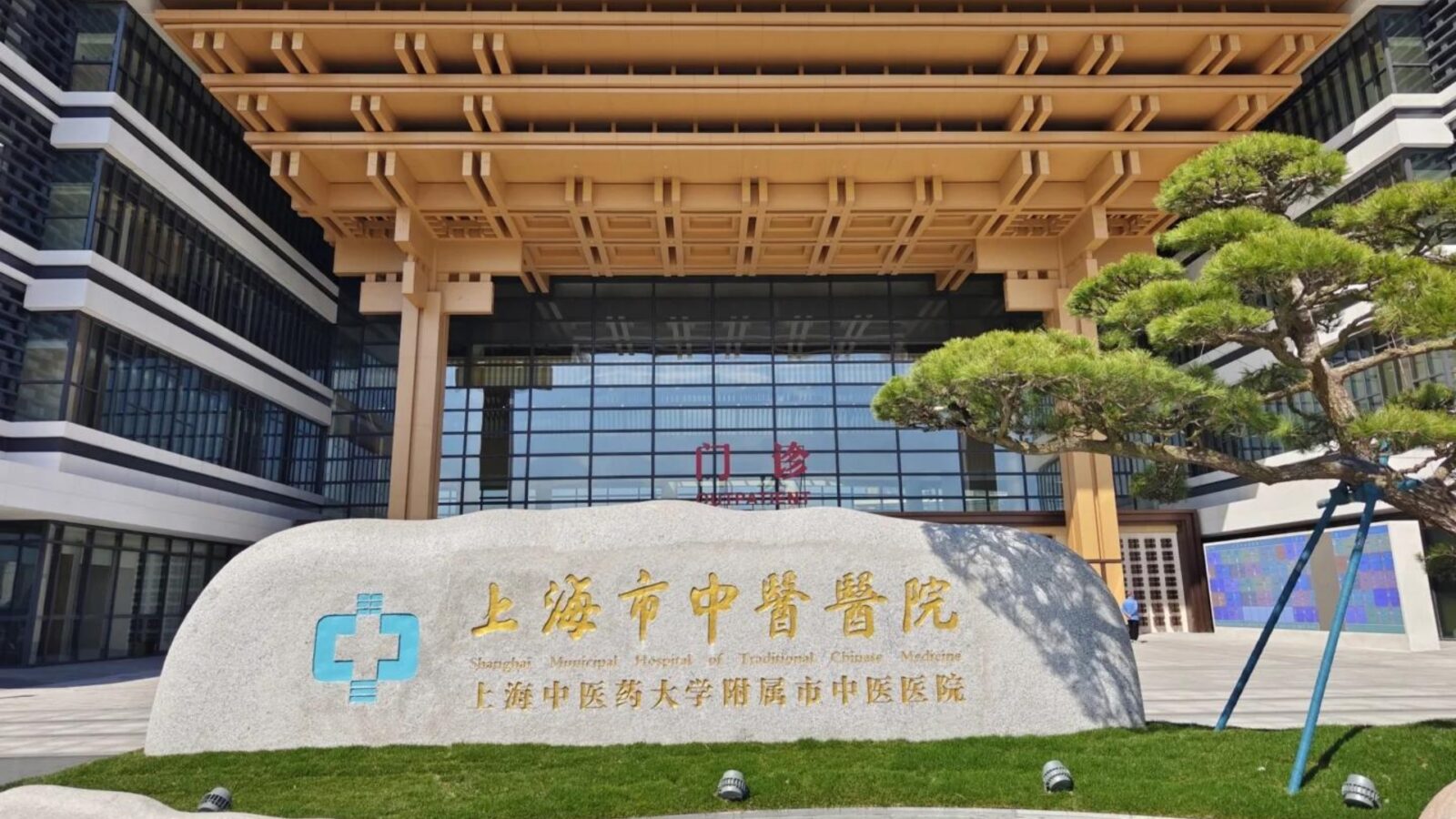
The Shanghai Hospital of TCM
Shanghai Municipal Hospital of Traditional Chinese Medicine (上海市中医医院) - Founded in 1954, it is a Grade III-A public TCM hospitals also known as Shanghai Hospital of TCM (上海市中医医院,亦称“上海市中医院”) is composed of 3 campuses in Shanghai, providing a lung service with over 1.93 million outpatient visits annually! Housing the main transmission base of several important “Haipai” lineages like Xu’s, Dong’s, Ding’s, Lu’s and more, together with Shanghai University of Traditional Chinese Medicine for their curriculum and training programs, our guide provides all the relevant info on accessing Shanghai Hospital of TCM for the overseas patient seeking genuine Shanghai TCM treatment! Departments, booking, cost of consultations, course of treatments, first time visit? – all, explained for you!
TOP 5 Reasons This Hospital Leads TCM Excellence
1. The 70+ years of clinical heritage recognized nationally
- Founded September 1954 as Shanghai's first municipal TCM outpatient clinic
- Holds 3 National Clinical Key Specialties (Ministry of Health designation)
- Maintains 6 National TCM Key Specialties and 2 National Key Disciplines
- Primary transmission base for Shanghai "Haipai" TCM lineages (Xu's Pediatrics, Dong's Pediatrics, Ding's Tuina, Lu's Acupuncture)
- Received 7th National Civilized Unit award (May 2025)
2. Over 70 renowned TCM experts practice here
- 171-205 senior-titled physicians across departments
- 16-21 doctoral supervisors and 70-88 master's supervisors
- 5 National Famous TCM Expert Heritage Studios
- 71.2-80.96% of medical staff hold master's or doctoral degrees
3. Comprehensive TCM services across specialized departments
- Departments cover internal medicine, surgery, pediatrics, gynecology, oncology, orthopedics, neurology, acupuncture, tuina
- Pediatrics: National Clinical Key Specialty with 100+ years heritage
- Encephalopathy: National TCM Administration Key Specialty status
- Oncology: Four subdivisions for respiratory, gastrointestinal, reproductive cancers
4. Modern facilities combined with traditional methods
- Three campuses with 530 beds at main location; Jiading Campus (112,000 sq meters, opened January 2024)
- Equipment: MRI, 64-slice CT, DSA, focused ultrasound systems
- National GCP Base certified by CFDA for clinical trials
- Internet Hospital platform for telehealth consultations via WeChat
- Herbal decoction services rank first among Shanghai TCM hospitals
5. Academic research and physician training hub
- Shanghai TCM Research Institute's Pediatrics Research Institute operates within hospital
- National Residency Standardization Training Base for TCM
- National Physician Qualification Examination practical skills testing site
- Encephalopathy department ranks 8th nationally in comprehensive influence assessments
Expert Departments at Shanghai Hospital of TCM Matching Patient Needs
| Department | Chinese Name | Core Specialties | Ideal Patient Profile |
|---|---|---|---|
Pediatrics | 儿科 (徐氏儿科) | Asthma, respiratory infections, digestive disorders, ADHD, tic disorders | Children 0-18 years |
| Acupuncture | 针灸科 | Insomnia, pain management, stroke rehabilitation, weight loss | Adults with neurological/pain conditions |
| Encephalopathy | 脑病科 | Parkinson's disease, stroke, epilepsy, vertigo | Adults with neurological disorders |
| Tuina | 推拿科 | Cervical spondylosis, lumbar conditions, chronic fatigue | Adults with musculoskeletal pain |
| Oncology | 肿瘤科 | Lung cancer, GI cancers, integrative cancer support | Cancer patients at all stages |
| Orthopedics | 骨伤科 | Fractures, disc herniation, joint diseases | Adults with bone/joint conditions |
| Internal Medicine | 中医内科 | Cardiovascular, digestive, respiratory, metabolic conditions | Adults with chronic diseases |
| Gynecology | 中医妇科 | Menstrual disorders, infertility, menopausal syndrome | Women with reproductive health needs |
| Mental Health | 神志病科 | Insomnia, anxiety, depression | Adults with psychiatric concerns |
| Rehabilitation | 康复医学科 | Post-stroke recovery, physical therapy | Patients requiring rehabilitation |
| Dermatology | 皮肤科 | Eczema, skin conditions | Patients with skin disorders |
| ENT | 耳鼻喉科 | Rhinitis, throat conditions | Patients with ear/nose/throat issues |
Pediatrics: Xu's Pediatrics heritage spanning four generations
Classification Overview: National Clinical Key Specialty (Ministry of Health) | 100+ Years Heritage | Shanghai Intangible Cultural Heritage (2024)
Xu's Pediatrics (徐氏儿科) was originally founded by Xu Xingpu in the late Qing Dynasty. The family tradition was passed down through Xu Xiaopu, also known as "Xu Mahuang", who was an expert in the use of ephedra. The tradition now continues with fourth and fifth generation practitioners such as Yu Jianer and department director Xue Zheng. The department operates 30 inpatient beds with 26 specialized staff members, with an exceptional 92.9% of physicians holding master's degrees or higher. The Shanghai TCM Research Institute's Pediatrics Research Institute maintains active operations within the department, driving continuous clinical innovation and evidence-based protocol development.
Core Treatment Areas:
- Respiratory Conditions: Pediatric asthma, Recurrent respiratory infections, Chronic cough, Tonsillitis, Adenoid hypertrophy
- Developmental Disorders: ADHD, Tic disorders, Epilepsy, Precocious puberty
- Digestive & Metabolic: Anorexia, Digestive disorders, Nutritional imbalances
- Signature Treatment Methods: Acupoint application with ion therapy, Medicinal paste therapy (traditional formulations), Four-seam needling technique, Aromatic sachet therapy
Acupuncture: Research-backed treatments for neurological conditions
Classification Overview: Lu's Acupuncture Heritage Integration | National Education Ministry Award Winner | 180+ Published Research Papers
Department Director Xu Shifen leads a dedicated team of 8 physicians including 3 deputy chief physicians. The department operates at two locations for improved accessibility: the main hospital and the Shimen Road clinic. Services focus on managing complex neurological and psychological issues including insomnia, downcast mood, anxiety, post-stroke rehabilitation, Parkinson's syndrome, chronic pain syndromes, facial paralysis, and obesity. The department earned the National Education Ministry Science and Technology Award First Prize for insomnia research, with clinical publications exceeding 180 papers including 40+ SCI-indexed articles.
Advanced Techniques & Specializations:
- Jin Three Needles Method: Precision point stimulation for targeted therapeutic effects
- Awakening Brain and Opening Orifices Protocol: Specialized approach for stroke recovery and neurological rehabilitation
- Scalp Acupuncture: Specialized technique for managing tic disorders and neurological conditions
- Catgut Embedding: Sustainable weight management through long-lasting acupoint stimulation
- Tiaojian Health Brain (调健脑) Approach: Current research focus for sleep and psychiatric condition management
Encephalopathy: National key specialty for neurological disorders
Classification Overview: Dual National Designation (TCM Administration + Clinical Key Specialty) | Founded 1997 | Ranks 8th Nationally in Comprehensive Influence
The department is led by director Li Wentao and research institute director Liu Yi, managing 50 inpatient beds and handling approximately 40,000 outpatient visits annually. The clinical team consists of 5 chief physicians, 4 deputy chief physicians, and 4 attending physicians. The department has completed 3 National Natural Science Fund projects and 7 Shanghai provincial-level research initiatives, establishing robust evidence for clinical protocols and advancing TCM neurology theory development.
Specialized Treatment Protocols:
- Parkinson's Disease Management: Proprietary Zhichan Tang (制颤汤) formulas developed through decades of clinical refinement specifically target tremor control and motor function improvement
- Acute Stroke Intervention: Zhongfeng 1 Hao (中风1号) formula protocol implements the innovative "From Toxin Treatment" (从毒论治) theory for acute cerebrovascular disease management
- Epilepsy Control: Dianxian II Tablets (癫痫II片) represent standardized herbal formulations for seizure management and long-term epilepsy control
- Research Foundation: Continuous advancement through national and provincial research projects establishing evidence-based TCM neurology protocols
Practical Booking and Cost Information at Shanghai Hospital of TCM
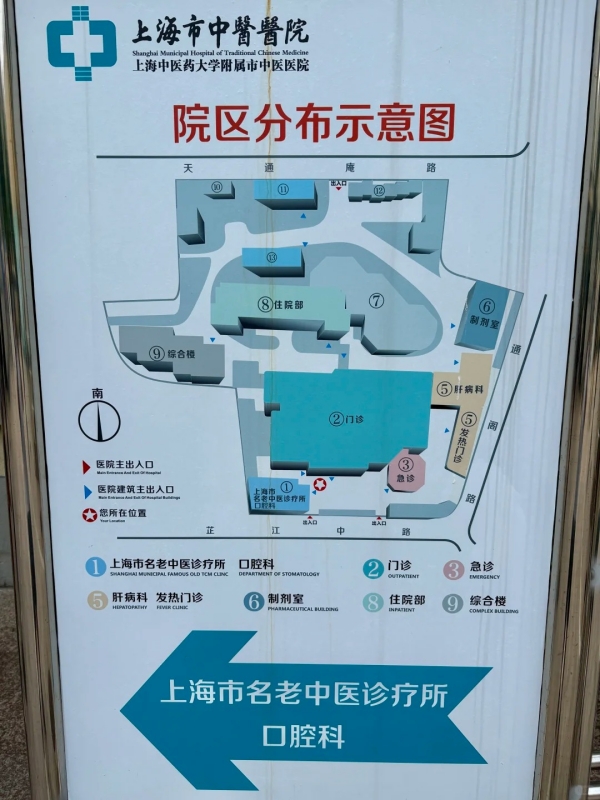
Shanghai Municipal Hospital of TCM
Registration and booking methods
The official WeChat account "上海市中医医院服务中心" accepts appointments up to 28 days in advance. Third-party apps including Daoyitong, 114 Registration Network, and Haodf.com also process bookings. Morning appointment cutoff is 11:15 AM; afternoon cutoff is 4:45 PM.
Main hospital phone: +86-21-5663-9828 (extension 4111). Shimen Branch phone: +86-21-6258-8203. Phone service hours run 8:00-17:00. English support via phone is limited.
Self-service kiosks accept passport or WeChat QR code identification. First-time self-pay patients complete medical record forms at the service desk.
Consultation and treatment fees
| Service Category | Fee Range (RMB) | Notes |
|---|---|---|
| General consultation | ¥50–500 | Partially covered by Shanghai medical insurance |
| Chief physician | ~¥20 | Insurance covered |
| Famous TCM Doctors Clinic | ¥58–208 | Registration self-pay; tests may use insurance |
| VIP clinic | ¥300–1,500 | Self-pay |
| Acupuncture session | ¥50–200 | Per session |
| Cupping therapy | ¥100–150 | Per session |
| Tuina massage | ¥150–250 | Per session |
| Herbal prescription | ¥100–500 | Per prescription |
Shanghai public hospital fees follow government-regulated pricing schedules.
Payment and insurance
Shanghai medical insurance applies to covered services including diagnosis, tests, and medications. International insurance typically requires patients to pay first, then seek reimbursement. Accepted payment methods include cash (RMB), WeChat Pay, and Alipay. Credit card acceptance varies by location.
Operating hours
| Service | Hours |
|---|---|
| Outpatient clinics | Monday–Saturday: 8:00–11:30 AM, 1:30–5:00 PM |
| Sunday | Limited services by department |
| Emergency | 24 hours daily |
Most specialist clinics operate Monday through Saturday. Individual expert schedules vary by physician.
Hospital locations
| Campus | Address | Metro Access |
|---|---|---|
| Zhijiang Road (Main) | 274 Zhijiang Middle Road, Jing'an District | Lines 3, 8 |
| Shimen Road Branch | Lane 67, No.1 Shimen Yi Road, Jing'an District | Line 2 |
| Jiading Campus | 68 Ronglian Road, Jiading District | Opened January 2024 |
Step-by-Step Guide for International Patients at Shanghai Hospital: First TCM Visit
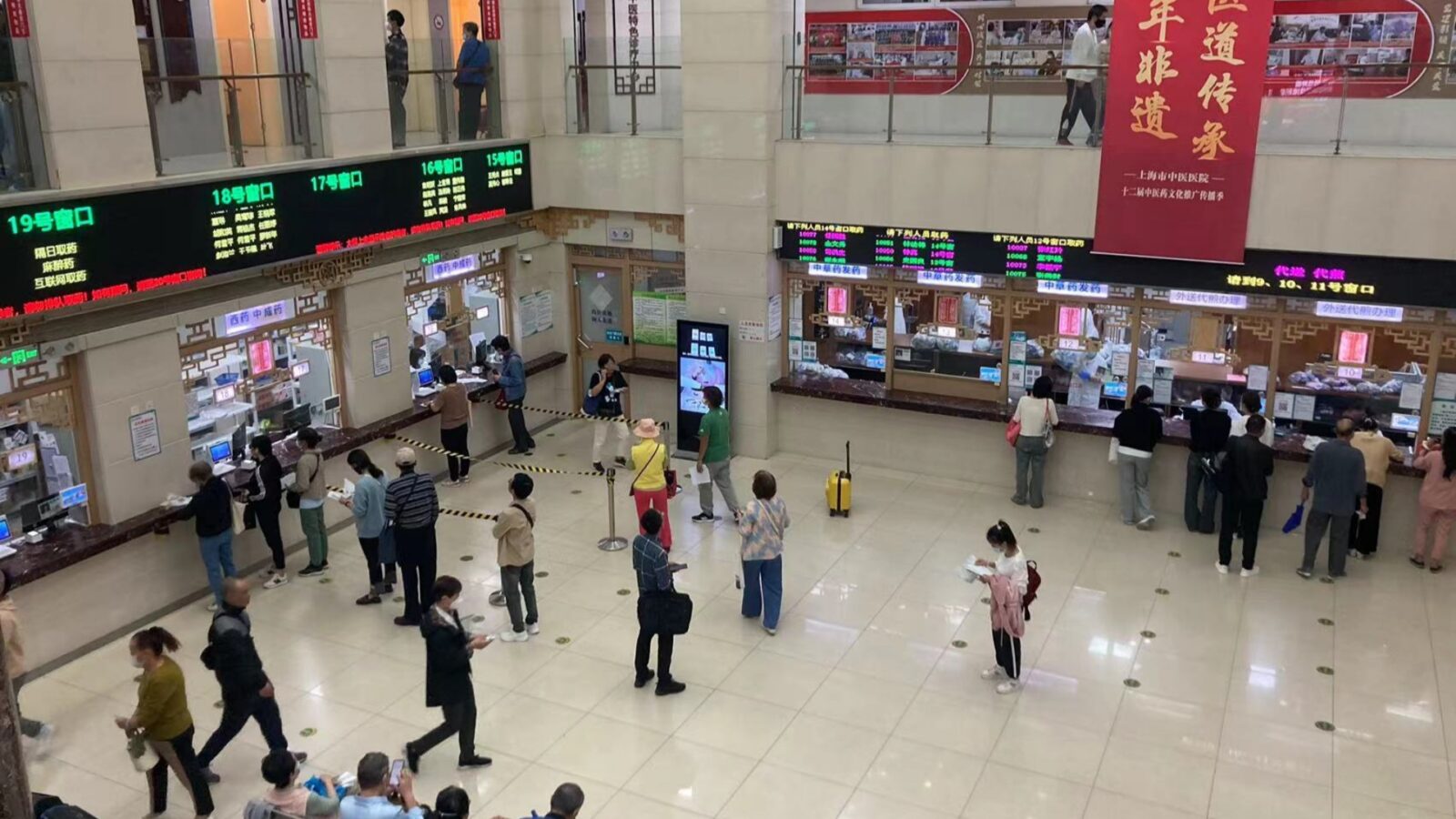
The Shanghai Hospital of TCM
Typical first consultation timeline
| Step | Duration | Activity |
|---|---|---|
| Registration | 10–20 minutes | Check-in at kiosk or window with passport |
| Waiting | 30–60+ minutes | Variable based on patient volume |
| Consultation | 10–20 minutes | Physician examination and diagnosis |
| Tests (if ordered) | 1–2 hours | Blood work, imaging as needed |
| Pharmacy | 20–40 minutes | Herbal medicine preparation |
| Treatment | 30–60 minutes | Acupuncture, cupping, or tuina if prescribed |
Arrive 30 minutes before scheduled appointment time. First-time visitors complete medical record forms at the service desk.
Personalized treatment plan development
TCM practitioners prepare a treatment plan for each patient based on syndrome differentiation. The practitioner identifies the pattern lying behind the symptoms presented, rather than treating just the symptoms as separate entities. This treatment plan typically incorporates aspects of herbal medicine and/or acupuncture and tuina, cupping, and/or moxibustion.
Herbal prescriptions can be for raw herbs or granule formulas or for prepared decoctions that can be decocted at home or purchased from the hospital dispensary. The hospital has a standardized decoction and delivery service. Prescriptions are typically written for 7-14 days before reassessment.
Physical therapies include acupuncture courses that often include 10 sessions. Tuina treatments address specific musculoskeletal conditions. Cupping and moxibustion supplement primary treatments as needed.
Preparing for the visit
Required documents include original passport plus visa copy, existing medical records (English or Chinese translations recommended), insurance documentation if applicable, and contact phone number.
Primary service language is Chinese throughout Shanghai TCM facilities. Limited English assistance exists in pediatrics, encephalopathy, and acupuncture departments. Bringing a translator or Chinese-speaking companion is strongly recommended.
Write down symptoms, medical history, and current medications before arrival. List questions for the physician in advance. Allow extra time as Chinese hospitals experience high patient volumes.
Understanding traditional four diagnosis methods (望闻问切)
TCM consultation employs four classical examination methods developed over 2,000 years.
| Method | Chinese | Examination Process |
|---|---|---|
| Observation (望) | 望诊 | Physician examines face color, body form, eyes, and tongue characteristics |
| Listening/Smelling (闻) | 闻诊 | Assessment of voice quality, breathing patterns, and body odors |
| Inquiry (问) | 问诊 | Detailed questions about symptoms, sleep, appetite, digestion, emotions |
| Palpation (切) | 切诊 | Pulse diagnosis at both wrists; may include abdominal palpation |
Tongue diagnosis requires extending tongue for examination of shape, color, coating, and moisture. Avoid brushing tongue coating or eating colored foods before appointment.
Pulse diagnosis involves the physician feeling radial pulses at three positions on each wrist. This assessment evaluates organ function and energy flow patterns. Avoid caffeine and strenuous exercise before pulse examination.
Safety, Quality, and Credentials at Shanghai Hospital of TCM
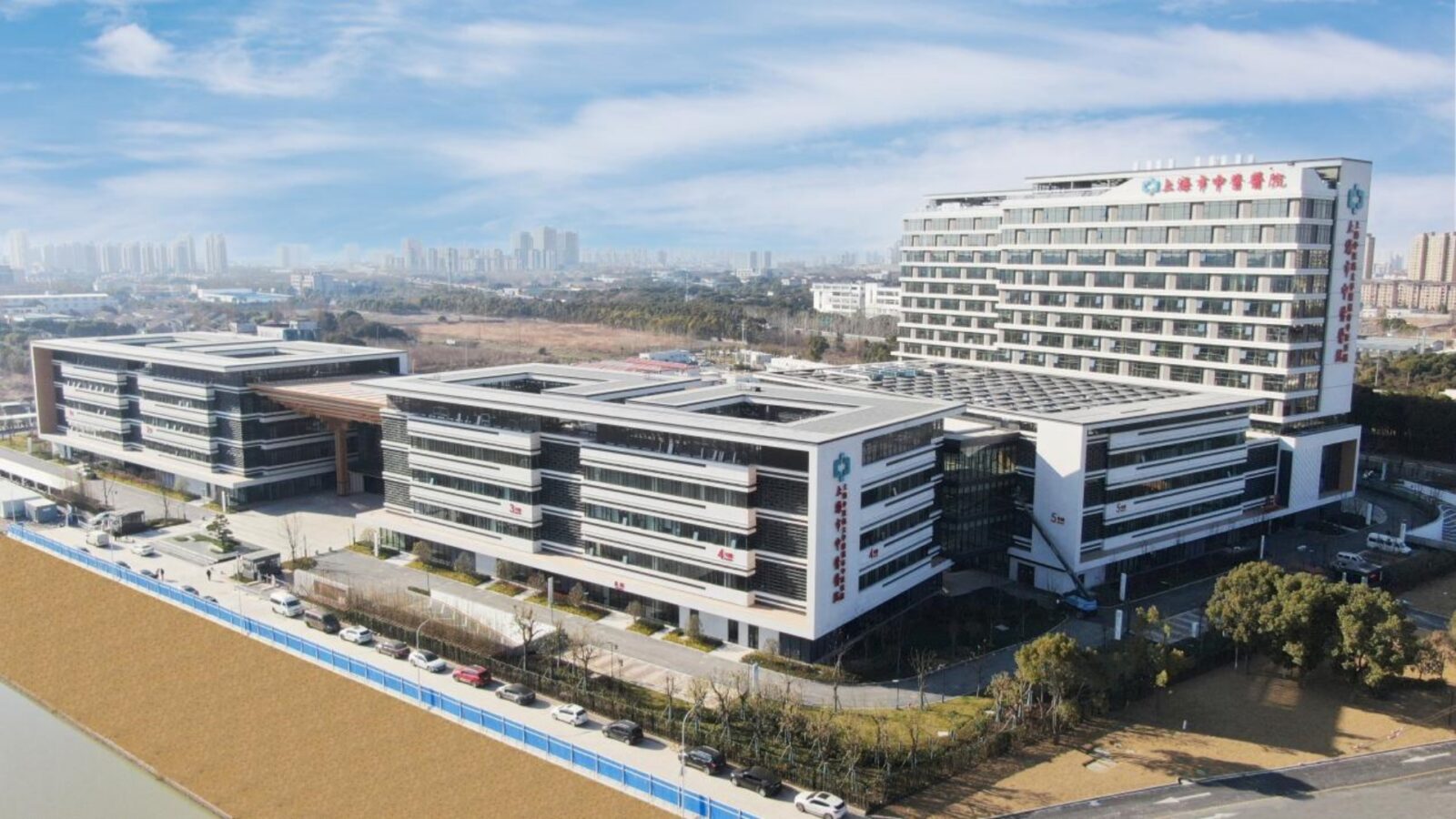
The Shanghai Hospital of Traditional Chinese Medicine
National Tertiary Grade-A Certification
Shanghai Municipal Hospital of Traditional Chinese Medicine is classified as Grade 3A, the highest hospital classification in China. Hospitals are evaluated in areas including medical quality, safety and management by the Ministry of Health. Only 8% of the hospitals in China are classified as 3A.
It is a teaching hospital affiliated to the Shanghai University of Traditional Chinese Medicine. This Shanghai-based university for TCM such as residency and fellowship, with continuous updates of protocols and research results, partnerships with called academic exchange programmes. Doctors have a three-tier system, with attending doctors, associate chief physicians, and chief physicians.
Herbal Medicine Quality Control System
All medicinal materials undergo Chinese Pharmacopoeia testing before dispensing. Laboratory analysis covers pesticide residues, heavy metals, sulfur dioxide, and microbial limits. The pharmacy rejects materials failing any quality parameter.
The centralized decoction center processes prescriptions under standardized conditions. Automated extraction systems ensure consistent potency and safety. Each batch receives unique tracking codes for full traceability. Vacuum-sealed packaging maintains freshness during 7-day refrigerated storage.
Shanghai TCM herb sourcing follows GAP (Good Agricultural Practice) cultivation standards. Partner farms maintain documented growing conditions, harvest timing, and processing methods. This quality chain protects patients from adulteration and contamination risks. QR codes on packaging link to complete supply chain documentation.
Sterile Needle Protocols and Infection Control
Acupuncture Department staff use single-use factory-sterilised packs of needles. Clinicians open the sealed pack in front of their patient for each treatment. Used needles are placed in sharps containers. The needles range from 0.20mm to 0.35mm diameter.
Cupping equipment is sterilised at high temperature between patients. Clinicians re-drape and prepare the skin anew each time. Shanghai TCM infection control procedures comply with those issued as part of the National Health Commission’s standards. UV sterilisation lamps are used in one of Shanghai TCM’s practices between patient appointments. This avoids the risk of cross-contamination inherent in the use of reusable appliances.
Patient Rights and Complaint Channels
Patients retain informed consent rights for all procedures and prescriptions. Practitioners must explain diagnosis, treatment options, expected outcomes, and potential risks. You may refuse any recommended intervention without penalty. Consent forms require signatures before invasive procedures.
Filing Complaints:
- Hospital Patient Relations Office: Building 1, Floor 2, Room 205
- Shanghai Health Commission Hotline: 12320 (Mandarin)
- Written Complaints: Submit to hospital administration with dates and documentation
- WeChat Platform: Message official account "上海市中医医院互联网医院"
Shanghai TCM facilities operate under Medical Institution Administration Regulations. These laws protect patient privacy, safety, and fair treatment. The hospital displays complaint procedures in outpatient areas. Response timeframe typically spans 7-15 business days.
Essential Tips for Smooth Experience at Shanghai Hospital
Cultural Etiquette and Communication
Shanghai TCM consultations require detailed symptom descriptions. Practitioners ask about sleep patterns, appetite, bowel movements, and emotional states. Answer questions honestly—information affects diagnosis accuracy.
Download translation apps like Pleco, Google Translate, or Microsoft Translator. WeChat's built-in translation feature handles basic conversations. Consider hiring a medical interpreter for complex conditions. The hospital's international services can recommend qualified translators.
Pre-Treatment Preparations and Dress Code
Wear loose, comfortable clothing allowing access to arms, legs, and back. Avoid tight jeans, complex dresses, or restrictive undergarments. Remove jewelry and watches before acupuncture or tuina sessions.
Eat a light meal 1-2 hours before appointments—avoid heavy foods and alcohol. Do not brush your tongue before consultation—coating patterns inform diagnosis. Shanghai TCM practitioners examine natural tongue appearance for accurate assessment.
Bring your passport, insurance card, medical records, and current medication list. Written symptom descriptions in English help during translation. Carry cash as backup—some services may not accept cards.
Post-Treatment Care and Lifestyle Tips
Please rest for at least 30 minutes after acupuncture before driving or engaging in strenuous activity. Avoid drinking cold drinks, swimming or exposing yourself to excessive wind on the same day as your treatment. According to Shanghai TCM theory, exposure to cold may disperse the treatment results.
Cupping / gua sha marks may take 3-7 days to completely fade. Try not to scrub areas that were treated in the bath. While the majority of patients do not experience negative side effects, patients may sometimes find they feel somewhat fatigued and/or dizzy and may even experience weeping or other emotional release after a session. These “healing crisis” reactions usually subside within 24-48 hours.
Taking Herbal Medicine Home – Customs Guidelines
Find out the restrictions your country places on imports of herbal medicines. The US, UK, Australia, and the EU restrict various plant materials, including anima products. Processed granules and pills generally are subject to fewer restrictions than raw herbs.
Request an English language prescription indicating the botanical names of all the medicine’s ingredients. Ask for an official receipt from the pharmacy with the hospital stamp. Some TCM pharmacies in Shanghai can provide an ingredient list in English if you ask.
Keep herbal decoctions in the refrigerator. Use them within 7 days. Granules and pills are stable at room temperature for 6 to 12 months. Check all packaging for expiration dates and storage conditions.
Frequently Asked Questions
Q: Can I receive TCM treatment without speaking Chinese?
Limited English support exists in some departments including pediatrics, encephalopathy, and acupuncture. Bringing a translator significantly improves consultation quality and ensures accurate communication. Written translations of medical history assist communication. The hospital's international service coordination can help arrange language assistance for complex consultations when requested in advance.
Q: How long does a typical TCM treatment course last?
Treatment duration varies significantly by condition type and severity. Acute conditions may resolve in 1-2 weeks with appropriate treatment. Chronic conditions often require 1-3 months of consistent treatment to see substantial improvement. The physician provides specific timeline estimates during initial consultation based on individual assessment and treatment response patterns.
Q: Can I combine TCM with Western medicine treatments?
Yes, the hospital practices integrative medicine combining TCM with modern diagnostics and conventional treatments. Inform practitioners about all current medications including supplements to prevent potential interactions. Many departments specialize in combining both approaches for conditions like cancer, stroke recovery, and chronic diseases to optimize treatment outcomes.
Q: Are herbal medicines safe during treatment?
Hospital-prescribed herbs follow strict quality control standards with traceability systems. Disclose all allergies, current medications, and medical conditions to prevent adverse reactions. Pregnant women must inform physicians before any treatment begins. The pharmacy reviews prescriptions for dosing accuracy and contraindications before dispensing medications to ensure patient safety.
Q: What is the difference between Shanghai TCM and TCM in other regions?
Shanghai "Haipai" TCM developed distinct academic traditions over 100+ years incorporating both traditional methods and modern influences. Local lineages like Xu's Pediatrics and Ding's Tuina represent regional expertise with unique treatment protocols. Treatment approaches and herbal formula preferences may differ from Beijing or Guangzhou styles of practice.
Q: Can international insurance cover TCM treatment costs?
Coverage varies significantly by insurance provider and specific policy terms. Most international patients pay out-of-pocket initially and seek reimbursement from insurers afterward. Obtain itemized receipts with diagnosis codes and detailed treatment documentation for claims submission. Contact your insurance provider before treatment to verify coverage eligibility and required documentation.
Disclaimer
This article provides general information about Shanghai Municipal Hospital of Traditional Chinese Medicine sourced from official hospital publications and authoritative healthcare resources. Service details, fees, and operating hours may change without notice. Always verify current information through the hospital's official website (www.shstcm.com) or contact center (+86-21-5663-9828).
Notes: This content does not constitute medical advice—consult qualified healthcare professionals for diagnosis and treatment recommendations. Shanghai TCM services described reflect general practices and may vary based on individual patient circumstances.