Disneyland in Winter
Shanghai in winter is not on most travel bucket lists, and hey? That’s exactly why it is fantastic. You have presumably read the scary stories about ‘bone-chilling cold’ and ‘weeks of grey skies.’ What these horrible anecdotes lie about is this: winter is Shanghai’s real season, a time when after all the summer tourist crowds have left, Shanghai finally has the chance to show you what she’s really like. Sure the temperature drops, but so do hotel prices (by 30%). Those impossible queues at Yu Garden? They’re almost non-existent. You can enjoy a plate of xiaolongbao without even breaking a sweat, and frankly, that’s reason enough to visit.
What can you look forward to at winter visit? Here you’ll find a detailed itinerary with tips tried and true, and numbers straight from the hands of people who’ve braved it. How to decide what to pack (and what to buy opps, when you arrive), what attractions actually get better in the cold, and how to avoid pitfalls exploring the best of Chinese New Year without succumbing to chaos. Specific prices, metro lines and time slots that work. For a temperature that’s threatening below zero, we think December through February might well be your cleverest Shanghai window.
Shanghai Winter Feels Colder Than the Thermometer Says – Here's the Survival Science
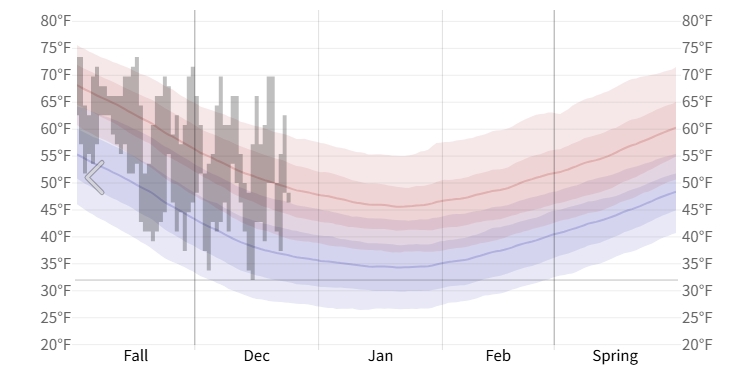
Shanghai Temperature History in the Winter of 2025
December Through February Brings Bone-Chilling Humidity, Not Just Low Temperatures
The numbers tell one story, reality tells a pretty different one. Shanghai’s “winter” is officially December through February (av. 3-12c ; 37-54f). Not so bad right? Pretty miserable! But that really is the point: 80% humidity dampens the chill such that 5 degrees actually feels like -2 degrees. Your imagination’s not playing tricks on you! “Cold and damp” isn’t a euphemism. Your body literally loses heat at a faster rate in damp air. Science.
January is the coldest month, averaging 3-9c (37-48f). You’ll get 8-10 days of rain each month. No, rainfall doesn’t quite do it justice: persistent damp that lingers and seems to seep into absolutely everything. Shanghai cold is quite different to the dry chill you know from Beijing. Beijing has clement clear and crisp days. The chill in Shanghai you just feel and it sticks to you. Locals have some thing about the moisture “attacking your soul”. They’re not entirely joking.
For detailed month-by-month temperature curves and precipitation comparisons that help you pinpoint exactly when to visit, our complete Shanghai weather guide breaks down all 12 months with data you can actually use to choose the most comfortable travel window.
Snow Rarely Falls, But Gray Skies Dominate Shanghai's Winter Palette
Real talk: don't expect a white Christmas in Shanghai. Snow falls maybe once every 3-5 years, usually sometime in January. When it does appear—and this is almost magical for locals—you'll see 1-5cm that melts within hours. The last significant snowfall happened in February 2024. People treated it like a minor miracle, rushing out for photos before it vanished.
Here’s what you get, though. Gray. So much gray. Shanghai can do up to 30 straight days without a peek at the sun in the winter months. You really feel like you live inside a cloud and yes, that can get a bit grating. But wait for it, here’s the upside: winter levels of PM2.5 average lower than in spring! The air quality can get to a 50-100 range on most days—no, it’s not ideal, but that’s definitely an improvement. Visibility can be 5-10km, perfect for taking photos when the elusive sun dares peek out from behind the clouds. They’ve earned their moment.
Shanghai's Winter Attractions Improve When Temperatures Drop – Experiences Only Get Better
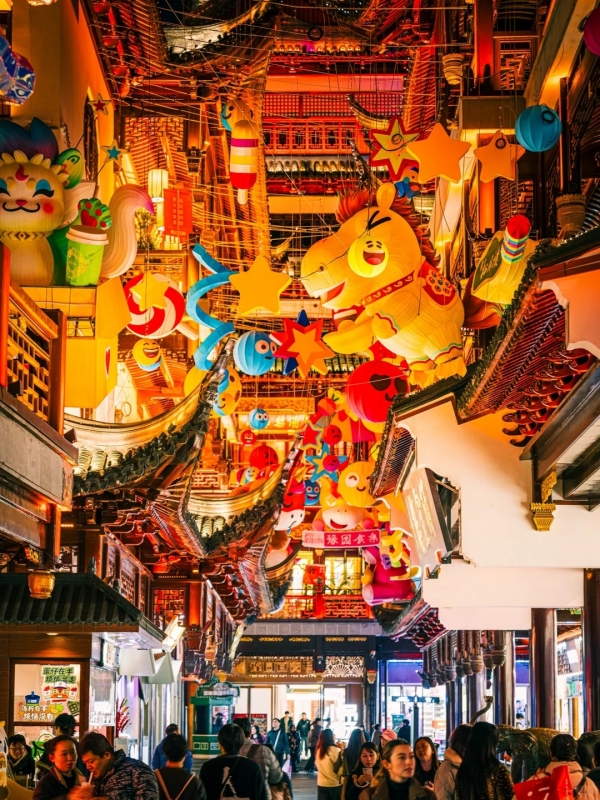
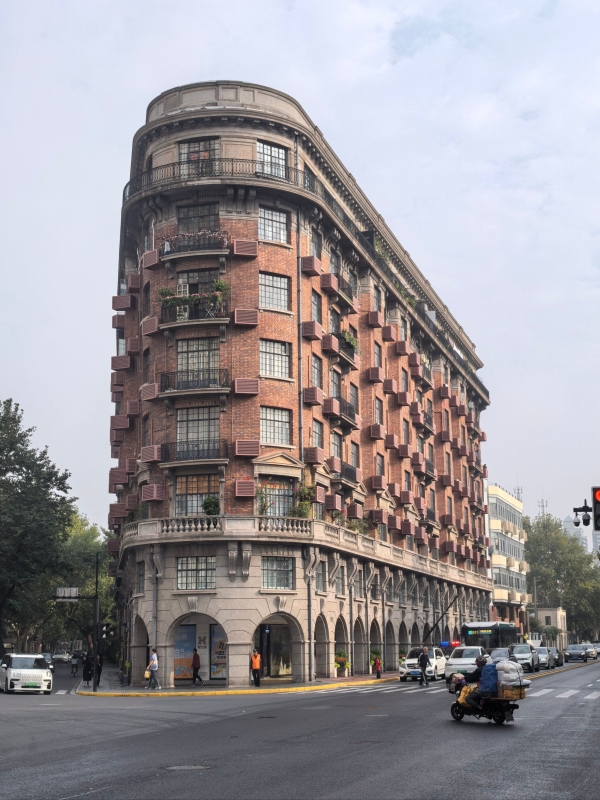

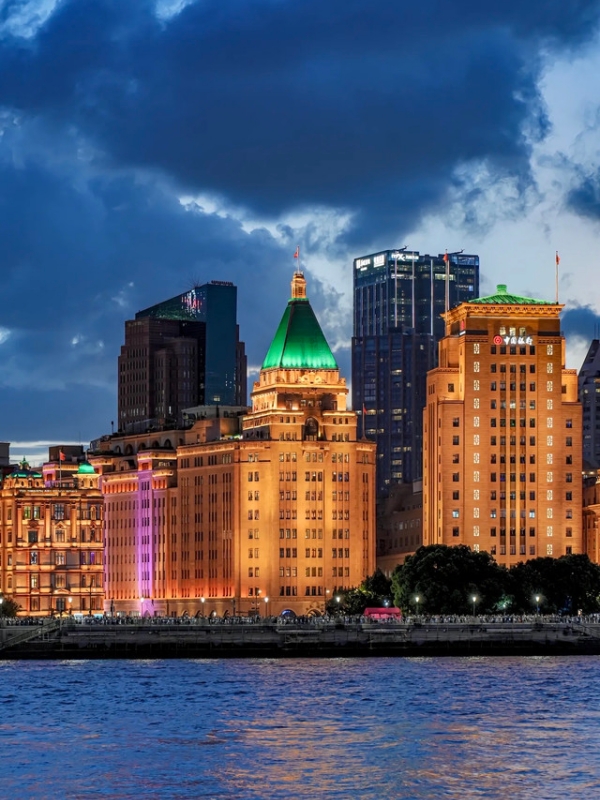
Yu Garden's Lantern Festival Transforms into a Fairytale World After Dark (January-February Peak)
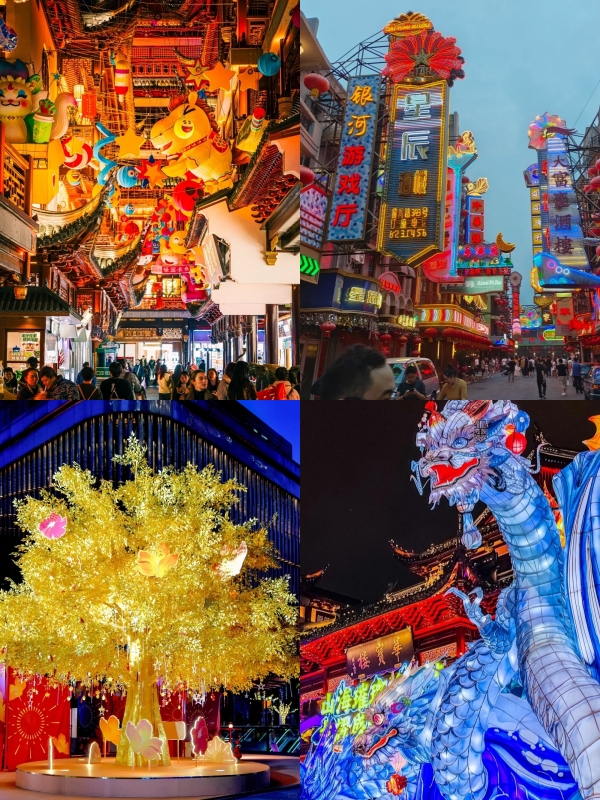
Yu Garden becomes Shanghai's crown jewel from January through February, and it's not even close. The annual Lantern Festival runs through the 15th day of the lunar new year. Over 2,000 traditional lanterns illuminate these classical Chinese gardens in ways that summer visits just can't match. Dragons glow red against the night sky. Phoenix sculptures shimmer in gold. The ¥40 entrance fee feels almost insulting—it's worth so much more.
Time your visit for 5:30-7:00 PM, what photographers call the "blue hour." That's when lights activate but natural sky color still remains, creating this magical blend that makes your photos look professional. Avoid weekend afternoons from 3-6 PM when crowds pack shoulder-to-shoulder and, honestly, the experience suffers. Weekday mornings stay surprisingly calm. Budget ¥50-100 for street snacks around the temple—the aroma of sugar-roasted chestnuts and steaming baozi fills the air. Metro Line 10 drops you at Yuyuan Garden station. Walk 5 minutes northeast, and you're there.
Want to experience Shanghai's grandest traditional celebration beyond just Yu Garden? Check our complete Chinese New Year activities schedule covering 20+ cultural events across the city with timing, locations, and booking links that actually work.
French Concession's Café Culture Peaks When Cold Weather Calls for Indoor Coziness
French Concession's tree-lined streets host Shanghai's best café scene, and winter makes it absolutely perfect. Those old villa buildings maintain cozy heating while offering architectural charm you just don't find in modern developments. You'll end up spending hours in places like Cafe Mephisto (¥50-80 per person), RAC Bar (¥80-120), or Sumerian (¥60-100), and somehow the time just disappears.
The neighborhood rewards slow exploration. Wander Wukang Road's Art Deco mansions without sweating through your clothes. Duck into Fuxing Park when wind picks up—there's always shelter nearby. Tianzifang's art galleries connect through heated indoor passages, which feels almost designed for winter wandering. From French Concession to the Bund takes just 20 minutes on foot—this classic route links Shanghai's most beautiful historic districts. Our complete city walk route map includes 6 different themed walking paths for various fitness levels and time frames you might have.
Shanghai Disneyland's Winter Advantage: Half the Wait Time, Double the Magic
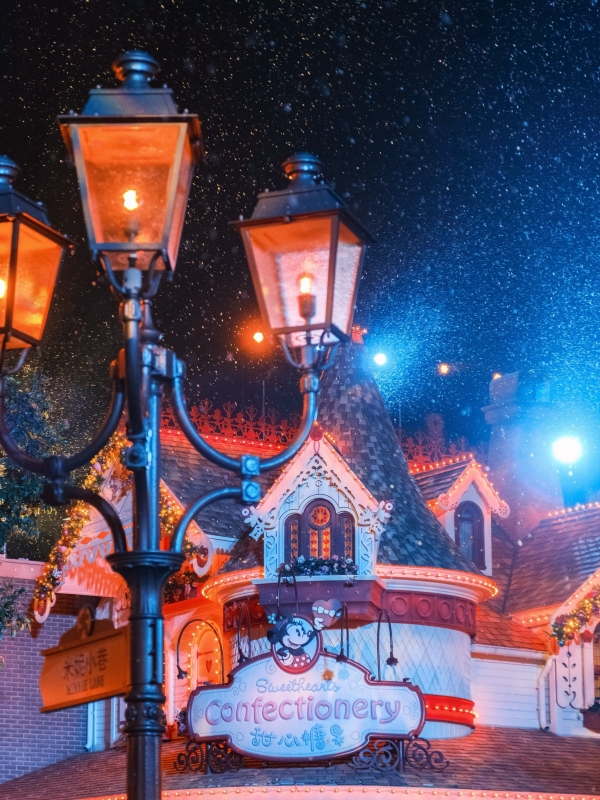
Winter transforms Shanghai Disneyland from mob scene to, well, actually enjoyable. Weekday crowds drop 50-60% compared to summer, which means you'll ride Pirates of the Caribbean three times in the hour it would take just to queue during July. The Wishing Rink skating area opens November through February—unique to Shanghai's park, by the way.
Artificial snow shows run 6-8 PM nightly, and there's something almost surreal about watching snow fall in subtropical Shanghai. Christmas decorations stay up through mid-January. Chinese New Year brings special parade floats from the lunar new year's first through seventh day. Ticket strategy matters here: weekday passes cost ¥399 versus weekend's ¥599. Book online for ¥50 savings. The cold air makes churros taste better, too. Trust us on that one.
The Bund at Sunrise Delivers Crystal-Clear Skylines That Summer Haze Hides
In Summer, the humidity robs you of Bund views with just 1-3km visibility. In Winter, that visibility broadens to 5-10km on a clear day, and you just see architectural details that are impossible at other seasons. The Art Deco buildings stand out against a bright blue sky when you get lucky with weather. It’s a photographer’s dream condition, actually.
Sunrise timings vary through winter: Arrive 6:30-7:30 AM January February. Yes, it’s freeeezing. Yes, you’ll question your life choices for a second. But it’s worth it. And then you can warm yourself in Sir Elly’s Char Bar, either of which open early and both have priceless views of the river to offset their premium prices. Blue hour in afternoon 5:00 to 6:30 PM. The Bund is free and just minutes walk from Metro Line 2/10 Nanjing East Road station. Free beats overcrowded every single time.
Museum Marathons Make Perfect Sense When It's Freezing Outside
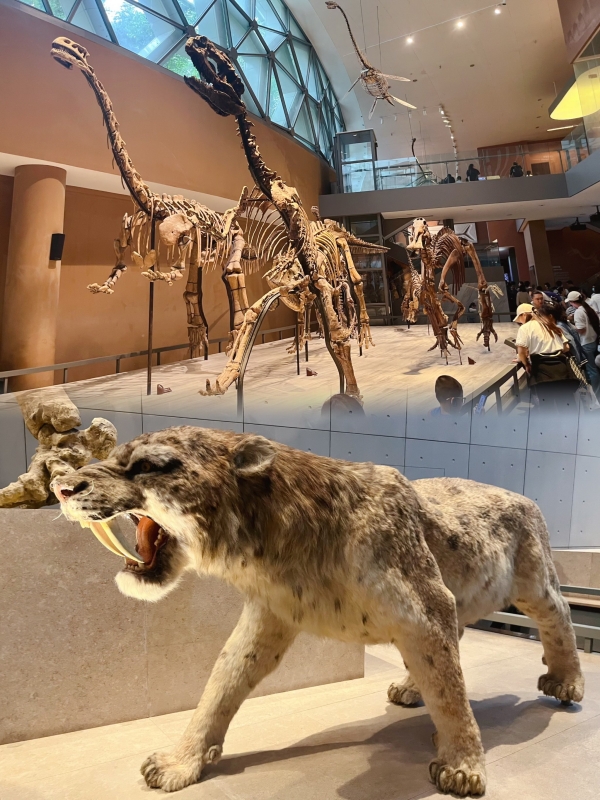
Shanghai Museum sits at People's Square—free admission, world-class collection. You need to book 3 days ahead online, though. Monday closures catch tourists off-guard constantly, so plan around that. The Power Station of Art (PSA) charges ¥60 (students get half-price) for cutting-edge contemporary exhibits that change seasonally. Natural History Museum costs ¥30 and absolutely thrills kids with those massive dinosaur halls.
Every museum runs 22-25°C heating. You'll thaw out while absorbing culture, which feels like cheating the winter system somehow. Plan 2-3 hours per museum—your feet will tell you when it's time to move. Three museums in one day actually works in winter when outdoor activities lose their appeal. Many close Monday or Tuesday, so check schedules before committing to a museum marathon day.
Century Park's Plum Blossoms Steal the Show in Late Winter (Late January-February)
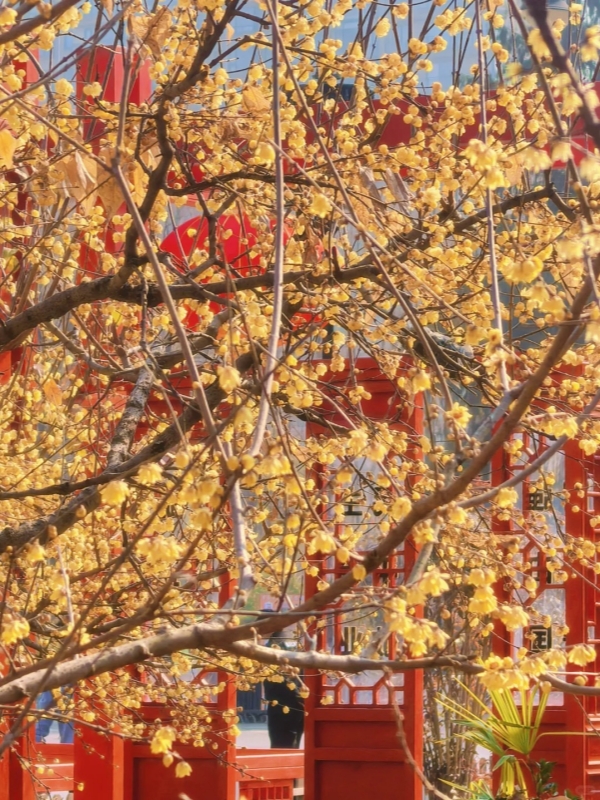
Shanghai's winter doesn't have to be dreary. From January 20 through late February, the plum trees in Century Park burst into hues of red, pink, green, and white. The fragrance hits you first even before you see the blooms, a gentle sweetness that wafts right up your nose against the winter chill.
As per custom, the plum blossom represent perseverance, belying the cold to flower in beauty and grace.
Get in through the east gate and move to the Meihua Hill section right away. The path along the lakeside is perfect for photography angles! Get there before 10 on the weekend to avoid the tiddywinks that start surfacing later in the morning. Entrance fee is ¥20. Grab a hot drink from vendors who congregate near the major thoroughfares and spend ¥10-15 for warming hands and holding papers. The Century Park station on Metro Line 2 leads directly to the park entrance.
Dongtan Wetland Becomes a Birdwatcher's Paradise During Migration Season
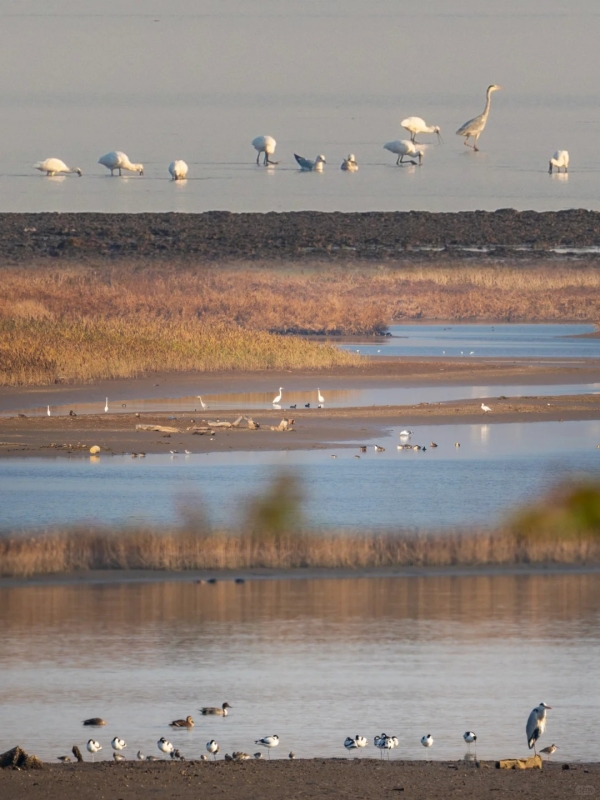
Dongtan Wetland Park transforms every year from November through February. Over 120 migratory bird species stop here on East Asian-Australasian Flyway routes, and if you're into birding at all, this is genuinely special. Bring binoculars and a telephoto lens. Dawn hours (6-9 AM) produce the best sightings when birds are most active and the light hits just right.
The park sits 1.5 hours from central Shanghai via Metro Line 16 plus taxi (roughly ¥150 round-trip). Dress in serious layers—wetland winds cut through thin jackets like they're not even there. Serious birders should consider hiring a local guide (¥300-500) who knows current flocking patterns and can spot species you'd miss. Pack snacks and water because facilities are pretty limited out there. This trip suits dedicated nature lovers more than casual tourists, to be honest.
Shanghai's Holiday Season Blends Western Christmas with Eastern New Year Traditions
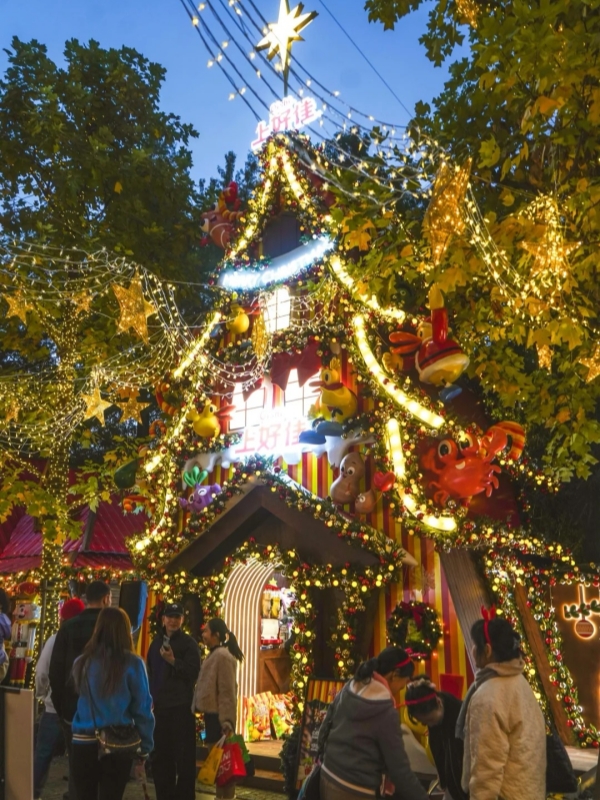
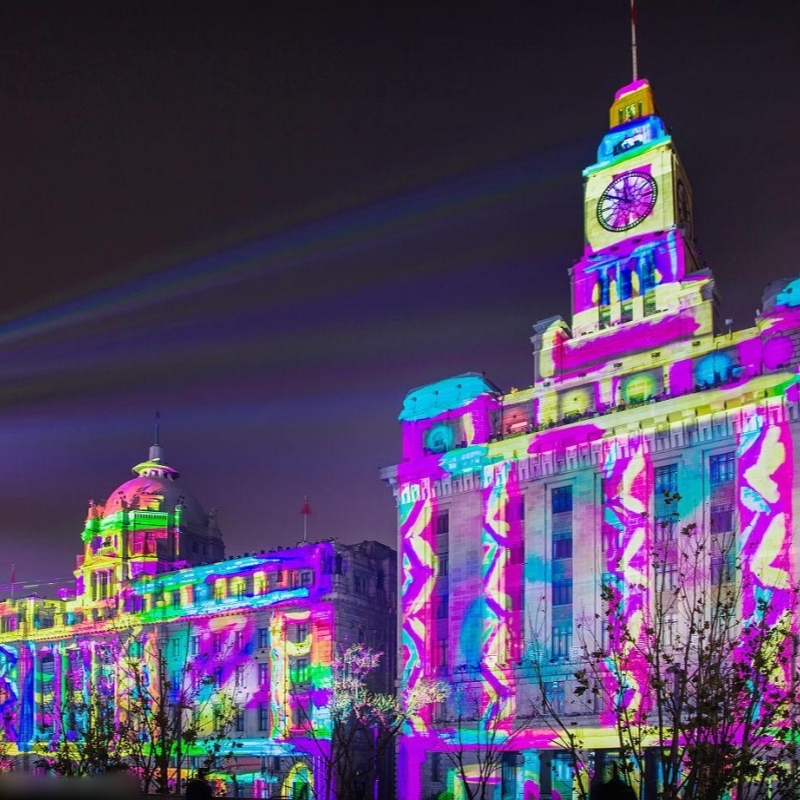
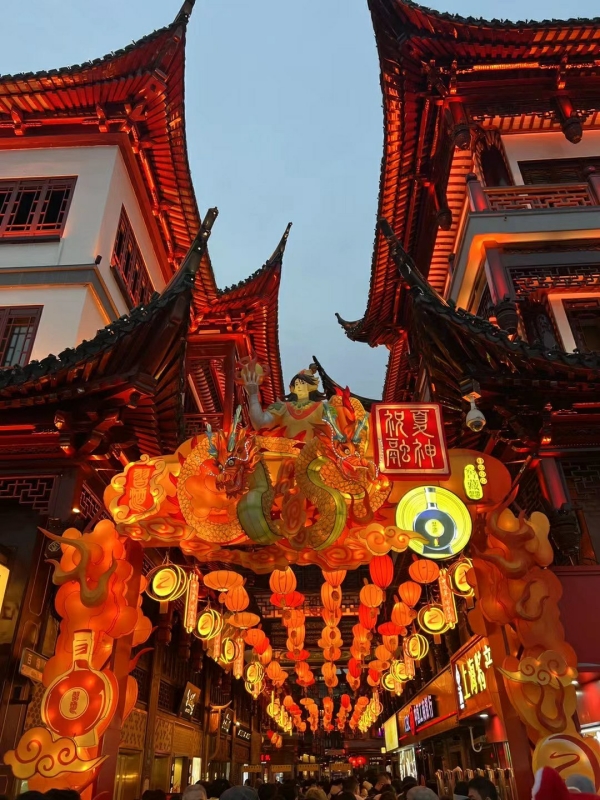
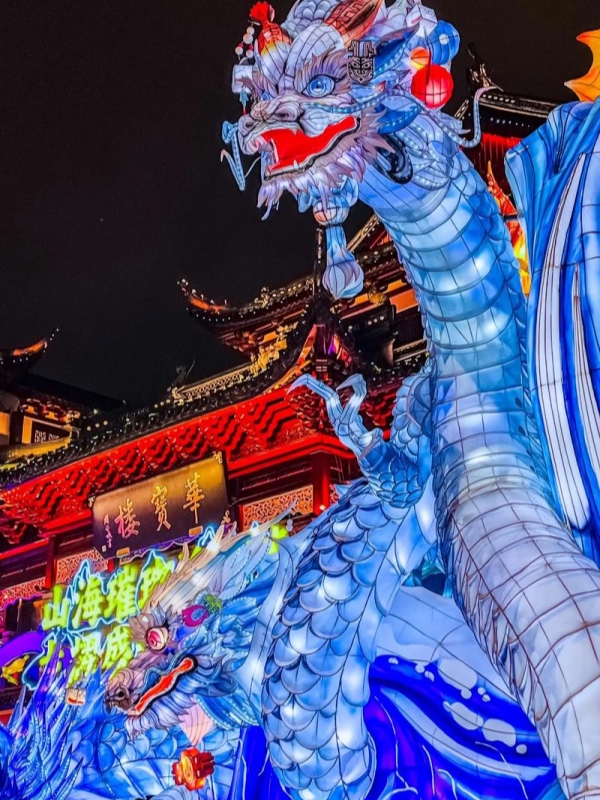
Christmas in Shanghai Surprises with Genuine Festive Spirit and Local Twists
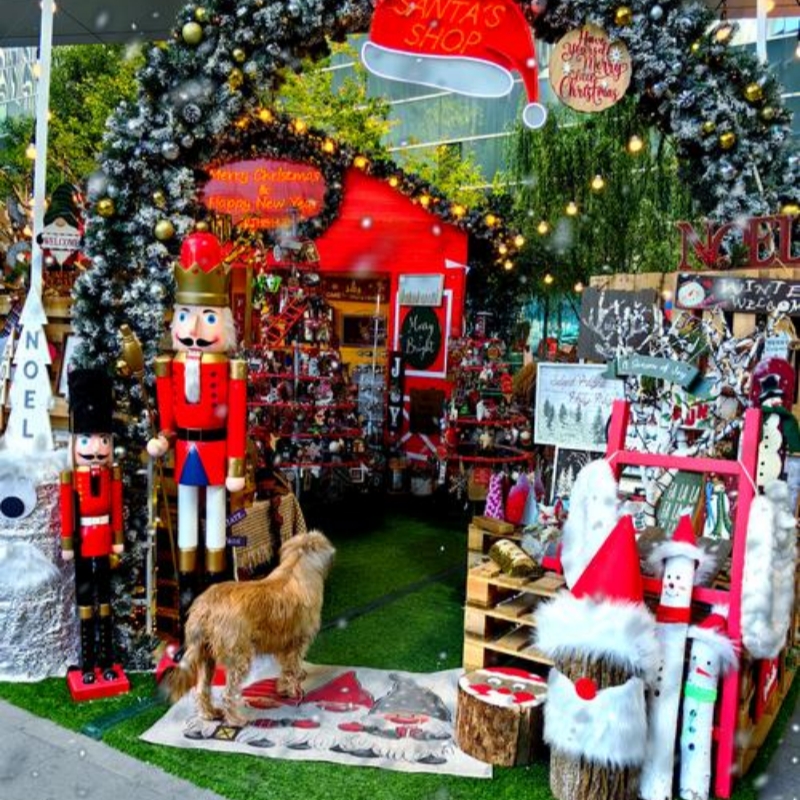
Shanghai embraces Christmas with unexpected enthusiasm that honestly surprises first-time winter visitors. Major shopping complexes—Plaza 66, IFC Mall, Xintiandi—compete with elaborate decorations that rival Western malls. Christmas Eve brings church services (even for non-religious visitors curious about local Christian communities that date back over a century). Christmas markets pop up at Xintiandi and 1933 Old Millfun with amazing mulled wine in the cold air. The Christkindlmarkt at The Bund offers a traditional experience with German-style wooden cabins and historic Gothic architecture. Dazzling lights create a dreamy atmosphere, making visitors feel like they have stepped into a festive European town.
Planning a Christmas adventure? We've tested 9 holiday events happening across Shanghai this December, from extravagant Christmas markets to budget-friendly community festivals. Our Christmas event attendance guide helps you choose the perfect experience—most require 2 weeks advance booking or ticket purchase. Decorations typically stay up through early January, extending the festive window.
New Year's Eve at the Bund Rivals Times Square for Spectacle (Minus the Freezing Wait)
The Bund's countdown light show launches at midnight with coordinated building illuminations and limited fireworks. Crowd management improved significantly after 2014's tragedy, so authorities now control crowd flow pretty strictly. Arrive by 10 PM to secure viewing spots that actually offer decent views. Better strategy, actually? Watch from Suzhou Creek banks—fewer people, similar spectacle.
Bar Rouge and Barbarossa host New Year's Eve parties (¥300-800 cover including drinks). Beyond the Bund countdown, Shanghai hosts celebrations across multiple districts simultaneously. Our complete New Year's Eve events guide covers 8 celebration spots with traffic control details and alternatives if the Bund feels too crowded for your taste. Music lovers shouldn't miss the Shanghai New Year Concert at the Grand Theatre—early bird tickets are selling fast, by the way. Metro extends service until 2:00 AM, which makes getting home easier than most major cities manage on New Year's.
Chinese New Year Turns Shanghai into a Living Cultural Museum (Late January or Early February)
2026 Chinese New Year is on February 16, Shanghai’s highpoint, the real reason to brave winter temperatures. Weeklong temple fairs at City God Temple coincide, lion dancers, folk performance and traditional crafts getting maximum visibility, shelf after shelf of skills thousands of years old. Yu Garden’s lantern festival is at its zenith. Red drapes the whole city. Everything shifts completely from western business center back to eastern cultural hub, you can feel the difference in the air.
Caution: many restaurants will take February 15th-17th off for family time. Big chains will be open, thankfully. Book hotels one month in advance, you will pay a premium of 50%-100% in this timeframe, no ifs, ands or buts. But it’s the rare chance to see the real deal. Chinese bumper to bumper reuniting from all corners of the nation to receive their kids’ traditional red envelopes of money. At least a shrivel of firecrackers popping through the continuing city ban.
Shanghai Winter Food Tastes Better Because Steaming Hot Soup is Non-Negotiable
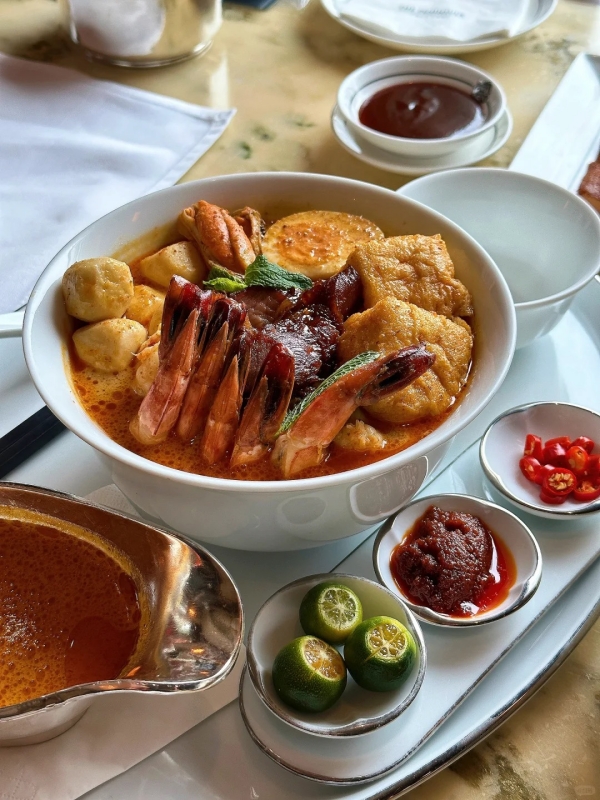
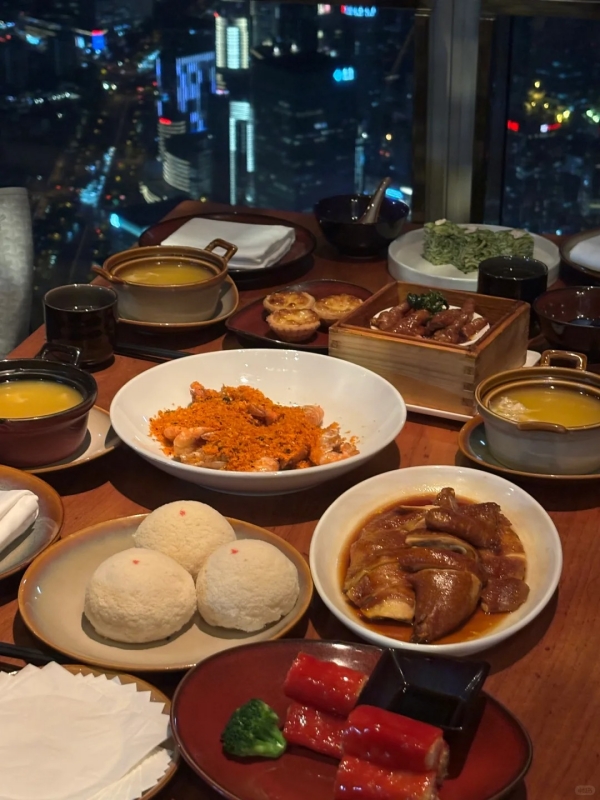
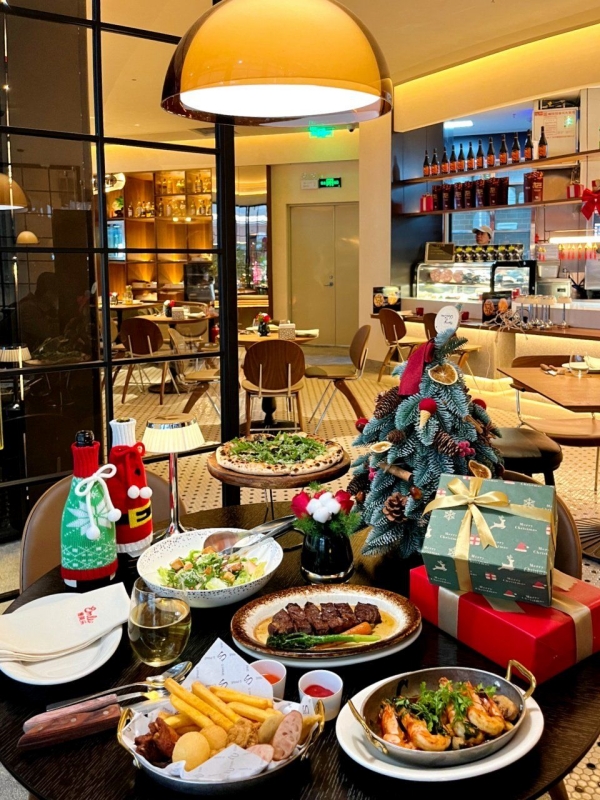
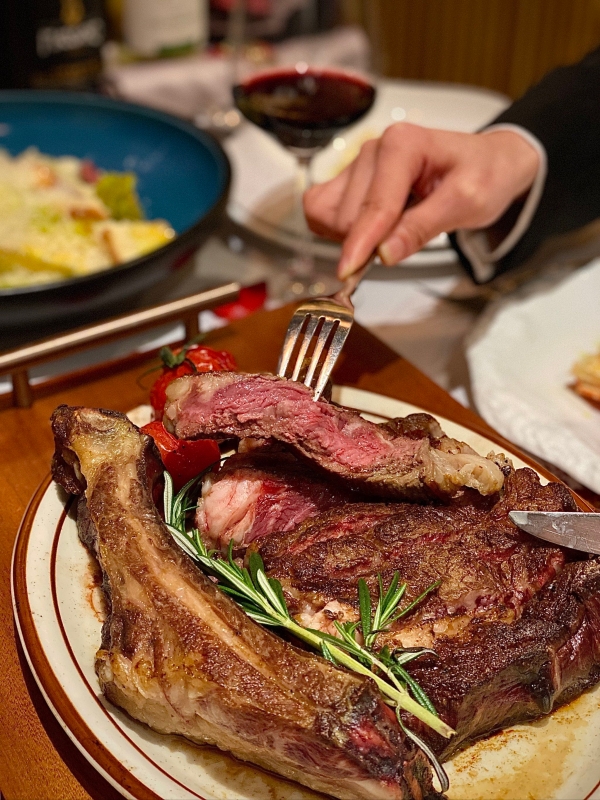
Christmas Festive Fine Dining Becomes a Winter Essential at Shanghai’s Top 10 Tables
Shanghai’s winter chill makes a steaming Christmas feast non-negotiable. For a luxury splurge, Sir Elly’s at The Peninsula and Park Hyatt serve molten gourmet soups and roasted meats 400 meters above the city. Jing’an Shangri-La’s 1515 West focuses on sizzling Wagyu, while Jade on 36 and Lunette by Amanda pair hot French-inspired courses with iconic Bund views. These high-end plates offer a refined warmth that street food can't match.
Value-seekers find comfort in Hyatt on the Bund’s buffet featuring free-flow hot mulled wine, or the theatrical Italian pastas at IL TEATRO. Families flock to The COOK at Kerry Hotel for global spreads, while Xiao Fang Ting serves hearty holiday classics inside a heated French heritage mansion. Whether it’s a rich consommé or a thick gravy, these festive dishes are designed to combat the December frost. Secure your table two weeks early to join this essential winter ritual.
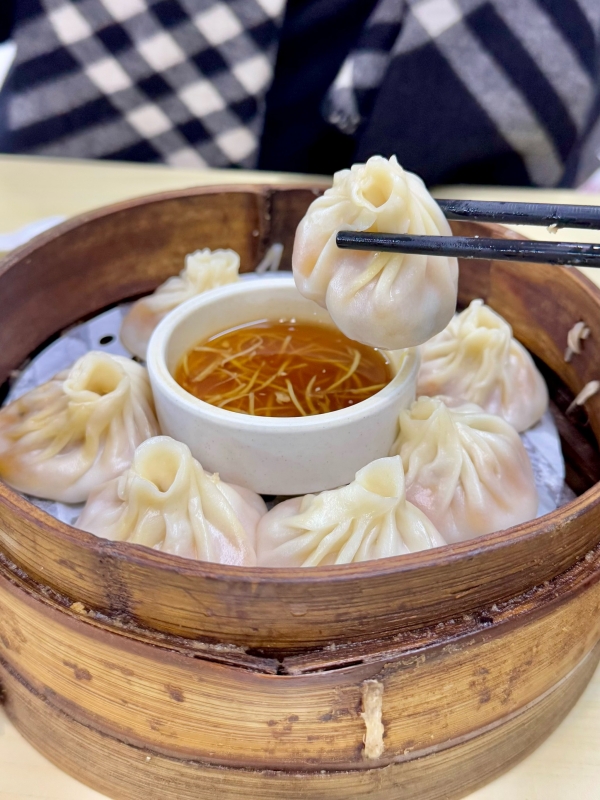
Xiaolongbao (Soup Dumplings) Reach Perfection When Cold Air Meets Hot Broth
Cold weather makes xiaolongbao dangerous—in the best possible way. The soup inside stays molten longer in winter air, which means you'll burn your tongue if you're not careful. Din Tai Fung runs about ¥100 per person with consistent quality but tourist-heavy crowds that can feel overwhelming. Jia Jia Tang Bao drops that to ¥40 per person with locals' approval stamped all over it.
Wang's Kitchen offers the real budget option at ¥30 per person, and honestly, the quality surprises you. Technique matters more than location here: nibble a small hole, sip the soup carefully, then eat the dumpling. Pair with black vinegar and fresh ginger shreds—the way locals do it. These shops cluster along metro lines everywhere. Check maps on Dianping (China's version of Yelp) for nearest locations. The steam rising from bamboo baskets becomes this winter ritual you'll crave back home.
Street Food Stalls Offer Warmth and Flavor Under ¥30 Per Snack
Shanghai street food only gets better!!! Come winter, and 上海’s street food actually peaks. Surprised? Roasted sweet potatoes (¥ 5-10 each) sit at the entrance to metro stations, the smoke puffing out as though they’re beckoning weary ships in from the storm. Sugar roasted chestnuts (¥ 20-30 a jin /500g) scurry about Nanjing Road Pedestrian Street; you see them being smashed fresh, and the sounds melding with all the noise the crowd makes gives me a funny smile.
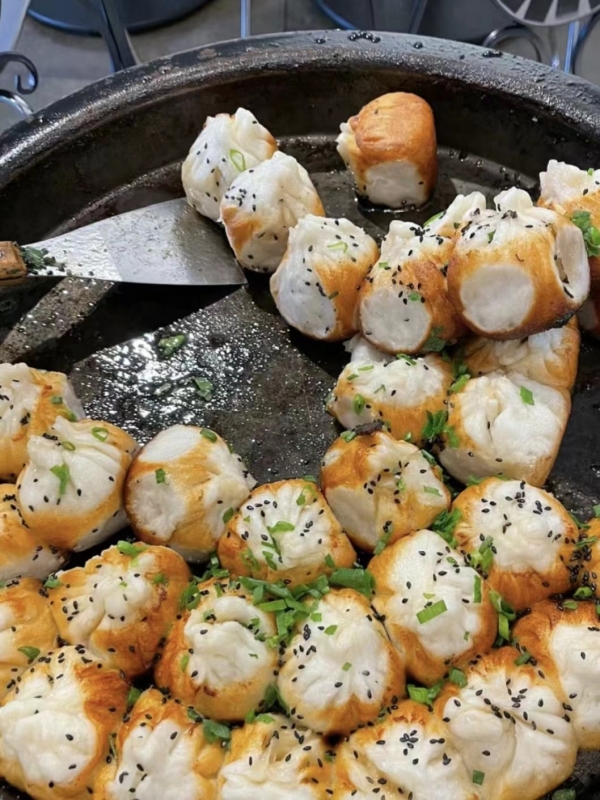
Breakfast jianbing comes at a fattt ¥ 8-15 and is perfect fuel for the morning temple visit. Sheng jian bao (pan-fried buns) from Yang’s Fry Dumplings is ¥ 12-18 for four pieces—crispy at the bottom and juicy inside. Hot soy milk and fried dough stick sells at ¥ 10-15 a set; this is set breakfast for the average Chinese. Convenience stores hand out ginger tea and brown sugar drink for ¥ 8-12. Little heaters you eat that relieve more than hunger pains!
Budget Planning for Shanghai Winter: Daily Costs Drop 30% Compared to Peak Season
Accommodation Deals Hit Bottom in December and Early January
Winter triggers Shanghai's hospitality discount season. Hostel beds in French Concession drop to ¥80-150 per night. Budget hotels like Hanting or 7 Days Inn charge ¥200-300. Mid-range options (Mercure, Novotel) fall to ¥400-600—often with free breakfast included.
Five-star properties slash rates 40% off summer prices. You'll find Peninsula or Ritz-Carlton rooms at ¥800-1500 instead of ¥2000+. Book via Ctrip, Booking.com, or Airbnb. Advance booking (2-3 weeks ahead) saves an additional 20-30%. Exception: Chinese New Year week reverses all discounts. Book that period 2 months early or skip it entirely.
Transportation Costs Remain Stable Year-Round, But Heated Metro Lines Make the Difference
Metro fares run ¥3-10 based on distance. An 18-yuan 24-hour unlimited pass makes sense for busy sightseeing days. Taxis start at ¥14 for first 3km. Shared bikes cost ¥1.5-3 per 30 minutes but see limited winter use—too cold for most riders.
Here's a local secret: Metro Line 2 maintains better heating than Line 1. Choose Line 2 for longer commutes between heated stops. DiDi (China's Uber) prices match traditional taxis. Download the English version before arrival. Winter traffic runs smoother than summer—fewer tourists clogging roads. Budget ¥30-50 daily for transport covers most tourist itineraries.
Food Budget Varies Wildly, But ¥100 Daily Gets You Three Solid Meals
Breakfast: street vendor (¥10-25) vs. brunch at a café (¥50-80). Lunch: fast casual (¥30-60) vs. sit down restaurants (¥80-120). Dinner: local (¥50-100) vs. upscale (¥200-400). Add ¥20-40 for drinks and snacks during the day.
The real money saver is if you hit up the convenience store for a bento (¥15-30) and you could suck up Japanese style curry rice, pasta, and sandwiches at FamilyMart and Lawson. Microwave them on site. You will eat cheaper and extremely better than any “backpacker restaurant”. Locals do it regularly and not just for poverty eats.
Total Daily Budget: ¥350-740 Covers Comfortable Shanghai Winter Travel
Here's the breakdown per person:
| Category | Cost (CNY) | Description |
| Accommodation | ¥200 – ¥400 | Range from hostels to mid-range hotels |
| Food | ¥100 – ¥150 | Mix of street food and sit-down restaurants |
| Transport | ¥30 – ¥50 | Unlimited metro access and local transit |
| Attractions | ¥50 – ¥150 | Entry fees for paid sites and museums |
| Miscellaneous | ¥20 – ¥40 | Snacks, small tips, or emergency funds |
| Total Daily | ¥400 – ¥790 | ~$55 – $110 USD |
Budget travelers hit the lower range. Comfort seekers reach the upper end. Luxury travelers double these numbers. Money-saving tactics: visit free museums, eat lunch specials, travel weekdays, walk between close attractions. Chinese New Year week adds 50-100% to accommodation costs—plan accordingly or avoid that window.
Pack Smart or Freeze: The Only Winter Clothing Guide You Need for Shanghai
Now that you understand the costs and what makes winter special, let's talk about the equipment that makes or breaks your trip. Shanghai's damp cold requires different preparation than dry winter climates. Get your packing right, and you'll enjoy every moment. Get it wrong, and you'll spend your first day hunting for a coat.
Layering Beats Bulk – Three Strategic Layers Conquer Shanghai's Indoor-Outdoor Temperature Swings
Forget packing a giant parka. Shanghai's winter demands smart layers, not bulk. Start with a thermal base layer—your foundation against dampness. Uniqlo's Heattech series costs ¥79-129 per piece and actually works. You'll need two sets minimum for washing rotation.
Add a mid-layer fleece or thin down vest (¥199-399). This traps body heat without bulk. Your outer layer should be windproof and waterproof—not just warm. Shopping malls blast 25°C heat while streets hover at 5°C. You'll constantly adjust. A bulky coat becomes a burden indoors. Three thin layers beat one thick jacket every time.
Buy Your Heavy Coat in Shanghai and Save Half Your Luggage Space
Your smartest move: arrive layered, buy your big coat here. Uniqlo has stores all over the main shopping areas. Their down jackets go for ¥299 for the humblest, up to ¥799 for the top models. Quality is comparable.
Shop on Nanjing Road, Huaihai Road, Qipu Road. You’ll need gloves (¥79), a large scarf (¥50-150), and wool socks (about ¥30-60 a pair. Buy heated insoles at any 7-Eleven. ¥15 will get you the warm feet treatment. They’re said to be a must-have by the locals. Stock up on cold medicine, anti-diarrhea pills, and band-aids at Watson’s pharmacy, your hotel will probably not have these necessities.
Waterproof Everything – Shanghai Winter's Sneaky Dampness Ruins Unprepared Travelers
Rain doesn't always pour in Shanghai. Sometimes it mists. Sometimes it drizzles. But it's always there, seeping into fabric and shoes. Waterproof boots (¥200-400) aren't optional—they're survival gear. One soaked shoe ruins an entire day.
Pack two pairs of shoes minimum. When one gets wet, you'll need backup. Rain happens suddenly. Your umbrella should fold small and fit in your day bag. Skip rain jackets—they make you sweat in heated metro cars. A water-resistant outer layer works better. Bring ziplock bags for your phone and passport. Shanghai's dampness finds every opening.
Frequently Asked Questions About Visiting Shanghai in Winter
Q: Is Shanghai nice to visit in winter?
Yes, if you prioritize culture and savings over perfect weather. Winter delivers 50% fewer crowds, 30% lower prices, and Shanghai's richest cultural calendar from Christmas through Chinese New Year. The damp cold and grey skies are real challenges, but manageable with proper preparation. Winter suits travelers who value authentic experiences and budget efficiency over sunny selfies.
Q: What is the coldest month in Shanghai?
January averages 3-9°C (37-48°F) with late January through early February marking the coldest stretch. However, 80% humidity makes 5°C feel like -2°C—your body loses heat faster in damp air. Factor in wind chill along the Huangpu River, and you'll understand why proper layering matters more than the thermometer reading suggests.
Q: Does it actually snow in Shanghai during winter?
Rarely—snow falls once every 3-5 years, typically in January or early February. When it does occur, expect 1-5cm that melts within hours. The last notable snowfall was February 2024. Don't pack snow gear. Instead, prepare for grey skies, frequent drizzle, and occasional rain. Waterproof boots matter infinitely more than snow equipment.
Q: What should I pack for Shanghai in December specifically?
December temperatures range 5-12°C with frequent drizzle. Pack waterproof outer jacket, two sets thermal underwear, three pairs long pants, waterproof boots, gloves, scarf, and compact umbrella. Skip the heavy parka—buy it locally in Shanghai for ¥300-800 and save luggage space. Bring cold medicine and pain relievers for immediate access.
Q: When is the worst time to visit Shanghai?
December 25-January 10 brings peak smog (PM2.5 often exceeds 150) and weeks without sunshine. Chinese New Year Golden Week (January 28-February 3, 2026) sees tourist explosions, doubled hotel prices, and restaurant closures. For authentic culture, Spring Festival works despite crowds. For comfort and clear skies, choose late January after smog clears but before holiday chaos.
Q: Can I visit Shanghai during Chinese New Year?
Absolutely, with advance planning. Chinese New Year offers Shanghai's most authentic cultural immersion—lantern festivals, temple fairs, and living traditions. Hotels require 1-month advance booking and charge 50-100% premiums. Many local restaurants close January 28-30, but chains stay open. Arrive before January 28 or after February 3 to catch festival atmosphere with manageable crowds.
Q: Is Shanghai winter weather suitable for traveling with kids?
Yes, with extra preparation. Shanghai offers abundant heated indoor attractions: Natural History Museum, Science and Technology Museum, Disneyland with heated queues, and malls with play areas. Pack double the layers for children who feel cold faster. Bring backup clothes daily—humidity causes dampness. Choose hotels with reliable heating and plan indoor alternatives for every outdoor activity.
Q: How bad is the air quality in Shanghai during winter?
Shanghai's winter PM2.5 averages 50-150 (moderate pollution), with occasional December spikes above 200. That's better than Beijing but requires precaution. Download AirVisual app, wear N95 masks on high-pollution days (¥3-8 each), and book hotels with air purifiers. Schedule indoor activities during smog peaks—coastal winds usually clear pollution within 2-3 days.
Q: Do attractions in Shanghai close during winter months?
Nearly all major attractions maintain year-round operations—Shanghai Museum, Oriental Pearl Tower, Disneyland, and temples keep standard hours. Minor exceptions include seasonal park activities and outdoor water features. Chinese New Year (January 29-30, 2026) brings brief hour adjustments at some sites. Winter actually increases offerings with temple fairs and special events rather than reducing them.
Q: What's a realistic daily budget for Shanghai in winter?
Budget ¥350-740 per person daily ($50-105 USD). Budget travelers (¥350-450) use hostels, street food, and free attractions. Comfortable travelers (¥500-600) book mid-range hotels and restaurants. Light luxury (¥700-1000) affords four-star comfort and quality dining. Winter discounts improve value significantly—hotels drop 20% weekdays, lunch specials save 30%, and advance attraction bookings cut ¥50-100.