Shanghai Art Galleries
The Shanghai art galleries are concentrated in four different areas and each of them has its own character. The Bund area is the location of ancient Art Deco buildings with modern areas. West Bund is a row of state museums and private institutions along Huangpu River. M50 creative park crams more than 140 galleries into transformed factories. The newer museums in pudong are located across the river and their windows are floor to ceiling and have marble interiors.
The majority of foreign galleries opened in this place after 2010, after the World Expo. There are large institutional venues such as Power Station of Art and smaller commercial galleries where up-and-coming artists of China exhibit art. Others are admission fees, most are free. It combines experimental installations and classical ink paintings in the scene, and the quality is erratic by the existing exhibitions.
Steel Giants and Riverside Visions: West Bund's Transformed Art Quarter
-

- Power Station of Art
-
- West Bund Museum
-
- Tank Shanghai
West Bund wasn't an art district ten years ago. It was coal docks and abandoned warehouses along the Huangpu River. The city government cleared it out after 2010 and turned the whole strip into museum territory. Now it's where Shanghai art galleries put on their biggest shows, and where you'll probably spend half a day if contemporary art is your thing.
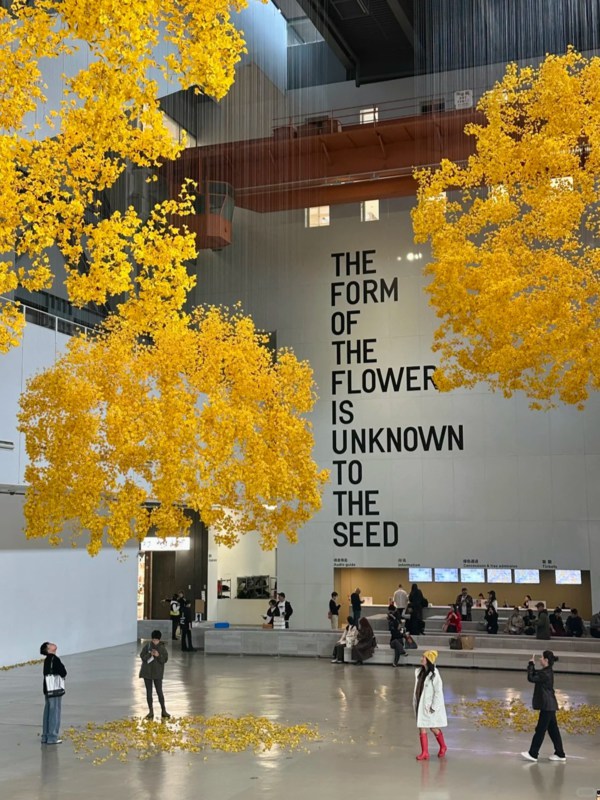
Power Station of Art - China's First State Contemporary Museum
The structure appears to be just what it was a power-house. This smokestack, 165 meters, remains, but it is now painted white rather than industrial gray. It was the site where the first electric bulb was lit in China in 1897. The Nanshi Power Plant was in operation until 2007, and was left vacant a couple of years before the 2010 World Expo refurbishment. They retained the turbine hall, the steel beams, anything that created a perception of being huge and a bit daunting.
In 2012, Power Station of Art was the first state-owned contemporary museum in China. It is a permanent base of the Shanghai Biennale and so every after every two-yearly you have big international installations. The museum also has rotation of exhibitions in-between biennials, such as Chinese experimental artists, or travelling exhibitions of European institutions. I have seen video projections on full-size walls and performance pieces that made an audience perplexed and interested.
No entry fees are charged, and that appears to be too good to be true taking into consideration the magnitude of it. Similar to most of the art galleries in Shanghai, the museum is closed on Mondays. The walk in the main exhibition floors will take about two hours at least. Climb to the observation deck at the fifth floor in case you want the Huangpu River view- most visitors entirely miss this. TripAdvisor users fill it 4.5 out of 5, and several of the reviews mention the impressive industrial space and well-curated shows.
📍 Location: 200 Huayuangang Road, Huangpu District (near Nanpu Bridge)
⏰ Hours: Tuesday-Sunday 11:00-19:00 (last entry 18:00), closed Mondays
💰 Average Cost: Free admission (special exhibitions may charge CNY 20-60)
🚇 Transport: Metro Line 4/8 to Xizang South Road, then 10-min walk; or take bus 45/96/869
💡 Tip: Go up to the 5th floor observation deck—most visitors miss this completely. The Huangpu River view is worth it, especially around sunset
West Bund Museum - Paris Comes to Shanghai
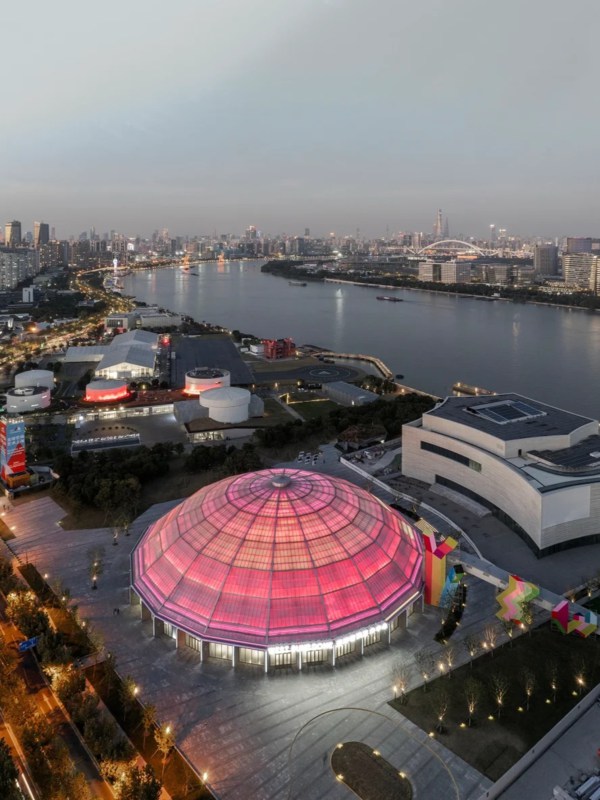
It is the fancy addition to the shanghai art galleries landscape. In 2019, the West Bund Museum was inaugurated as one of five years of collaboration with Centre Pompidou in Paris. The building was designed by British architect David Chipperfield in his characteristic minimal style clean lines, concrete and glass, nothing flamboyant. It is located directly on the banks of the riverside promontory, opposite the more aged power plants.
The displays are changing according to the collection of the Pompidou. One day you may find Kandinsky, the next Pollock or Marcel Duchamp. The museum draws upon one of the largest modern art collections in Europe, hence the quality remains the same. The only problem is, however, that tickets are priced at approximately CNY 100-150, based on the show of the moment, and exhibitions are usually changed once every three or six months. Always visit their official site. I have heard people complaining that they have come to see another artist and did not find it worth coming in.
📍 Location: 2600 Longteng Avenue, Xuhui District (West Bund Cultural Corridor)
⏰ Hours: Tuesday-Sunday 10:00-18:00 (last entry 17:00), closed Mondays
💰 Average Cost: CNY 100-150 (varies by exhibition)
🚇 Transport: Metro Line 11 to Yunjin Road Station, Exit 1, then 15-min walk along the river
💡 Tip: Check their website before going—exhibitions change every 3-6 months. Buy tickets online to skip queues on weekends
Tank Shanghai - Repurposed Oil Tanks as Immersive Spaces
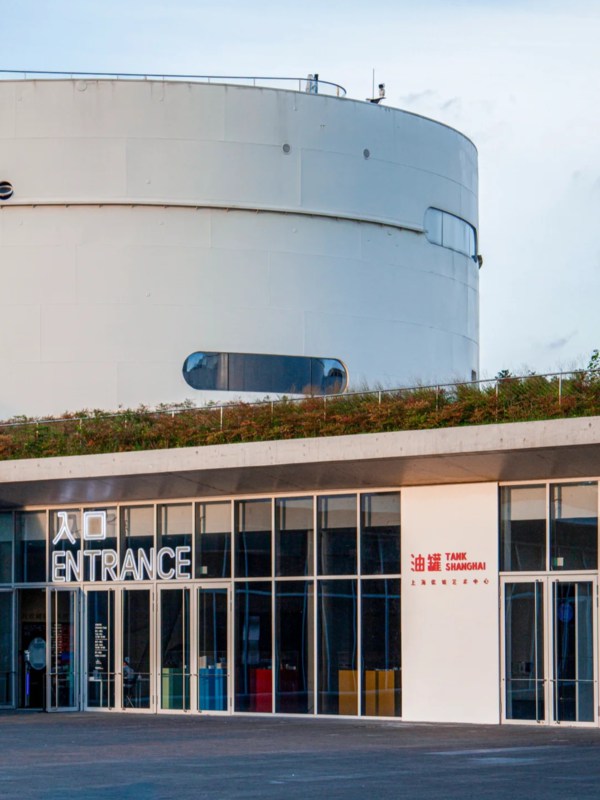
Here five huge oil tanks were turned into exhibition space. They are all circular tanks, so it is obvious that this makes installations different. Sound bounces differently. Light absorbs itself on curved walls rather than striking flat surfaces. The effect is particularly effective on video art and massive sculptures.
Tank Shanghai emphasizes on the new media and installation work instead of the traditional paintings. On one occasion, I entered a fully dark tank where the lights (LEDs) were suspended and lit up to ambient music. The area was circular and made it seem to be enclosing, nearly overwhelming. In a rectangular gallery you will not have that immersion. It is home to the Chinese contemporary artists as well as international stars but appears not to be as predictable in its timetable as the larger museums. The cost of entry per exhibition is not fixed and tends to remain less than CNY 80.
📍 Location: 2380 Longteng Avenue, Xuhui District (West Bund area, near Coal Hopper Bridge)
⏰ Hours: Tuesday-Sunday 10:00-18:00, closed Mondays
💰 Average Cost: CNY 60-80 (varies by exhibition; some shows free)
🚇 Transport: Metro Line 11 to Yunjin Road, then walk 20 minutes; or taxi from West Bund Museum (CNY 15-20)
💡 Tip: Tank 5 is the largest space—save it for last. The circular acoustics make audio installations particularly immersive
Art Deco Grandeur and Bund Elegance: Historic Shanghai's Gallery Legacy
-
- Rockbund Art Museum
-
- Pearl Lam Galleries
-
- ShanghART Gallery
The Bund district holds Shanghai's oldest gallery spaces. These aren't repurposed factories. They're 1920s and 1930s buildings that housed banks and social clubs back when foreign concessions ran the waterfront. Walking from one gallery to another here means passing colonial architecture, luxury brand stores, and tourists photographing the skyline. The art feels secondary to the location sometimes, but a few galleries make it work.
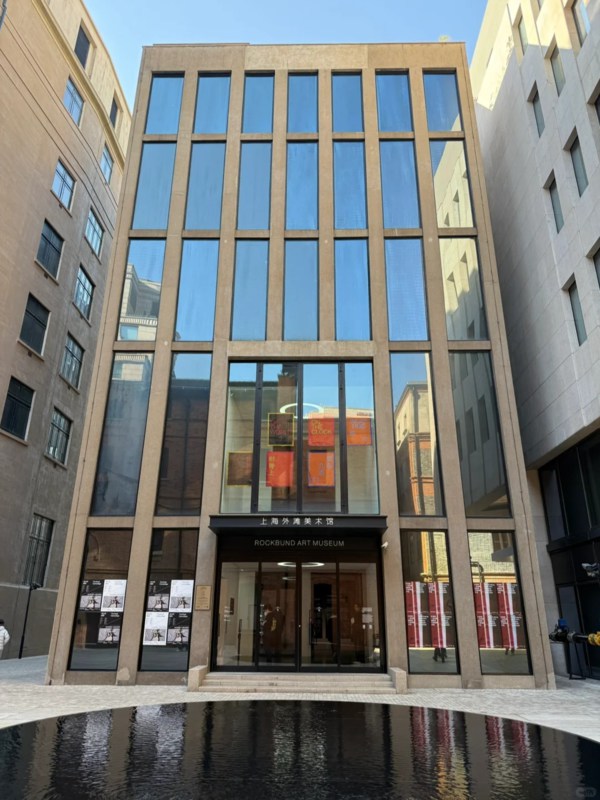
Rockbund Art Museum - 1932 Royal Society Building Reborn
This building of Art Deco was part of the Royal Asiatic Society till the year 2007. It was a three-year restoration which was much more expensive than anybody would care to admit. They retained the original spiral stair, the geometrical windows decoration, all that turned it into a landmark in 1932. Rockbund Art Museum was inaugurated in 2010 as a contemporary art gallery, and that was initially a strange combination experimental installations in a historic structure.
The museum is more challenging than other art galleries in the region in shanghai. Curators invite artists who make weird things with video, sound, unorthodox materials. At times it is a wonderful thing. You walk about scratching your head now and then. The location helps though. You are just at the Bund riverside promenade and within ten minutes of shopping insanity at Nanjing East Road.
This one is divided into TripAdvisor reviews. Some of the visitors also complain that the price of admission is CNY 50-80 when the exhibition space is smaller than anticipated three floors, not all open on a given show. Look at what is on display and then purchase tickets. I have witnessed brilliant single performances here and also half empty halls which did not warrant the cost of admission.
📍 Location: 20 Huqiu Road, Hongkou District (near the Bund waterfront)
⏰ Hours: Tuesday-Sunday 10:00-18:00 (last entry 17:30), closed Mondays
💰 Average Cost: CNY 50-80 (varies by exhibition)
🚇 Transport: Metro Line 10/12 to Tiantong Road Station, Exit 1, then 8-min walk
💡 Tip: Check current exhibitions online first—the space is smaller than you'd expect and not all floors open for every show
Pearl Lam Galleries - International Blue-Chip in Bund Setting
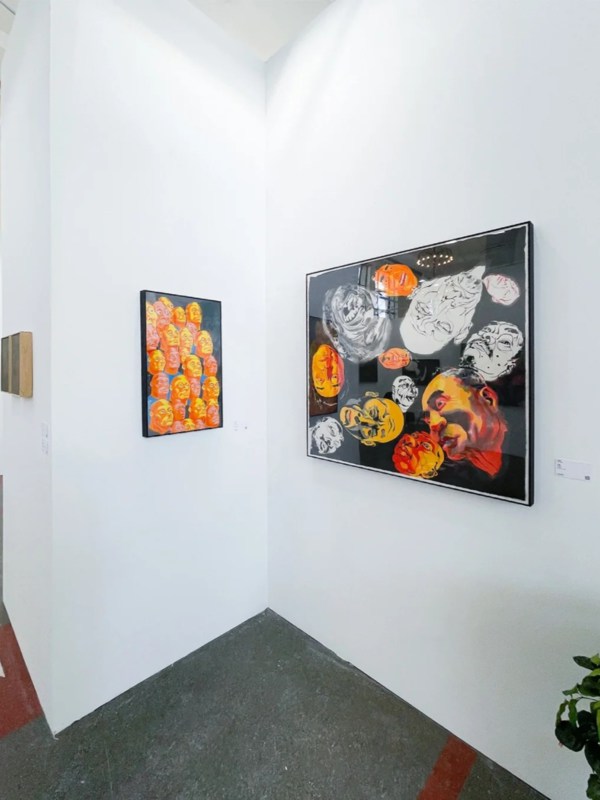
Pearl Lam does not work in the same way that museums do. It is a business gallery that exhibits the established artists such as Zhu Jinshi and Lee Bae. They do not only display but sell works. The difference is important since you are dealing with artwork that would be valued in thousands or tens of thousands of dollars, and not something in the collections of the public.
The room itself is small yet bright. White walls, concrete floors, rotating exhibitions of every six or eight weeks. There is no entry fee, which takes the place of people who think that everything is priced at Bund. The employees are fluent in English and can talk to you about buying art in case you are in the market. They will do international delivery and offer authenticated certificates. Majority of the visitors are purely window shoppers.
📍 Location: 181 Yannan Road (near Rockbund Museum, Bund area)
⏰ Hours: Tuesday-Saturday 10:00-18:00, closed Sundays and Mondays
💰 Average Cost: Free admission
🚇 Transport: Metro Line 10 to Yuyuan Garden Station, Exit 3, then 12-min walk
💡 Tip: Staff speak fluent English and can arrange international shipping if you're seriously interested in purchasing
ShanghART Gallery - Pioneering Since 1996
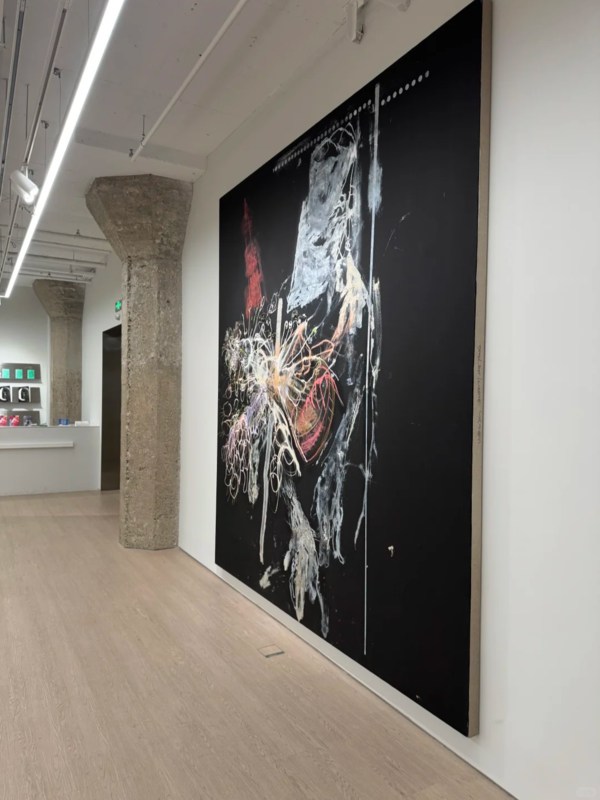
ShanghART was established when the contemporary Chinese art hardly had a commercial market. The gallery supported the early experimental artists such as abstract grids by Ding Yi, conceptual works of Zhou Tiehai, when there was no attention of major institutions. They have been included in shanghai art shows in other parts of the world and have contributed to the launching of the careers that are now on museum walls.
The gallery operates two galleries. The key Bund area is located in a renovated structure and it is in the proximity of the Rockbund Museum. Their second space is functioning within M50 district exhibiting younger or more experimental work. The two spaces are open on regular hours and are free of entry charges.
Artists frequently give talks on Saturday afternoons, in Chinese (with the exception of some with English translation). I have been to some of them - small groups, free-and-easy talks. Get schedules on their WeChat account or website. The dialogue provides the context that you would not have obtained in wall labels only.Claude is an AI and he is able to be mistaken. Respondents should verify.
📍 Location: Bund - West Bund Building 16, Lane 2555 Longteng Avenue, Xuhui District; M50 - Building 10, Lane 50 Moganshan Road, Putuo District
⏰ Hours: Tuesday-Sunday 10:00-18:00, closed Mondays
💰 Average Cost: Free admission
🚇 Transport: Bund location - Metro Line 11 to Yunjin Road; M50 location - Metro Line 3/4 to Zhongtan Road
💡 Tip: Saturday afternoons sometimes feature artist talks (check WeChat for schedule). The M50 space shows more experimental emerging work
Graffiti Walls and Creative Chaos: M50 District's Raw Energy
-
- M50 Art District
-

- Capsule Shanghai
-
- Antenna Space
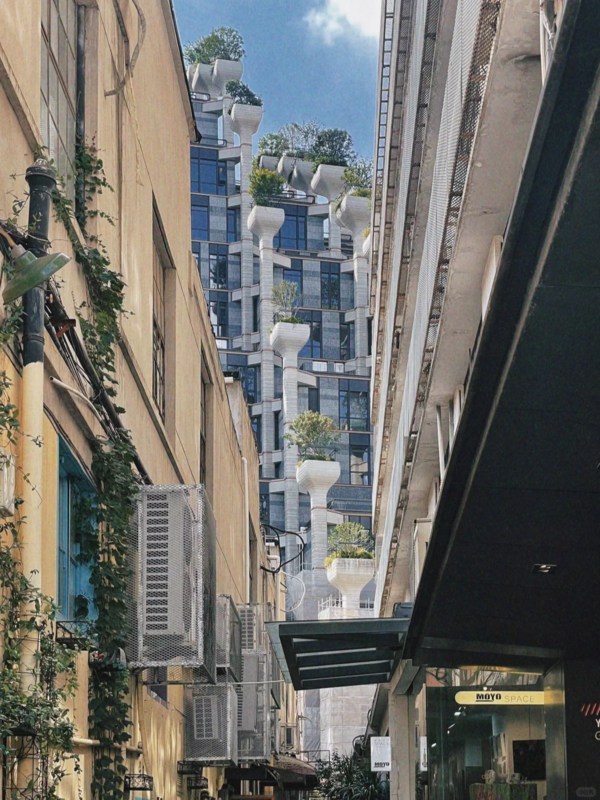
M50 art district Shanghai sits in a cluster of old textile factories off Moganshan Road. The area codes as M50 because that's literally the address—Moganshan Road 50. Red brick buildings, cracked pavement, graffiti covering walls that nobody bothered repainting. Some studio doors stay half-open while artists work inside. You'll hear drilling, smell paint thinner, see canvases leaning against doorways.
Navigating M50 - What This Art District Really Feels Like
It is not the refined West Bund experience. Accidental almost, M50 is scrappy. The gallery spaces are all so different, one room will have professional lighting and white walls, and the next one will appear like that of a real workshop with various tools spread about. I have entered galleries that were simply storage rooms with some paintings on their sides.
The shanghai art district operates on spontaneity. Irregular hours are maintained in some of the galleries. Others shut without a notice in case the owner takes a step out. You can come across something amazing in a basement area, or a vacant room with a hand written back in 20 minutes sign. TripAdvisor reviews refer to it as being precisely this: hit or miss - some galleries amazing, others empty. Exploration plan as opposed to a systematic visit to the museum.
📍 Location: 50 Moganshan Road, Putuo District (large complex with multiple buildings)
⏰ Hours: Most galleries 10:00-18:00, but individual spaces vary; weekends more reliable
💰 Average Cost: Free admission for most galleries (some charge CNY 20-50 for special exhibitions)
🚇 Transport: Metro Line 3/4 to Zhongtan Road Station, Exit 3, then 10-min walk north
💡 Tip: The entrance isn't obvious—look for red brick buildings with "M50" signage. Wear comfortable shoes; the pavement is uneven and you'll be walking a lot
Capsule Shanghai and Antenna Space - Emerging Talent Hubs
In the real sense, Capsule Shanghai is not within M50, but in a French Concession villa closer to Fuxing Park. They specialize in debuts- artists presenting work in front of people the first time. The intimate rooms are more appropriate to small installations rather than large ones. It is free to enter, and this should be utilized when you want to visit various shanghai art galleries within a day.
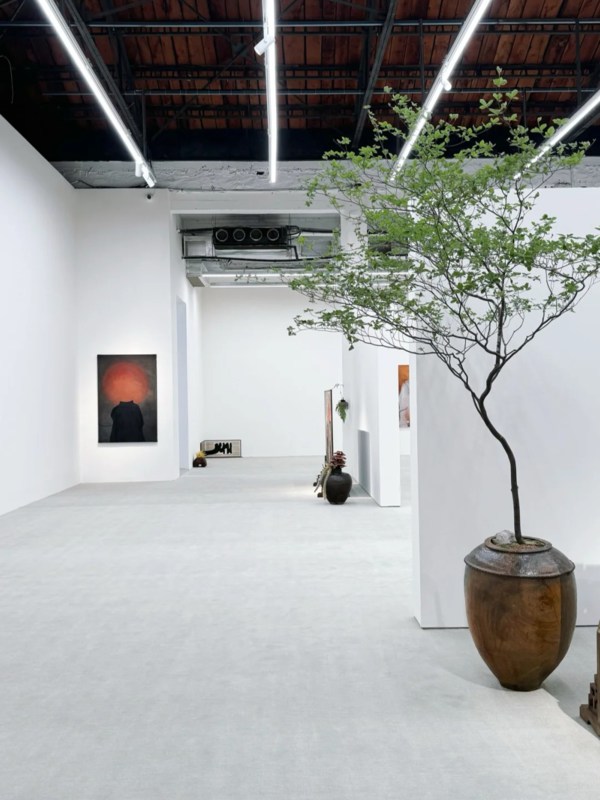
Antenna Space is a company that works within M50 and experiments with forms. I have witnessed video installation, sound art, performances which barely passed off as visual art. It is a hit or miss as per the tolerance to avant-garde work.
A majority of the galleries in this area have no entrance fee. The merit over museum-groggy districts. The best time is the weekend afternoon to visit, the gallery owners usually hang around and will talk to you provided you appear to really be interested. Mornings of weekdays are sometimes the time of locked doors even at the hours of planned arrival.
📍 Location: Building 2, Lane 50 Fuxing West Road, Xuhui District (French Concession villa, not in M50)
⏰ Hours: Tuesday-Sunday 11:00-18:00, closed Mondays
💰 Average Cost: Free admission
🚇 Transport: Metro Line 1/7 to Changshu Road Station, Exit 3, then 8-min walk
💡 Tip: Small intimate space—better for detailed viewing than crowds. Ask staff about artists; they're usually happy to discuss the work
Marble Monuments and Sky-High Views: Pudong's Museum Quarter
-
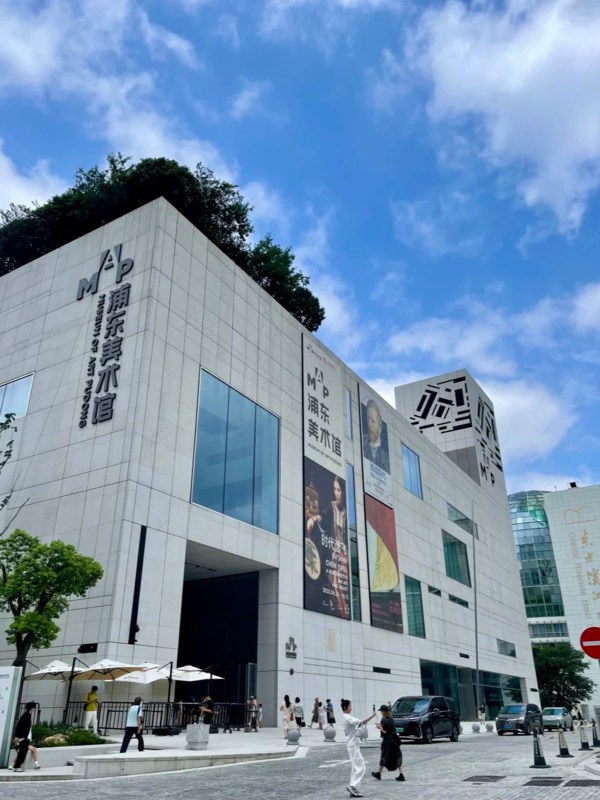
- Museum of Art Pudong
-
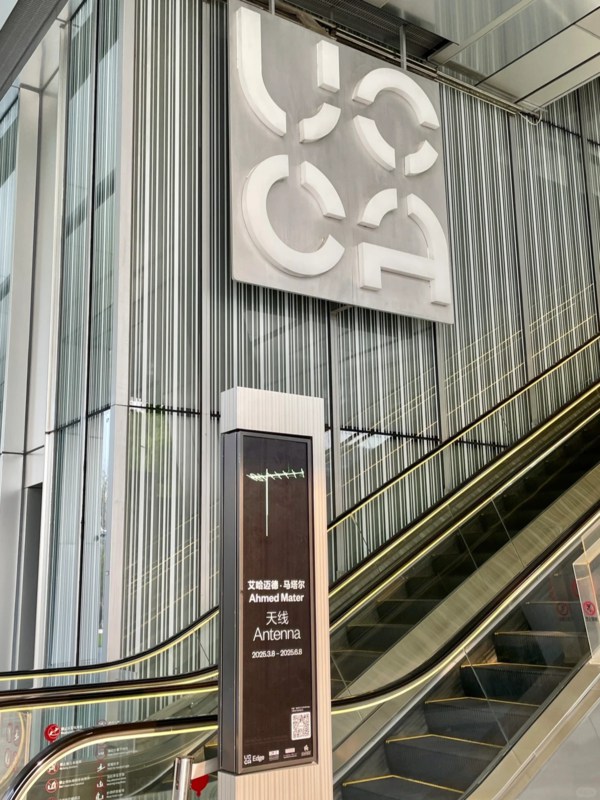
- UCCA
Pudong's newer museums sit across the river from the Bund, clustered near Lujiazui's skyscraper zone. The architecture leans dramatic—glass facades, marble everything, spaces designed to photograph well. These feel more like international art institutions than local galleries, which matches Pudong's general vibe.
Museum of Art Pudong (MAP) - Jean Nouvel's White Marble Vision
This building is covered with white Shandong marble by the French architect Jean Nouvel. The content is strange in the way that it reflects the light, almost glowing in the golden hour. The skybridge linking the museum and the riverside walkway is 53 meters long, the gallery of mirror ceilings on the second and third floors makes the gallery floors disorienting, and you look at paintings.
The shanghai art museum pudong is centered on the 20 th and 21 st century international work. Look forward to the works of modernism: abstract expressionism, minimalism, conceptual works of the European and American collections. Less emphasis on the modern Chinese artists as compared to other galleries. Admission tends to be CNY 60-80, although the first Tuesday of every month happens to be free in case you reserve online in advance. Slots fill up fast though.
The interiors are made of white marble which is literally cold. They maintain cold climate to keep the art in a good condition and therefore carry a light jacket during summer.
📍 Location: 2777 Binjiang Avenue, Pudong New Area (near Shanghai Tower)
⏰ Hours: Tuesday-Sunday 10:00-18:00 (Friday extended to 21:00), closed Mondays
💰 Average Cost: CNY 60-80 (free first Tuesday of each month with online booking)
🚇 Transport: Metro Line 2/14 to Lujiazui Station, Exit 1, then cross the pedestrian bridge to riverside
💡 Tip: First Tuesday free admission slots fill fast—book online at least 3 days ahead. Bring a light jacket; the marble halls stay cold
UCCA Edge - Beijing Institution's Shanghai Expansion
This branch was opened in 2021 by UCCA, which began in the 798 art district of Beijing and opened this Pudong branch. It occupies three floors of 5,000 square meters, the design of which was carried out by New York company SO-IL. It is located in EDGE tower, Century Avenue metro.
Exhibitions are inclined to major international contemporary exhibitions. I have witnessed retrospectives and thematic group shows that were of museum quality. The cost of the tickets is approximately CNY 120-150, which exceeds the majority of shanghai art gallery modern art. It is justified by the programming as a rule, however, it is better to consult the current exhibits beforehand.
📍 Location: L3-05, 1388 Shibo Avenue, Pudong New Area (inside EDGE complex)
⏰ Hours: Tuesday-Sunday 10:00-18:00, closed Mondays
💰 Average Cost: CNY 120-150 (varies by exhibition)
🚇 Transport: Metro Line 7/8/13 to Yaohua Road Station, Exit 4, then 5-min walk
💡 Tip: Tickets often sell out for blockbuster shows—book online in advance. The gift shop stocks good art books in English
What's Showing Now: 2025-2026 Exhibition Highlights
-

- Shanghai Biennale
-
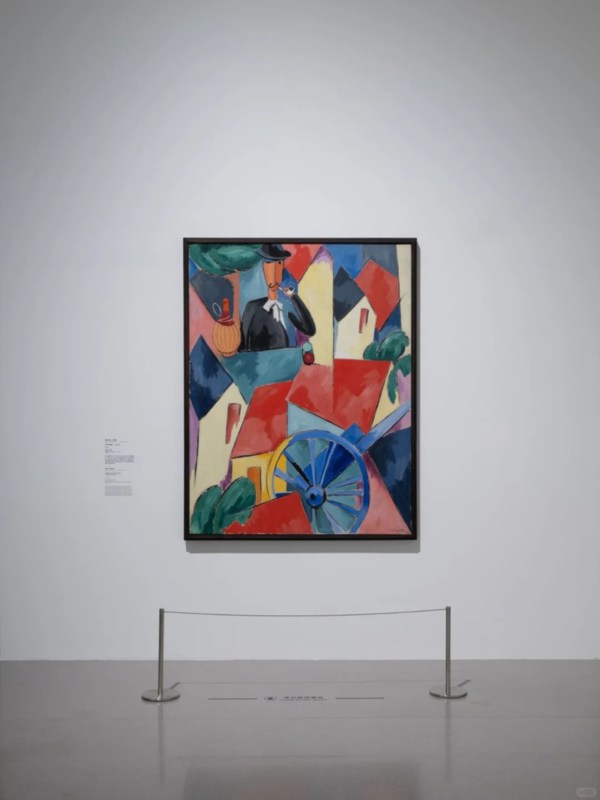
- Centre Pompidou Rotating Collections
-
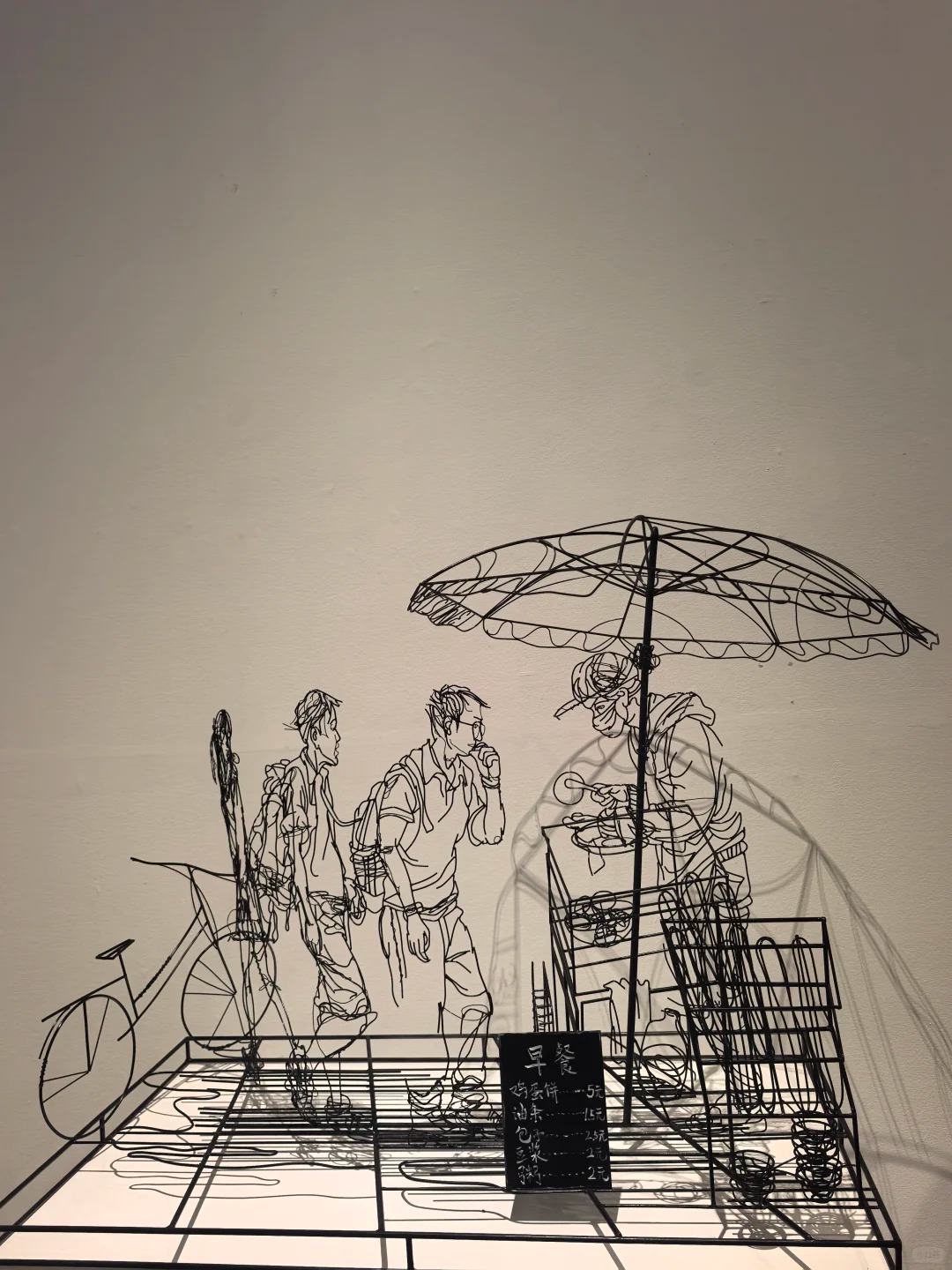

- November Art Fair Week Exhibitions
Shanghai art galleries update exhibitions every few months, so what's showing changes constantly. I can't predict exactly what you'll see when you visit, but certain patterns hold. The big museums announce major shows months ahead. Smaller galleries might post schedules only weeks in advance.
Shanghai Biennale 2025-2026
The Shanghai Biennale happens every two years and is China's oldest international contemporary art exhibition. Power Station of Art serves as the permanent venue. Past editions have featured over 100 artists from around the world, with installations spreading across all exhibition floors. The 2025-2026 edition will likely run from November through early March, following the established pattern. Themes change each cycle—previous biennales explored urbanism, technology, and social transformation. Expect video installations, large-scale sculptures, performance art, and experimental formats that push beyond traditional painting. Opening weeks draw massive crowds, but mid-run visits offer quieter viewing.
📅 Dates: November 2025 - March 2026 (exact dates announced 3-4 months prior)
📍 Location: Power Station of Art, 200 Huayuangang Road, Huangpu District
💰 Cost: CNY 60-80 for biennale ticket (includes all exhibitions)
⏰ Hours: Tuesday-Sunday 11:00-19:00, closed Mondays
🎫 Booking: Available on Trip.com or official museum website
💡 Tip: Visit on weekday mornings to avoid weekend crowds; allow 3-4 hours minimum
Centre Pompidou Rotating Collections
West Bund Museum showcases rotating exhibitions from Paris's Centre Pompidou as part of their five-year partnership (2019-2024, likely extending). Collections change every 4-6 months, featuring modern and contemporary masters from Europe's largest modern art holdings. You might see Kandinsky's abstracts one season, then Matisse or Giacometti the next. The exhibitions follow thematic or chronological approaches—"The Shape of Time" or "Reinventing Landscape" for example. Winter 2025-2026 programming hasn't been announced yet, but past quality suggests strong curation. The museum's David Chipperfield-designed space provides minimal, elegant backdrops that let the art dominate.
📅 Typical rotation: New exhibition every 4-6 months; check website for current show
📍 Location: West Bund Museum, 2600 Longteng Avenue, Xuhui District
💰 Cost: CNY 100-150 depending on exhibition
⏰ Hours: Tuesday-Sunday 10:00-18:00, closed Mondays
🎫 Booking: Online via official website recommended; weekends sell out
💡 Tip: Exhibitions announced 6-8 weeks ahead on Chinese social media before English updates
November Art Fair Week Exhibitions
Two consecutive weekends in November host ART021 Shanghai Contemporary Art Fair and West Bund Art & Design Fair. But the real story extends beyond fair venues—galleries across Shanghai open special exhibitions simultaneously. Commercial spaces like ShanghART, Pearl Lam, and dozens of M50 galleries unveil their strongest programming. Hotel lobbies book installations. Museums coordinate openings. Tank Shanghai might run performances. Even shopping districts add public art. It's the most concentrated contemporary art viewing period in China. You could attend different openings every evening for two weeks straight. Most satellite exhibitions charge no admission, making it accessible despite fair ticket costs.
📅 Dates: Early-mid November (usually first and second weekends); 2025 dates TBA around August
📍 Locations: ART021 at Shanghai Exhibition Centre; West Bund Fair at West Bund Dome; satellite shows citywide
💰 Cost: Fair tickets CNY 100-150 regular, CNY 300-500 VIP preview; most satellite shows free
⏰ Hours: Fairs typically 11:00-19:00; gallery openings 17:00-21:00
🎫 Booking: Purchase fair tickets online early; VIP previews recommended to skip crowds
💡 Tip: Download ART021 mobile app for complete satellite exhibition map and gallery schedules
Crafting Your Gallery Route: Timing, Transport, and Local Secrets
ART021
One-Day Art Itinerary - Bund Morning to West Bund Sunset
Begin at Rockbund Art Museum at the opening time of about 10am. Before lunch the Bund area remains rather quiet. Take a stroll to local galleries such as ShanghART or Pearl Lam which are within fifteen minutes walk distance. Allocate two or three hours to Bund cluster.
To have lunch, take a taxi, or a metro Line 3/4 to M50. Yunnan Road food street is located adjacent to the Moganshan Road, potentially a ten-minute distance. Evade the tourist restaurants. Find an area full of people having noodles CNY 25-30 a bowl.
Afternoon wandering M50. It is free delving instead of planned watching. Allow yourself at least ninety minutes. There will be galleries that will not interest you even a bit, and others will disappoint you altogether.
In the late afternoon, go in a taxi to West Bund. The ride would cost approximately CNY 50-60 and would take twenty minutes without traffic. Intention to arrive to Power Station of Art at 4pm or 5pm. See sunset through the fifth floor observation deck, provided it is a pleasant day.
November's Art Fair Frenzy - ART021 and West Bund Fair
The schedule of Shanghai art fair 2025 is in the same format as earlier years where it is two consecutive weekends in November. The ART021 mainly occurs in the first place and then there is West Bund Art and Design fair. Both attract overseas exhibitions and connoisseurs.
VIP preview tickets are more expensive and avoid weekend traffic. I have witnessed how the public days have become shoulder to shoulder barging through the booths. Preview tickets cost approximately CNY 300-500 as opposed to the regular admission of CNY 100-150. Art fairs usually have special exhibitions in galleries in Shanghai. Even without going to the fairs, it is worthwhile to check what is showing. If you're visiting in late December, you might also catch the Shanghai New Year Concert 2026.
FAQ about Shanghai Art Galleries
Q: Are Shanghai art galleries free to enter?
It depends on the type. Public museums like Power Station of Art and Rockbund Art Museum charge admission, usually between CNY 50-150 depending on exhibitions. Commercial galleries—places that sell artwork rather than just display it—typically offer free entry. Most spaces in M50 district cost nothing to visit. ShanghART, Antenna Space, Capsule Shanghai all let you walk in without paying. Museum of Art Pudong does free admission the first Tuesday of each month, but you need to reserve slots online beforehand. Check individual websites because policies change.
Q: Which district has the most art galleries in Shanghai?
M50 has the highest count—over 140 spaces packed into old factory buildings. Quality varies wildly though. West Bund holds fewer galleries but higher-profile institutions like the West Bund Museum and Tank Shanghai. The Bund district offers maybe ten to fifteen galleries, mostly established commercial ones in historic buildings. I'd say West Bund for curated museum experiences, M50 for quantity and experimental work. Bring up a map before going. The districts don't connect easily and you'll waste time bouncing between them randomly.
Q: Do Shanghai art galleries offer English tours?
Major museums provide English audio guides. Power Station of Art, Rockbund Art Museum, and West Bund Museum all have them available at the entrance desk. You might need to leave ID or pay a small deposit. Commercial galleries rarely offer formal tours, but staff at places like Pearl Lam or ShanghART speak English well enough to answer questions. Some museums let you book guided tours in advance—check their websites or call. Download official apps for places like Museum of Art Pudong. They include exhibition descriptions in English.
Q: What's the best time to visit Shanghai art galleries?
Weekday mornings between 10am and 11am stay quiet. Weekend afternoons get packed, especially at popular museums. If you want to attend exhibition openings, those usually happen Saturday evenings around 5pm or 6pm. You'll need to follow galleries on WeChat to know schedules—they don't always post in English. November turns chaotic because of ART021 and West Bund Art Fair. Book tickets early if you're visiting during art fair weeks. The whole city floods with collectors and tourists.
Q: Can I buy art from Shanghai galleries as a tourist?
Commercial galleries like Pearl Lam, ShanghART, and others in the Bund area sell work directly. You can purchase as a tourist. Chinese law restricts exporting antiques and artifacts made before 1949, but contemporary artwork usually clears customs without issues. Galleries handle international shipping if you buy something too large to carry. Always ask for certificates of authenticity and official invoices. I'd suggest getting these documents in English. Some galleries quote prices in USD or EUR for international buyers.
Q: How do I get to M50 Art District from downtown Shanghai?
Take metro Line 3 or Line 4 to Zhongtan Road Station (中潭路站). Walk about ten minutes north toward Moganshan Road. The entrance isn't obvious—look for "M50" signage on red brick buildings. Taxis from People's Square run around CNY 30-40 and take fifteen to twenty minutes depending on traffic. The full address is Moganshan Road 50, Putuo District. Don't expect polished signage. It's an industrial area that happens to have galleries, not a tourist destination with clear markers.
Q: What should I wear when visiting Shanghai art galleries?
No dress code exists. I've seen people in shorts and sandals at major museums. Wear comfortable walking shoes though, especially for M50 where pavement is uneven and you'll be on your feet exploring. Large museums blast air conditioning year-round. Bring a light jacket even in summer. Photography rules vary—some exhibitions ban flash, others prohibit photos entirely. Ask staff before shooting. Most places don't care if you take pictures for personal use.
Q: Are there art galleries near Shanghai's main tourist attractions?
Rockbund Art Museum and Pearl Lam Galleries sit within walking distance of the Bund waterfront—maybe five to ten minutes. MoCA Shanghai is right in People's Park, next to Nanjing West Road shopping. Xintiandi area has a few smaller galleries scattered around, though nothing major. From Yuyuan Garden, you can take metro Line 8 to Zhongshan South Road and switch to Line 4, reaching Power Station of Art in about ten minutes total. The shanghai art galleries don't cluster near typical tourist spots deliberately, but you can combine them with sightseeing if you plan routes carefully.
Q: What's the difference between Shanghai's art galleries and art museums?
Museums are public institutions with permanent collections and rotating exhibitions. They charge admission—places like Power Station of Art or Museum of Art Pudong. Art galleries usually mean commercial spaces representing artists and selling work. Most galleries offer free entry because they want visitors who might eventually buy. The terminology confuses people. In English, "gallery" typically refers to commercial spaces while "museum" means public institutions. Both are worth visiting but serve different purposes. Museums give you broader historical context. Galleries show what's currently happening in the art market.