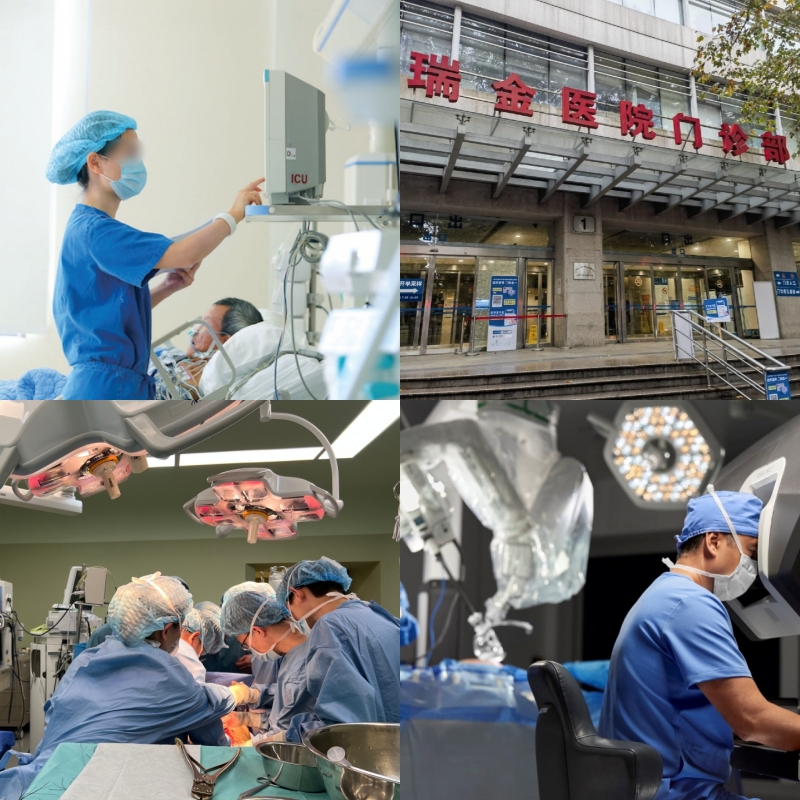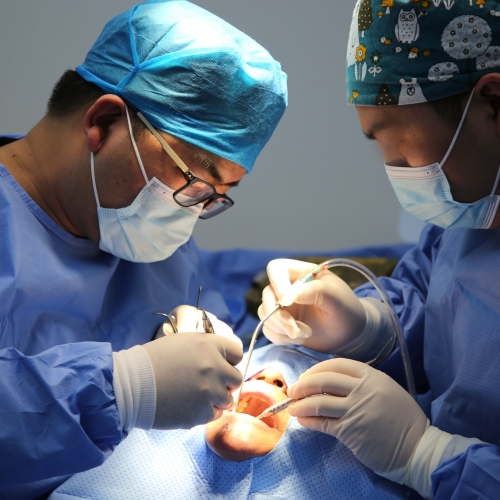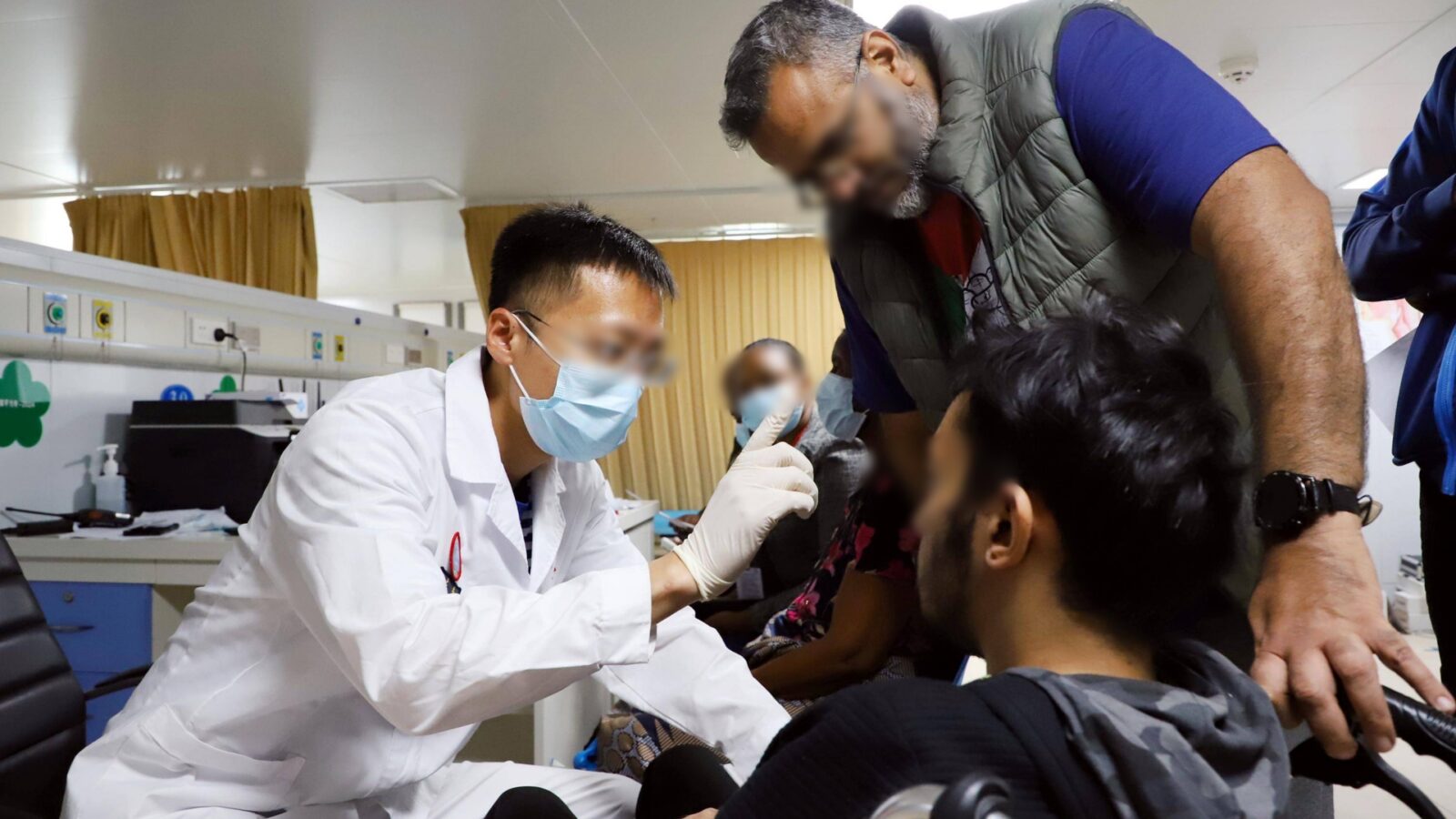
Medical Checkup in China
Get a medical check-up in China for a tiny fraction of the price you’d pay for the equivalent in the West - and often up to the international standard, or even higher! Need a visa physical for your work permit - or a cancer check-up? You’re looking at anything from 70% to 85% less than in America, Europe. Basic blood panels start at ¥200 ($28) instead of $500 - 1,500 in US, executive health packages with PET-CT¥9,680-40,000 ($1,350-5,600) vs Mayo Clinic at $8,000-15,000!
Here’s everything you need to successfully navigate medical check-up in China. Verified pricing from government visa exam centers and international hospitals, contacts to place bookings along with step by step help through the process of the examination, and useful tips from expats and friends - all the information the business or investment traveller, student, expat and medical tourist needs to access affordable healthcare in and around, Beijing, Shanghai, Guangzhou and other important Chinise cities.
China's medical checkup advantage: International-grade facilities at developing-world prices
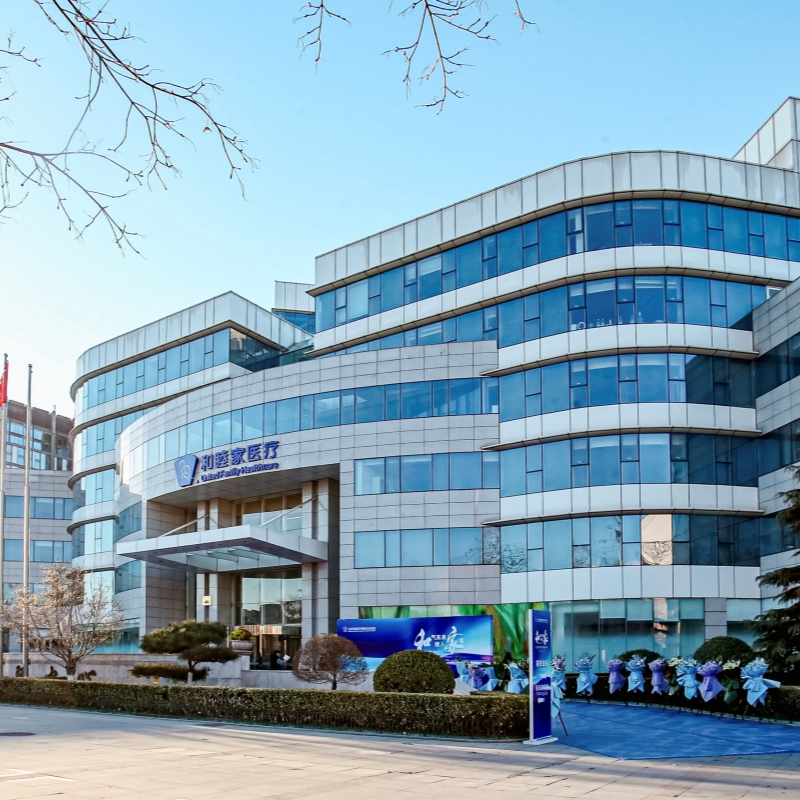
Beijing United Family Hospital
Comprehensive screenings cost CNY 800-7,500 versus USD 3,200-10,000 in Western countries
The price gulf is more indicative of structural differences than quality compromises. For example, full-body cancer screening with tumor markers, cardiac CT and endoscopy costs about ¥800 ($110) at visa medical centres versus $3,200 at US facilities. Basic blood panels start at ¥200-500 ($28-70) compared to $500-1,500 in America.
These substantial savings stem from government-subsidized infrastructure and intense market competition among private hospitals. China's massive domestic market enables high-volume operations that drive per-unit costs down while maintaining international equipment standards.
| Service Type | China Price Range | US Price Range | Savings |
|---|---|---|---|
| Basic Blood Panel (CBC, Metabolic, Lipids) | ¥200-500 ($28-70) | $500-1,500 | 75-85% |
| Comprehensive Cancer Screening (Tumor Markers, CT, Endoscopy) | ¥800-3,000 ($110-420) | $3,200-8,000 | 80-95% |
| Full-Body MRI Scan | ¥2,000-4,000 ($280-560) | $5,000-10,000 | 70-82% |
| Executive Health Package (2-Day VIP) | ¥9,680-40,000 ($1,350-5,600) | $5,000-11,000 | 50-75% |
| CT Scan (Chest/Abdomen) | ¥800-2,000 ($112-280) | $1,000-6,750 | 65-88% |
| Ultrasound (Multi-Organ) | ¥300-800 ($42-112) | $200-500 | Variable |
Same-day complete health assessments finish in 3-5 hours with immediate digital reports
Efficiency is yet another noteworthy advantage when you do a medical checkup in China. Most complete screening tests start at 8:00AM and are done by noon incorporating everything from blood draws to CTs, ultrasounds and doctors’ consultations into one session. VIP packages give you same day results while the normal reports arrive digitally within 24 to 48 hours.
This remarkable speed results from purpose-built health examination centers optimizing workflow through integrated digital systems. The 240-hour visa-free transit policy becomes genuinely practical when complete cancer screenings finish in a single morning.
| Examination Timeline | China Process | Western Process |
|---|---|---|
| Appointment Scheduling | Same-day or next-day availability | 2-8 weeks advance booking required |
| Morning Session (8:00 AM - 12:00 PM) | All tests completed in 3-5 hours | Multiple appointments across days/weeks |
| Blood Draw | Immediate (8:00-8:30 AM) | Separate appointment, 1-2 weeks wait |
| Imaging (CT/MRI/Ultrasound) | Same morning (9:00-11:00 AM) | Scheduled separately, 2-4 weeks wait |
| Endoscopy (if included) | Same day under sedation | Separate facility, 3-6 weeks wait |
| Physician Consultation | Afternoon same day or next day | 1-2 weeks after all test completion |
| Digital Report Delivery | 24-48 hours (standard) / Same day (VIP) | 7-14 days after final appointment |
| Total Process Duration | 1-2 days complete | 4-12 weeks typical |
JCI-accredited hospitals and top-tier equipment match international medical standards
Some people have concerns when it comes to quality-related issues in reference to dramatically cheaper healthcare abroad. Half of the Chinese ‘international hospitals’ are accredited to prove commercially equivalent standards. There are eighteen Chinese hospitals on Newsweek World's Best Hospitals 2024 rankings. As of December 2022, the Joint Commission International has accredited 46 Chinese organizations, 97.8% of which are private hospitals.
Beijing United Family Hospital earned China's first JCI accreditation in 2005 and renewed certification six times. Equipment inventories match those at Cleveland Clinic or Massachusetts General Hospital, with identical GE, Siemens, and Roche systems.
| Hospital | JCI Accreditation | Key Equipment | Laboratory Standards |
|---|---|---|---|
| Beijing United Family | ✅ First in China (2005), 6th renewal | GE Revolution CT, Siemens Dual-Source CT, HOLOGIC Mammography | CAP Accredited (Only in China) |
| Shanghai United Family | ✅ 2008, Network certified 2011 | Siemens MRI, GE Ultrasound, Digital X-ray | Roche Diagnostics Systems |
| Guangzhou United Family | ✅ 2018 Opening | Siemens 1.5T MRI, 128-Slice CT, DSA System | Integrated Lab Network |
| Shanghai Jiahui International | ✅ 2022 (7th Edition Standards) | 3.0T MRI, Da Vinci Xi Robot, TrueBeam Radiotherapy | MGH Protocol Standards |
| Shanghai Jiahui Clinics | ✅ 2022 Multi-site | GE LOGIQ Ultrasound, Digital Diagnostics | Same as main hospital |
| Beijing UFH Rehabilitation | ✅ 2021 (7th Edition) | Specialized rehab equipment | Unified system standards |
-
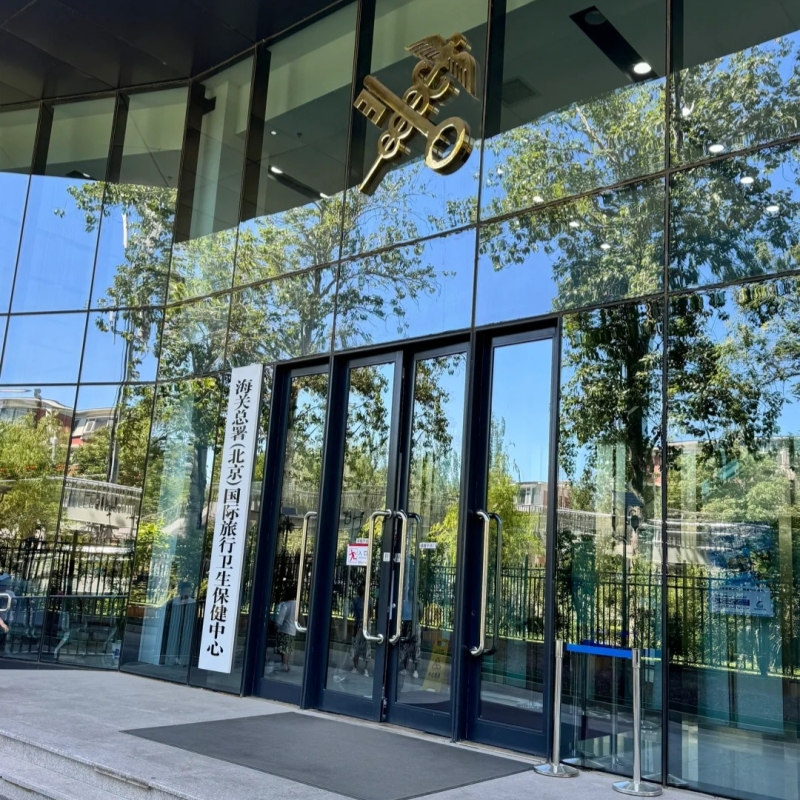

- Beijing International Travel Healthcare Centers
-
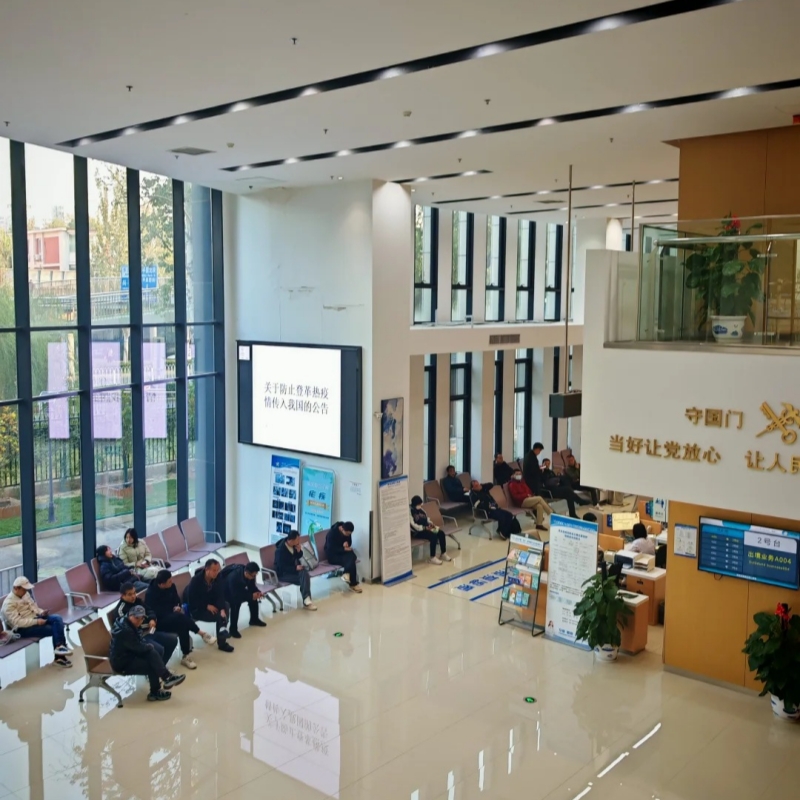
- Beijing International Travel Healthcare Centers
Z visa and X1 visa applicants must complete the standardized foreigner physical examination
Work permit and long-term study visa applicants face mandatory health screening requirements before residence permit issuance. Z visa covers employment including teaching, corporate assignments, and skilled roles. X1 applies to academic programs exceeding 180 days. Two pathways exist: complete forms abroad for $200-500, or visit authorized centers in China for ¥400-600 within 30 days of arrival.
Most expatriates choose in-country completion because it's cheaper, faster, universally accepted, and defers expense until after securing position. The health certificate remains valid for six months from issue date.
| Visa Type | Mandatory Medical Exam? | Typical Purpose | Exam Timing |
|---|---|---|---|
| Z Visa (Work) | ✅ Yes - Required | Employment, teaching positions, skilled professionals | Within 30 days of arrival |
| X1 Visa (Student) | ✅ Yes - Required | Study programs > 6 months | Within 30 days of arrival |
| X2 Visa (Student) | ❌ No | Study programs < 6 months | Not required |
| R Visa (Talent) | ✅ Depends on category | High-level talent recruitment | Case-by-case basis |
| S1 Visa (Dependents) | ✅ Yes - Required | Family members of Z/X1 holders (>180 days) | Within 30 days of arrival |
| Q1 Visa (Family) | ✅ Yes - If > 180 days | Family reunion visits | Within 30 days if long-term |
| L Visa (Tourist) | ❌ No | Tourism, short visits | Not required |
| M Visa (Business) | ❌ No | Business activities, trade | Not required |
| Certificate Validity | — | Valid for all visa types | 6 months from issue date |
Standard examination includes blood tests, chest X-ray, ultrasound and screening for infectious diseases
The mandatory medical checkup in China follows standardized protocols across all authorized centers. Physical assessment covers internal medicine with cardiovascular and pulmonary examination plus blood pressure measurement. ENT specialists check vision, hearing, and throat. Technicians perform electrocardiogram to detect cardiac abnormalities.
Laboratory tests take up the bulk of your tests: blood screening for HIV/AIDS, syphilis, hepatitis B and C, and liver function; and abdominal ultrasound to check for abnormalities in organs. And they’re quick. Takes just 30 to 60 minutes once you’re at the clinic.
| Examination Category | Specific Tests & Purpose |
|---|---|
| Physical Examination | Internal Medicine (heart, lung auscultation, abdominal palpation, blood pressure); Surgical Assessment (lymph nodes, thyroid palpation); ENT (visual acuity, hearing test, throat); Height, weight, BMI measurement |
| Cardiovascular | Resting Electrocardiogram (ECG) - detects arrhythmias, myocardial ischemia, cardiac abnormalities |
| Respiratory Screening | Chest X-Ray (Mandatory) - tuberculosis screening, pulmonary disease detection. Pregnancy exemption available. |
| Blood Tests - Infectious Disease | HIV/AIDS Antibody Test; Syphilis (RPR + TPPA); Hepatitis B Surface Antigen (HBsAg); Hepatitis C Antibody (Anti-HCV) |
| Blood Tests - Organ Function | Liver Function (ALT/GPT enzyme) - hepatitis, cirrhosis screening; Kidney indicators (if applicable to package) |
| Abdominal Imaging | Ultrasound - Liver, Gallbladder, Pancreas, Spleen, Kidneys visualization for structural abnormalities |
| Urinalysis | Routine Urine Test - kidney disease, diabetes, urinary tract infection screening |
| Disqualifying Conditions | ⚠️ HIV/AIDS Positive; Active/Untreated Syphilis; Infectious Tuberculosis (Active); Severe Mental Illness; Leprosy (Infectious) |
| Fasting Requirement | ❌ Not Required (unlike voluntary health screenings) - unless adding optional blood sugar tests |
Authorized examination centers in Beijing, Shanghai and Guangzhou charge CNY 300-600 total
Only government-designated International Travel Healthcare Centers possess authority to issue official health certificates for visa applications. Beijing operates two locations at Hepingli (¥490-600) and Haidian (¥513-600). Shanghai maintains three facilities at Jinbang Road (¥700-800), plus Pudong and Xuhui branches. Guangzhou runs centers at Longkou West Road and Zhujiang New Town (¥1,100-1,700). Standard turnaround requires 3-5 business days for certificate pickup.
Regardless of the high-quality services provided to patients, private hospitals outside of Canada cannot provide a Visa Medical Certificate. It is important that you bring your passport (original), two white background photographs (3.3 x 4.8 cm), and your Visa Notification Letter from your sponsoring organization when visiting the Government of Canada.
| City & Center | Location & Contact | Fee |
|---|---|---|
| Beijing ITHC Headquarters | No. 20 Hepingli North Street, Dongcheng District; 010-64274239 | ¥490-600 |
| Beijing ITHC Haidian | No. 10 Dezheng Road, Haidian; 010-82003383 | ¥513-600 |
| Shanghai ITHC Main | Building 3, 2F, No. 15 Jinbang Road, Changning; +86 21-62688851 | ¥700-800 |
| Guangzhou ITHC Zhujiang | 4-6F Poly Plaza East, No. 59 Huali Road, Tianhe; 020-81219500 | ¥1,100-1,700 |
| Booking | Official websites, WeChat mini-programs, 114 telephone system | — |
| Express Service | 1-2 day certificate turnaround (select locations) | +¥100-200 |
Voluntary health screening packages: From basic blood panels to executive cancer detection programs
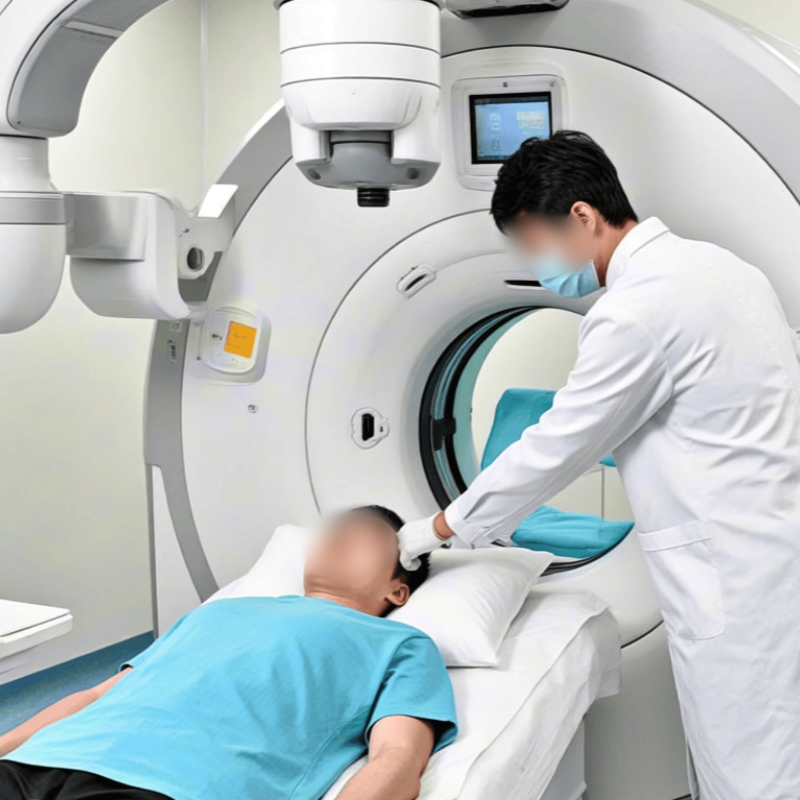
CT Scan Examination
Basic packages starting at CNY 999 cover blood work, ECG and ultrasound imaging
Entry-level health screening packages sold by international hospitals will also provide a comprehensive baseline for anyone under age 40 who is asymptomatic and seeking their first medical checkup in China. These ¥999-1,500 ($143-215) packages include a complete blood count, metabolic panel that tests liver and kidney function, an ECG, chest X-ray and abdominal ultrasound. Some packages may also contain other baseline components, like a thyroid ultrasound and urinalysis.
The Chinese healthcare system's "1+X" model treats standard tests as foundation "1" upon which you customize additional "X" modules based on age, gender, family history, and health concerns. This entry package delivers equivalent value to $500-800 examinations in America.
| Examination Category | Typical Items Included | Clinical Significance |
|---|---|---|
| Vital Signs & Baseline | Height, Weight, BMI, Blood Pressure, Pulse | Hypertension, obesity, cardiovascular risk screening |
| Physical Examination | Internal Medicine (heart, lung, abdomen); Surgical (lymph nodes, thyroid, breast, spine); Ophthalmology (visual acuity); ENT examination | Comprehensive system assessment |
| Complete Blood Count | Red blood cells, White blood cells, Hemoglobin, Platelets | Anemia, infection, blood disorders |
| Comprehensive Metabolic Panel | Liver Function (ALT, AST, ALP, Bilirubin); Kidney Function (Uric Acid, Urea, Creatinine); Blood Glucose (Fasting); Lipids (Cholesterol, Triglycerides, HDL/LDL) | Organ function, diabetes, cardiovascular risk |
| Urinalysis | Routine urine test - protein, glucose, blood, pH | Kidney disease, diabetes, urinary tract infection |
| Stool Examination | Occult blood test | Gastrointestinal bleeding, colon cancer screening |
| Electrocardiogram (ECG) | Resting heart electrical activity recording | Arrhythmias, myocardial ischemia, cardiac abnormalities |
| Chest X-Ray | Lung and heart imaging | Pulmonary disease, tuberculosis, cardiac enlargement |
| Abdominal Ultrasound | Liver, Gallbladder, Pancreas, Spleen, Kidneys | Organ structure abnormalities, stones, masses |
| Thyroid Ultrasound | Thyroid gland structure and nodules | Thyroid disease, nodule detection |
| Package Price Range | ¥999-1,500 ($143-215) | Compare: $500-800 in US |
Comprehensive packages at CNY 2,488-4,988 add tumor markers and specialized organ screenings
Standard-tier packages priced at ¥2,488 ($355) offer additional screening that includes the baseline blood test for tumor markers such as AFP for liver cancer, CEA for gastrointestinal malignancies, and PSA for prostate cancer. There are blood tests for hormone levels measured by a hormone panel ) and a bone density scan for those over the age of 40 to determine osteoporosis risk.
Business-class packages climbing to ¥4,988 ($713) incorporate either gastroscopy or colonoscopy endoscopic examination. Cardiac assessment advances to CT angiography or detailed echocardiography measuring heart function. This tier suits individuals aged 40-60 and high-stress professionals receiving services equivalent to $2,000-3,500 American medical checkups in China.
| Advanced Screening Component | Specific Tests | Target Detection | Price Addition |
|---|---|---|---|
| Tumor Markers Panel | AFP (Alphafetoprotein), CEA (Carcinoembryonic Antigen), CA19-9, CA125 (women), PSA (men), CA15-3 | Liver, GI, pancreatic, ovarian, prostate, breast cancers | +¥500-800 |
| Thyroid Function | TSH, T3, T4 hormones | Hyperthyroidism, hypothyroidism | +¥200-400 |
| Bone Density (DEXA) | Spine and hip bone mineral density | Osteoporosis, fracture risk | +¥300-500 |
| Gastrointestinal Endoscopy | Gastroscopy (upper GI) OR Colonoscopy (lower GI) - often with sedation | Gastric/esophageal cancer, polyps, ulcers, colorectal cancer | +¥800-1,500 |
| Cardiac CT Angiography | Coronary artery 3D imaging | Coronary artery disease, blockages | +¥1,200-2,000 |
| Echocardiography | Heart chamber function, valve performance | Heart failure, valve disease | +¥500-800 |
| Carotid Artery Ultrasound | Neck artery plaque detection | Stroke risk assessment | +¥300-500 |
| Helicobacter Pylori Test | C13/C14 breath test or stool antigen | Stomach bacteria linked to gastritis, ulcers, cancer | +¥150-300 |
| Standard Package Total | ¥2,488-3,500 | Comprehensive adult screening | Compare: $2,000-3,500 US |
| Business Package Total | ¥4,988-7,500 | Executive/high-risk screening | Compare: $3,500-5,000 US |
VIP suites with PET-CT and genetic testing reach CNY 7,500-20,000 for premium cancer screening
Premium packages beginning at ¥6,988-7,500 ($998-1,070) deliver executive-level comprehensive cancer detection through whole-body MRI, low-dose lung CT for smokers, and dual endoscopy in single sedated session. VIP amenities include private recovery suites with zero waiting time and dedicated health coordinators guiding you through the entire process with white-glove service.
Top-tier programs costing over ¥10,000-20,000 ($1,430-2,860) include PET-CT whole-body scanning using radioactive glucose to pinpoint cancer cells, genetic tests for hereditary susceptibility to diseases, cardiac CT angiography, which are considered preventative medicine best-practice for wealthy patients. “Equivalent programs in America at Mayo Clinic cost $8,000-15,000, making China’s premium checkup services one third of the cost,” Wang said.
| VIP Package Component | Technology & Services | Clinical Value | Price Range |
|---|---|---|---|
| Whole-Body MRI | Multi-sequence 3.0T magnetic resonance imaging of brain, chest, abdomen, pelvis | Soft tissue tumor detection without radiation | +¥3,000-5,000 |
| Low-Dose Lung CT | High-resolution thin-slice chest computed tomography | Early-stage lung cancer in smokers/high-risk | +¥800-1,200 |
| Dual Endoscopy | Gastroscopy + Colonoscopy in single sedation session | GI tract comprehensive cancer screening | +¥1,500-2,500 |
| PET-CT Whole-Body | Positron Emission Tomography with CT fusion, 18F-FDG tracer | Metabolically active cancer cell detection, metastasis mapping | +¥7,000-10,000 |
| Genetic Cancer Panel | BRCA1/BRCA2, Lynch syndrome, TP53, APC mutations via blood/saliva | Hereditary cancer risk: breast, ovarian, colorectal, others | +¥3,000-8,000 |
| Cardiac CT Angiography | 256-slice or higher coronary artery imaging with contrast | Non-invasive coronary blockage detection | +¥2,000-3,000 |
| VIP Amenities | Private examination suites, personal health coordinator, zero wait times, luxury recovery rooms, gourmet meals | Comfort and efficiency | Included in package |
| Physician Consultation | Specialist interpretation, detailed report discussion, follow-up planning | Expert guidance | 1-2 hours included |
| Standard VIP Package | ¥6,988-10,000 ($998-1,430) | MRI, dual endoscopy, advanced imaging | Compare: $5,000-8,000 US |
| Elite VIP Package | ¥10,000-20,000 ($1,430-2,860) | PET-CT, genetic testing, full suite | Compare: $8,000-15,000 US |
| Ultra-Premium 2-Day | ¥30,000-40,000 ($4,290-5,720) | 40+ tests, 2-night luxury stay, meals, dedicated team | Compare: $10,000-20,000 US |
City-by-city hospital guide: Where international patients receive English-language medical services
-
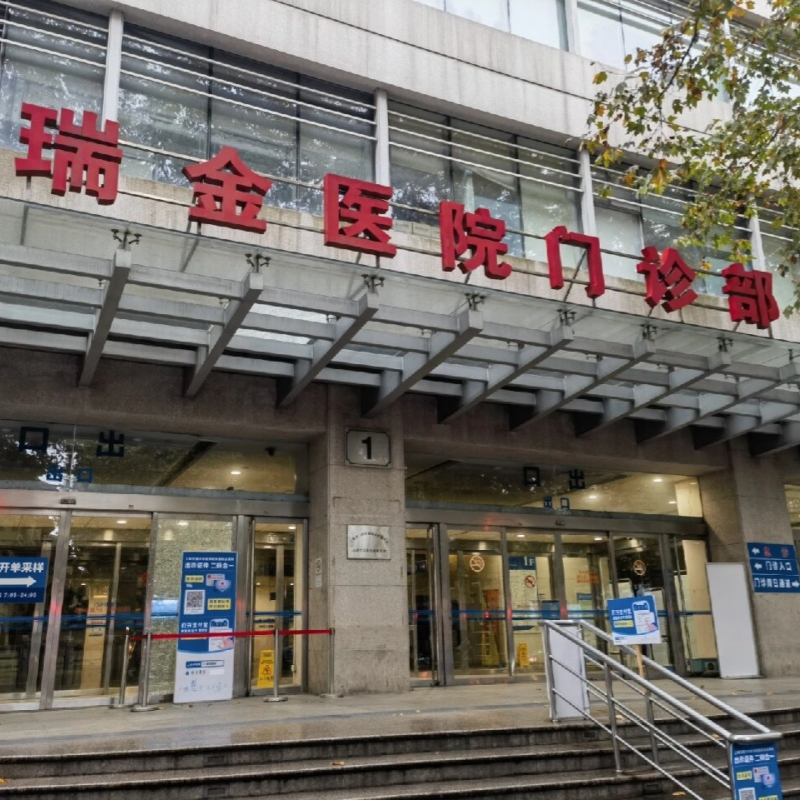
- The Outpatient Department of Ruijin Hospital, Shanghai
-
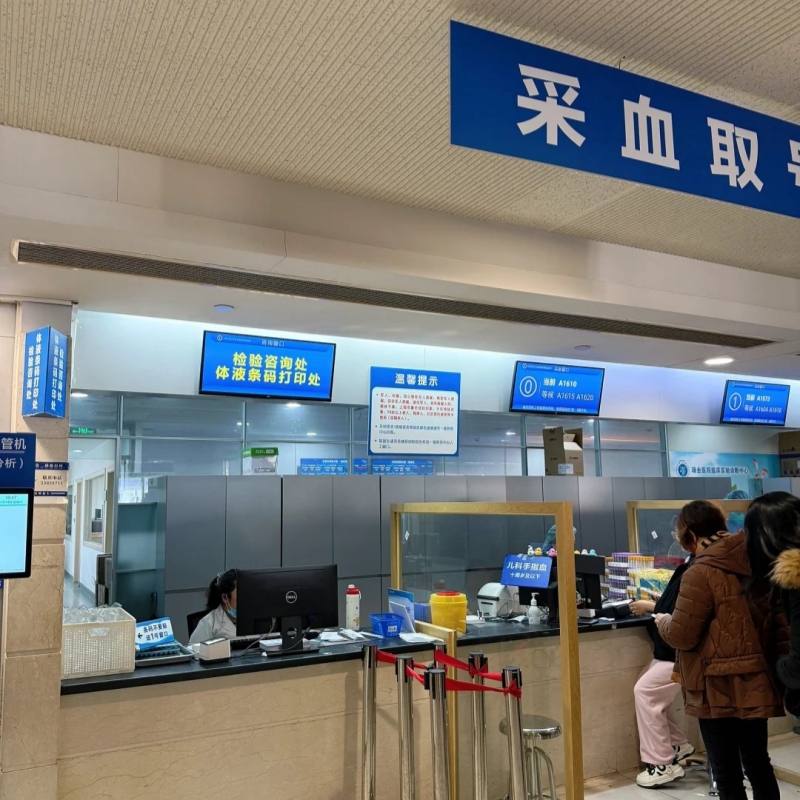
- The Blood Collection Center of Ruijin Hospital
Beijing's international medical facilities serve diplomats and expat executives with bilingual staff
As the diplomatic capital, Beijing is home to such a high influx of foreigners that hospitals have developed to meet international healthcare standards. Rehabilitation clinics and private hospitals in Beijing employ large numbers of English-speaking health professionals.
Of note for obtaining visas, Beijing ITHC has two locations for visa examinations: Hepingli (¥490) and Haidian (¥513-600). Though advance 114 platform booking at some sites speeds up waiting times, walk-ins are welcome in the mornings at both locations.
Voluntary screening gravitates toward three premier institutions offering fully English-immersive environments where American, European, and Australian-trained physicians conduct consultations entirely in English. Beijing rewards long-term residents seeking continuity of care, with Great Wall and Forbidden City tourism integrated into 3-day checkup visits.
| Beijing Hospitals | Location & Contact | Health Packages | Key Features |
|---|---|---|---|
| Beijing United Family | 2 Jiangtai Road, Chaoyang; 4008-919191 | ¥8,000-18,980 | JCI 2005; CAP laboratory; 24/7 English |
| Peking Union Medical College Hospital International | 1 Shuaifuyuan, Wangfujing | ¥3,000-6,000 | China's #1 ranked hospital |
| Beijing Oasis International | German management | ¥5,000-8,000 | Teutonic efficiency |
Shanghai leads in medical tourism with seamless international patient coordination
Shanghai's positioning as China's most international city translates to unparalleled healthcare access for medical tourists leveraging the 240-hour visa-free transit policy. Shanghai ITHC maintains three facilities at Jinbang Road (¥700-800), Pudong branch, and Xuhui location. Walk-in availability varies so advance WeChat booking secures preferred time slots.
Shanghai advantages include highest internationalization rates, best English proficiency among medical staff, most convenient 240-hour transit access, and seamless integration with Bund sightseeing, Disney tourism, and Zhujiajiao water town day trips. The city's competitive landscape drives innovation in patient services.
| Shanghai Hospitals | Location & Contact | Health Packages | Key Features |
|---|---|---|---|
| Shanghai United Family Puxi | 699 Pingtang Road, Changning; 400-639-3900 | ¥6,000-10,000 | JCI 2008; Same-morning assessment |
| Shanghai Jiahui International | 689 Guiping Road, Xuhui; 400-868-3000 | ¥9,680-40,000 | MGH partnership; JCI 2022 |
| SinoUnited Health | Bund area; 10,000+ sqm | ¥8,000+ annual | Mayo Clinic service model |
| Ruijin Hospital International | 197 Ruijin Er Road, Huangpu | ¥2,500-5,000 | Most competitive pricing |
Guangzhou and Shenzhen offer lower costs near Hong Kong with newer equipment
Southern China's tier-one cities combine 15-20% lower pricing than Beijing-Shanghai with proximity to Hong Kong enabling easy cross-border weekend trips. Guangzhou ITHC operates on Longkou West Road and Zhujiang New Town charging ¥1,100-1,700. Guangzhou United Family mirrors Beijing and Shanghai siblings with packages ¥5,000-8,000 in newer 2018 facilities.
Shenzhen positions itself as innovation capital with remarkable hospital infrastructure built over the past decade. Hong Kong University Shenzhen Hospital represents unique public-private hybrid charging ¥7,400-9,400 for International Medical Center packages with ACHS accreditation. Regional advantages include newest facilities, geographic convenience bordering Hong Kong/Macau, and emerging medical tourism reputation.
| South China Hospitals | Location & Contact | Health Packages | Key Features |
|---|---|---|---|
| Guangzhou United Family | 31 Pazhou Avenue, Haizhu; 4008-919191 | ¥5,000-8,000 | Opened 2018; 15-20% cheaper |
| HKU-Shenzhen Hospital IMC | Haiyuan 1st Road, Futian | ¥7,400-9,400 | Hong Kong management; ACHS |
Step-by-step booking process: From appointment to results in 3-5 business days
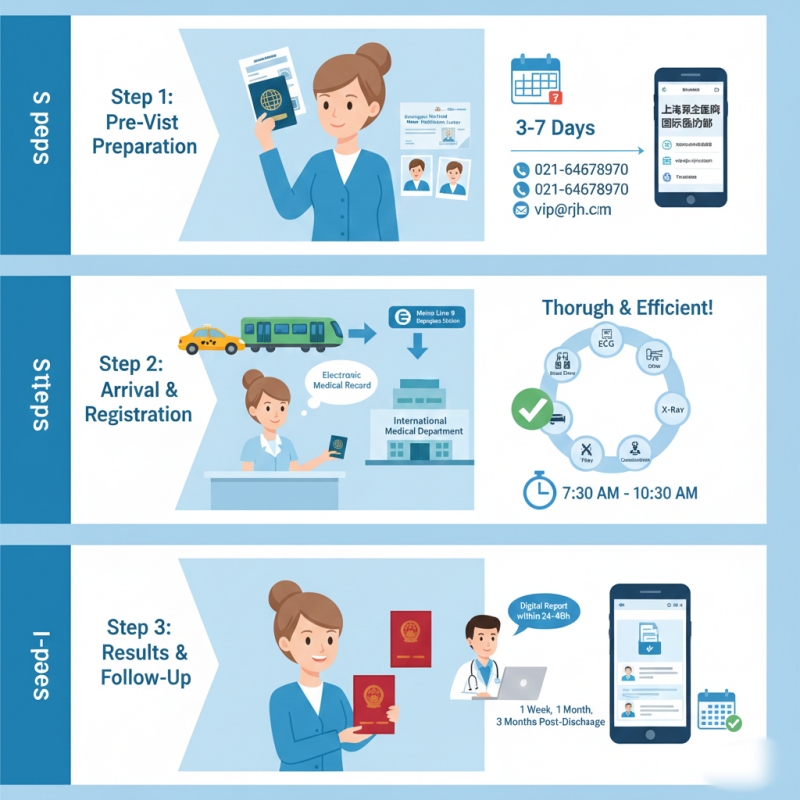
The Step-by-step Booking Process
Step 1: Required documents include passport copies, visa notification letters and two recent photos
Visa medical examinations require important documents to be prepared before you arrive at International Travel Healthcare Centers. Bring your passport (original and copies of the photo page, visa page, and entry stamp), as well as two to four color portraits according to China’s uniform photo specs: 4.8cm x 3.3cm, with a white background.
Employment Z visa applicants need Foreigner Work Permit Notification Letter in original and photocopy. Student X1 visa holders present university admission notice plus JW201 or JW202 form. For voluntary health screenings, gather previous medical records, family health history notes, and payment preparation.
Step 2: Morning appointments at 7:30-8:00 AM complete all tests before noon with fasting requirements
Visa medical examination timing follows compressed three-hour protocol optimizing efficiency. Arrive at ITHCs by 7:30 AM when doors open. Payment processing occurs first with ¥430-600 generating barcode routing sheet. Blood draws happen immediately while fasting, typically completing by 8:15 AM allowing snack consumption afterward.
Sequential stations rotate you through internal medicine, surgical assessment, ENT evaluation, ECG, chest X-ray, and abdominal ultrasound typically finishing by 10:00-10:30 AM. VIP health screening packages extend to four hours starting at 8:00 AM including CT/MRI and optional endoscopy procedures.
Step 3: Digital reports arrive within 24-48 hours with English translation available for CNY 100-300
These certificates must be picked up in person from ITHC, normally 3-5 business days after testing. Bring your passport and the collection receipt. You'll receive the official red-cover booklet with the printed physician signature and center seals. No extra fee is required, since the certificate was part of the service we paid for.
Voluntary health screening reports arrive faster with standard packages pushing digital PDF files to registered mobile numbers within 24-48 hours. VIP packages deliver preliminary verbal results during same-afternoon consultations with complete written reports by next morning. English translation adds ¥100-300 cost though international hospitals provide bilingual reports automatically.
Practical solutions for language barriers and cultural differences in Chinese hospitals
Essential medical vocabulary enables basic communication for medical checkup in China
Twenty core medical terms enable basic medical checkup conversations even with minimal Mandarin proficiency: 体检 (tǐjiǎn) means medical checkup, 抽血 (chōuxuè) indicates blood draw, 空腹 (kōngfù) communicates fasting requirement, 胸透 (xiōngtòu) refers to chest X-ray, 心电图 (xīndiàntú) describes ECG, 超声 (chāoshēng) identifies ultrasound, and 报告 (bàogào) means medical report. Download iFlytek, Youdao, or Google Translate with offline Chinese packages before your visit for real-time assistance during your medical checkup in China.
International departments provide private exam rooms and Western-style communication
Cultural norms around privacy and communication differ between Chinese public hospitals and international facilities: public hospitals generally have multiple people in a large room separated by curtain dividers, and physicians offer diagnoses very bluntly. International, western-style hospitals promise a private room to yourself that is soundproofed and with a physician that spends 20 to 30 minutes discussing their findings. Patients keen to budget can save themselves 50%-70% by electing to go through a public hospital international department and still receive great technical care for their medical checkup in China.
Mobile payment setup and insurance coordination streamline the financial process
WeChat Pay and Alipay enable cashless transactions at most hospitals, though international card binding requires advance setup. WeChat Pay accepts Visa and Mastercard with 3% fees over ¥200, while Alipay supports $50,000 annual limits after verification. Direct billing arrangements exist at major international hospitals including United Family and Jiahui for insurance networks like Cigna, Allianz, and Bupa, though most preventive screenings require upfront payment with later reimbursement submission.
Insider Tips: Maximize efficiency and avoid common mistakes for your medical checkup in China
Book strategically to minimize wait times and maximize service quality
If you’re looking to avoid the Monday rush and Friday afternoon fatigue according to expat experience, make your medical checkup appointment for Tuesday through Thursday mornings around 7:30 AM. Follow hospital WeChat accounts like “SHUnitedFamilyHospital” and “JiahuiHealth,” which also permit you to make your appointment and collect your medical report through WeChat itself. Before you arrive for your medical checkup in China, charge up your mobile payment system as cash acceptance is highly erratic even at a modern hospital.
Prepare physically and document everything for smooth processing
Avoid alcohol consumption, high-fat meals, and strenuous exercise 48 hours before examination as these distort blood chemistry results. Wear loose comfortable clothing that removes easily for imaging procedures and avoid metal buttons or zippers. Pack small snacks for immediate consumption after blood draws preventing hypoglycemia-induced dizziness during your medical checkup in China.
Request bilingual reports upfront and maintain digital backup copies
Ask for Chinese-English reports at initial check-in rather than afterward when translation adds 2-3 business days. Photograph all examination forms, payment receipts, and appointment confirmations immediately upon receipt and upload to cloud storage. Add hospital customer service representatives on WeChat after completing examination to enable free online follow-up questions about your medical checkup in China results.
Frequently Asked Questions
Q: How much does a basic medical checkup cost for foreigners in China?
Basic health screening packages start at ¥999-1,500 ($143-215) covering blood tests, ECG, and ultrasound at international hospitals, while mandatory visa physical examinations cost ¥300-600 ($40-85) at government-authorized International Travel Healthcare Centers. Comprehensive packages with tumor markers range ¥2,488-4,988 ($355-713), and VIP cancer screenings with PET-CT reach ¥7,500-20,000 ($1,070-2,860). All prices represent 70-85% savings versus equivalent services in the United States.
Q: What medical tests are required for China work visa and student visa?
Z visa and X1 visa applicants must complete standardized physical examination including internal medicine assessment, chest X-ray screening for tuberculosis, abdominal ultrasound, electrocardiogram, and blood tests detecting HIV, syphilis, hepatitis B and C. The examination costs ¥300-600 at authorized International Travel Healthcare Centers in Beijing, Shanghai, Guangzhou, and other major cities. Official red-cover health certificates arrive within 3-5 business days and remain valid for six months.
Q; Can foreigners see English-speaking doctors at Chinese hospitals?
International hospitals like Beijing United Family, Shanghai Jiahui Health, and Guangzhou United Family offer fully bilingual services with Western-trained doctors conducting consultations entirely in English. Top-tier public hospital international departments including Peking Union Medical College Hospital and Ruijin Hospital provide basic English communication capabilities. Standard public hospitals have limited English proficiency, but medical tourism agencies offer interpreter services for ¥200-500 per visit if needed.
Q: Do I need to complete the visa medical checkup before arriving in China?
You can complete physical examinations either in your home country using China's official form at embassy-approved facilities costing $200-500 abroad, or after arrival at authorized International Travel Healthcare Centers in China for ¥430-600 within 30 days of entry. Completing it in China proves cheaper, faster, more widely accepted by immigration authorities, and allows deferring expense until after securing employment. The health certificate remains valid for six months.
Q: What blood tests are included in a comprehensive health screening package?
Standard packages include complete blood count analyzing red and white cells, liver and kidney function panels measuring enzymes and creatinine, lipid profile assessing cholesterol and triglycerides, glucose testing for diabetes, thyroid hormones, and tumor markers including AFP for liver cancer, CEA for gastrointestinal cancer, CA19-9 for pancreatic cancer, PSA for prostate cancer in men, and CA125 for ovarian cancer in women. Advanced packages add hepatitis screening and inflammatory markers.
Q:Are chest X-rays mandatory for all visa types or only work permits?
Chest X-rays are mandatory for Z visas covering employment, X1 visas for study programs exceeding six months, and accompanying family members on S1 dependent visas to screen for tuberculosis which remains a public health priority in China. Short-term tourist L visas and business M visas don't require medical examinations. The chest X-ray uses low-dose radiation taking less than five minutes to complete. Pregnant women should inform staff to defer examination.