French Concession Vibes
Stretching 5.5 kilometers through the former French Concession, Huai Hai Road is way more than just a shopping street. Unlike the tourist-heavy Nanjing Road, Huai Hai Road balances luxury brands, time-honored shops, and historic spots that Shanghainese actually frequent. And 2025 marks its 125th anniversary, making it the perfect time to explore. To make sure you don’t miss a thing on Huai Hai Road, this guide’s got you covered.
We’ll walk you through Huai Hai Road’s key highlights: its rich history (from French Concession days to now), where to shop—whether you want high-end flagships or local heritage brands—and the must-try eats that locals queue for. We’ve also included themed City Walk routes and practical tips like metro stops and best visiting times. No fluff, just useful info to help you experience Huai Hai Road like a local. Trust me, you don’t want to skip this—let’s dive in.
Huai Hai Road: Key Facts at a Glance
| Key Information | Details |
|---|---|
| 🏷️ Name | Huai Hai Road (Alias: "the Champs-Élysées of the East") |
| 📍 Address | Spans Huangpu, Xuhui and Changning Districts in downtown Shanghai; core section (Middle Huai Hai Road) ranges from Xizang South Road to Huashan Road |
| 📝 Basic Overview | Founded in 1900, renamed in 1950 to commemorate the Huaihai Campaign; a core commercial street integrating history, culture, fashion and commerce, with 125th anniversary in 2025 |
| 🏙️ Eastern Section | From Xizang South Road to Chongqing South Road, a high-end business district with Grade A office buildings like Hong Kong Plaza and Lippo Plaza |
| 🛍️ Middle Section | From Chongqing South Road to Shaanxi South Road, the most prosperous high-end commercial area gathering international flagship stores and fashion department stores |
| 🎨 Western Section | From Shaanxi South Road to Changshu Road, a trendy shopping area combining premium department stores and characteristic small shops |
Huai Hai Road's History, Culture & Architecture: Timeless Elegance Unveiled
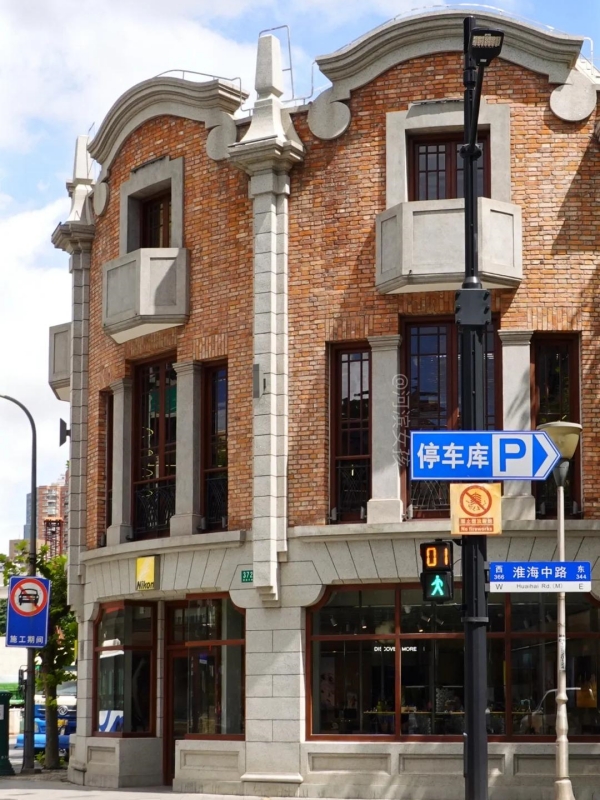
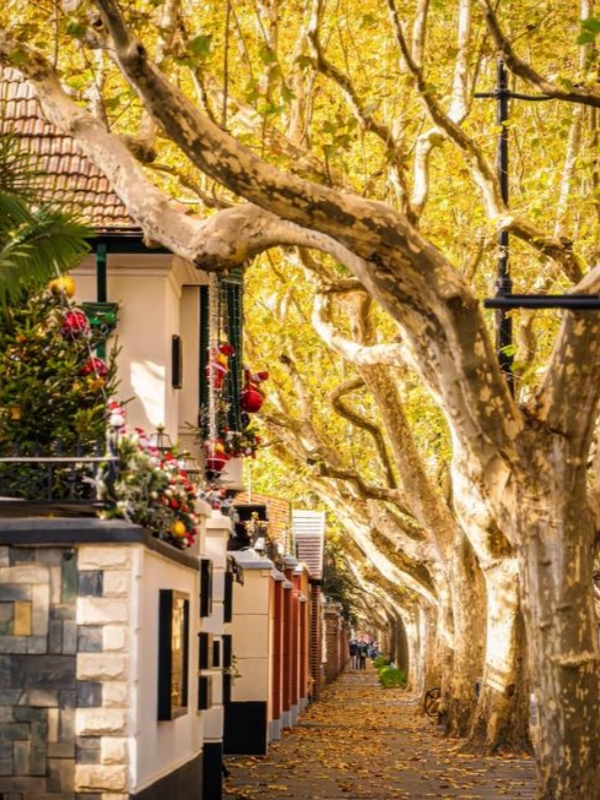
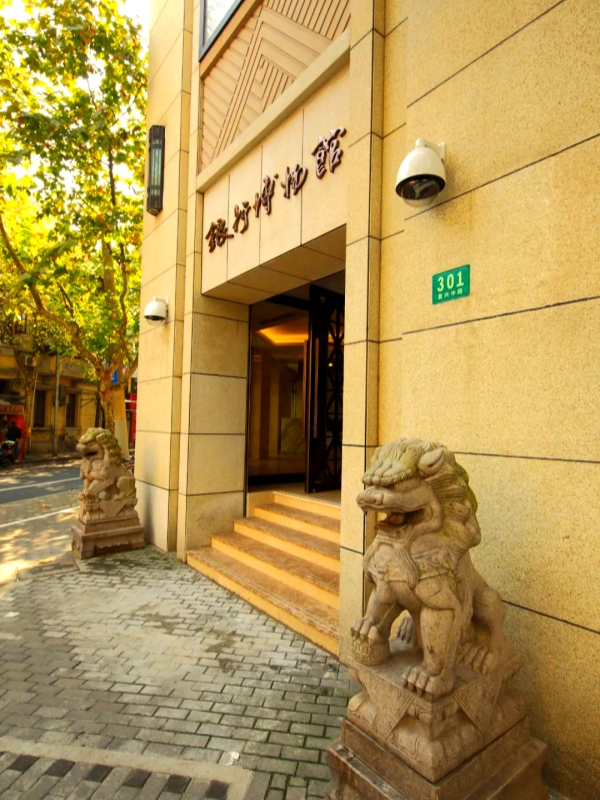
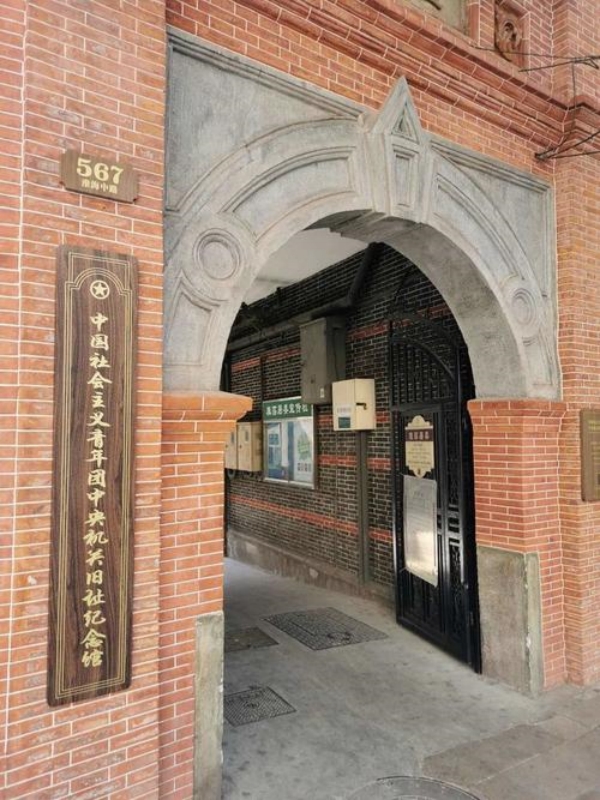
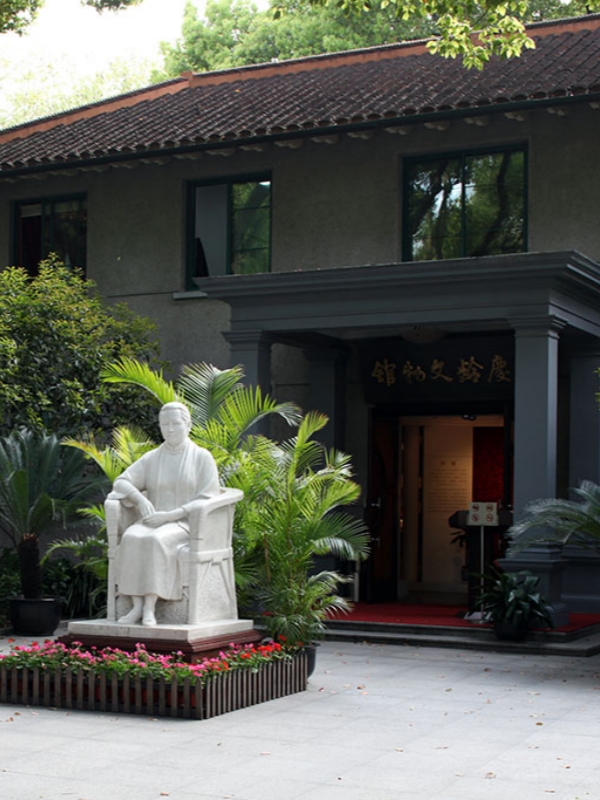
Heritage Architecture & Historic Residences Along the Way
Huai Hai Road and its surrounding area offer one of the best ways to feel Shanghai's historical pulse – and I mean that quite literally. You're walking through layers of the city's past with every block.
The street is lined with remarkable historical buildings and former residences of notable figures. History buffs, you're in for a treat here. The Site of the First National Congress of the Chinese Communist Party is within easy reach – this is where the CCP was founded in 1921, so it's genuinely significant. There's also the Former Site of the Communist Youth League Central Committee if you want to dig deeper into the revolutionary history. The Former Residence of Soong Ching-ling offers a more personal glimpse into the life of one of China's most influential women. What strikes me about these sites is that the buildings themselves are architectural gems, honestly worth visiting even if you're not particularly into history. Take your time with them.
French Concession Vibes & the Plane Tree District
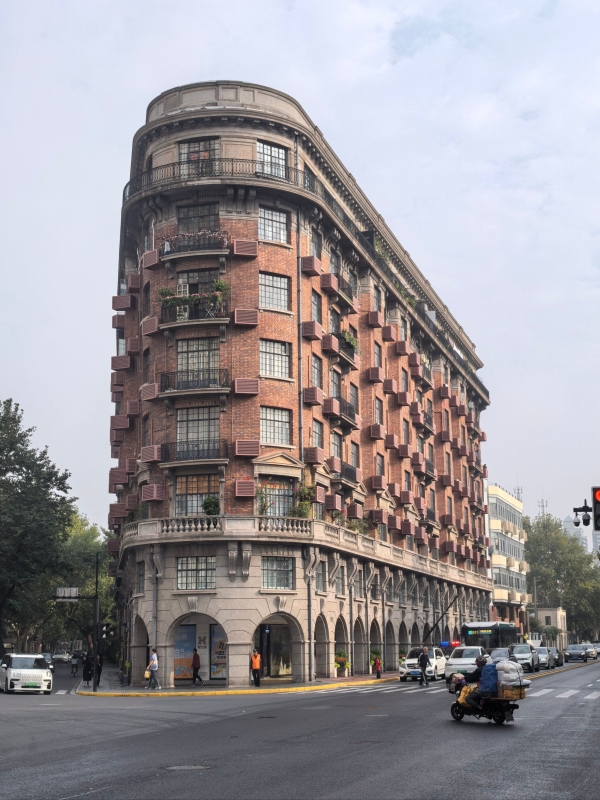
Here's what makes walking along Huai Hai Road feel different from anywhere else in Shanghai: those magnificent French plane trees lining both sides, their branches creating a natural canopy overhead. Combined with the European-style architecture, you get this unique streetscape that's almost impossibly romantic – especially in autumn when the golden leaves carpet everything.
I'd really recommend venturing onto the smaller side streets. Sinan Road, Fuxing Middle Road, Hunan Road – these quieter lanes let you experience what locals call the "Wutong District" (that's the plane tree area, basically). It's more relaxed here, more intimate. You'll hear birds instead of traffic, see elderly neighbors chatting on benches, smell coffee drifting from hidden cafés. This is the Shanghai that doesn't make it onto the tourist posters, but probably should.
Cultural Landmarks Worth Your Time
If financial history is your thing – and honestly, Shanghai's got a fascinating one – head to the Shanghai Bank Museum on Fuxing Middle Road. It traces over 150 years of the city's banking evolution, from foreign concession days to modern financial hub. More compact than you'd expect, but surprisingly engaging.
The Shanghai Library is another cultural landmark in this area, worth a visit if you appreciate architectural design or just need a quiet space to rest. Budget maybe 1-2 hours if you want to properly explore these cultural sites, though you could easily spend longer getting lost in the details.
Where to Shop on Huai Hai Road: Luxury, Trendy & Local
-
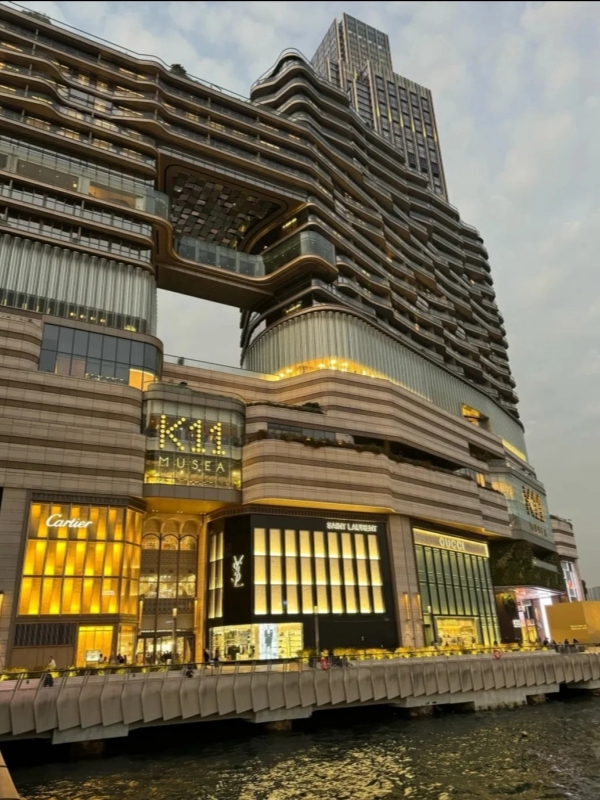

- K11 Art Mall
-
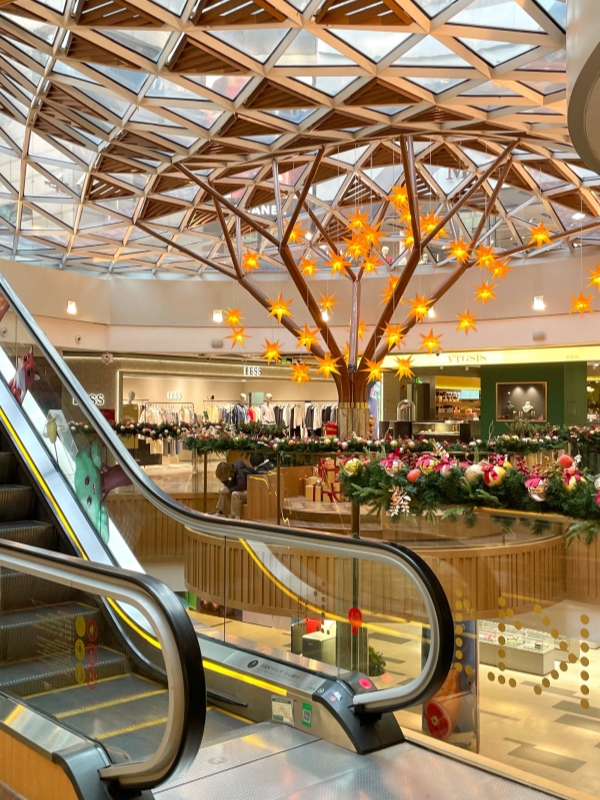
- Inner of K11 Art Mall
-
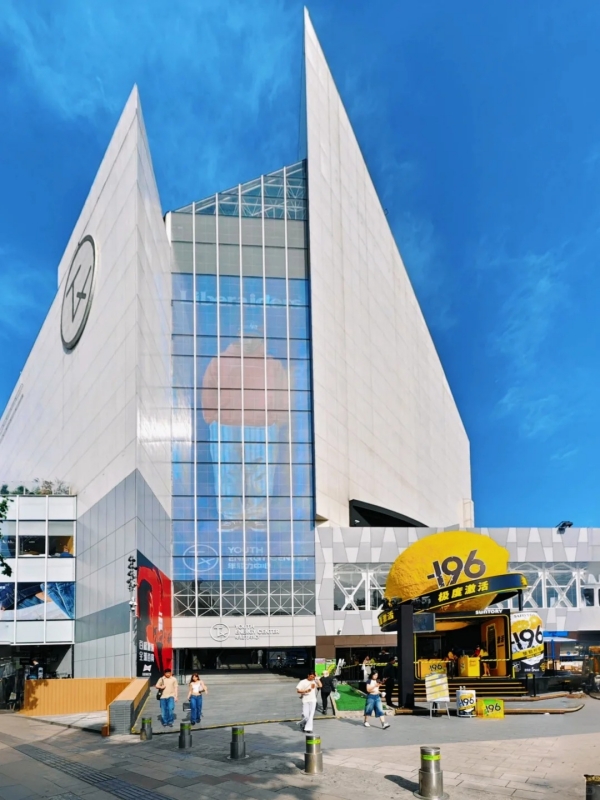
- TX Huaihai Youth Energy Center
International Flagship Stores & Tax-Free Shopping Tips
For high-end shopping, Middle Huaihai Road delivers. The eastern section near Xintiandi has basically become Shanghai's luxury corridor at this point. Louis Vuitton, Cartier, Gucci, Tiffany, Hermès – they're all here, most of them in flagship stores that opened around 2010 for the Shanghai Expo.
Hong Kong Plaza and Lippo Plaza house a bunch of international brands. K11 Art Mall is probably my favorite, though. It does this interesting thing where it combines retail with actual art exhibitions. The basement has the Chi K11 Art Museum – usually free or cheap entry – with rotating international contemporary art. So you can browse designer stuff, then wander into some thought-provoking installation that makes you question everything. It's a whole experience.
Quick tip for international visitors: many stores here participate in the tax refund program. Look for "Tax Free" signs and keep your receipts. It's not always obvious, so don't be shy about asking.
TX Huaihai & K11 – Where Young Shanghai Shops
If you want to see where Shanghai's twenty-somethings actually spend their money, head to TX Huaihai Youth Energy Center. This is not your typical mall. It's more like... a curated experience? They host rotating art exhibitions, pop-up shops, cultural events. The building itself – all irregular lines and transparent walls – has become an Instagram hotspot.
Inside, you'll find brands like Human Made (founded by Nigo, the Japanese fashion icon – if you know, you know). There's this place called 3Mode that combines retail, a bar, and event space all in one. Ohous gathers niche domestic brands. Nice Rice does this minimalist, very Chinese aesthetic thing.
These aren't the names you'll find in every global city. They represent China's homegrown fashion scene, and honestly, even if you're not buying anything, it's worth visiting just to feel the creative energy. The building transforms at night with lighting installations that draw photographers from across the city.
Time-Honored Brands Only Locals Know About
Beyond international luxury, Huai Hai Road preserves something increasingly rare: actual Shanghai heritage brands. Gujin has been making undergarments for over a century. Not glamorous, but Shanghainese locals swear by them. Laofengxiang is one of China's oldest jewelry brands – traditional gold and silver work. Wuliangcai has fitted locals with eyeglasses since the 1800s.
For souvenirs that aren't just tourist junk, try the National Specialty Food Store. Local snacks, specialty products, things Shanghainese people actually buy for themselves. Shopping here connects you to generations of local tradition, and the prices are actually reasonable.
✨ From the buzz of Huaihai Road, dive into 10 Top New Year’s Eve Events Shanghai 2025: From Bund Lights to Temple Bells and Skyline Countdowns to prep for your perfect New Year’s trip.
Huai Hai Road: City Walks the Local Way
-
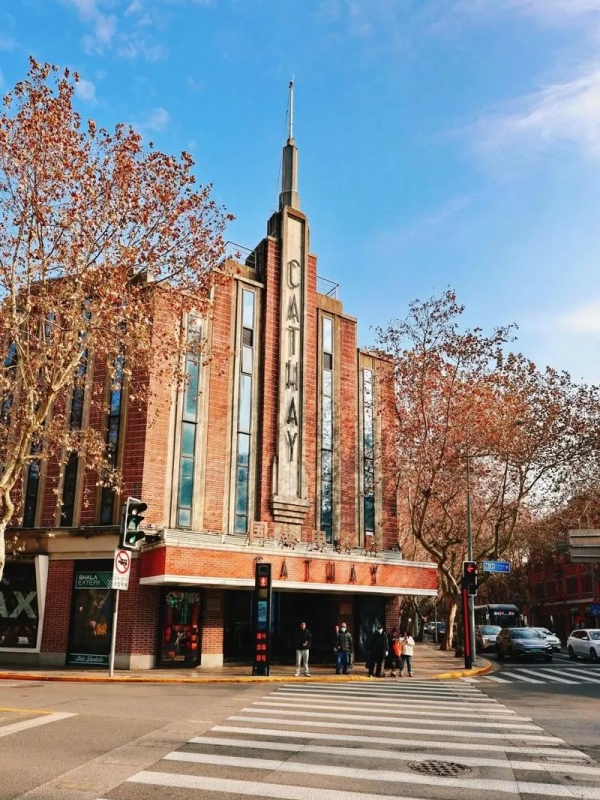
- Cathay Theatre
-
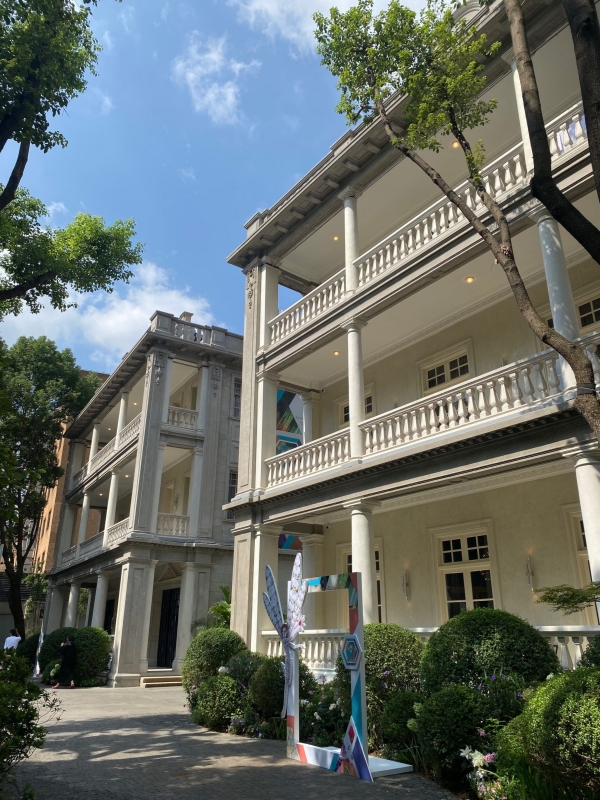
- Twin Villas
-
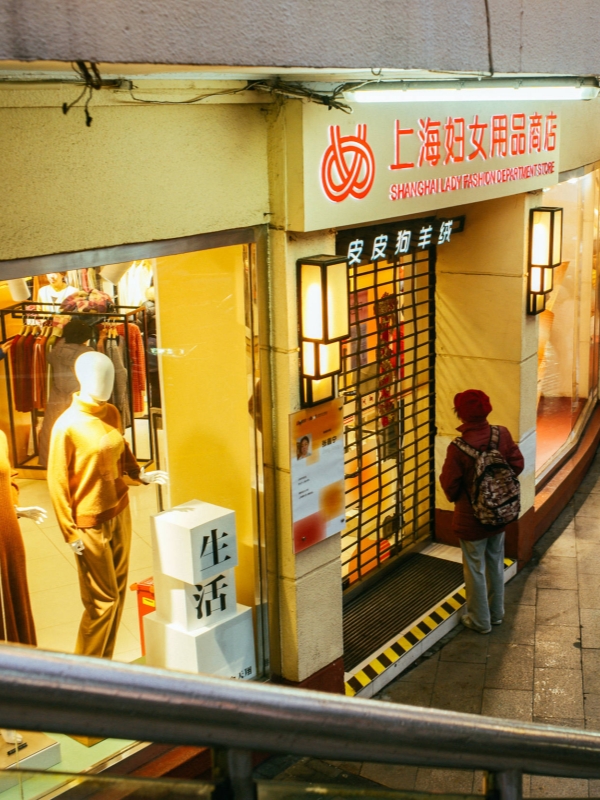
- Shanghai Women’s Goods Store
They're inspired by local "Citywalk" trends that have become hugely popular among young Shanghainese, and honestly, they reveal corners of the neighborhood that regular tourists never find. Pick whichever theme speaks to you. Or do all three if you've got the time – they each take about 2-3 hours and barely overlap.
Route 1: "Taste of True Shanghai" – A Foodie's Trail
Route: Middle Huaihai Road → Guangmingcun → Lao Ren He → National Specialty Food Store → Canglangting
This one's for the serious food lovers. Not the Instagram-pretty cafés (though there's nothing wrong with those), but the places where Shanghai families have been eating for generations.
Start at Guangmingcun – yes, the same place I mentioned for mooncakes, but try their other dishes too. The queue is part of the experience, honestly. From there, walk to Lao Ren He, another old-school Shanghainese restaurant where the waiters might not smile much but the tangcu xiaopai makes up for it.
The National Specialty Food Store is your souvenir stop – but not the touristy kind. This is where locals buy gifts for relatives in other cities. Dried tofu, preserved fruits, specialty snacks that actually taste like something. End at Canglangting for a bowl of authentic Suzhou-style noodles. The simplicity is the point.
What I love about this route: you're eating your way through Shanghai history. These aren't trendy spots that'll close in two years. They've survived decades – some of them, nearly a century.
Route 2: "Walking Through Parallel Times" – Where History Meets Now
Route: Middle Huaihai Road → Cathay Theatre → Twin Villas → Shanghai Women's Goods Store
This route is almost surreal. You're literally stepping between different eras of Shanghai, sometimes within the same block.
Start at Cathay Theatre – built in 1932, and still one of the most beautiful Art Deco buildings in the city. The façade hasn't changed much since the days when it was called the "Queen of the Far East." Tickets are cheap if you want to catch a film inside, but even standing outside and looking up is worth the stop.
The Twin Villas nearby are a hidden gem that most tourists walk right past. Two identical historic houses, tucked away from the main road. The architectural details reward a closer look – if you're into that sort of thing, and I definitely am.
Then there's the Shanghai Women's Goods Store. Sounds unremarkable, right? But here's the twist: it's been operating since 1956, selling essentially the same categories of products – just updated for modern times. Standing inside, you might see a grandmother shopping alongside her Gen-Z granddaughter. That's Huai Hai Road in a nutshell, honestly. Past and present, coexisting without either one winning.
What to Eat Near Huai Hai Road: Honest Food Recommendations
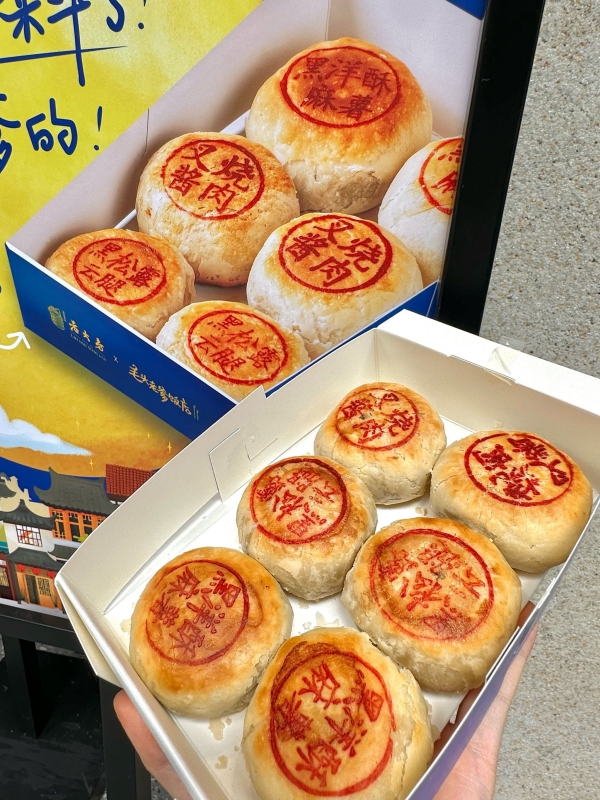
Classic Shanghainese Restaurants Worth the Queue
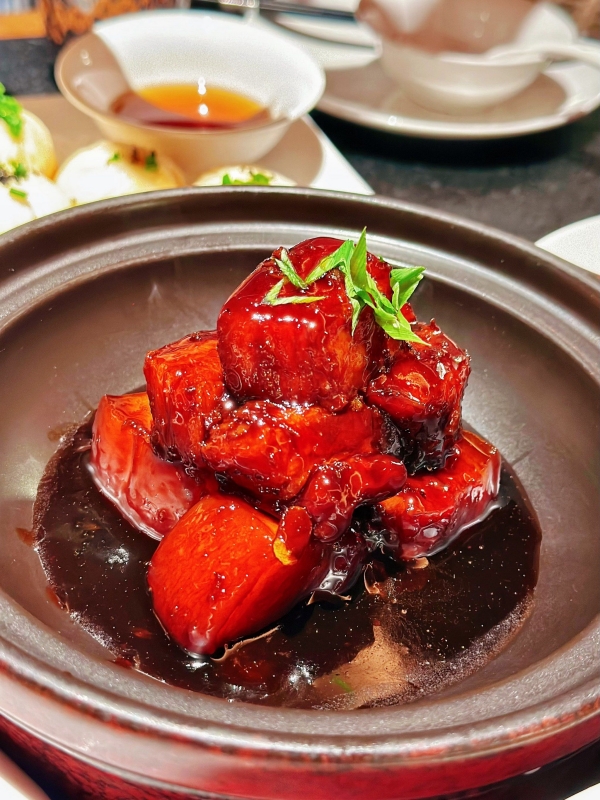
No visit to Huai Hai Road is complete without proper Shanghainese food. Guangmingcun Restaurant is legendary – the lines outside tell you everything you need to know. Their fresh meat mooncakes have achieved almost cult status. The hongshao rou (red-braised pork belly) is... how do I describe this? Sweet, savory, meltingly tender. It's Shanghainese cooking at its finest.
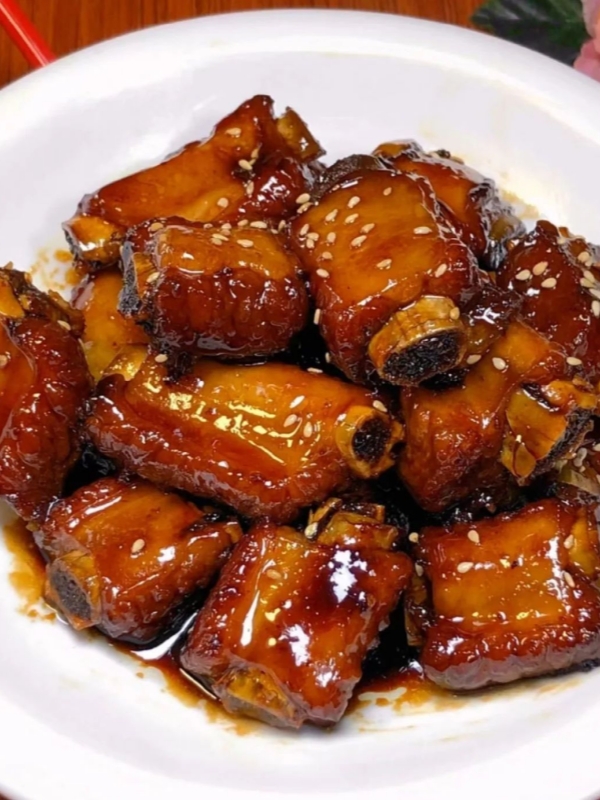
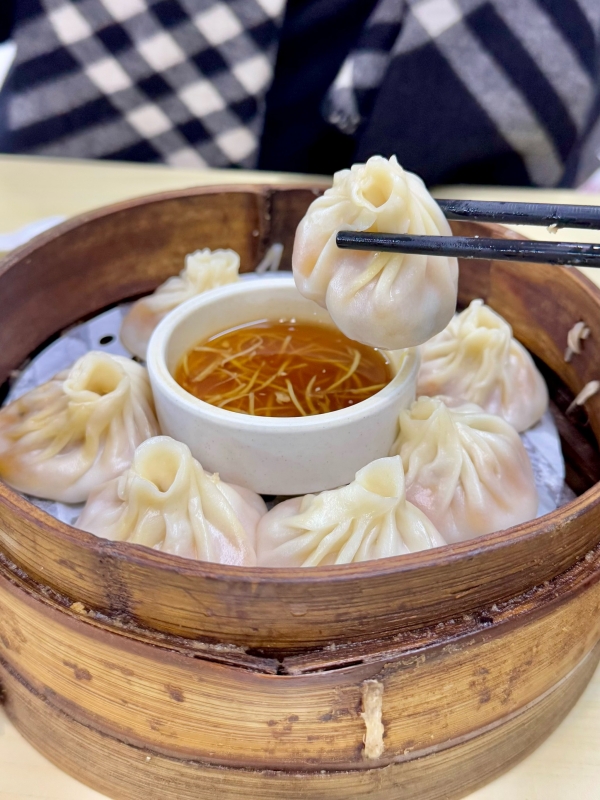
Lao Ren He Restaurant carries decades of tradition. Multiple generations of Shanghai families have celebrated birthdays and weddings here. The tangcu xiaopai (sweet-sour ribs), qingchao xiaren (stir-fried shrimp), and of course xiaolongbao – all excellent.
Fair warning: these places get crowded on weekends and holidays. If you can manage a weekday lunch, you'll have a much more relaxed experience. And shorter waits.
Street Food & Breakfast Spots the Locals Love
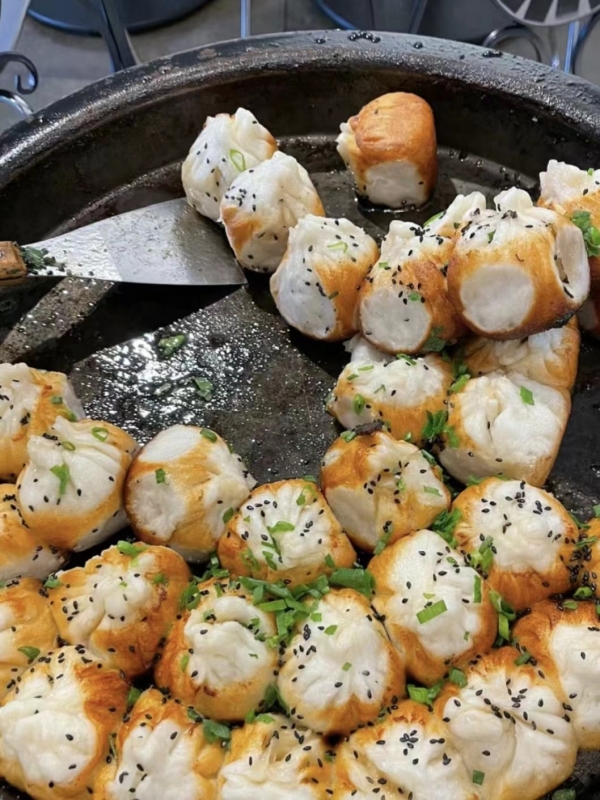
For the most authentic experience – and I mean really authentic – venture into the small lanes branching off Huai Hai Road. There's a tiny shop called Shu Cai Ji tucked into an alley entrance. Locals queue here every morning for shengjianbao (those pan-fried pork buns with the crispy bottom) and caifan (vegetable rice). The owners have been perfecting these recipes for years. A filling breakfast costs maybe 20-40 RMB.
The morning atmosphere in these lanes is something else. You'll smell scallion oil sizzling from breakfast carts. Hear elderly neighbors chatting while waiting for their congee. Watch workers grabbing cifantuan (sticky rice rolls) to eat on the subway. This is everyday Shanghai, unpolished and genuine.
One thing to note: these small shops rarely have English menus. Download a translation app, or honestly, just point at what others are eating. The owners are usually friendly and will help you figure it out.
Best Cafés to Rest Your Feet Between Shopping
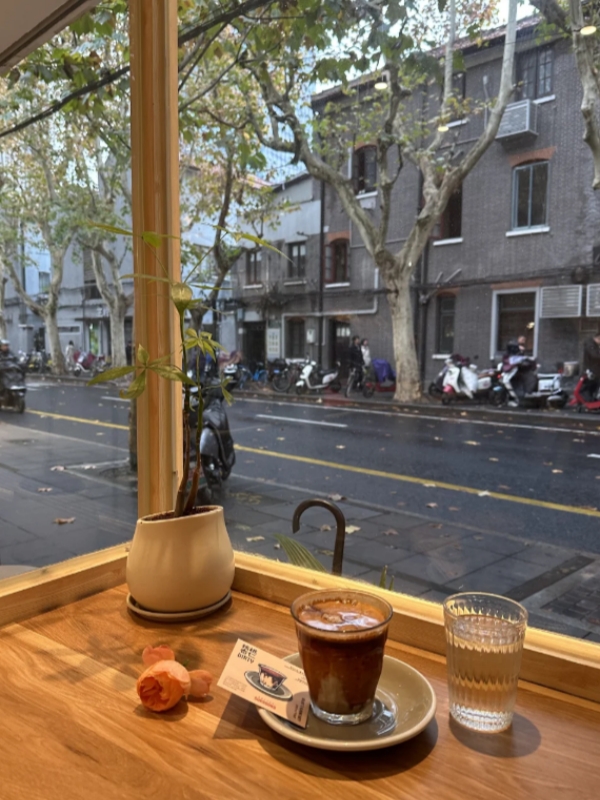
Remember those Russian émigrés from the 1920s? Their coffee legacy lives on, apparently. Huai Hai Road and its surrounding streets are packed with excellent cafés – some in ground floors of historic buildings, others hidden in renovated shikumen lane houses.
Finding a quiet spot, ordering a latte, watching the street scene through a window... it's quintessential Huai Hai Road, honestly. In the afternoon, sunlight filters through the plane tree leaves and dapples the outdoor seating. You'll see young professionals on laptops, couples sharing pastries, exhausted tourists (probably you at this point) resting their feet.
Prices run 30-60 RMB for specialty coffee. Many places do excellent pastries and light meals too. Perfect for recharging between shopping sessions.
Getting to Huai Hai Road: Transport, Timing & Practical Tips
Which Metro Station Should You Use
Shanghai's metro makes this easy. Line 1 runs beneath the street with three stops: South Huangpi Road, South Shaanxi Road, and Changshu Road. And, line 10 serves the western section via Shanghai Library station. Line 13's Huaihai Middle Road Station puts you right in the center. For the eastern end, Line 8 to Dashijie.
Bus lines 42, 911, and 926 also work, but metro is generally faster for visitors. Buy a Shanghai Public Transportation Card or use Alipay/WeChat Pay.
Best Seasons & Times to Avoid Crowds
By season: October-November is ideal – comfortable temperatures, stunning golden leaves. April-May is pleasant without summer humidity. Skip July-August (unbearably hot and muggy). National Day holiday brings massive crowds.
By time of day: Weekday mornings for quiet photography and relaxed exploring. Weekend afternoons to feel the local vibe. Evenings for dining and nightscape shots. Most shops open 10:00-21:00 or 22:00.
Payment Options & Tax Refund for Tourists
Many stores participate in China's departure tax refund program – look for "Tax Free" signs. Keep your passport handy when shopping. New World Daimaru has self-service refund machines.
Major stores accept Visa and Mastercard, but China runs on mobile payment now. If you've set up international Alipay or WeChat Pay, life gets much easier. Small restaurants often only accept mobile payment or cash. ATMs available in major shopping centers.
Quick Tips Before You Visit Huai Hai Road
Save money: Weekday shopping sometimes catches promotions. Local heritage brands offer better value than luxury imports. Street food runs 20-50 RMB per meal.
Photography: Light Tunnel looks best 30-60 minutes post-sunset. Sinan Road and Fuxing Middle Road for tree-lined scenes. TX Huaihai's architecture works as modern backdrop.
Time needed: Shopping only: 2-3 hours. With food: 4-5 hours. Full experience including history: half to full day.
Language: Major stores have English-speaking staff. Small eateries don't – download a translation app. Showing food pictures helps enormously.
2025 note: The 125th anniversary of Middle Huaihai Road – watch for special events.
Frequently Asked Questions About Huai Hai Road
Q: What's the story behind the name "Huaihai Road"?
The name carries layers of history. Built in 1901, originally named Avenue Joffre after French General Joseph Joffre. During French Concession era, became Shanghai's most elegant European-style boulevard. Russian refugees in the 1920s nicknamed it "Oriental Nevsky Prospect" after St. Petersburg's famous avenue. In 1950, new Communist government renamed it Huaihai Road to commemorate the Huaihai Campaign – a decisive civil war battle. The name change symbolized a new political era, but interestingly, the street retained its distinctive European character. That's what you're still experiencing when you visit today.
Q: What's the actual difference between Nanjing Road and Huaihai Road?
Honestly, they serve different purposes. Nanjing Road is Shanghai's most famous commercial street – designed for tourism, with pedestrian sections and mainstream brands. It's flashy, crowded, undeniably iconic. Huaihai Road appeals more to locals and discerning travelers. More refined atmosphere, better tree coverage, mix of luxury flagships and trendy local brands. If you only have time for one? Nanjing Road for the classic tourist experience, Huaihai Road to see how stylish Shanghainese actually shop. Many visitors end up doing both since they're relatively close – maybe 20 minutes apart by metro.
Q: Is Huaihai Road connected to Xintiandi?
They're neighbors but separate areas. Eastern end of Middle Huaihai Road sits about 10-15 minutes walk from Xintiandi's famous shikumen entertainment district. Easy to combine both in one day. My suggestion: explore Huaihai Road for shopping and culture during daytime, then walk to Xintiandi for dinner and evening drinks. Metro Line 1's South Huangpi Road station serves both areas conveniently. Some travelers actually start at Xintiandi for brunch, then head to Huaihai Road for afternoon shopping – works either way.
Q: Is the French Concession actually worth visiting?
Absolutely, and Huaihai Road runs through its heart. The French Concession offers probably Shanghai's most charming neighborhood experience. Tree-lined streets, colonial architecture, hidden cafés, this relaxed European atmosphere you don't find elsewhere in the city. Some travelers report it feels like stepping back in time – I'd say that's accurate. Beyond Huaihai Road itself, explore side streets like Wukang Road, Anfu Road, Yongkang Road. The area particularly shines in autumn when plane trees turn golden. Budget at least half a day to properly appreciate its character.
Q: What are the best shopping malls on Huaihai Road?
Depends what you're looking for, honestly. K11 Art Mall brilliantly combines shopping with art exhibitions – the basement museum alone is worth visiting. TX Huaihai Youth Energy Center attracts young trendsetters with curated local brands and regular cultural events. For traditional luxury, Hong Kong Plaza and Lippo Plaza house major international names. Paris Printemps offers classic department store vibes. Grand Gateway 66 provides comprehensive shopping near metro. Each has distinct personality – art-focused, trendy, or classic luxury. Your call.
Q: What food should I definitely try?
Start with Shanghainese classics. Guangmingcun Restaurant's fresh meat mooncakes are legendary – expect queues. Hongshao rou (red-braised pork) and tangcu xiaopai (sweet-sour ribs) at any established local place. For breakfast, seek out shengjianbao (pan-fried pork buns) at small neighborhood spots like Shu Cai Ji. The xiaolongbao (soup dumplings) here differ slightly from what you might've had elsewhere. Budget around 20-50 RMB for street food breakfast, 100-300 RMB for sit-down Shanghainese meals. Don't skip the café culture – excellent coffee inheriting traditions from 1920s Russian immigrants.