Past & Present
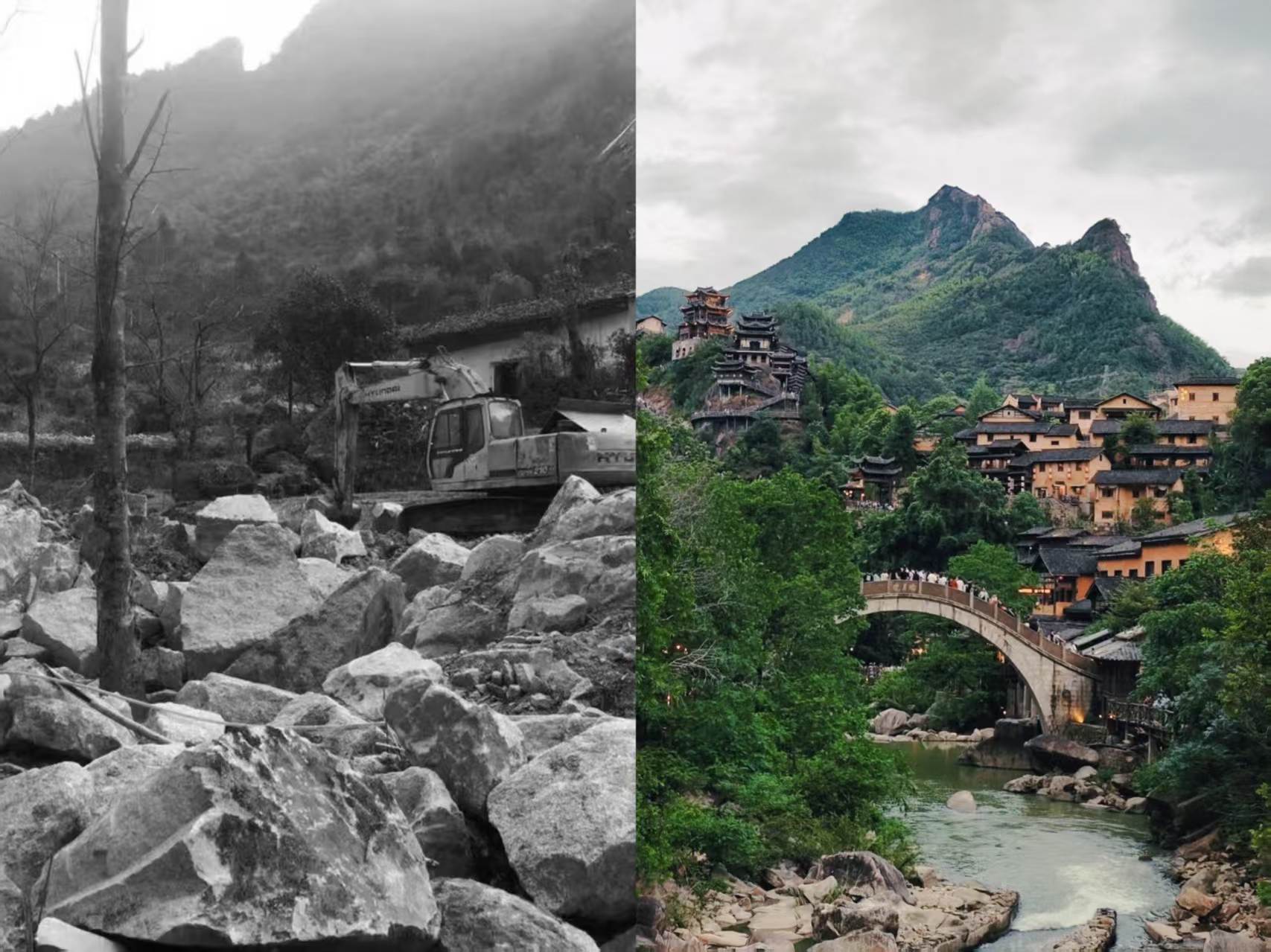
Wangxian Valley sits in Wangxian Township, Guangxin District, Shangrao City, Jiangxi Province. The place has existed since the Eastern Han Dynasty, but most people know it for what happened in the past twenty years. Between 1998 and 2007, it was a granite quarry with 179 production lines. The pollution turned the river white. Locals called it the Milk River. The history of Wangxian Valley changed direction in 2007 when the quarries closed. A decade of restoration followed. Now it's a 4A-rated scenic area that opened in October 2020. Over a million visitors came in the first year. The transformation from industrial wasteland to tourist destination took patience and about 3 billion yuan in investment.
Wangxian Valley History Begins: The Scholar Who Refused an Emperor
-
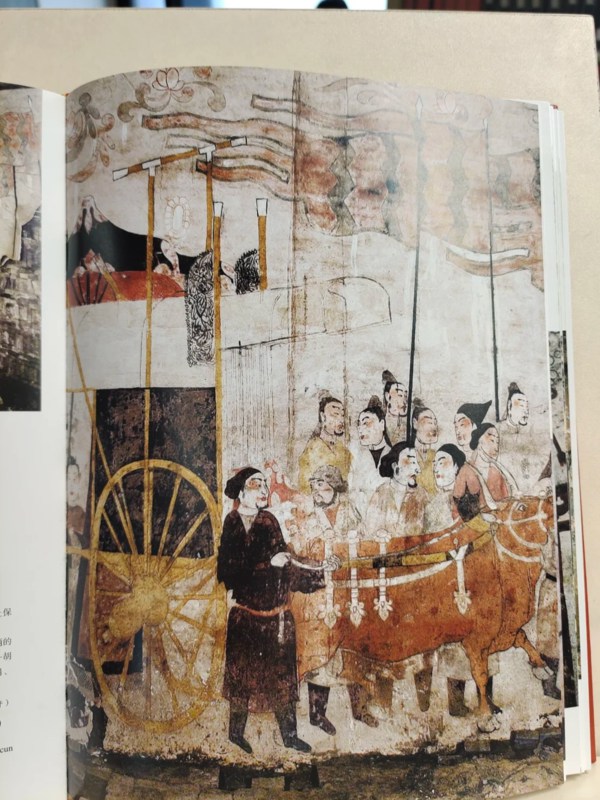

- Imagery From the Eastern Han Dynasty
-

- Portrait of Hu Zhao
-
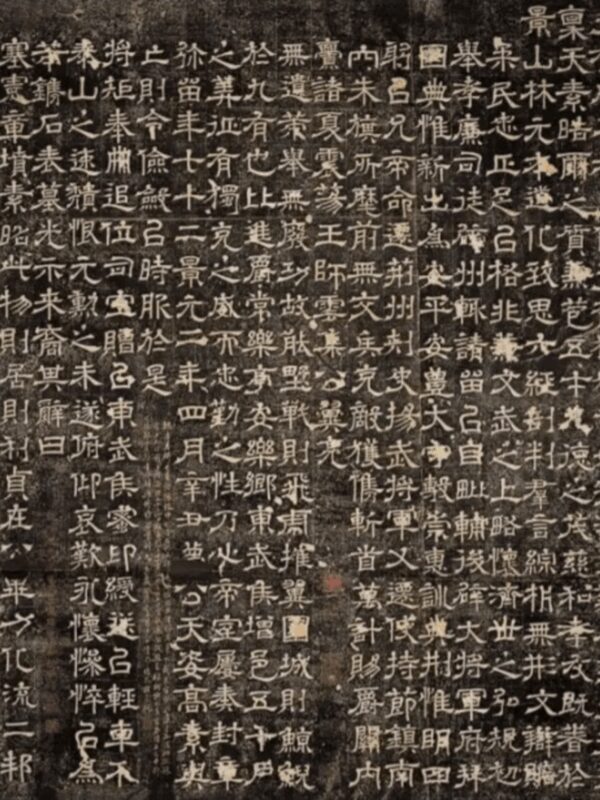
- Calligraphy Work of Huzhao
Hu Zhao's Flight from Politics
The Wangxian Valley history dates back to the Eastern Han Dynasty, roughly 25-220 CE. The name stuck during the Three Kingdoms period—one of China's most chaotic times. Warlords fought constantly. Staying neutral meant running away.
That's what Hu Zhao did. Cao Cao controlled northern China then. Powerful guy. When he summoned scholars to serve at his court, most went. Refusing wasn't really an option. Hu Zhao refused anyway. This wasn't just a legend—it reveals how ancient Chinese scholars valued principle over power. Politics meant compromise. Hu Zhao wanted none of it.
He packed up his family and headed south to these mountains. I've walked some of the paths around here. Steep. Rocky. Imagine the scholar climbing these same mountain paths in the third century, carrying scrolls and medicine bags, looking for somewhere remote enough that Cao Cao's men wouldn't bother following.
He found it. Settled in the valley beneath Lingshan Mountain. Spent his days collecting medicinal herbs and practicing Taoist cultivation. The neighbors left him alone. In those years, hermits weren't unusual. Scholars who'd had enough of political games often disappeared into the mountains. Hu Zhao became one of them.
How "Gazing at Immortals" Got Its Name
His son worried about him. Difficult to keep track of a person half a way up the mountain. And there he made a stage at the foot of the valley--the Wangqin Tai, or Longing after Relatives Platform. The son would go up to see his father on the first and fifteenth days of every lunar month. During festivals too. On other days he merely stood in the platform facing Bugu Peak where Hu Zhao was living.
Eventually Hu Zhao died. No illness. Just passed peacefully. He had died and could not just die, they thought that he had attained immortality. They built a shrine. He was later honored as the founder of Taoism in Lingshan by the following emperors. The valley was to be called Wangxian,--Looking at Immortals. It is called the Chinese name (望仙谷) that literally means Valley of Gazing at Immortals.
This story was recorded in the Ming Dynasty text Lingshan Chronicles. Historians argue over details but the basic story remained the same over time. The story stuck. Seventeen centuries made people relate this valley to spiritual searching and separation of the worldly things.
Now, tourists continue to visit similar heights to take Instagram pictures instead of praying.
Wangxian Valley's Industrial History: When Profit Eclipsed Nature
-
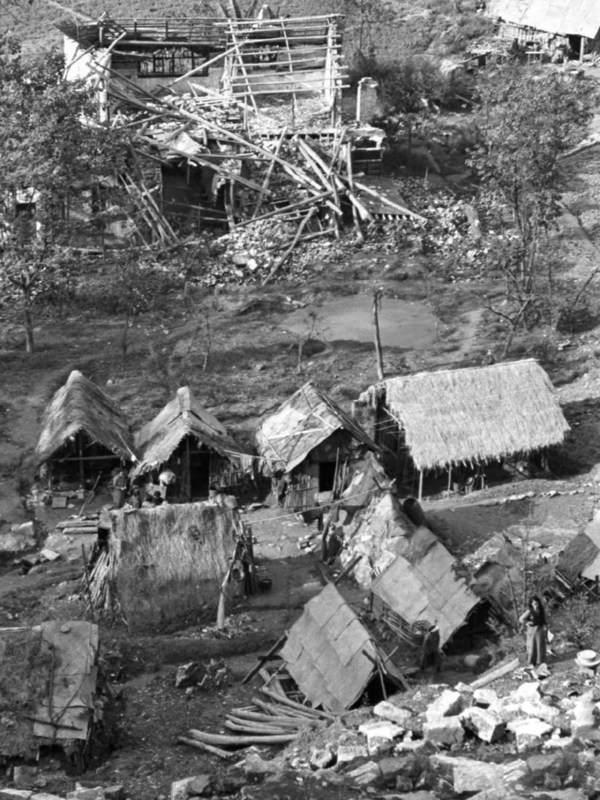
- Wangxian Valley Decades Ago
-
- River of Past Wangxian Valley
-
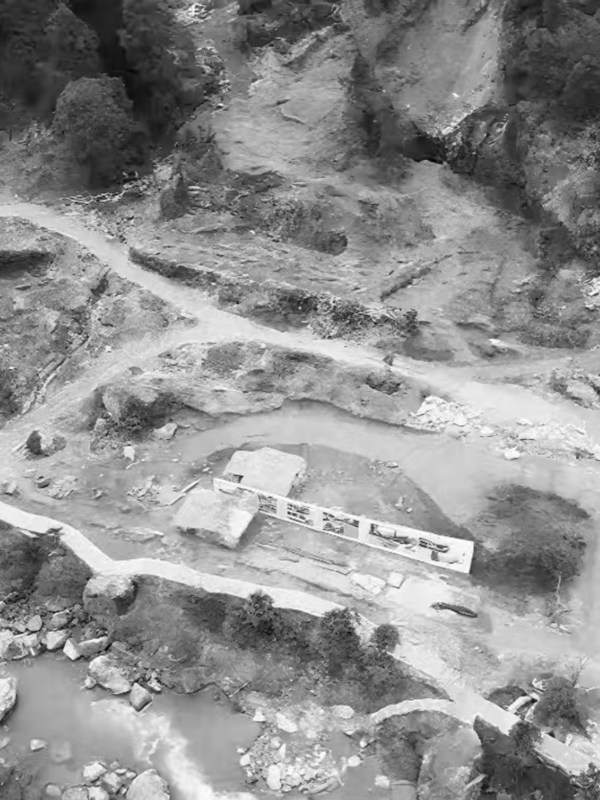
- Industrial History
Granite Fever: 179 Production Lines at Their Peak
The industrial history of Wangxian Valley began in 1998. Somebody had discovered that the granite was good stuff. Word spread fast. The township became the largest Bases of granite plates production in Jiangxi Province in the several years.
The numbers tell the story. When operating at full capacity, 179 production lines were operating. Some sources say it hit 200. Either way, it was loud. Those who lived in the area I interviewed recalled the noise - a constant grind that went on all night and all day. The machines were operating 24 hours. More than 5,000 were employed in stone cutting.
Based on the local government records, families that had been generations engaged in farming had factory wages instantly. The work was good. The pay was steady. Few asked questions. New houses went up. Dining places were crowded at the change of shifts. Stores were opened to sell working equipment and equipment.
I encountered a senior gentleman who was working at the quarries between 2001 and 2007. He claimed that his government pay was good in the countryside of Jiangxi at that time. Perhaps 2000-3000 that could get his children to the better schools. The granite plates traversed China--they constructed lobbies at Shanghai, and hotel floors at Guangzhou. Wangxian got its name of the Home of Stone Materials. No one gave it much thought as to what it cost.
The "Milk River": Environmental Costs Nobody Counted
The pollution started small. Then it wasn't small anymore. Water is always used in stone cutting, to cool the tools, to keep the dust down. That water collects the powder of stones and chemicals. Wangxian Valley all flowed directly into the streams. Untreated.
Zhou Lihua resided along the river at that time. She's still there now. The water was like milk, said she to me. "Thick and white. The dust on the leaves of the trees was gray. Everything looked dead." This was not a literary pretence. It was actually referred to by the locals as the Milk River. The water did not merely appear to be milk, it was wrong. Drippy stuff on the hands in case you touched it.
One of the senior citizens informed me that she ceased to wash her clothes in the river around 2003. It stained the clothes. The coverage of the forests was reduced to less than 40%. Dust everywhere. On leaves. On rooftops. In lungs. People coughed more. Kids played inside.
This is something that is difficult to believe to tourists who visit the site currently. The streams run clear. Trees are green. However, in 2005-2007 pictures depict a grey landscape. The environmental degradation history of Wangxian Valley was heading towards unsustainable direction.
However, in 2007, the government closed everything down. Every production line. All 179 stopped cutting.
Resurrection: A Decade That Changed Everything
-
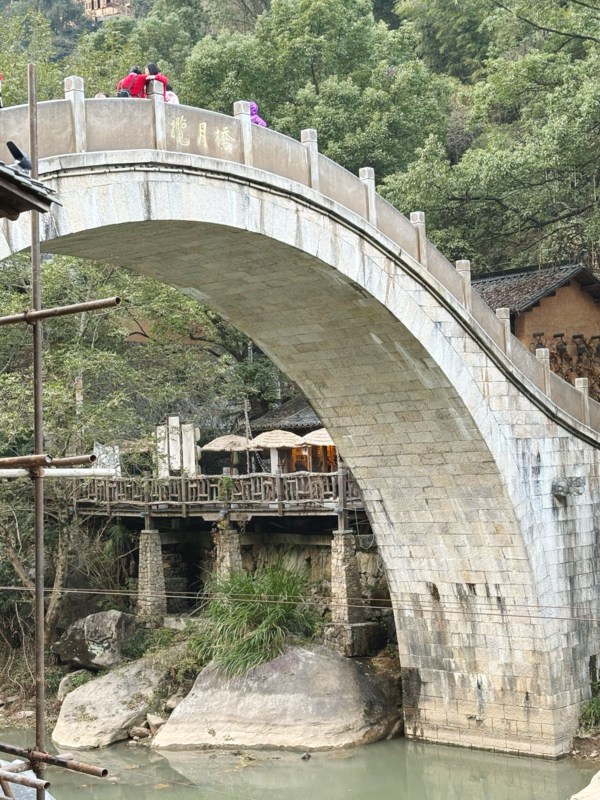
- Reconstruction of Wangxian Valley
-
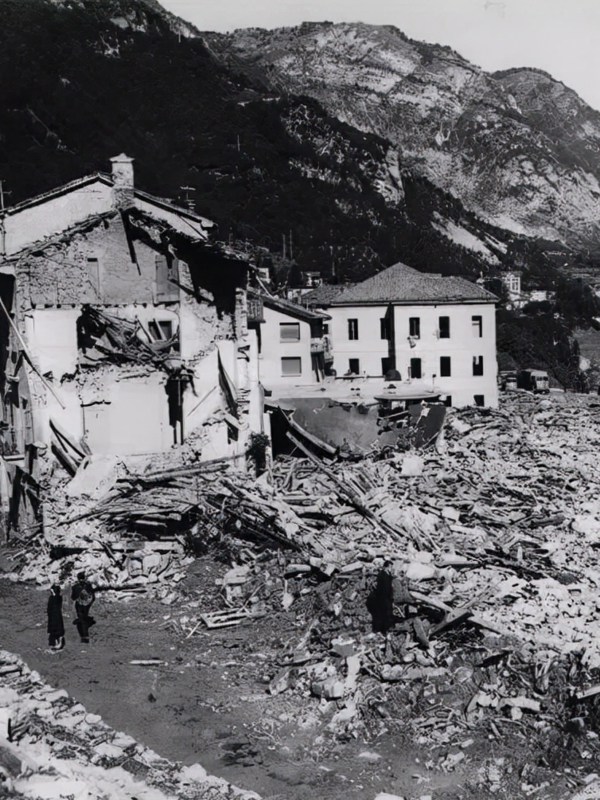
- Rural Reconstruction
-
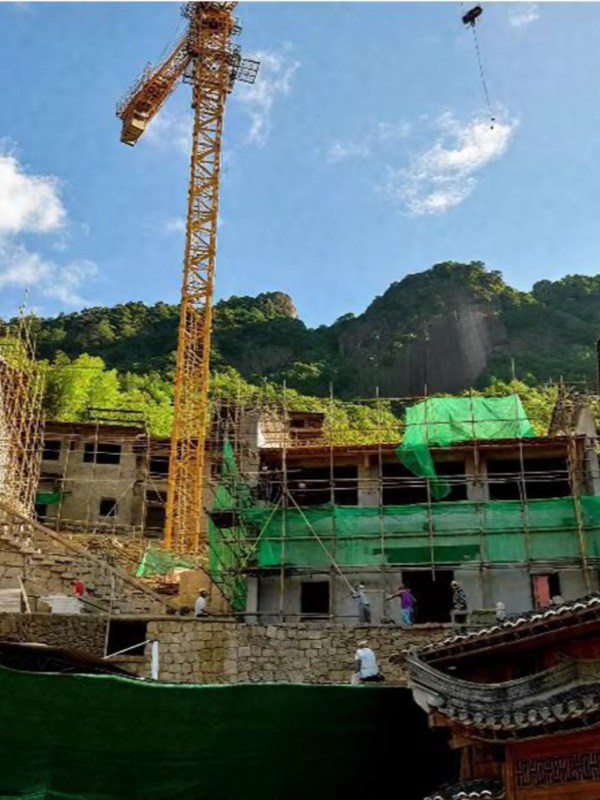
- Repair Plan
The Hollow Years (2007-2010)
Overnight, 5000 workers were rendered unemployed. The quarries closed. No transition plan. No alternative employment. The majority of the population dropped out in a year. In the year 2008, my family tour guide went to Shenzhen. His parents discovered factory employment. He was twelve then. They returned to Spring Festival, though it became emptier every time. Youths dispersed to the seaside cities- Shanghai, Guangzhou, Hangzhou. The ones who remained were mostly old and very young children.
Restaurants shut down. The work gear selling stores shut down. The houses constructed in the boom years remained empty. The quietness which succeeded the cessation of the machinery was more oppressive than the sound itself. Wangxian was a hollow village, as Chinese sociologists refer to it the working-age population has disappeared, only the young and the old are left.
The financial downturn was evident in all places. Weeds sprouted in the cracks on the roads. No one repaired anything. The Milk River remained white, yet there was not even industrial life to be called to justify it.
Jiuniu's Gamble: The "Three Revivals"
Jiuniu cultural and tourism company came with a plan in 2010. They tried rafting first. It did not work-water levels could not be predicted. But they didn't leave. The process of transformation of Wangxian Valley actually began when Jiuniu came up with their concept of Three Revivals. First, revive rural buildings, recover the original northeastern Jiangxi building styles. Second, relive the country lifestyle, not only structures. Third, restore the economy of the countryside-not only tourists that should get employment.
This model was unlike the normal tourism development. The majority of the projects bring in workers and funds. Jiuniu desired locals to gain first hand. Jiuniu Cultural Tourism, the company had invested about 2.6 or 3 billion yuan, according to the vice-president of the company. That's about $400 million. Not only attractions, but first environmental restoration.
That is when the Wangxian Valley town structure began to form today. The ten-year restoration plan was supported by the government officials. It was unanimously decided that before setting up on the land, it should be fixed first.
Healing the Land: The Numbers Tell the Story
Numbers do not tend to be emotional. These do. The history of the restoration of the valley in 2010-2020 included the clearance of 150,000 cubic meters of waste. It is material enough to fill 60 Olympic pools. Mining pits were filled in by workers, over 60 of them, some of which were dug as deep as twenty meters in the mountainsides.
Then came reforestation. More than two million trees planted. Not randomly. The teams picked native species- pines, bamboo, Chinese yew, ginkgo. The forest cover increased to 81.2 as compared to less than 40%. The air changed. You could breathe easier.
The quality of water was raised to Class II (drinkable after treatment). Streams were cleared out slowly. You would be looking at the bottom by 2015.
I went to one of the old mining pits--a tea house terrace. You can never guess that it was an industrial scar. The schedule was roughly as follows: 2010-2014 was devoted to cleaning the waste and stabilizing the ground. 2015-2017 was devoted to planting and water restoration. 2017-2020 was devoted to the real construction the hotels, the streets, the cultural sites. The granite that they used to mine is used as decorations in new buildings. Ironic, maybe. But it works. The rock which almost ruined the valley is its ornament now.
Grand Opening and the Viral Phenomenon (2020-Present)
-
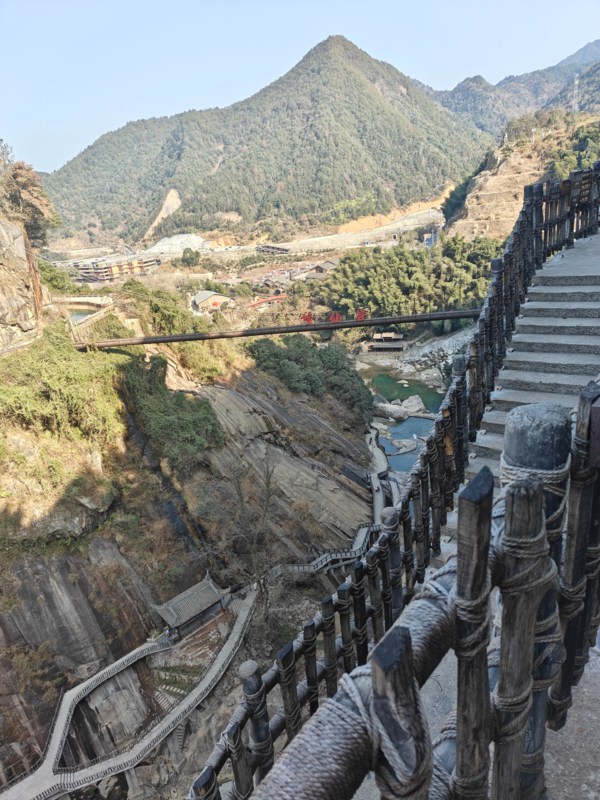
- The Early Days of Opening Up
-
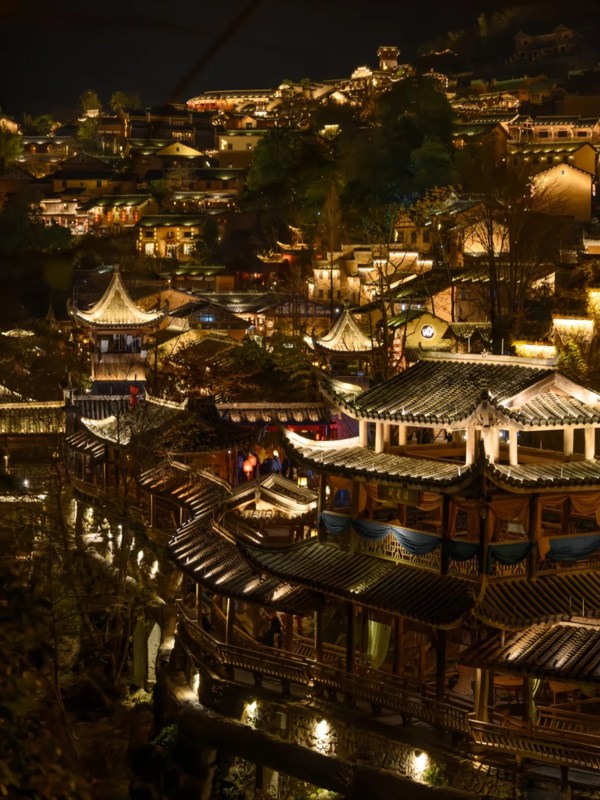
- Night Scene of Wangxian Valley
October 21, 2020: A Valley Reborn
The history of Wangxian Valley as a tourist destination started officially on October 21, 2020. It was the time when the scenic area opened its gates. In fact, it received scenic area 4A status in 2019, prior to opening. Bureaucracy operates in enigmatic manners.
In the first year, it received more than one million visitors. Nobody expected that. The valley trended on Douyin- the Chinese version of Tik Tok. The hashtag received 3.23 billion views. More viral than the Shanghai park of the same time by Disney, which tells you something about the things that are caught online.
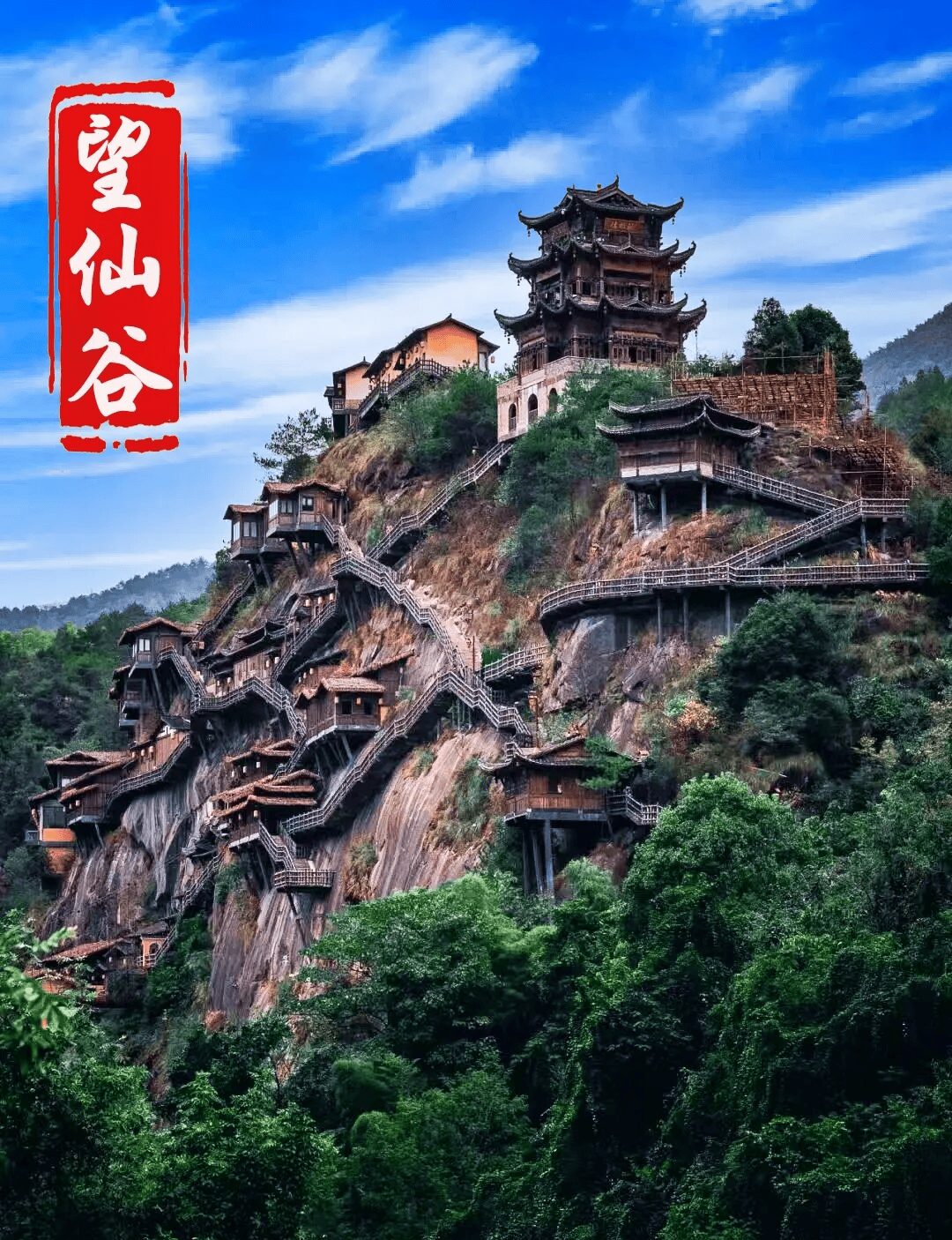
In 2024, at 9 AM on a Tuesday, I visited there and it was full in the parking lot. Not even a holiday. The hotels on the cliffs are very good to take photographs. The effect produced by the night lighting system is what is referred to as a fairyland effect by people. It works for social media.
The Wangxian Valley entered the National Intangible Cultural Heritage and Tourism Integration Development in 2022. That's a long title. Essentially refers to the government that was aware of the cultural conservation initiatives as well as tourism development. The valley is the place where any traditional crafts workshop or opera can be found. It is not only decoration--there are real craftspeople there.
Is This "Authentic" or Just Another Theme Park?
People ask this a lot. Whether Wangxian Valley is real or not.
Others refer to it as Disneyfied. They're not entirely wrong. The structures appear traditional yet they were built in the period between 2017 and 2020. There is sheer night spectacle. A significant number of the design decisions are fueled by Instagram.
However, this is unlike theme parks, and it has real roots, deep, scarred, and healed. History of transformation is a reality. Zhou Lihua isn't an actress. She in fact survived within the Milk River years. The environmental rehabilitation occurred. These two million trees exist.
It is not some unexploited ancient village. Nobody claims it is. It is the reality of the true story--what this valley was, what it was, how it has come back. Authenticity does not only come in terms of age. It is concerning sincere narration.
I have read TripAdvisor reviews. Mix of reactions. Other visitors are a fan of the show. The other people are disillusioned with the fake ambience. Fair points on both sides. One of the reviewers stated: Beautiful but manufactured. Another refuted: the story of rebirth renders it significant.
Most of the cultural tourism professionals that I have also talked to are encouraging projects such as this. The other one was to abandon the valley. It is beneficial to local residents because currently approximately 10,000 people receive their income due to the tourism. The 1st quarter of 2025 had 615,800 visitors and 120 million yuan in turnover. The money is recycled back in the community.
Visiting the Valley Today: Where History Lives
-
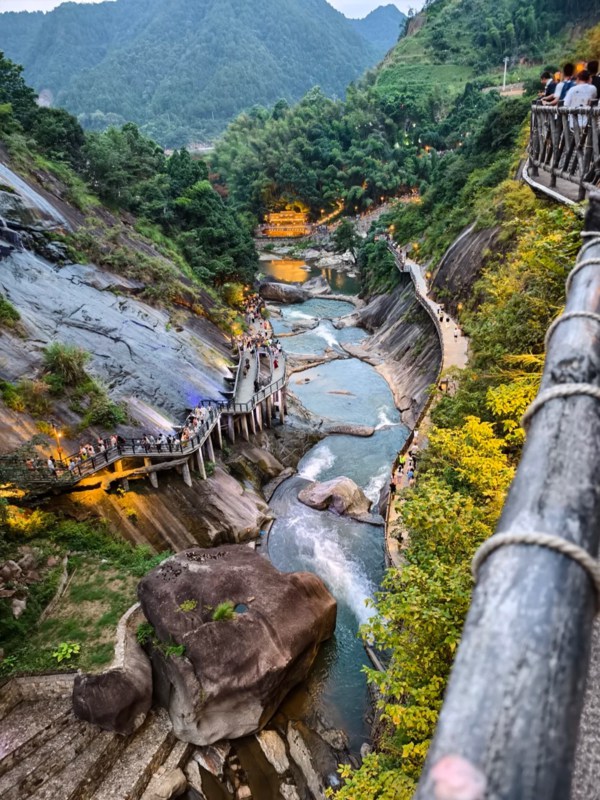
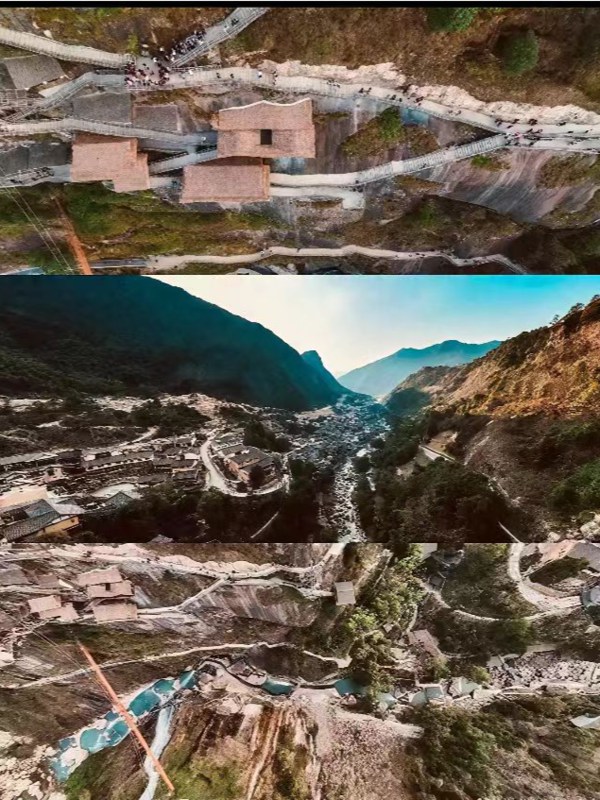
- Today’s Wangxian Valley
-
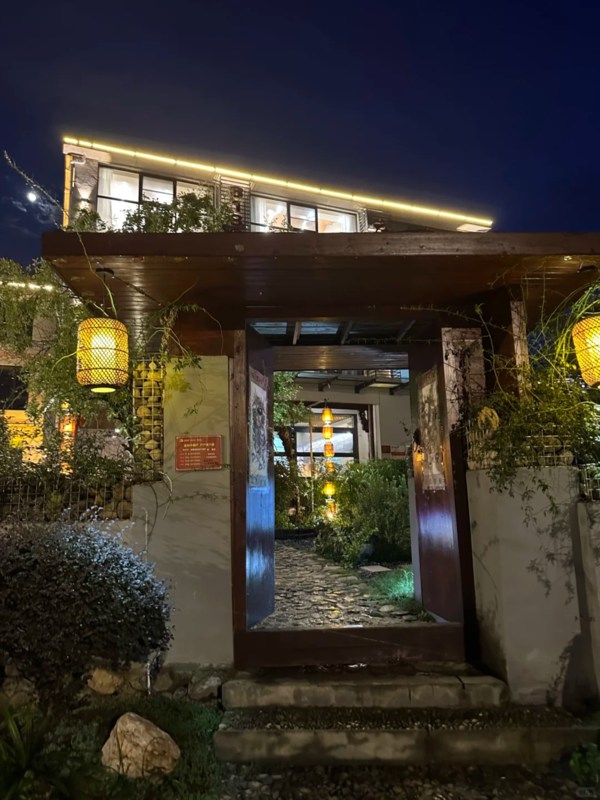
- Homestay of Wangxian Valley
Understanding Wangxian Valley's history isn't just academic—it changes how you experience the place. When you see clear streams, you'll know they once ran white. When you walk past cliff hotels, you'll realize they're built on old quarrying scars. Here's what to know before you go, informed by the valley's journey from quarry to destination.
Getting There (From Shanghai, Hangzhou, and Beyond)
Shanghai, approximate total budget 3.5 hours. The high speed train to Shangrao is about 2.5 hours. Then the direct bus to Wangxian Valley, an hour. Costs ¥30 for the bus portion. When leaving Shangrao Railway Station, purchase the bus ticket at the window of the station, i.e. window number 3. The Chauffeur is a limited English speaker but there is just one stop on the way anyway.
It travels at the same time at Hangzhou through high-speed rail. Nanchang would be even easier--perhaps 2 hours all in all. You will go through places that were formerly furnishing the quarries with stone. The granite deposits are still visible in some of the road cuts.
Book in advance bus tickets in case you are visiting on the weekend or during holidays. One day I reported on a Saturday morning and the earliest bus that was available was three hours late. The Ctrip application allows making bookings. Worth the hassle.
Where to Stay: In Former Quarry Workers' Homes
Yes, one can stay in Wangxian Valley. There are over 700 guesthouses currently. Some of them are family-operated and belong to those who had been employed in the quarries or gone during the hollow years and returned. History is also alive at Wangxian Valley in part due to the fact that locals narrate their stories.
I occupied a room that had a view of the cliffs in 2024. Stone was cut by the father of the owner in 1999 to 2007. He provided me with pictures of the Milk River. Rates are between 250 and 600 yen in simple and quality rooms respectively. The well-known cliffside hotel 110 meters in the air is more expensive- I have seen the rate at 800-1200 according to the season.
Local tip: the guesthouses in the town of Wangxian (the area that is not a part of the main scenic zone) are cheaper and do not seem touristy. Majority of them accept foreign visitors, but you will be required to provide your passport to be registered.
Tickets, Timing, and What You'll Actually See
Admission runs about ¥120 last I checked (verify on Ctrip before going—prices change). Enter afternoon. Stay for the night lighting show. That's when the valley looks best.
Don't just check off sights. Look for story layers. Yanpu Old Street was rebuilt on the original village site. Some reclaimed mining pits now hold tea houses. The streams are the same ones that ran milky white. Ask older staff about the quarry days—some have fascinating stories they'll share if you seem genuinely interested. Avoid weekends if possible. Peak crowds make it hard to appreciate the historical sites in the valley properly.
FAQ About Wangxian Valley's History
Q: When exactly was Wangxian Valley built as a tourist destination?
The valley itself is ancient—what's 'new' is its resurrection as a cultural destination after decades as an industrial quarry site. Construction started in 2017. The official opening happened on October 21, 2020. It actually received 4A scenic area status in 2019, before opening to visitors. The history of Wangxian Valley as a tourist spot is only five years old, but the place has existed since the Eastern Han Dynasty. Don't confuse the valley's age with the tourism development timeline.
Q: What does "Wangxian" mean, and why was it named that?
Wangxian (望仙) translates to "Gazing at Immortals." The name comes from the legend of Hu Zhao, a scholar who refused to serve Cao Cao and moved here during the Three Kingdoms period. His son built a platform to watch over his father from afar. After Hu Zhao died peacefully, locals believed he'd achieved immortality. The name stuck from around the 3rd century. The 'xian' (仙) character appears in many Chinese place names associated with Taoist hermits and spiritual sites.
Q: How bad was the environmental damage during the quarry years?
Pretty severe. At peak operation, 179 granite production lines ran simultaneously. The water turned milky white from untreated stone dust—locals literally called it the Milk River. Forest coverage dropped below 40%. Zhou Lihua, who lived by the river, remembers everything looking gray. When the quarries closed in 2007, the damage seemed permanent. Now forest coverage is back to 81.2%. Water quality improved from Class V to Class II. The contrast is dramatic.
Q: Is Wangxian Valley really authentic or just a reconstruction?
The buildings are new, constructed between 2017 and 2020 using traditional methods. But the history of Wangxian Valley's transformation is genuine. The environmental restoration happened. Local families actually benefit from tourism now. Authenticity comes in layers—the transformation journey is real even if the architecture is recreated. TripAdvisor shows about 4.5 out of 5 stars, with mixed reactions. Some find it too polished. Others appreciate the honest rebirth story. Depends what you value in "authentic."
Q: How long did the restoration take, and what did it involve?
Ten years, from 2010 to 2020. Workers cleared 150,000 cubic meters of waste, backfilled over 60 mining pits, and planted more than two million trees. The process had phases: 2010-2014 focused on environmental cleanup, 2015-2017 on vegetation recovery, and 2017-2020 on cultural construction. Total investment reached roughly 3 billion yuan. The history of Wangxian Valley's restoration is considered one of China's most successful eco-rehabilitation projects. You can see the results—the forest coverage went from 40% to 81.2%.
Q: What happened to the 5,000 quarry workers after 2007?
Most left for coastal cities—Shanghai, Shenzhen, Guangzhou—when the quarries closed. The valley became a "hollow village" with mainly elderly and children remaining. After tourism development started around 2020, many returned. Now roughly 100,000 people benefit directly or indirectly from the valley's tourism economy. Wu Wenqiang came back from Wuxi in 2022 to open a restaurant. From extraction jobs to hospitality—many families made the transition. Though not everyone who left has returned.
Q: Can I still see evidence of the old quarries?
Yes, if you know where to look. Some cliff faces still show quarrying scars, though they're softened by vegetation now. The famous cliffside hotel sits on what was an exposed mining face. Several reclaimed pits now hold tea houses or gardens. Ask your guide to point out reclaimed mining sites—most are happy to explain the history. The contrast makes for powerful photos. You'll appreciate the transformation more when you understand what used to be there.
Q: How does this compare to other valley transformations in China?
Xiandu Valley in Zhejiang Province did something similar but smaller scale. Wangxian stands out for its complete documentation—you can trace the timeline from 1998 through 2025. Community participation is higher here too. In 2022, it was selected for the "National Intangible Cultural Heritage and Tourism Integration Development" program. Environmental researchers cite Wangxian as a model case study for industrial site rehabilitation. The difference is the transparency about what happened and how long genuine restoration takes.