Harbin Itinerary
If planning a Harbin itinerary gives you anxiety, try staring at a city frozen into place every winter! I remember my first time standing in front of a 20 metre ice castle, breath crystalizing in the air, and wondering if three days were enough time to experience this bizarre city. The answer is yes – as long as you time your trip properly and structure your days right.
In this guide, I provide you with my battle-tested Harbin itinerary that manages to fit in ice sculptures, architecture, and culture without leaving you gasping for air. You’ll know exactly when to come to get the best Ice Festival conditions, how to survive -25C with all your fingers, and which attractions are worth your time vs. the ones that are just tourist traps. Whether you are in town to see the legendary Ice and Snow World, or wander the quaint baroque streets, you’ll leave with amazing photos and zero regrets after the end of these three days.
Three Days Unlocks Harbin's Magic Without the Burnout
-
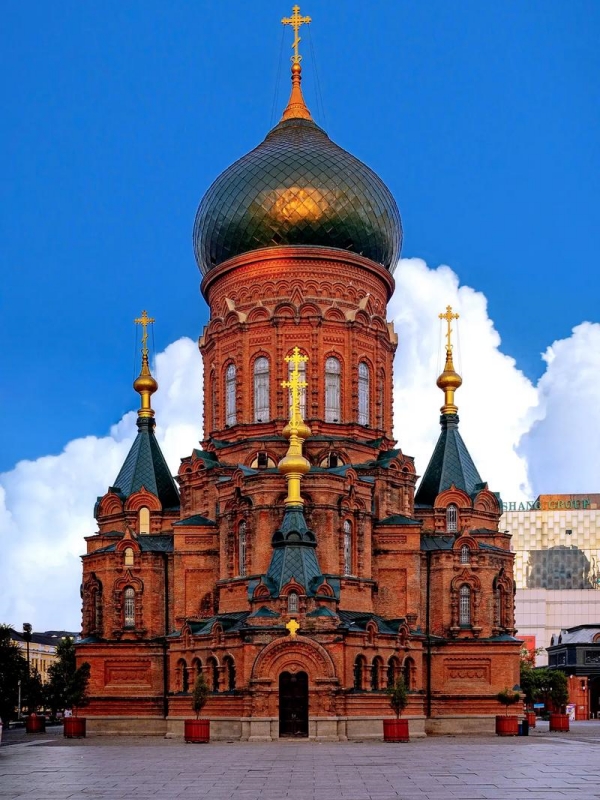

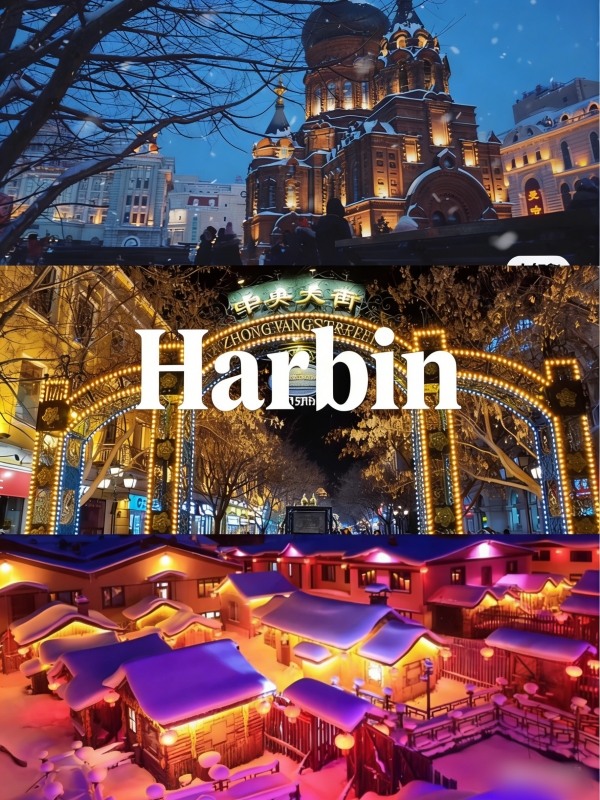
- St. Sophia Cathedral
-
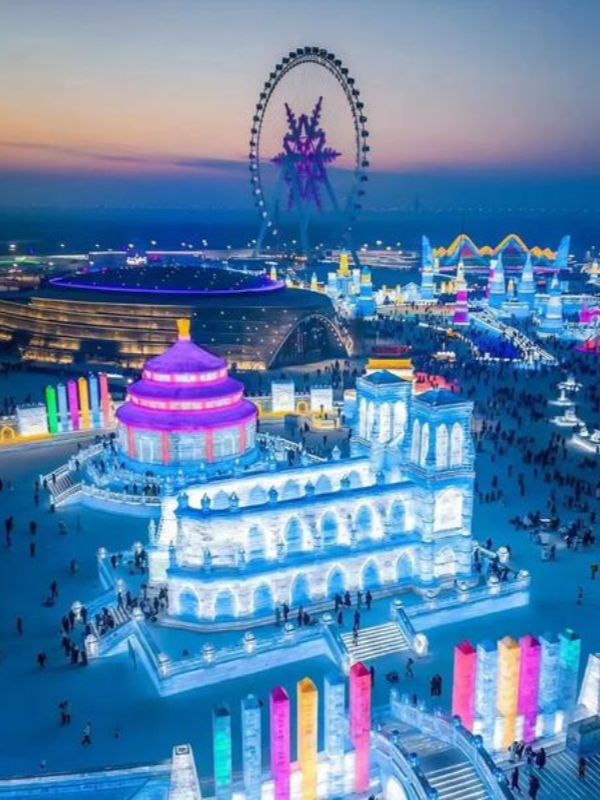
- Light Displays in Harbin Ice and Snow World
-
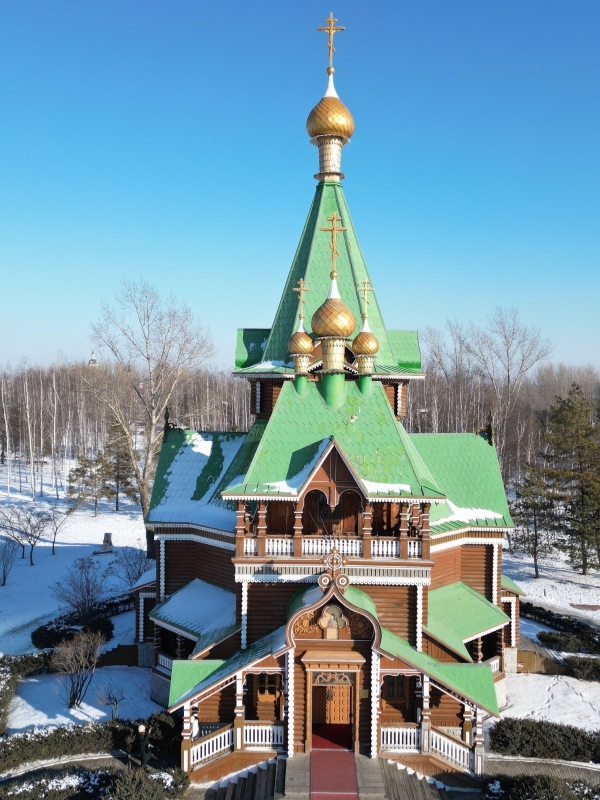
- St. Nicholas Church
Three days in Harbin hits the perfect balance between seeing everything that matters and avoiding winter fatigue. I've watched travelers attempt two-day sprints and five-day marathons—neither works as well.
Day 1 Captures Russian Soul, Day 2 Conquers Ice Kingdom, Day 3 Dives Into Local Life
Here’s my reasoning behind three days being the ideal rhythm. Day one allows you to soak in Harbin’s Russian heritage via Central Street and St. Sophia Cathedral; you’ll need this cultural foundation when I explain shortly as to why Harbin feels different from other Chinese cities. Day two is the physical challenge; Sun Island and its snow sculptures require a minimum of a three hour exploration, and you need another four hours at Ice and Snow World after sunset. Day three gives you recovery time while still being worthwhile via Harbin’s industrial sites or the cottages of rural Volga Manor.
Try cramming all this into two days and you’ll find yourself at Ice and Snow World on day two cursing yourself for not allowing enough time to properly enjoy all the things to do in Harbin. Expand to five days and you’ll either double locations or be bored, especially if the temperature
Your Body (and Camera Battery) Will Thank You for the 3-Day Limit
The cold in itself is a factor in planning your Harbin itinerary. A lot of people underestimate how much -25°C drains your body and electronics. I watched my phone die at 40% battery within half an hour at Ice World! You need warming breaks every hour outdoors, which naturally limits how much you can do each day. Three days gives you time to recharge between major outdoor attractions while still rolling with the momentum.
According to recent visitors to Harbin from Trip.com, the average tourist here in winter spends 2.8 days - confirming that three days is that natural sweet spot most travelers find for themselves.
Day 1 – Russian Architecture and Soviet Nostalgia Paint Your First Harbin Impression
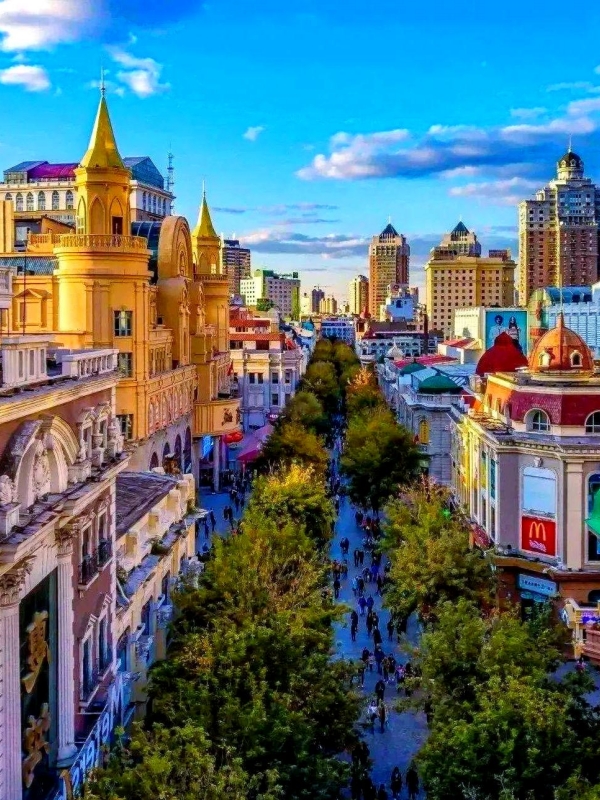
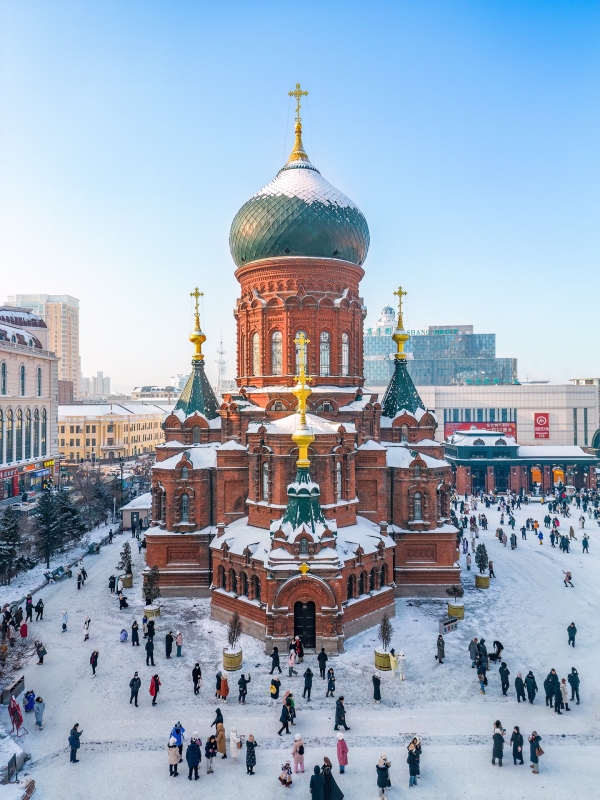
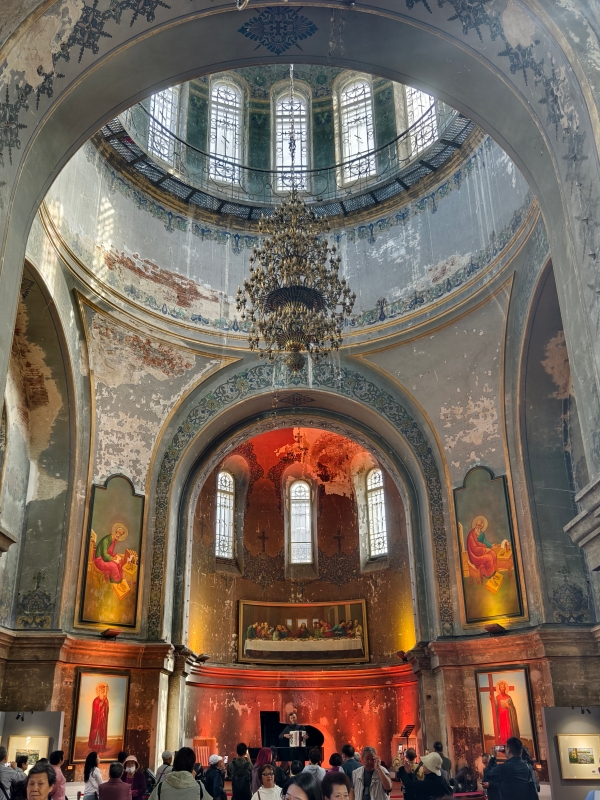
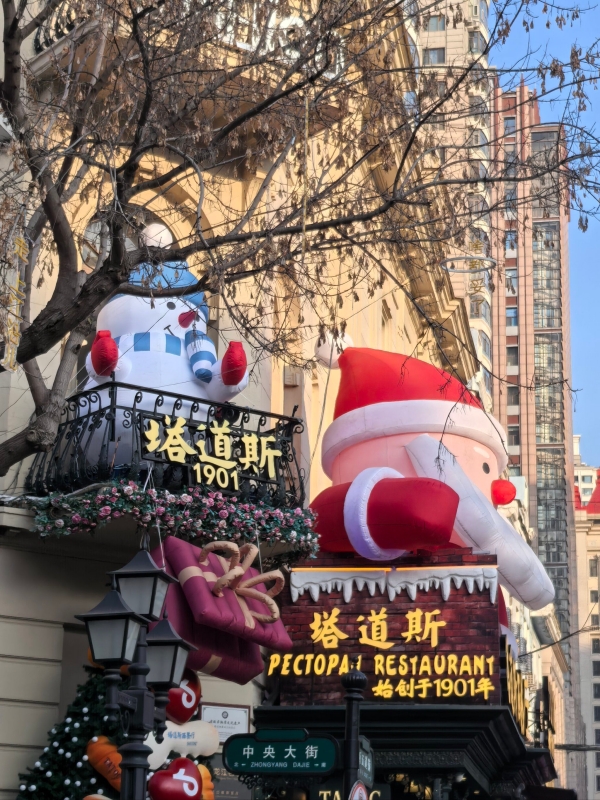
Your first day in this Harbin itinerary focuses on cultural immersion without physical exhaustion. This sets you up for the demanding Day 2.
Morning on Central Street Reveals a Century of European Ambition Frozen in Stone
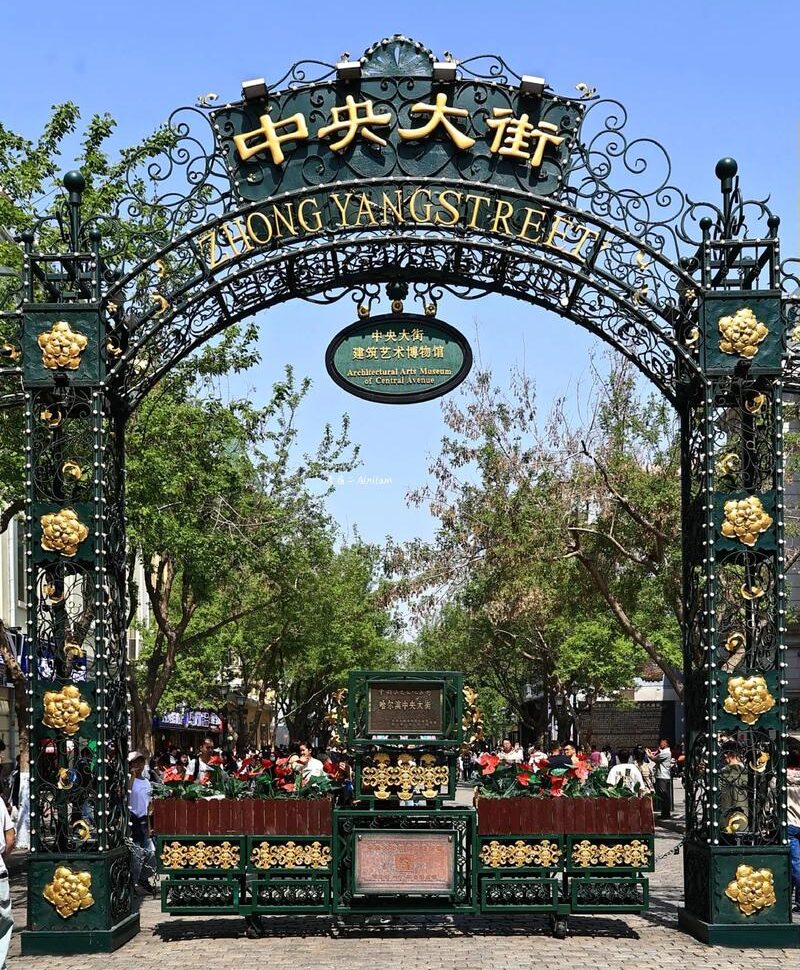
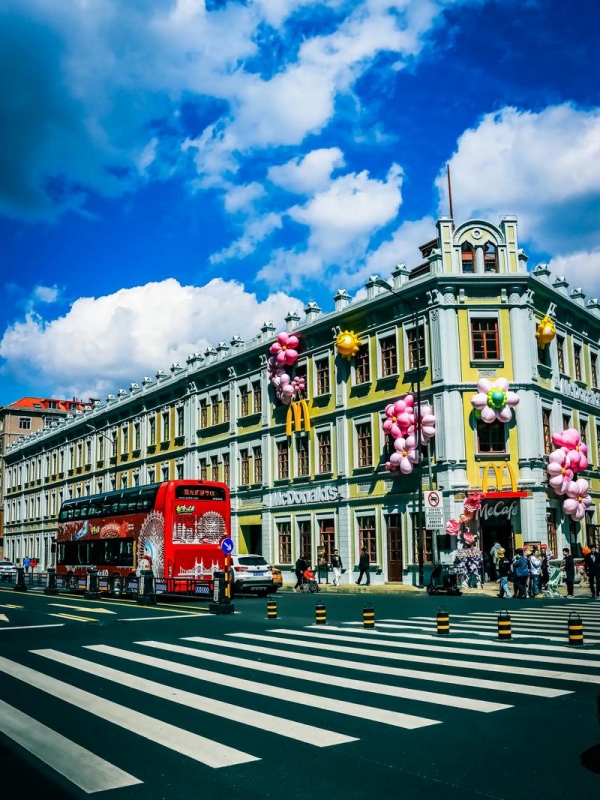
Start at Zhongyang Pedestrian Street (中央大街) around 9:00 AM. This 1.4-kilometer (0.9-mile) pedestrian street features over 70 buildings in the Renaissance, Baroque, and Art Nouveau styles—that’s more European architecture than you’ll find on most European cities of a similar size. Built by Russian engineers in 1898, this street became the economic center of Harbin during the days of the Chinese Eastern Railway.
Take a break at the Madier Hotel (马迭尔宾馆) famed for its ice cream—yes, eating ice cream when the temperature’s -20°C/-4°F is a Harbin thing. A stick costs 5 RMB and is like frozen custard on a stick. You must eat it outdoors, as the theory is that it does not melt too fast! The street is made from Russian cobblestones that were brought to Harbin in the early 1900s. There’s that charming European pedestrian zone thing!
Spend 90 to 120 minutes walking and photographing buildings, and souvenir shopping. Touts will pounce on you below the metro entrance (9:30am) to offer local souvenirs—especially matryoshkas for 200+ RMB. These are not the best price and you’ll find better priced on Day 3!
St. Sophia's Green Dome Anchors Every Harbin Itinerary—With Good Reason
Walk 10 minutes north to St. Sophia Cathedral (圣索菲亚教堂), arriving around 11:00 AM. This 1907 Orthodox church ranks as China's largest Byzantine-style building. The green dome and red brick exterior photograph beautifully against winter's white backdrop. Entry costs 20 RMB (25 RMB with cathedral interior access).
Inside is a museum chronicling Harbin’s Russian history through photos and artifacts. In the evening is the “Moonrise Sophia 3.0” projection show (time varies seasonally from around 18.30 in the winter and a little later in summer) that creates amazing visual effects on the face of the cathedral. If you’re trying to create a Harbin itinerary geared towards photography, come back in the evening for this show. It’s free to watch from the plaza.
There are street vendors, musicians and photographers in the cathedral square as well. Spend 45-60 minutes here with a visit inside.
Russian Lunch at Tados Transports You to 1920s Vladivostok
By 12:30 PM, it’s time for lunch. Stroll on over to Tados Western Restaurant (塔道斯西餐厅), located just 10 minutes from St. Sophia. It’s an establishment that has been serving up authentic Russian fare since 1901. You cannot go wrong with the beef stroganoff (98 RMB), borscht (28 RMB) and Russian black bread. The chunky dark wood interior and white tablecloth set up is consistent with that old world tradition.
For a full meal with drinks, allow for around 150-200 RMB per person. If that’s above your budget for your Harbin itinerary, try close by Huamei Restaurant (华梅西餐厅) serving similar cuisine and at lower prices (120-150 RMB per person).
Songhua River's Frozen Surface Becomes Winter's Playground—Or Summer's Cruise Route
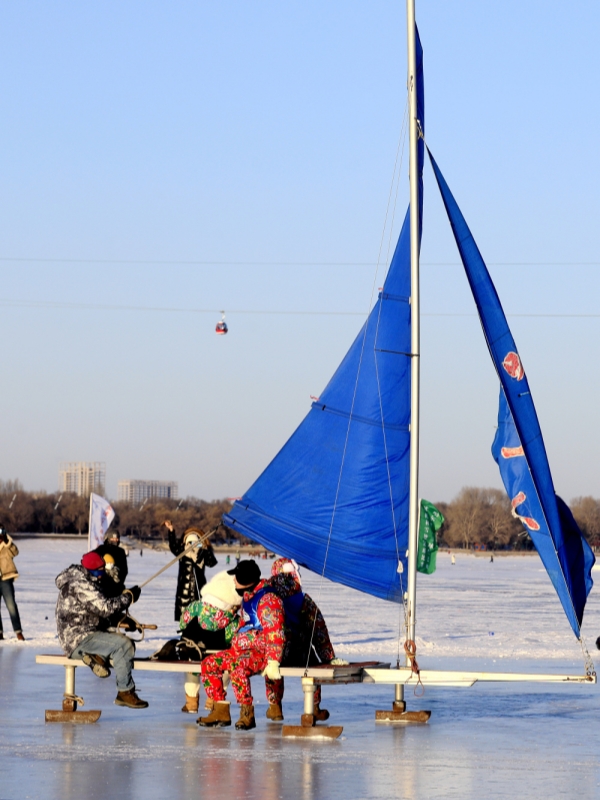
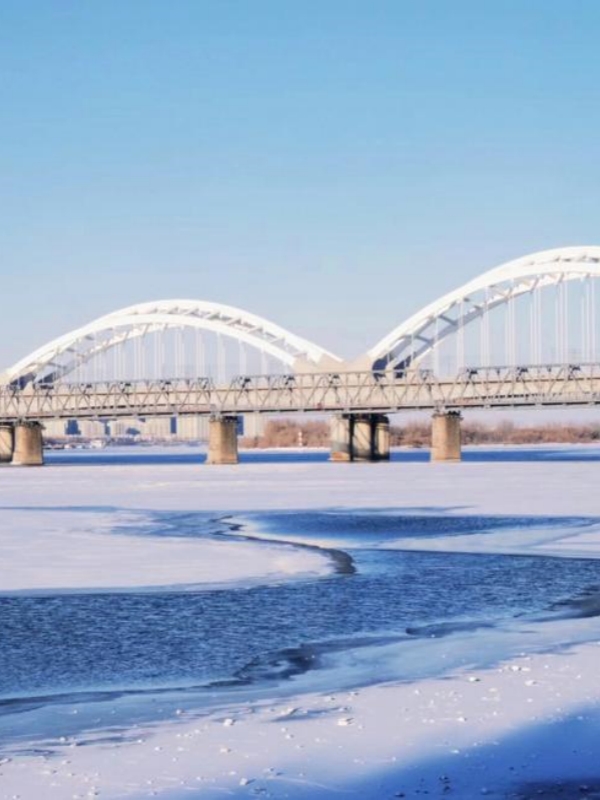
After lunch (circa 14:00) head to Songhua River. In winter the river ice acquires a new lease of activity becoming an amusement park of kinds with ice slides, snow mobiles and ice bikes being available. A 30 metre ice slide will cost 20 RMB per person. You may spot brave locals doing some winter swimming (yes, in a pool of water punched through ice, like some people would in summer) at -25°C. Quite a spectacle, usually around 14:00-15:00 daily.
Stalin Park (斯大林公园). A good walking path featuring a lovely promenade by the river. In summer vessels ply the river, however in winter the frozen expanse provides for unique photo opportunities. A cable car services Sun Island on the river for 58 RMB one way. Avoid for the present. You will explore Sun Island properly tomorrow.
Plan for 90-120 minutes based on how quickly the sun sets and heralds in an evening chill.
Laodaowai's Chinese Baroque Proves East and West Can Marry Beautifully
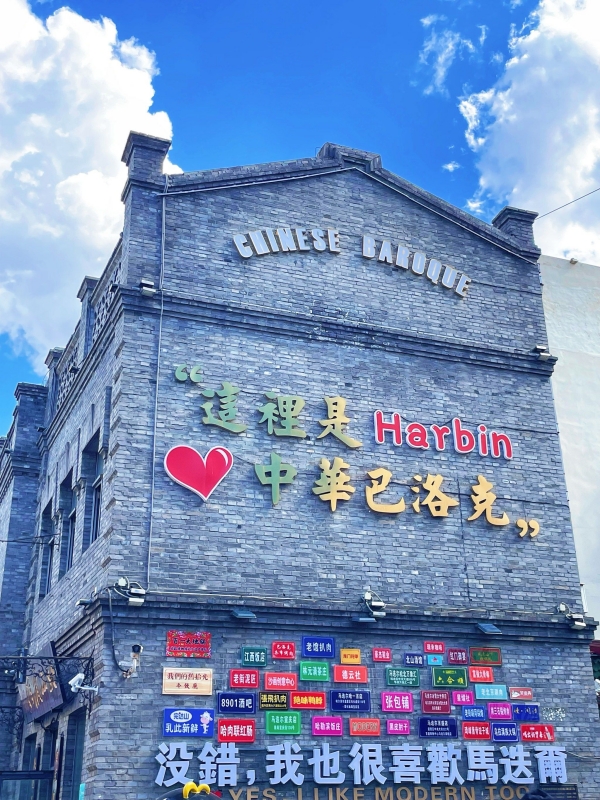
Around 4:30 PM, take a DiDi ride (about 20 minutes for 15-20 RMB) to the Laodaowai Baroque District (老道外中华巴洛克). This neighborhood showcases man-made collisions of traditional Chinese courtyard layouts and baroque elements like colonnade arches, ornate windows and decorative cornices. Unlike Central Street touted for its purely European style, Laodaowai shows you what local craftsmen did with western influences upon returning to Chinese building traditions.
Here, it’s best to stroll without knowing where you’re going. Many of the buildings have small shops, cafes and restaurants. The red lanterns illuminated during the evining make for beautiful lighting. Foreign tourists are a rarer sight here, giving you a view of life in Harbin.
End Day 1 with some Northeast Chinese cuisine at Laochu's Kitchen (老厨家). Their special serves up Guo Bao Rou (锅包肉—sweet and sour pork) for 78 RMB. It’s one of Harbin’s best versions! Go for the communal aspect (100-150 RMB per person) like we did and try Shanhetun Iron Pot Stew (山河屯铁锅炖) instead!
Day 1 Budget Summary:
- Budget tier: 280-350 RMB (street food, basic attractions, public transport)
- Mid-range: 550-700 RMB (restaurant meals, taxis, all attractions)
- Luxury: 900+ RMB (upscale dining, private transport, souvenirs)
Day 2 – Ice Sculptures at Dawn, Snow Art by Noon, LED Wonderland by Night
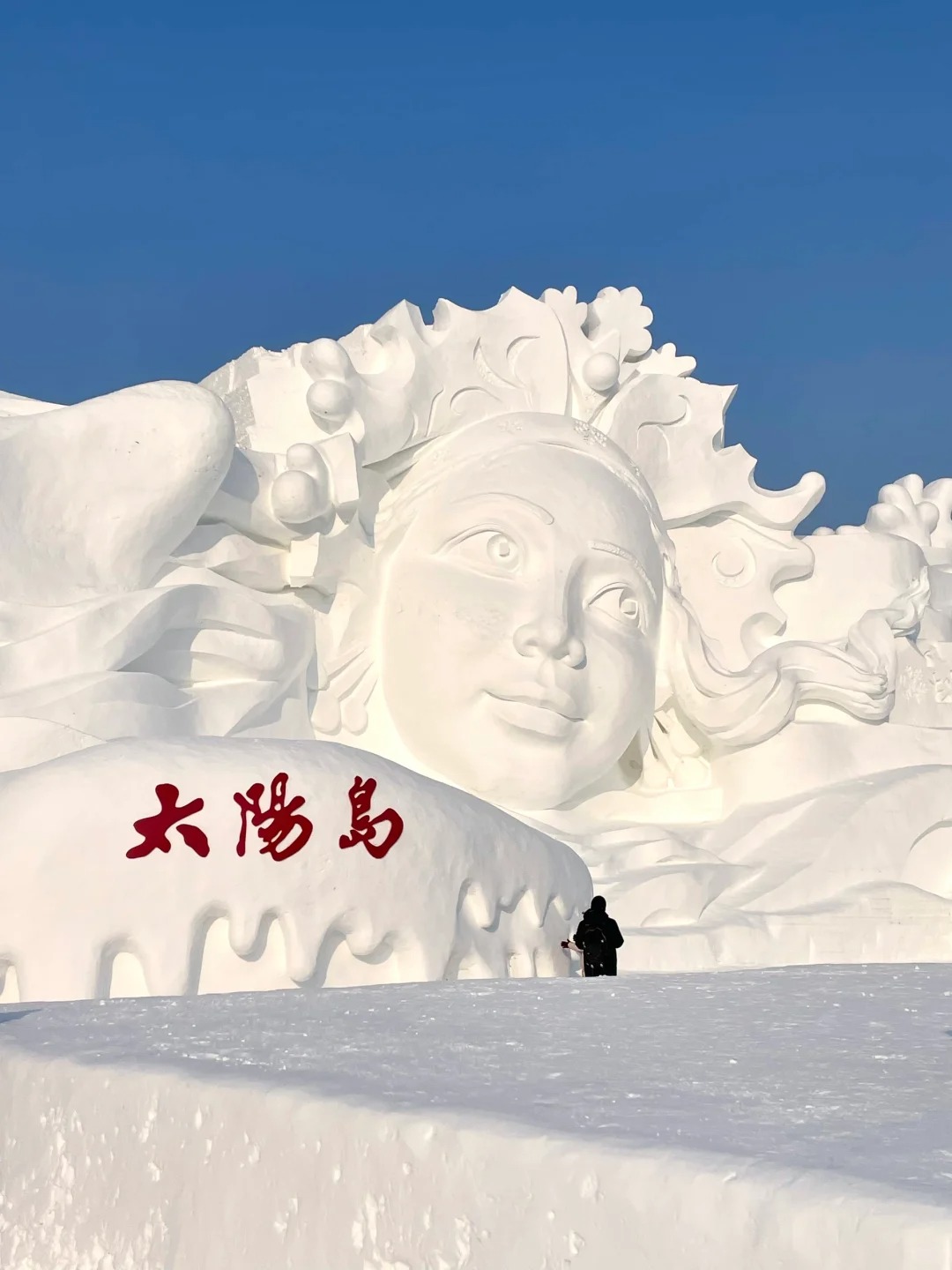
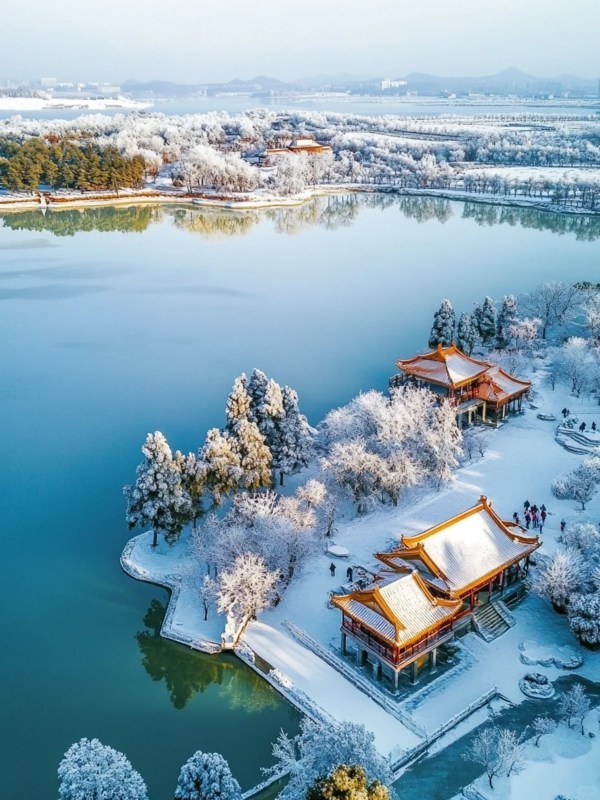
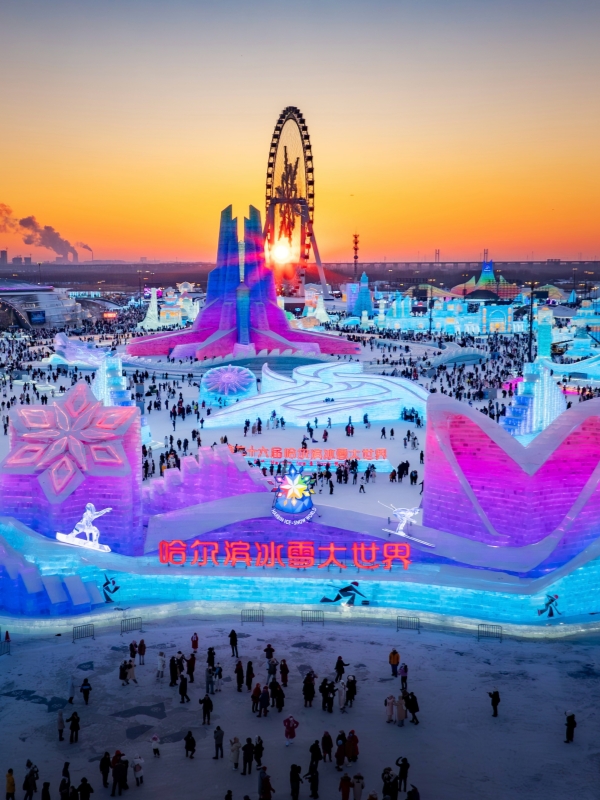
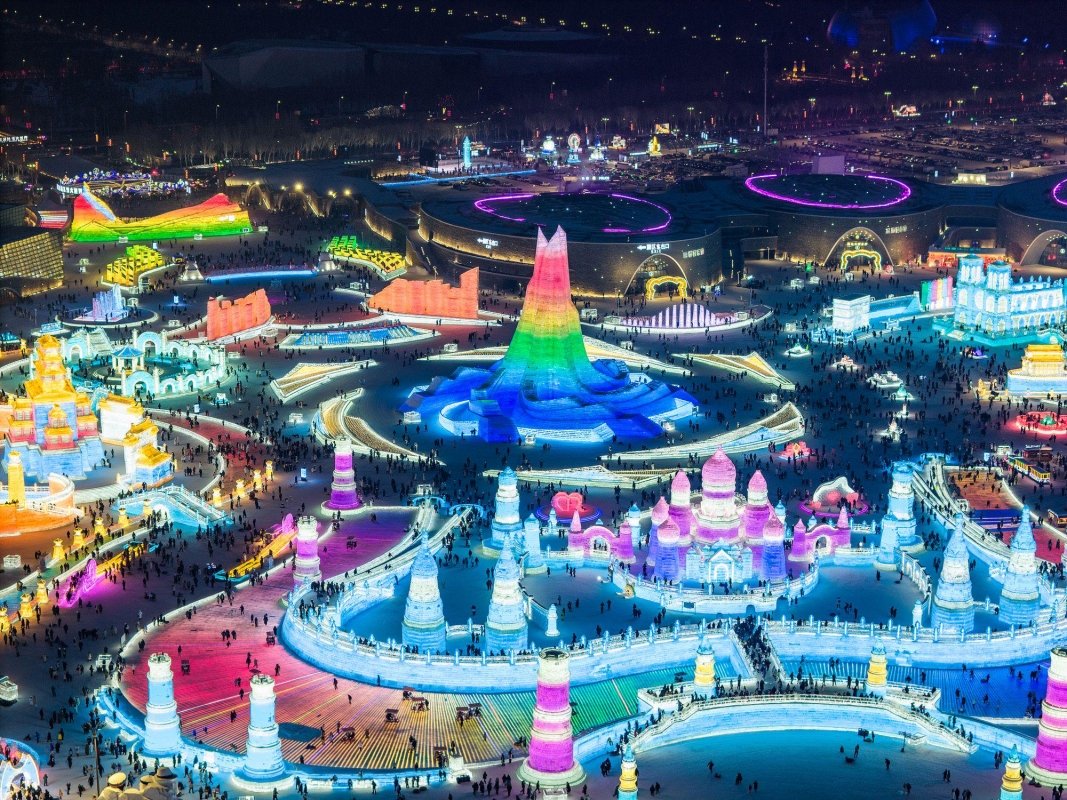
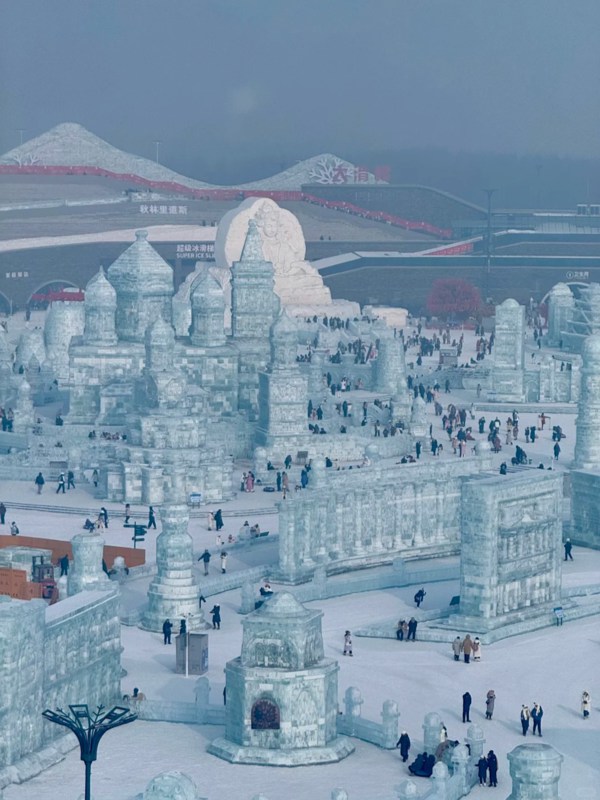
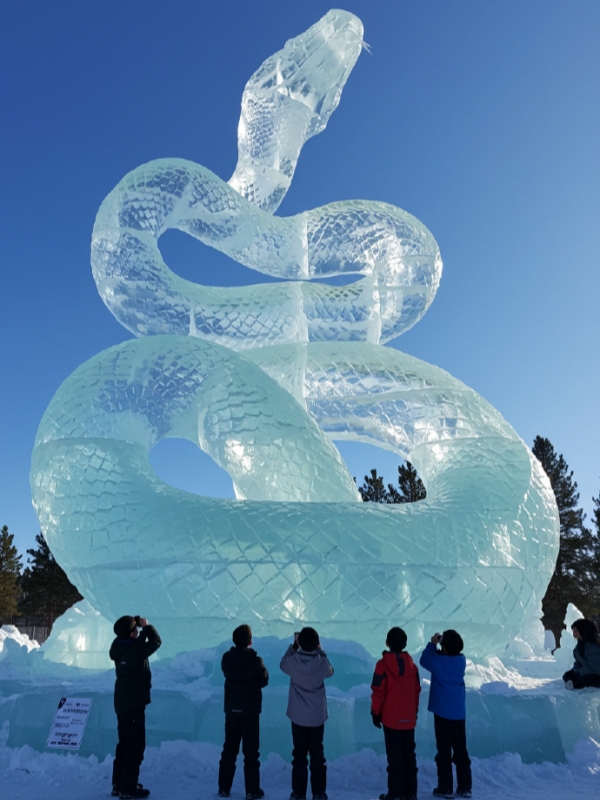
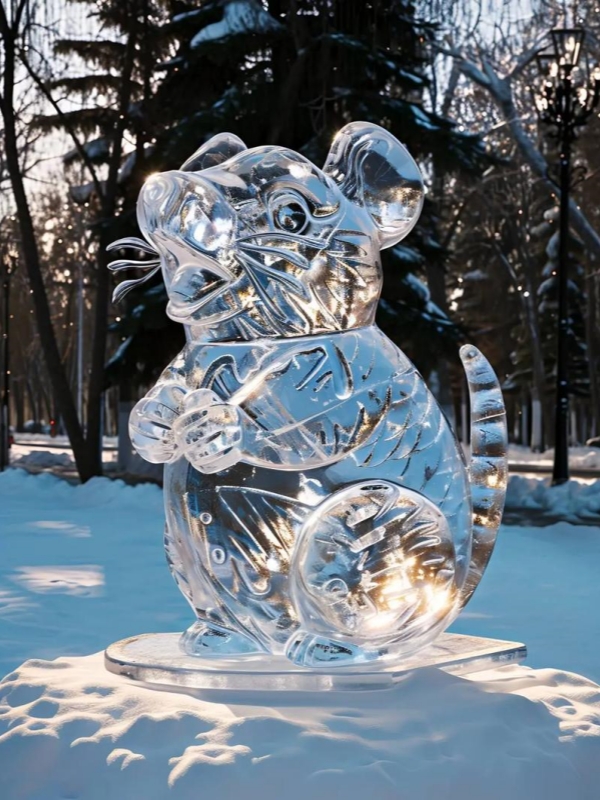
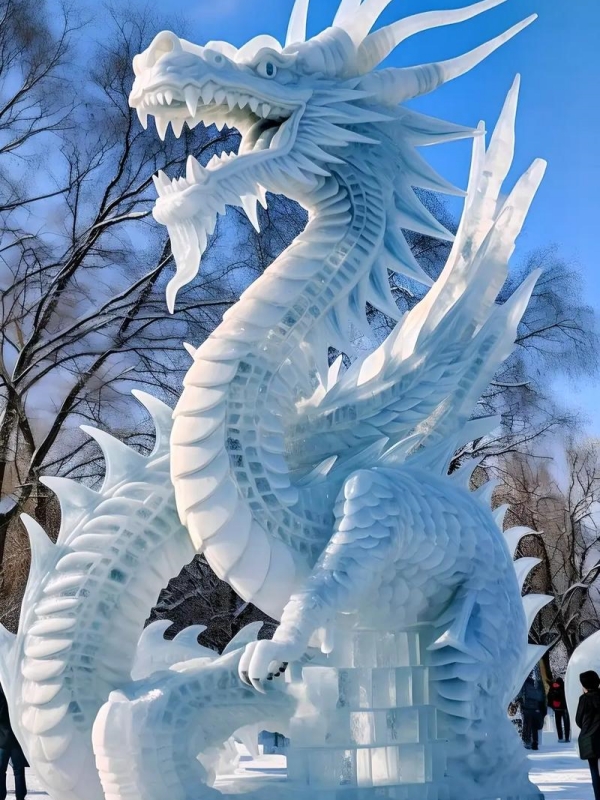
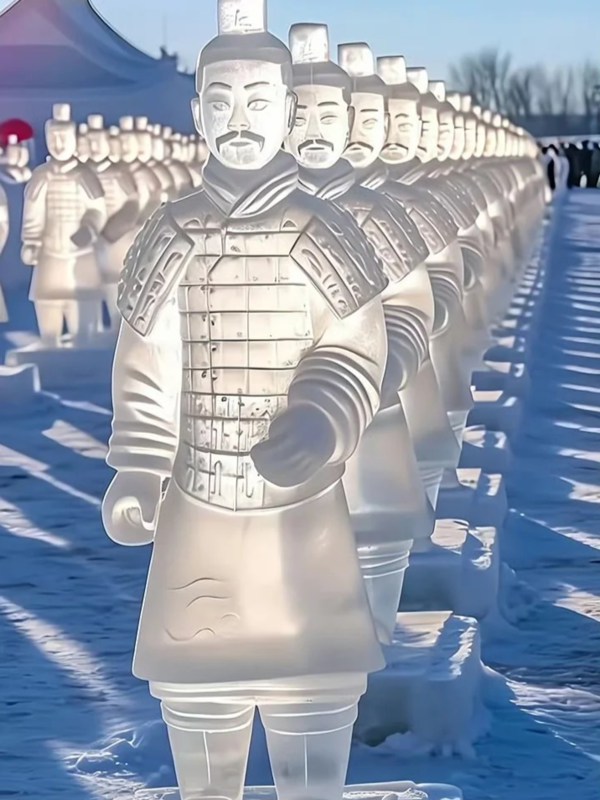
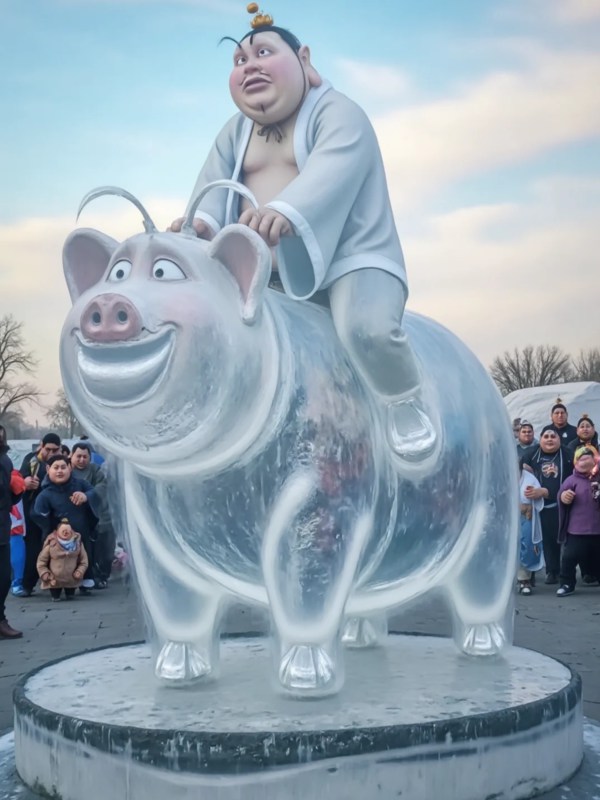
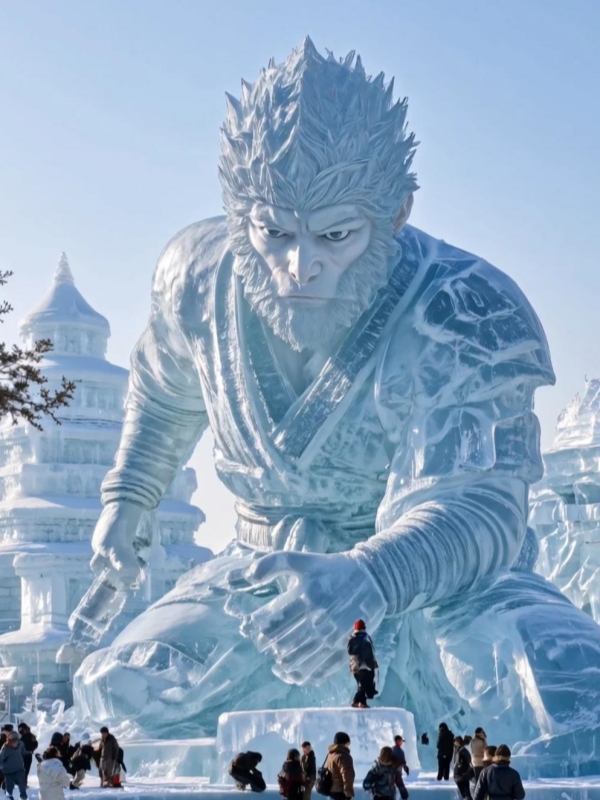
Second day delivers the physical and visual highlights of your Harbin itinerary. Start early and pace yourself—this will be your longest day.
Sun Island's Snow Sculptures Demand 3+ Hours—Not the Tourist-Trap 90 Minutes
Begin at Snow Sculpture Art Expo at Sun Island(太阳岛) around 8:30 AM. Entry costs 240 RMB (2025-2026 season). Tour groups rush through in 90 minutes, but you'll need 3-3.5 hours to appreciate the craftsmanship properly.
A feature of the expo is 260+ giant snow sculptures some 15 m high. This isn’t just snowmen—intricate scenes from Chinese legends, history and culture, as well as modern scenes. The snow sculpture competition section from the entire world. The effect of the morning light is incredible, so if you want to avoid crowds, stick to around 10:30am. Several areas stay open to the park, one of which includes ten snow slides—some are very long (the longest is 300 m) and you can sled down them on a rubber ring, for 30 RMB.
Dress warmly—you’ll be out in the blinding draft-white snowy snow and it’s pretty damn cold (about -20 degrees).
Strategic Rest Before Ice and Snow World Saves Your Frozen Fingers (and Sanity)
By 12.30 to 13.00, you need to get back to your hotel. You will need lunch and a bit of a strategic rest. Your body has already exposed itself to the cold for over 4 hours and now Ice and Snow World is asking for another 4-5 hours tonight.
Eat an appropriately big lunch, make sure all your electronic devices are charged, and have a 60 to 90-minute rest. Change out your wet gloves or socks. Stick in new, fresh hand warmers. A waste of time on a tight schedule in Harbin, you’re going to be a miserable soul in Ice World by 20.00 if you don’t. In the downtime, you might as well sort out your strategy for Ice World. The official mini-program (小程序) for Ice World on WeChat is “冰雪大世界”. It gives you real-time maps and updates on queues. Download it!
Ice and Snow World After Dark Transforms Frozen Water Into Electric Dreams
Arrive at Harbin Ice and Snow World (哈尔滨冰雪大世界) around 17:00-17:30. The park opens at 12:00, but visiting before dark wastes the experience—the LED-lit ice sculptures only shine after sunset (around 16:30 in January). Entry costs 300 RMB (328 RMB with insurance, recommended).
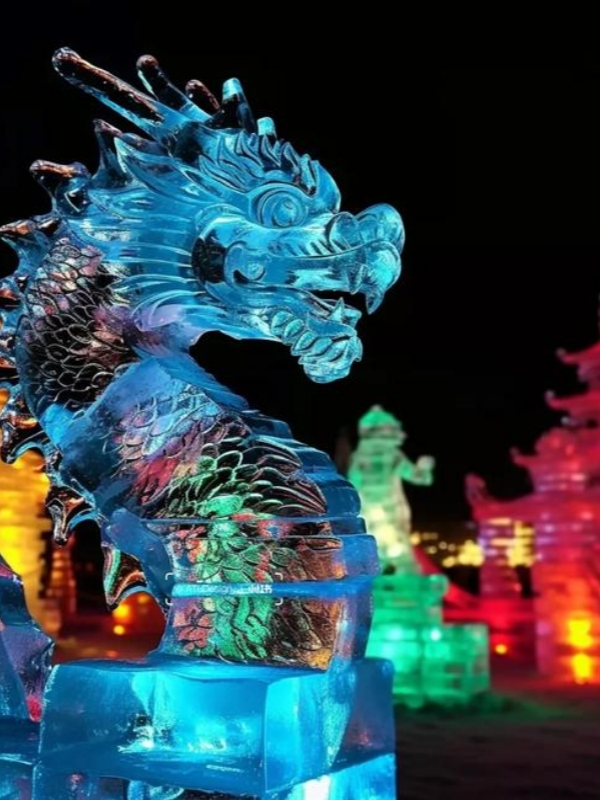
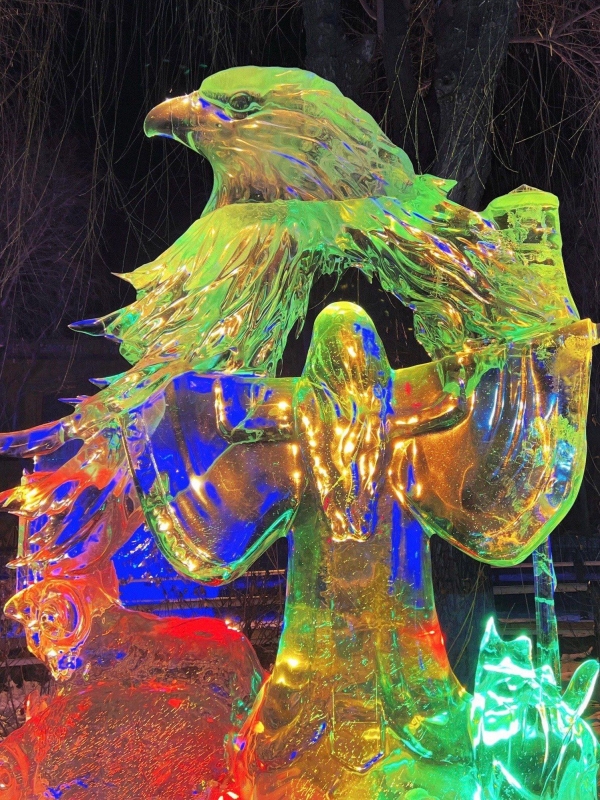
The 42nd Harbin International Ice and Snow Festival 2025-2026 expanded to 1 million square meters with over 300,000 cubic meters of ice. Structures include full-size replicas of Russian palaces, Chinese temples, and modern architecture—all carved from frozen Songhua River blocks. Over 20,000 LED lights illuminate the ice from within, creating that signature blue-purple glow in photos.
See: Main Ice Castle (主冰堡), the 2 Main Stages have performance in the evening (18:00; 20:00) – Super Long Ice Slide (超长滑梯), at a length of 521 meters, expect to line up between 30 to 60 minutes, but it is worth it (additional 20 RMB), and the Ferris Wheel (冰上摩天轮). Must see!!!.
Survival guide under -25|a: Warming huts are every 200~300 meters apart, get in them every 45~60 minutes and your body will be happy. Keep your phone and/or camera inside your jacket when not shooting. Hand warmers are pretty useless after 2 hours, so bring extras.
Keep your face masked (or use a thin balaclava); shared by another traveller, exposed areas freeze and become painful within 10 mins at -25°c.
Leave before 21:30-22:00. You’ll be dull yet ecstatic.
Day 2 Budget Summary:
- Budget: 600-750 RMB (attractions only, cheap meals)
- Mid-range: 850-1,050 RMB (adds comfortable dining, taxis)
- Luxury: 1,200+ RMB (includes extra activities, upscale dinner)
Day 3 – Industrial Heritage and Countryside Charms Round Out Your Harbin Story
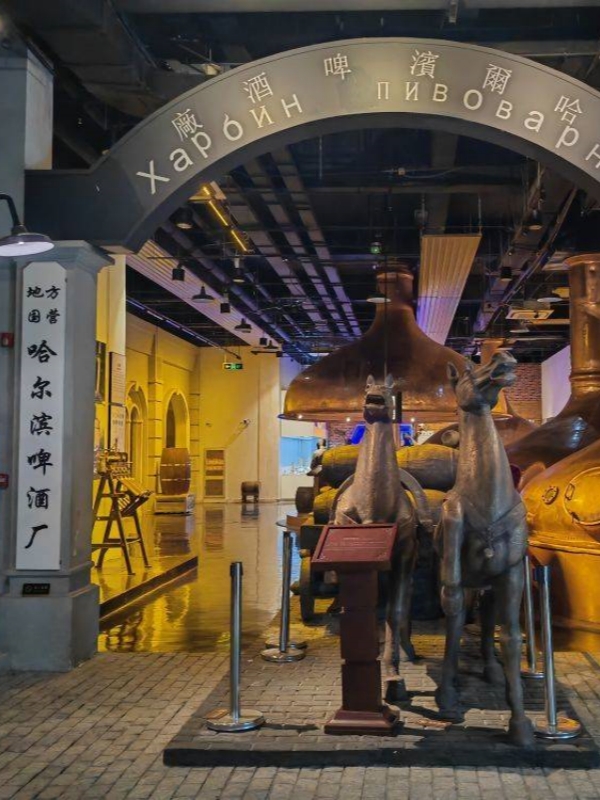
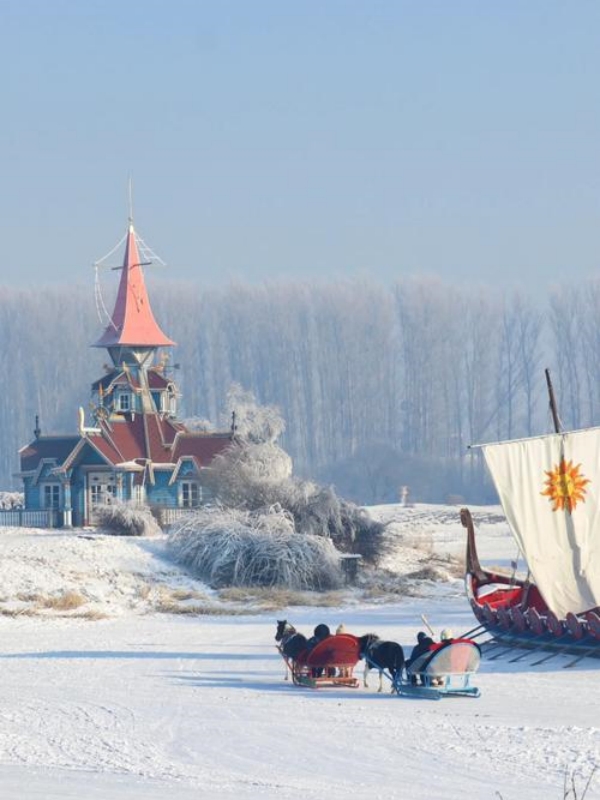
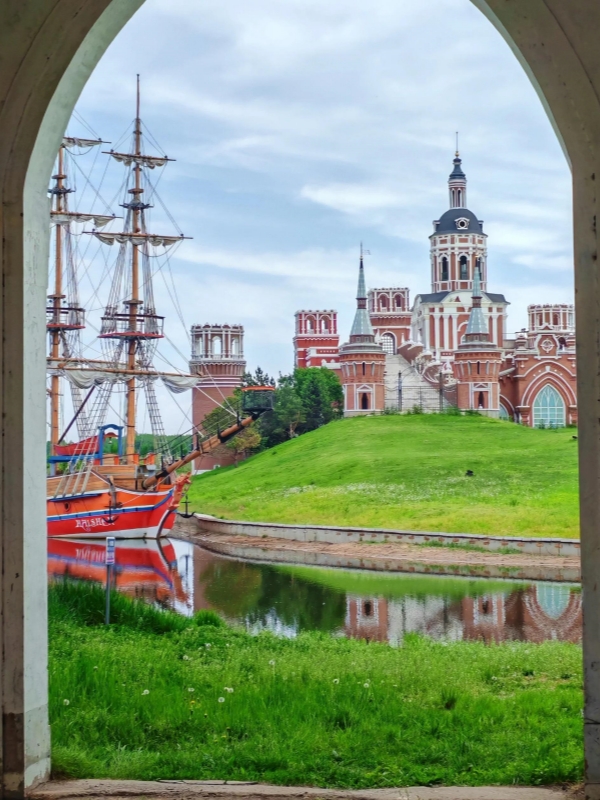
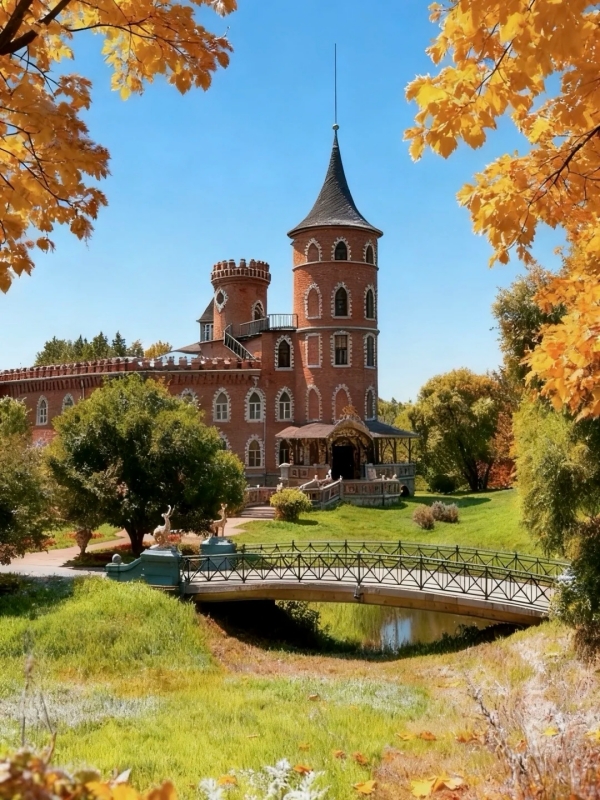
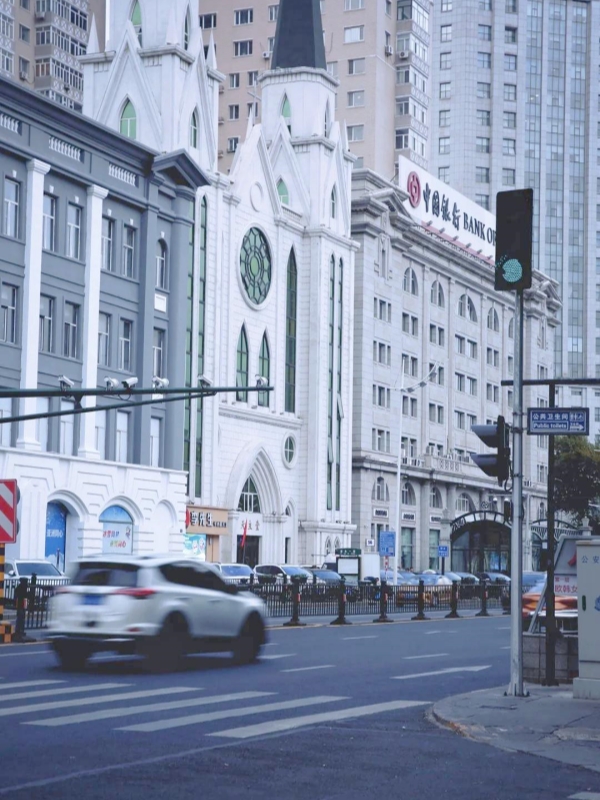
The third day in this Harbin itinerary offers flexibility based on your energy levels and interests.
Beer Museum and HIT Campus Expose Harbin's Industrial Soul Beyond Tourism
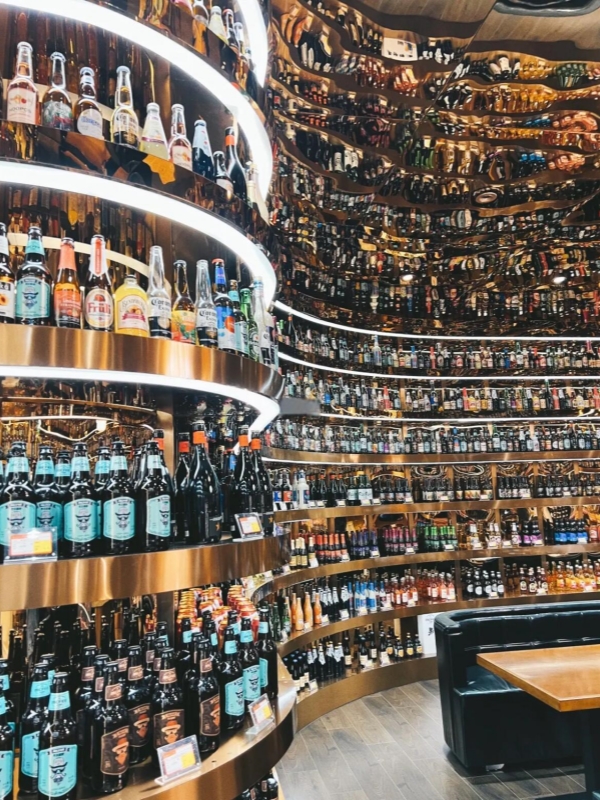
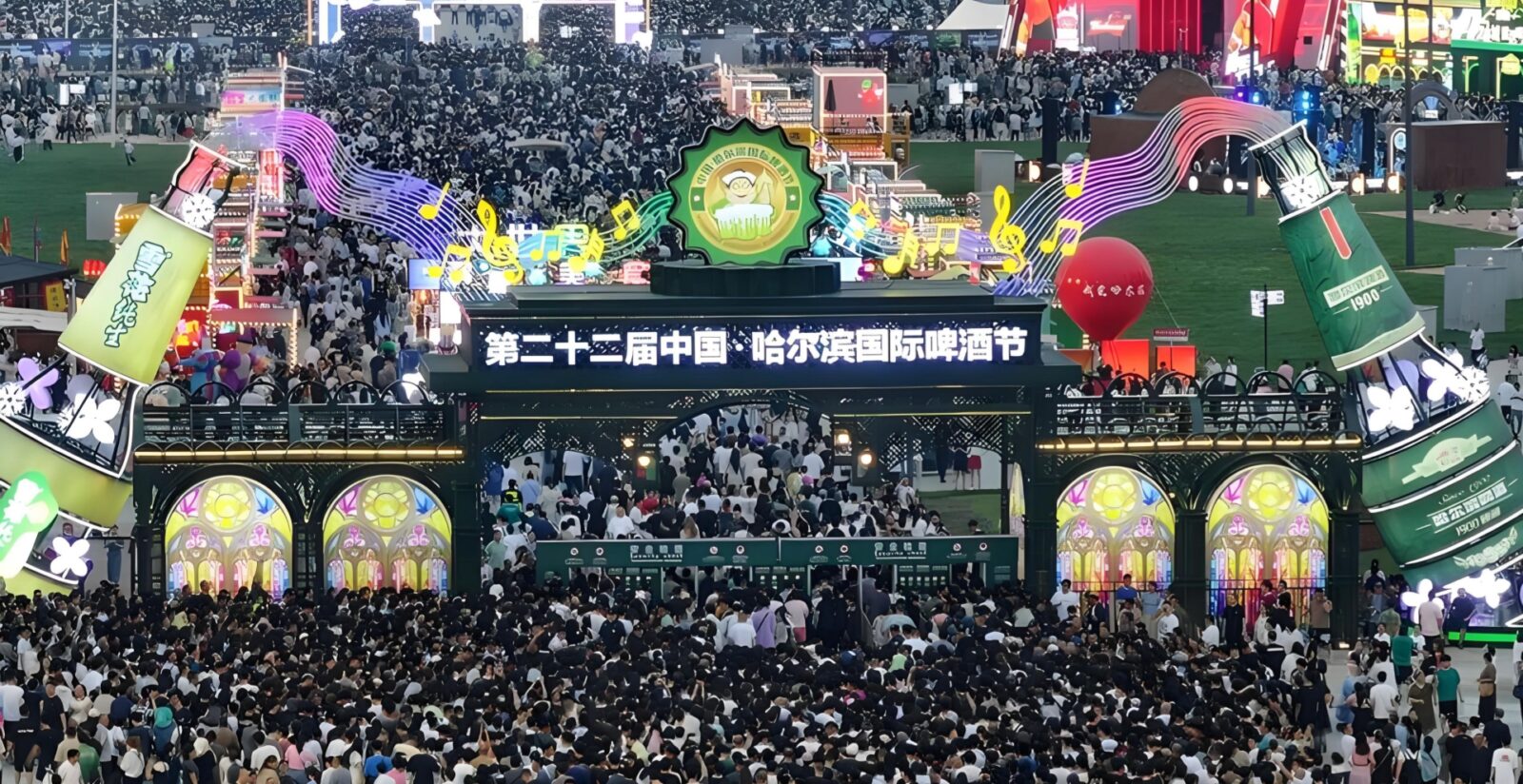
If you’re of an enquiring nature about modern Harbin, the Harbin Beer Museum (哈尔滨啤酒博物馆) in the morning (this is only open until 5.30PM, so try to get there by 9AM). It’s 50RMB to enter and includes beer drinking. You can learn how Harbin Beer, founded by the Russians in 1900, developed into the nation’s fourth-largest brewery. It’s not essential viewing but it provides another context to Harbin’s industrious background.
Alternatively, if you simply do not want to pay for anything else, the Harbin Institute of Technology (哈工大) offers free tours of its campus (but you must book in advance). It’s an elite university with an interesting small museum on the first floor detailing Chinese history in aerospace.
Volga Manor Recreates Russia With Chinese Precision—Touristy But Photogenic
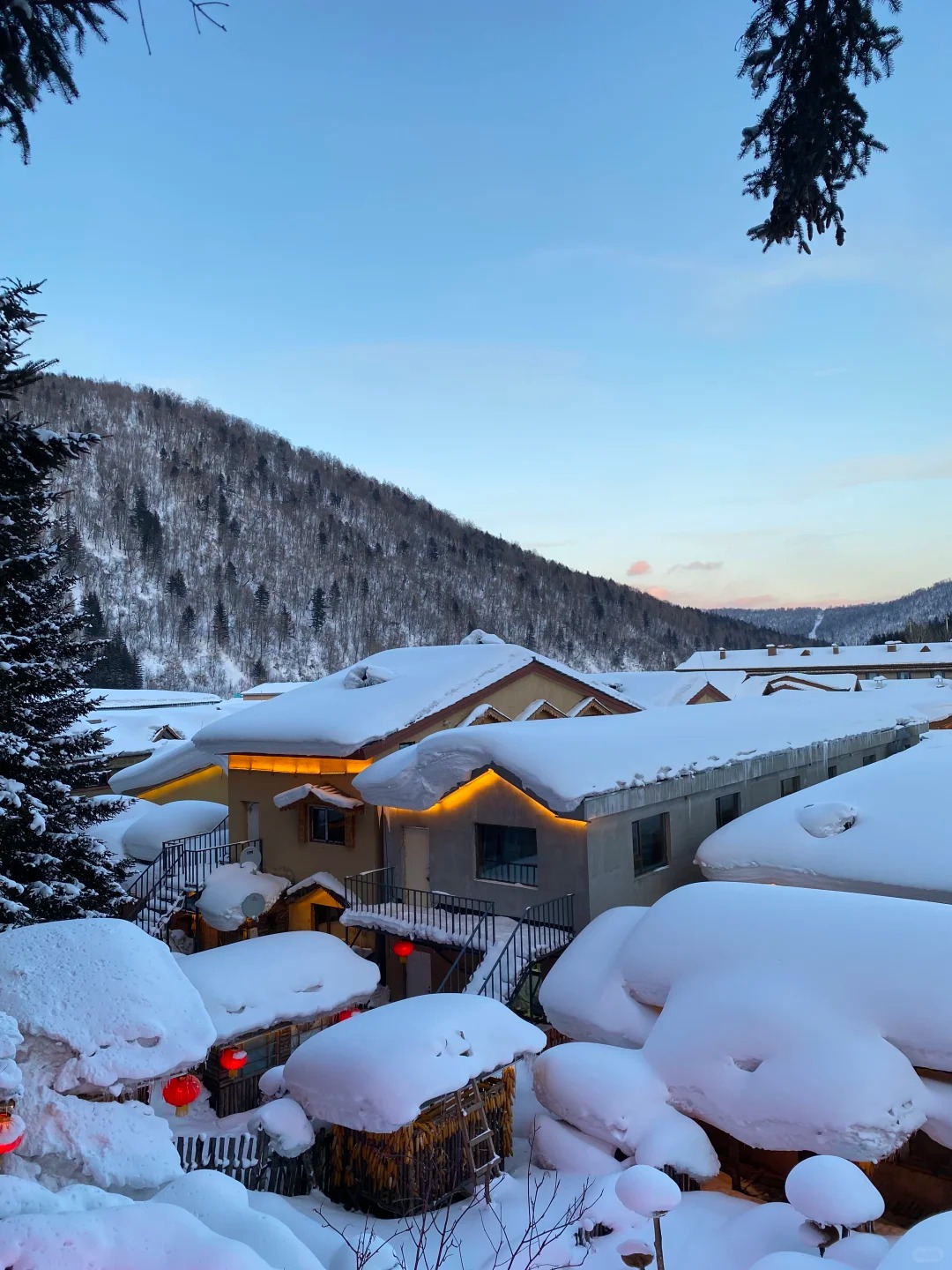
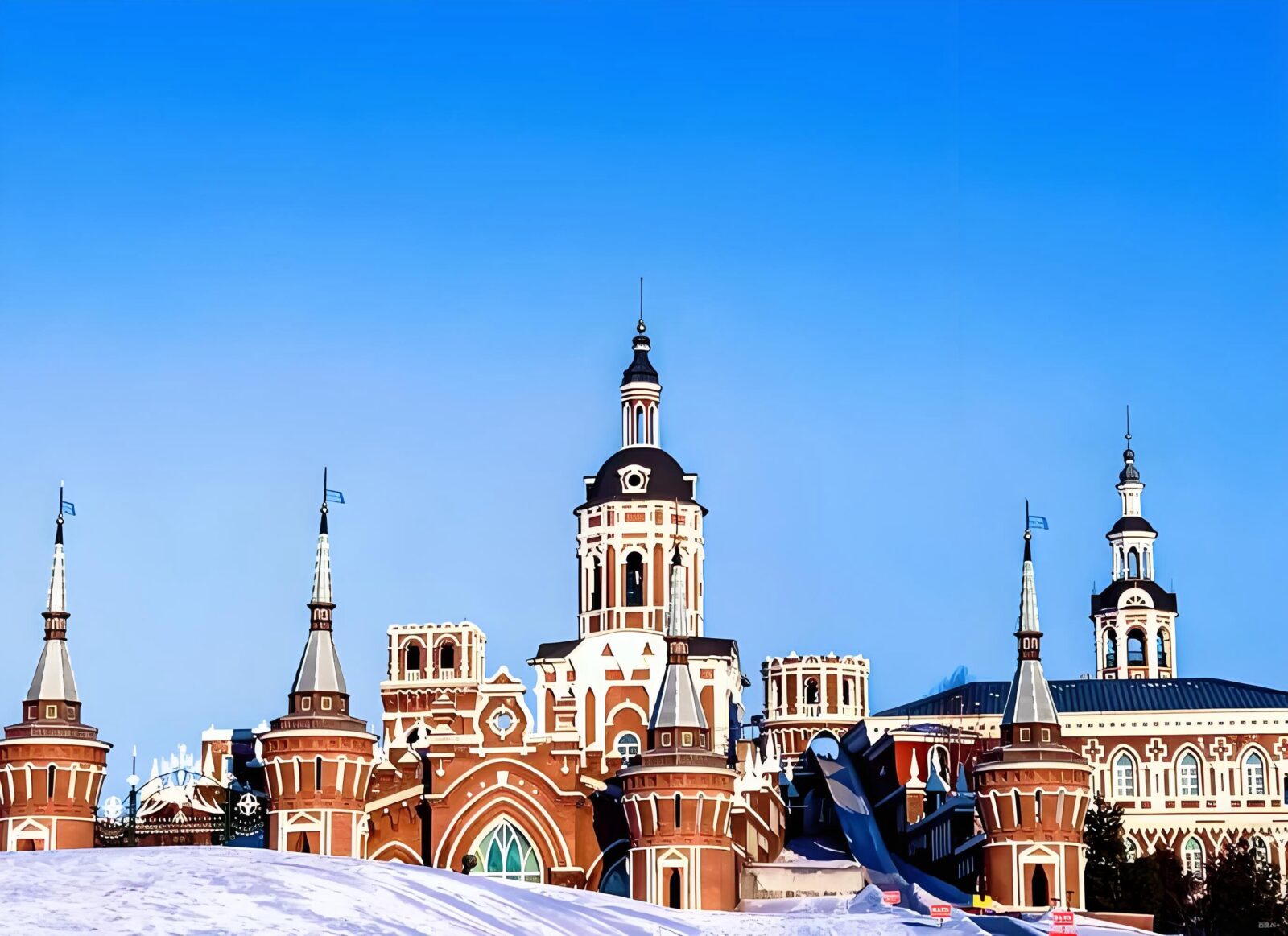
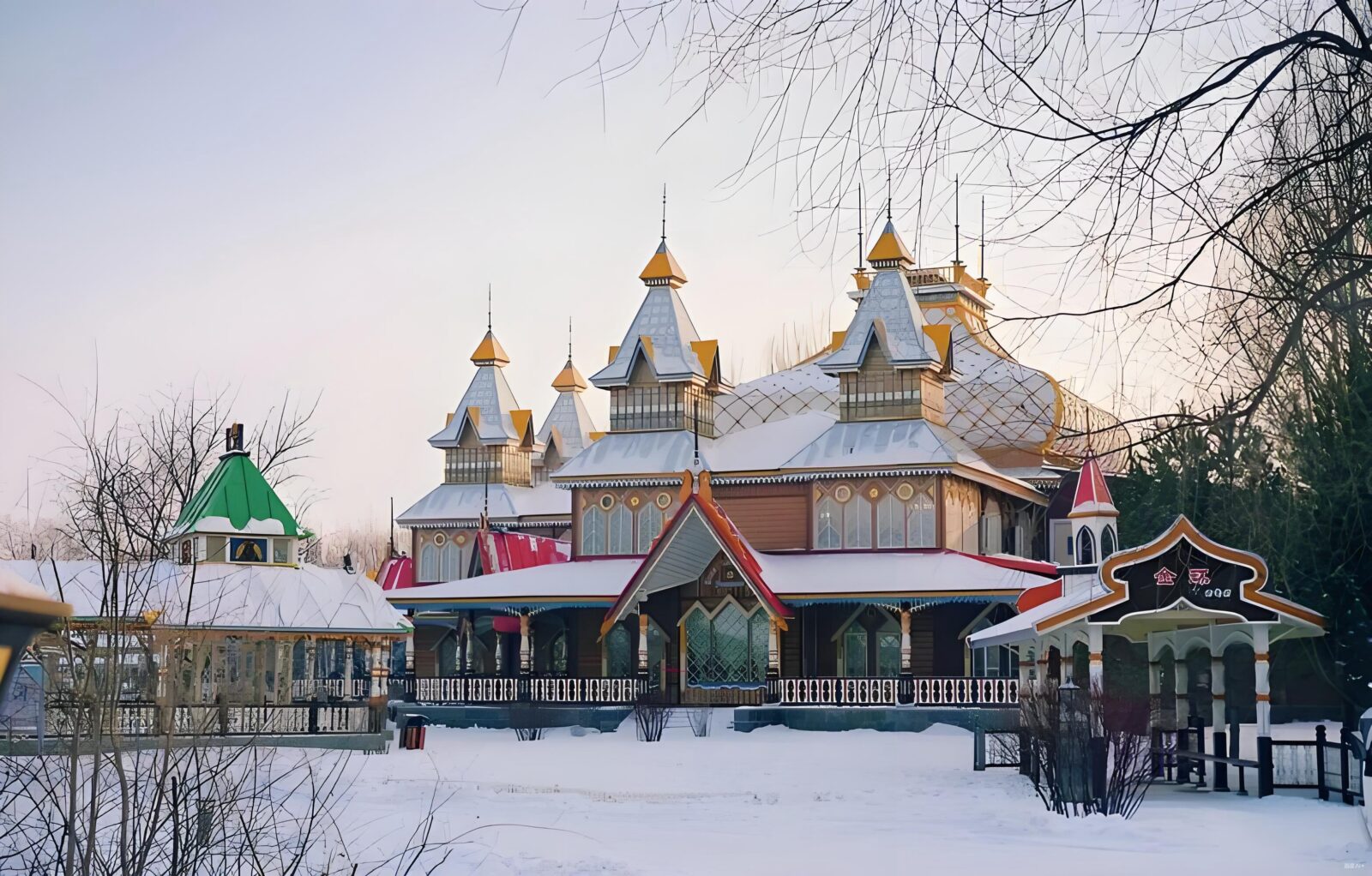
Volga Manor (伏尔加庄园) sits 30 kilometers from central Harbin—a 40-minute taxi ride (80-100 RMB) or 60 minutes via public bus. Entry costs 100 RMB (winter season). The park recreates Russian village architecture with impressive attention to detail—onion domes, wooden dachas, and Orthodox chapels dot a scenic landscape.
Okay, it’s totally fake, built in 2009 just for tourists, but the buildings replicate real buildings, and in winter with some snow it becomes a fairy-tale land of gingerbread. They also do horse-drawn sleigh rides (80 RMB for 15 minutes), castle skiing and traditional Russian restaurants inside.
Budget around 3 or 4 hours here and you should be ready to return to Harbin around 16:00 / 17:00.
Gogol Street's Quieter Charm Offers Souvenir Shopping Without Central Street Chaos
Back in Harbin, head to Gogol Street (果戈里大街) for the final touch of souvenir shopping. This street also has European architecture like Central Street, but is 60% less popular with tourists. You’ll find the cost of authentic Russian goods (matryoshka dolls, lacquer boxes, amber jewelry) 20-30% lower here.
Some quality Harbin souvenirs include Qiulin red sausage (秋林里道斯—50-80 RMB per 500g), Madier (马迭尔) ice cream boxes so you can be portable and Russian chocolate. Cheap jade and silk is a no though, because most of it comes from the south of China—not Harbin!
End your Harbin itinerary with a goodbye dinner. You can choose to eat at Tados for Russian food, go for a Northeast Chinese banquet (东北菜) or hit up a local hot pot restaurant (for two people, 200-300 RMB).
If you’ve enough energy the smaller Zhaolin Park Ice Lantern Festival (兆麟公园冰灯) is a more traditional festival than Ice and Snow World. It costs 150 RMB to enter, and is probably prettiest on the weekend.
Day 3 Budget Summary:
- Budget: 300-450 RMB (skip Volga, focus on free sites)
- Mid-range: 650-850 RMB (includes Volga Manor)
- Luxury: 1,000+ RMB (adds upscale dinner, private transport)
January 5-20 Delivers Peak Ice Festival Experience With Manageable Crowds
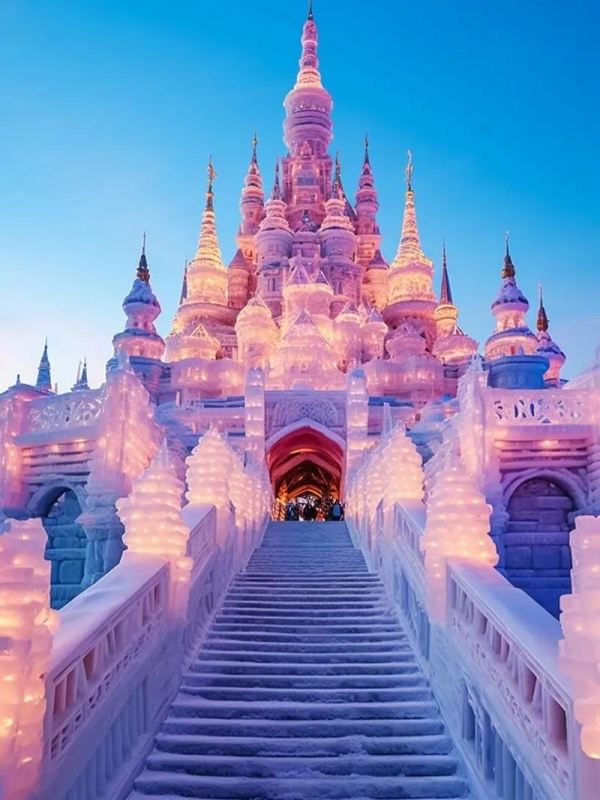
Pink Castle in Harbin Ice and Snow World
Your Harbin itinerary's success depends heavily on timing. After visiting twice and tracking festival patterns, I can tell you January 5-20 offers the goldilocks window.
Winter Means Ice Castles; Summer Means Green Parks—Choose Your Harbin
Harbin Ice and Snow World is in operation from late December to mid-February, though the quality is wildly variable. If you visit in early January, the ice sculptures are pristine and freshly carved. In late February, they are melting and have a clear patina of wear. If you find yourself in Harbin in the summer (June-August), you can enjoy parks but will miss the entire reason Harbin attracts most foreigners: the city changes from a “frozen fairy tale” to a “pleasant Chinese summer city”. It’s still pleasant, just not that unique.
If Harbin is in your winter itinerary, be prepared for temperatures from -15°C to -30°. Early January is usually between -18°C and -25°C which is cold enough to be adequate for ice preservation without being dangerously so. December could be colder, while February could be warming up affecting the integrity of the sculptures.
February Cutoff Arrives Earlier Than Brochures Claim—January is Safer
Some official websites even list the Ice Festival dates as far into late February, but actually many things will be finished by February 15 in 2025, due to warm weather. The 2026 Lunar New Year is on January 29, and there will be huge crowds from January 24-30. I would avoid Harbin during Spring Festival week if you can .
There will be three times as many people as you will find in mid-January, and hotel prices will go up. I would book my Harbin itinerary for the week of January 8-15, and then you will see fresh sculptures and have less work fighting through Spring Festival crowds. Weekdays are 30-40% less crowded than weekends at Ice and Snow World.
Packing for -25°C: Warmth Layers Matter More Than Fashion Choices
Your Harbin itinerary's comfort depends entirely on proper clothing. After watching tourists shiver through Ice and Snow World in inadequate jackets, here's what actually works:
Base layer: Merino wool or synthetic thermal underwear (top and bottom). Cotton kills in cold weather—it holds moisture and removes body heat. Mid layer: Fleece jacket or down vest. Outer layer: Knee-length down jacket rated to -30°C. Your jacket is the most important item—don't skimp here.
Extremities: Bring two pairs of gloves (one thick, one thin for phone use). Wool socks plus insulated boots rated to -30°C. Face mask or balaclava for Ice World. Warm hat that covers ears. Ski goggles help in windy conditions.
Tech protection: Hand warmer packs (20+ for three days), plastic bags for phones, spare batteries kept warm against your body.
What to skip: Fashion boots, regular winter jackets, cotton anything, single-layer gloves.
Metro Lines Reach Major Sights, But DiDi Conquers Winter Logistics
Harbin's metro system includes three lines, with Line 1 serving Central Street and Line 2 reaching Taiping Airport. Fares cost 2-5 RMB based on distance. The metro works well for reaching major areas, but most specific attractions require walking 10-20 minutes from stations—challenging when carrying winter gear in -20°C.
DiDi (China's Uber) solves this problem. Download the app before arrival, add payment methods, and save common destinations in Chinese. Average rides cost 15-30 RMB within the city center. During your Harbin itinerary, DiDi especially helps for: reaching Volga Manor, transporting tired bodies back from Ice World, traveling with multiple camera bags, and avoiding wind chill while walking.
Taxis exist but drivers rarely speak English. Have destinations written in Chinese characters. Official taxi rates start at 8-10 RMB.
Your Harbin Questions Answered About 3 Days of Perfect Harbin Itinerary
Q: How many days should I spend in Harbin?
Three days captures everything essential without exhaustion. Two days forces you to rush through Ice and Snow World when you should be enjoying it, while five days leads to repetition unless you add side trips to Yabuli Ski Resort or China Snow Town. Most travelers naturally settle on three days after experiencing the physical demands of winter attractions and cold exposure. If you visit in summer, two days suffices since outdoor activities become easier.
Q: Is Harbin worth the trip?
Yes, if you're interested in unique winter experiences and architectural photography. Harbin offers something you won't find elsewhere: massive ice castles lit by LEDs, Russian heritage in a Chinese setting, and temperatures that create dramatic landscapes. It's not worth visiting if you dislike cold weather or prefer beach/temple destinations. The Ice Festival alone justifies the trip for photography enthusiasts—I've returned twice specifically for the lighting conditions.
Q: When exactly should I visit for Ice Festival 2026?
January 8-15, 2026 hits the optimal window. Sculptures are fresh, crowds remain moderate, and weather typically stays around -20°C—cold enough for ice preservation without hitting dangerous extremes. Avoid January 24-30 (Spring Festival week) when domestic tourism surges and prices triple. December visits risk incomplete installations, while February brings warming temperatures that damage sculptures. Book flights and hotels by November for best rates.
Q: Is Harbin safe for solo female travelers?
Very safe. China generally ranks among the safest countries for solo female travel, and Harbin continues this pattern. Violent crime rates are extremely low. The main challenges involve language barriers and navigation rather than personal safety. I've walked through Harbin's streets past midnight without concerns. Standard precautions apply: keep valuables secure, avoid empty areas late at night, and share your itinerary with someone. Female travelers report more issues with communication gaps than safety threats.
Q: Do I need a tour guide for my Harbin itinerary?
Not necessary but potentially valuable for Day 2. Central Street and St. Sophia Cathedral require no guide—just walk and enjoy. Ice and Snow World benefits from a guide who knows the layout, can navigate crowds efficiently, and handles communication with staff. Expect to pay 500-800 RMB for a full-day private guide. English-speaking guides book quickly, so arrange two weeks in advance through Trip.com or Klook.
Q: Can I visit Harbin in March?
Yes, but you'll miss the Ice Festival. Most ice installations close by mid-February due to warming temperatures. March Harbin focuses on Russian architecture, museums, and parks without snow/ice activities. If architecture and culture interest you more than ice sculptures, March works fine and offers cheaper prices. Temperatures range from -5°C to 5°C—still cold but manageable with regular winter clothing.
Q: What clothing actually works at -25°C?
Forget fashion—function dominates at these temperatures. You need: thermal underwear (top and bottom), fleece mid-layer, knee-length down jacket rated to -30°C, insulated boots rated to -30°C, thick gloves plus thin glove liners, wool socks, face mask, and warm hat. Hand warmer packs (20+ for three days) are essential. Your phone dies quickly in cold, so keep it inside your jacket. Most tourists underdress initially, then buy additional layers at inflated prices in Harbin.
Q: How much does a Harbin trip actually cost?
Budget travelers spend $170-210 USD total for three days (hostels, street food, metro transport). Mid-range travelers spend $340-425 USD (clean hotels, restaurants, taxis, all attractions). Luxury travelers spend $700+ USD (four-star hotels, upscale dining, private transport). The biggest costs are Ice and Snow World (328 RMB), Sun Island (240 RMB), accommodation (300-800 RMB nightly), and dining (100-600 RMB daily). Cash is essential since foreign cards rarely work.
Q: Do restaurants in Harbin serve spicy food?
No, Northeast Chinese cuisine is savory and hearty rather than spicy. If you're worried about Sichuan-level heat, relax—Harbin food rates maybe 1/10 on the spice scale. Dishes focus on rich flavors from soy sauce, garlic, and fermented ingredients. Russian influences also appear in local cuisine, bringing dairy-based sauces and heavier bread options. If you need spice, ask for chili oil (辣椒油), but most restaurants won't automatically add it.