Great Wall of China Food
The parking lot at Badaling smells like cumin and charcoal before you even see the wall. Vendors cluster near every entrance—Mutianyu, Jinshanling, doesn't matter which section you pick. They're grilling lamb skewers, roasting corn, steaming buns in metal boxes that look older than the wall itself. Most travel blogs skip this part entirely or point you toward Beijing restaurants an hour away. That's useless when you're halfway up a steep section and your legs are burning. Before you tackle those climbs though, it helps to know which sections match your fitness level and how long each route actually takes—check out our complete guide to Great Wall hiking from Beijing. Great Wall of China food isn't about sit-down meals. It's about grabbing something quick, something warm, and getting back to climbing before the tour groups swarm in.
Must-Try Great Wall of China Food: Street Snacks That Fuel Your Climb
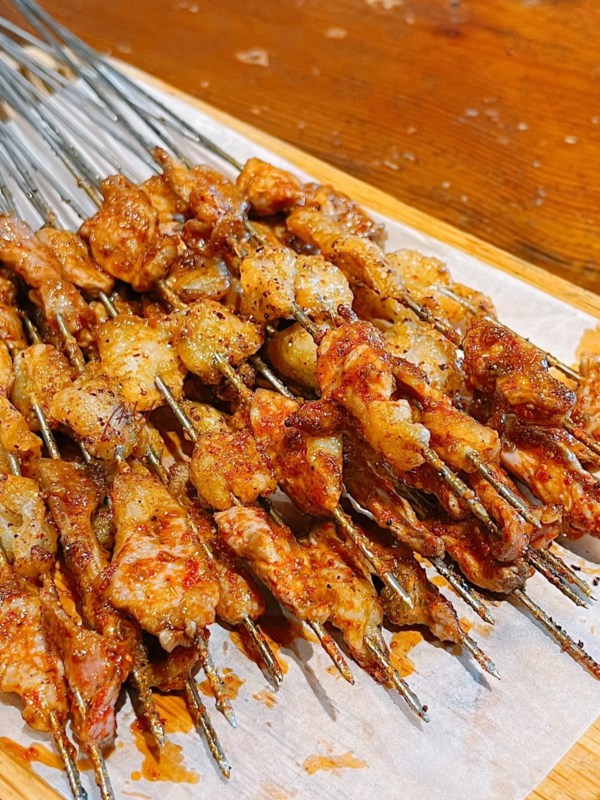
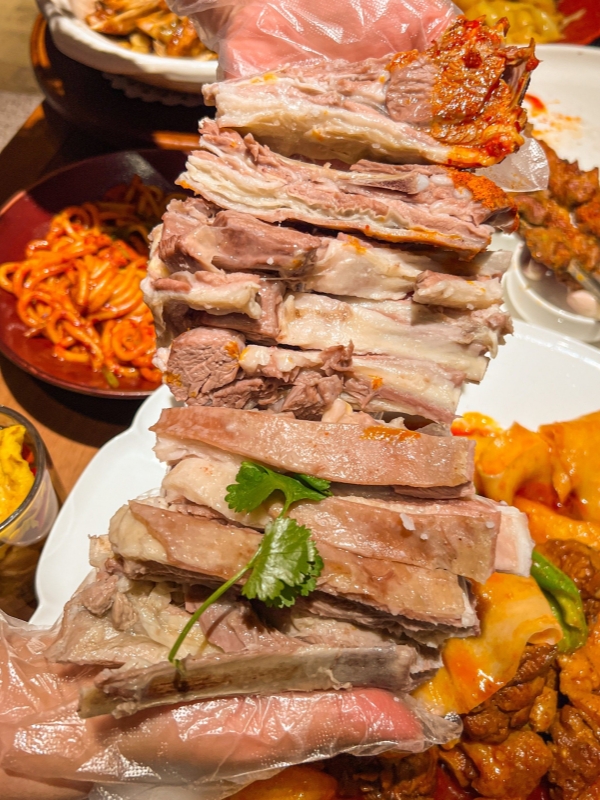
Lamb Skewers (羊肉串) - The Undisputed Champion
At any large entrance of the Great Wall, you’ll notice vendors set up roughly 50 meters from the ticket gates—portable grill carts, glass boxes with baozi, and carts stacked with corn. The most iconic experience begins here. The first you’ll encounter are the lamb skewer sellers, loudly advertising their sticks of meat. The smoke and cumin aroma hit you first. Chinese families buy them, individual hikers grab three or four, and tour groups often pause at this point.
The prices vary by entrance. In 2025, skewers at Badaling cost ¥6-8, slightly cheaper at Mutianyu (¥5-6). Order in Chinese by saying yang rou chuan (羊肉串) and count fingers. Watch for vendors without displayed prices—they may overcharge. Freshness is key: avoid meat left under heat lamps too long.
At Badaling, food courts near the cable car offer fried rice (¥25-35) and noodle soups (¥20-30), while Mutianyu’s small visitor building has slightly higher prices but cleaner setup. Baozi at the entrance, about ¥8 for three, are steamed every couple of hours.
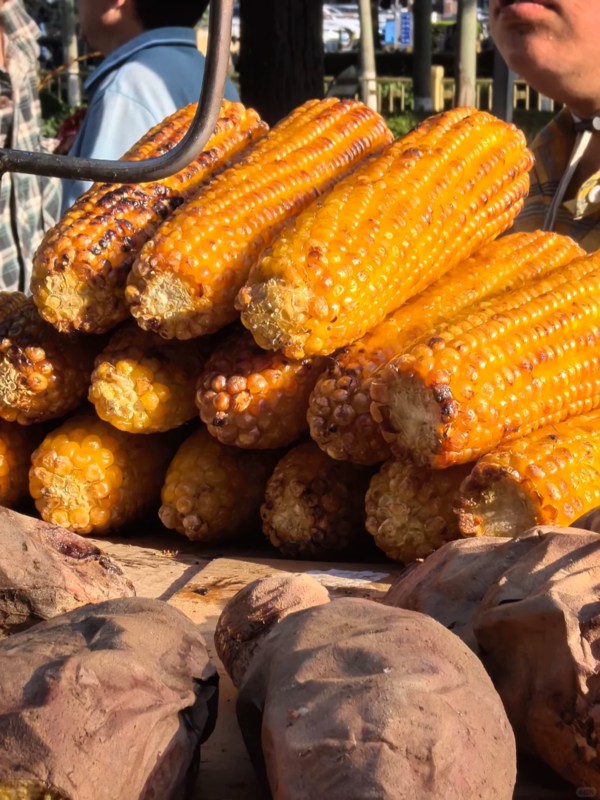
Grilled Corn on the Cob (烤玉米)
Corn may not seem exciting, but after an hour of climbing, it is a lifesaver. Vendors smoulder whole cobs in fire-drums, serving them plain (¥10-12) or brushed with salty-sweet sauce (¥15). Even vegetarians can enjoy this snack. The plain option is sufficient, while the sauce adds flavor but makes it messier.
The food courts also offer pre-prepared dishes in steam trays, which can be grabbed quickly. Fried rice and noodle soups are hearty, particularly on colder days. The combination of vendor snacks and food court options ensures hikers stay fueled.
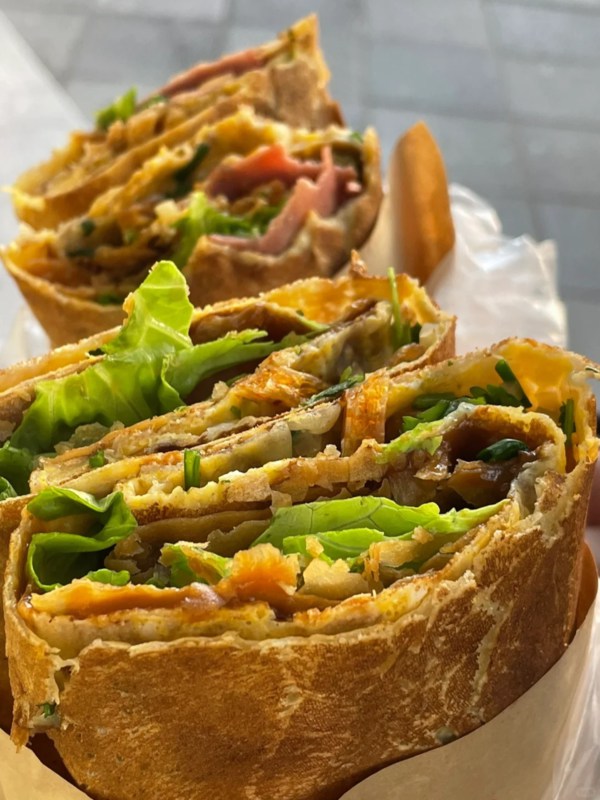
Chinese Crepes/Jianbing (煎饼果子)
Arriving early (around 8am) at Badaling or Mutianyu, you may find jianbing sellers near the entrances. The crepe is spread quickly on a round griddle with egg, sauce, and a crispy wonton cracker inside. Prices range ¥8-10, slightly higher with extra fillings. Freshness is crucial: the crepe should be hot and crisp.
These vendors operate before the main food court opens, so grabbing jianbing early provides energy before starting your climb. It complements other quick snacks like skewers or baozi for a convenient breakfast on the go.
Steamed Buns (包子) and Quick Fills
Baozi are ideal for hikers as they can be eaten with one hand. Vendors place metal steamers near food courts, with pork or vegetable options (mushroom, cabbage, or greens) costing ¥5-8 each. Quality varies; look for steam rising from baskets as a sign of freshness.
Food courts at Badaling and Mutianyu offer a sit-down option if desired, but these quick buns remain the most practical choice for mid-climb fuel.
Seasonal Specialties
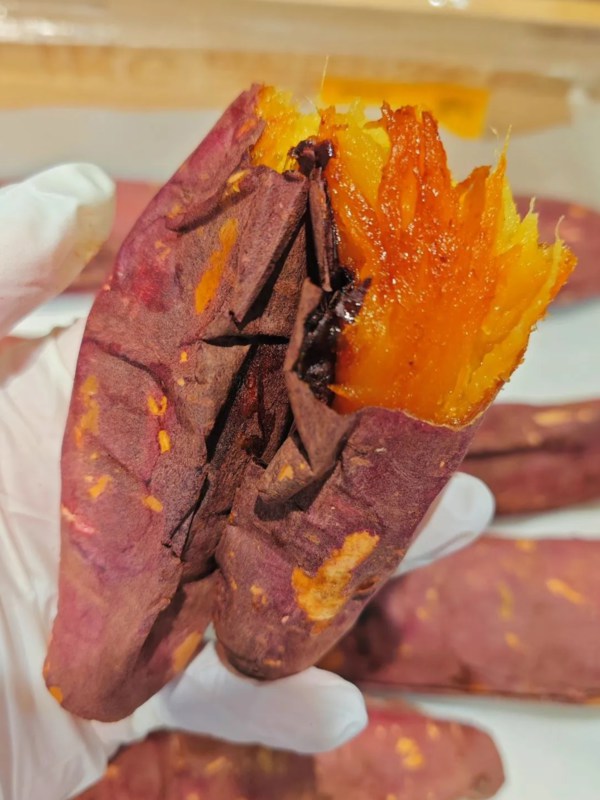
Summer brings watermelon vendors at Badaling (¥5-8 per bag) and extra cold drinks. In winter, roasted sweet potatoes appear, sold in modified oil drums with coals. One memorable Jinshanling seller chars them black outside, orange inside. Hot soy milk is also served in thermoses to keep hands and stomach warm.
Carrying a small snack backup is advised, particularly at less busy sections like Jinshanling and Simatai, where vendor options are limited. The nearby village restaurants provide proper meals if you finish your hike and need a sit-down experience.
Great Wall of China Food by Section: Where to Eat at Each Part
-
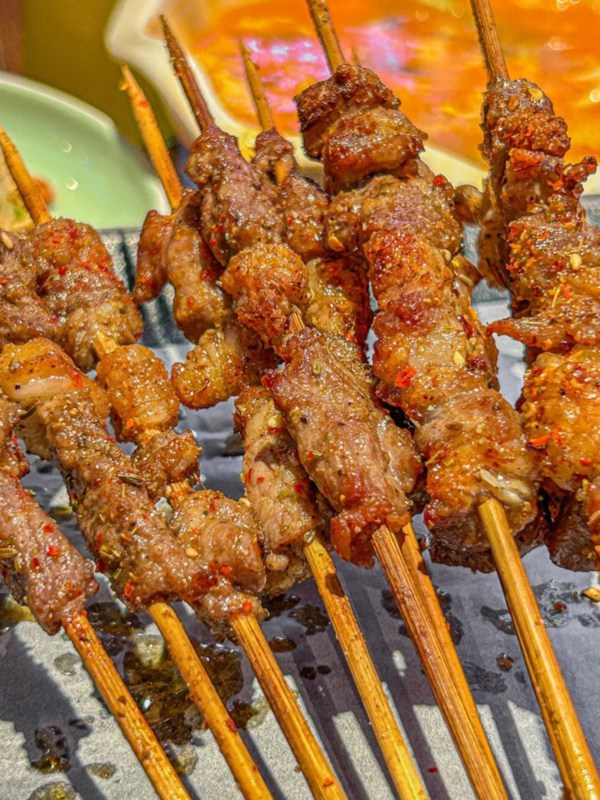

- Lamb Skewers in Badaling
-
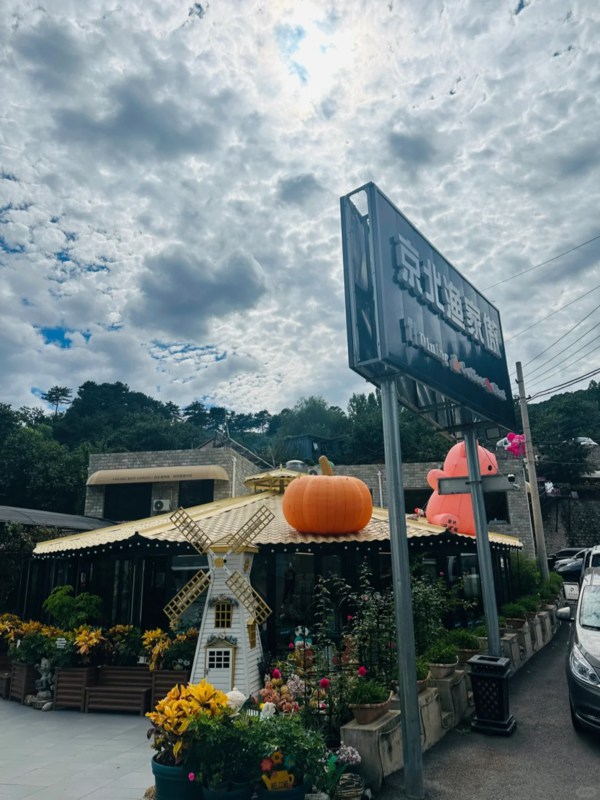
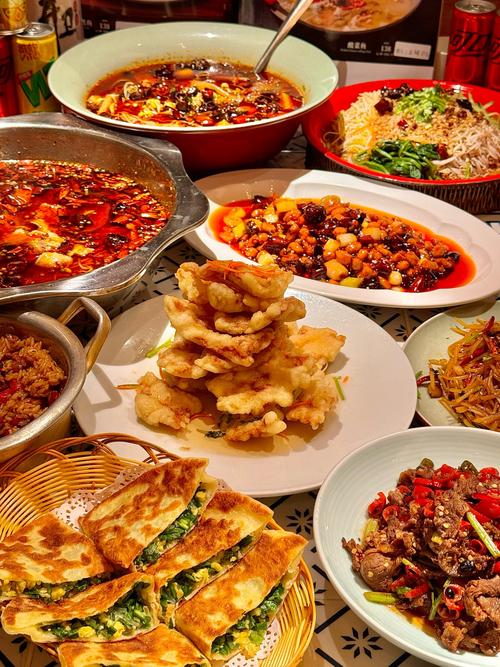
- Restuarant of Mutianyu
-
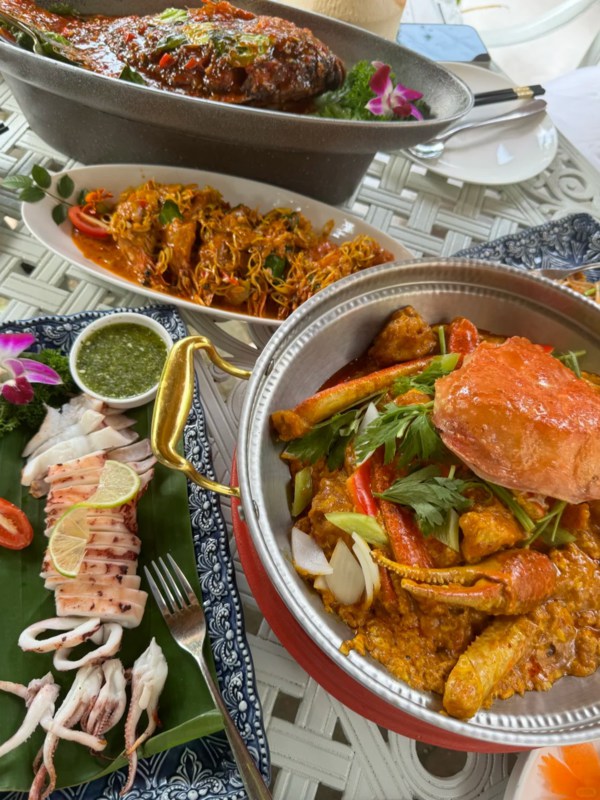
- Rice dishes in Jinshanling
Badaling: Most Options, Mixed Quality
Badaling has the most vendor action—I counted over 20 food stalls last time, spread between the parking lot and both entrance gates. The badaling great wall food options cover everything from lamb skewers to instant noodles in styrofoam cups. Prices lean tourist-heavy. Expect ¥8 per lamb skewer versus ¥5-6 at quieter sections. Corn runs ¥15, baozi ¥10 for three. You're paying for convenience.
The south entrance vendors generally treat you better. There's a middle-aged woman running a baozi steamer about 30 meters from the ticket booth—red umbrella, can't miss it. Her pork buns actually have meat in them, not just fat. For skewers, the guy in the blue cap doesn't hassle tourists and his lamb stays tender.
Timing matters here. Between 10am and 2pm, the vendor area turns into chaos. Lines form, prices jump, food quality drops because everyone's rushing. Hit the stalls before 9:30am or after 3pm for better odds. I usually buy skewers on the way out instead of before climbing—hungrier then anyway, and afternoon crowds thin out.
Mutianyu: Better Quality, Higher Prices
Mutianyu attracts less tour buses and this is why the mutianyu great wall dining experience is not as chaotic. The sellers in this case appear more interested in the recurring business rather than one-time tourists. The food is a little more expensive, perhaps 1-2 per dish more, but actually, I believe it is justified. It is a cili-garlic sauce offered by one of the vendors along the cable car station, which he brushes onto grilled products. I do not know what is in it, but it has much kick and real bits of garlic, not that watered-down stuff that you find at Badaling.
There is the tiny restaurant within the visitor center, where they serve real sit-down meals in case you feel like it. Fried rice, noodle bowls, stir-fried vegetables. Nothing elaborate but the servings are large. A full meal at the place will cost you about ¥40-60 per capital. The outside food court is cheaper- same arrangement as Badling with better cleanliness. Depending on your budget, budget 30-50, especially when you are only taking snacks and a beverage with the vendors. That ordinarily includes two or three items with water.
Jinshanling & Simatai: Limited but Authentic
These are not the areas that receive the high number of tourists, and thus there will be few food vendors. The number of stalls that Jinshanling could have on a good day was five or six, and that of Simatai even less. What they are offering is more genuine food close to jinshanling however- small businesses operating by local villagers, not professional sellers making a profit. I have purchased sweet potatoes of an elderly man who literally resides in the village below Jinshanling. He spits them in a barrel in front of his home and sells them at ¥5. That is all, no bargaining, the same price to all.
You have to carry your own snacks in case you are visiting these areas. The vendor options will not satisfy all of your requirements, in particular, when you are hiking half a day. In neighbouring villages are little restaurants, dirt-floor joints, no menus written, and perhaps three tables. Food is easy: noodles, rice meals, whichever vegetables it is. When you have time to follow up your hike and do not feel shy to dine in a converted living room of someone, it is something to experience. Simply do not look forward to English menus or credit card machines.
Here's how the Great Wall Food Comparison breaks down across major sections:
| Section | Food Variety | Price Range | Quality | Worth It? |
| Badaling | 20+ vendors, full food court | ¥30–50 per person | Mixed, hit or miss | Good for convenience |
| Mutianyu | 10–15 vendors, small restaurant | ¥40–60 per person | Better overall | Best balance |
| Jinshanling | 5–6 vendors, village spots | ¥20–35 per person | Authentic, basic | Bring backup snacks |
| Simatai | 3–4 vendors max | ¥15–30 per person | Limited choices | Definitely bring food |
Mutianyu wins on quality, Jinshanling wins on authenticity, Badaling wins on sheer volume of options. Pick based on what matters more to you—variety or avoiding tourist traps.
Local Tips for Enjoying Great Wall of China Food Like a Pro
Best Spots for Full Snack Variety & Timing Your Climb
For the most complete Great Wall food experience, focus on Badaling south entrance and Mutianyu cable car base. Badaling offers over 20 vendors with everything from lamb skewers and grilled corn to jianbing and baozi. Mutianyu is cleaner, with slightly higher-quality snacks. Plan your hike so you reach these spots mid-morning or after the climb—this ensures the food is fresh, avoids peak crowds, and matches your energy needs. Watching locals buy food is the easiest way to spot the freshest options.
Efficient Descent & Nearby Meal Options
Descending strategically can help you grab a proper meal without backtracking. If you start early, you can snack mid-morning and arrive at a village restaurant around lunch or late afternoon. Nearby restaurants like Xiaolou Farmhouse (Mutianyu) or Jinshanling Village Kitchen offer freshly prepared local dishes for ¥30–50 per person. Hitting them post-hike avoids busy food courts and ensures hot, satisfying meals. Carry a small bag for trash if you bring your own snacks.
Payment & What to Bring
Street vendors mostly accept cash only, some accept Alipay or WeChat Pay. Food courts near cable cars are more flexible, but remote vendors often aren’t. Bring ¥50–100 in cash just to be safe. Water is essential—carry at least one liter per person. Snacks like nuts, energy bars, or dried fruit are useful for sections like Jinshanling or Simatai, where vendor options are limited. Quick portable foods complement vendor options and keep you fueled on steep climbs.
Beyond the Wall: Restaurants Near the Great Wall Worth Visiting
-
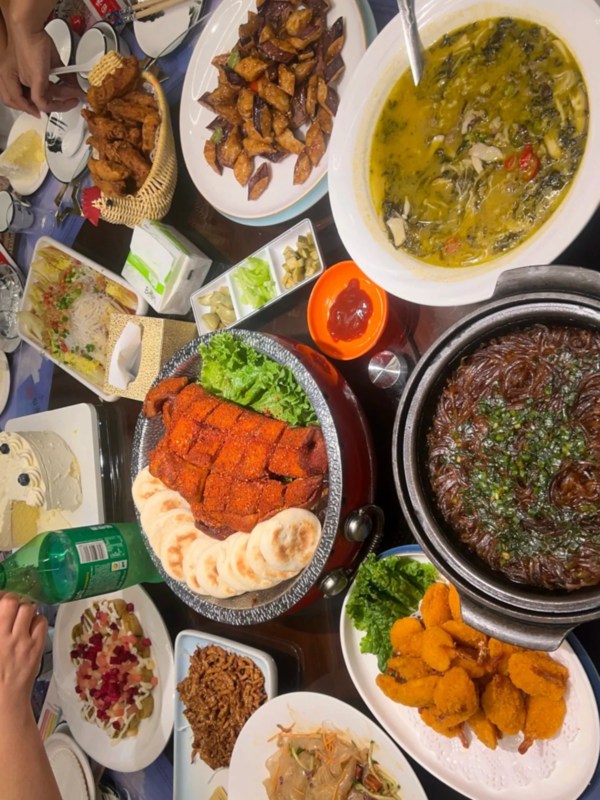
- Xiaolou Farmhouse Restaurant
-
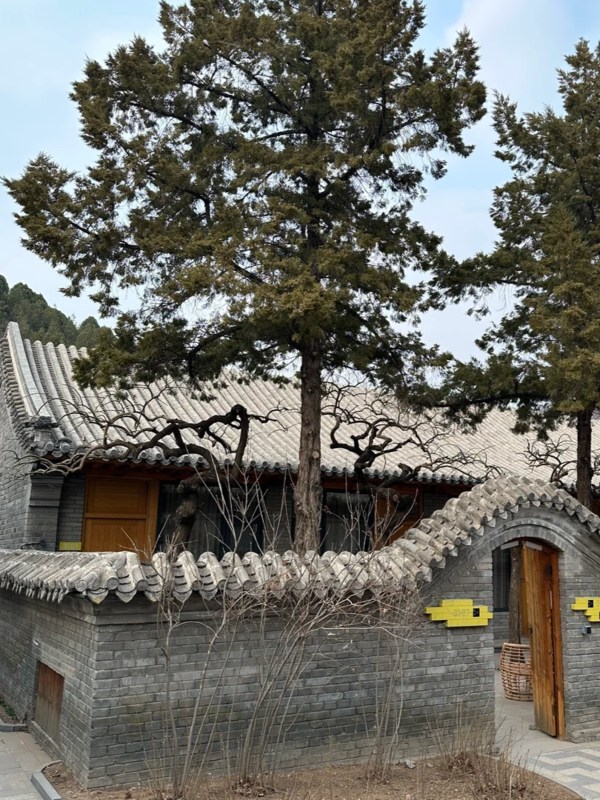
- Jinshanling Village Kitchen
-
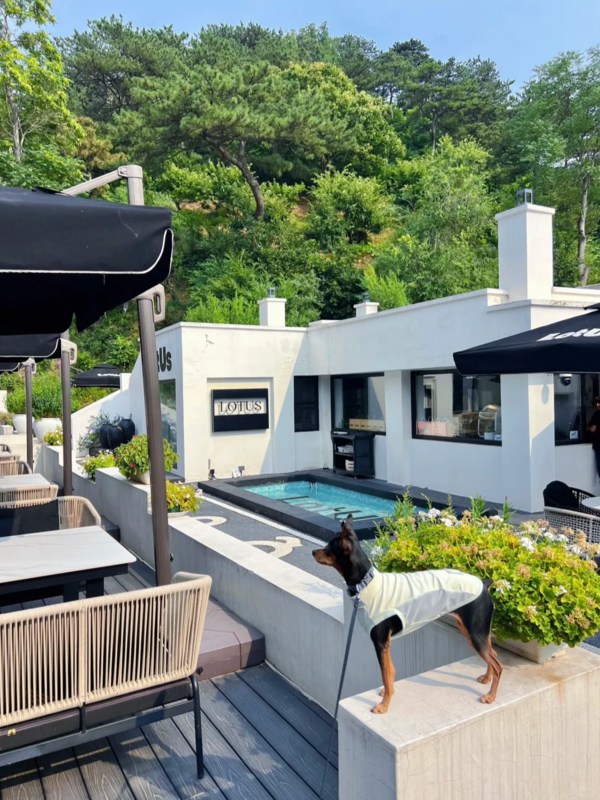
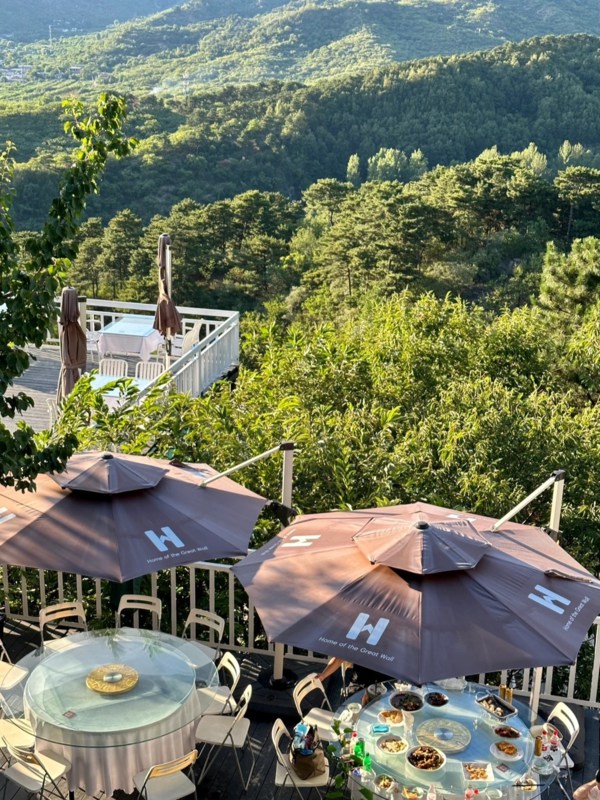
- Western Restuarant of Mutianyu
Most blogs point you toward Beijing city restaurants 70 kilometers away. That's useless after a three-hour climb. These spots sit within 30 minutes of major wall sections—actual nearby options for a proper sit-down meal once you're done hiking. Not vendor food, not food courts. Real restaurants where you can rest your legs and eat something more substantial. If you're planning your day trip and wondering how to fit in meals around your hiking schedule, we've mapped out the timing and logistics in our detailed Great Wall of China day trip guide.
Local Village Restaurants (Authentic Experience)
Xiaolou Farmhouse Restaurant (小楼农家乐) sits about 15 minutes from Mutianyu by car, tucked in Beigou Village. Locals go there for the braised pork belly and hand-pulled noodles. The owner's wife makes everything in a kitchen you can see from your table. Expect to pay around ¥40-50 per person for a full meal with rice and vegetables. No English menu, but they'll bring you to the kitchen and you just point at what looks good. To get there from Mutianyu, grab a taxi near the parking lot—drivers know the place.
Jinshanling Village Kitchen (金山岭村厨房) operates out of someone's converted house about 10 minutes from Jinshanling section. They serve whatever's seasonal—I've had incredible stir-fried greens there in summer, and a potato-chicken stew in winter that I still think about. Budget ¥30-40 per person. Walk down the main village road from the Jinshanling entrance, turn left at the second intersection. No reservation needed, just show up.
These restaurants near great wall sections close early—usually by 7pm or 8pm. Don't plan on dinner there unless you finish your hike by late afternoon.
English-Friendly Options
The Schoolhouse at Mutianyu has actual English menus and staff who speak enough English to take your order without charades. It's a converted schoolhouse, feels semi-upscale compared to village spots. They do Western-Chinese fusion dishes—things like black bean chicken alongside pasta. You'll pay more, around ¥80-100 per person, but it's the easiest tourist-friendly dining near great wall if you don't speak Chinese. The trade-off is clear: convenience costs extra, and the food tastes less authentically local.
FAQ About Great Wall of China Food
Q: Is the food at the Great Wall of China expensive?
Compared to Beijing city prices, yeah, it's marked up. Great wall of china food prices run about 30-50% higher than what you'd pay at a random street stall in downtown Beijing. A lamb skewer that costs ¥5 in the city goes for ¥6-8 at Badaling. But is it expensive compared to tourist sites anywhere else? Not really. You can still eat for ¥30-50 total if you stick to basic items—couple skewers, some corn, maybe a baozi or two. The markup exists because vendors know you're stuck there. My advice? Expect tourist pricing but don't stress about it. The convenience is worth a few extra yuan when you're hungry and miles from the nearest city restaurant.
Q: Can I bring my own food to the Great Wall?
Absolutely. Nobody checks your bag for sandwiches. Bringing food to great wall sections is common—I see Chinese families unpacking entire picnics on the wall itself. Pack things that won't spoil in heat: crackers, nuts, dried fruit, energy bars. Avoid anything that needs refrigeration unless you've got a proper cooler. Water is essential, bring at least one liter per person. Just remember you're responsible for your trash. There are bins at major rest points, but not everywhere. Carry a small bag for wrappers and don't leave garbage on the wall. Vendors might give you dirty looks for eating your own food near their stalls, but there's no rule against it.
Q: What is the most popular great wall of china food among tourists?
Lamb skewers win by a landslide. Every third person walking past vendors is holding at least one stick. They're the most popular great wall of china food because they hit all the right notes—portable, filling, smell amazing, and they're distinctly Chinese enough to feel like part of the experience. Grilled corn comes in second, probably because vegetarians need options too. Baozi rank third, mostly bought by people who want something quick before starting their climb. The popularity makes sense. Skewers are cheap enough that you don't feel ripped off, substantial enough that they actually help with the hike, and honestly, the cumin-lamb combo is just good. Hard to go wrong with grilled meat.
Q: Are there vegetarian food options at the Great Wall?
More than you'd expect, actually. Grilled corn is everywhere and fully vegetarian. Vegetable baozi show up at most steamer stalls—usually cabbage or mushroom filling. Some vendors sell roasted sweet potatoes in winter. You'll find packaged snacks too: crackers, chips, fruit. The vegetarian options great wall vendors offer aren't extensive, but they exist. If you want to communicate dietary restrictions in Chinese, say "wo chi su" (我吃素)—means "I eat vegetarian." Most vendors will point you toward their non-meat items. It's not a vegetarian paradise, but you won't starve either. Just don't expect variety beyond corn, buns, and maybe some plain noodles at the food courts.
Q: Is it safe to eat street food at the Great Wall of China?
Generally, yes. I've eaten vendor food at the wall maybe 15 times over the years and never gotten sick. Great wall street food safety isn't perfect, but it's not the horror show some travelers imagine. Vendors cook meat fresh on grills you can see, which helps. The high turnover at busy sections like Badaling means food doesn't sit around long. What should you watch for? Avoid anything pre-cooked and sitting under heat lamps for unknown amounts of time. Stick with items grilled or steamed to order. If a vendor's setup looks genuinely filthy—like unwashed hands, flies everywhere—just walk to the next stall. Use common sense basically. I wouldn't worry too much unless your stomach is extremely sensitive.
Q: What should I eat before climbing the Great Wall?
Something with carbs and protein, but not so heavy that you feel sluggish. Food before great wall climb should fuel you without sitting like a rock in your stomach. I usually grab baozi or jianbing if I'm there early enough—gives me energy without making me feel overstuffed. Rice or noodles work too if you're eating at your hotel before heading out. Timing-wise, eat 30-60 minutes before you start climbing. Any sooner and you'll get hungry mid-hike, any later and you might feel too full for the steep sections. Avoid super greasy or spicy food right before. Your body needs blood flow for your legs, not your digestive system. And drink water but don't chug a liter right before starting.
Q: Can I find Western food at the Great Wall?
Very limited. Badaling's visitor center sometimes has a small KFC or McDonald's-type counter, but I wouldn't count on it. Western food options great wall areas are basically non-existent once you're outside the main tourist complexes. You might find packaged cookies or chips that look vaguely Western. That's about it. Honestly? Just embrace the local food for a few hours. It's part of the experience. If you're really struggling with Chinese food, bring your own protein bars or whatever you need. But going to the Great Wall and demanding a burger feels like missing the point. You're already there, you've traveled all that way—try the lamb skewers, eat some corn, see how it goes.
Q: How much should I budget for food at the Great Wall?
Depends on how hungry you are. For a light snack setup—two lamb skewers, one corn, maybe a drink—budget around ¥25-35. That's the bare minimum. For a moderate great wall food budget where you actually fill up—four or five skewers, corn, baozi, water, maybe a sweet potato if it's cold—plan on ¥45-60 per person. If you want to sit down at a food court and get an actual meal, add another ¥20-40 on top. These are 2025 prices at Badaling and Mutianyu. Jinshanling runs cheaper, maybe ¥15-25 total for vendor snacks since there's less tourist markup. I usually bring ¥50-80 in cash just to be safe, knowing I probably won't spend it all.