dongbei cuisine
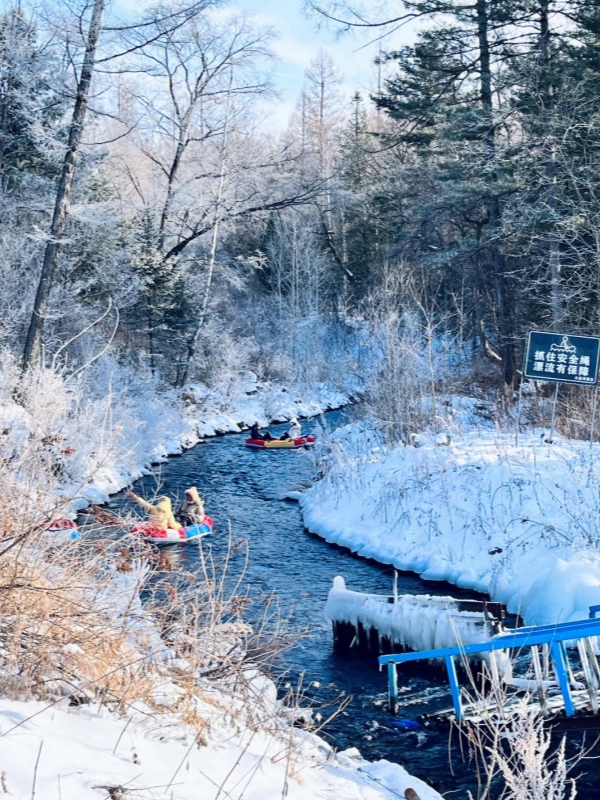
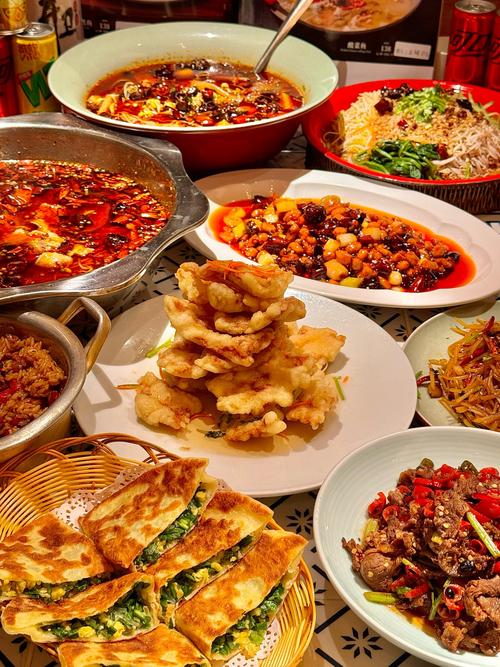
Dongbei cuisine comes from China's three northeastern provinces, where winters drop to -30°C and hospitality runs as warm as the steaming hot pots. You know, this regional food style balances sweet, sour, and savory without the intense spice of Sichuan or the delicate precision of Cantonese cooking. What really surprised me was discovering that you'll find hearty stews, crispy fried dishes, and portions generous enough to feed small armies. Russian immigrants, Korean communities, and traditional Manchurian culture all shaped these flavors, creating something uniquely accessible for international travelers.
This guide walks you through the best dishes and restaurants across Heilongjiang, Jilin, and Liaoning provinces. Actually, you'll learn which cities serve the most authentic dongbei cuisine flavors, how to order without speaking Chinese, what each meal should cost, and how to avoid common tourist mistakes. Whether you're visiting winter ice festivals or summer mountain resorts, you'll know exactly where to eat and what to expect.
Quick Regional Overview: Your Northeast China Food Map
| Province | Signature Dongbei Cuisine Dishes | Best Season | Must-Try Experience |
|---|---|---|---|
| Heilongjiang | Sweet & Sour Pork (锅包肉), Red Sausage, Frozen Pears | Winter (Dec-Feb) | Century-old Russian restaurants on Harbin's Zhongyang Street |
| Jilin | Ginseng Chicken Soup, Cold Noodles, chicken stewed with mushrooms | Year-round | Long White Mountain Ginseng Foraging + Yanbian Korean Cultural Immersion |
| Liaoning | Fresh Seafood, Pork Stew with Vermicelli, BBQ | Summer (Jun-Aug) | Dalian Bay Market: select your seafood, eat it 30 minutes later |
❄️ Before diving into Northeast China’s iconic comfort food, check out Northeast China Travel 2025: Harbin Ice Festival, Changbai Mountain & Complete Itineraries to get fully prepped
Heilongjiang: Where Russian Railways Brought Borscht and Dongbei Cuisine Made It Legendary
Heilongjiang Province anchors China's northeastern tip, where Russian engineers built the Chinese Eastern Railway in 1898. Harbin earned its "Eastern Moscow" nickname from this history. Today, Orthodox church domes overlook streets selling both borscht and baozi, while century-old Western restaurants operate alongside traditional Chinese eateries. This cultural layer cake makes Heilongjiang the most internationally accessible entry point to dongbei cuisine.
Sweet & Sour Pork: The Diplomatic Dish That Became Dongbei Cuisine's Icon
-

- Sweet & Sour Pork
-
- Lao Chu Jia (老厨家)
-
- Dongbei La Pi
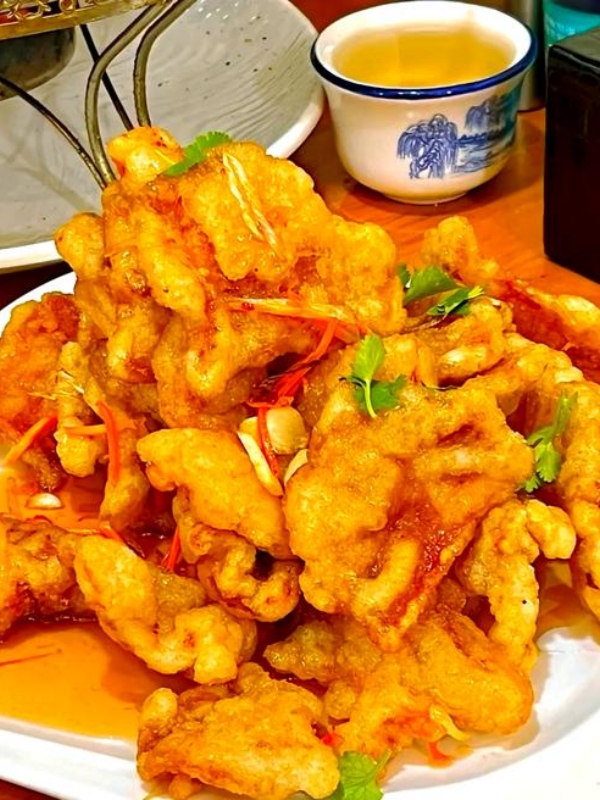
During the Qing Dynasty, chef Zheng Xingwen worked at Harbin's Daotai Prefecture where Russian diplomats attended official banquets. They found traditional Chinese dishes too salty, so Chef Zheng adapted his crispy pork strips with sweet-sour sauce instead of savory flavors. The diplomatic success turned into Harbin's signature dish.
The cooking technique matters enormously in authentic dongbei cuisine. Double-frying creates the magic—the first fry sets the shape, while the second creates that shatter-crisp exterior. The sauce balances tomato paste, sugar, and vinegar in precise ratios. Done correctly, each bite delivers drama: crispy coating that crunches audibly, tender meat underneath, sweet-sour sauce hitting every taste receptor at once.
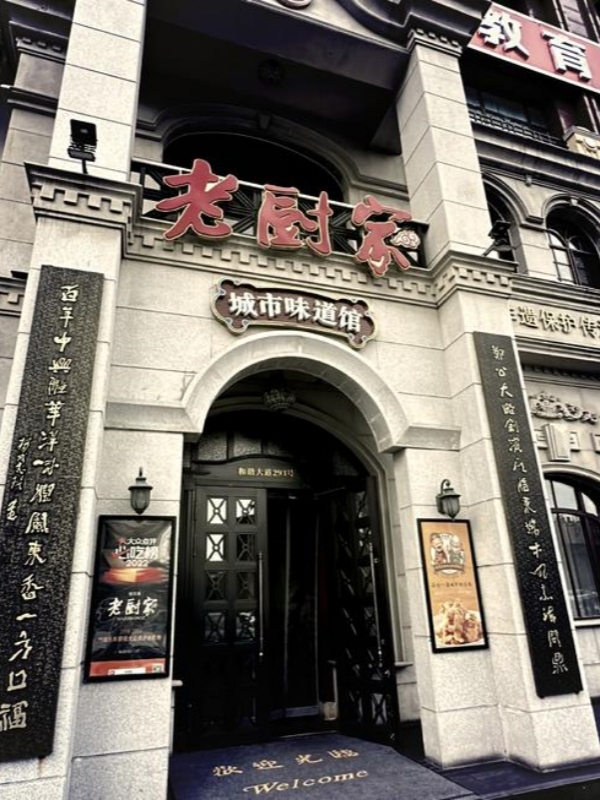
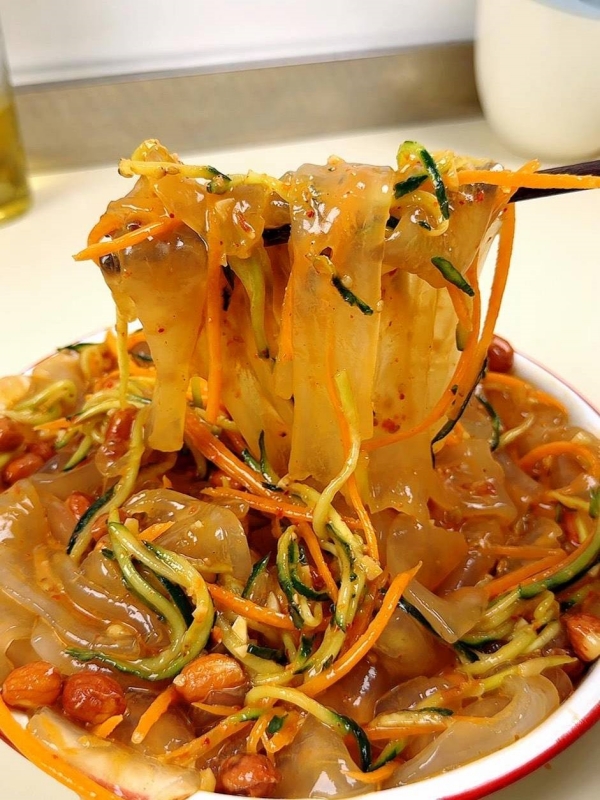
Lao Chu Jia on Zhongyang Street (Number 129) serves the authentic version—the founder's descendants still run it. You'll pay 48-68 RMB per portion that feeds 2-3 people. Peak lunch hours mean 1-2 hour waits, so smart travelers arrive at 3-4 PM instead. Actually, I'd recommend ordering dongbei la pi (cold noodle salad, 12 RMB) alongside to cut through the richness. One critical tip: eat fast, because the magical crispiness fades within 15 minutes as sauce softens the coating.
Century-Old Restaurants Still Serve Pre-Revolution Russian Recipes as Part of Dongbei Cuisine
-
- Churin Red Sausage
-
- Tados Western Restaurant (塔道斯西餐厅)
-
- Borscht
The Chinese Eastern Railway brought more than engineers—it established permanent European food culture. By 1920, dozens of Russian bakeries, cafés, and restaurants operated in Harbin. Many survived wars, revolutions, and regime changes. Today, Harbin proudly claims its "Capital of Western Cuisine" title from the China Hotel Association.
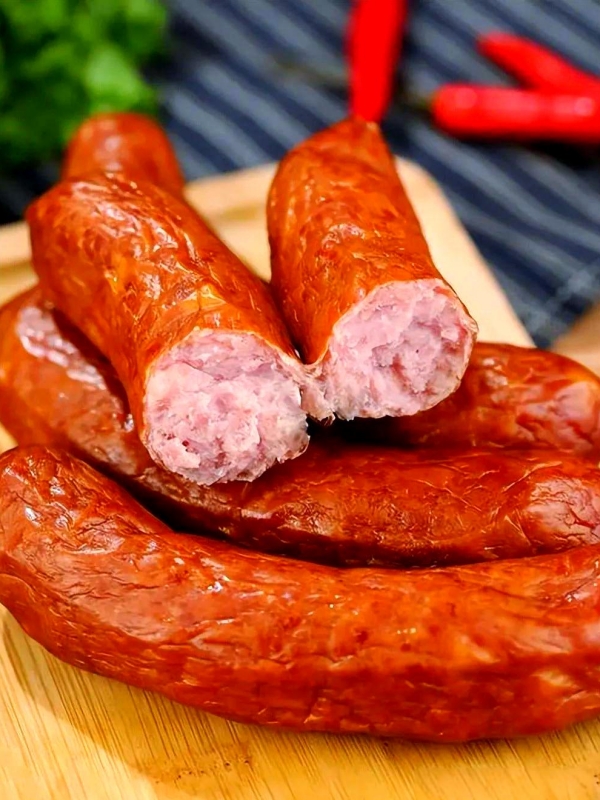
Red sausage (hong chang) embodies this Russian-Chinese fusion perfectly. The recipe follows traditional methods—pork mixed with garlic and spices, smoked over fruitwood. However, Chinese preferences shaped the final product: less fatty than European versions, stronger garlic presence. Locals eat it cold, sliced thin, paired with black bread and Harbin beer. Buy authentic versions at Qiulin Company on Zhongyang Street for 50-80 RMB per kilogram.
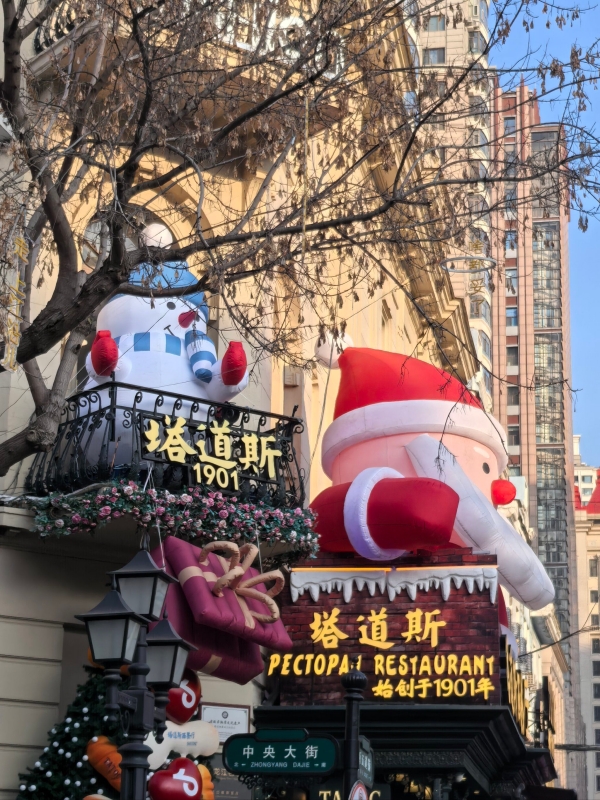
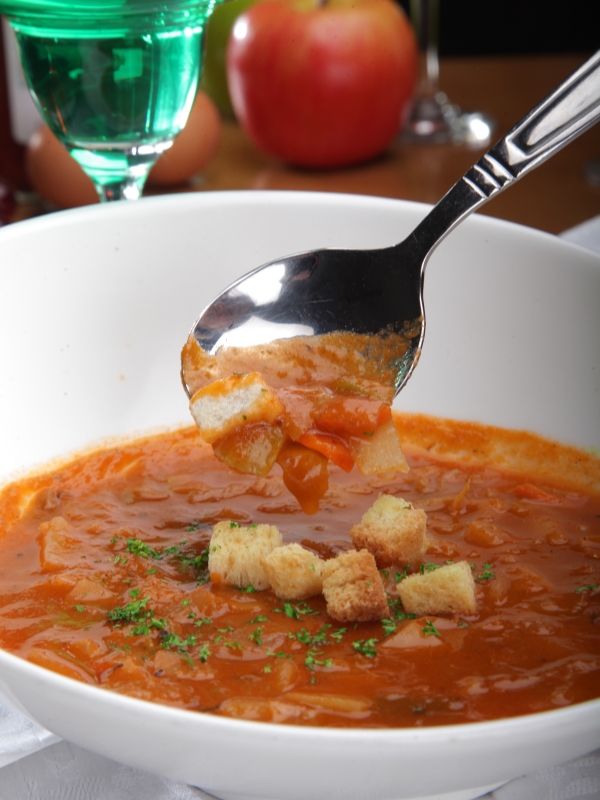
For the full experience, descend into Tados Restaurant at 127 Zhongyang Street. This 1901 establishment sits underground, and walking down those stairs feels like time travel. Dim chandeliers cast shadows across red velvet booths, while a pianist plays Russian folk songs. To be honest, the menu hasn't changed much in 120 years—borscht arrives in copper pots, beef stroganoff in ceramic crocks, served with baskets of black bread for soaking up sauce. Dinner runs 150-200 RMB per person, and weekend reservations are essential.
Qiqihar BBQ: How Internet Fame Exposed This Dongbei Cuisine Gem
-
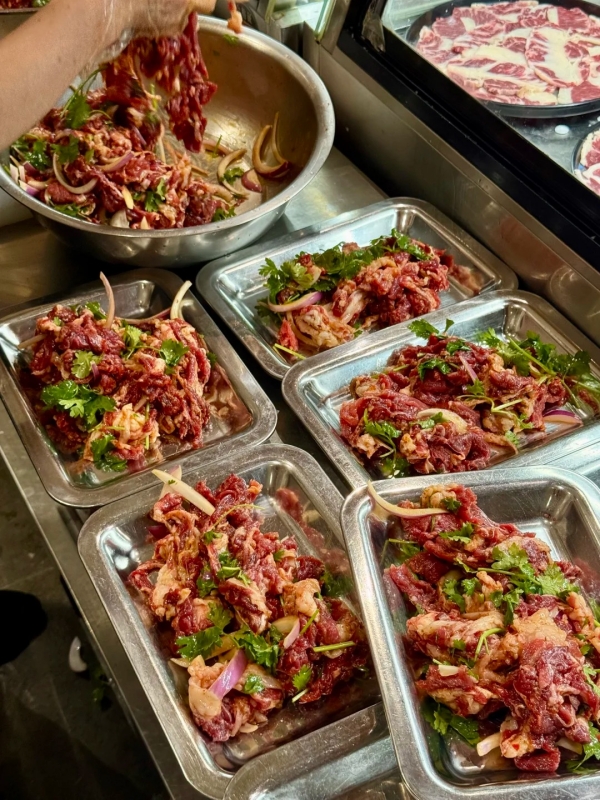
- Qiqihar Beef and Pork
-
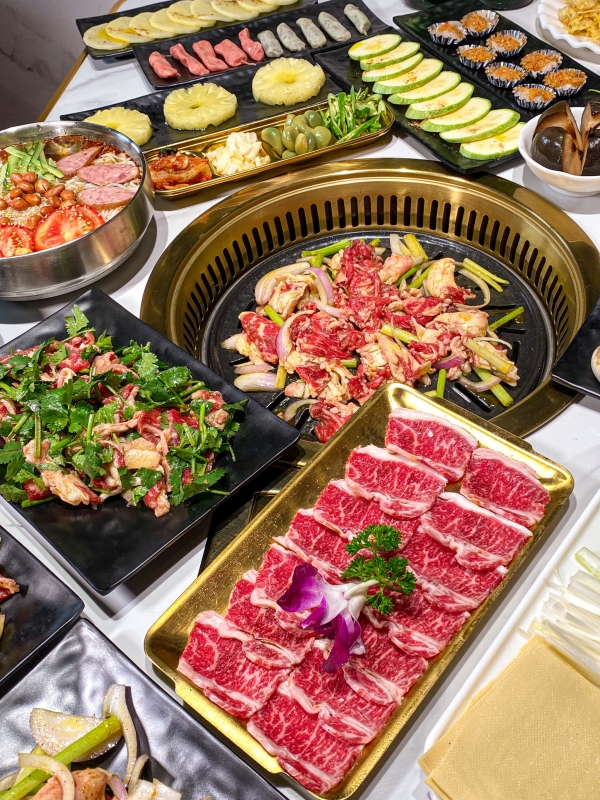
- Qiqihar BBQ
-
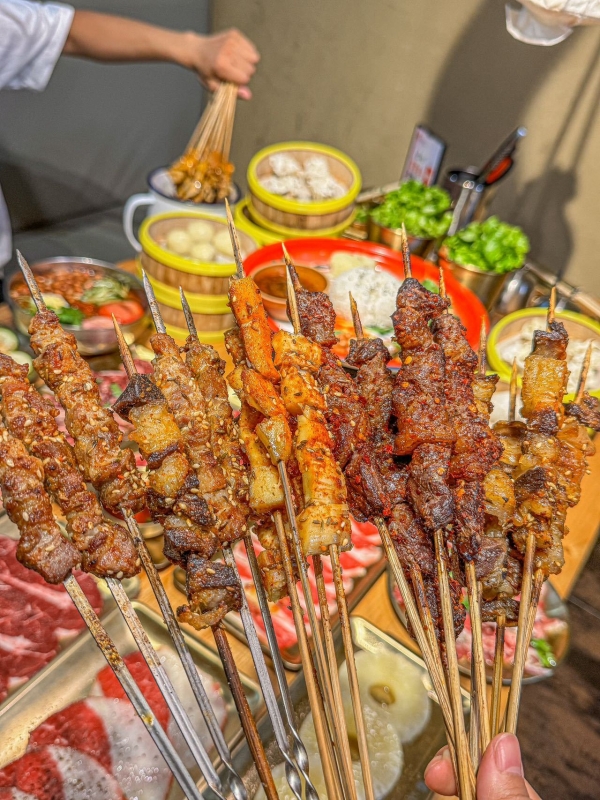
- Qiqihar BBQ
Qiqihar exploded onto China's social media in 2023-2024 when food bloggers discovered what locals knew for decades. The region's ecological beef and pork provide exceptional quality, but the real secret lies in preparation and serving method.
Unlike Xinjiang's cumin-heavy skewers or Korean marinated meat, Qiqihar BBQ emphasizes the protein itself. Vendors pre-marinate cuts in soy sauce, garlic, and subtle sweetness. Then comes the signature serving style: you wrap grilled meat in crisp lettuce or perilla leaves with raw garlic and fermented bean paste. This creates layers of contrasting flavors—hot and cold, fatty and fresh, sweet and funky.
What really makes this special is the interactive experience. Tables pile high with lettuce, condiment bowls, and sizzling skewers. Finding specific restaurants proves challenging for non-Chinese speakers, so look for packed places after 6 PM—locals don't eat barbecue for lunch. You'll pay 80-120 RMB per person for a filling meal. Moreover, Qiqihar sits about 3 hours by train from Harbin, making a perfect day trip.
Frozen Fruit in Sub-Zero Weather: The Dongbei Cuisine Tradition That Sounds Crazy Until You Try It
-
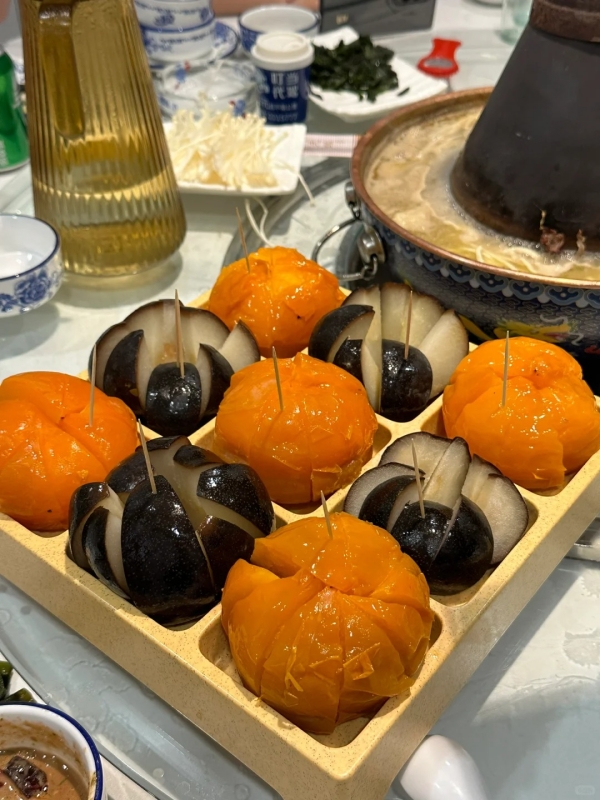
- Frozen Pears and Persimmons
-
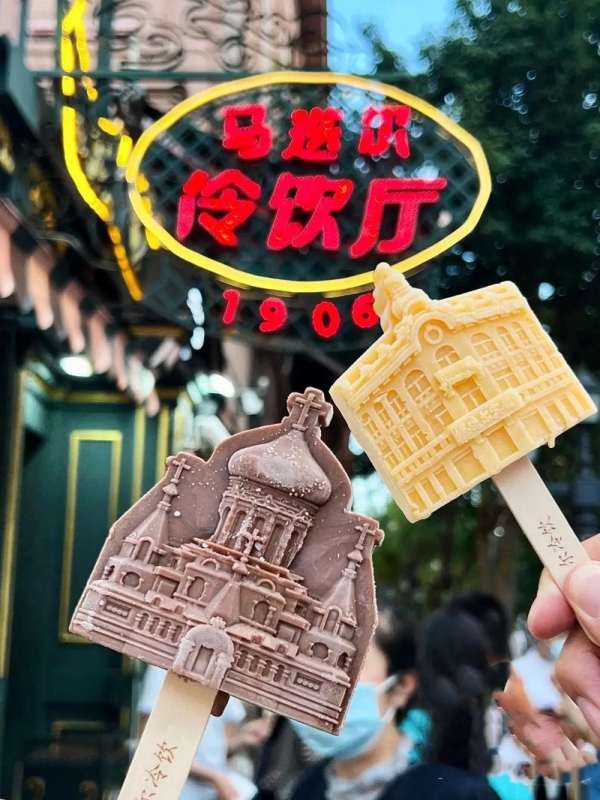
- Madier Ice Cream Bar
-
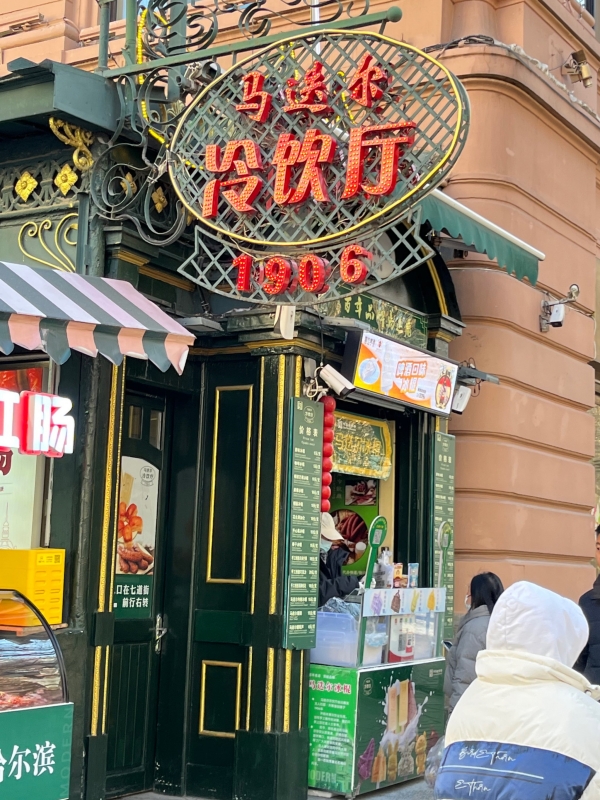
- Madier Store
Dongbei cuisine's frozen food culture started from necessity before refrigeration existed. Winter's natural freezer preserved food for months. Today, frozen treats remain popular as beloved delicacies rather than survival food.
Frozen pears (dong li) look nothing like fresh ones—freezing turns them purple-black with a frosted coating. Thaw them partially in cold water for 30 minutes until the flesh becomes slushy while staying ice-cold. The proper technique involves sucking out the juice first, then eating the sweet, icy flesh. Actually, freezing intensifies the flavor into concentrated sweetness balanced by subtle tartness. Find them at any winter market from November through March for 5-10 RMB per kilogram.
Then there's Madier Popsicles, Harbin's famous ice cream since 1906. A French businessman started the company using only milk, eggs, sugar, and cream—no stabilizers or artificial flavors. This gives it a cleaner taste than modern ice cream. These popsicles famously sell better in winter than summer, which sounds counterintuitive until you try it. Eating ice cream at -25°C feels less cold because dry air and body heat quickly warm each bite. The official store sits prominently on Zhongyang Street at 5-10 RMB each, where lines form even in January.
Jilin: Where Mountain Treasures and Lake Bounty Define Dongbei Cuisine
Jilin Province sits between Heilongjiang and Liaoning, smaller in size but outsized in culinary importance. Changbai Mountain provides wild mushrooms, ginseng, and pristine water. Meanwhile, Chagan Lake hosts China's most spectacular winter fishing. Yanbian Korean Autonomous Prefecture adds Korean-Chinese fusion. This diversity makes Jilin essential for understanding dongbei cuisine's full range.
Ginseng Chicken Soup: Ancient Medicine Meets Modern Dongbei Cuisine Comfort
-
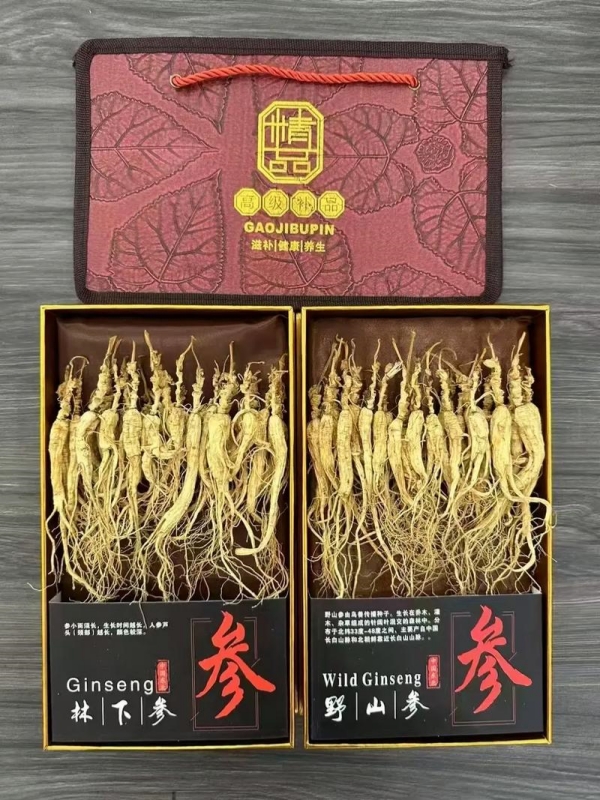
- Jilin Ginseng
-
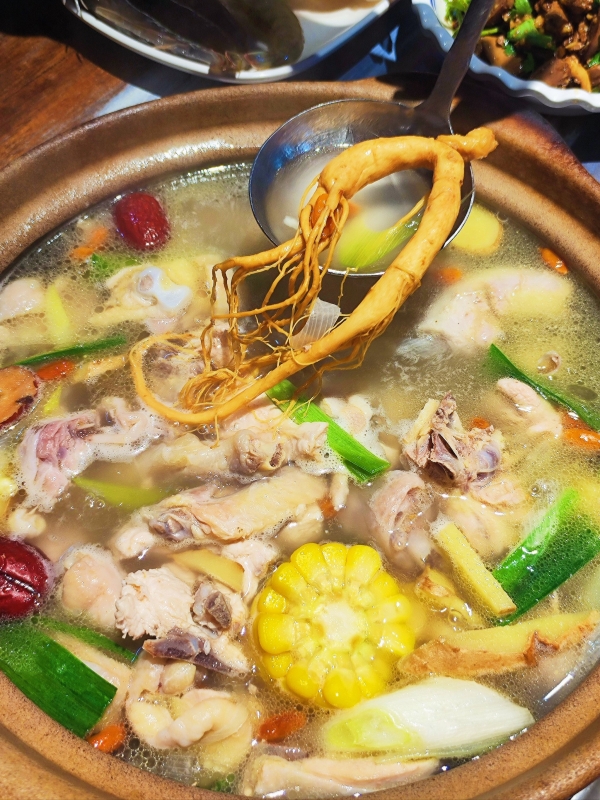
- Ginseng Chicken Soup
-
- Xinxing Garden Restaurant
Jilin produces 85% of China's ginseng, which explains the province's soup obsession. Ginseng chicken soup (ren shen ji tang) takes patience—whole young chickens simmer with whole ginseng roots, goji berries, and red dates for 3-4 hours. Slow cooking extracts maximum nutrients without bitter aftertaste.
The finished product arrives still bubbling in its clay pot, releasing steam that carries earthy, slightly sweet aromas. The broth shimmers crystal-clear gold, while the gnarled ginseng root looks almost ancient. Traditional Chinese medicine credits ginseng with qi-boosting and immune-strengthening properties. However, whether you believe in TCM or not, the soup provides genuine warmth and comfort that's hard to describe until you've experienced it.
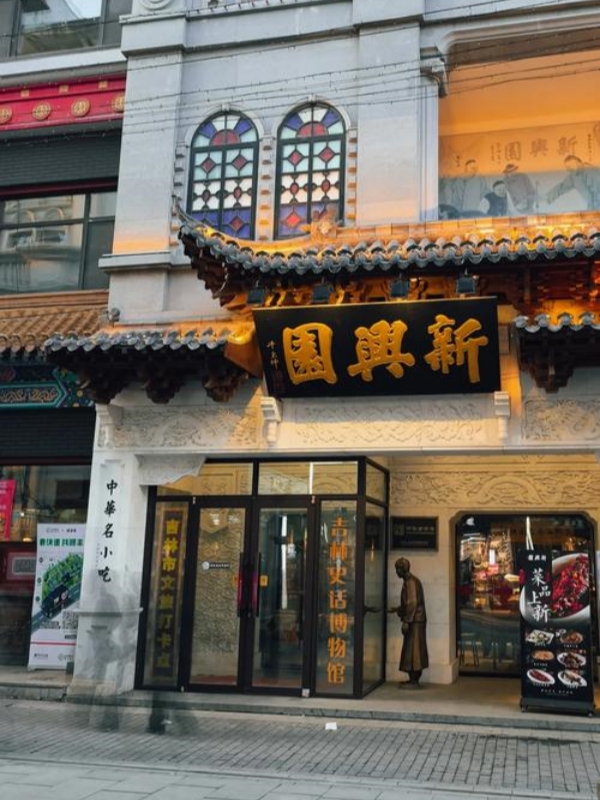
Xinxing Garden Restaurant in Jilin City (18 North Beijing Road, Chuanying District) has served this signature dongbei cuisine soup for decades. They charge 68-98 RMB per portion depending on ginseng quality. Order it as your meal's centerpiece, then add lighter side dishes for balance. Health warnings: pregnant women should avoid ginseng entirely, and people with high blood pressure should consult doctors before consuming it regularly.
Changbai Mountain Flavors: Foraged Delights and Snowy Winter Sweets
-

- Changbai Moutain Mushrooms
-
- Xiao Ji Dun Mo Gu
-
- Xue Yi Dou Sha
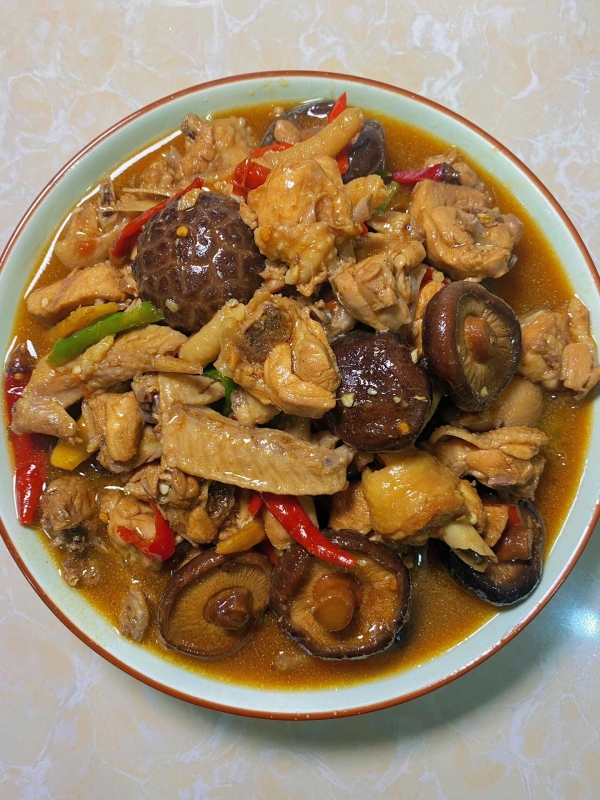
These mushrooms form the foundation for xiao ji dun mo gu (chicken stewed with mushrooms)—one of dongbei cuisine's most celebrated dishes. Free-range chicken simmers with rehydrated hazelnut mushrooms, vermicelli noodles, and simple seasonings for hours until the chicken falls off the bone and mushrooms absorb rich broth. The earthy, almost nutty mushroom flavor complements the chicken perfectly. Summer and autumn visitors can participate in mushroom foraging experiences on Changbai Mountain with local guides, then enjoy their harvest prepared at nearby farmhouse restaurants. The dish typically costs 58-88 RMB per serving at traditional restaurants.
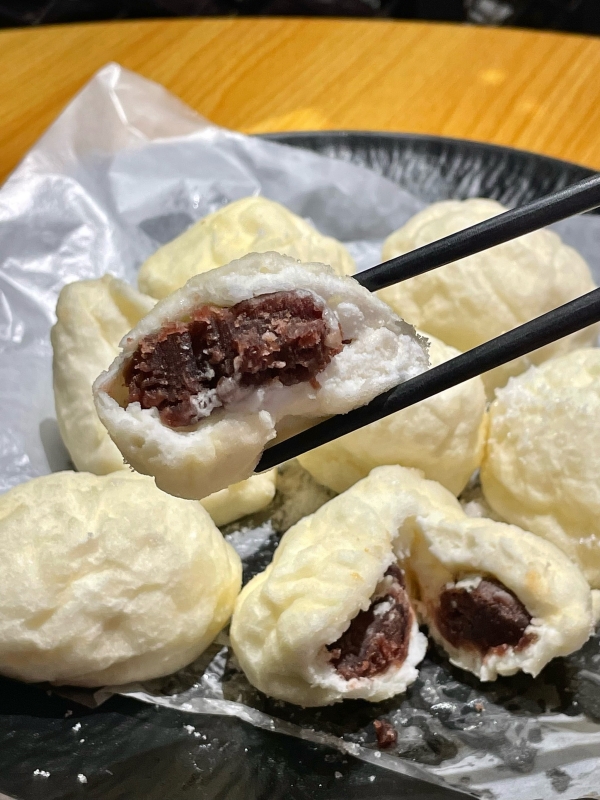
Jilin's traditional desserts also deserve attention, particularly xue yi dou sha (snowball sweet bean paste). This winter specialty wraps sweet red bean paste in fluffy egg white coating, then deep-fries it until golden. The result resembles a snowball—crispy white exterior concealing warm, sweet filling. The texture combines airy lightness with rich sweetness, making it a beloved dongbei cuisine treat during cold months. You'll find it at traditional restaurants across Jilin Province, typically costing 18-28 RMB per serving.
Korean-Chinese Fusion: How Yanji's Cold Noodles Redefined Dongbei Cuisine
-
- Yanbian Cold Noodles
-
- Da gao
-
- Rice Wine
Yanbian Korean Autonomous Prefecture borders North Korea and Russia. Ethnic Koreans comprise roughly 38% of the population, creating distinctive food culture that blends Korean traditions with Chinese ingredients and cooking methods. The result differs from both Korean and Chinese cuisine while remaining uniquely delicious.
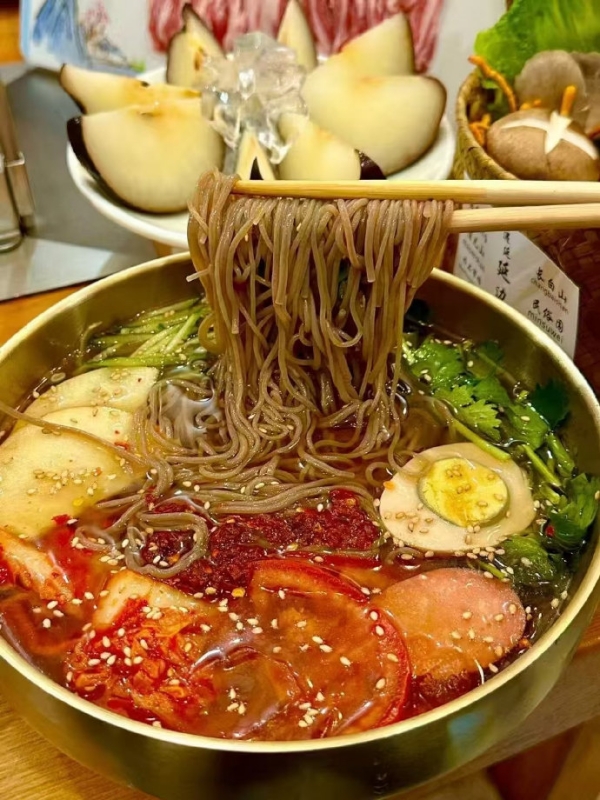
Cold noodles (leng mian) showcase this fusion perfectly. Unlike Korean naengmyeon, Yanji's version uses thicker buckwheat noodles and more broth. The soup base comes from beef or chicken stock, chilled until ice-cold, then balanced with vinegar and sugar. Moreover, toppings include sliced beef, boiled egg, cucumber strips, kimchi, and fresh pear or apple slices—that fruit addition adds refreshing sweetness that complements the tart broth.
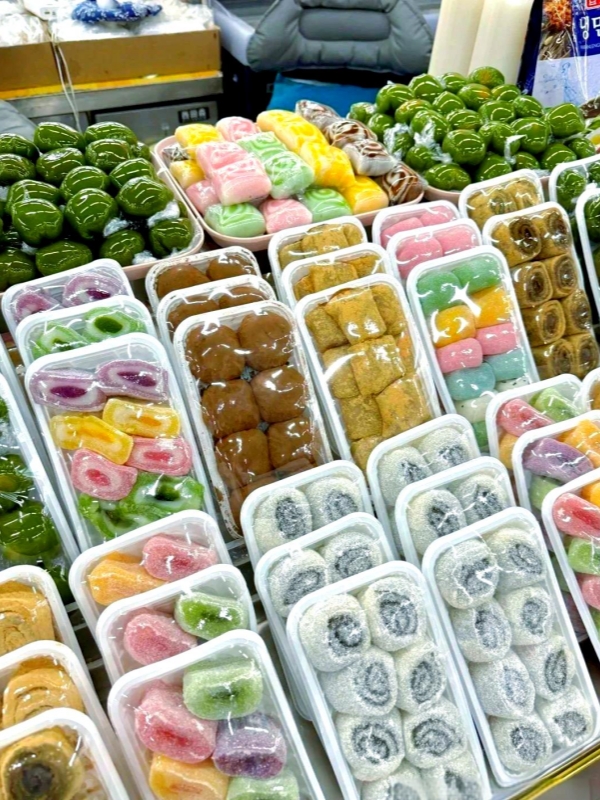
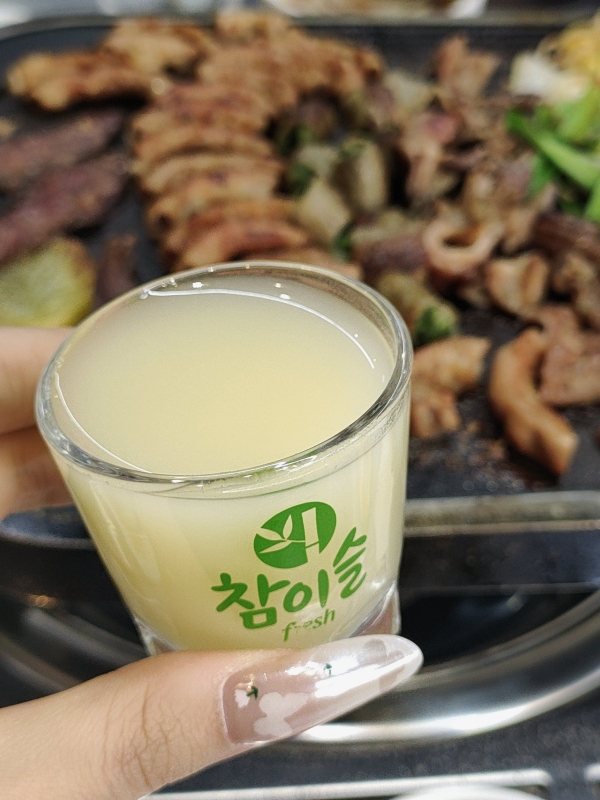
Beyond cold noodles, Xi Market offers the full spectrum of Korean-Chinese dongbei cuisine specialties. Da gao (pounded rice cake) arrives sticky and chewy, often filled with sweet red bean paste. Mi chang (blood sausage stuffed with glass noodles) provides a unique textural experience. Korean-style pickled vegetables (pao cai) offer countless variations beyond simple kimchi. Vendors also sell ming tai yu (dried pollack), a Korean staple that locals rehydrate and braise. Rice wine (mi jiu) adds a sweet, slightly alcoholic warmth perfect for cold evenings. Prices stay remarkably low—most items cost 8-20 RMB per serving.
Liaoning: Where Coastal Seafood Meets Inland Dongbei Cuisine Traditions
Liaoning Province claims Northeast China's only coastline, splitting its cuisine between seafood-focused coastal cities and hearty inland traditions. Provincial capital Shenyang preserves Qing Dynasty palace food influences. Port city Dalian serves some of China's finest seafood. Meanwhile, Jinzhou's barbecue rivals Qiqihar's fame. This diversity makes Liaoning essential for understanding dongbei cuisine's complete picture.
Dalian's Markets: Choose Your Seafood, Eat It Within the Hour
-
- Dalian Seafood
-
- Dalian Seafood
-
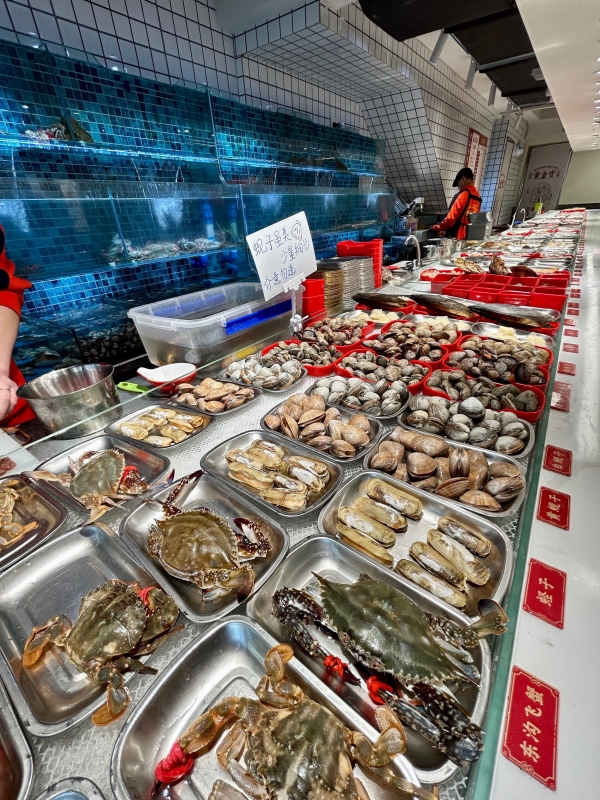
- Dalian Bay Seafood Market
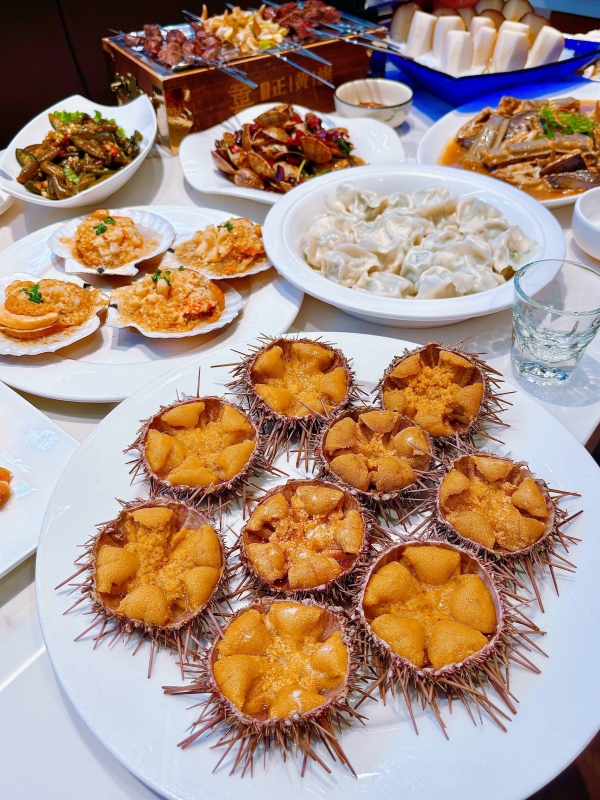
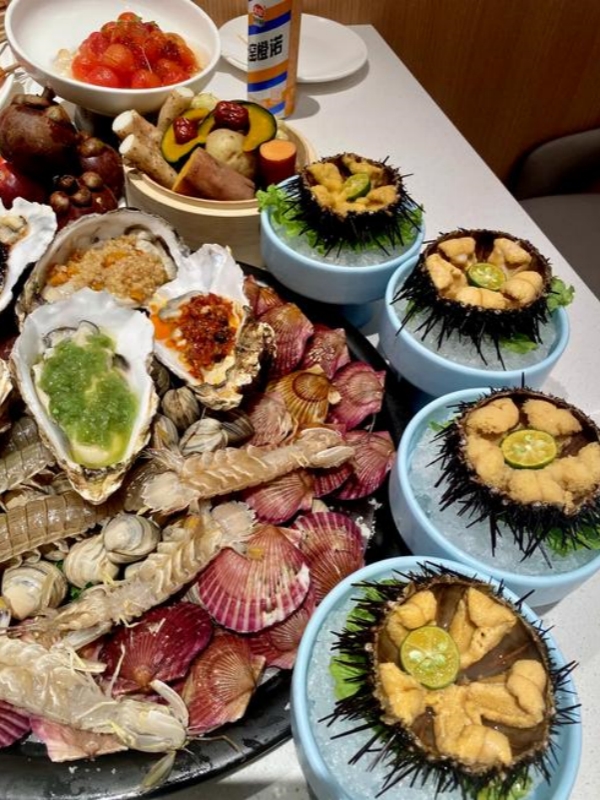
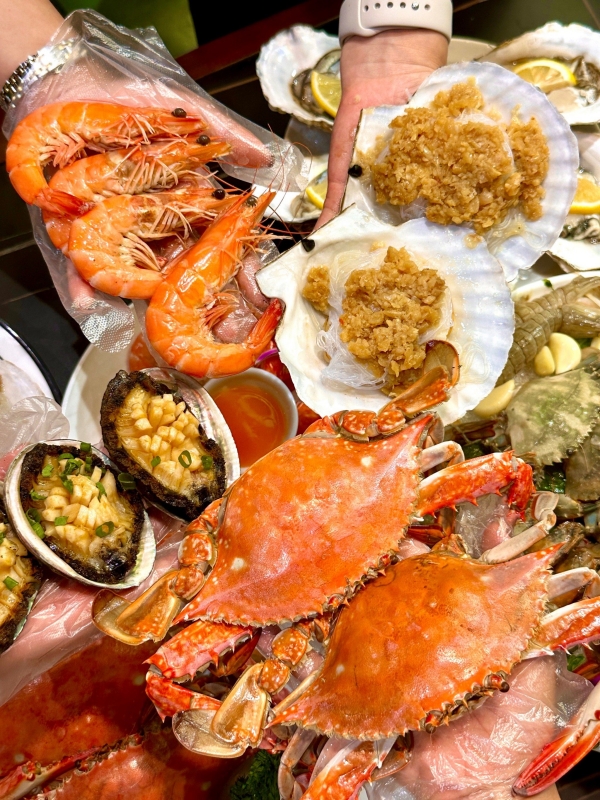
Dalian's position at the Bohai and Yellow Seas convergence creates ideal conditions for seafood. The waters produce sea cucumber, abalone, scallops, mantis shrimp, and dozens of fish species. Spring through summer (April-August) brings peak freshness and variety.
Sea urchin season runs May through August. Fresh uni tastes nothing like the creamy sushi topping most people know—Dalian's version is golden-yellow, sweeter, with a cleaner ocean flavor. Scallops appear everywhere, with the classic preparation layering glass noodles with garlic on the half-shell, then steaming everything together. Each scallop costs 5-15 RMB depending on size. Furthermore, mantis shrimp season peaks April-May and September-October—these peculiar crustaceans look like alien insects, but the meat is remarkably tender and sweet.
Dalian Bay Seafood Market (Ganjingzi District on Dalian Bay Street) offers the market-to-restaurant experience. The market bustles from 6-9 AM, where you can walk through vendor stalls choosing seafood, then bring it to affiliated restaurants for cooking. Processing fees run 20-50 RMB per kilogram. Arrive early for best selection, and don't be shy about haggling—10-20% off initial prices is standard.
Pork Stew with Vermicelli: The Ultimate Dongbei Cuisine Comfort Food
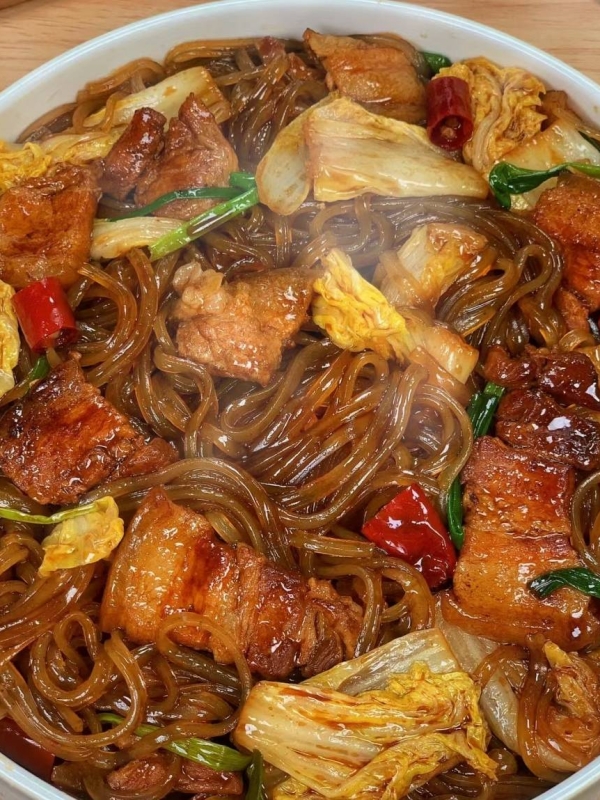
Pork Stew with Vermicelli
While Dalian showcases coastal sophistication, dongbei cuisine's heartland dishes remain hearty and unrefined in the best way. Pork stew with vermicelli (zhu rou dun fen tiao) epitomizes this approach—it's the dish grandmothers make, served at family gatherings, craved when winter temperatures plunge.
The preparation is deceptively simple: pork belly chunks simmer with wide potato starch noodles, napa cabbage, and potatoes. Soy sauce, star anise, and aromatics provide seasoning. However, magic happens during slow cooking when fat renders from the pork, enriching the broth until it's silky and deeply flavorful. The pork becomes melt-in-your-mouth tender.
Portion sizes are famously enormous—a "small" portion typically feeds 4-6 people. This dish appears on virtually every dongbei cuisine menu across the region. The best versions come from small, family-style restaurants where you'll pay 38-58 RMB for a large portion. Modern adaptations include self-heating packaged versions at convenience stores for about 15 RMB.
Jinzhou BBQ: The Secret Sauce That Sets This Dongbei Cuisine Style Apart
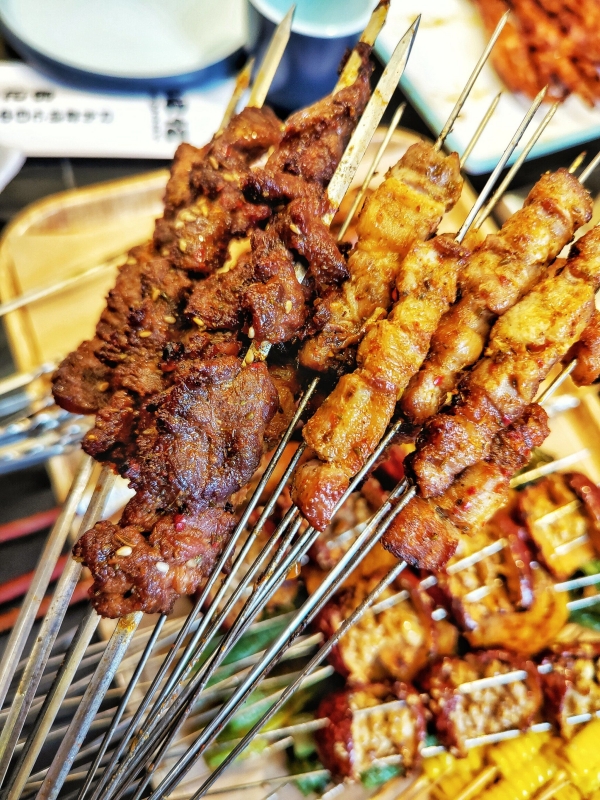
Jinzhou BBQ
Jinzhou earned barbecue fame rivaling Qiqihar's through one key element: sauce. The base combines sesame paste, peanut butter, fermented tofu, and Chinese chive flowers. Each vendor tweaks the ratio slightly, creating a rich, savory, slightly funky coating that gets brushed on skewers repeatedly during grilling.
The menu spans beyond meat to showcase dongbei cuisine's versatility. Beef, lamb, chicken hearts, and pork tendon skewers are standards. Meanwhile, seafood skewers—squid, scallops, razor clams—showcase Liaoning's coastal access. Vegetables including leeks, eggplant, and potato slices get the same treatment. Even grilled mantou (steamed bun) slices develop crispy exteriors and soft, chewy centers.
The barbecue street experience peaks after 7 PM when vendors set up charcoal grills and small tables. You know, the scene becomes sensory overload in the best way: smoke in the air, skewers sizzling, conversations at volumes that seem aggressive but signal conviviality. Prices run 80-150 RMB per person, and Jinzhou sits about 4 hours from Shenyang by train.
Seasonal Planning Transforms Your Dongbei Cuisine Experience
Winter: Ice Festivals Meet Frozen Foods and Hot Stews
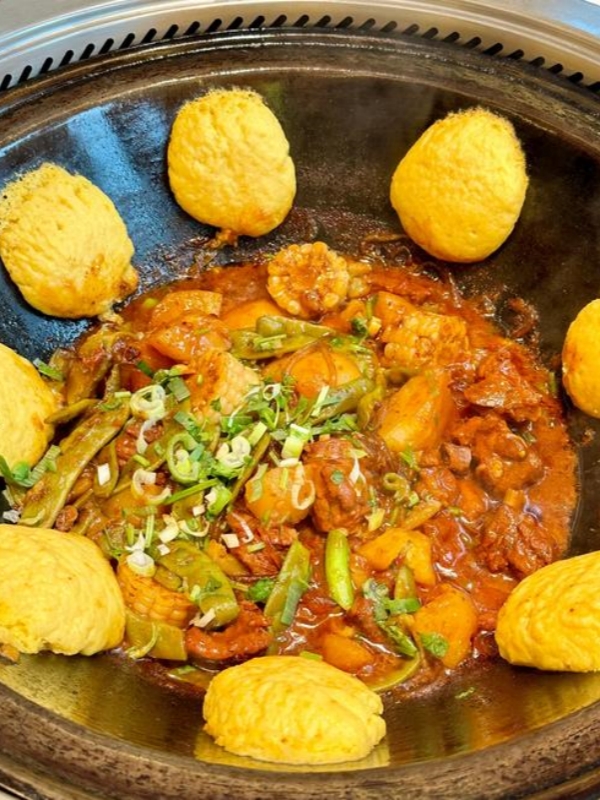
Tie Guo Dun
Winter transforms Harbin into China's ice and snow capital with the Ice and Snow World Festival (December-February). The real magic lies in temperature contrasts—viewing ice sculptures at -25°C, then warming up with steaming hot pot creates physical drama that defines the dongbei cuisine winter experience. Your must-eat list centers on hot stews (tie guo dun, suan cai dun fen tiao), guo bao rou served piping hot, frozen pears and persimmons, red sausage with hot borscht, and indoor barbecue.
Essential winter preparation: temperatures range -20°C to -30°C with indoor-outdoor differences reaching 40-50°C. Layer properly with down jacket, thermal underwear, wool hat, insulated gloves, and scarf. Carry extra phone power banks since cold drains batteries rapidly. Remove outer layers immediately upon entering buildings to avoid overheating.
Summer: Cold Dishes and Mountain Ingredients Define the Season
Dalian Seafood
Summer in Dongbei (June-August) offers comfortable 20-30°C temperatures—perfect escape from southern China's oppressive heat. The food scene shifts entirely toward cooling dishes and seasonal mountain ingredients. Your summer must-eat list focuses on Yanji cold noodles, cold vegetable dishes (dongbei la pi, pai huang gua), chicken stewed with wild mushrooms, Dalian seafood at peak season, and Harbin beer with outdoor barbecue. Wild mushrooms reach peak flavor in July-August, while Dalian's seafood offers maximum variety April-August.
Summer travel considerations: rain comes frequently, so carry umbrellas. UV radiation in mountain areas runs surprisingly strong—wear sunscreen and bring mosquito repellent for evening activities. Translation apps become essential in rural areas with limited English signage.
Suggested Routes for First-Time Dongbei Cuisine Explorers
Route 1: Harbin Winter Special (3 days)
Best for first-time visitors or ice festival enthusiasts. This route centers on experiencing classic dongbei cuisine in its winter glory. Day 1 covers Zhongyang Street, guo bao rou lunch at Lao Chu Jia, and ice festival evening at Ice and Snow World. Your second day explores Daoli Market at dawn for frozen food culture, Daowai District's Chinese Baroque architecture, and barbecue dinner. Finally, Day 3 takes a Qiqihar day trip for their legendary barbecue or offers leisurely Harbin exploration with red sausage shopping.
Route 2: Jilin Mountain and Lake (3 days)
Showcases natural resources and unique dongbei cuisine traditions. Day 1 flies or trains into Changchun for food street exploration, Puppet Emperor's Palace visit, and ginseng chicken soup dinner. An early start on Day 2 takes you to Chagan Lake (January only) for traditional winter fishing spectacle and multi-course fish feast. Your final day travels to Yanji for Xi Market immersion, cold noodles lunch, and Korean barbecue dinner.
Route 3: Liaoning Coastal to Imperial (3 days)
Balances fresh seafood with historical dongbei cuisine influences. Day 1 starts in Shenyang with Mukden Palace exploration and lunch at Laobian Dumplings (est. 1829). Day 2 takes high-speed train to Dalian for seafood market experience and waterfront dining. Day 3 continues Dalian exploration focusing on different seafood preparations or returns to Shenyang for flight connections.
Practical Skills Every International Traveler Needs
Understanding Portion Sizes in Dongbei Cuisine
Dongbei cuisine's generous portions trace back to manual labor in freezing temperatures demanding high-calorie fuel. Modern restaurants maintain this tradition though most diners work office jobs now. A single dish typically feeds 2-3 people comfortably, and first-time visitors consistently over-order by 200-300%.
Smart ordering starts with understanding terminology. "半份" (ban fen) means half portion, while "小份" (xiao fen) means small portion. Not every restaurant offers these, but asking never hurts. For 2 people, order 2-3 dishes maximum—one protein main, one vegetable dish, one soup or light item. For 4 people, 4-6 dishes suffice. When selecting dishes, prioritize one local specialty as your must-try focus, then add one vegetable or lighter option to balance richness.
Budget Planning Across Five Price Tiers
Price Range Understanding: Dongbei cuisine offers exceptional value across all budgets. Daily meals range from 10-30 RMB for street food (jianbing, frozen pears, Madier popsicles) to 30-80 RMB for casual dining (cold noodles, dumplings, small stir-fries). Mid-range dongbei cuisine experiences cost 80-150 RMB per person—this includes signature dishes like guo bao rou (48-68 RMB), pork stew (38-58 RMB), and barbecue meals. Fine dining and special experiences (Russian restaurants, Chagan Lake winter fishing) range 150-300+ RMB per person. Most travelers find 200-300 RMB daily covers three satisfying meals.
Money-Saving Strategies: Three simple approaches dramatically reduce costs while maintaining quality. First, timing matters—lunch costs 20-30% less than dinner for identical dishes at the same restaurants, and early morning markets offer breakfast under 15 RMB. Second, location matters—areas near universities feature authentic restaurants where students eat, providing genuine dongbei cuisine at lowest prices. Third, smart shopping matters—buy beer at supermarkets (50% cheaper than restaurants) and don't hesitate asking for half portions ("半份", ban fen) to control spending and waste.
Technology Tools: Download Dianping for restaurant photos (point at dishes you want), Gaode Maps for navigation, and Youdao Translate for camera menu translation.
Cultural Etiquette Turns Meals into Connections
Dining Dynamics: Dongbei cuisine meals are communal affairs where dishes arrive at the table center and everyone shares. The "seat of honor" faces the door—as a foreign visitor, you'll likely receive this position. Wait for hosts to indicate seating if uncertain. Hosts often place food directly on your plate, representing care rather than criticism. Modern China embraces the "Clean Plate Campaign" (光盘行动), so eat until satisfied then take leftovers home—this respects food and shows practicality.
Drinking Customs: Dongbei people love drinking together, and "干杯" (gān bēi) means "bottoms up." However, you can say "随意" (suí yì) and take a small sip instead. If you cannot drink, state firmly but politely at the meal's start: "我不能喝酒" (wǒ bù néng hē jiǔ). Don't feel pressured—locals respect honest boundaries once established. Tea toasting works as an alternative way to participate in social rituals without alcohol.
Building Connections: Complimenting dishes opens conversations: "这个菜太好吃了!" (This dish is really delicious!). Asking about preparation methods shows cultural respect: "这怎么做的?" (How is this made?). Regarding payment, traditional hosts pay the entire bill, though young people increasingly split (AA制). If local friends invite you to try dongbei cuisine, they'll likely insist on paying—accept graciously, express gratitude, then offer for next time: "下次我请" (Next time, my treat).
Frequently Asked Questions About Dongbei Cuisine
Q: Is dongbei cuisine spicy like Sichuan food?
No, dongbei cuisine is generally mild. It focuses on savory, sweet, and sour flavors rather than heat. Most dishes contain no spice at all. The exception is Yanji's Korean-Chinese food, which can be moderately spicy, especially the kimchi. But even this spice level stays manageable for most people. If you're particularly sensitive to heat, learn "不要辣" (bù yào là - no spicy) and use it liberally. Dongbei's mild flavor profile makes it perfect for travelers who find Sichuan or Hunan cuisine overwhelming.
Q: Can vegetarians find good options in dongbei?
Yes, though it requires more effort than in southern China. Dongbei cuisine emphasizes meat, especially pork. However, several dishes work for vegetarians. Di san xian (eggplant, potato, and pepper) is naturally vegetarian and appears on every menu. Various cold vegetable dishes provide options. Steamed buns and noodles serve as staples. Buddhist vegetarian restaurants (素食餐厅) exist in major cities. Learn "我吃素" (wǒ chī sù - I'm vegetarian) and show this phrase to servers, who will guide you to appropriate choices.
Q: Which season offers the best food experiences?
Both winter and summer offer distinct advantages. Winter (December-February) provides unique frozen food experiences, winter fishing at Chagan Lake, ice festivals, and comforting hot stews. The "ice and fire" temperature contrast creates memorable moments. Summer (June-August) brings cold noodles, wild mountain mushrooms, peak seafood season, and comfortable temperatures. I'd recommend winter for travelers who want the full cultural spectacle and don't mind extreme cold. Choose summer if you prefer comfortable weather and lighter food.
Q: How much should I budget daily for food?
Budget travelers can eat well for 100-150 RMB daily by focusing on street food, markets, and casual restaurants. Mid-range travelers spending 200-300 RMB daily can mix casual and mid-range dining comfortably. Comfort-focused travelers budgeting 400-600 RMB daily can include one fine dining experience plus casual meals. These estimates cover three meals plus snacks. Dongbei offers exceptional value—your money stretches much further here than in Shanghai or Beijing.
Q: Do I need to speak Chinese to enjoy dongbei cuisine?
Speaking Chinese helps but isn't essential. Major tourist areas like Harbin's Zhongyang Street offer some English menus. Translation apps work remarkably well—point your phone camera at Chinese characters for instant translations. Learning basic phrases (see Language Cheat Sheet section) greatly enhances experiences without requiring fluency. Pointing at other tables' dishes works universally. Locals show remarkable patience with foreign visitors. The language barrier becomes part of the adventure rather than a blocking obstacle.
Q: Are there halal or kosher dining options?
Halal restaurants exist in most major cities due to Hui Muslim communities. Look for "清真" (qīng zhēn) characters on storefronts—this indicates halal certification. Larger cities like Harbin, Changchun, and Shenyang have multiple options. Smaller cities and rural areas offer fewer choices. Kosher food is extremely rare in Dongbei. Jewish travelers typically seek halal alternatives or rely on vegetarian restaurants. Plan ahead by researching halal restaurants in your destination cities.
Q: Which single dish should I absolutely try?
Guo bao rou (锅包肉) in Harbin. This sweet and sour pork was literally created to bridge Chinese and Western tastes, making it perfect for international visitors. The dish showcases technical skill—that double-fried crispy coating requires real expertise. It balances flavors beautifully. And it tells a story of cultural fusion that defines the region. Eating authentic guo bao rou at Lao Chu Jia, steps from where it was invented, creates a culinary pilgrimage moment.
Q: Is tap water safe to drink?
Tap water isn't recommended for drinking. Stick to bottled water, which is cheap (2-5 RMB per bottle) and available everywhere. Hotels provide complimentary bottles daily. Ice in reputable restaurants usually comes from purified water and is safe. Street vendors might use tap water for ice—if uncertain, order drinks without ice.
Q: How do I handle food allergies?
Prepare allergy information cards in Chinese before your trip. Write "我对 [食物] 过敏" (wǒ duì [food] guò mǐn - I'm allergic to [food]). Common allergens: 海鲜 (hǎi xiān - seafood), 花生 (huā shēng - peanuts), 鸡蛋 (jī dàn - eggs). Show cards to servers immediately when ordering. Higher-end restaurants handle allergies better than street vendors.
Q: Can I join locals at their tables?
Dongbei people are famously friendly, but use social awareness. If you're dining alone and see a lively table, a smile and genuine interest can spark conversation. Asking "你们吃什么?好吃吗?" (What are you eating? Is it good?) shows respect through curiosity. Some groups will invite you to join. Others might chat briefly then return to their meal. Read social cues—forcing yourself on unwilling groups violates social norms.