Dental Implants Treatment Process
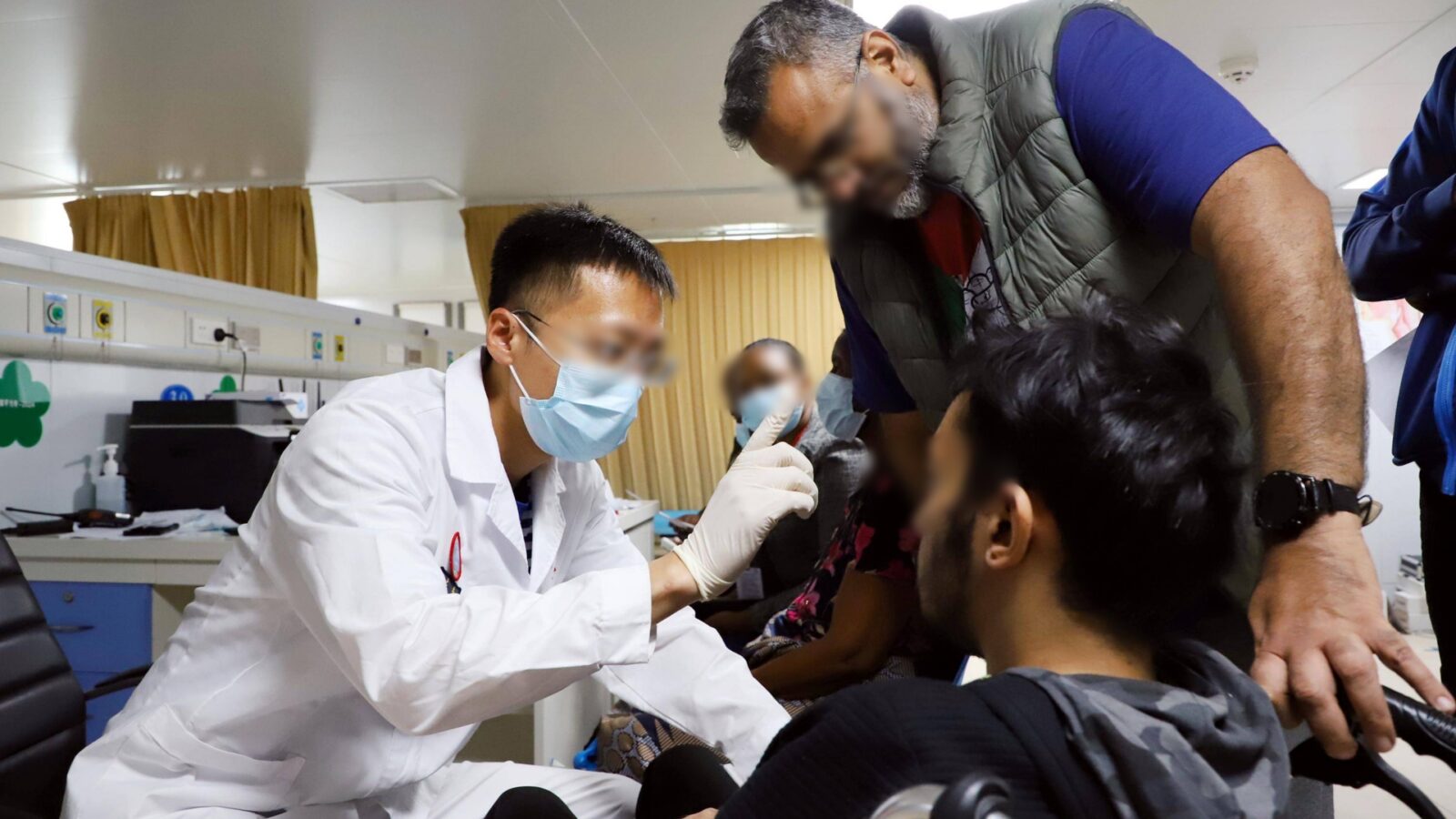
Dental implants are significantly cheaper in China than in Western countries - 50-70% cheaper, and you can get the same international brands. A single dental implant that costs $3000-6000 in the US costs $1000-1800 in China. Hospitals in China often use Straumann, Nobel Biocare, and Osstem; the same products but costing a fraction of the price. This is not about sub-standard quality, it is the result of the structure of the Chinese economy combined with a system of price controls implemented by the government called the VBP policy.
So, what does this guide cover? Everything you need to know to book your treatment in China - exact cost by brand, city, step by step guide to the 4 phase treatment process, recommended hospitals in Beijing, Shanghai, Chengdu, and Guangzhou, and everything you need before you go for treatment. You will know which brand fits your budget, how to check a clinic is legit, and whether you need to do one trip or two.
Dental Implant Costs in China: ¥3,000 to ¥30,000 by Brand
When considering dental implants in China, the price you pay depends almost entirely on the implant brand. Chinese hospitals offer three tiers: premium international brands, mid-range Korean systems, and budget-friendly Chinese options. Here's the complete cost breakdown for dental implants in China, with all prices in Chinese Yuan (¥) and US Dollars (exchange rate: ¥7.2 = $1 USD as of January 2026).
Price Comparison: Dental Implant Brands in China (January 2026)
| Brand Category | Examples | Price (¥) | Price (USD) | Clinical Data | Market Share | Best For |
|---|---|---|---|---|---|---|
| Premium International | Straumann, Nobel Biocare | 10,000-30,000 | 1,400-4,200 | 20+ years | 15% | Complex cases, bone grafting, front teeth |
| Mid-Range Korean | Osstem, Dentium | 5,000-15,000 | 700-2,100 | 15+ years | 60% | Standard cases, healthy bone |
| Budget Chinese | WEGO, BKT, ChuangYing | 3,000-10,000 | 420-1,400 | 5-10 years | 25% | Simple molars, budget-conscious |
| Additional Procedures | Bone grafting | 2,000-8,000 | 280-1,100 | N/A | N/A | When bone volume is insufficient |
| Additional Procedures | Sinus lift | 5,000-15,000 | 700-2,100 | N/A | N/A | Upper jaw cases |
| Additional Procedures | Temporary crown | 500-1,500 | 70-210 | N/A | N/A | During healing period |
Exchange rate: ¥7.2 = $1 USD. All prices include implant fixture, abutment, porcelain crown, and 1-2 follow-up visits unless otherwise noted.
Premium Brands: Straumann ¥10,000-30,000, Nobel ¥12,000-25,000
The gold standard for dental implants in China is Straumann from Switzerland. Price range: ¥10,000-30,000 per implant ($1,400-4,200 USD). This premium brand uses proven SLA surface technology and has over 10 years of clinical data showing the highest success rates in the industry. As a result, the high-end hospitals like Peking University Stomatology uses it for complex cases that require bone grafting or immediate placement. The same implant would cost you $4,000-6,000 in the States, so you’re still getting it 30-50% cheaper in China using the premium brands.
Nobel Biocare from Sweden costs ¥12,000-25,000 per implant ($1,700-3,500 USD), with the NobelActive system specifically designed for immediate loading procedures. This means you can walk out with a temporary crown the same day as surgery if bone quality permits. It's popular at academic hospitals and private clinics serving international patients, with comparable US prices ranging from $3,500-5,500.
Mid-Range Brands: Osstem ¥5,000-15,000, Dentium ¥5,000-12,000
Osstem from Korea dominates the dental implant market in China priced ¥5,000-15,000 per implant ($700-2,100 USD). You will see Osstem in over 60% of private clinics across the country since the company works directly with Chinese dental schools to teach the dentists with these systems. There is a wealth of knowledge around the product with solid performance being achieved at half the price of more expensive brands, with the same treatment costing $2,000-3,500 in a western country.
Dentium's SuperLine system, also from Korea, runs ¥5,000-12,000 per implant ($700-1,700 USD) and is known for easy insertion and good primary stability. It's a safe, proven choice for standard cases involving healthy bone and single tooth replacement. Most dentists offering dental implants in China will recommend these mid-range brands first because they deliver the best balance of proven reliability and affordability for 80% of patients.
Budget Brands: Chinese WEGO, BKT ¥3,000-10,000
Chinese manufacturers like WEGO, BKT, and ChuangYing charge ¥3,000-10,000 per implant ($420-1,400 USD). These companies have improved rapidly in recent years, with many now using SLA (sandblasted, acid-etched) surfaces similar to Straumann's technology. Quality control meets domestic standards, though long-term data beyond 15 years is limited compared to European brands.
When expenses are an issue, the these are options worth considering. Don’t go for a domestic brand of implant if you’re a smoker or diabetic or will need bone grafting, though – stay with the tried and tested brands listed above for more complex situations. Domestic brands are fine for simple molar replacements where function is more important than looks. All prices quoted above generally include implant fixture, abutment, porcelain crown, and one or two follow-up visits. There’ll be extra charges if you need bone grafting or sinus lifts, or for any temporary crowns.
🌏 Beyond just low prices, discover why thousands of patients travel for quality; read more on how Dental Tourism in China Saves International Patients 60-80% on World-Class Care without compromising on medical standards.
Brand Selection: Match Your Budget and Bone Condition
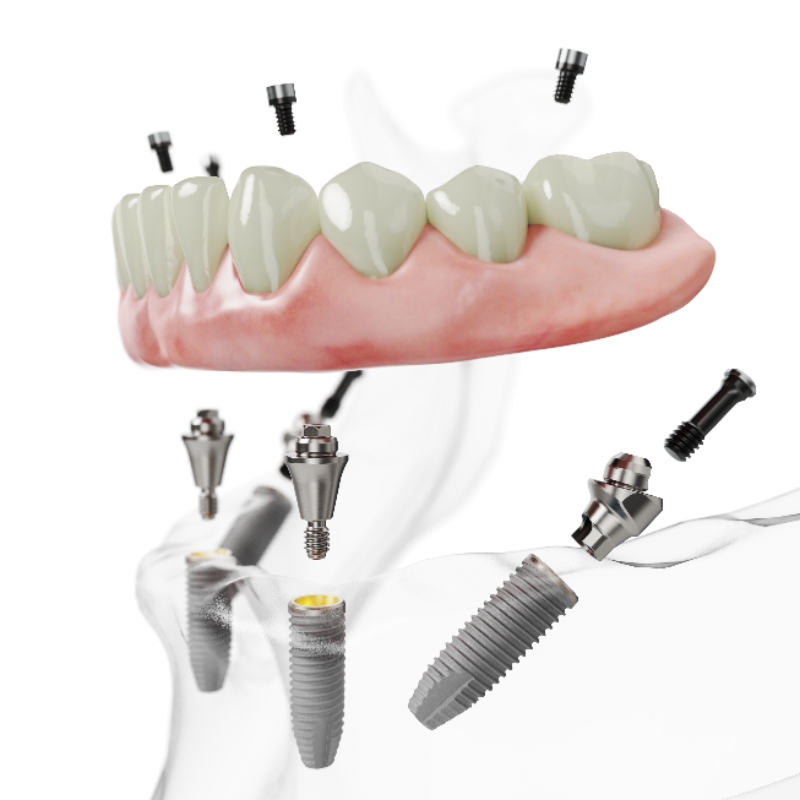
Dental Implant
You've seen the prices for dental implants in China. Now the question becomes which brand you should actually choose. The decision comes down to two factors: your budget and your case complexity.
Brand Selection Guide: Choosing Dental Implants in China
| Your Situation | Recommended Brand | Price Range (¥) | Why This Choice | Avoid If |
|---|---|---|---|---|
| Standard case (healthy bone, single tooth, no complications) | Osstem or Dentium (Korean) | ¥5,000-15,000 | 95-97% success rate, half the cost of premium, widely used by Chinese dentists | You're a heavy smoker or have uncontrolled diabetes |
| Complex case (bone grafting needed, immediate placement, front teeth) | Straumann or Nobel (Premium) | ¥10,000-30,000 | Faster healing (2-3 weeks), better aesthetics, 98-99% success rate | Budget is primary concern and case isn't actually complex |
| Budget-focused (simple molar, healthy, straightforward) | WEGO, BKT (Chinese) | ¥3,000-10,000 | Lowest cost, improving technology, adequate for simple cases | Smoker, diabetic, need bone work, or want maximum longevity data |
| Same as home dentist (continuity of care) | Match your home brand | Varies | 100% component compatibility, easier future maintenance | Your home dentist uses obscure brands unavailable in China |
Exchange rate: ¥7.2 = $1 USD. All prices include implant fixture, abutment, porcelain crown, and 1-2 follow-up visits unless otherwise noted.
Standard Cases: Osstem and Dentium Offer Best Value
So, what do we mean by standard case? A standard case means you’re missing one or a few teeth and you have healthy bone, no gum disease. The tooth was extracted months ago, instead of having to have the implant immediately placed. And you have no medical issues like uncontrolled diabetes.
Korean brands win in this types of situations because Osstem and Dentium have 15+ years of clinical data showing 95-97% success rates - almost identical to Straumann for a routine case. Chinese dentists place Osstem every day and know the system inside out. Prices are great ¥5,000-15,000 vs ¥10,000-30,000 for premium brands.
Complex Cases: Straumann for Bone Grafting, Immediate Loading
You should upgrade to premium brands when bone grafting is needed, as Straumann's SLActive surface promotes faster bone integration. Studies show 2-3 weeks faster healing compared to older surface technologies. Immediate placement—extracting a tooth and placing the implant the same day—requires high primary stability, and Nobel's NobelActive tapered design excels in these situations.
Front teeth in the aesthetic zone benefit from Straumann's tissue-level implants, which create better gum contours for natural-looking results. You pay double but reduce complication risk from 5-8% to 2-3%.
Brand Compatibility: Use Same Brand as Home Country
You can absolutely get the same brand your home dentist uses when getting dental implants in China. Straumann and Nobel Biocare are globally standardized—if your dentist in Sydney uses Straumann, Chinese hospitals install the exact same Swiss-made implant with 100% compatible components.
This matters because when you return home for crown placement or future maintenance, your local dentist won't need to special-order parts. Tell the Chinese clinic during consultation: "I want 原装进口 Straumann" (yuan zhuang jin kou means original import).
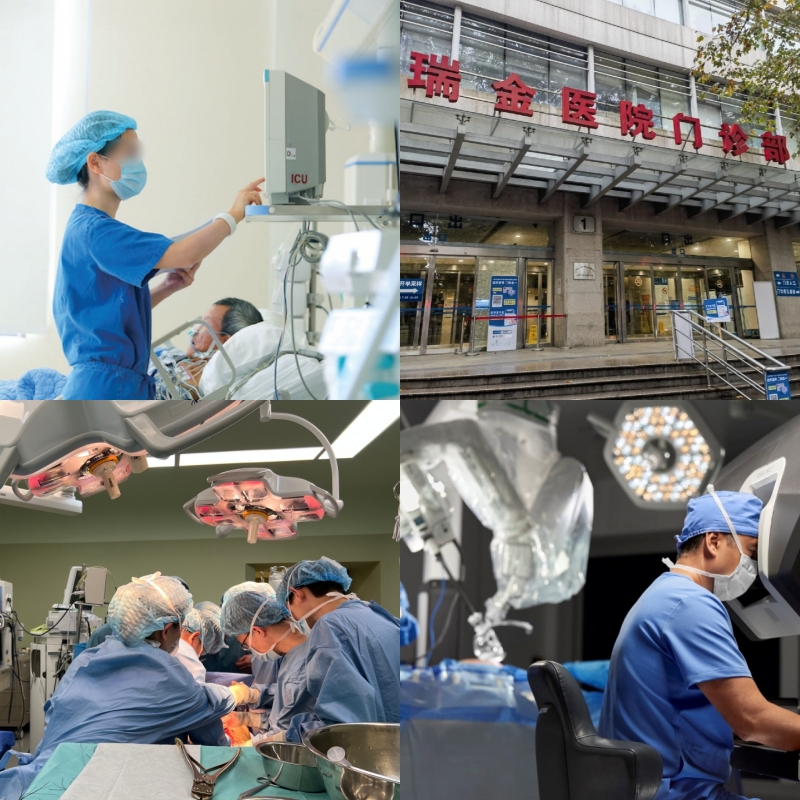
Top 4 Academic Hospitals: Peking, West China, Shanghai Ninth & Guanghua
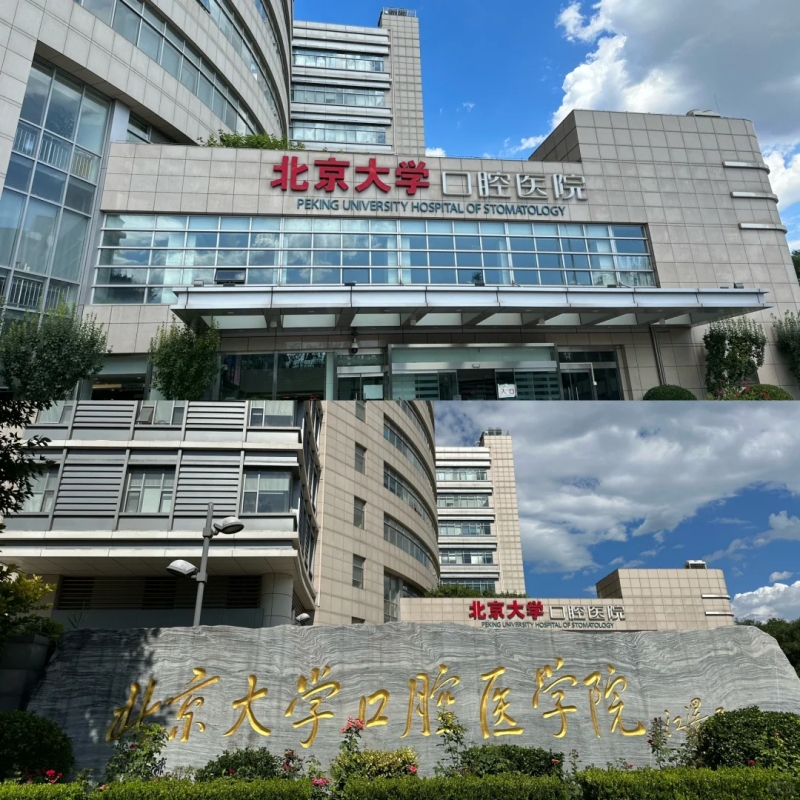
Peking University Hospital of Stomatology
The landscape of dental implants in China centers on four academic powerhouses. The Fudan University Hospital Rankings 2023 (latest ranking data) validates these institutions. They measure clinical outcomes, research output, and specialist depth. Peking University claims #1. West China Hospital secures #2. Shanghai Ninth People's Hospital holds #3. Sun Yat-sen Guanghua ranks #6. Each serves distinct patient priorities.
The Fourth Military Medical University pioneered autonomous dental implant robots in 2017. It operates under PLA jurisdiction with unconfirmed foreign patient access. We focus on four hospitals with accessible care pathways.
National Rankings & Quick Comparison for Dental Implants in China
| Hospital | National Rank | Location | Price Range (¥/implant) | English Support | Best For |
|---|---|---|---|---|---|
| Peking University Stomatology | #1 | Beijing | 8,000-25,000 | Good (new Intl Dept) | Complex cases, unlimited budget |
| West China Hospital | #2 | Chengdu | 6,000-22,000 | Minimal | Immediate loading, research-grade care |
| Shanghai Ninth People's | #3 | Shanghai | ~20,000 (Nobel complete) | Excellent | International patients, English services |
| Sun Yat-sen Guanghua | #6 | Guangzhou | 3,500-15,800 | Moderate | Hong Kong travelers, cost savings |
Exchange rate: ¥7.2 = $1 USD. All prices include implant fixture, abutment, porcelain crown, and 1-2 follow-up visits unless otherwise noted. Wait times: Public hospitals 2-4 weeks. Top specialists require 1-2 months. Payment: All accept Visa/Mastercard and cash.
Beijing and Chengdu Universities Set Global Standards
Peking University School and Hospital of Stomatology has ranked #1 for the last 14 years. Located at 22 Zhongguancun South Street (+86 10-62179977). Its Implantology Department reports a more than 99% survival implant – on par with Harvard standards. Professor Lin Ye (林野) completes more than 600 of them every year. They recently launched their International Department in June 2024, at Building B (010-83013555) with weekend hours also available. Direct billing for Bupa and Allianz available, all inquiries handled English-speaking staff.
West China Hospital at Sichuan University ranks #2 nationally. It ranks #12 globally in QS 2025. Located at 14 Renmin South Road, Chengdu (+86 28-85503469). Professor Ou Guomin (欧国敏) specializes in same-day immediate loading. His techniques maximize existing bone. He trained at University of Connecticut. The hospital handles 400,000+ annual patients. It's one of three nationally-approved implant centers. Chinese navigation required. Wait times run 2-4 weeks.
Shanghai Ninth Hospital Delivers International-Grade Accessibility
Shanghai Ninth People's Hospital ranks #3 nationally. Located at No. 639 Zhizaoju Road. It introduced dental implants to China in the 1980s. Professor Lai Hongchang (赖红昌) won Elsevier's "Top 10" recognition. The department uses German KaVo CBCT scanners. Premium Nobel, Straumann, and Astra systems available. Most private clinics cannot match this equipment.
Accessibility separates Shanghai Ninth from competitors. Dedicated International Department operates at 021-5331-4069. Direct billing with MSH, MediLink, Cigna, and AIA. Five-minute metro access from Xizang South Road. The hospital publishes 806 SCI papers annually. It ranks #15 nationally among medical institutions. Royal College of Surgeons Edinburgh partnership active. Pricing runs ¥20,000 for complete Nobel implants. Regular appointments available within days. Top specialists like Professor Xu Guangzhou require 1-2 months.
Guangzhou Creates the Hong Kong Express Route
Sun Yat-sen Guanghua ranks #1 in South China and #6 nationally. Pricing allows patients to save 40-60% compared to consultations in Hong Kong. Eight National Clinical Key Specialties are available here – an unrivalled depth of breadth. There are 3 campuses at No. 56 Lingyuan West Road, (+86-20-83863002). Visit www.zdkqyy.com for full details.
High-speed rail from Hong Kong West Kowloon takes 48 minutes. Tickets cost ¥215 RMB. Over 35 daily trains run this route. Professor Deng Feilong (邓飞龙) directs the implant department. Dr. Wang Jinming (王劲茗) trained at Columbia University. He serves on CSA Implant Committee. He handles complex aesthetic cases. Technology spans digital navigation and CAD/CAM systems. Zygomatic implants and All-on-4/6 available. Pricing: ¥3,500-6,000 for domestic brands. Nobel costs ¥10,000-15,800. Staged payment plans accepted.
Hospital Strategy: Selection for Dental Implants in China Success
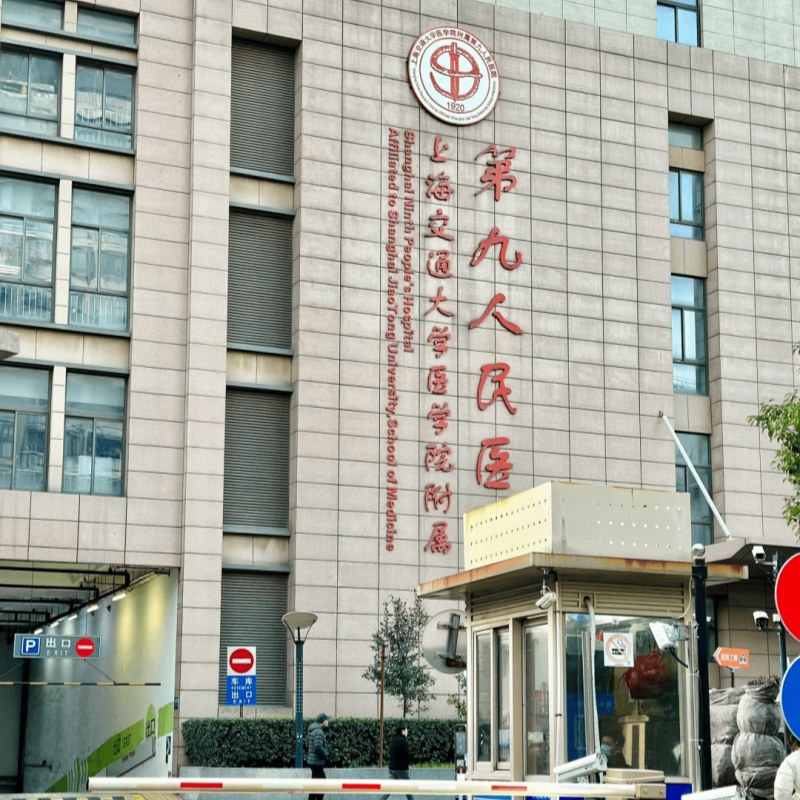
Shanghai Ninth Hospital
Four academic powerhouses offer comparable clinical excellence. Patient experiences vary dramatically. Consider communication infrastructure, booking complexity, and case requirements.
Navigating Competitive Booking Systems Successfully
Shanghai Ninth gives the slickest route to booking an appointment. Call the English line, give them your passport number and some proposed dates and you will receive a confirmation by email within another day or two; they can sometimes get you in next week! Consultations require no deposit. Peking and West China release appointment slots competitive with one another. Slots open every day for the next 30 days at 8:00 AM via WeChat. Specialists typically fill within 90 seconds. For Dr. Qiu Lixin and Professor Ou Guomin you will need a Chinese phone to confirm the appointment.
The workaround: use Haodf.com (好大夫在线). Service fees run ¥100-300. English interface provides slot alerts. Alternative: call hospitals directly. Peking: 010-62179977. West China: 028-85503469. Call during morning hours. Expect 15-30 minute holds. Sun Yat-sen Guanghua offers VIP shortcuts. Special Diagnosis Department (特诊科) provides same-week appointments. Premium: 20-30% above standard pricing. Call +86-20-83863002. Request "特诊服务" (te zhen fu wu). This bypasses 2-4 week standard waits. Dedicated coordinators assigned. Private consultation rooms guaranteed. Deposits run 30-50% of total cost. International credit cards accepted.
Matching Case Complexity to Hospital Capabilities
Standard single-tooth implants cost ¥8,000-28,000 at Shanghai private clinics. Shanghai Ninth charges ¥20,000. Academic pricing includes premium Nobel or Straumann systems. Private base pricing starts with Korean brands. Swiss/Swedish options add ¥5,000-10,000. After brand adjustment, academic hospitals cost 15-25% less. Complex cases amplify academic advantages.
Bone grafting, sinus lifts, and All-on-4/6 benefit from interdisciplinary teams. Academic hospitals employ specialized periodontists, oral surgeons, and prosthodontists. Private clinics use general dentists with implant training. For ¥60,000 All-on-4 requiring sinus lifts and zygomatic implants, academic teams justify costs. Private clinics quote ¥50,000-55,000 initially. Later specialist referrals add fees. Private advantages exist: same-week appointments with minimal Chinese required.
Evening hours until 7:00 PM. Weekend availability. 24/7 WeChat post-treatment support available. For straightforward cases, ¥22,000 private versus ¥18,000 academic saves navigation time. Six to eight hours saved matters. But complex multi-implant cases, severe bone loss, or aesthetic zone work demands expertise. Academic hospitals' research-backed protocols justify extra effort. Success rates matter: 97% versus 99%+ impacts 20-year outcomes significantly.
Treatment Process: 4 Phases from Consultation to Crown
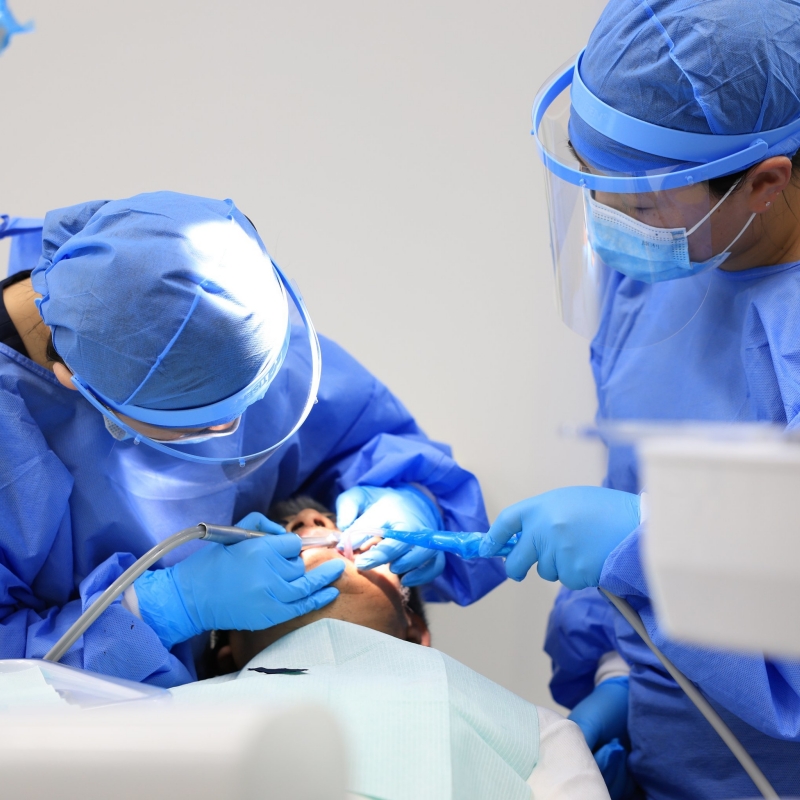
Dental Implant Surgery
Dental implant treatment isn't a single appointment. It unfolds over months, with flexibility depending on your schedule and whether you qualify for immediate loading.
🦷 For a complete and detailed walkthrough of the entire procedure, please refer to our Step-by-Step Guide to the Dental Implant Process in China for International Patients,ensuring you know exactly what to expect at every stage of your journey to affordable excellence.
Phase 1: Consultation (Day 1-2) - CT Scan, Plan, Quote
Plan for 2 to 3 hours on day 1—maybe day 2 if you need additional scans. The dentist does a thorough oral exam of your mouth, gums and remaining teeth to check your bite alignment. You get a CBCT scan (3D X-ray) that shows them bone density, where the nerves are and where your sinuses are. Some clinics may use iTero scanners that take digital impressions of your teeth to create a model you can look at together. They will also show you on the screen where your implants will go and suggest brands.
You receive a treatment plan (request an English version), detailed written quote listing implant brand, crown type, total cost, and payment schedule, plus a timeline estimate and informed consent form to review. The consultation is usually included in the overall package or costs ¥200-500 ($30-70 USD) if billed separately. Ask for the treatment plan document via email so you can review it carefully before Day 2, checking that the implant brand matches your research.
Phase 2: Surgery (Day 3) - 1-2 Hours, Local Anesthesia
The surgery itself takes anywhere from 15 minutes to 2 hours depending on the number of implants being placed, though you should plan on 3 to 4 hours at the clinic to account for prep and recovery time.
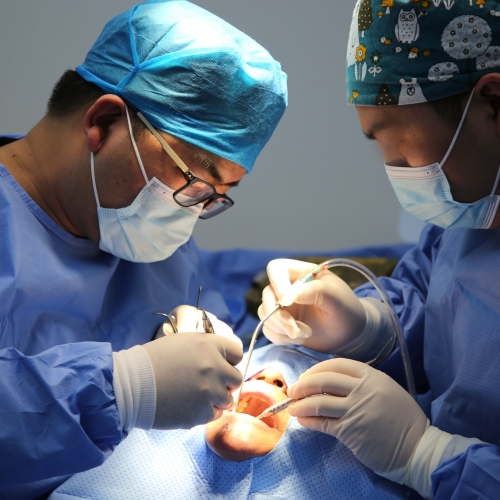
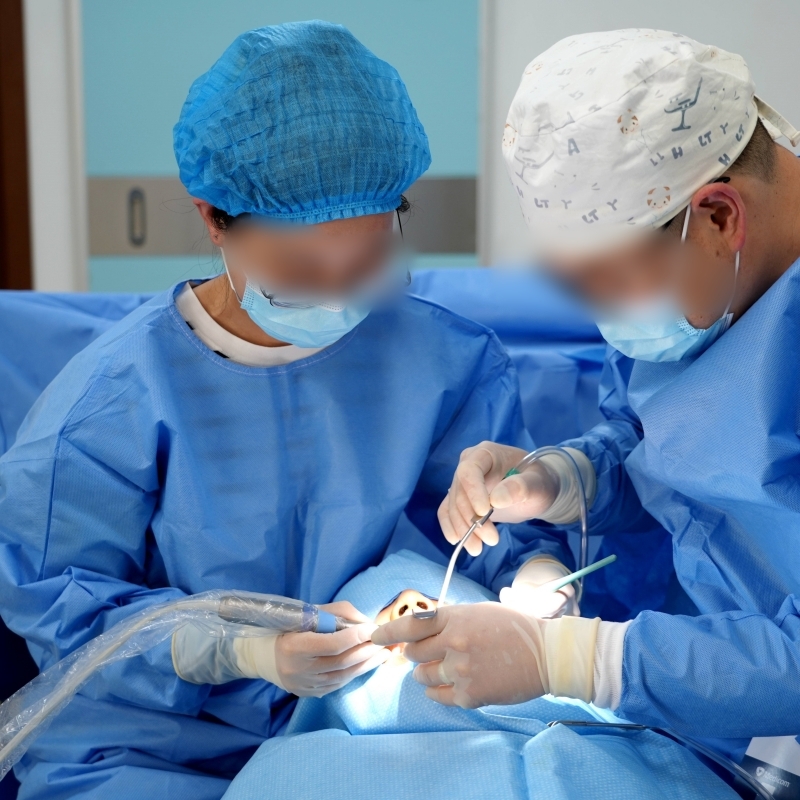
After signing an informed consent form (translation assistance may be needed), the dentist injects local anesthesia to completely numb the area. Using a much smaller incision, your dentist will drill a pilot hole in bone; Then, they will gently pop in the titanium implant fixture. They’ll either stitch your gum closed over the implant or place a healing abutment if doing immediate loading.
You rest at the clinic for 30-60 minutes afterward. Numbness persists for 2-4 hours, with mild aching starting when anesthesia wears off. Most patients rate pain at 2-3 out of 10—less painful than tooth extraction because there's no pulling involved. The dentist prescribes ibuprofen or stronger painkillers if needed. For the first 3 days, avoid smoking (slows healing), eat only soft foods like congee, tofu, and yogurt, apply ice packs on your face for 20 minutes every hour to reduce swelling, sleep with your head elevated, and avoid rinsing your mouth vigorously.
Phase 3: Healing (3-6 Months) - Return Home, Virtual Follow-Up
The implant integrates with your jawbone through osseointegration, where bone cells grow onto the implant's surface creating a permanent bond. You can't see or feel this process happening. The lower jaw typically takes 3-4 months, while the upper jaw requires 4-6 months because bone is less dense. Bone grafting cases need 6 months for the bone to solidify first, then the implant integrates.
You return home and resume normal life during this period. The clinic may schedule virtual check-ins via WeChat or email where you send photos of the healing site. Your home dentist can take X-rays at 2-3 months to check progress and send them to the Chinese clinic. Avoid chewing on the implant side, but you can eat normally otherwise. Contact the clinic immediately if you experience persistent pain after 2 weeks, swelling that worsens instead of improves, looseness in the implant (extremely rare but indicates failure), or fever above 38°C (100.4°F).
Phase 4: Crown Placement - Return to China or Finish at Home
After healing completes, you need the final crown. Returning to China takes 5-7 days for 2-3 appointments where the dentist uncovers the implant, attaches the abutment, takes impressions for the crown, and fits the final restoration. This is usually included in your original package price (check your contract). The advantage is that the same dentist ensures proper fit and handles any adjustments immediately, though it requires a second international trip and more time off work.
Alternatively, you can complete the crown at home by having the Chinese clinic provide implant specifications including brand, size, position, and torque value. Your home dentist orders a compatible abutment and crown, which takes 2-4 weeks depending on the local lab. This costs $500-1,500 typically, with the abutment sometimes extra. You avoid a second trip to China, though your dentist must be willing to work on another doctor's implant—most will, but confirm first. Single implants work well with this option, but multiple implants or full arch cases are better completed in China for easier occlusion coordination.
If your bone is excellent and you're getting implants in front teeth, ask about immediate loading. The dentist places a temporary crown the same day as surgery that looks natural but isn't for heavy chewing. You return in 3-6 months for the permanent crown, which can be done at home or in China. Not everyone qualifies, so ask during your consultation.
Technologies & Services: Digital Planning, Robots, English Support
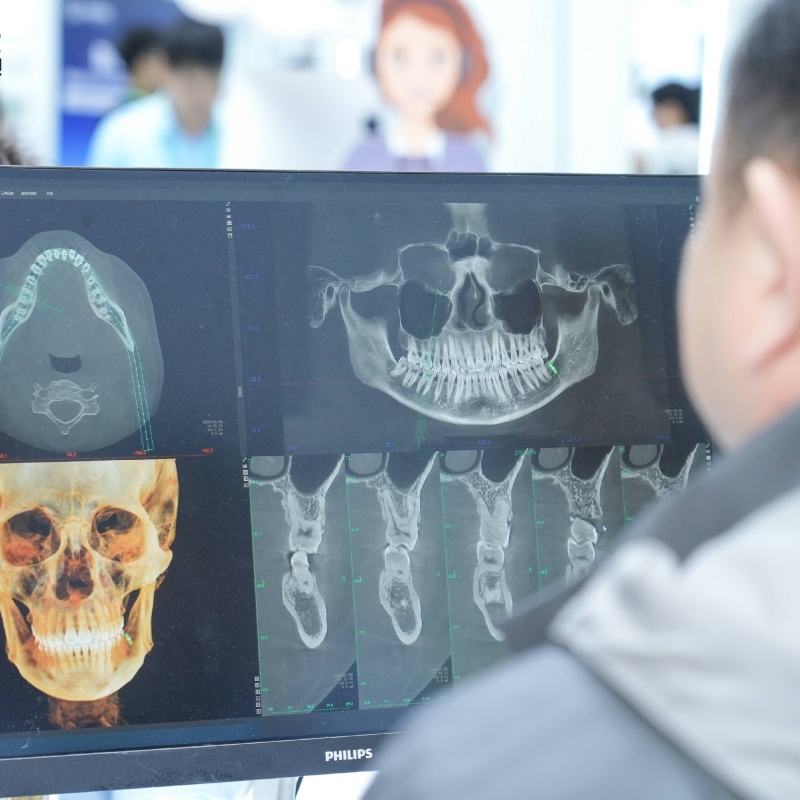
CBCT
Modern Chinese dental clinics use the same technology as top Western practices.
3D Digital Planning Available at Top Hospitals, ±0.5mm Precision
Dentists use your CBCT scan to plan implant placement in 3D software before surgery, determining exact angle, depth, and position to avoid nerves and maximize bone contact. They then 3D-print a surgical guide (模板) that clips onto your teeth during surgery, guiding the drill to the precise location with ±0.5mm variance—as good as computer-guided surgery gets worldwide.
The advantages are a more rapid surgery (the dentist does not have to improvise as to the placement), less invasive (surgeons can use smaller incisions, as the placement is pre-planned), and better aesthetic crowns (the implant emerges just where the crown must be supported). This is provided by all major hospitals - Peking University, West China and Nanfang Medical being several. It is also available at high-end private clinics as Zhongjiamed, Arrail, and Velo. Costs are usually bundled into the implant package but standalone could be ¥1,000-¥3,000.
For front teeth or complex cases involving bone grafting and multiple implants, you should insist on digital planning. For a single back molar in healthy bone, traditional freehand placement works fine.
Robotic Surgery at Select Clinics, Higher Cost
Robotic implant surgery involves a robot arm holding the drill while the dentist controls it, but the robot prevents any deviation from the digital plan. It's like having training wheels that ensure 100% adherence to the 3D blueprint. Zhongjiamed Dental in Shanghai uses the Yomi robotic system, and China Medical University Stomatology in Shenyang operates as a research hospital with robotic platforms. A few other high-end private clinics in Beijing and Shenzhen offer this technology.
The added cost runs ¥5,000-10,000 extra per case, not per implant. For most patients, this isn't worth it because regular digital guides achieve 95% of the precision at zero extra cost. Robotic surgery makes sense for full-arch All-on-4 cases with 10+ implants where tiny deviations compound, or if you have severe anatomy challenges. Ask the hospital if they recommend it for your specific case—don't pay for technology you don't need.
English Support: Best in Shanghai Private Clinics, Limited in Public Hospitals
English fluency is rare in Chinese healthcare. Shanghai private clinics like Cao Jinghua and some Zhongjiamed branches offer conversational English where staff can explain treatment. International departments at Nanfang Medical in Guangzhou serve overseas Chinese with decent English support. Beijing and Chengdu private chains can provide English-speaking dentists if you specifically request them.
Senior dentists at Peking University and West China understand basic English since many studied in the US or Europe, but they prefer Mandarin for precision. Front desk staff at top-tier hospitals in Beijing and Shanghai speak minimal English. Most public hospital staff and second-tier city hospitals have no English capability at all, including support staff like nurses and receptionists even at top hospitals.
If English is limited, hire a medical translator for $70-140/day through your hotel concierge, use the Pleco app to point your camera at documents for instant translation, request "我需要英文治疗方案" (wo xu yao ying wen zhi liao fang an) meaning "I need an English treatment plan" when booking, or bring a Mandarin-speaking friend or expat you know in China to accompany you. Even if the dentist speaks some English, dental terms are complex, so bring pictures or diagrams of what you want. Visual aids bridge language gaps effectively.
Many clinics offer email or video consultations in English before you arrive. Use this to gauge their communication ability—if responses are unclear or delayed, consider a different hospital.
Preparation Checklist: Visa, Payment, Apps, Packing
You've chosen your hospital and brand. Now get ready to travel.
China S2 Visa: Medical Treatment, Apply 1-2 Months Before
You need an S2 visa (Private Affairs Visa) specifically for medical treatment in China, not a standard tourist visa (More Visa type details click here). This visa typically grants stays of up to 90 days depending on your treatment plan and nationality. Apply 1-2 months before your planned travel as processing takes 4-7 business days, with expedited service available for extra fees if you have urgent medical needs.
Gather your passport valid for 6+ months, a passport photo (33mm × 48mm with white background), the completed visa application form downloaded from the Chinese embassy website, an official invitation letter or treatment confirmation from your chosen Chinese hospital (this is mandatory for S2 visas), round-trip flight reservation (booking confirmation works), and hotel reservation for your stay. Apply at the Chinese embassy or consulate in your home country, with some countries allowing online form submission and appointment scheduling.
The cost runs $140-200 USD for most nationalities, varying by country and processing speed. First-time applicants should allow extra days for medical document verification. Contact your nearest Chinese embassy for specific requirements, or visit www.visaforchina.org for the application platform used by many countries.
Payment: Cash RMB, Credit Cards, Exchange Rate ¥7.2/USD
All hospitals accept cash in RMB, which is the most preferred method at public hospitals. Major hospitals and private clinics take Visa and Mastercard, though small clinics may not. WeChat Pay and Alipay are possible at some private clinics but require Chinese bank accounts, making them difficult for tourists.
The exchange rate as of January 2026 is 1 USD = 7.2 RMB, fluctuating ±3% monthly. Check www.xe.com before departure for current rates. Exchange currency at airport counters or Bank of China branches in China (better rates than airports), through your home bank which may offer competitive rates if you order in advance, or withdraw RMB directly from ATMs in China (check your bank's foreign transaction fees).
Hospitals typically require a deposit (定金) of 30-50% at consultation or before surgery, with the balance due before surgery or at completion. Get a receipt (发票) for all payments as you may need it for insurance reimbursement. For a single implant costing ¥10,000 total, bring ¥12,000-15,000 to cover treatment, accommodation, food, and contingencies—roughly $1,700-2,100 USD.
Packing List: X-rays, Medications, Adapter, Soft Toothbrush
Bring critical medical documents including copies of dental X-rays from home if they're recent to save repeat scans, a list of current medications with generic names (translate to Chinese via Pleco), allergy information especially regarding antibiotics (critical for dentists), and your travel insurance policy printout.
Pack comfort items like a soft-bristle toothbrush for post-surgery use, a neck pillow for flight recovery, over-the-counter pain relief (check customs allowance, usually 100 tablets max), and dental floss (Chinese pharmacies sell it, but familiar brands are comforting). You can buy recovery supplies in China or bring an ice pack (hotel ice works too) and protein powder if you want familiar soft food, though Chinese congee is excellent.
Essential electronics include a portable charger since long days at hospitals drain phones, an international adapter for China's Type A, C, and I plugs (compatible with Australia, US, and Europe depending on your device), and a VPN-installed laptop or phone. Bring comfortable, loose-fitting clothes for easy wear post-surgery.
FAQs: Common Questions About Dental Implants in China
Q: How much cheaper are dental implants in China than in the US/UK/Australia?
Single implants in China cost $1,000-4,200 depending on brand, saving you 40-70% versus US prices of $3,000-6,000, UK prices of £2,000-3,500, and Australian prices of $3,500-6,000. All-on-4 full arch costs $8,000-14,000 in China versus $20,000-35,000 in Western countries. After adding flights ($700-1,500), accommodation ($400-800), and food ($200-400), you still save $10,000-18,000 on complex treatments.
Q: Are dental implants in China safe and reliable?
Top hospitals like Peking University and West China Hospital report 99%+ implant survival rates at 10 years, matching Western benchmarks while using identical international brands like Straumann manufactured in Switzerland to the same ISO 13485 standards. China's VBP policy forces clinics to prove brand authenticity and meet government safety audits. Verify credentials by checking the Medical Practice License, reading Haodf.com and Dianping reviews, and requesting product certificates with serial numbers.
Q: Which city should I choose for treatment?
Beijing offers Peking University for complex cases at ¥8,000-25,000 with limited English. Chengdu provides West China Hospital for immediate loading at ¥6,000-22,000 with minimal English. Guangzhou has Nanfang Medical convenient for southern China at ¥7,000-20,000 with better English. Shanghai delivers highest service and English support through private clinics at ¥7,000-28,000, about 10-20% more expensive. Choose based on whether you prioritize cost savings or communication ease.
Q: Can foreigners easily access dental care in China?
You need a standard tourist S2 visa taking 4-7 days to process at $140-200 cost for most nationalities. Clinics accept international credit cards and cash in Chinese Yuan, which you can exchange at banks or ATMs. The main barrier is language, ranging from good English support in Shanghai private clinics to none in public hospitals. Solutions include hiring translators ($70-140/day), using Pleco for translation, requesting English treatment plans, or installing a VPN before arrival.
Q: How long must I stay for the full treatment?
Standard two-phase treatment requires 7-10 days for consultation, surgery, and recovery, then return home for 3-6 months of healing before either returning to China for crown placement (5-7 days) or completing it with your home dentist. Immediate loading candidates can get temporary crowns the same day as surgery, staying 7-10 days initially, then finalizing permanent crowns at home in 3-6 months.
Q: What happens if complications occur after I return home?
Obtain implant specifications in English, digital X-rays, treatment records, the clinic's 24-hour emergency WeChat and phone number, and written post-op instructions before leaving China. Contact the clinic via WeChat with photos if you experience pain, swelling, or looseness. Your local dentist can treat minor issues using the specifications you brought home. Serious complications requiring implant removal are rare but may necessitate returning to China or local specialist handling at extra cost.
Q: Do I need to speak Chinese?
Shanghai private clinics and Nanfang Medical's international departments offer high English capability for treatment communication. Senior dentists at Peking University and West China understand basic English but prefer Mandarin. Most public hospital staff speak no English. Request "英文服务" (ying wen fu wu) when booking for English-speaking staff, hire translators, use Pleco to translate documents in real-time, or bring visual aids like photos showing desired results.
Q: Can I use the same implant brand as my home dentist uses?
Major brands sold in China like Straumann, Nobel Biocare, and Osstem are identical to Western versions from the same factories with identical ISO certifications and 100% component compatibility. Tell the clinic "I want [Brand Name] 原装进口" (yuan zhuang jin kou meaning original import) during consultation, confirm in your written contract, and request the product certificate and serial number to keep for your home dentist.
Q: Which implant brand should I choose?
Choose Korean brands Osstem or Dentium at ¥5,000-15,000 for budgets under $1,500 with healthy bone and straightforward cases. Select Chinese brands at ¥3,000-10,000 for simple molar replacements. Upgrade to Straumann or Nobel at ¥10,000-30,000 for budgets of $1,500-4,000 when needing bone grafting, immediate placement, or front teeth aesthetics. For complex cases involving bone loss, diabetes, or smoking, premium brands reduce failure risk despite higher cost.
Q: Is traveling to China worth it for just one implant?
Single implant savings of $1,500-3,000 barely cover travel costs of $1,100-2,300 for flights and accommodation, resulting in $0-1,700 net savings. The financial case strengthens significantly with multiple implants saving $4,500-9,000, All-on-4 full arch saving $15,000+, or combining treatment with planned Asia travel. Skip China for single simple implants with good home insurance covering 50%+ of costs, but consider it for multiple implants or complex restorations.