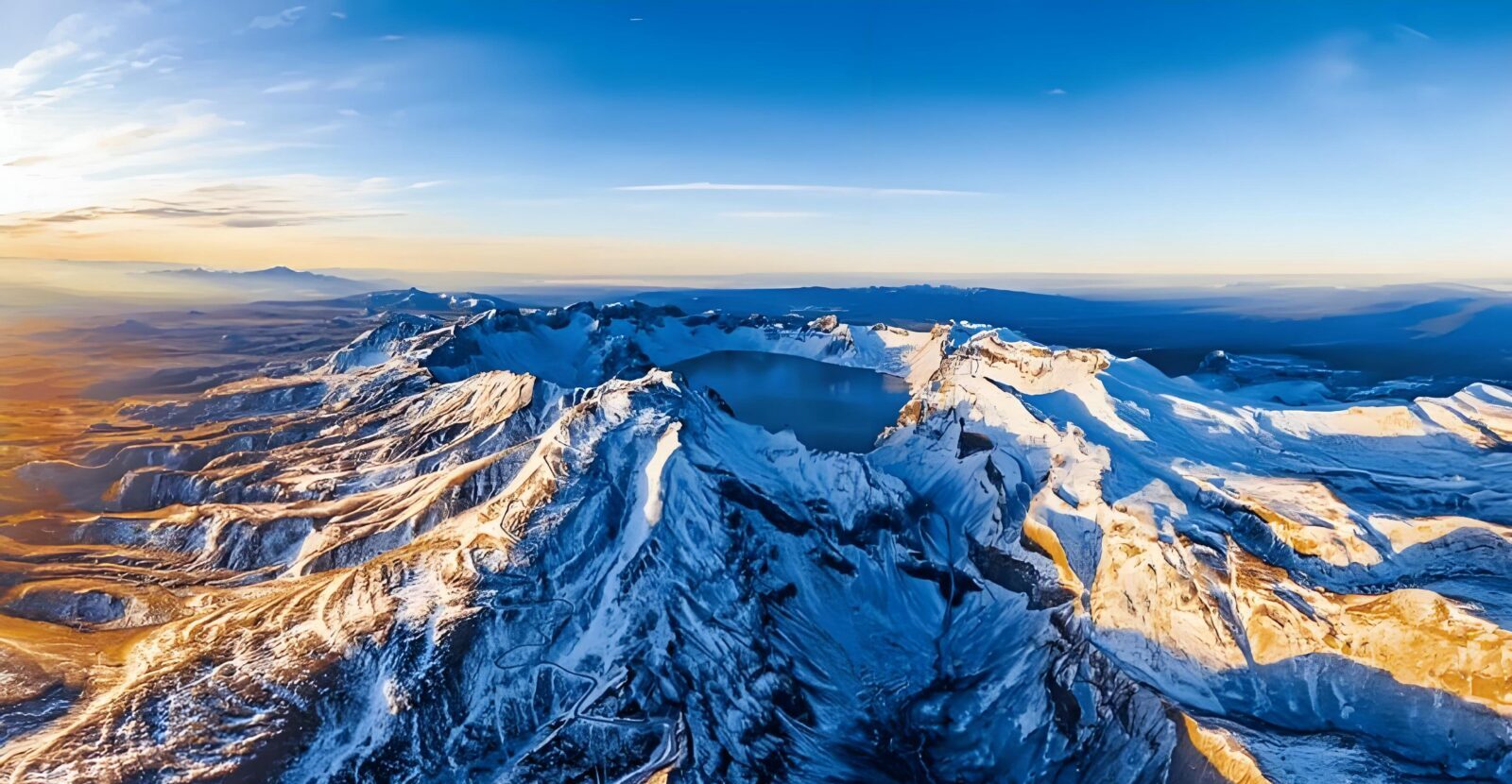
Changbaishan Nature Reserve
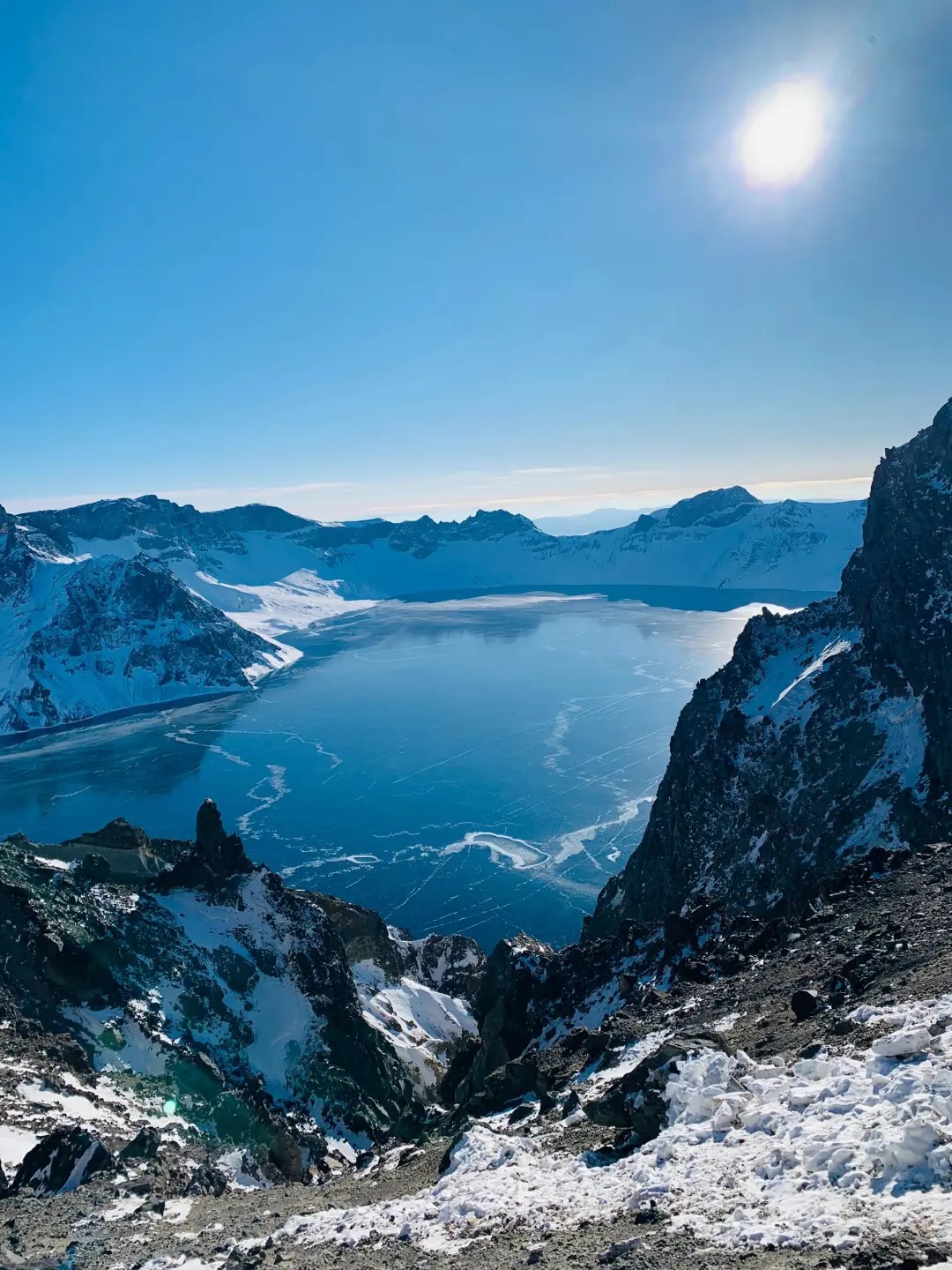
Changbaishan Nature Reserve is located at the frontiers between the Jilin Province and North Korea which constitutes more than 196, 000 hectare of volcanic terrain. The reserve is the home of Heaven Lake (Tianchi), the deepest crater lake in China (384 meters), the 68 meters Changbai Waterfall, and dozens of natural hot springs. It was declared a Biosphere Reserve by UNESCO in 1979. It is the home of some 2,639 plant species, 1,586 animal species, including the newly reintroduced Siberian tiger. Changbai is called Ever-White in Chinese- that is a description of volcanic pumice and snow that covers its peaks all year round.
Quick Facts about Changbaishan Nature Reserve
| 📍 Location | Jilin Province, China–North Korea border |
| 🗺️ Total Area | 196,465 hectares |
| 🏔️ Highest Peak | Baiyun Peak (2,691m on Chinese side) |
| 🌍 UNESCO Status | Biosphere Reserve since 1979 |
| 🕒 Best Season | June–September (summer), Nov–March (skiing) |
| 🎫 Entry Fee | North Slope: ¥169 / West Slope: ¥169 (2024) |
| 📅 Recommended Days | 2–4 days |
What Does "Changbai" Mean and Why Is This Nature Reserve So Famous?
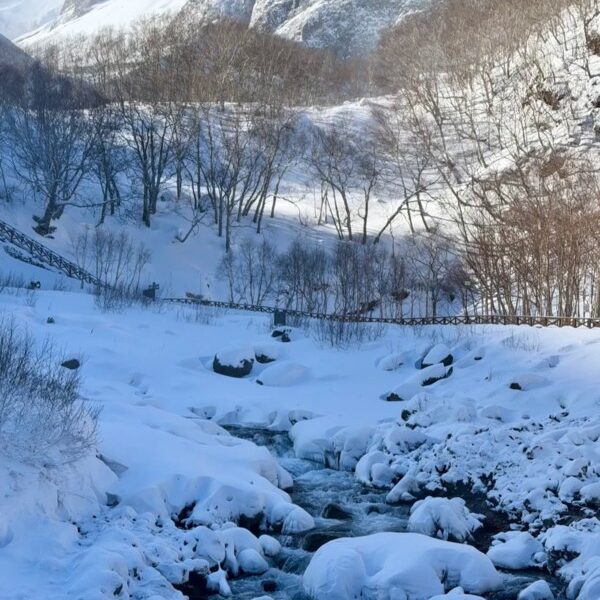
Snow of Changbaishan
The Meaning Behind the Name "Changbai"
Changbai (长白) is translated into English as Ever-White or Eternally White. It was named just as it looks--white pumice of volcanic origin, fallen on the mountains, and snow, which stays late into June in the higher parts. The whiteness can never entirely fade away.
The same mountain is given different names in different cultures. Manchu call it Golmin Shanjiyan Alin, which translates into Long White Mountain. The Koreans refer to Baekdusan (백두산) or White-Headed Mountain. The Changbai Mountain range is a very spiritual site to both communities. To the Manchu it is their original country. It is the birthplace of their legendary founder Dangun to the Koreans. Mountains of the same, tales of the various, and sacrednesss of the same. Want to learn more about this legendary mountain range beyond the nature reserve? Our in-depth Changbai Mountains guide covers the full span of peaks, hiking trails, and cultural highlights stretching across Jilin and Liaoning provinces.
What Makes Changbaishan Nature Reserve Internationally Renowned
In 1979, Changbaishan Nature Reserve became one of the first three biosphere reserves in China ever to be designated by UNESCO. The biodiversity in this area is amazing: 2,639 plant species and 1,586 animal species co-exist in this volcano ecosystem. Heaven Lake is the highest volcanic crater lake in the world with the altitude of 2,189 meters. The boundary of China and North Korea runs through its heart.
In December 2024 a wild Siberian tiger was filmed using camera traps in this reserve, the first time that this has ever been seen in this reserve since 1994. That got foreign press attention. At TripAdvisor, the reserve has an average of 4.5 stars. The two points that have been made in most reviews regard that the scenery is beautiful, but the weather can spoil it all. It was reduced to a simple statement by one user: breathtaking but weather-dependent. I believe that is a good description of Changbaishan Nature Reserve.
Exploring Changbaishan Nature Reserve: North Slope vs West Slope
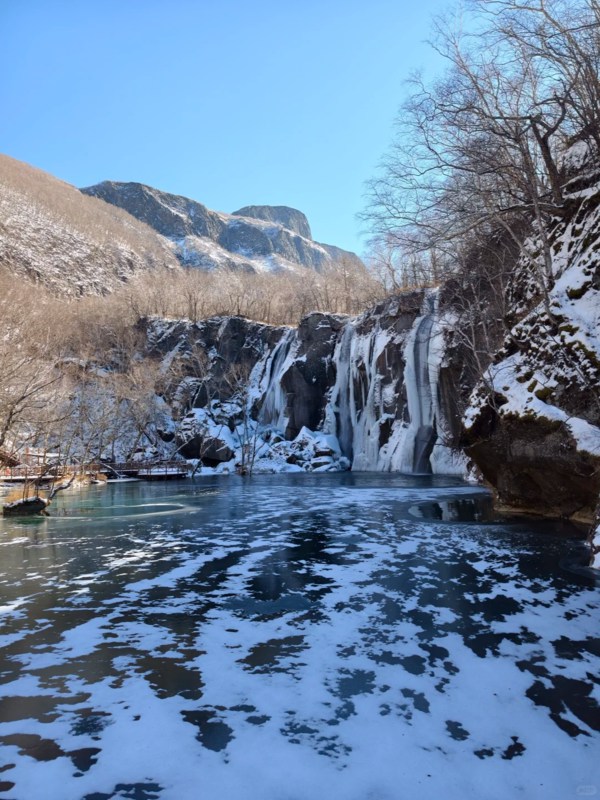
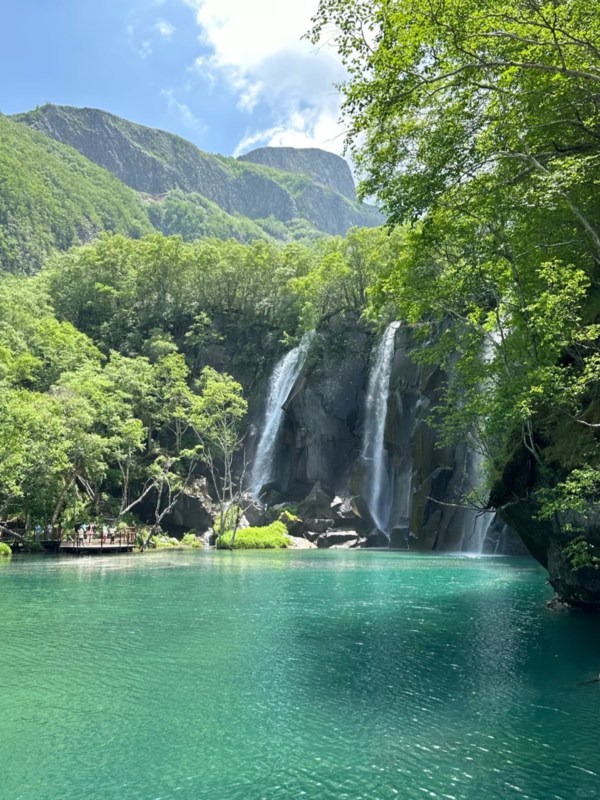
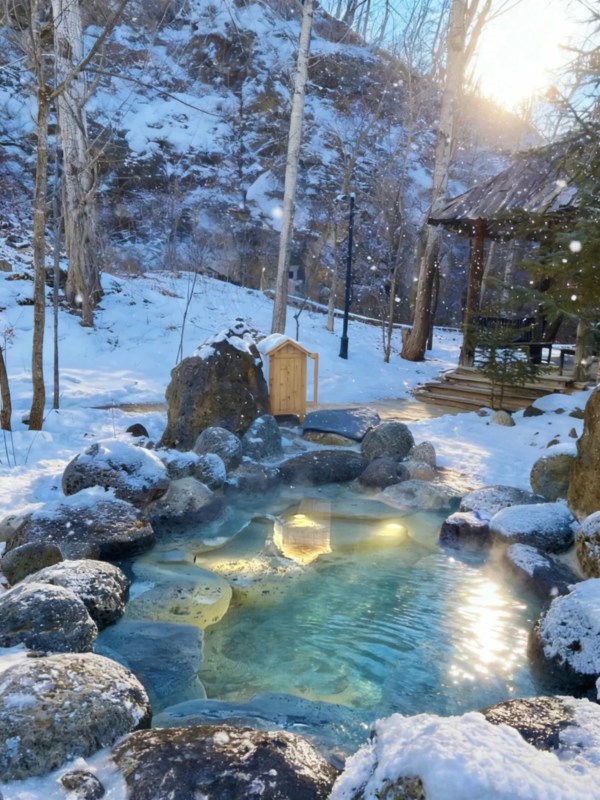
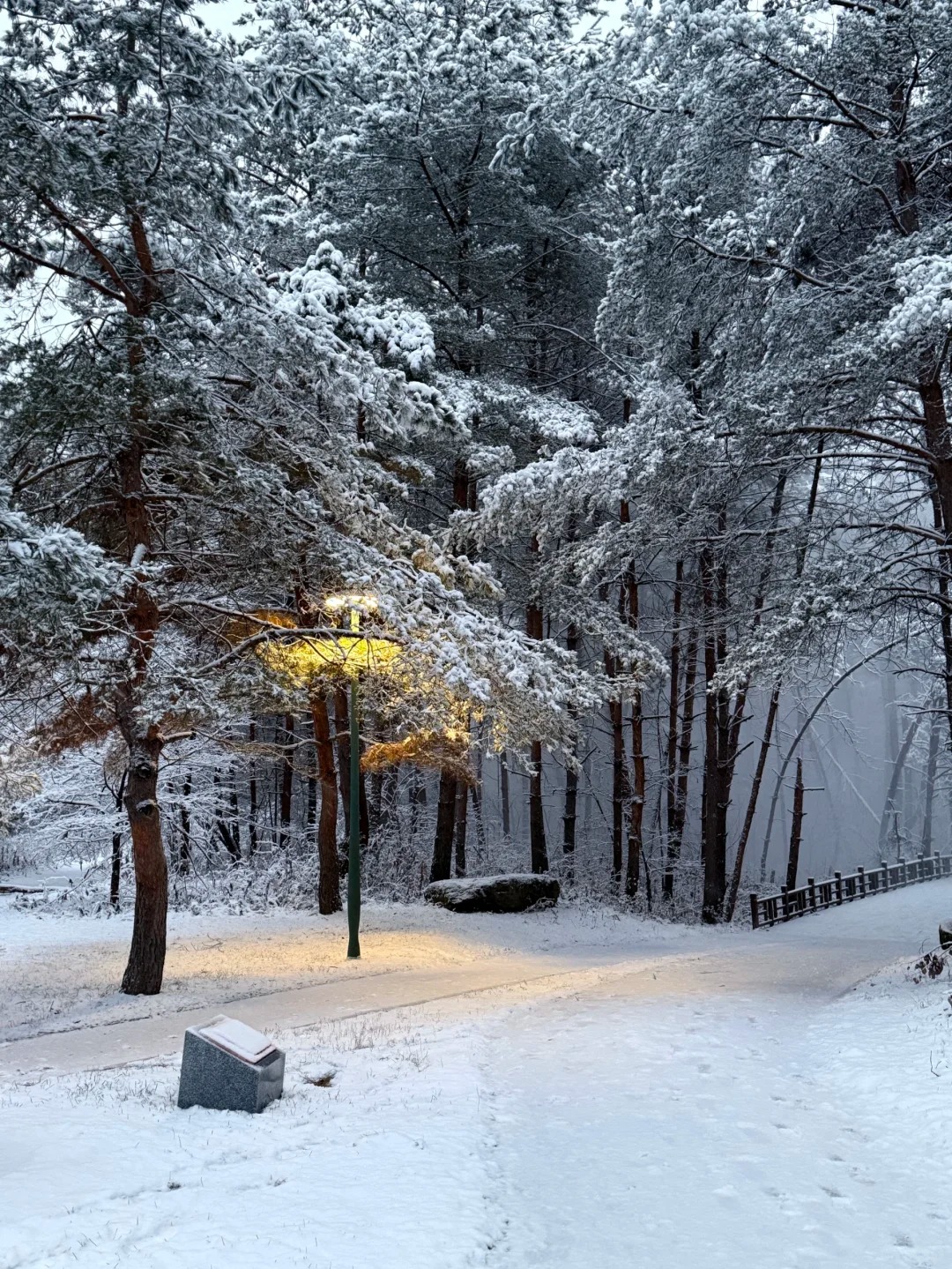
North Slope — The Classic Route with Changbai Waterfall
Most of the visitors come in through the North Slope of Changbaishan Nature Reserve and with a reason. The infrastructure is the most developed here. Shuttle buses operate along the frequency. There is Chinese and occasionally English. You won't get lost.
The most notable one is Changbai Waterfall- 68 meters of volcanic waterfall which is commonly referred to as the longest volcanic waterfall in the world. You hear it first before you see it. Close by, there is Green Deep Pool (绿渊潭), which is almost unnaturally turquoise. Hot springs steam down the avenue, and sellers of eggs boiled in the geothermal water sell. I tried one. This was an ordinary egg, to be honest, but the experience was worth ¥10.
To reach Heaven lake, one does not have to walk. A four-wheel drive car costs about 80 yen. The ride is rough with a 15-minute ride. Nic option in case you do not like stairs. One suggestion: afternoons are less crowded, however, the fog comes more frequently. Visits in the morning will provide you with improved chances of the lake. If Changbaishan has sparked your interest in this part of China, check out our full guide to Northeast China attractions for more volcanic lakes, imperial palaces, and winter wonderlands worth adding to your itinerary.
West Slope — Fewer Crowds and the Stunning Changbai Pine Forest
West Slope requires greater effort. No automobile up the summit--you use 1,400 steps. The duration is approximately an hour, with respect to fitness level. But the reward? Less tourists and more panorama views of the Heaven lake.
On this side, there is Jinjiang Grand Canyon, which was formed as a result of volcanoes hundreds of years past. The Alpine Garden is covered in wild flowers during July and August. The Changbai pine forest also struck me as something but it struck me because people around there refer to them as Beauty Pines (美人松) due to their graceful form and golden girdle. The only thing left is approximately 20,000 trees left in the wild which are in this nature reserve. Once you know what to look at, they are impossible to ignore.
Skiers are to observe: Wanda Changbaishan International Resort is located close to the entrance of the West Slope. This side is more convenient in the winter.
Which Slope Should You Choose? A Practical Comparison
| Feature | North Slope | West Slope |
| Access to Heaven Lake | 4WD vehicle (easy) | 1,400 steps (strenuous) |
| Crowd Level | High | Moderate |
| Key Attractions | Changbai Waterfall, Hot Springs, Green Deep Pool | Jinjiang Canyon, Alpine Garden, Pine Forest |
| Best For | First-timers, limited mobility | Photographers, hikers |
| Nearby Ski Resort | No | Yes (Wanda Resort) |
My suggestion: if this is your first visit to Changbaishan Nature Reserve, start with the North Slope. You'll see the major sights without exhausting yourself. Come back for the West Slope when you want fewer crowds and don't mind the climb.
Heaven Lake (Tianchi) — The Crown Jewel of Changbaishan Nature Reserve
-
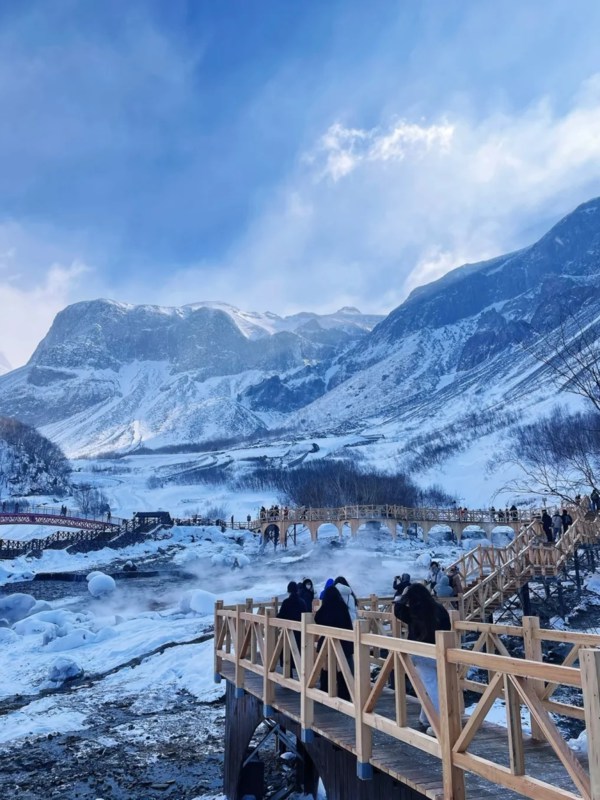

- Snow Mountain and Heaven Lake
-
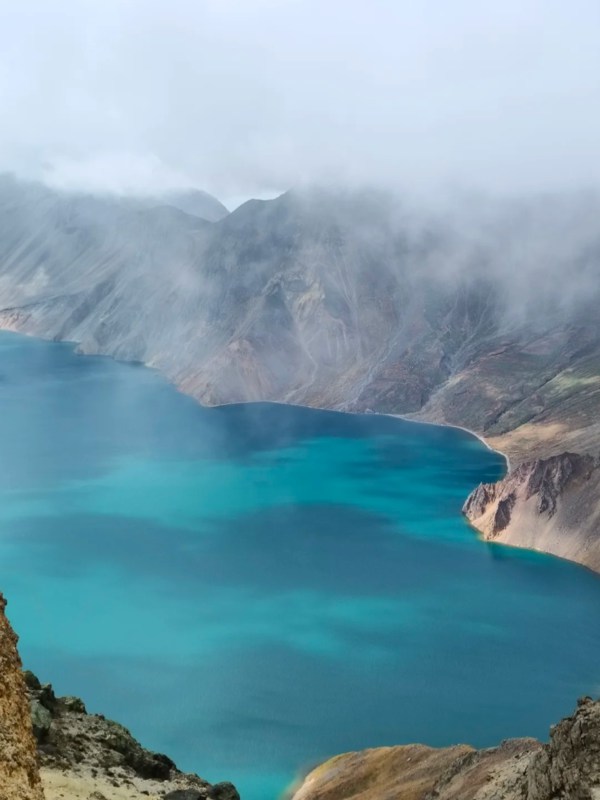
- North Slope of Heaven Lake
-
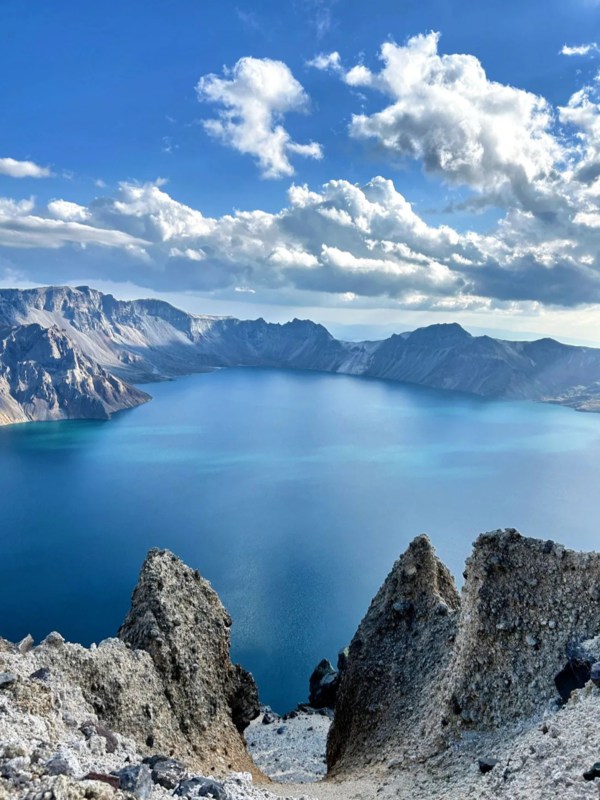
- Heaven Lake
Why Heaven Lake Is Worth the Unpredictable Weather
The elevation of Heaven Lake is 2,189 meters, and its depth is 384 meters, the deepest of the crater lakes in China. The border shared by China and North Korea is the international border that passes directly in the middle. Be on the rim, and you are technically looking into a different country.
The annoying part is that about two-thirds of the visitors do not even get to view it in a clear way. Clouds, fog, heavy rain--weather is quick-changing, faster than you can get out your phone. I waited three hours once. Seated on a chilly boulder, gazing on grey nothingness. And then the clouds broke apart ten minutes or so. It was different after all that waiting of the blue. Deep, almost unreal. Was it worth three hours? I think so. Were I would have been raging had it not cleared? Absolutely. It is a part of the visiting of Changbaishan Nature Reserve that makes it a bit uncertain. You can't control it. You just hope.
The Lake Tianchi Monster — China's Own Loch Ness Mystery
There were some local legends of something in the Heaven lake. The earliest known observation was made in 1903--according to persons who saw, the creature was buffalo-like, and was shot half a dozen times before it vanished in the water. In 2007, a director of a television station captured a film that seemingly showed six animals swimming as a group. The video was broadcasted on a national level.
Researchers are doubtful. The lake is icy, unproductive, and volcanoes will complicate the existence of huge creatures. However, that does not make tourists stop scanning the surface. Others carry binoculars with them in order to spot monsters. Will you see anything? Probably not. Yet looking through the fog at inexplicable ripples is a queer fun to the visit. So it is a sense of humor with Changbaishan.
Best Tips for Seeing Heaven Lake Clearly
Luck is less important than timing. The clearest skies are usually at early mornings; 7-9 AM. Later afternoon after 4 PM is sometimes as well, but the fog accumulates as the temperatures decrease. Avoid midday if possible.
Make sure to download a weather app on route. I had 墨迹天气 (Moji Weather), which has hourly predictions of the summit region. Check it obsessively. In case things are not good tomorrow, change your plan.
The smartest strategy? Spend one more night at Changbaishan Nature Reserve. Reserve accommodation. That buffer day is what will make the difference between Heaven Lake and a grey mist glance of your disappointment.
Seasonal Activities at Changbaishan Nature Reserve
-
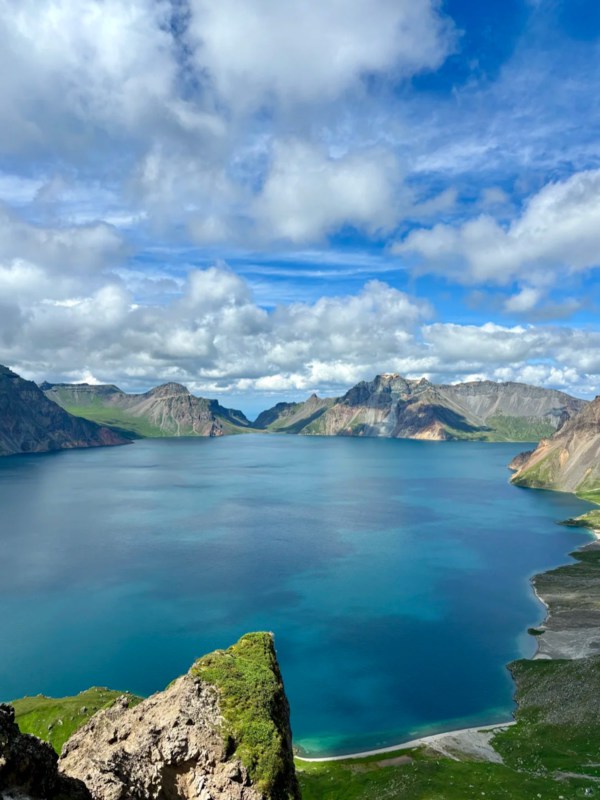
- Summer of Changbaishan
-
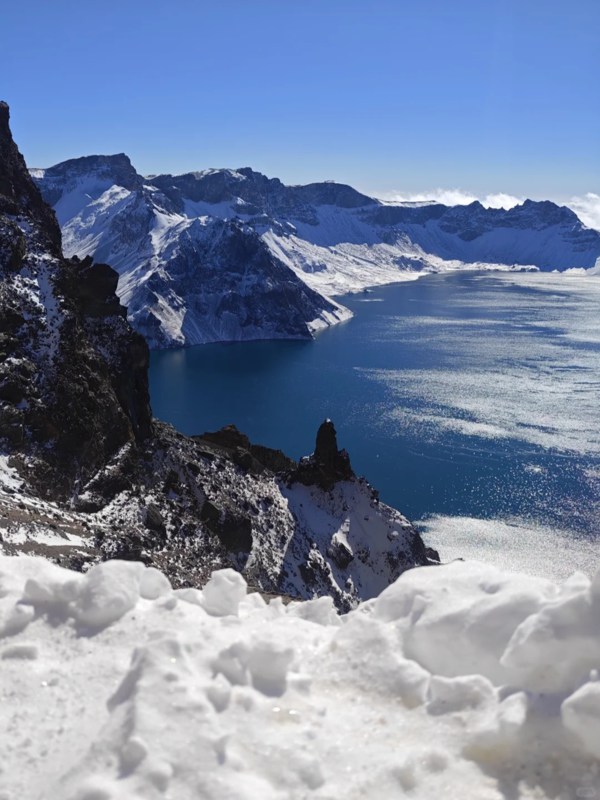
- Winter of Changbaishan
Summer — Wildflowers, Hiking, and the Best Lake Views
The months of June to September are the most comfortable months in Changbaishan nature reserve. At lower altitudes temperatures range between 13-21 C-cooler than in the rest of China that is overheated by 35deg heat. The Alpine Garden on the West Slope is a blooming spurt in July and August. volcanic slopes were dotted with purples, yellows, whites.
It is the high season of Heaven Lake without ice. Surface thaws towards the end of June. Hiking trails open fully. Flocks are also at the peak, but then that is the trade off. And you hate heat and like flowers, then summer here will seem like a foreign land.
Winter — World-Class Skiing and Volcanic Hot Springs
There is nothing like winter changes. The temperature goes as low as -20 o C. Snow piles deep. Wanda Changbaishan International Ski Resort has 43 trails with some of them, satisfying Olympics competition standards. Ecosign, a Canadian company that created five Winter Olympic facilities designed the resort. The cost of lift tickets is about 500-600 per day, seasonally.
The hot springs seem to be compulsory after skiing. Some pools have temperatures of 80 o C of water. The sellers are selling eggs and corn that has been cooked in the geothermal steam; it costs around ¥10 a small bag. The scenic area of the so-called Demon World (魔界) located in the area near Changbaishan presents us with frozen rivers, covered by mist and ice rime coating each branch. According to locals, it appears as a horror movie set. I would say fantasy film, but the impact is equal.
Insider Tips to Avoid Common Tourist Pitfalls
Some of the things that no one tells you. Summer weekends imply three hours of waiting in line to Heaven Lake in the 4WD. Be at the place before 7 AM or be ready to wait. The peak is approximately 17C lower than the foot of the mountain- I noticed t-shirt-clad tourists shivering and regretting the whole situation. Bring layers even in August.
Stay on marked trails. There are also parts of the North Korea border that are not fenced or signed. It has been trounced that people have been arrested over wandering too closely. Not a joke.
The presence of English signage is insignificant within nature reserve. Pre-download Baidu Translate or Google Translate that contains offline Chinese. You will use it when you need menus, signs and requesting a direction.
Planning Your Trip: Tickets, Days Needed, and Getting There
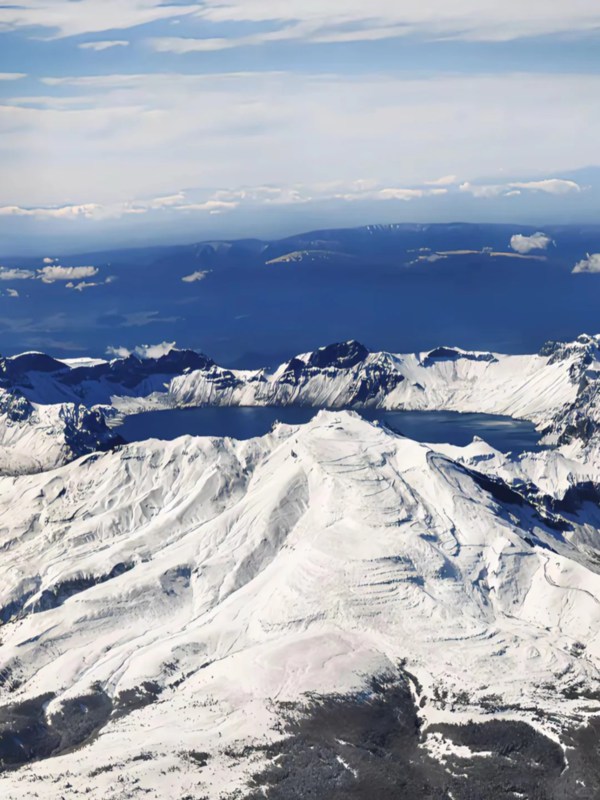
Distant View of Changbaishan
How Much Is the Ticket for Changbaishan Nature Reserve?
Ticket pricing confused me at first. It's not one fee—it's several. For the North Slope, expect to pay ¥169 for entry, plus ¥85 for the mandatory shuttle bus, plus ¥80 for the 4WD ride to Heaven Lake. That's ¥334 total before you've bought a single hot spring egg. The West Slope costs ¥169 entry plus ¥85 shuttle—no 4WD needed since you're climbing those 1,400 steps yourself.
Students with valid ID get 50% off the entry ticket. Seniors over 65 enter free but still pay for transportation. During peak summer months (July-August), you'll need to book tickets in advance through the official WeChat mini-program called "长白山" (Changbaishan). Walk-up tickets sell out by mid-morning on busy days. I learned this the hard way.
How Many Days Do You Need for Changbaishan?
The bare minimum amount of time is 2 days; this allows for 1 full day at each slope, but even this will feel rushed. If it rains (or snows) on either of those days, you're rolling the dice and hoping that Mother Nature is kind to you.
I'd recommend three to four days for Changbaishan. That gives you buffer time if Heaven Lake hides behind clouds. It also allows for hot springs, maybe a half-day at Wanda Ski Resort in winter, or just wandering the Changbai pine forests without watching the clock.
My original plan was two days. I ended up staying four. The first two mornings were completely fogged out. Day three finally cleared. If I'd stuck to my schedule, I would've seen nothing but grey soup and regret.
How to Get to Changbaishan Nature Reserve
By Air: Changbaishan Airport (code: NBS) has direct flights from Beijing (2 hours), Shanghai (2.5 hours), and several other cities. The airport sits about 30 minutes from Wanda Resort near the West Slope, or 1.5 hours from Erdao Baihe Town near the North Slope. Airport shuttles run at fixed times—usually 9:30 AM, 12:30 PM, and 8:30 PM. Confirm schedules before landing.
By Train: High-speed rail reaches Changbaishan Railway Station (敦化 or 二道白河). From Erdao Baihe, the North Slope entrance is only 20 km away. Taxis cost around ¥50-80. Train from Beijing takes roughly 6-7 hours.
Getting Around: Private cars aren't allowed inside the scenic area. You'll rely on park shuttle buses (included in your ticket) to move between attractions. If you're driving to Changbaishan, search "长白山北景区" or "长白山西景区" on Baidu Maps. A Changbai Mountains map in English is hard to find—download offline maps before you lose signal in the mountains.
FAQ About Changbaishan Nature Reserve
Q: What is Changbaishan Nature Reserve famous for?
The reserve is best known for Heaven Lake (Tianchi)—the world's highest volcanic crater lake—and Changbai Waterfall at 68 meters. Volcanic hot springs, ancient forests, and rare wildlife including Siberian tigers draw visitors year-round. Both Manchu and Korean peoples consider this mountain sacred, believing it to be their ancestral homeland. That cultural weight adds something beyond typical nature tourism.
Q: What does "Changbai" mean in English?
"Changbai" (长白) translates to "Ever-White" or "Eternally White." The name describes volcanic pumice covering the peaks—light-colored rock that shimmers white—and snow that persists until June at higher elevations. Koreans call it Baekdusan, meaning "White-Headed Mountain." Manchu people use Golmin Šanggiyan Alin. Different languages, same visual impression.
Q: How much is the ticket for Changbaishan in 2024?
North Slope entry costs ¥169, plus ¥85 shuttle bus, plus ¥80 for the 4WD to Heaven Lake—totaling around ¥334. West Slope runs ¥169 plus ¥85 shuttle, no vehicle needed for the summit climb. Students with valid ID receive 50% off entry fees. Prices might shift slightly by season, so double-check on Ctrip or the official WeChat mini-program before booking.
Q: How many days do I need to visit Changbaishan?
Two days minimum if you're only visiting one slope. I'd suggest three to four days to explore both North and West slopes, soak in hot springs, and build in buffer time. Weather at Changbaishan is notoriously unpredictable—Heaven Lake hides behind clouds roughly two-thirds of visits. That extra day could save your entire trip.
Q: Can foreigners visit Changbaishan Nature Reserve?
Yes, foreign tourists are welcome. No special permits required. However, English signage inside the reserve is almost nonexistent. Booking tickets through Chinese apps like WeChat can frustrate non-Chinese speakers. My advice: download translation apps beforehand, or book through a travel agency if the logistics feel overwhelming. Hotels in Erdao Baihe Town generally accept foreign guests—confirm when booking.
Q: Is the Lake Tianchi Monster real?
Scientifically speaking, probably not. The lake is extremely cold, nutrient-poor, and sits in a volcanic crater—not ideal for large creatures. But sightings go back to 1903, and a 2007 video showed something swimming in formation. Was it otters? Optical illusions? Nobody knows for certain. Real or myth, scanning the water surface adds a fun layer of suspense to your visit.
Q: What is special about Changbai pine forest?
The Changbai Scotch Pine—called "Beauty Pine" (美人松) locally—grows only in this region. Around 20,000 trees remain, concentrated on the West Slope. They're tall, elegant, with distinctive golden bark that glows in afternoon light. Endemic species like this make Changbaishan Nature Reserve more than just pretty scenery. It's a living conservation site.
Q: Is Changbai Island part of Changbaishan Nature Reserve?
No. Changbai Island (长白岛) is located in Liaoning Province, along the Yalu River near Dandong. Completely separate from Changbaishan Nature Reserve in Jilin Province. The similar names confuse people sometimes. If you're planning a trip to see Heaven Lake and volcanic landscapes, make sure your map points to Jilin, not Liaoning.
Q: What's the best time to visit Changbaishan?
Summer—June through September—offers the warmest weather and ice-free Heaven Lake. July and August bring wildflowers but also peak crowds and frequent rain. For skiing and hot springs, November to March works best. September strikes a nice balance: fewer tourists, fall colors, decent visibility. Avoid national holidays like Golden Week if you dislike queues.
Q: Is it safe to hike alone in Changbaishan Nature Reserve?
Stick to marked trails. Off-trail hiking is prohibited—wildlife includes bears and recently returned Siberian tigers. More critically, the North Korean border isn't clearly fenced in some areas. People have been detained for crossing accidentally. Solo travelers can explore safely on designated paths, but joining a guided group makes sense for anything beyond the main tourist routes.