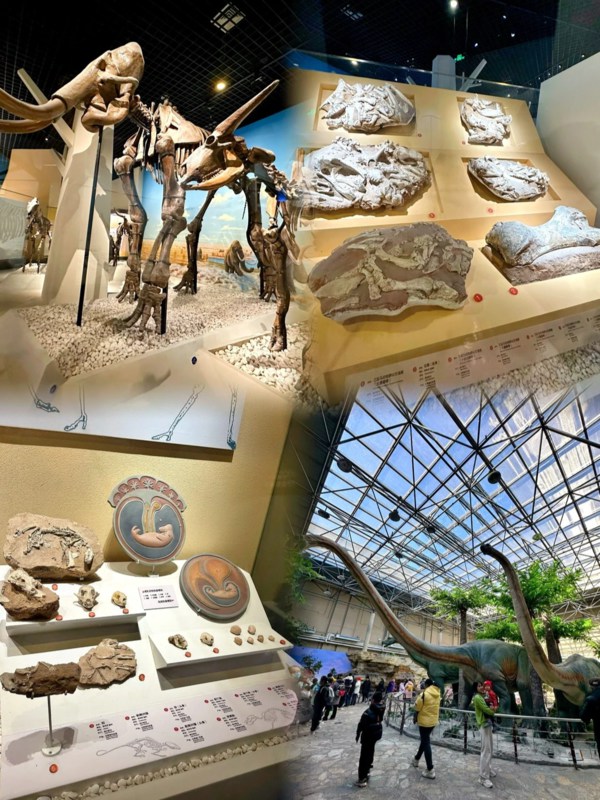
Beijing Museum of Natural History
Located on Tianqiao South Street in Dongcheng, the Beijing Museum of Natural History is easy to walk past without noticing. It doesn’t look flashy, and the layout is simple, but that’s exactly what makes it work. The focus here is on real specimens rather than dramatic presentation.
Most visitors come for the fossils, and understandably so. The museum holds hundreds of thousands of specimens, ranging from plants and insects to complete skeletons of ancient mammals and dinosaurs. Seeing these up close is surprisingly impactful. Some fossils are genuinely overwhelming in scale and presence. It’s a straightforward, factual museum, but one that quietly delivers a strong sense of deep time and natural history. For travelers weighing cultural experiences between Beijing and Shanghai, this kind of museum visit highlights how differently the two cities approach history and learning.
Quick Facts of Beijing Museum of Natural History
| 📍 Location | No. 126 Tianqiao South Street, Dongcheng District |
| 🕒 Hours | 9:00–17:00 (Tue–Sun), closed Mondays |
| 🎟️ Admission | Free, but advance booking is required |
| ⏱️ Suggested Time | 2–4 hours, depending on exhibitions |
| 🚇 Metro | Tianqiao Station (Line 8), Exit B |
| 📞 Booking Tel | +86-10-67027702 |
| 👨👩👧 Best For | Families, dinosaur fans, casual science visitors |
Must-See Exhibits at Beijing Museum of Natural History

The Dinosaur Hall — Where Prehistoric Giants Come Alive
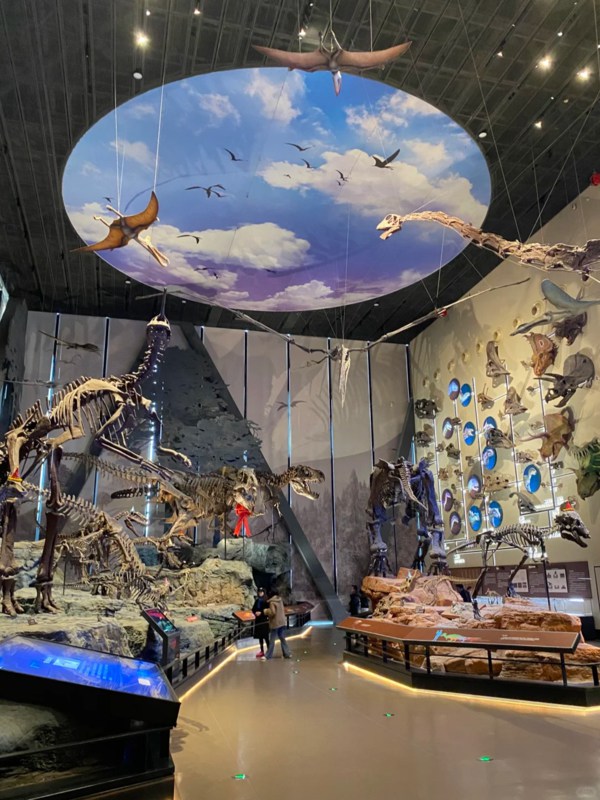
If there is one place that consistently stops people in their tracks, it’s the main dinosaur hall. The star is the 26-meter Mamenchisaurus, one of the largest sauropods ever found in China. Its neck stretches so far across the hall that you instinctively look up before you look forward. Nearby stands the Lufengosaurus, the first complete dinosaur fossil discovered by Chinese scientists. The displays aren’t arranged for drama; they’re arranged for clarity, but the sheer scale does the rest. This is also where families crowd the most, and if you listen carefully, you’ll hear that mix of “哇” and “look at this!” echo under the ceiling beams.
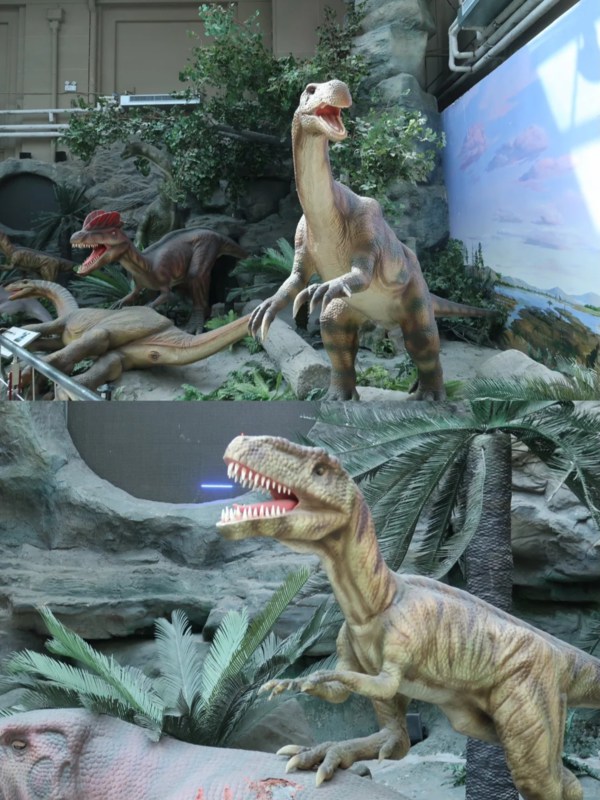
To one side of this area you will find Dinosaur Park, which is where the museum has all of the models of dinosaurs that actually blink, breathe and move. These are not sophisticated animatronics, but these simple ones work. The "young T-Rex" model rises and falls as though it is actually breathing and the long-neck models are so life-like that they can startle you. One time I saw a teenage boy step back so quickly that he almost ran into a stroller because a model only turned its head and blinked. The lighting is a factor in making this area feel more realistic, as it is slightly dimmer than the main dinosaur hall; it has soft lights that show off all of the model's scales and teeth. While kids run ahead through the area, many adults will often be standing still, trying to figure out how these animatronics work.
Ancient Mammals & the Famous Yellow River Elephant
In the Fossil Mammals area, we notice that the halls are larger and the specimens heavier, which may make them seem quieter than the rest of the museum. The best-known specimen here is the Stegodon zdanskyi, or Yellow River Elephant. The name comes from where fossils from this elephant were first discovered in the Yellow River Valley. The area has many layers of sediment that preserved some of the oldest and best examples of Stegodon's in the world! When standing under the Stegodon zdanskyi, you can appreciate just how long the tusks are (they almost fit into a small sedan.) At the Beijing Museum of Natural History, this is a treasured part of their Collection.
Another example is Bemalambda, one of the largest mammals of the Paleocene era. The skeleton looks almost like a cross between a large dog and a primitive bear, but it is an indication of how rapidly mammals evolved to fill the niches left behind after dinosaurs became extinct.
The Jehol Biota Exhibit: The Right Angle to Paleontology Weekend in China
Jehol Biota Fossils — China’s Gift to Paleontology
Researchers have found many feathered dinosaur fossils with perfect impressions of feathers; their remnants, or Archaefructus, are one of the world's oldest flowering plants. The evidence in the Jehol Biota Fossils reshaped much of what we think about early evolution; i.e., feathered dinosaurs existed well before we thought flowering plants would evolve. The plan to highlight the importance of understanding the significance of evolution, as well as understanding the importance of collecting fossils, is globally significant to anyone interested in the Beijing museum experience.
Plant Kingdom, Biodiversity Hall & 4D Cinema
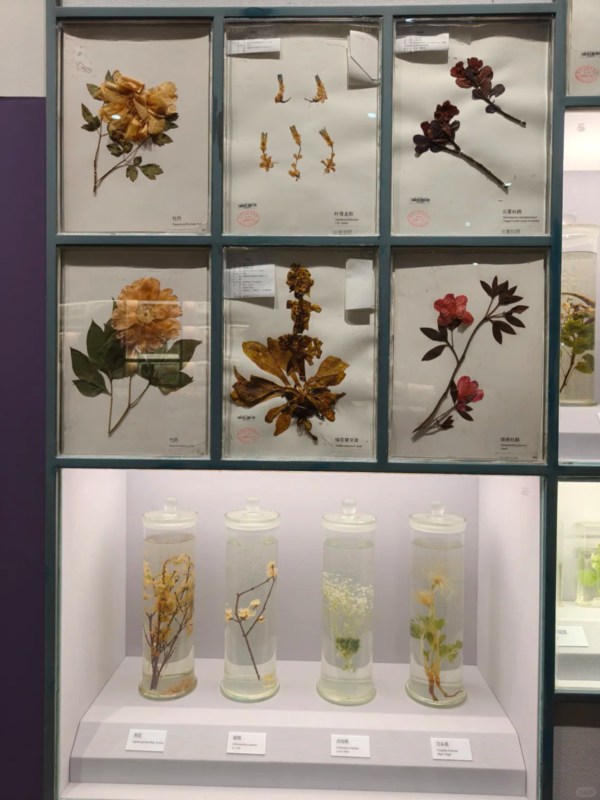
Each exhibit has interactive touch screen booths that children can use to create images of leaves, seeds, and trees. The Wonderful Collection of Animal Species donated by Kenneth E. Behring contains a large number of animal specimens from tiny birds to larger African mammals (such as elephants and rhinos). You feel like you are walking through a tiny version of the global ecosystem of life.
Before you leave, you will want to visit the 4D cinema. Admission is RMB 20. The films generally show frequently throughout the afternoons and run for approximately 15 minutes per film; enough time for a quick break without taking up your entire visit.
How to Get Beijing Museum of Natural History Tickets & Plan Your Visit
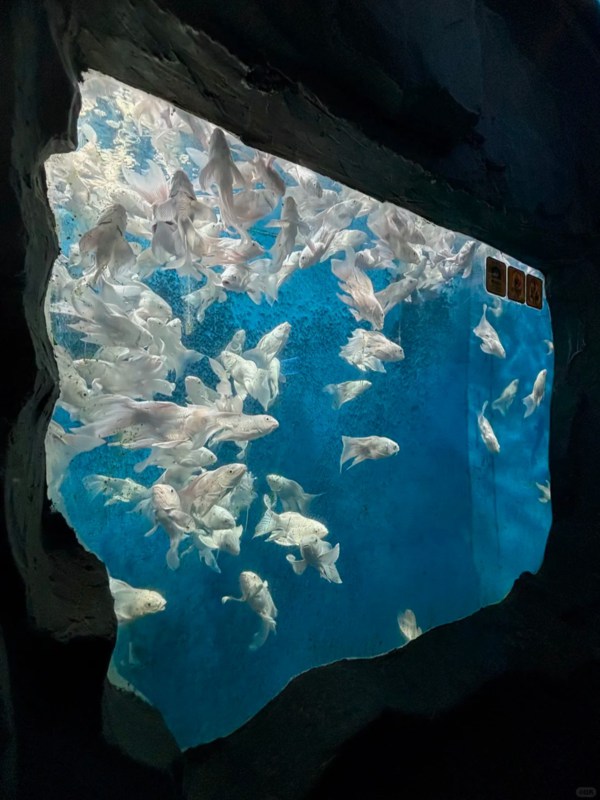
The Aquarium
Do You Need to Book Tickets in Advance? (Yes, Here's How)
Many visitors search “Can I just turn up at the natural history museum?” The short answer: no. You must book Beijing Museum of Natural History tickets before arriving, and the staff at the entrance do check.
There are four main ways to reserve:
- Official website — works well, but requires a China phone number.
- WeChat Mini Program — the most reliable option for locals; you just enter your ID/passport number and select a time slot.
- Meituan App — convenient but not always foreigner-friendly due to language settings.
- Telephone — +86-10-67027702, mainly used by older visitors; the line can be busy on weekends.
For foreign travelers, the most common challenge is that some online booking pages don’t recognize passport numbers or require name formatting that’s unclear. A simple workaround is to ask your hotel reception or a local friend to help with the WeChat Mini Program. Most people I’ve talked to solved it this way.
I once saw a visitor arrive around 11 a.m., confident because he thought admission was free and open entry was allowed. The security staff asked for his booking code, and when he said he didn’t have one, they pointed him to a QR code on the wall. He tried for several minutes but couldn’t complete registration due to ID verification. In the end, he left and said he would return the next day. Free entry does not mean walk-in access, so booking Beijing Museum of Natural History tickets in advance really matters.
Opening Hours & Best Time to Visit Beijing Museum of Natural History
People often ask, “What time does the Beijing Natural History Museum open?” The schedule is simple: Tuesday to Sunday, 9:00–17:00, with last admission around 16:00. The museum closes on Mondays for maintenance.
Crowds vary a lot. The Beijing Museum of Natural History is busiest on weekends, especially during school field trips. If you want a quieter visit, weekday mornings are the best—lighter queues at security and more space in the dinosaur hall. The Beijing Natural History Museum also gets busier on rainy days, since many families choose indoor activities.
How to Get There by Metro, Bus & Taxi
Metro: The easiest way is Line 8 to Tianqiao Station, Exit B. From the exit, it’s a short 5–7 minute walk straight along Tianqiao South Street.
Bus: Several routes stop nearby, including 6, 15, 20, 120, 622, and 687. Depending on traffic, buses can be slower but drop you closer to the entrance than the metro.
Taxi / Ride-hailing: For Didi or regular taxis, show the driver this Chinese address: “东城区天桥南大街126号 自然博物馆”. Most drivers know “自然博物馆” immediately, so even if you only say that, they’ll take you to the correct entrance.
Insider Tips at Beijing Museum of Natural History
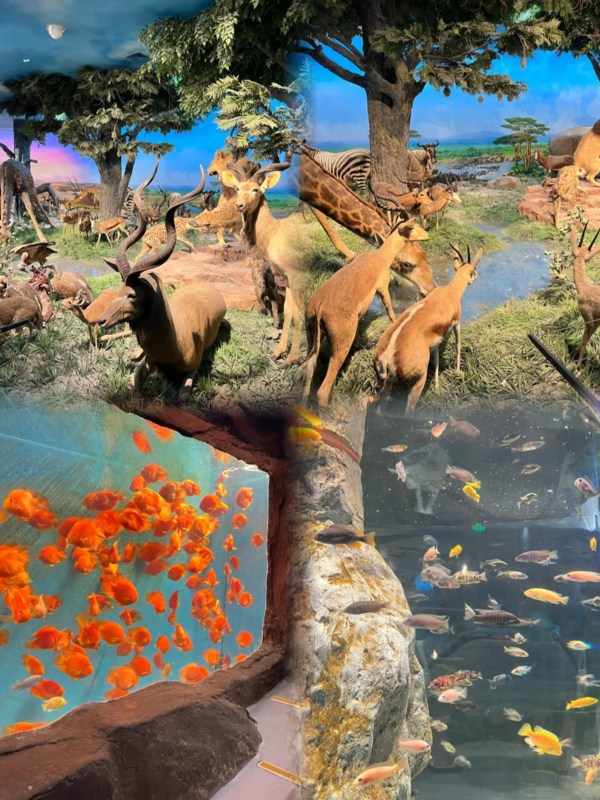
Various Specimens in the Museum
Tips for Visiting with Kids
The large numbers of Family visitors at the Beijing Museum of Natural History make planning. Depending on ages of the children your Family groups would plan their visit differently. Young children aged 3-6 love the Dinosaur Park animatronics and Biodiversity Hall, where they encounter colourful, large, and easy-to-follow displays. Children aged 7-10 will typically spend more time in the main dinosaur hall and ancient mammals hall, where they can see and touch bigger and more dramatic dinosaur fossils. Older Youth have a tendency to lean toward the Jehol Biota fossil exhibit because of the intricate details of fossils containing feathers; this depth of detail and incredible preservation helps Youth feel more scientifically engaged.
The 4D cinema provides a 15-minute break from walking around in an air-conditioned building. Free lockers are available in the vicinity of the entrance for storing belongings whilst watching 4D movies. Visitors are encouraged to bring a 1 RMB coin to access the locker. Visitors attempting to use a foreign coin may require assistance from Museum staff to unlock the lockers.
Nearby Attractions & Where to Eat
You can easily create a one-day itinerary since the museum is near a number of popular sights. The Temple of Heaven is just a 10-min walk from the museum and is a great place to visit first thing in the morning. Qianmen is another area that has been revitalized and offers shops and restaurants. It is less than one metro stop from the museum and would be a good place to eat lunch after visiting the museum and Temple of Heaven.
A simple family-friendly itinerary would be: museum in the morning→ walking to the Temple of Heaven→ taking the metro to Qianmen for snack or shopping. The Museum Cafe is acceptable, but it is very basic, so finding a place for lunch may be better. There are eateries near Qianmen that serve dumplings, noodles, and small restaurants that can accommodate families.
Is Beijing Museum of Natural History Worth Visiting? Who Is It Best For?
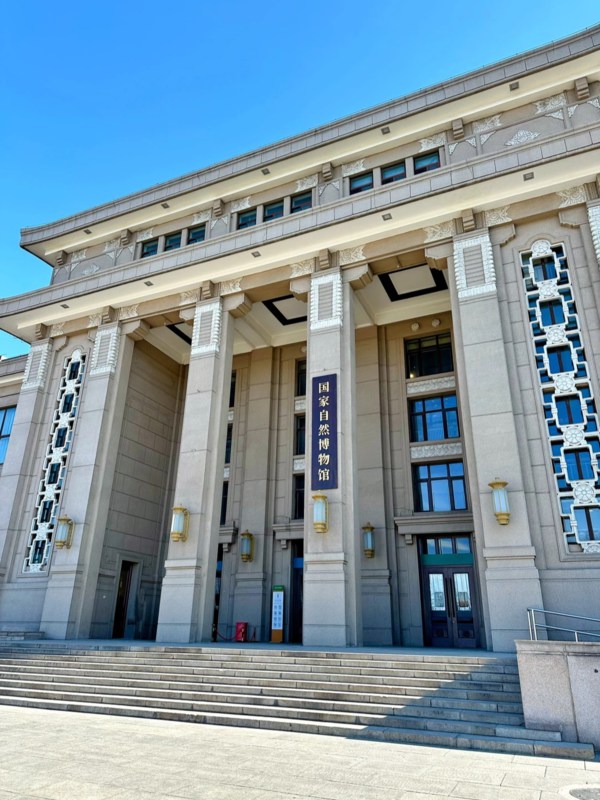
Outside of the Museum
Who Will Enjoy This Museum Most
The Beijing Museum of Natural History suits travelers who enjoy fossils, biology, and factual exhibitions. Families with children often spend hours in the dinosaur halls, where large skeletons and moving models hold attention without needing much explanation. Science-minded visitors also appreciate the depth of the fossil collections, especially ancient mammals and the Jehol Biota exhibits. If you prefer quiet learning spaces and real specimens over digital screens and theatrical displays, this museum delivers a solid and rewarding experience.
Who May Want to Skip It
Travelers focused mainly on imperial history, art, or landmark sightseeing may find this museum less essential. The building feels practical rather than iconic, and the exhibitions prioritize information over atmosphere. Visitors expecting immersive technology, dramatic storytelling, or extensive English explanations may also feel limited. If your schedule in Beijing is tight and museums are not a priority, you may choose to focus instead on historical sites or larger national institutions.
FAQ about Beijing Museum of Natural History
Q: Is the Beijing Museum of Natural History free?
Yes. The Beijing Museum of Natural History is completely free to enter, but you must reserve a time slot in advance. Walk-ins are not accepted. While general admission doesn’t cost anything, note that temporary exhibitions and the 4D theater require paid tickets. These optional add-ons are inexpensive, so most visitors choose at least one for kids. Bring your passport when collecting any special-event tickets.
Q: Can I visit Beijing Museum of Natural History without booking?
Many visitors search “Can I just turn up?” The answer is no—you cannot enter Beijing Museum of Natural History without a reservation. Security checks the QR code at the gate, and visitors without bookings are turned away. Slots on weekends often fill up several days early, so book online or via WeChat before you go. Foreigners should allow extra time in case passport verification is needed.
Q: How long does it take to visit?
A typical visit to the Beijing Natural History Museum takes 2–4 hours, depending on how deeply you explore each hall. Families with younger children may need up to 5 hours, especially if they spend time in the Dinosaur Hall, Insect World, or 4D theater. Exhibits are spread across several floors, so factor in walking time and short breaks between galleries.
Q: Is the Beijing Museum of Natural History good for kids?
Absolutely. The Beijing Museum of Natural History is considered one of the most family-friendly museums in the city. Kids love the life-size dinosaur skeletons, moving models, and interactive insect displays. Toddlers enjoy the bright prehistoric scenes, while older children can dive into fossils, geology, and biology exhibits. The museum layout is stroller-friendly, and the free lockers make family visits easier.
Q: What are the most famous exhibits?
Some of the star attractions at Beijing Museum of Natural History include the massive Yellow River elephant (黄河象) fossils, the iconic Mamenchisaurus (马门溪龙) skeleton, and the extraordinary Jehol Biota (热河生物群) fossils that show early birds and feathered dinosaurs. These permanent exhibits are well-curated and draw huge crowds, especially during weekends and school holidays.
Q: Is there English signage at Beijing Museum of Natural History?
English signage exists but is limited. Most labels at the Beijing Museum of Natural History provide only basic English terms, so detailed explanations may require a translation app. The good news is that many exhibits—especially dinosaurs and large mammals—are visually self-explanatory. If you want deeper scientific information, downloading an AI translation tool will significantly improve your visit.
Q: What is the biggest museum in China?
Visitors often compare institutions when researching the Beijing Museum of Natural History. In China, the National Museum of China in Tiananmen Square is the largest comprehensive museum, far bigger than any natural history museum. The Beijing Natural History Museum is sizable for its category, but its focus is fossils, biology, and paleontology rather than China’s cultural heritage.
Q: How does it compare to the Shanghai Natural History Museum?
Although both museums are popular, the Beijing Museum of Natural History and the Shanghai Natural History Museum offer different experiences. Shanghai’s version is newer, architecturally striking, and features more immersive digital displays. Beijing’s museum is older but has classic fossils, strong scientific collections, and a more traditional layout. Families often prefer Shanghai for interactivity, while researchers enjoy Beijing’s historical specimens.
Q: Does Beijing Museum of Natural History require passports for entry?
Yes. Foreign visitors must show a passport when entering the Beijing Museum of Natural History, even if the reservation has already been made online. The name on your booking must match your passport details. Security staff may manually verify your identity, so allow a few extra minutes at the entrance. For families, each adult and child needs a separate booking code.
Q: Is Beijing Museum of Natural History crowded?
Crowds vary by season, but the Beijing Museum of Natural History is often busy, especially on weekends, school holidays, and rainy days when families seek indoor activities. The Dinosaur Hall and 4D theater attract the largest groups. To avoid congestion, visit on weekday mornings and enter right at opening time. Booking an early time slot also helps reduce waiting at security.