Beijicun
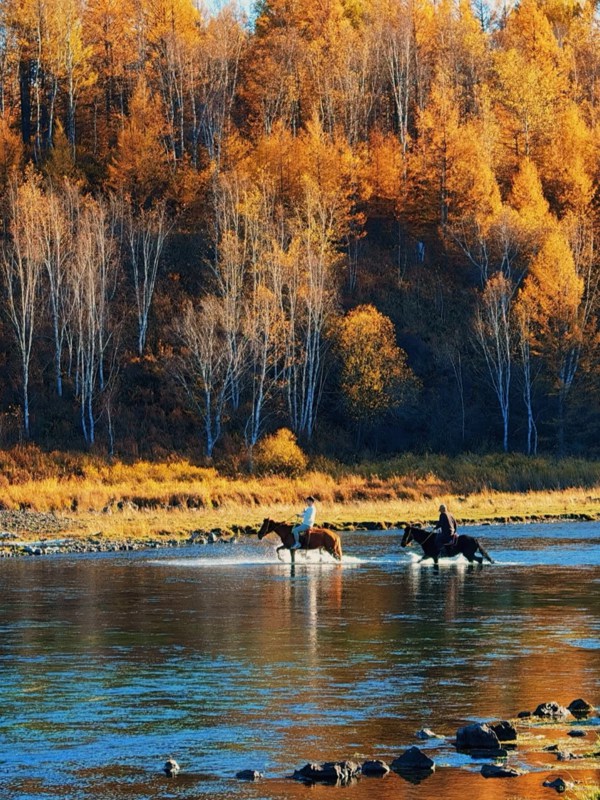
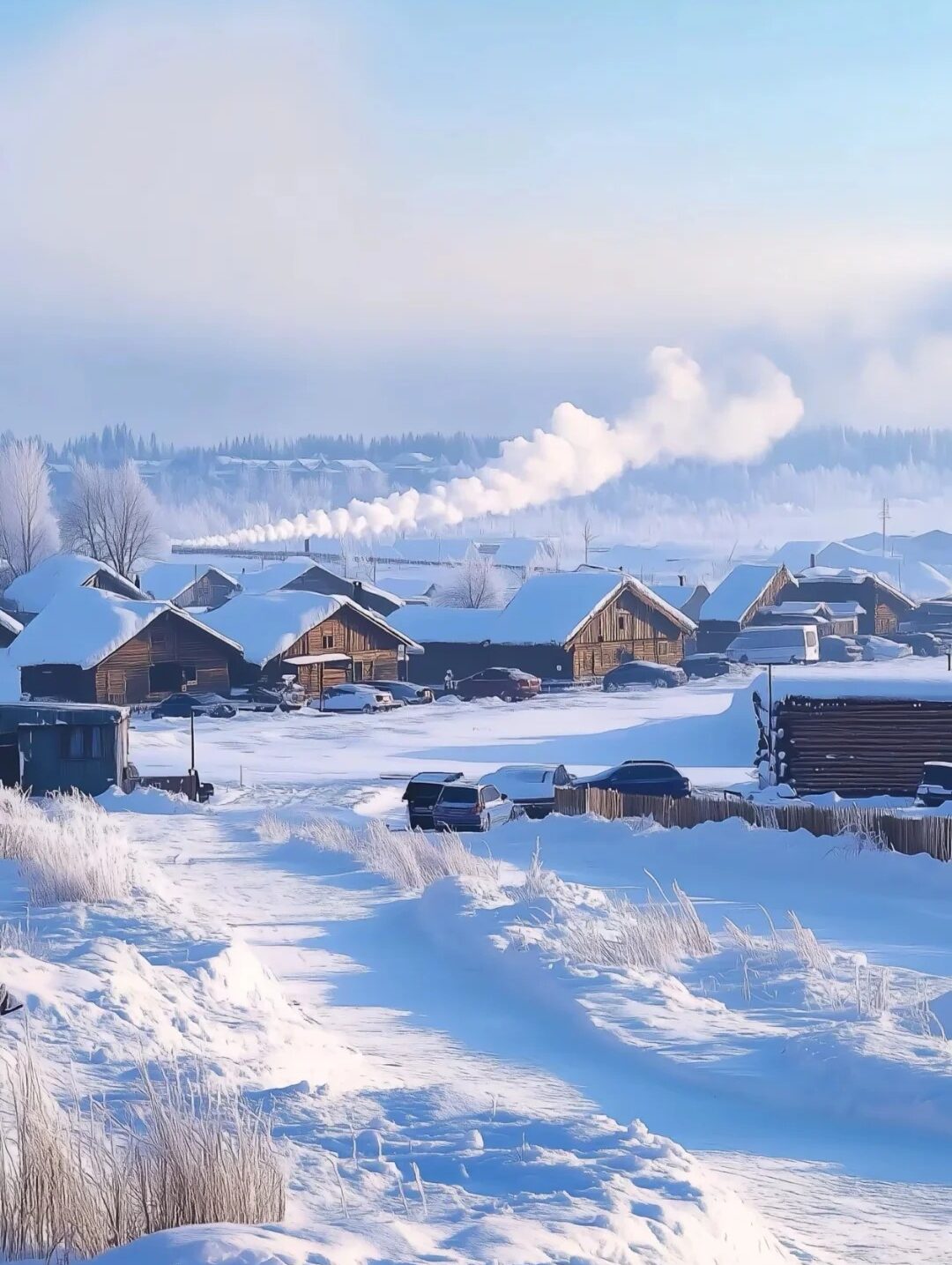
Beijicun, the so-called Arctic Village of China, is situated on the uncivilized south bank of the river Heilongjiang, and opposite it is a little Russian village. And it is approximately 70-plus kilometers away in Mohe and the mood is totally different as soon as you get there, colder, clearer, almost too open.
The village is located at the base of Qixing Mountain on the northern Daxing’anling range and the temperatures in this region remain below 0o C throughout most part of the year. Northern lights, the north-most features, and being at the very verge of China, where winter appears to drag endlessly, are all the reasons why people flock to it.
Quick Facts About Beijicun
| 🌍 Location | 53°33'N, Heilongjiang Province, China |
| 🏙️ Nearest City | Mohe (about 80–85 km away) |
| 🎫 Entry Fee | ¥68 (full) / ¥35 (half-price) |
| ❄️ Best Season | Dec–Feb for snow / June for midnight sun |
| 🌡️ Avg. Winter Temp | -30°C to -50°C |
| 🌌 Aurora Chance | Rare but possible on KP 7+ nights |
| 🧳 Recommended Stay | 2–3 days for a slow trip |
Best Winter Activities and Attractions in Beijicun Scenic Area
The Viral “Water-to-Ice Splash” Experience
The most iconic photo in Beijicun is the “water-to-ice splash.” The principle is simple: hot water thrown into extremely cold air evaporates instantly, and the vapor freezes into ice crystals mid-air. For the best effect, use 80–100°C boiling water and wait for temperatures below –30°C. Stand with the sun behind you, throw the water in a wide arc, and shoot in burst mode. Safety matters too—always toss the water away from your face and downwind to avoid burns.
Horse-Drawn Sleigh Rides Across the Frozen Heilongjiang
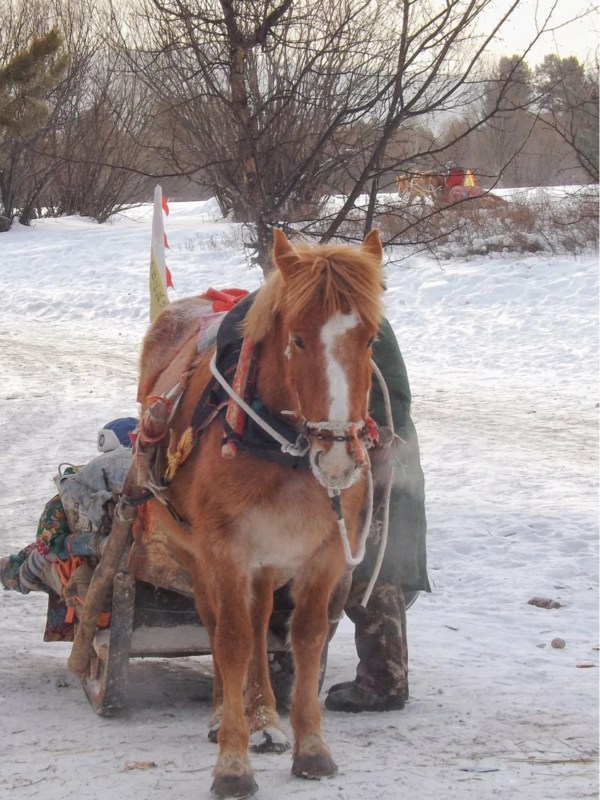
Riding a horse-drawn sleigh is one of the most atmospheric activities in the Beijicun scenic area. Prices range from ¥200–300 per hour, and the experience is simple but memorable: the jingle of bells, a wide open snowfield, and the faint outline of a Russian village across the frozen river. A popular Xiaohongshu note joked, “马拉爬犁比车快”—the horse sled sometimes outruns cars on snowy roads. If you want to discover more exciting winter experiences and top things to do across Heilongjiang, check out this guide.
Traditional Ice Fishing (Dongbu) on the Border River
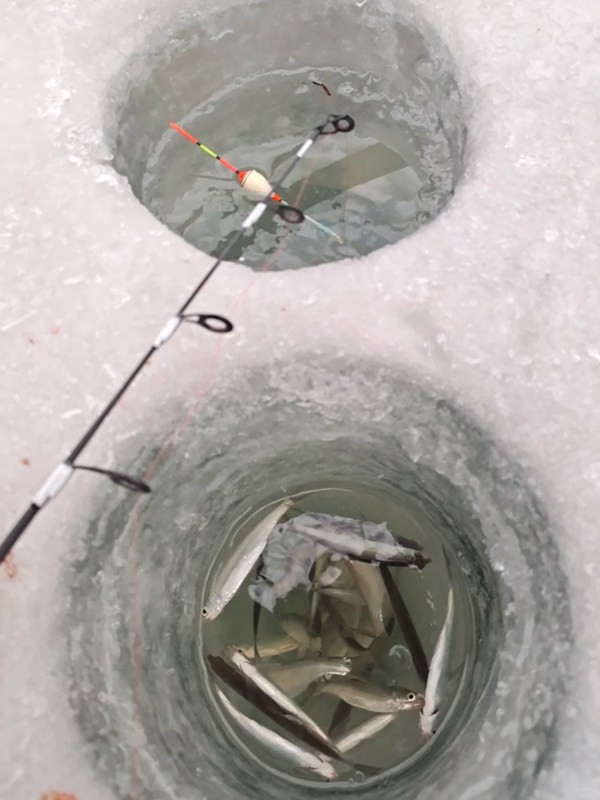
Winter ice-fishing, or dongbu, usually begins in mid-December once the ice becomes thick enough. Visitors can try drilling holes, setting nets, and tasting freshly caught cold-water fish. Most travelers join this through local drivers’ packages, so the cost is often already included. Standing on the frozen Heilongjiang while fishermen work under the ice gives Beijicun a raw, northern authenticity.
Santa Claus House in Beijicun Christmas Village
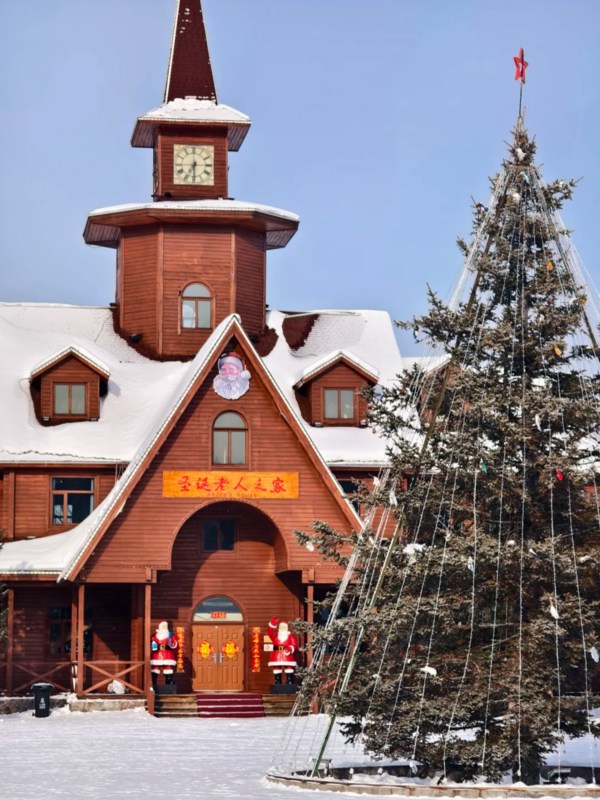
Entitled "北极村圣诞老人之家", the Santa Claus House is the answer to your holiday question. The Santa Claus House is around 22 km from Beijicun and costs ¥60 for entry. The location is home to a Finnish Santa Claus, Christmas post office and a small outdoor ice-sculpture park. The optimum time to visit is from the middle of December to the end of December, when all the activities and displays of Christmas celebration are fully operational and staged.
Reindeer Park and Ewenki Culture
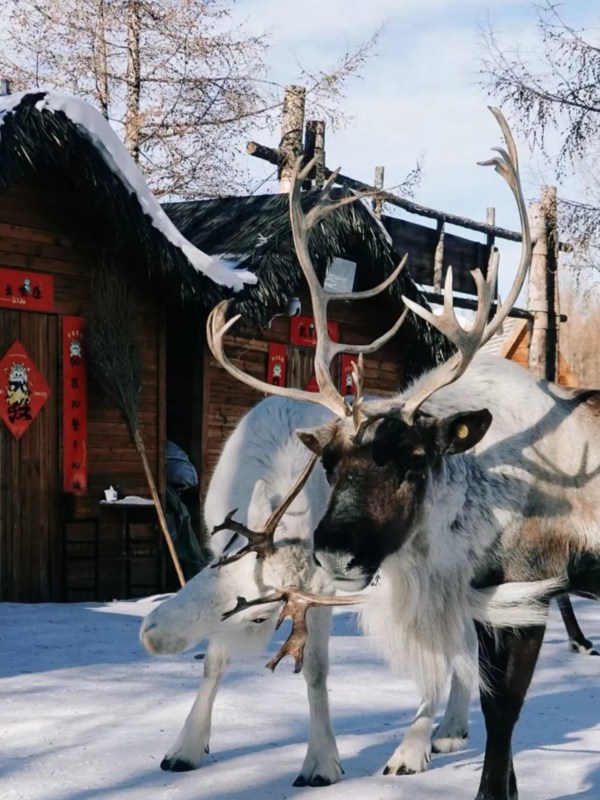
The Reindeer Park is the main attraction within the Beijicun Scenic Area and costs ¥80 to get into. While at the Reindeer Park, you will be able to feed and pet reindeer. Please refrain from visiting during the months of May and June, during the antler-evasion period when the animals have recently shed their antlers and experience a great deal of stress. The Reindeer Park also has displays of Ewenki traditional forest culture, which offers visitors insights into how the lifestyle of the Ewenki people is influenced by migrations, the seasonal snow and the custom of herding reindeer.
How to See Aurora in Beijicun — Realistic Expectations and Tips
-

- Aurora in Beijicun
-
- Aurora
When to See Aurora in Mohe, China?
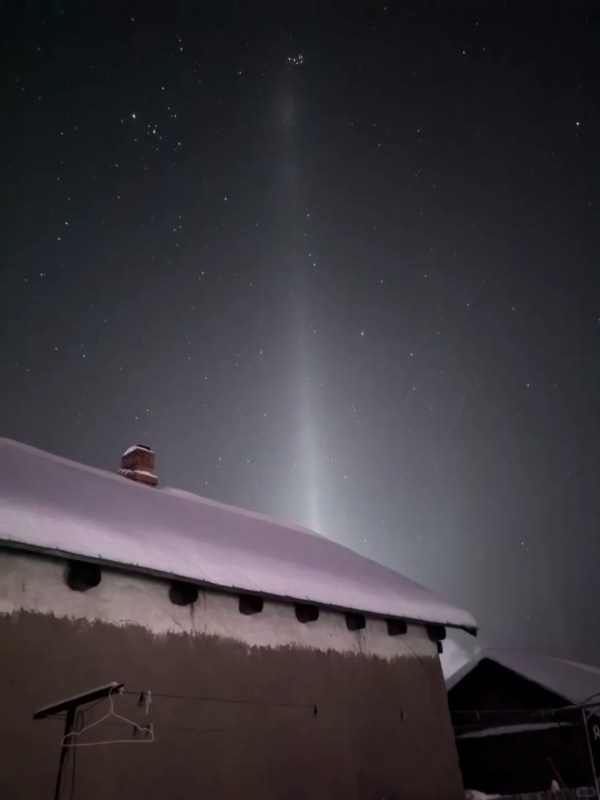
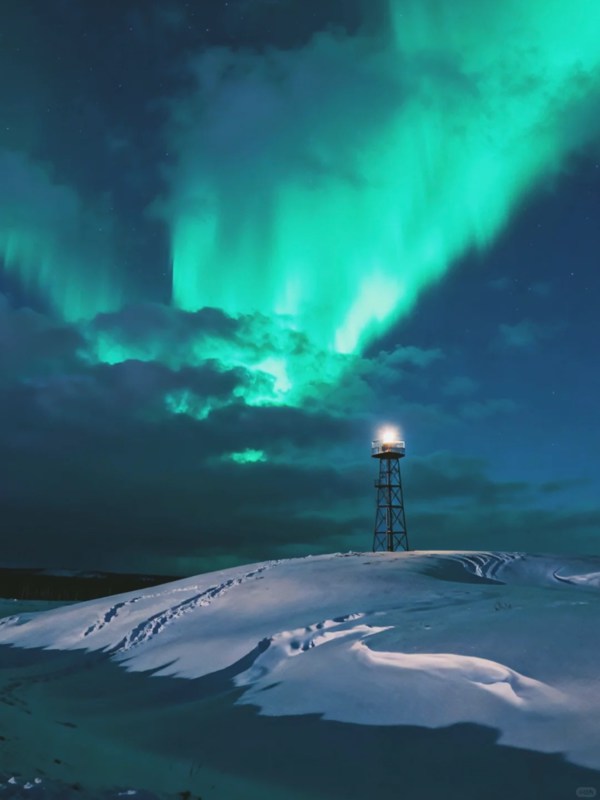
Many people want to know when they can see the aurora in Mohe and the answer is that this happens solely during the winter months (December - February) from 10 PM - 2 AM. And, while it is technically located north of where most auroral activity occurs, it is still south of what will be considered the majority of the activity of the next solar maximum (2024-2025). Many locals have described seeing streaks of green suddenly appear at some point in their life, but EITHER of them will always add the fact that you cannot rely on it.
Understanding the KP Index for Beijicun Aurora Viewing
To see aurora borealis here, the KP index is the key number. Beijicun usually needs KP 7–9 before anything noticeable appears. Those high readings don’t happen often. Apps like 天问通 (Sky Inquiry) or the Mohe Tourism WeChat account give real-time alerts, though the predictions jump around a bit. A candid Tripadvisor review once put it bluntly: “If only for aurora borealis, it is not worthy to go.” I wouldn’t go that far, but the message is clear—treat aurora as a bonus, not the main plan..
Best Aurora Viewing Spots in Beijicun
If you happen to have some luck, these are your best options. The Beiji San Bar has almost no light pollution with a very open feel, especially under a clear night sky. If you're not a fan of walking too far in the cold, Qixing Square is another great option. The Longjiang First Bay Area Viewing Deck has a breathtaking view of the entire horizon, and on nights when there's no wind, the surface of the river gives great reflections of the faint colours.
Aurora Photography Settings
For camera settings to capture the Aurora, I would suggest starting off between ISO 1600 to 6400, f/2.8, and shutter speed between 10 to 25 seconds. If you are like most people, you will find that tripods can be very cold and your fingers will go numb. Many people this time of year will tape a warmer to their spare battery. However, even if you have a warmer taped to your spare battery, you may be able to take only a handful of photos before both your batteries die in the cold.
Where to Stay in Beijicun — Hotels and Guesthouses
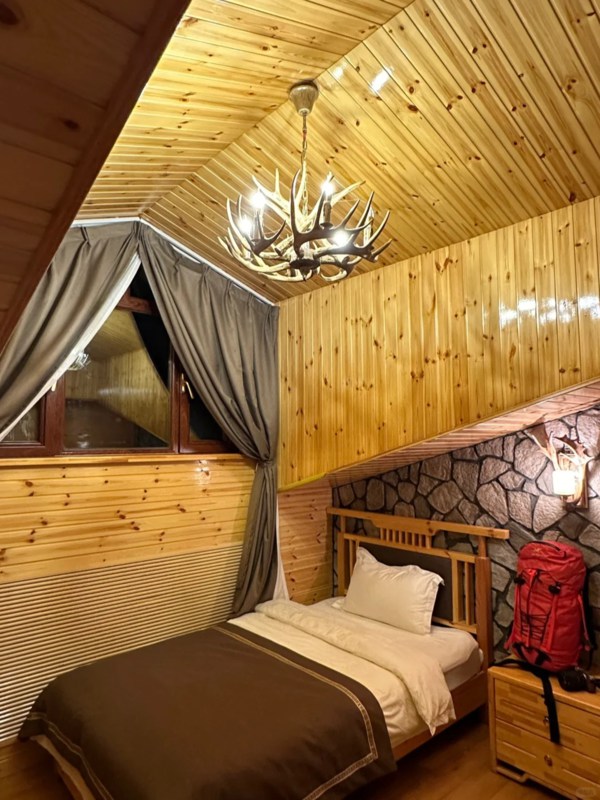
Wooden Homestay
Traditional Wooden Guesthouses (Recommended)
The traditional wooden lodges located in Beijicun are an excellent choice for visitors looking for an authentic feel of the north. They offer log cabins, warm interiors, and the traditional heated brick bed (known as kang) that residents utilize during the winter months. The most popular choices are the Suojin Hotel, Chiyi Hotel, and Beiji Mountain Lodge. Prices can be very different for each establishment. Normally, off-season prices range from ¥100–¥200 per night while winter prices can be as high as ¥300–¥800 per night. Tripadvisor reviews state that the people are very kind: “The locals are all very friendly” which gives the guesthouse a welcoming feel even if you only stay for a short time.
What to Expect from Beijicun Accommodation
Most guesthouses now come with private bathrooms, central heating, and WiFi, though the signal can be patchy. All guesthouse rooms are kept fairly clean, plus having heated brick beds means that guests won't suffer through cold nights. However, be prepared as one traveler mentioned, "I had to keep the window open because the floor heating in my room was burning hot." It is always a good idea to reserve 1-2 weeks in advance for accommodations during peak season otherwise the availability will be limited, particularly for those looking for a window view of the northern lights.
Is It Better to Stay in Beijicun or Mohe City?
Staying in Beijicun has clear advantages: you’re right in the village, close to aurora viewing spots, and can enjoy the local winter atmosphere without rushing. Although Mohe City has a much larger selection of hotels and a much easier time getting to and from your hotel, this will take away from the tranquillity that you would typically expect to find within the confines of a small, rural town. It is often suggested to spend at least 1-2 nights in Beijicun and then travel to Mohe City either for convenience or in the event of weather delays.
Beijicun Weather and Temperature — Is Mohe the Coldest City in China?
-
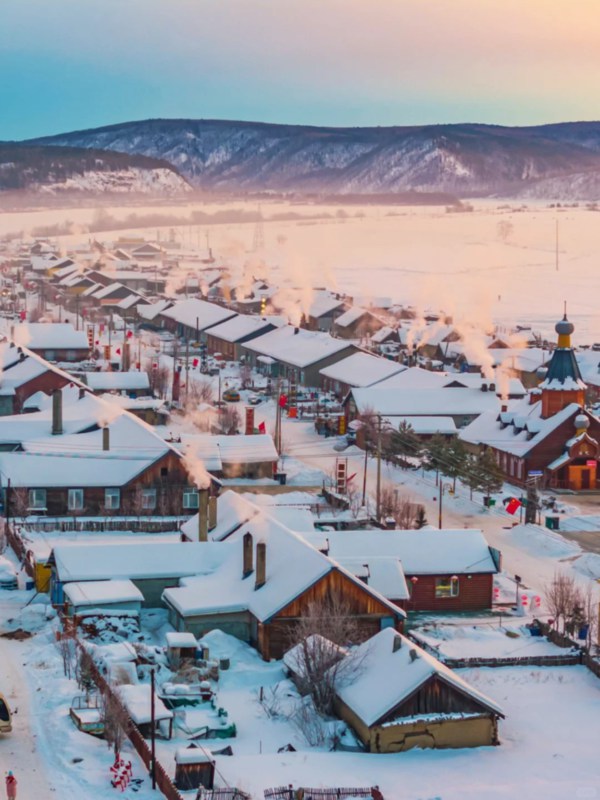
- Mohe
-
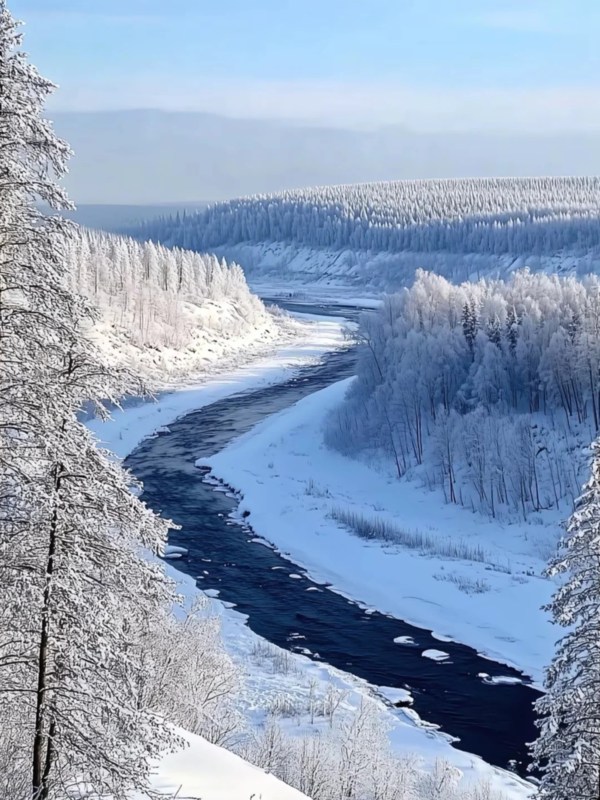
- Snow of Beijicun
Winter Weather in Beijicun (December to February)
Winter in Beijicun is just as vicious as they tell. Temperatures normally range between –30°C and –40°C, and the locals still talk of the all time low record of –52.3°C as though this was last year. Were you wondering, Is Mohe the coldest city in China?--most maps tell so, and by the way your breath catches half-way down the air it seems like it. There were instances when my phone would run out without taking even two or three pictures even though the battery appeared to be full. With each step we take by the river, in that icy cold, the steps seem sharper, like they are brittle.
Summer Climate and the Midnight Sun Phenomenon
Summer is entirely another thing. Beijicun heats up to about 19 C and you could see the famous midnight sun towards June 21 when daylight extends to nearly 21 hours. It is not pitch-dark; it ends up being bluish and unreal. One of the visitors on Tripadvisor threatened, The mosquitoes here are unusually strong, and that is exactly what I recall, the insecticide assists, but not invariably. The 20°C difference in temperature between day and night may also shock you in the summertime when you can carry only T-shirts.
What to Pack for Extreme Cold in Beijicun
In winter, dressing up spares you. Thermal underwear is the beginning, then add a down jacket which is thick and a windproof pair of pants. Minor details are also helpful: warmers, additional power bank, and a thermos help to cope with cold days. Cotton dresses sound good, but are quickly soaked and become cold at a rapid rate, which a beginner is likely to regret as soon as the wind blows along the river.
How to Get to Beijicun — Transportation Guide
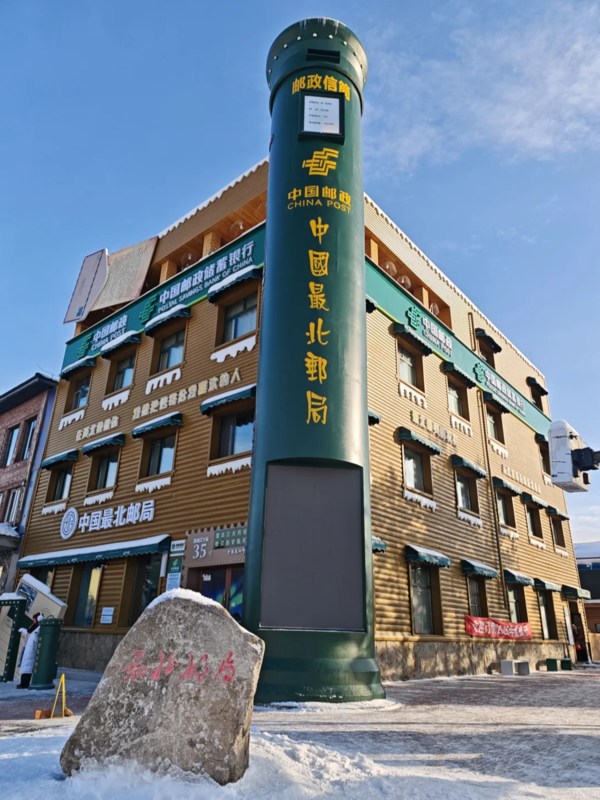
Landmark Building in Bejicun
Flying to Mohe Gulian Airport
The fastest way to reach Beijicun is to fly to Mohe Gulian Airport. Direct flights are available from Beijing or Harbin, taking around 2–3 hours. From the airport, a taxi ride to Beijicun costs roughly ¥150–200 and takes about 2 hours, depending on snow conditions. The road is mostly clear, but winter storms can occasionally slow the trip, so leaving some buffer time is smart.
The Snow Country Train Experience
For those with more time, the Harbin–Mohe train is a unique adventure. The journey lasts 18–20 hours, with a hard sleeper ticket around ¥150–200. It’s scenic, especially in winter, as the Daxing’anling forests pass by in a continuous white blur. Be ready: a Tripadvisor reviewer noted, “Mohe nobody speaking English,” so basic Chinese or translation apps are helpful. Also, smoking rules in the carriages aren’t always strictly enforced—some trains may have occasional cigarette smell.
Getting Around Beijicun Scenic Area
Once in Beijicun, the scenic area offers a small sightseeing bus for about ¥30, convenient for short stops. For more flexibility, hiring a private car or driver is recommended, typically ¥300–600 per day, allowing you to visit aurora spots, sandbars, and other attractions without rushing. With snow and icy roads, local drivers know the safest routes, making a car rental a practical choice.
FAQ About Beijicun
Q: When is the best time to visit Beijicun for aurora?
The ideal period to see the aurora in Beijicun is December through February, usually between 22:00 and 02:00. The 2024–2025 solar activity peak slightly increases chances, but Beijicun remains south of the auroral oval. Travelers should monitor the KP index, aiming for KP 7–9 for visible aurora borealis. Apps like 天问通 or the Mohe Tourism WeChat account help track conditions. Keep realistic expectations—auroras are never guaranteed.
Q: How cold does Beijicun get in winter?
Beijicun winters are extreme. Average temperatures range from –30°C to –40°C, and the historical low reached –52.3°C. It’s often colder than most northern European towns and feels harsher due to dry wind and clear skies. Even short walks require proper layering and insulated footwear. Electronics like phones and cameras can shut down quickly in the cold, so extra batteries and warm pockets are recommended.
Q: Can I visit Beijicun without a tour guide?
Yes, independent travel is possible, but Beijicun is remote. Hiring a private driver or car is advised for flexibility, especially in winter. English is limited—some signs are only in Chinese or Pinyin—so translation apps help. Cash in ¥RMB is essential, as not all guesthouses or small stalls accept cards. Following local advice on road safety and weather conditions makes self-guided trips manageable.
Q: How many days should I spend in Beijicun?
A 2–3 day stay is ideal to explore Beijicun thoroughly. Day 1 can focus on village exploration and aurora spotting. Day 2 includes attractions like Beiji Sandbar, Qixing Square, and Longjiang First Bay. If time allows, a half-day trip to Beihong Village offers cultural immersion. This pace balances sightseeing, winter activities, and sufficient rest in cold temperatures.
Q: Is Beijicun safe for solo travelers?
Beijicun is generally very safe for solo travelers. Crime is rare, and locals are friendly. The main risk is extreme cold—frostbite and hypothermia are real threats in winter. Always inform your guesthouse or hotel of your daily plans and expected return time. Carry a phone with local SIM and basic emergency numbers. Winter clothing and layered outfits are essential for safety and comfort.
Q: What food is available in Beijicun?
Beijicun offers typical Northeast Chinese cuisine, such as tieguodun (iron pot stew) and xiaoji dun mogu (chicken with mushrooms). Fresh cold-water fish from local rivers is also common, often steamed or pan-fried. In season, blueberries and other northern berries appear in desserts and drinks. Small restaurants and guesthouses serve hearty portions—perfect after long cold walks or aurora watching.
Q: Do I need a visa to visit Beijicun border area?
No special visa is needed beyond a standard Chinese visa. Because Beijicun is near the Russian border, always carry your passport. Photography of border infrastructure, military posts, or patrol areas is prohibited. Customs and border police may occasionally patrol, so staying aware of regulations ensures a smooth visit.
Q: Can I see Russia from Beijicun?
Yes, on clear days you can view the small Russian village of Ignashino across the Heilongjiang River. In winter, when the river freezes solid, walking partway onto the ice is possible—but only do so with local guidance. The view is unique: snow-covered Russian houses, forests, and the river create a surreal, borderland landscape visible directly from Beijicun.
Q: How do I get around Beijicun scenic area?
Within the Beijicun scenic area, transport options include a small sightseeing bus (¥30 per ride) and private car rentals (¥300–600/day). A private car gives more flexibility for visiting aurora spots, Beiji Sandbar, and Longjiang First Bay without rushing. Snowy roads can be tricky, so hiring a local driver is recommended in winter. Walking is possible for nearby attractions, but distances between highlights are long in deep snow.
Q: Are there any cultural experiences in Beijicun?
Yes, Beijicun offers unique cultural experiences. Visitors can explore Ewenki reindeer culture, feed reindeer at Reindeer Park (¥80), and learn about traditional forest life. Winter activities like dongbu ice-fishing also provide insight into local customs. Seasonal festivals, such as small Christmas events in the nearby Santa Claus House, blend Russian and Finnish influences, making Beijicun not just a natural destination but a place to experience northern border culture.