Shanghai Citywalk
Shanghai citywalk has become one of the best ways to experience this city beyond the usual tourist spots. Instead of rushing between landmarks, you slow down and actually see things—the old shikumen alleyways, the plane trees lining French Concession streets, the mix of 1920s architecture and modern cafes sitting side by side.
The city rewards walking. Historic neighborhoods like Xintiandi and Tianzifang are compact enough to explore on foot, and getting a little lost usually leads somewhere interesting. This guide covers the best shanghai citywalk routes, practical tips, and a few mistakes worth avoiding.
5 Best Shanghai Citywalk Routes: From Heritage Streets to Hidden Alleys
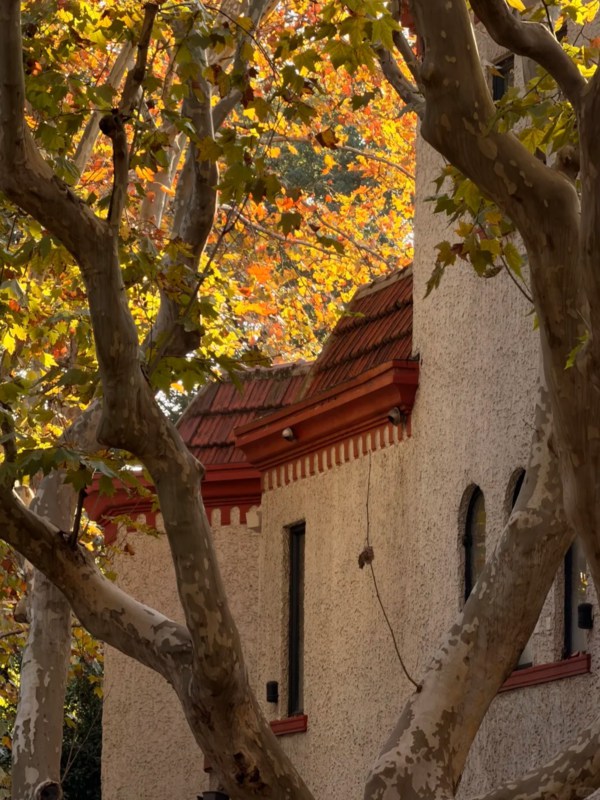
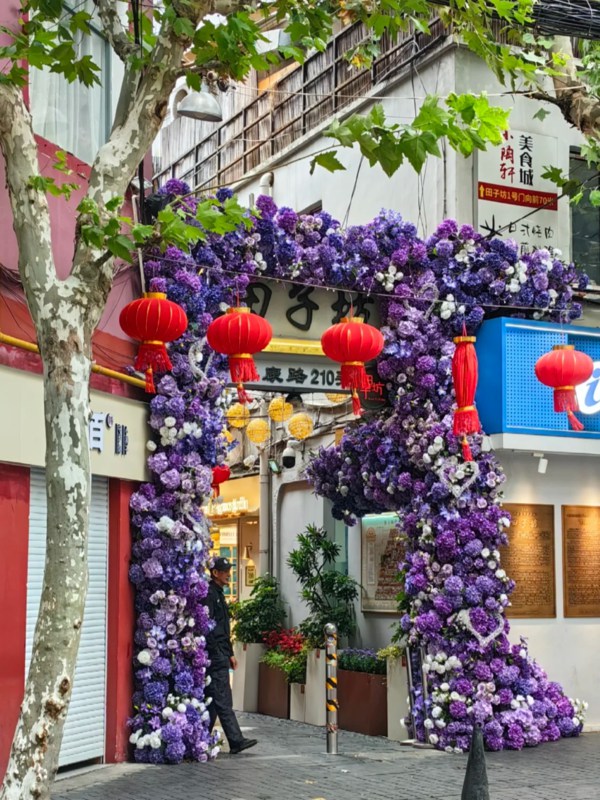
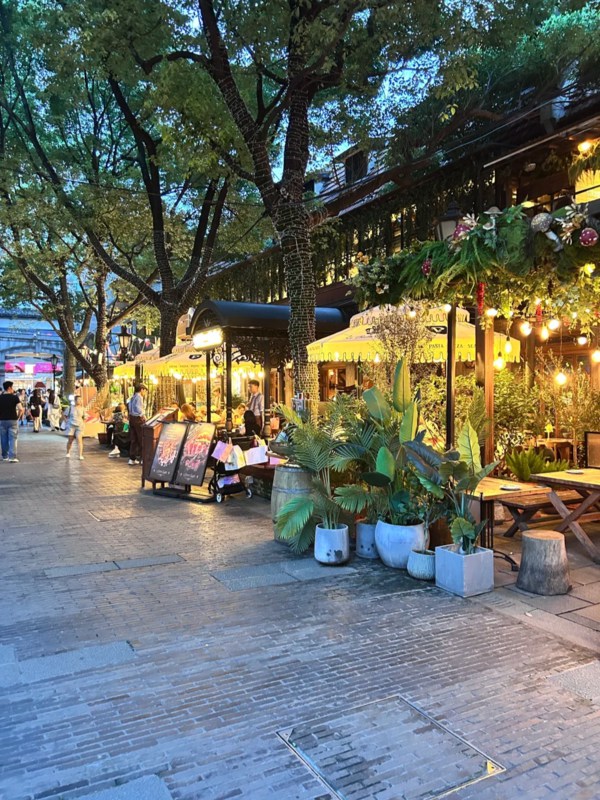
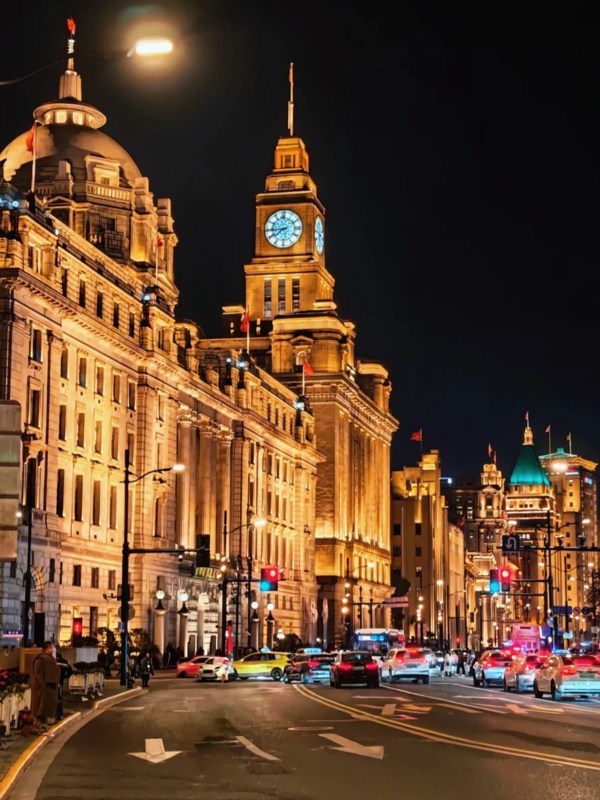
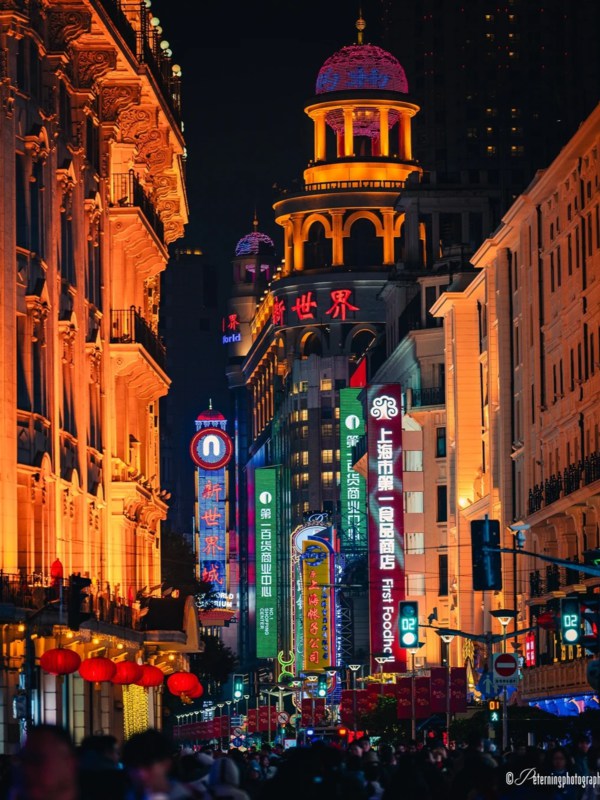
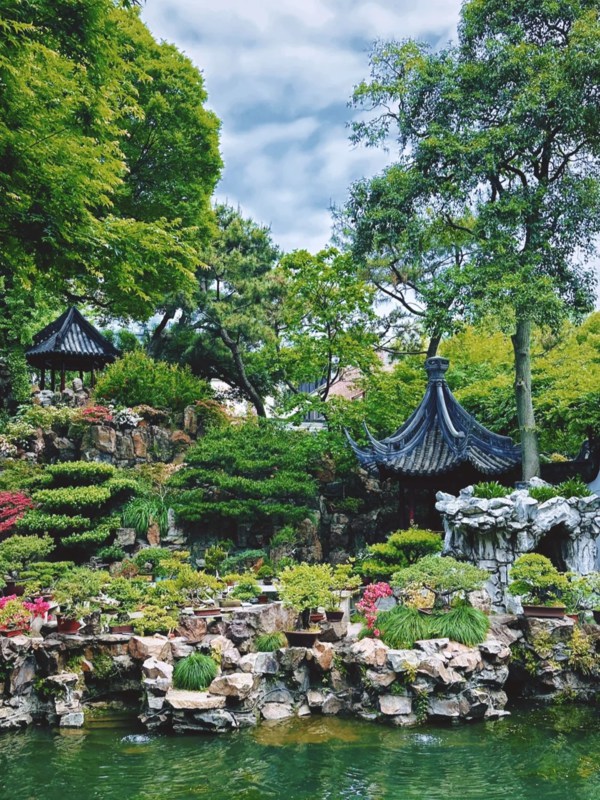
Shanghai is a city that should not be rushed through; it has an energetic pulse, a glowing light in many areas, and the smell of fried dumplings and street coffee. There is something about walking the leafy avenues of the French Concession, finding narrow lanes within Old Town, or walking along the riverside promenade with an abundance of neon reflections in puddles of water, the ringing of tram bells in the distance, and the sound of a street performer playing music nearby; it makes a city walk in Shanghai feel more like discovering a living artwork. Many of the smaller side streets have small shops that are selling aged teas that are older than myself.
By midday, streets fill with locals on lunch breaks, students scurrying past, and tourists taking endless photos. Each corner whispers a story—some marked in faded English or bright pinyin—yet everything somehow connects. A cup of hand-pulled soy milk for around ¥8–12 tastes better than any café latte I’ve had, and I can’t help but think: skipping this stroll would almost feel like leaving Shanghai unread.
Route 1. French Concession Citywalk — The Most Instagrammed Route
- Distance & Duration: 3–4 km, 2.5–3 hours, easy, flat
- Start Point: Jiaotong University Station (Metro 10/11)
- Route: Wukang Mansion → Wukang Road Coffee Street → Fuxing Park → Tianzifang
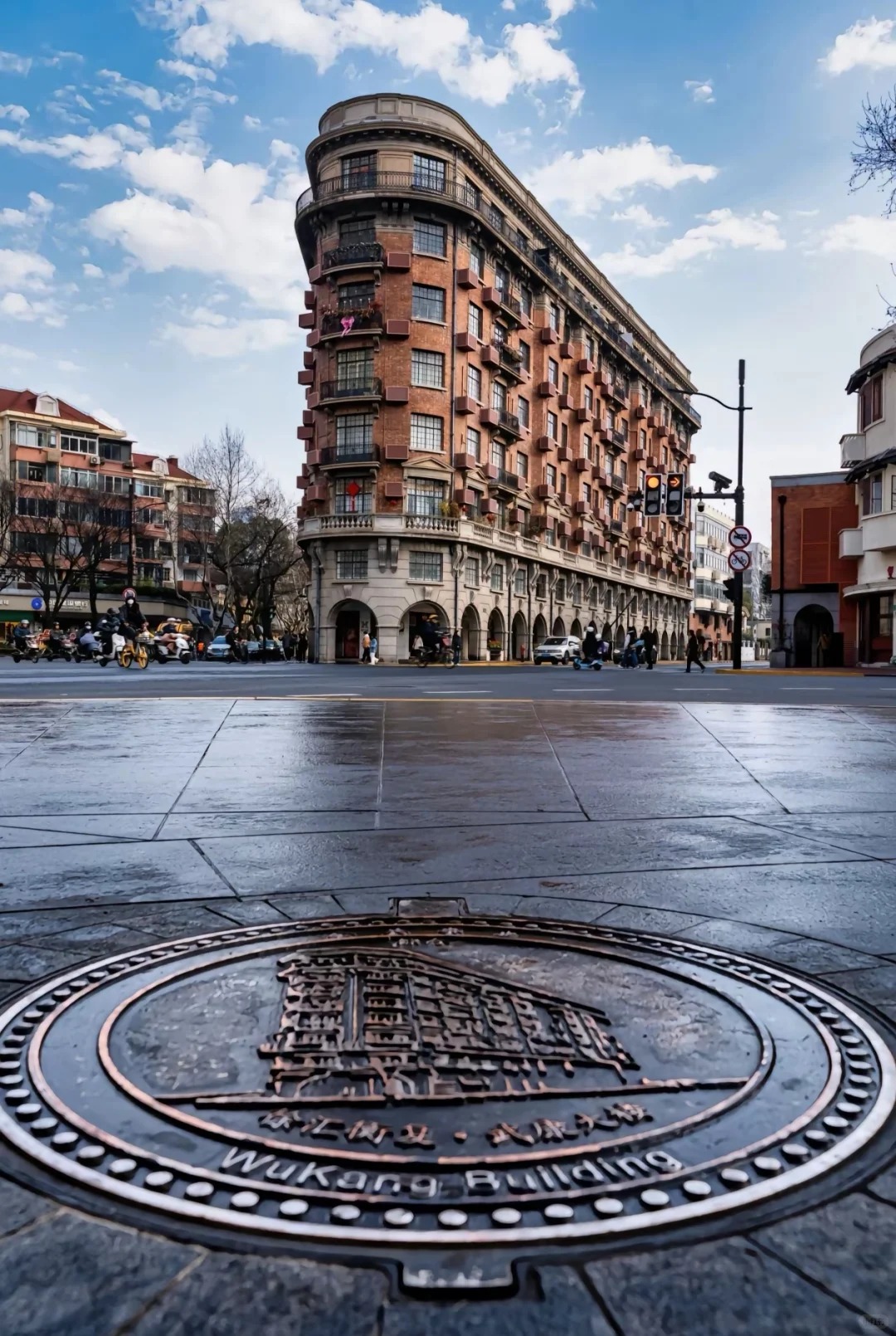
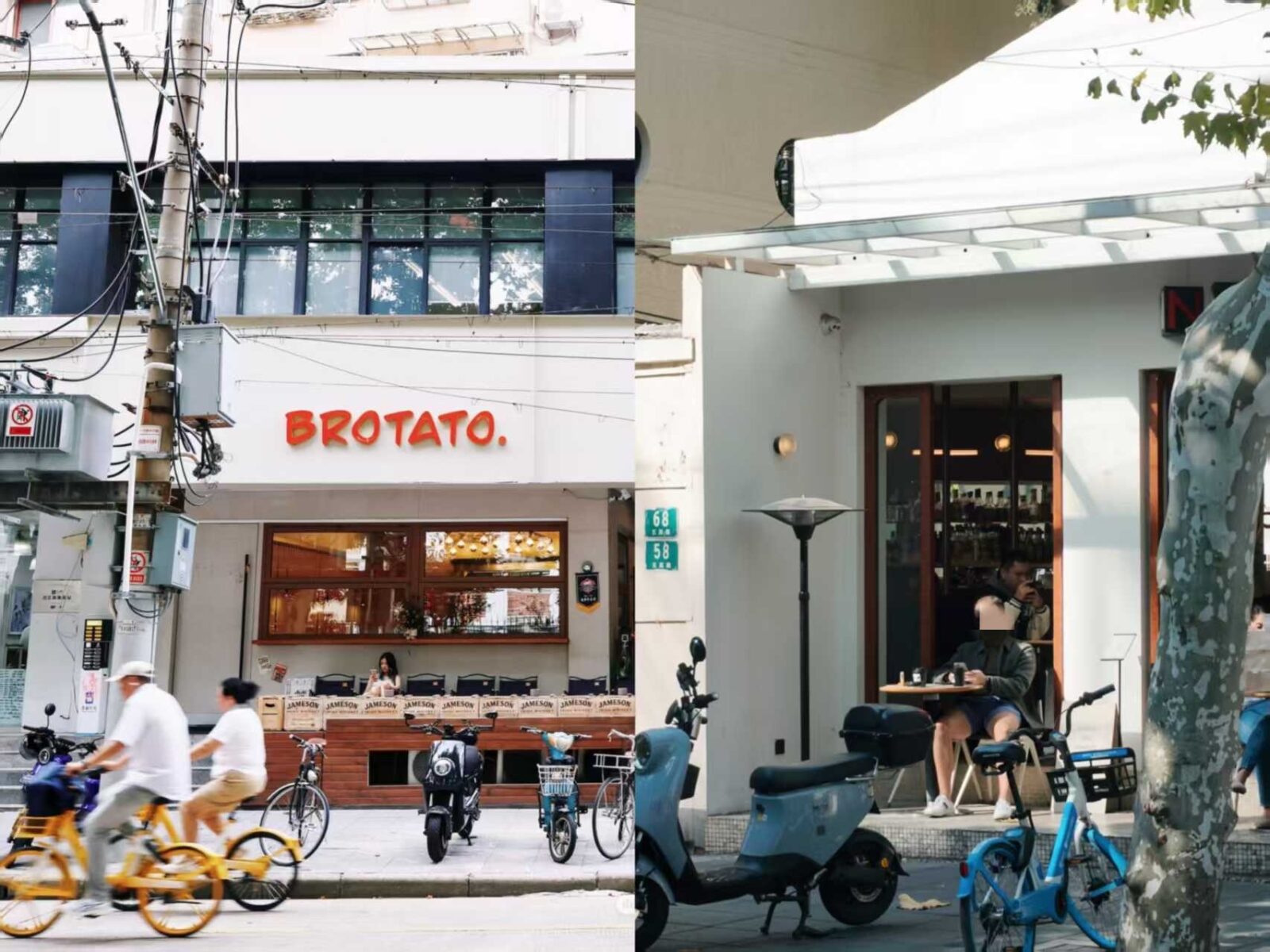
The walk through French Concession is the best Shanghai CityWalk, as indicated by visitors to TripAdvisor: “Best part of Shanghai; it’s too bad so many people don’t visit it”. Early weekday mornings from 8 AM to 10 AM are ideal times for this walk because you can photograph Wukang Mansion without many people in front of it. However, on weekends, streets become very crowded and locals prefer not to walk there. Walking by cafés along the street produces lovely aromas of freshly baked croissants, the breeze will rustle the luscious leaves of the plane trees, and it will feel like a slow-motion movie.
Route 2. Xintiandi to Tianzifang Shanghai Citywalk — Old Meets New
- Distance & Duration: 2 km, 2–3 hours
- Start Point: Huangpi South Road Station (Metro 1)
- Route: Xintiandi → Tianzifang
This self-guided tour combines history with modernity. While the Shikumen buildings of Xintiandi have been convert ed into expensive shops and restaurants ( “very posh, artificial” – TripAdvisor), the alleyways of Tianzifang maintain their character, as people still reside above the shops. As a rough estimate, the prices of goods sold in Xintiandi are approximately double to three times higher than the average cost of goods sold elsewhere (e.g., beer may cost ¥100 or more), so plan accordingly. For those interested in photography visit Xintiandi; for those seeking a more authentic experience, venture through the winding streets of Tianzifang.
Route 3. The Bund & Riverside Shanghai Walking Tour — Skyline Views
- Distance & Duration: 2.5 km, 1.5–2 hours
- Start Point: East Nanjing Road Station
- Route: Bund Promenade → Riverside Road
On the Bund, you will find 52 historic-style buildings that are often referred to as "International Architecture Showcase" because of their diverse styles. You can beat the heat on the Esplanade in the early morning when few people are out, while at night the view of the Pudong skyline is magnificent. During summer afternoons, it can be extremely hot; always have plenty of water on hand. You can combine your Shanghai walking tour with a Huangpu River evening cruise. Walking down the free riverside path can provide you with a unique perspective of the Bund to the East side, as can climbing the paid observation decks (¥50-100). Walking along with the river breeze blowing in your face while drinking coffee and munching on baked goods will make it an extraordinary experience.
Route 4. Shanghai Old Town & Yuyuan Garden Citywalk — Traditional Charm
- Distance & Duration: 1.5–2 km, ~2 hours
- Start Point: Yuyuan Garden Station
- Route: Yuyuan Garden → Old Town Lanes → City God Temple Snack Street
Old Town Streets are a wonderful way to get a feel for traditional Shanghai: narrow, stone cobbled walkways, street vendors yelling at people as they pass by and the delicious aroma of food. Yuyuan Garden offers customers tranquility, while the marketplace surrounding the garden on three sides is bustling with people. It is best to visit during weekday mornings to avoid crowds on weekends; however, be aware that prices for local snack items range from ¥15 - ¥50 depending on the season. The Shanghai Citywalk allows visitors the chance to experience living history instead of merely taking pictures.
Route 5. Jing’an & West Nanjing Road Shanghai Citywalk — Modern Art & Shopping
- Distance & Duration: 3 km, 2–3 hours
- Start Point: Jing’an Temple Station
- Route: Jing’an Temple → West Kangle Road Galleries → West Nanjing Road
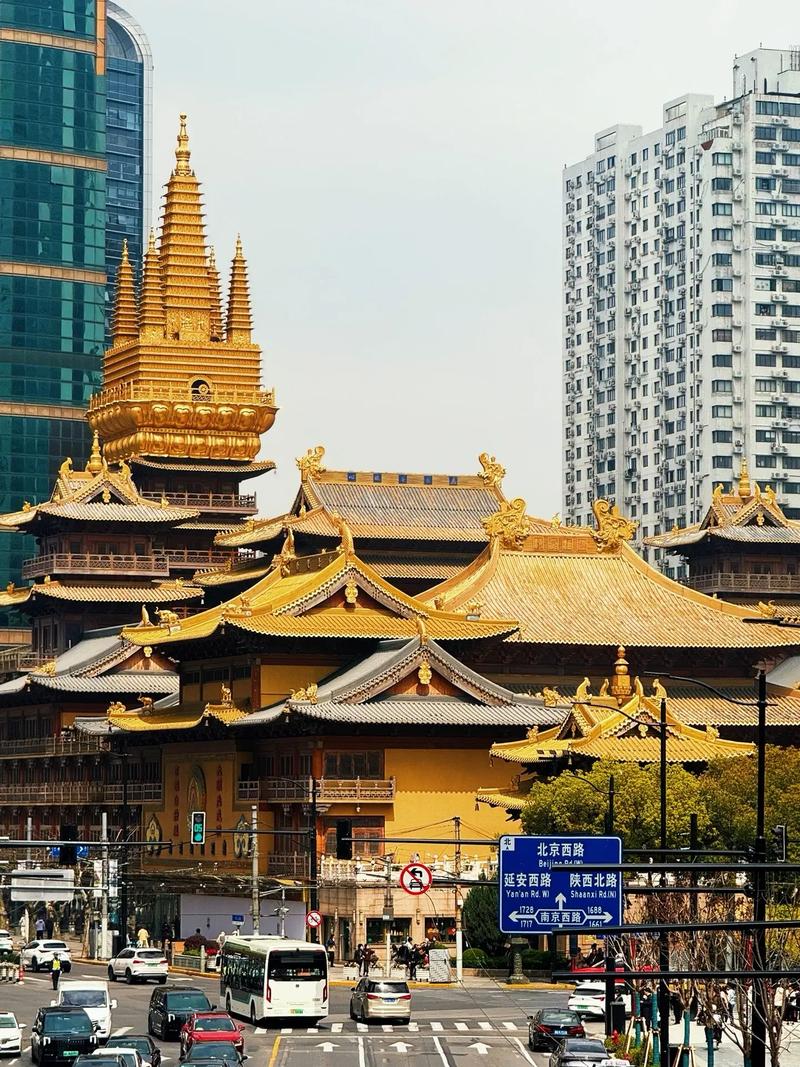
This route offers a unique blend of contemporary art and retail offerings. You will discover galleries, cafés and specialty shops peppered along the streets. In addition, street performance enhances the flavour of the area. One can experience a more tranquil spiritual atmosphere at the Jing'an Temple, as well as view the bustle of West Nanjing Road. Try to avoid the lunchtime rush and go either in the morning or evening. Most galleries are free of charge; coffee generally costs between ¥25-60, and shopping at boutique stores can be quite costly. For those seeking a citywalk through a modern Shanghai, this route provides the perfect combination of art and lifestyle options.
Iconic Shanghai Landmarks You'll Pass on Your Citywalk
-
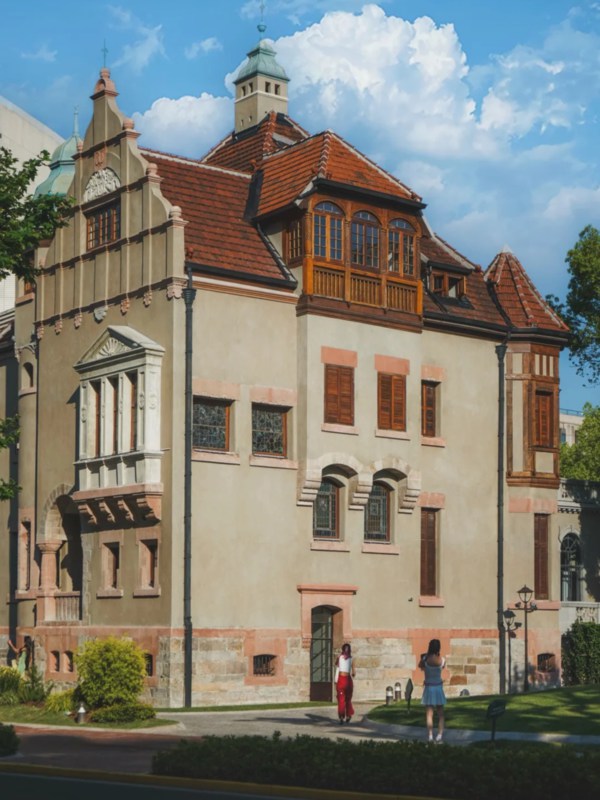

- Houses in Wukang Road
-
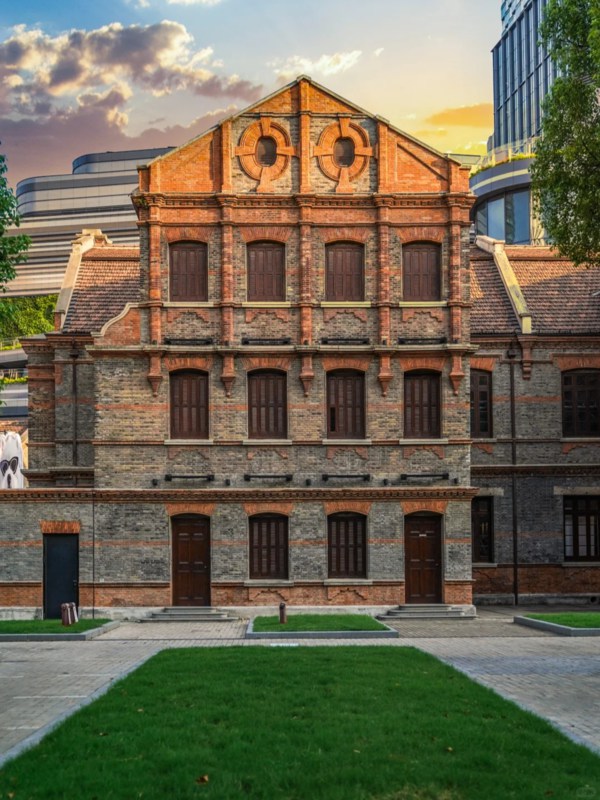
- Shikumen
-
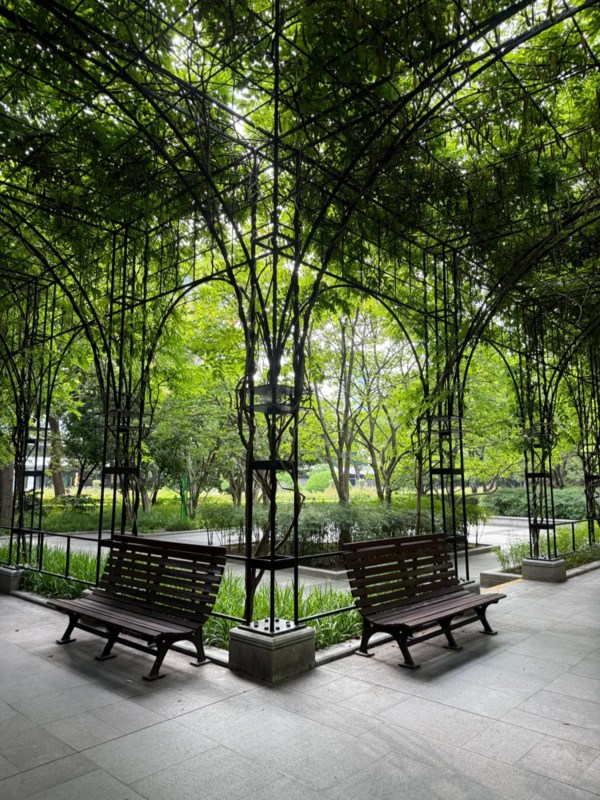
- Fuxing Park
Wukang Mansion — The Flatiron of Shanghai
Built in 1924 by Hungarian architect László Hudec, Wukang Mansion instantly stands out with its Normandy-style flatiron shape. Though it isn’t open to the public, its exterior alone is a highlight for any Shanghai landmarks tour. TripAdvisor reviewers often mention, “London Plane trees along the roads made it a lovely walk,” and I’d second that—the morning light through the trees casts interesting shadows on the façade. Nearby cafés like Seesaw Coffee or Maan Coffee make perfect stops for a break while you admire the building from different angles.
Shikumen Architecture — Shanghai's Stone Gate Houses
Shikumen (stone gate houses) are a vestige of the old Shanghai residential life and provide the framework to the residential buildings of old Shanghai. It styles feature elaborate decorative gates, high brick walls and enclosed courtyard areas, showing a combination of international and Chinese architectural elements. Some of the best-preserved Shikumen houses are in Xintiandi, Tianzifang, and Jing'an. According to TripAdvisor, "it provides visitors with a traditional Chinese residential experience, complete with gates and courtyards". Upon closer inspection of these homes, you will find hand-carved door lintels, Laundry hanging from upper balconies, and an air of tranquillity within a courtyard, removed from the throngs of people in the street adjacent. These subtle details give a Shanghai citywalk a sense of living history most tourists miss.
Fuxing Park — Where Locals Actually Hang Out
Opened in 1909, Fuxing Park is Shanghai’s only French-style park, and a perfect break from crowded streets. Early mornings see locals practicing tai chi, playing erhu, ballroom dancing, or even browsing the lively matchmaking corner. TripAdvisor notes it’s “a beautiful French-inspired park to people-watch,” and indeed, watching the routines unfold feels like observing a living postcard. To avoid the busiest paths, stick to the quieter edges where winding trails and shaded benches reveal the park’s subtler charms, giving a peaceful pause amid your Shanghai scenery exploration.
Shanghai Citywalk Essentials: Weather, Maps & Getting Around
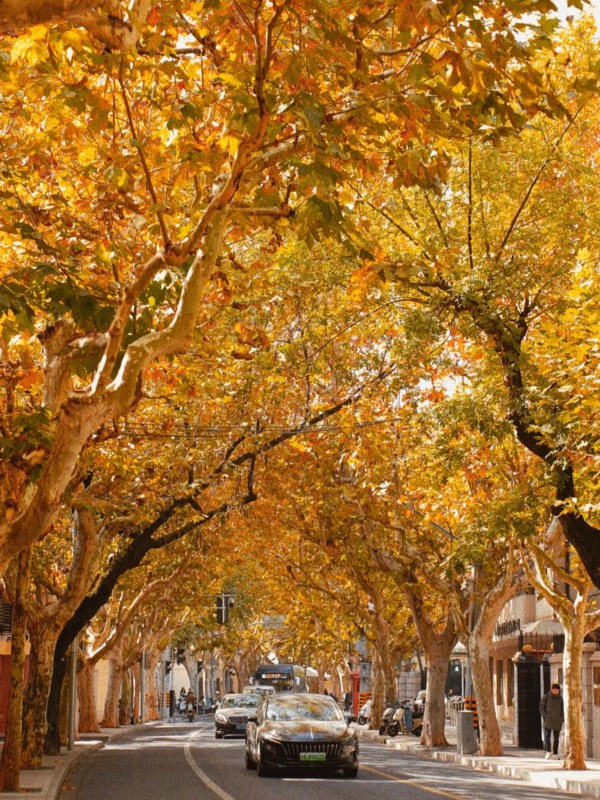
Autumn of Shanghai
Best Seasons for a Shanghai Citywalk
Temperatures in spring (April-May) are between 15-25°C and lots of cherry blossoms in bloom along the streets give this beautiful time of year a great feel for strolling through the city. For Autumn, the temperature on average is cooler than Spring and has a crispness associated with Autumn, but what makes autumn noticeably different and charming is how the leaves of the plane trees turn to a soft golden colour creating a picturesque image down the boulevards. Summer months can be extremely hot, with temperatures above 35°C and high humidity, so it would be advisable to do walks before 9 AM or after 5 PM Spring and autumn have a comfortable temp to walk and are both a great time to take a city walk in Shanghai.
Shanghai City Walk Route Map & Navigation Tips
You'll want to bring along a reliable walking route map for your Shanghai City Walk, which names the major areas you will cover during your journey. After that, Amap (Gaode) and Baidu Maps are two apps that you can use and are also available offline in case you are trying to avoid roaming costs when you travel.
The best way to get around is to take the Metro, which is also clean, efficient and affordable (¥3-9 per ride). Additionally, Google Maps will often give you inaccurate directions in China, so downloading offline maps in advance, and taking screenshots of your final destination’s Chinese name is recommended you avoid showing an incorrect address to taxi drivers or getting lost when looking at street signs while walking. For those who are wondering "is Shanghai easy to navigate by foot?" Most of the districts in the city are very pedestrian-friendly, however, many alleyways may be narrow and congested with pedestrian traffic, therefore, we suggest that you pack light and wear comfortable shoes.
Insider Tips & Common Mistakes on Your Shanghai Citywalk
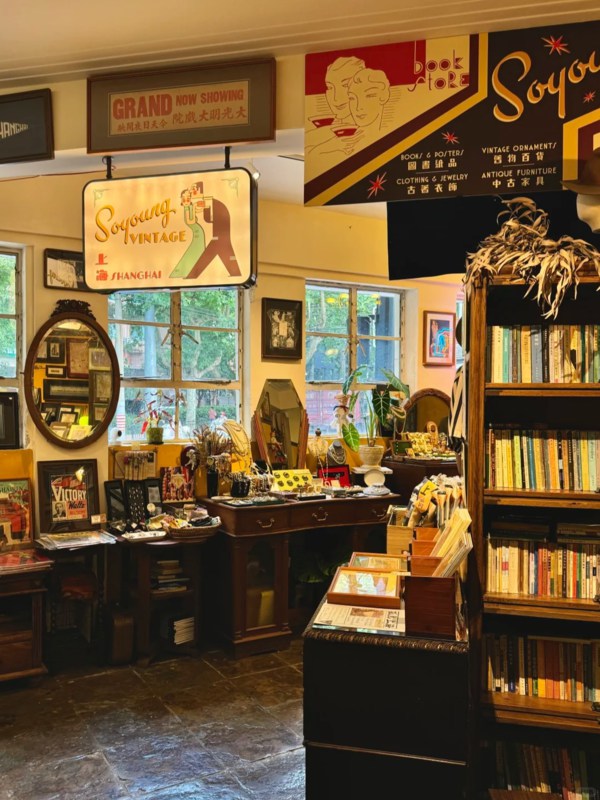
A Book Store in Shanghai
What Travelers Wish They Knew Before Walking Shanghai
First-time visitors often misjudge the varying qualities of the terrain in Shanghai; for example, narrow by-ways (or lanes) would necessitate comfortable sneakers as walking shoes; otherwise, one will have sore feet at the end of the day. Also, an individual may need to have money in cash form, as Alipay and WeChat apps may not work with credit cards from foreign countries at every vendor that accepts payment through these methods. There are public restrooms throughout the city, but they rarely provide toilet paper. Those that did not take this into consideration while visiting Shanghai reported rush hours when trying to find a place to sit down, problems with making payments, and issues with walking over uneven pavement. If a visitor knows of these possibilities before their trip to Shanghai, they will have a much smoother experience visiting the city.
Pitfalls to Avoid — Real Traveler Warnings
Some destinations can catch experienced tourists off guard. According to TripAdvisor users, visiting Tianzifang on weekends is "too busy to appreciate the atmosphere," and that Visiting New Xintiandi can feel "like you're wasting your money and aren't seeing anything that represents 'China'". If you walk around without knowing the history of a place, it may seem dull or unimpressive ("Don't expect to see anything ancient here"). Also, there is a high risk of suffering from dehydration walking around at noon during summer; as a result, we advise that you plan your time of travel to early morning or late afternoon to ensure a pleasant experience. You should also be aware about what to expect from each neighbourhood before going, so when you go, disappointment will not be an issue and enjoyment will be maximized.
Hidden Gems Most Tourists Miss
Most of Shanghai's uninhabited areas contain things that will change the way you think about Shanghai. Anfu Rd is much quieter than Wukang Rd and has some great brunch places that are situated amongst trees. Yuyuan Rd, between Zhongshan Park and Jiangsu Rd, contains many vintage shops that are popular among locals. The M50 art district features several small galleries that offer local artists the chance to exhibit their work without having to compete with the larger commercial galleries. Breakfast food vendors serve scallion pancakes and steaming cups of hot soy milk to give you an authentic sample of local culture and lifestyle. If you know where to look, you can easily find these less common locations, which will transform your ordinary experience into an insider's excursion and will make you feel like every diversion is worth it.
FAQ about Shanghai Citywalk
Q: What is Shanghai Citywalk?
Shanghai citywalk is a trendy way to explore the city on foot, combining colonial architecture, Shikumen alleyways, and modern street life. Unlike rushed sightseeing, citywalk emphasizes slow discovery—strolling plane-tree streets, ducking into hidden courtyards, and stumbling upon local breakfast stalls. Both tourists and young Chinese seeking authentic experiences love it. You notice small details: carved doorways, morning aromas from bakeries, and locals chatting over tea, making each walk unique.
Q: Is Shanghai a walking city? Is Shanghai walkable?
Absolutely. Unlike many Chinese cities designed for cars, Shanghai’s old concession areas are pedestrian-friendly: wide sidewalks, tree-lined avenues, and compact blocks. French Concession, Jing’an, and Hongkou are particularly walkable. Major attractions may be far apart, so combining walking with the metro is smart. Side streets often surprise with hidden cafés, shops, or murals, proving that Shanghai walkable areas reward curiosity and make a citywalk both comfortable and scenic.
Q: Is there a walking street in Shanghai?
Yes! Nanjing Road Pedestrian Street is the most famous, about 1.2 km long, packed with shops, malls, and old-brand stores. For a more local feel, skip the crowds and wander Wukang Road, Anfu Road, or Tianzifang alleys. These areas offer calmer streets, boutique cafés, and photo-worthy corners, capturing community life. You might hear street musicians or smell freshly baked buns—moments you won’t get on the main shopping street.
Q: What is the famous shopping street in Shanghai?
Nanjing Road is Shanghai’s iconic shopping street since the 1930s. East Nanjing near the Bund has flagship stores and neon lights; West Nanjing near Jing’an Temple offers luxury malls like Plaza 66. Boutique shopping is available in Xintiandi and Tianzifang but prices are higher. Huaihai Road strikes a balance with trendy shops, fewer crowds, and local designer stores. Walking these streets shows both modern Shanghai and glimpses of its historic trade culture.
Q: How long does a Shanghai citywalk take?
It depends on your route and pace. The French Concession core (Wukang → Fuxing Park → Tianzifang) takes roughly 2.5–3 hours at a leisurely pace. Include coffee breaks and photos, and half a day passes easily. The Bund riverside walk is shorter, 1.5–2 hours. For a full-day experience, combine two routes with lunch in between. Summer requires pacing to avoid midday heat and fatigue.
Q: Do I need a guide for Shanghai citywalk?
Not necessarily, though a guide adds depth. Self-guided walks with offline maps work fine. TripAdvisor reviews highlight guides: “walked through narrow walkways we would never have found on our own” and “learned stories behind buildings we'd have walked past.” Free walking tours with tips are budget-friendly; private guides cost about ¥300–800 per person. Even a short tour can reveal hidden gems, turning an ordinary citywalk into an insightful experience.
Q: What should I wear for a Shanghai citywalk?
Comfortable shoes are a must—cobblestones and uneven streets are common. Layered clothing works best in spring or autumn due to temperature changes. In summer, wear breathable fabrics, sunscreen, and a hat; winter requires a warm jacket. Avoid heels. Locals dress smart-casual, stylish yet practical. Dressing this way helps you blend in while exploring both the quiet alleys and lively streets on your Shanghai citywalk.
Q: What's the best time of day for a Shanghai citywalk?
Early morning (7–9 AM) offers empty streets, cool air, and authentic city life—elderly practicing tai chi, vendors setting up, and the city waking slowly. Late afternoon (4–6 PM) provides golden light perfect for photos. Summer visitors should avoid midday heat. At night, the Bund skyline glitters and Xintiandi bars come alive. Timing your walk affects not just comfort but also the cinematic quality of your photos and experiences.
Q: Are there any hidden gems for a Shanghai citywalk?
Yes, discovering hidden gems is part of the fun. Anfu Road Shanghai is quieter than Wukang, with excellent brunch spots. Yuyuan Road has vintage shops between Zhongshan Park and Jiangsu Road. M50 art district features small galleries and creative studios away from crowds. Even street breakfast stalls—scallion pancakes with soy milk—offer a local, authentic taste. These offbeat spots make a citywalk feel personal and surprising, revealing the soul of the city beyond guidebooks.
Q: Can I do a Shanghai citywalk in winter?
Absolutely. Winter is cold but less crowded, perfect for peaceful strolls. Layered clothing and a warm coat are essential. Parks and streets feel quieter, and morning tai chi or street vendors are easier to observe without crowds. Some cafés offer hot drinks, giving a cozy pause between walks. Even though the city lacks spring blooms or autumn colors, winter light creates a soft, unique Shanghai scenery ideal for photography and slow exploration.