Forest of Stone Steles Museum Xi'an
Forest of Stone Steles Museum (or Beilin Museum): Home to more than 3,000 ancient stone tablets covering 2,000 years of Chinese history, this specialized collection contains 19 groups of national treasures and is the greatest assembly of ancient Chinese inscriptions in the world. Just 2 km from the Xi’an Bell Tower, it’s a fantastic introduction to Chinese calligraphy, Buddhist art, and imperial history that you won’t see things like anywhere else.
Most travelers filter out the Stele Forest for more flashy hotspots; here’s what you need to know: this guide tells you which exhibits matter most, how to book tickets (¥85 from May 2025), and the best time to visit without crowds. There are honest comparisons with other Xi’an museums to help you assess if it fits in your itinerary whether you have 30 minutes or half a day. Ready?
Quick Info: Xi'an Beilin Museum Essential Details
| Category | Details |
|---|---|
| Names | Forest of Stone Steles Museum / Xi'an Beilin Museum / Forest of Steles Museum |
| Highlights | 11,000+ artifacts, 19 national treasure groups, world's largest ancient stone inscription collection |
| Address | 15 Sanxue Street, Beilin District (三学街15号, Wenchang Gate, 2 km from Bell Tower) |
| Hours | 9:00 AM-6:00 PM daily (last entry 5:00 PM); Fri-Sat night sessions 7:30-9:30 PM |
| Tickets | ¥85 (standard), ¥42 (ages 6-18, domestic students); Free: seniors 65+, children under 6 |
| Booking | WeChat "西安碑林博物馆" / Official website / Alipay; Book 3 days ahead; 7,500 daily cap |
| Contact | Tickets: 029-87253331 / Tours: 029-87213868 |
🏺 As you prepare to visit the Beilin Museum, take a moment to browse Xian City Travel Guide 2025 and get acquainted with this culturally profound city.
Forest of Stone Steles Museum: Song Dynasty Heritage Site Housing 3,000 Ancient Tablets
-


- Xi’an Beilin Museum
-
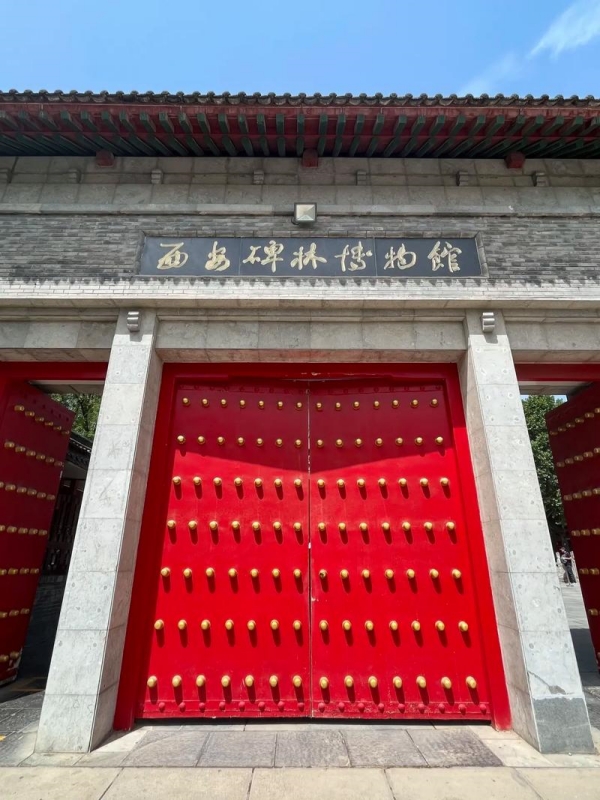
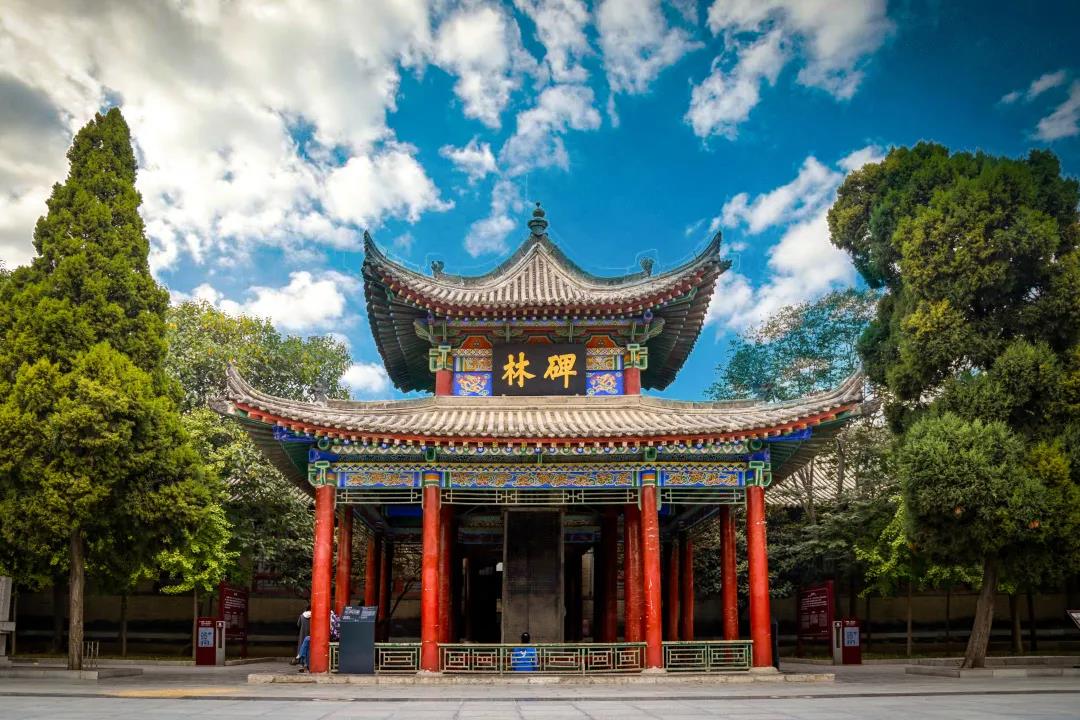
- Forest of Stone Steles Museum Gate
-
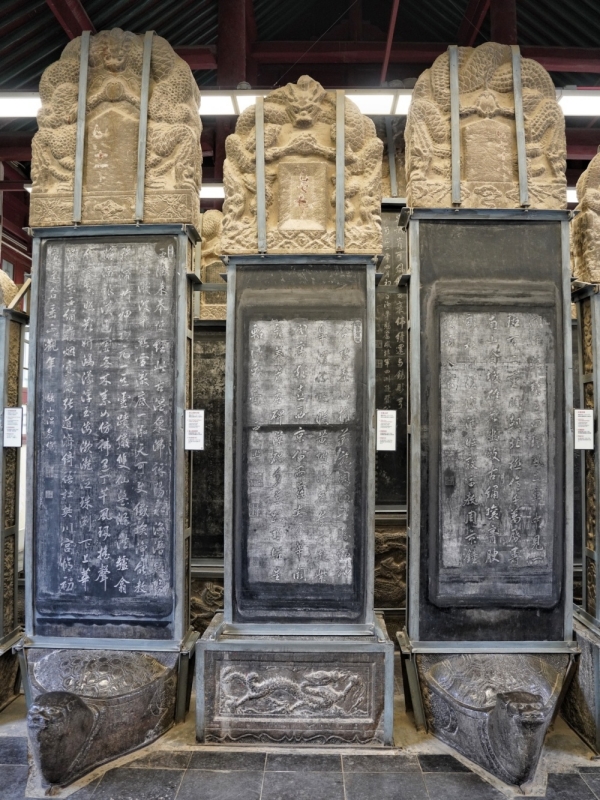
- Forest of Steles Museum
From Imperial Academy to National Treasure: The Stele Forest History
The Forest of Stone Steles Museum in Xi’an occupies the site of the ancient Confucian Temple dating back to the Song Dynasty (1087). The collection began when scholars moved the most important steles at the Tang Dynasty’s imperial academy here for safekeeping. Today it boasts a collection of more than 3,000 stone tablets spanning 2,000 years in origin, with 134 of them designated as national treasures (the most first-grade cultural relics than at any other major Chinese museum) despite having suffered some damage in an earthquake in 1556. UNESCO has called it one of the world’s most valuable groups of epigraphs.
Why "Forest"? Understanding the Beilin Museum Name
The Chinese name of the museum, 碑林, Beilin, means something like “Forest of Steles,” and I guarantee all it takes is a step into Hall 1 and you will know just what the name means. Hundreds of stone tablets, arranged in rows six meters high or more, create a mini-forest; it is really more than a wall of monuments, a mere thicket -sunshine shimmers off skylights and pools in shadows cast through the stone-carved documents. It was the sheer weight of steles pressing against the eye that lent the museum its name.
Must-See Treasures in the Stone Steles Collection: Imperial and Religious Artifacts
-
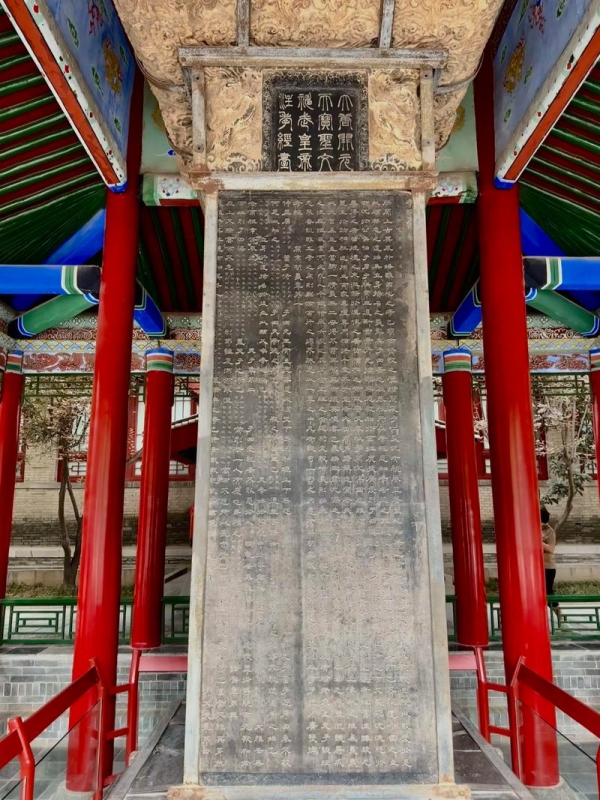
- Classic of Filial Piety
-
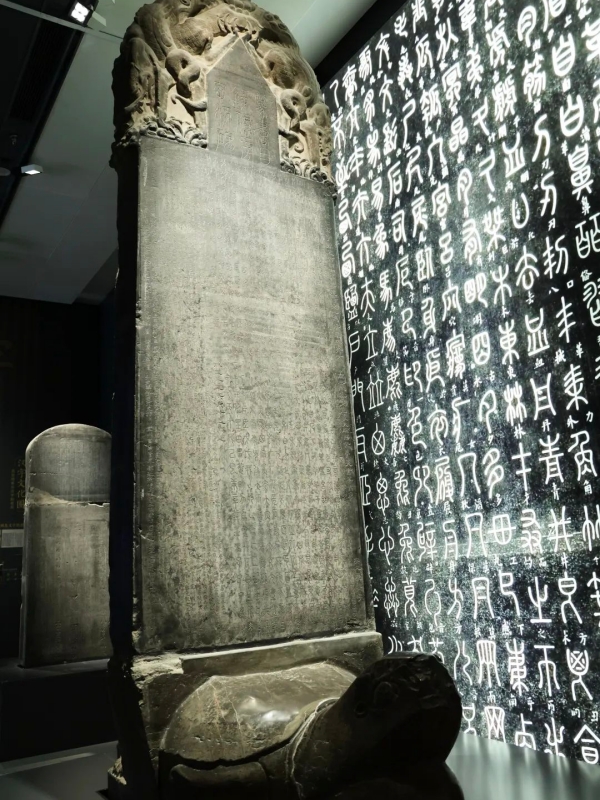
- Nestorian Stele
-
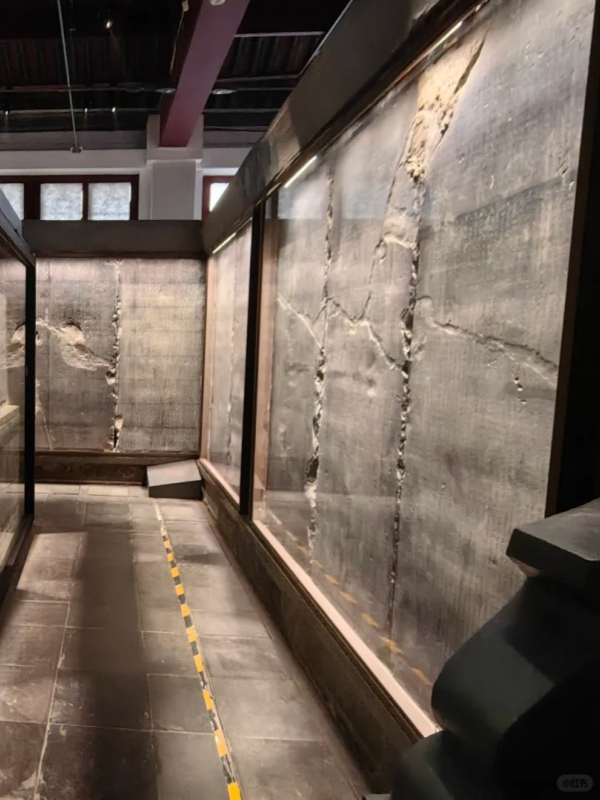
- Kaicheng Stone Classics
Classic of Filial Piety (石台孝经): Tang Dynasty Imperial Calligraphy
Rising 6 metres (20ft), this stele was carved in 745 CE, huanwen is from Emperor Xuanzong and the commentary is from his son (the only stele to feature the work of two Emperors). It represents Confucian teachings on filial piety that formed the basis of Tang Dynasty school curriculum. Best photographs are taken in the morning light at around 9-10am. Notice the detailed charactert or swirls carved into the dragons on the double-tiered base, weathering over the centuries has also given the monument a beautiful patina.
Nestorian Stele (大秦景教流行中国碑): Christianity in Tang China
Unearthed in 1625, enigmatically provides evidence that Christianity first came to China in 635’AD, 800 years before Marco Polo. The bilingual Chinese-Syriac text relates Nestorian theology explained for Chinese visitors, with permission granted by the Tang emperor to Persian monks to build churches in China. Located in Hall 2, it is considered one of the four most famous stone monuments in world history and UNESCO regards as world-class documentation of the cultural exchange from the Silk Road.
Kaicheng Stone Classics (开成石经): Ancient China's Stone Library
114 stone tablets also contain 12 complete Confucian classics—650,000 carved characters 833-837 CE. This massive publishing operation ensured that these classics were preserved by carving definitive versions into stone, protecting against the handwritten manuscripts’ corruption over time. Students would come here to check their books against these tablets. The tablets fill Hall 1 and remain extraordinarily clear to this day after 1,200 years. This collection of tablets formed the basis of Chinese education for many centuries.
Must-See Stele Forest Masterpieces: Calligraphy and Sculpture Collections
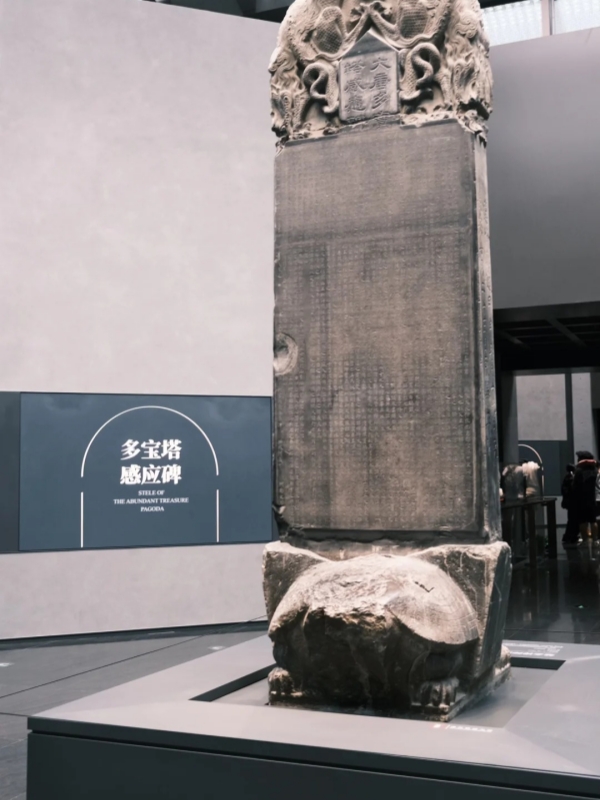

Yan Zhenqing's Duobao Pagoda Stele (多宝塔碑): Regular Script Masterwork
Commemorating a Buddhist pagoda, this was created by Yan at age 44, and reflects his mature style. Thick downstrokes contrast with thinner left-to-right strokes for visual power. The characters appear rock-solid, fully grounded.
Chinese high school students spend five years imitating this gold-standard series in Regular Script. The actual carving embodies Yan’s calligraphy so well that we feel a direct link to him over 1,300 years.
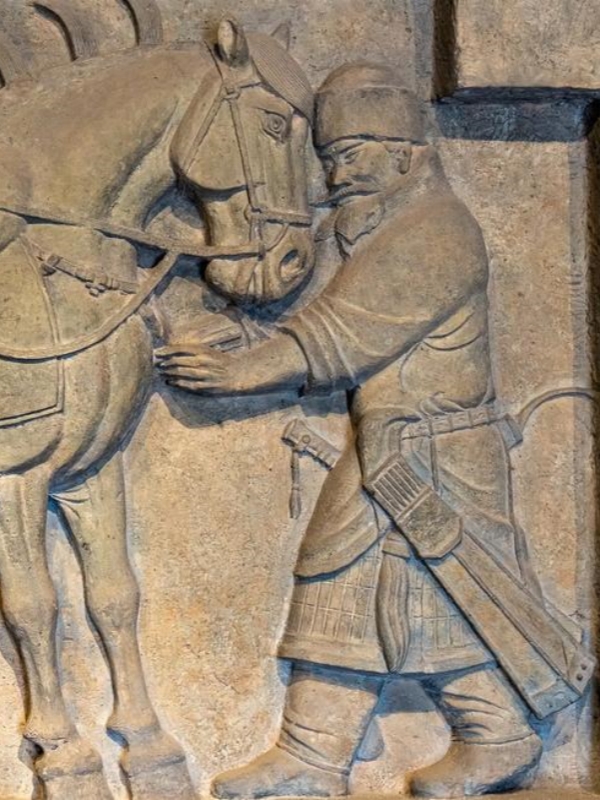
Six Steeds of Zhao Mausoleum (昭陵六骏): Tang Dynasty Relief Sculpture
These reliefs were created in memory of six of the war-horses that established the Tang dynasty at the hands of its emperor Taizong; they are depicted rearing, galloping, and wounded in battle. Two reliefs (the Saluzi and Quanmaogua) were removed surreptitiously by Admiral and Mrs. Capps from China in 1914, and await return, despite China’s repeated requests; they now reside in the Museum of the University of Pennsylvania.
The other-four pieces currently belong to the Beilin Museum, and display extravagant anatomical detail—that of the muscles, the flowing manes, the battle wounds—and represent the absolute apogee of Tang stone-carving.
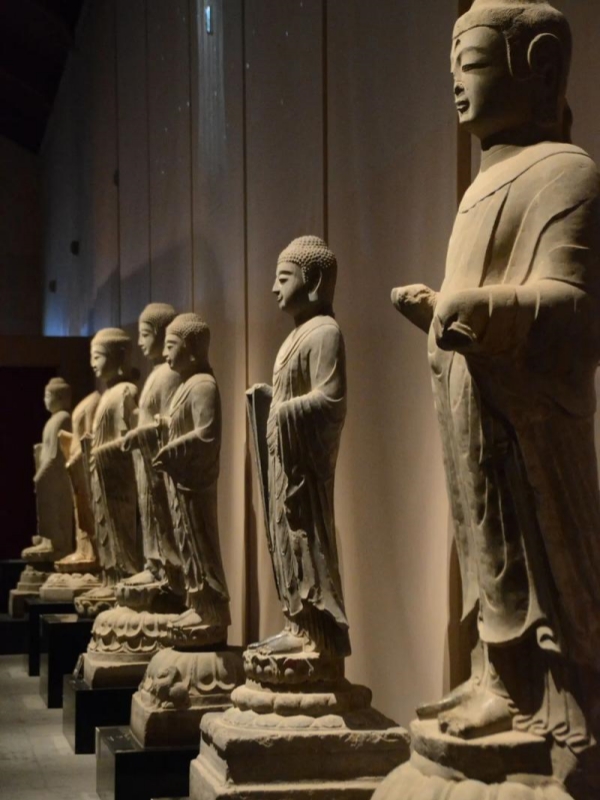
Buddhist Sculpture Gallery: 700 Years of Artistic Evolution
More than 150 stone carvings from Northern Wei (386-534 CE) to Song Dynasty illustrate how Indian Buddhist art blended with Chinese sensibilities; note how faces move from Indian to Chinese features, robes go from clingy Indian drapery to the flowy Chinese, and postures shift from sculpted rigidity to natural standing posture.
This section of West Gallery is air-conditioned so it’s a bit warmer than the rest of the museum and most visitors walk right past it to the calligraphy steles.
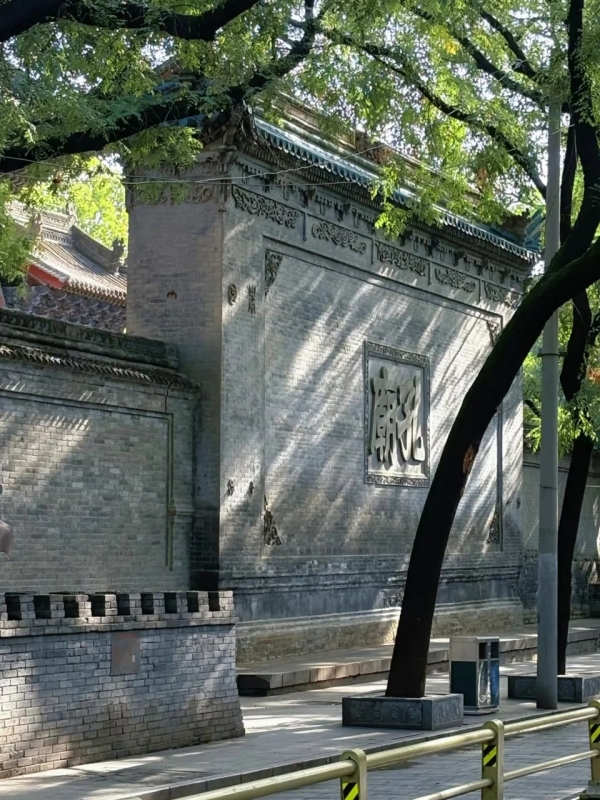
Confucius Temple Complex: Ming-Qing Dynasty Architecture
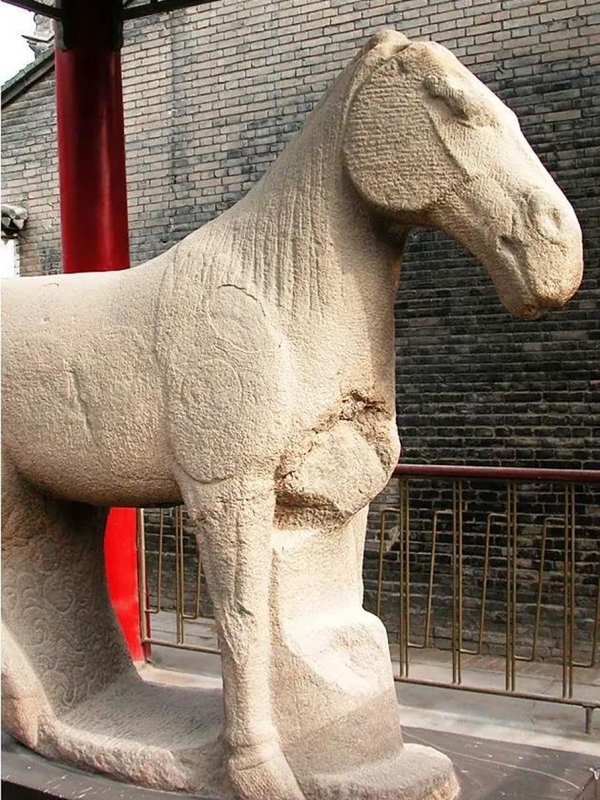
The museum occupies Xi'an's historic Confucian Temple with traditional architecture—spirit gates, courtyards, main halls. Two special treasures: Jingyun Bell (6 tons, cast 711 CE) and Great Xia Stone Horse (10th century). Ancient ginkgo trees turn brilliant gold in autumn, creating Instagram-worthy backdrops.
Touring Strategies: Xi'an Stele Forest Visit Routes
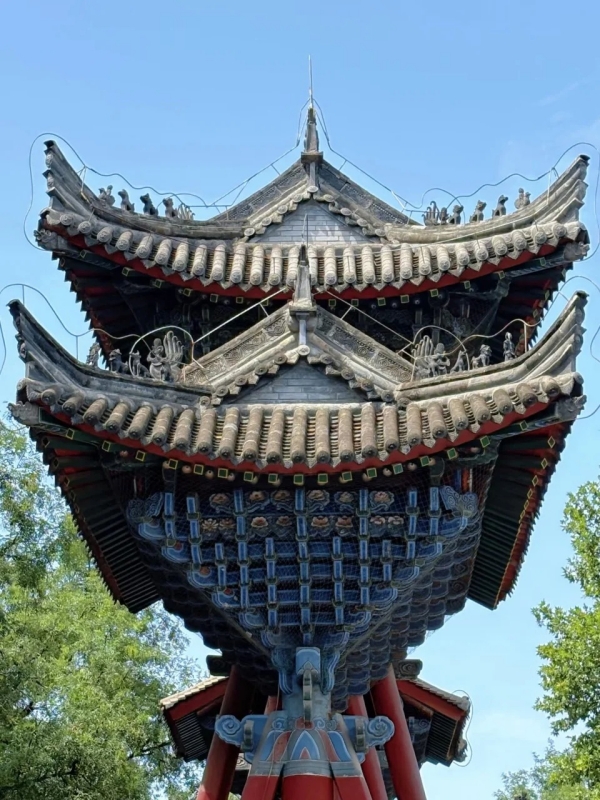
Xi'an Stele Forest Corner
30-Minute Express Route for Rushed Travelers
Beilin Plaza—Classic of Filial Piety (5 min) → Hall 2—Nestorian Stele and Tang calligraphy (15 min) → East Sculpture Gallery—Six Steeds (10 min).
This route covers the three most significant items for a rushed schedule, totaling 30 minutes.
2-Hour Standard Route for Most Visitors
Beilin Plaza (15 min) → Hall 1 Kaicheng Stone Classics (20 min) → Hall 2 Tang Calligraphy (30 min, priority section) → East Gallery Six Steeds (20 min) → West Gallery Buddhist Statues (20 min) → Confucius Temple Complex (15 min). Balances depth with stamina.
Half-Day Deep Dive for Calligraphy Enthusiasts
Follow standard route plus: rent English audio guide (¥30) or hire guide (¥100-200), visit all seven halls, bring notebook for sketching, allocate time for museum shop (authentic rubbings ¥50-500+), consider calligraphy experience sessions if offered. Serious enthusiasts need 3-4 hours.
Xi'an Museum Comparison: Choosing Between Stele Forest and Other Attractions
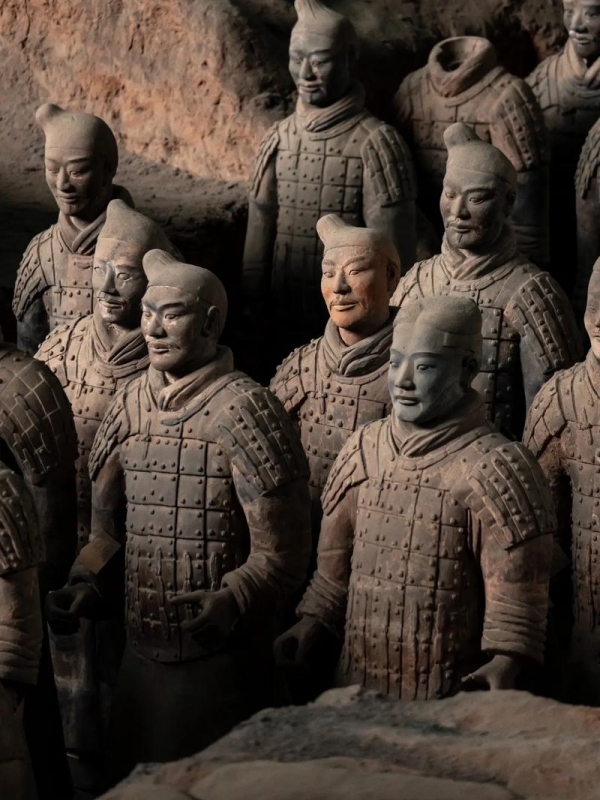
Terracotta Army
Beilin Stele Forest vs. Shaanxi History Museum: Which to Visit
The Shaanxi History Museum offers a broad 1.5 million year survey with its many diverse bronzes, Tang murals, jade pieces, all free to enter. The Beilin Museum contains only calligraphy and stone carving art. If you are looking to experience Chinese writing as an artform, Stele Forest is the choice. If you are looking for general Chinese history, it’s the History Museum.
The practical difference: History Museum has to be booked a few days in advance and gets swarmed with tour groups. There are fewer people in the Stele Forest so that you have more space to contemplate in peace. Ctrip travelers tell of spending 3+ hours here at quiet observation—impossible at History Museum on a weekend.
Stone Steles vs. Terracotta Warriors: Different Cultural Experiences
The Terracotta Warriors deliver instant visual impact—thousands of life-sized soldiers in massive pits. No background knowledge required. The Forest of Stone Steles Museum offers subtler rewards requiring slower observation. Think art gallery versus archaeological site. For 3+ day Xi'an trips, visit both. For shorter stays, choose Warriors for spectacle, Stele Forest for cultural depth.
Who Should Visit the Forest of Stone Steles Museum
Who will enjoy this museum? Calligraphy admirers, art students, history major students, photographers, travelers who enjoy quieter cultural spaces. Who will not? Families with young children (there are no interactive exhibits to engage little ones), travelers on tight one-day itineraries, travelers who have zero interest in Chinese writing systems. Reviewers have noted that preparation is important - visitors who learn about the history of Chinese writing systems ahead of time will rate it 4.5/5 stars, and the museum is often disappointing to those who arrive without prior knowledge.
Insider Tips: Forest of Steles Photography, Guides and Hidden Spots

Bell/Drum Towers
Photography at the Xi'an Beilin Museum: Best Spots and Techniques
Best spots: Classic of Filial Piety (morning 9-10 AM light), Lingxing Gate (symmetrical architecture), Six Steeds (sidelight highlights relief), Confucius Temple ginkgo trees (autumn gold).
Flash strictly forbidden—damages stones. Use night mode. Black-and-white mode captures calligraphy texture better. Photograph steles at 45-degree angles to see carved characters clearly. Don't use: selfie sticks (banned), flash, or photograph visitors without permission.
Guide Options for the Stone Steles Museum
Official English guides cost ¥100-200 for 1.5-2 hours—worth it for expert interpretation. Audio guides rent ¥30 in English/Chinese, covering 30-40 major pieces.
Free options: follow tour groups discreetly, scan QR codes on stele bases, read this guide beforehand. Audio guide + this article gives 80% of guided tour value at 20% cost.
Nearby Xi'an Attractions to Combine with Stele Forest
Xi'an City Wall (5-min walk): Best-preserved ancient city wall. Combo ticket with Beilin Museum ¥100 total (saves ¥39). Shuyuanmen Cultural Street (8-min walk): calligraphy supplies, traditional art. Muslim Quarter (20-min walk): historic Islamic neighborhood, street food. Bell/Drum Towers (15-min walk): city center, views, music performances.
Half-day itinerary: Morning Beilin Museum (2 hours 9-11 AM) → Lunch Shuyuanmen/Muslim Quarter (1 hour) → Afternoon City Wall bicycle (2 hours 2-4 PM). Budget ¥150 per person.
Visitor Essentials: Xi'an Stele Forest Tickets, Hours and Access
Forest of Steles Tickets: Current Prices and Booking Process
Standard admission costs ¥85 year-round (new pricing from May 12, 2025—no more seasonal rates). Money-saving tip: combo ticket with Xi'an City Wall costs ¥100 total (saves ¥39 versus ¥139 separate). Book through WeChat "西安碑林博物馆", official website, or Alipay up to 5 days advance. Each order allows maximum 5 tickets. Foreign visitors use passport information.
Daily cap is 7,500 visitors—weekends/holidays sell out. Free admission: military personnel, disabled visitors, Chinese seniors 65+ with ID, foreign seniors 65+ with passport, children under 6 or under 1.4m tall. Student discounts (¥42) only for domestic students with valid IDs.
Opening Hours and Best Times to Visit the Beilin Museum
Regular hours: 9:00 AM-6:00 PM daily (ticket sales stop 5:00 PM, clearing begins 5:30 PM). Open year-round. Special night sessions Fridays-Saturdays 7:30-9:30 PM (separate reservations).
Best times: weekday mornings 9-11 AM for fewer crowds, better lighting, helpful staff. Spring (March-May) and autumn (September-November) offer comfortable weather. Avoid weekend afternoons, Chinese national holidays (especially October Golden Week), and rainy days when crowds pack indoor halls.
Transportation: How to Reach the Forest of Stone Steles Museum
| Transportation Method | Route/Details | Cost & Time Estimate | Notes |
| Metro (Recommended) | Line 2 to Yongningmen Station (Exit A1/D1) or Line 4 to Hepingmen Station. | ¥2-5 fare. 6 AM-11 PM service. | 10-12 minute walk from either station. |
| Bus | Routes 14, 23, 40, 208, 216, 221, 222, 258, 309, 402, 800. | ¥1-2 fare. | Stop at "Wenchang Gate" or "Baishulin" stations. Avoid rush hours. |
| Taxi/Ride-share | From Bell Tower: 10 min. From Terracotta Warriors: 70 min. From Xi'an North Station: 40 min. | Bell Tower: ¥15-20. Warriors: ¥100-120. North Station: ¥50-70. | Use Didi app. Have hotel write address: 西安市碑林区三学街15号. |
| Walking Combo | Start at South Gate City Wall, walk through Shuyuanmen Cultural Street. | Approximately 8 minutes walk. | Scenic route. Ends at the Museum. |
Frequently Asked Questions About Forest of Stone Steles Museum
Q: Is the Forest of Stone Steles Museum worth visiting without reading Chinese?
Yes. Visual beauty of calligraphy transcends language—appreciate brushstroke elegance and stone carving without reading characters. Rent English audio guide (¥30) or hire English-speaking guide (¥100-200) for cultural context. Major exhibits have English labels. Reading this guide beforehand helps tremendously. Many non-Chinese-reading TripAdvisor reviewers rate it 4-5 stars with preparation.
Q: How long to visit the Beilin Museum?
Express route: 30 minutes (three highlights). Standard visit: 2 hours (main exhibitions, temple grounds)—most visitors choose this. Deep dive: 3-4 hours (all seven halls). Average Mafengwo reviews report 1.5-2.5 hours. Budget 2 hours for comfortable viewing. Add 30 minutes for shopping or Silent Cafe lunch.
Q: Must I book Xi'an Stele Forest tickets in advance?
Strongly recommended. Museum caps at 7,500 daily visitors. Popular times sell out, especially March-November and weekends. Book through WeChat "西安碑林博物馆", official website, or Alipay up to 5 days ahead. Foreign visitors use passport numbers. Booking takes 5 minutes and guarantees entry.
Q: Can I photograph inside the Forest of Steles?
Photography permitted throughout most areas—steles, sculptures, architecture. Flash absolutely forbidden (damages stones chemically). Guards actively enforce. Some special exhibits show "no photography" signs—respect these. Selfie sticks banned (risk damaging displays). Use phone or regular camera. Black-and-white mode captures calligraphy beautifully.
Q: Is the Beilin Museum wheelchair accessible?
Yes, barrier-free access in most major areas. Entrance ramps, elevators, accessible restrooms exist. Visitor center provides free wheelchairs (show ID as deposit). However, some older building sections have stairs/narrow passages. Historic Confucius Temple complex poses challenges with traditional thresholds. TripAdvisor mobility-impaired visitors rate accessibility 3.5/5 stars.
Q: Best time of day and year to visit the Stone Steles Museum?
Weekday mornings (9-11 AM) provide ideal experience—fewer crowds, better lighting through skylights, helpful staff. Best seasons: spring (March-May) and autumn (September-November) for comfortable temperatures, pleasant weather. Spring brings blooming flowers; autumn turns ginkgo trees golden. Avoid weekends, Chinese holidays (especially October Golden Week), rainy days.
Q: Should I visit Forest of Steles or Shaanxi History Museum?
Depends on interests. Choose Shaanxi History Museum for: comprehensive Chinese civilization overview, diverse artifacts (bronze, ceramics, murals), limited Xi'an time, free admission. Choose Forest of Stone Steles Museum for: calligraphy/stone art interest, quieter spaces, deeper single-art-form focus, 3+ days in Xi'an. Ideal scenario: visit both—they complement each other.
Q: Are there English explanations at the Xi'an Beilin Museum?
English explanations exist but remain limited. Major exhibits (Classic of Filial Piety, Nestorian Stele, Six Steeds) have English placards with basic information. Most 3,000 steles have Chinese-only labels or no labels. Solutions: (1) Rent English audio guide ¥30—covers 30-40 major pieces. (2) Hire English-speaking guide ¥100-200. (3) Read this article beforehand—functions as written guide.
Q: Can I buy authentic rubbings at the Forest of Stone Steles Museum?
Yes. Official museum shop sells genuine ink rubbings ¥50-500+ depending on size/quality/complexity. These make meaningful souvenirs—art created using 1,000-year-old techniques. Museum shop ensures authenticity and quality. Avoid street vendors outside selling "antique" rubbings—mostly cheap reproductions. Shop also stocks calligraphy supplies (brushes, ink, paper), art books, postcards.
Q: What to wear visiting the Xi'an Stele Forest?
Comfortable walking shoes essential—standing on hard floors 2+ hours. Sneakers or cushioned flats work best. Avoid heels, sandals, new shoes causing blisters. Dress in layers—indoor halls air-conditioned, outdoor courtyards hot. Light jacket works year-round. Summer requires sunscreen, hat, sunglasses. Winter needs warm coat but shed it indoors. No specific dress code beyond basic modesty.