Daxinganling
Daxinganling is located in the northernmost point in China which is a stretch of 1,200 kilometers between Heilongjiang Province and Inner Mongolia. The Greater Khinggans Range separates the Mongolian Plateau and Northeast Plain. It contains the greatest boreal forest in the country and the only spot in China where you could get a glimpse of the northern lights.
The winter period in this area is seven months, at temperatures that go below -40 o C. Summer is characterized by 17 hours of daylight and cool temperatures of about 20 o C. Most visitors are attracted to Mohe, Beiji Village and Ewenki Reindeer Park. Others visit to see the northern lights and others to explore the extremes of cold or the final tribe of reindeer herders in China.
Quick Facts about Daxinganling
| 🀄 Chinese Name | 大兴安岭 (Dà Xīng'ān Lǐng) |
| 📍 Location | Northwestern Heilongjiang Province & Inner Mongolia |
| 🏔️ Total Length | 1,200+ km north–south |
| ⛰️ Highest Peak | Huanggangliang — 2,035m (6,673 ft) |
| 🧭 Average Elevation | 1,200–1,300m |
| 🌐 Area | 84,600 km² (Heilongjiang section) |
| 👥 Population | ~388,000 (2022) |
| ❄️ Coldest Temperature | –52.3°C (–62.1°F) recorded |
| 🕒 Best Time to Visit | June–August (summer); Dec–Feb (winter/aurora) |
What Is the Greater Khingan Range (Daxinganling)?
-
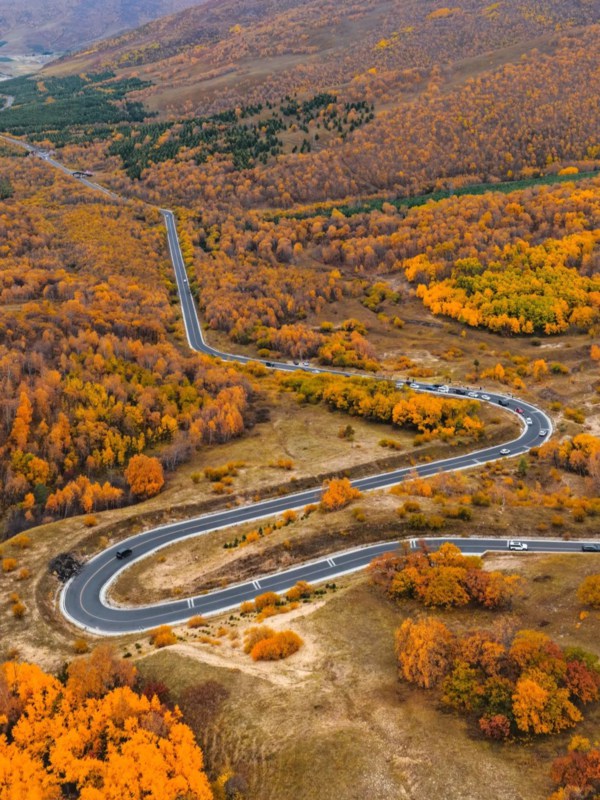

- Huanggangliang
-
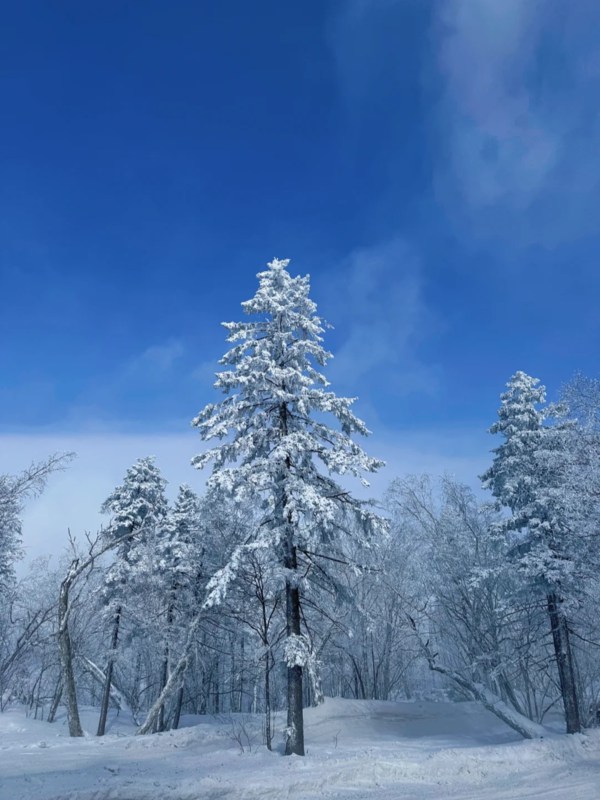
- Datudingzi
Daxinganling is located in the northernmost point in China which is a stretch of 1,200 kilometers between Heilongjiang Province and Inner Mongolia. The Greater Khinggans Range separates the Mongolian Plateau and Northeast Plain. It contains the greatest boreal forest in the country and the only spot in China where you could get a glimpse of the northern lights.
The winter period in this area is seven months, at temperatures that go below -40 o C. Summer is characterized by 17 hours of daylight and cool temperatures of about 20 o C. Most visitors are attracted to Mohe, Beiji Village and Ewenki Reindeer Park. Others visit to see the northern lights and others to explore the extremes of cold or the final tribe of reindeer herders in China.
The Highest Peak in Daxinganling and Heilongjiang
The tallest mountain in the Greater Khingan Range is Huanggangliang, reaching 2,035 meters. It sits in Inner Mongolia, not Heilongjiang. For Heilongjiang Province specifically, the highest point is Datudingzi Mountain at 1,690 meters, located in the Zhangguangcai Range southeast of Harbin.
Within the northern Daxinganling section, Dabai Mountain stands out at 1,528.7 meters. It features vertical vegetation zones and occasional snow cover even in late spring. The peak offers views across the boreal forest, though reaching it requires some planning since public transport options are limited.
Top Places to Visit in the Daxinganling Region
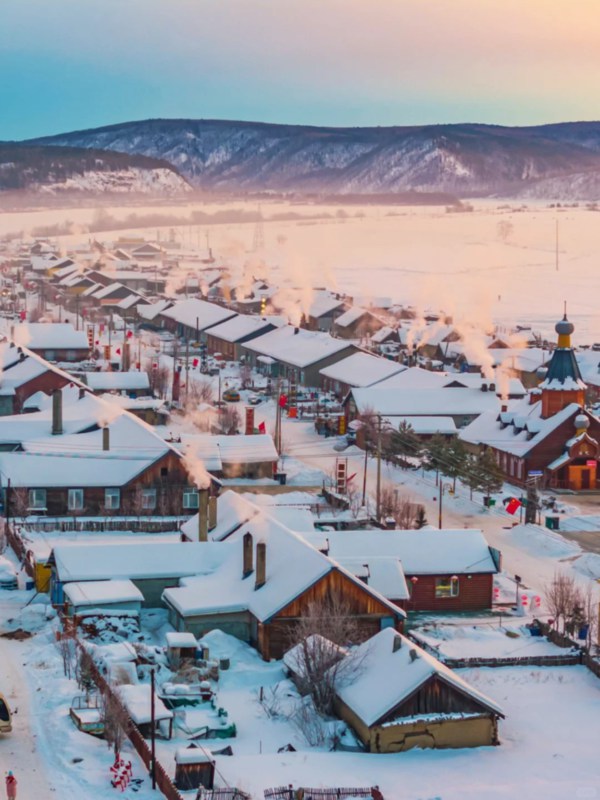
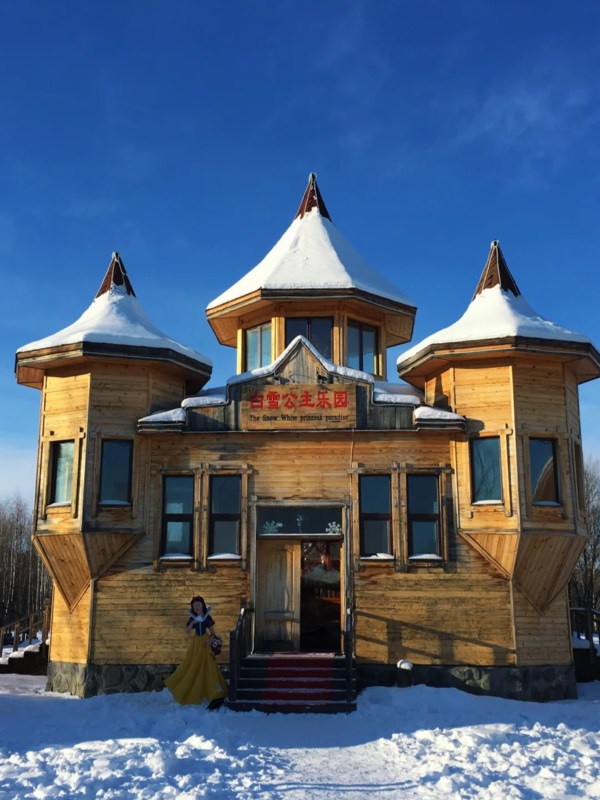
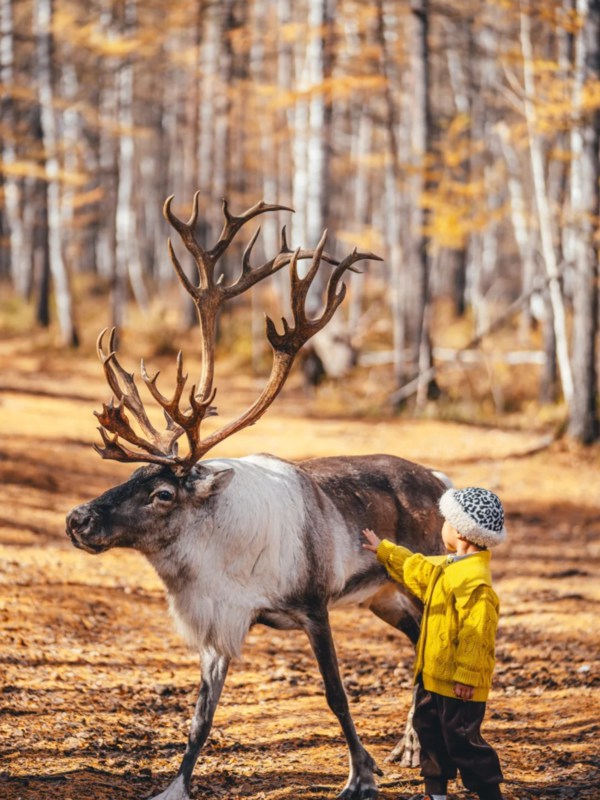
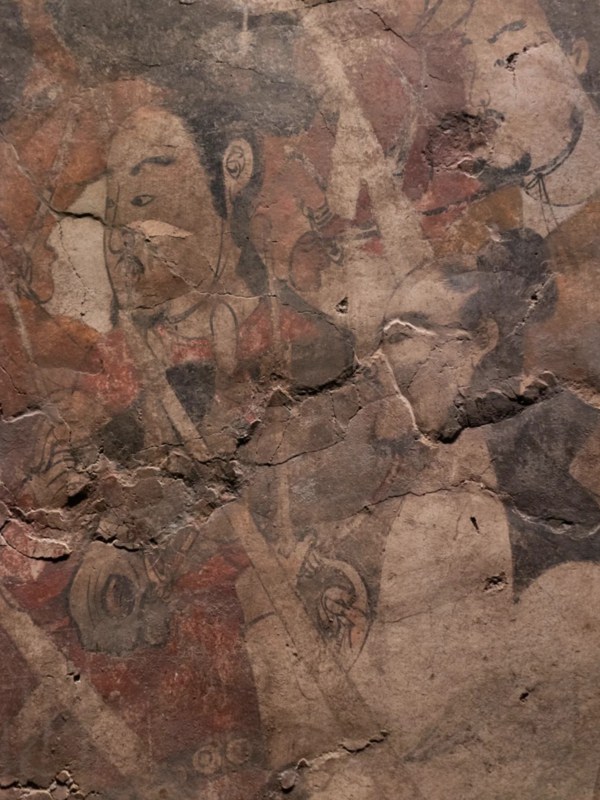
The Daxinganling area covers a huge stretch of land, but most travelers focus on a handful of key spots. Mohe serves as the main base, with smaller villages and nature reserves scattered to the north and west. Getting between sites usually means hiring a driver or joining a local tour, since public buses run infrequently. Here's where most visitors spend their time.
Mohe — China's Coldest City and Gateway to the Arctic
The furthest northward county-level city in China is Mohe. It recorded the lowest temperature in the country: -52.3°C, several decades ago. The city is small itself and practical. It is not old and there is a reason why most buildings are relatively new. In 1987, a huge forest fire swept the region setting fire to more than 200 individuals. One of the songs about the fire went viral, which made the place famous, the Mohe Dance Hall (漠河舞厅). The dance hall has been restored as a local meeting place up to now.
In actual sense, Mohe is a transit hub. The train station and airport are related to Harbin and their other significant cities. Since most winter travelers pass through Harbin anyway, consider adding a stop at the world-famous Harbin Ice and Snow World to your Daxinganling itinerary. However, the greatest attractions are located 50 to 80 kilometers to the north. Prepare transportation. Cabs within the city cost approximately 10 yen per trip to most destinations but a chartered car (300-500 round) is needed to get to Arctic Village.
Beiji Village (Arctic Village) — Finding the "Northernmost" Everything
On the Russian border of Heilongjiang River is Beiji Village, or 北极村. This is the northernmost settlement of China and locals have bent towards that identity. You have what is known as the northernmost post office where you will be able to send postcards with a special Arctic stamp. We have also the northernmost household, the stone monument of the god knows what Northwestern extremity, and even the northwestern cassatory.
According to one of the TripAdvisor reviewers, it was in simple words, the northern-most village in China. Good for 1-2 day visit." That sounds about right. Oroqen Museum and boat trips on Heilongjiang River are the attractions. There are Russian nesting dolls, dried mushrooms and blueberry items sold in souvenir shops.
Entry: Approximately, 75 as the scenic area ticket. The village is open all year round but the winter hours might change. Book rooms in early peak season- rooms are taken quickly in this small village.
Ewenki Reindeer Village — The Last Hunting Tribe in China
Ewenki people become the sole reindeer herders in China. They live in a village named Aoluguya (敖鲁古雅) which is in the Genhe City, which is technically in inner Mongolia but is very closely related to the Daxinganling region. The Ewenki had been nomadic hunters in the forest since centuries. There are approximately 200 members of the tribe who rear reindeer nowadays.
Tourists have the chance to feed the animals, dress up in traditional Ewenki costumes to have their photos, and ride the sleighs pulled by the reindeers in the winter. The scene is real, with birch trees, cone-shaped tents, called Cuoluozi and reindeer roaming around. One of the travel bloggers pointed out that the cost of the ¥30 entrance fee is quite low: "This is a very low fee: It is rare to find such cheap tickets nowadays. There are also handicrafts that are made of birch bark and antlers of reindeer that one can purchase.
The most ideal season to visit is the June to September when the antlers are cutting or winter when there is plenty of snow. It takes a taxi or chartered car to reach there, which is approximately 4 kilometers to the Genhe City.
Gaxian Cave — Where Ancient Civilizations Began
The Gaxian Cave is located to the northwest of Jiagedaqi and bears a historical point of seriousness. This was the birthplace of the Xianbei people who founded the Northern Wei dynasty. The inscriptions found in the cave date more than 1,500 years. It has been given a national first level protection status by the site.
The cave is small, but the place, sandwiched in between forested hills, is isolated and transcendent. The number of foreign tourists venturing here is minimal and as such Chinese only signage should be seen. Entry fee is approximately 50 and you will need your own means of transport to get there.
Can You See the Northern Lights in Daxinganling? (Aurora Borealis Guide)
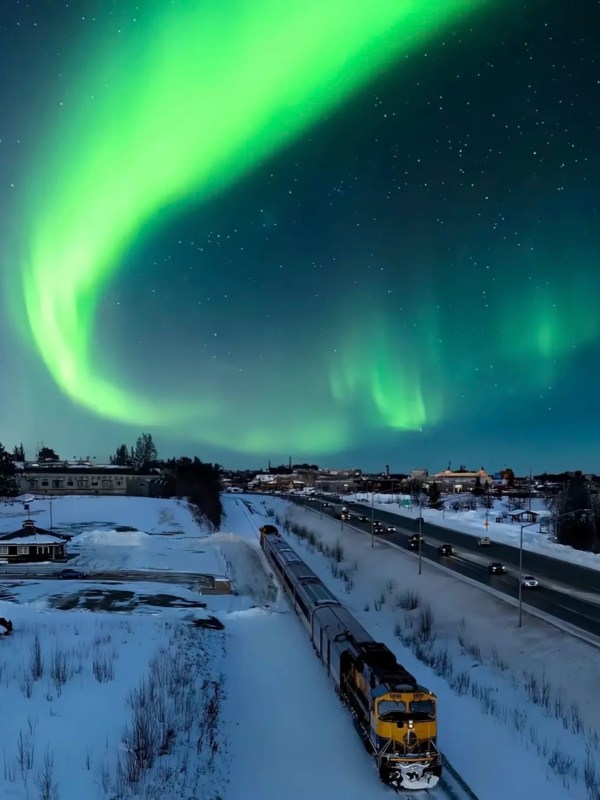
Northern Lights
Yes, you can. The sight of aurora borealis is only possible on Mohe and Beiji Village in China. The area lies at approximately 53o N latitude which is lower than Scandinavia or Alaska but high enough to exhibit at times when there is a burst of solar activity.
With that said, control your expectations. Sightseeing is not assured and most visitors walk away disappointed. In one of the reviews on TripAdvisor, one of the reviewers commented as follows: Unlucky that we never saw the aurora borealis when we were there. Unless it were because of aurora borealis, it would not be worthy to go. Harsh, but honest. The aurora can be seen perhaps once every few dozen years, mostly in the period between September and March. The 2024-2025 years are years 65 of a solar maximum, which gives you a little better chance.
Its ideal viewing areas in the Daxinganling area are Beiji Village, Beihong Village (not so commercialized, darker skies), and the First Bend of the Heilongjiang (黑龙江第一湾). Each of them has open horizons not toward city lights. Even the city of Mohe has developed two aurora viewing camps in the recent history as a result of the increasing popularity.
Tips for Aurora Hunting in Mohe
Check solar activity forecasts before your trip. Apps like "Aurora Forecast" or websites tracking the Kp index help predict geomagnetic storms. You want a Kp of 5 or higher for decent chances this far south. Find dark locations away from street lamps. Beihong Village works better than the main Arctic Village for this reason.
Protect your electronics. Phone and camera batteries drain within minutes at -30°C or colder. Keep spare batteries warm inside your jacket. Some travelers use hand warmers wrapped around their phones. Dress in at least three insulating layers. The wait can last hours, and standing still in extreme cold is no joke. If you're making the winter journey to northeastern China anyway, check out the dates and highlights of the 2025 Harbin Ice Festival to combine both experiences.
Best Time to Visit Daxinganling: A Seasonal Breakdown
-
- Summer of Daxinganling
-
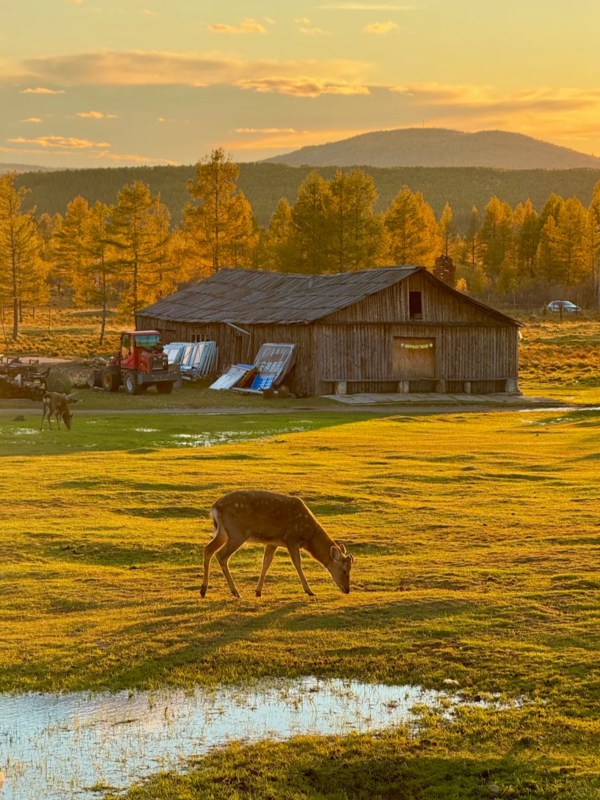
- Autumn of Daxinganling
-
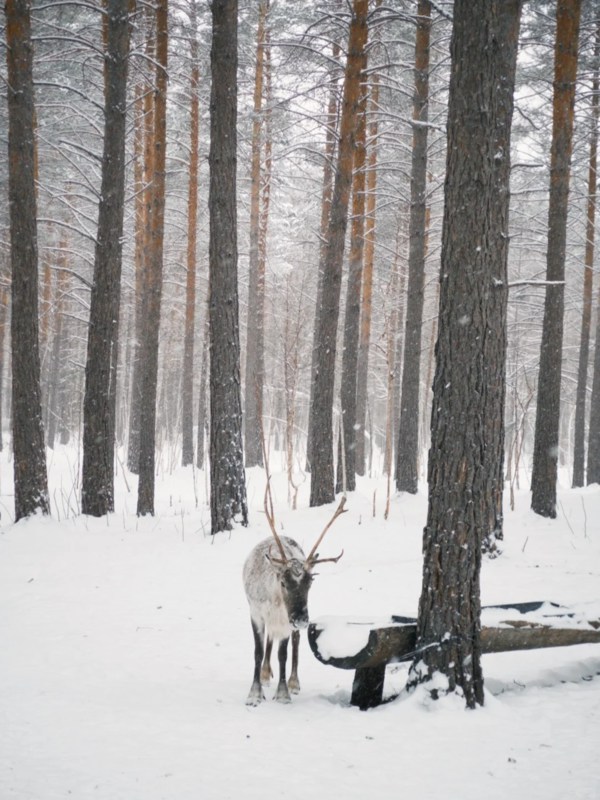
- Winter of Daxinganling
Timing matters here more than most destinations. The Daxinganling region experiences extreme seasonal swings. Winter means serious cold and potential aurora sightings. Summer offers endless daylight and comfortable temperatures. Each season attracts different types of travelers.
Summer in Daxinganling (June–August) — Midnight Sun and Escape from Heat
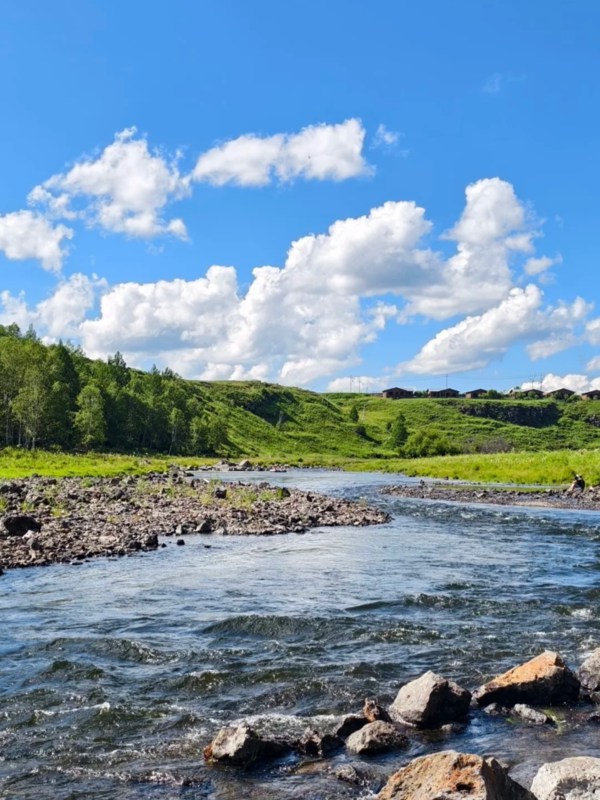
The summer is brief and wonderful. The summer solstice occurs at the end of June and the daylight can take up to 17-19 hours. The sun almost goes down the horizon. The period is known as the city that never sleeps by locals who are at Mohe.
The Daxinganling forest is a natural haven at 18-22°C temperatures, and southern China is overheating in 35°C. The air feels crisp and clean. Walking paths are opened, the birds come back to the wetlands and the forests become very dark green. It is perfect to forest bathe and take wildlife photographs and visit Ewenki reindeer camps without being frozen.
Autumn in Daxinganling (September–October) — Golden Birch and Larch Forests
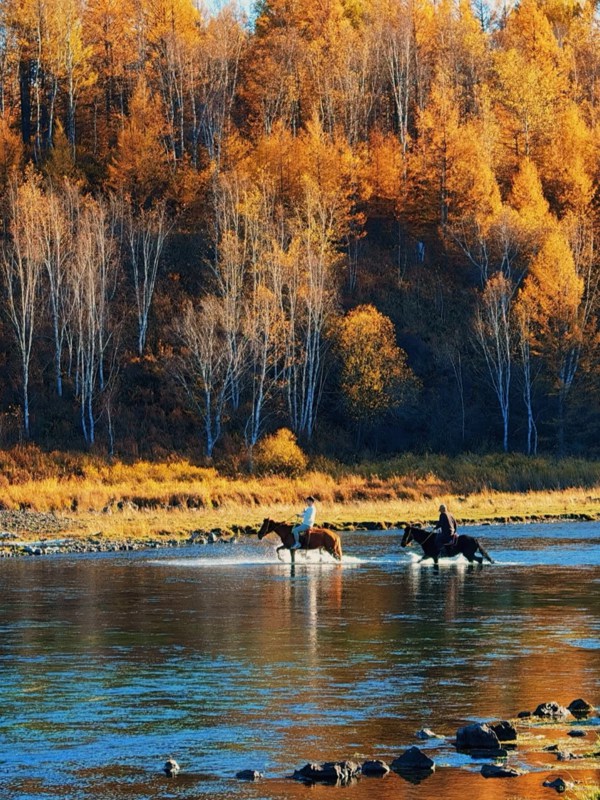
The season of autumn changes the landscape. Birch trees turn bright gold. The needles of larch change to orange and yellow. This is the season that is considered to be the best by the photographers.
When the summer is over the crowds become thinned out. The TripAdvisor data has it that the price of hotels is lowest in the period between September and November. Climate remains pleasant in early autumn but becomes chilly within short time towards late October. Pack layers.
Winter in Daxinganling (November–March) — Aurora Chasing and Extreme Cold
Aurora chasers and extreme weather lovers are attracted to winter. The temperatures often drop to -30°C, or lower. January and February can be down to -40°C. A TripAdvisor customer has put it to perspective: "Getting over the cripplingly cold conditions of below minus 45 degrees is necessary, but the snow-covered landscape of Mohe is truly beautiful.
Most of the activities revolve around snow, and these include ice fishing in frozen rivers, reindeer sleigh ride and the famous splash water into ice trick. All you have to do is get ready to be cold. Electronics malfunction easily, bare skin will complain after a few minutes and simple things will take more time when your fingers refuse to cooperate.
Practical Tips and Honest Warnings for Visiting Daxinganling
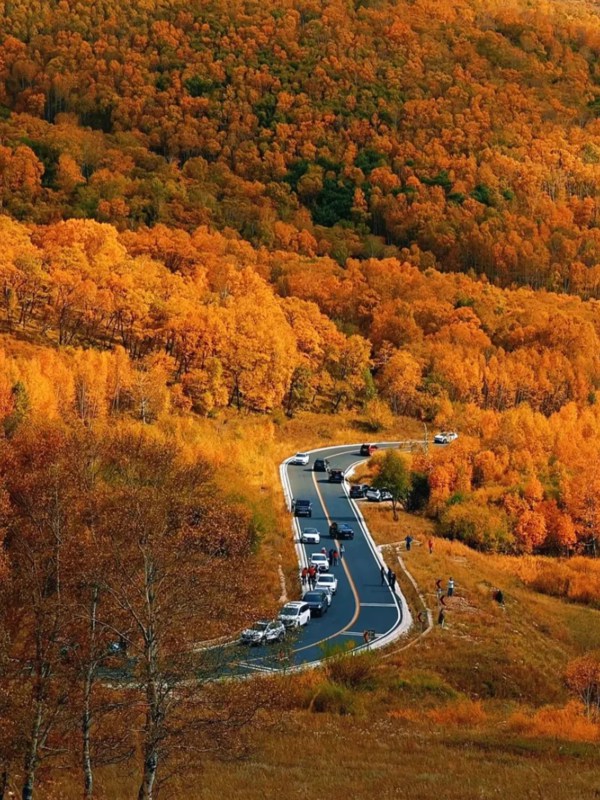
Street of Daxinganling
The Daxinganling region isn't difficult to visit, but it punishes poor preparation. Remote locations, extreme weather, and limited infrastructure mean you need to plan ahead. Here's what actually matters.
What to Pack for Extreme Cold
Winter demands serious gear. Carry a down jacket with a minimum rating of -30o C. Wear a thermal layer underwear- merino wool is better than cotton. Goodly gripped insulated waterproof boots are required. The ground gets icy.
Hand warmers (暖宝宝) are not only comfortable. Stuff them in your phone and camera batteries to keep the electronics alive. A hot water vacuum flask is useful. During winters, locals take thermoses everywhere. You will see how in ten minutes out of doors.
Language Barrier and Communication
In this place, there is almost no English. As one tour operator was crudely described: Mohe no one knows English, only tour guide. To make it easier, it would be necessary to hire a local English-speaking guide but it will be more expensive.
Pre-install translators- offline is very important as in remote areas there is no network. Some simple Mandarin expressions such as "多少钱" (how much) and "谢谢" (thank you) will go far.
Pitfalls to Avoid
Do not come just to see the aurora. Quite a number of travelers depart without having seen it. Any sighting is a bonus not a priority.
Carry plenty of cash. China operates on mobile payment and remote Daxinganling locations usually do not have phone signal. There is a dearth of ATMs in the area other than the Mohe city.
Set up early in winter holidays and summer solstice. Beiji Village lacks rooms and they get booked quickly. It is dangerous not to make a reservation.
FAQs About Daxinganling
Q: Is Daxinganling safe for foreign tourists?
Yes, Daxinganling is generally safe for foreign visitors. The main challenges are extreme weather conditions in winter and the language barrier rather than safety concerns. Most locals are friendly and helpful despite limited English. The region sees few international tourists, so you might attract curious but benign attention. Just prepare adequately for the cold and carry emergency supplies.
Q: How cold does it get in Daxinganling?
Very cold. The record low stands at -52.3°C, recorded in Mohe. Winter temperatures between December and February regularly drop to -30°C or -40°C. Even November and March see readings below -20°C. Summer offers relief, with temperatures around 18-22°C. If you visit in winter, prepare for conditions that most people have never experienced. Exposed skin can get frostbitten in under ten minutes at -40°C.
Q: What is the Greater Khingan Range famous for?
The Greater Khingan Range, known locally as Daxinganling, holds several distinctions. It contains China's largest cold-temperate virgin forest. It's the only location in China where you can potentially see the aurora borealis. The region recorded the country's coldest temperature. And it's home to the Ewenki people—China's last reindeer-herding tribe. Historically, the area served as the birthplace of several northern dynasties including the Qing.
Q: Can I see the Northern Lights every night in Mohe?
No, definitely not. Aurora sightings in Mohe remain relatively rare compared to Nordic countries. The lights appear perhaps a few dozen times annually, mostly between September and March during high solar activity. Many visitors spend several nights waiting and see nothing. One TripAdvisor reviewer mentioned they didn't catch the aurora during their visit. Come for the overall experience rather than expecting guaranteed sightings.
Q: How many days do I need in Daxinganling?
Most travelers find 3-5 days sufficient. A typical itinerary covers Mohe city, Beiji Village, and one or two other attractions like Beihong Village or the First Bend of Heilongjiang. Adding the Ewenki Reindeer Village requires extra time since it's located in Genhe, a few hours away. Winter trips may need buffer days for weather delays. Trains and flights occasionally get disrupted by heavy snow.
Q: What is the best way to reach Mohe from Harbin?
Two main options exist. Flying takes about 2 hours and costs roughly ¥800-1,500 depending on season. The train journey runs approximately 17-19 hours, usually with a transfer at Jiagedaqi. The overnight train offers scenic views of snow-covered forests and costs around ¥200-400 for a sleeper berth. Some travelers prefer the train as part of the experience. During peak winter season, book transportation at least a week ahead.
Q: Do I need a visa to visit Daxinganling?
Yes, most foreign visitors require a Chinese visa. Standard L-type tourist visas work fine for this region. The 144-hour transit visa exemption does not apply to Heilongjiang Province, so don't count on that. Since Daxinganling borders Russia, carry your passport at all times. Random document checks happen occasionally in border areas. Make copies of your visa page and store them separately from your passport.
Q: What local food should I try in Daxinganling?
The signature dish is Iron Pot Stewed Goose (铁锅炖大鹅)—a hearty stew cooked in a massive iron pot, perfect for cold weather. Frozen pears (冻梨) look strange—they turn black when frozen—but taste sweet after thawing in water. Wild blueberry products from Jiagedaqi include juice, jam, and dried berries. River fish from the Heilongjiang, forest mushrooms, and various pickled vegetables round out the local specialties.
Q: Is Daxinganling worth visiting in summer?
Absolutely. Summer offers a completely different but equally rewarding experience. The midnight sun phenomenon around late June means daylight lasts up to 19 hours. Temperatures stay pleasant around 20°C while much of China suffers through intense heat. Hiking trails open, the forests turn lush green, and the Ewenki reindeer camps operate without the brutal cold. You won't see aurora, but the endless daylight has its own magic.
Q: Which hotels in Daxinganling accept foreign guests?
Not all hotels in China can legally accept foreign passport holders. In Mohe and Beiji Village, larger hotels and guesthouses typically have the required license. Options include chain hotels in Mohe city center and registered farmstays (农家乐) in Beiji Village. Prices range from ¥150-400 per night depending on season and quality. Always confirm foreign guest acceptance when booking. During peak periods, reserve at least two weeks ahead through Ctrip or Trip.com.