Best Time to Visit Northeast China
Northeast China encapsulates great extremes; you can experience -30°C in midwinter (like that ice palace glowing neon in the night) or, in summer, the cool breath of the hills escaping from China’s sultry south. When is the best time to visit Northeast China? That ultimately depends on how you like your china tea - here, in Heilongjiang, Jilin, or Liaoning, you can have two cool, enchanted choices!
The best time to visit Northeast China relies simply on one question. What are you looking for? If the all-out, once-in-a-lifetime, snow-wrapped, white Christmas is what your adventurous spirit craves, you want to come between December and February. For hikes and volcanoes, the summer months of June to August. In this guide I’ll take you hand-in-hand through the frosting and the echoes, the shining and the dim of all the seasons. When you finish, you’ll know when to buy your tickets.
Quick Answer: When Is the Best Time to Visit Northeast China?
Let me give you the short version first, because I know some of you are just trying to figure out dates quickly. Understanding the best time to visit Northeast China helps you plan the perfect trip.
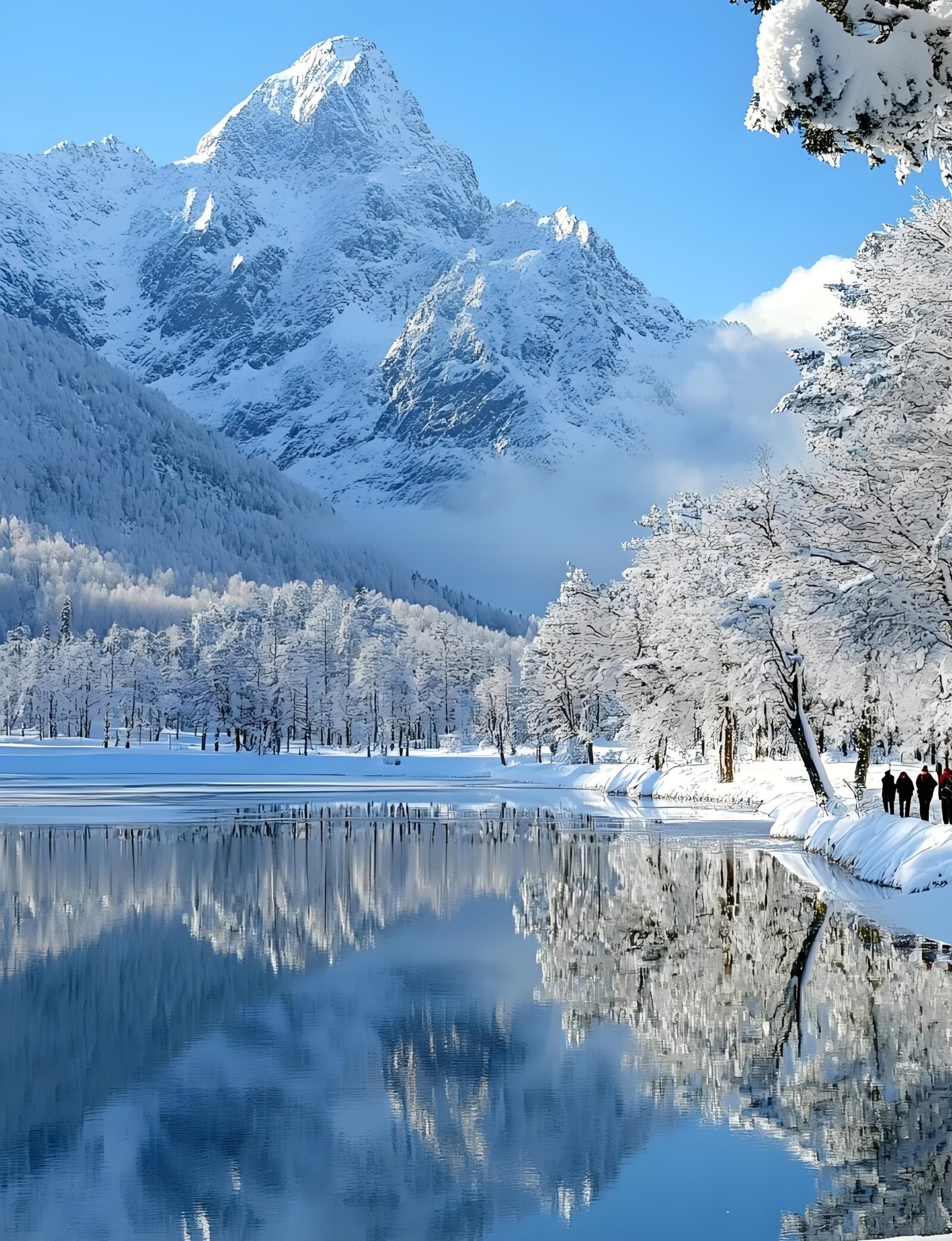
Winter (December–February) is when Northeast China really shows off. This is prime time for the Harbin Ice and Snow Festival, Snow Town's fairy-tale landscapes, and that incredible rime ice in Jilin. January is the sweet spot—everything's at its peak, though it's also the coldest and most crowded.
Summer (June–August) offers something totally different. Changbai Mountain's crater lake has its best visibility rates, temperatures stay comfortable around 25°C, and you can actually hike without freezing your fingers off. Plus, Mohe—China's northernmost town—has this wild phenomenon where the sun barely sets around the summer solstice.
| Season | Temperature | Weather | Top Experiences | Crowd | Price | Best For | Avoid |
|---|---|---|---|---|---|---|---|
| ❄️ Winter (Dec–Feb) | -30°C to -10°C | Dry cold, heavy snow, clear skies | Harbin Ice Festival, Snow Town, Jilin rime ice | ⭐⭐⭐⭐⭐ High | 💰💰💰💰 Peak | Ice lovers, photographers, winter sports fans | CNY week (late Jan–early Feb) |
| ☀️ Summer (Jun–Aug) | 18°C to 28°C | Warm days, cool evenings, occasional rain | Changbai crater lake, Mohe midnight sun, forest hiking, nature reserves | ⭐⭐⭐⭐ Medium-High | 💰💰💰 Moderate | Hikers, nature lovers, families escaping heat | Early August (peak family travel) |
| 🌿 Spring & Autumn (Mar–May, Sep–Nov) | -8°C to 23°C | Variable; spring warming, autumn crisp and clear | Dalian cherry blossoms, Dandong border, fall foliage, Panjin Red Beach | ⭐⭐ Low-Medium | 💰💰 Budget | Budget travelers, photographers, city explorers | Early March (muddy), National Day (Oct 1-7) |
Pro tip: For most first-time visitors, I'd recommend either mid-January (full winter magic) or July (best summer conditions). These months offer the most iconic experiences, even if they're slightly busier than shoulder seasons.
Alright, now let's dig into the details of the best time to travel to Northeast China by season.
Winter (December–February): The Best Time to Visit Northeast China for Ice and Snow

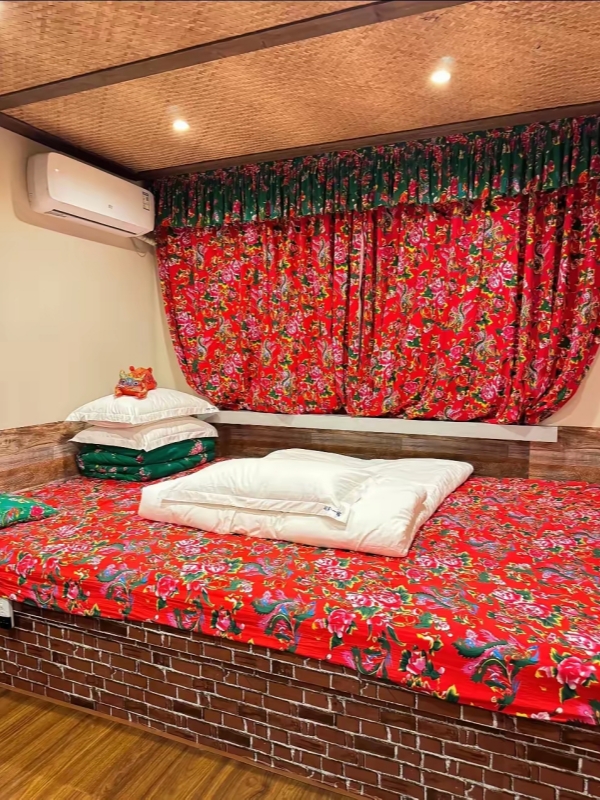
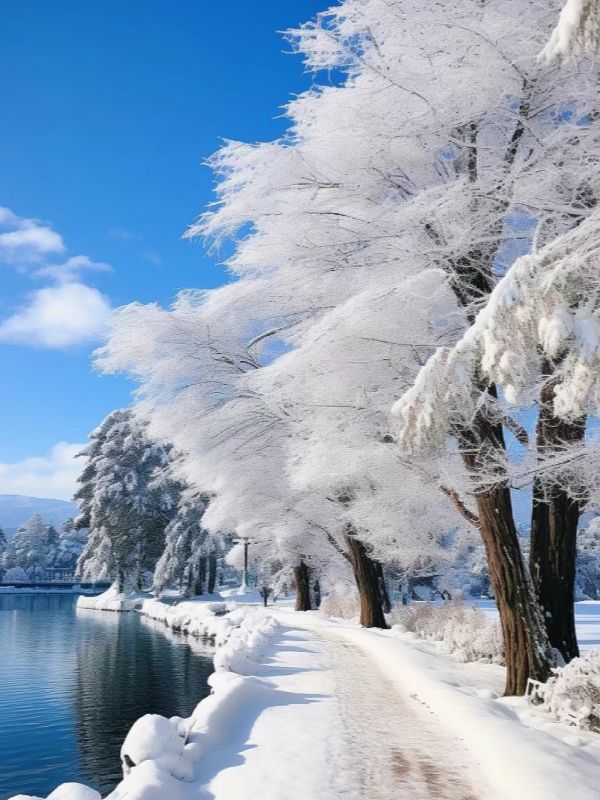

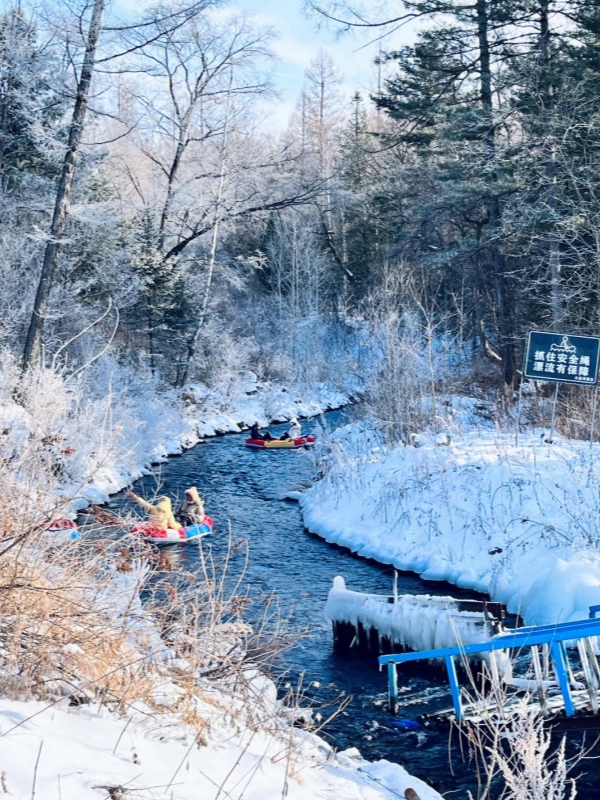
Harbin Ice and Snow World – Why January Is the Ideal Time to Visit
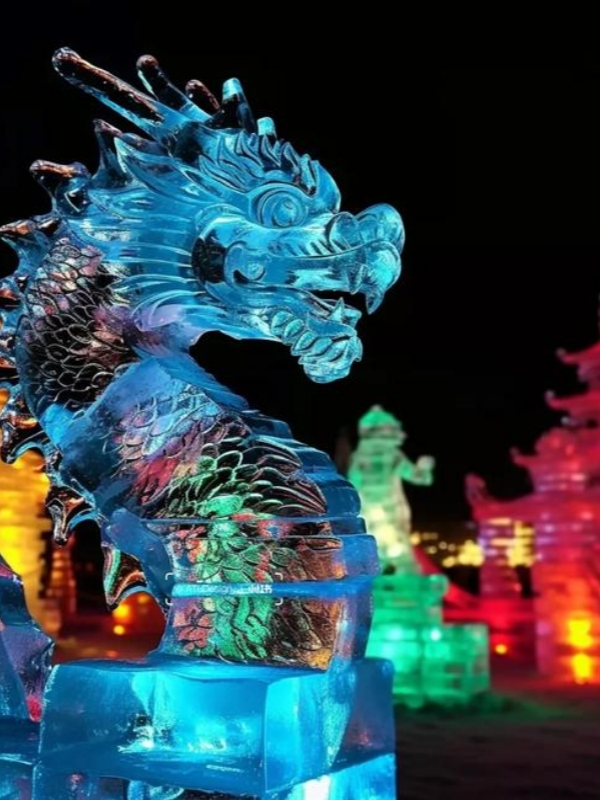
I'll be honest with you—nothing quite prepares you for the first time you see Harbin's ice festival in person. Photos don’t really do justice to it. You walk in and boom; you’re surrounded by these enormous buildings made almost entirely of ice. Some of them are more than 20 meters high. They’re all lit up in colored lights. It’s like walking into a video game or movie set and you can see that it’s all real, all fake-surreal ice structures carved from the Songhua River.
The best time to come is mid-January; by then all the sculptures are finished and the lighting is all working. Earlier in December, you may get a sense of construction still taking place. Jan 1 (the festival date) is around when all the sculptures are finished, but later in the year (late Feb), the warmer it is, the more melting takes place. By March, things are melting, obviously.
The best-kept secret? It’s cold. Like, seriously cold. Expect -20 and -25 at night. Your phone may be dead within minutes—a battery this extreme and it’s dead. Somehow you don’t seem to mind as much as you should (adrenaline; the distraction of sliding down a three-story ice slide). But dress warmly and you’ll be fine. Tickets are about ¥300-500 depending on the date.
Snow Town (Xuexiang) – That Village from the Photos
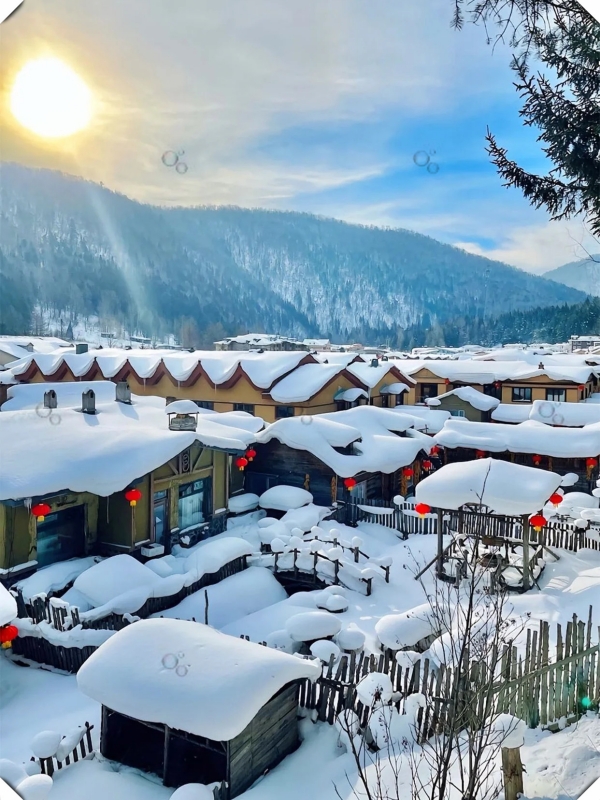
Even you’ve seen pictures of Snow Town if you don’t know what it’s called. The one with the red lanterns, the mushroom-shaped snow on the roofs, a village that looks like something from a children’s book illustration. And guess what? It actually looks like that in real life. Maybe better.
It’s about 280 kilometers from Harbin, situated in a valley that receives staggering amounts of snow. Up to two meters worth. Since there’s no wind, the snow doesn’t blow away like in traditional snowy cities, but instead… just piles up. As you roam around, preferably in the early hours when smoke wafts from chimneys and palm trees droop under snowy blankets while you’re the only soul outside, you might just convince yourself you’ve stumbled into another age.
Conveniently, if you do visit this beautiful place, do not go during Chinese New Year when it is super crowded. I mean shoulder to shoulder, can’t move, prices triple from basic guesthouses, kind of crowded. Either early January or late February is best. Book in advance, too—2 months for peak dates.
Jilin Rime Island – When Nature Shows Off
So there’s this natural phenomenon in Jilin City known as rime ice, and it’s just about the prettiest thing I’ve ever seen. The Songhua River stays relatively warm thanks to a dam upstream, so it never entirely freezes up. When that warmer river water evaporates and ends up in that freezing air, the tiniest ice crystals cling to everything, tree branches, bushes, telephone wires. The whole place turns glittery white, like something out of a winter wedding confection.
The problem is, you only get it on certain days. The temperature, the humidity, the wind have to be just so. Your best chance is late December through February, especially in the early morning hours. Some mornings you’ll wake up at 5 AM, make your way to Rime Island and… nothing. Other days you’ll turn a corner and suddenly it looks as if every branch, tree and bush within sight is made out of frozen lace.
Plan on spending at least two or three mornings trying. And have plans for other things to do for the mornings rime doesn’t appear. There’s plenty to see in Jilin City itself.
Summer (June–August): Best Time to Visit Northeast China for Nature Lovers
-
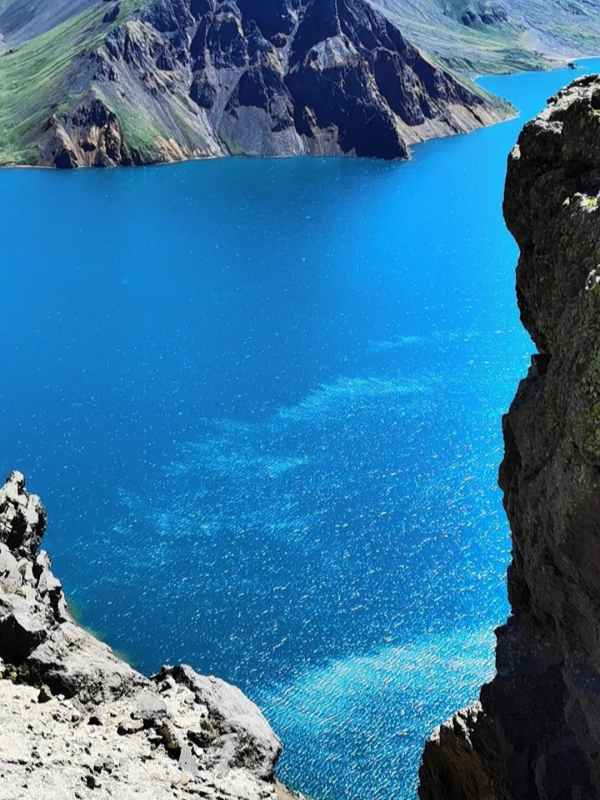

- Changbai Mountain Crater Lake
-
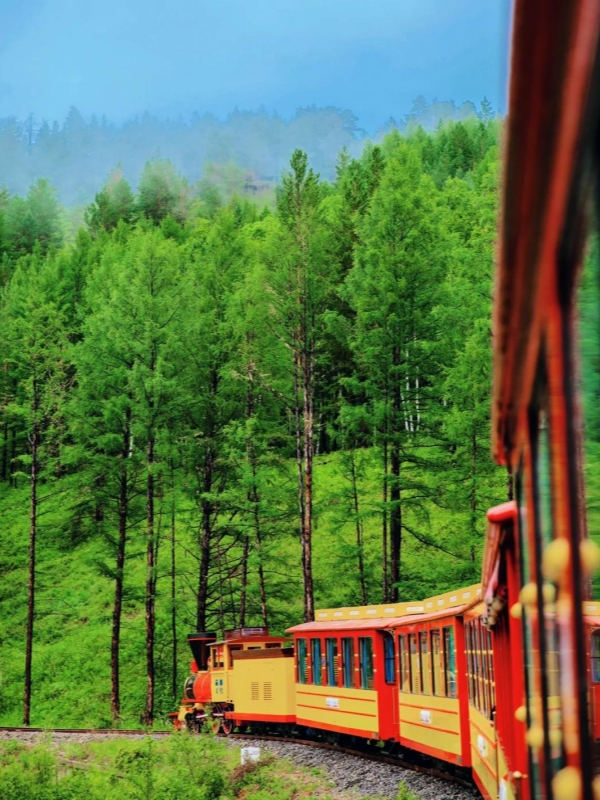
- Greater Khingan Mountains
-
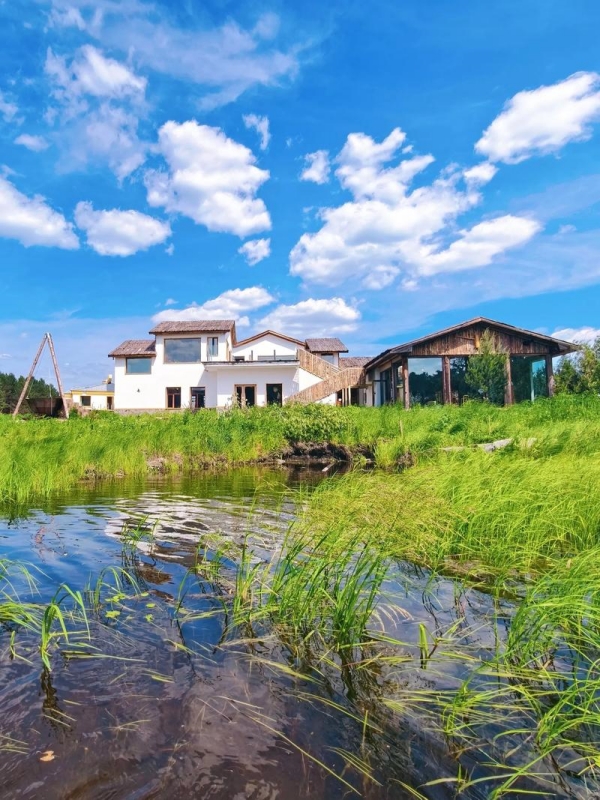
- Arctic Village
Changbai Mountain Crater Lake – Best Visited in July and August
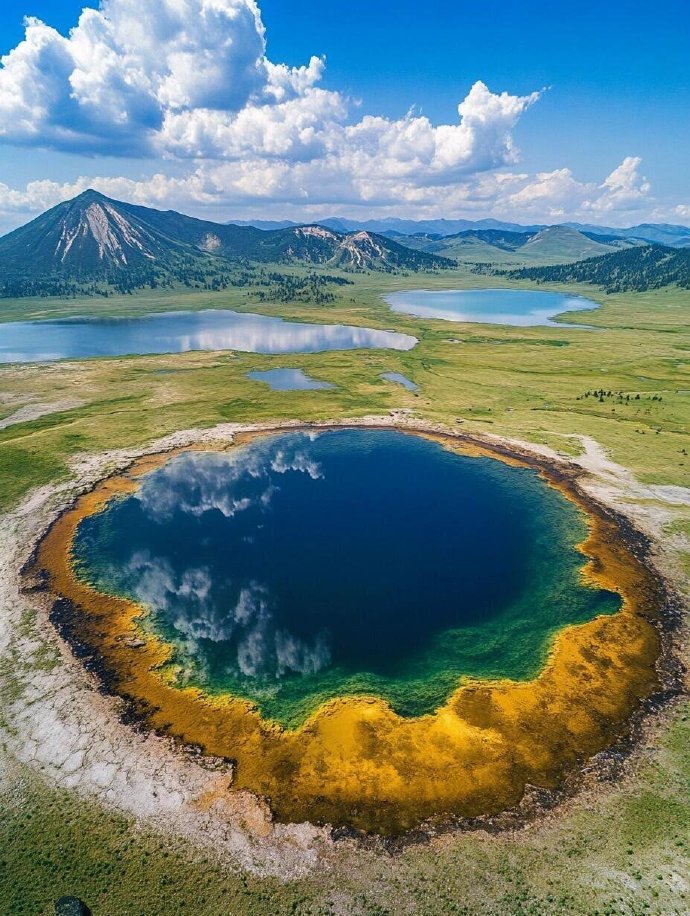
Alright, so here’s the deal with Tianchi: a must-see in China, it’s one of the most famous natural sights in the whole country, and there’s roughly a 30% chance that you’ll actually see it on any summer day. That crater just loves clouds. Mist rolls in without warning, and you could climb all the way up, reach the viewing platform and see…white. Just white.
But when the clouds clear? Wow. This lake lies at 2189 meters, surrounded by sixteen peaks left behind by the calcitonin volcanos. The water is an almost impossible shade of blue—not turquoise, not navy, it’s somewhere in between, an unreal color. You can see the reflection of the peaks if it’s a clear day, and I’m pare to tell you it’s a breathtaking sight.
Your best chances for seeing it are in July and August. The weather at the summit is cool; pack layers, and our feet can be 15 degrees cooler when it’s a hot 28 degrees at the base. You can approach from either the North Slope (better developed; more tourists) or introduce yourself to the locals on the West Slope (fewer crowds; different angle). In either case, get there early—clouds seem to move in more in the afternoon.
Mohe – Chasing Light at the Top of China
Here’s a fun fact: you can spend near enough 24 hours of sunlight in China! Just around the summer solstice (late June), the sun hardly drops below the horizon in Mohe, our country’s northernmost town. It’s never actually ‘dark’ and you can sit in comfort reading your book outside at midnight. (I’m guessing earlier travellers would’ve had this option but Kunlun Airlines had better PR).
This town has doubled in its Arctic Village identity - we have how half phrases going ‘northernmost of xxx’, like northernmost of 7 post offices, northernmost of xxx households etc. Kinda tacky, but surreal bizarre to watch the sunset and midnight and the sunrise an hour later. Once in awhile you might even glimpse the faint northern lights in the sky.
Our summers are pretty pleasantly base can stay within 20 to 25 degree Celsius and a stark contrast to the winters where this unsuspecting town plummets to minus 40! If you’re making the long till and accordon taamao for prney ls it has bought..
Cool Forests and Empty Trails
While Shanghai and Guangzhou swelter in summer heat beyond 35°C, it’s completely bearable in Northeast China. High’s rarely hit 28°C, and the humidity is way lower than you’d find down south. Plus—there are way fewer tourists than at any other famous sight in China.
There’s waterfalls and volcanic rock formations at Jingpo Lake; Wudalianchi has fourteen dormant volcanoes and mineral springs; and Greater Khingan Mountains features endless hiking among the forests. It’s another side of China, and one that isn’t often found on the tourist map, which is kind of the point.
Spring & Autumn: Alternative Times to Visit Northeast China
-
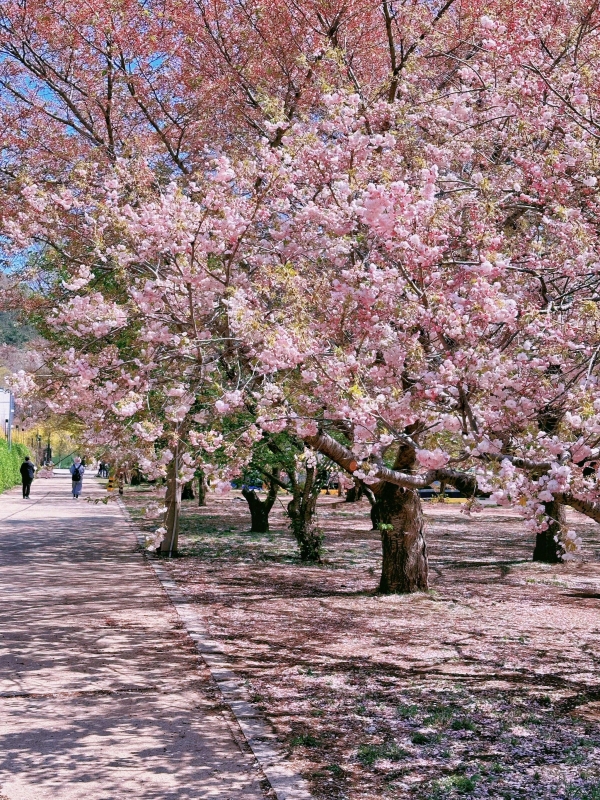
- Dalian’s Cherry Blossoms
-
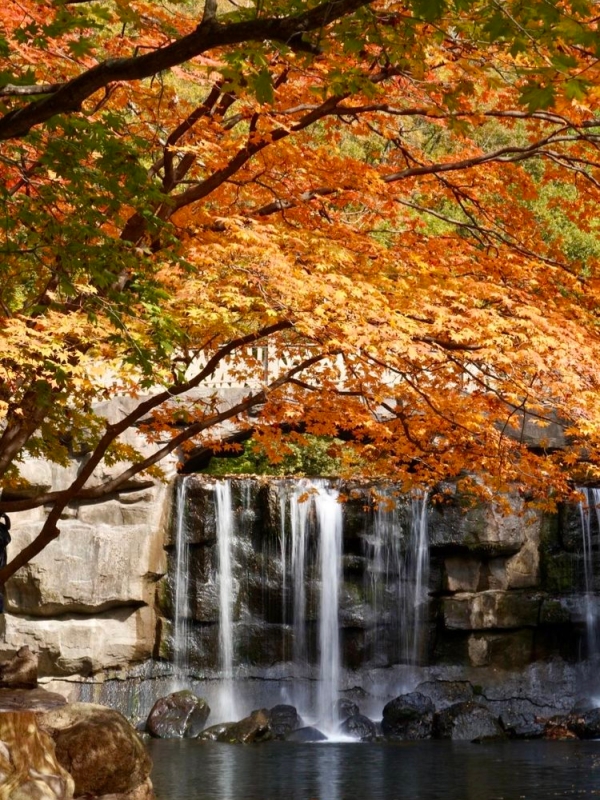
- Benxi Forest
-
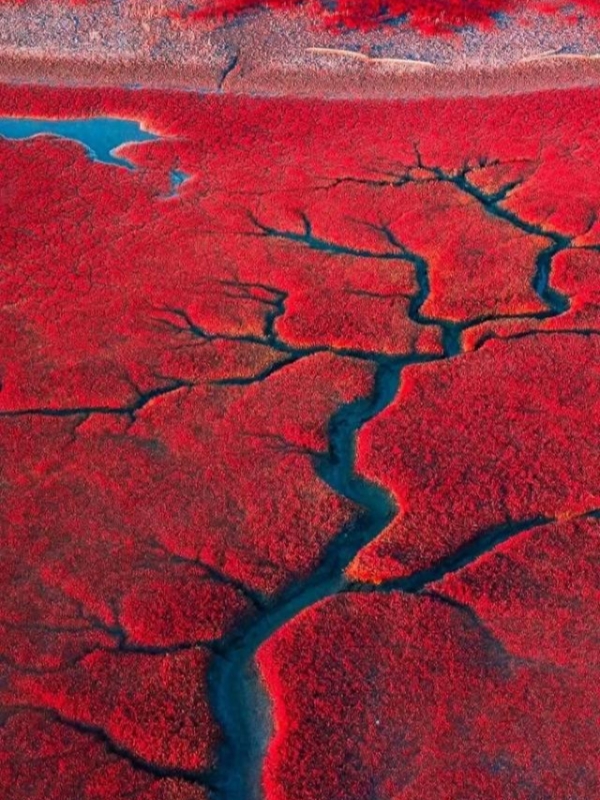
- Panjin Red Beach
Spring (April–May): A Good Time to Visit for Budget Travelers
There’s something almost sad about Northeast China in the spring. The famous ice sculptures are long gone. Snow pulled almost all of its money out of the cities. Everything feels as though it is either still in winter or on the verge of summer.
But that’s not a bad thing. Prices are lower. There aren’t many crowds. The weather is warming up, it can range from 10 to 20 degrees Celsius during the day, and in late April Dalian will burst open with cherry blossoms. It’s like Japan but with fewer people. The dirty, dingy Yalu River border area around Dandong is again open.
You’re not going to get the crazy winter experiences nor the summer crater lake views. But if you don’t like to elbow your way through crowds to experience a place, spring is a surprisingly acceptable time.
Autumn (September–October): When to Visit for Fall Foliage
Autumn may be the best time to go. The forests around Benxi turn bright red and gold. The slopes of Changbai Mountain blaze with color. Panjin’s Red Beach (not a beach, surprisingly enough, but a vast wetland carpeted with red-colored seepweed) reaches its brightest.
Mid-October is the ideal time for fall foliage. The air is crisp, skies are blue, and light is golden (the perfect conditions for photographers). Temperatures range from about 5-15c, ideal for hiking.
One thing to be aware of: Chinese photographers know about this too. If you hit any of the popular viewpoints on a weekend, they’re crowded. If you can visit during the week, you’ll have a bit more space to yourself.
🌤️ As Northeast China shifts between blossom-soft spring and crisp, leaf-brushed autumn, this expanded guide to Sacred Mountains, Historic Kingdoms, and Northern Landscapes offers all the highlights worth weaving into your journey.
Complete Seasonal Comparison Table
Pro tip: For most first-time visitors, I'd recommend either mid-January (full winter magic) or July (best summer conditions). These months offer the most iconic experiences, even if they're slightly busier than shoulder seasons.
What to Pack: Essential Gear for Your Northeast China Trip
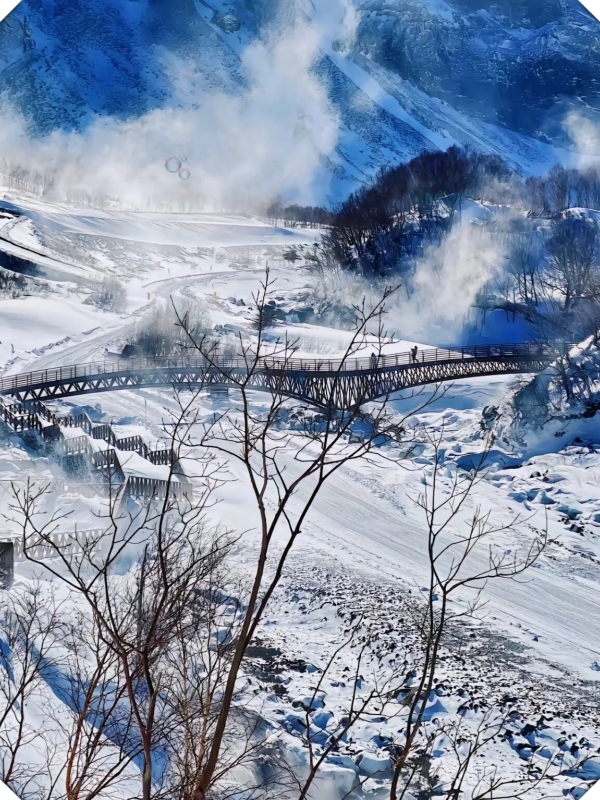
Winter in Northeast China
Winter Packing Essentials: What You Need When Visiting in Peak Season
Let’s be real here: you can’t possibly overpack for Northeast China winter. A proper heavy down jacket rated for real, not fashion, cold. Waterproof boots with good grip, because ice, is everywhere. Thermal underwear. Woolly socks. Insulated gloves. A hat that covers your ears. Hand warmers.
About electronics: your phone will die, quickly. Below -10°C and the battery starts fizzing out. Keep your phone inside your jacket, close to your body. Do the same with camera batteries and rotate through warm and cold. Some people use insulated pouches for cameras.
One interesting thing about Northeast winters—and it’s a thing for those of you using seasons to debate it—is that cold becomes “dry cold”. Low humidity means sometimes it feels more posh to be outside at -20°C in Harbin than at -5° in “wet cold” Shanghai. Most visitors are quite surprised at how pleasant it can actually be, if only appropriately dressed.
Summer Packing Tips: Lighter Gear for Warm-Season Visits
Summer is overall a bit simpler (don’t bother to skip the layers completely, the higher elevations on mountains can stay chilly even in July), but do bring a light rain jacket (if it doesn’t leak), and in case of sudden showers. A good pair of hiking shoes is more important than how fashionable they are, at least to us; equal to that is sunscreen and insect repellent, especially in forest parts of the country.
One thing that summer visitors may not be used to: the higher elevations get a serious dose of UV no matter what the cloud cover. You can manage to burn on the Changbai afternoon even when overcast. Bring a brimmed hat with you and reapply sunscreen regularly. There might be mosquitoes on some evenings, attacking your forest walk around Jingpo Lake and the Greater Khingan Mountains, so make sure to pack long sleeves.
How to Get to Northeast China: Flights and High-Speed Rail
Flying In
Four airports serve the region. Harbin Taiping International has the most international connections—flights from Seoul, Tokyo, Vladivostok, and various Russian cities. Shenyang and Dalian also handle some international routes. Changchun serves mainly domestic flights.
From other Chinese cities, flights are frequent and usually affordable if booked in advance. Beijing to Harbin takes about 2 hours by air.
High-Speed Rail
China's rail network makes regional travel pretty convenient. The numbers:
- Beijing to Harbin: 5-7 hours
- Harbin to Changchun: about 1 hour
- Changchun to Shenyang: about 1.5 hours
- Shenyang to Dalian: about 2 hours
Book through the official 12306 website or Trip.com. Tickets open 30 days before travel. Popular routes during holidays sell out quickly.
Local Transportation
Major cities have metros—Shenyang, Dalian, and Harbin all have expanding systems. Taxis are plentiful and cheap. Didi (China's Uber equivalent) works well if you have a Chinese phone number.
For reaching places like Snow Town or Changbai Mountain, you'll likely need either a private car, a tour bus, or a package tour. Public transportation to these areas exists but can be confusing and time-consuming. Honestly, for first-time visitors to remote attractions, organized tours often make sense.
Frequently Asked Questions About Visiting Northeast China
Q: What's the single best month to visit Northeast China?
This really depends on what you want. For the full winter experience—ice festival, snow villages, frozen landscapes—January is hard to beat. Everything's at peak condition. Yes, it's coldest then, but that's kind of the point. For summer travel, July offers the best chance of seeing Changbai Mountain's crater lake clearly, plus comfortable hiking weather. If you're flexible and want fewer crowds, late February (after Chinese New Year) or early December (before the festival crowds arrive) offer good compromises. The best time to visit Northeast China ultimately matches your personal travel preferences.
Q: How cold does it actually get? Can I handle it?
Harbin regularly drops to -25°C in January, sometimes colder. But here's something that surprised me: it's often more bearable than you'd expect. The cold is dry, not the damp cold that cuts through you in places like Shanghai. With proper clothing—and I mean actually proper, not just a regular winter coat—most people adapt within a day or two. The bigger challenge is the temperature swings. Indoor spaces are heated to 20°C+, so you're constantly adjusting layers.
Q: I'm worried about the extreme cold—is January really worth it?
Absolutely, and I say this as someone who used to think -25°C sounded unbearable. The best time to visit Northeast China for winter experiences is January precisely because the cold creates those incredible conditions—the ice stays perfect, the snow stays fluffy, and the rime ice in Jilin reaches its most spectacular formations. Here's what surprised me: dry cold feels different than damp cold. Layer up properly with thermal underwear, a down jacket, and windproof outer shell, and you'll actually be comfortable.
Q: How many days should I plan for?
A solid itinerary hitting the main highlights needs 5-7 days minimum: 2-3 days in Harbin (more during ice festival season), 1-2 days at Snow Town, and 1-2 days for Changbai Mountain. Want a more relaxed pace with additional stops like Jilin rime, Shenyang's Imperial Palace, or Dalian's coast? Plan 10-14 days. Winter trips often run slightly shorter because extreme cold limits how many hours you can spend outside each day.
Q: What food should I definitely try?
Don't leave without trying Guobaorou—crispy pork pieces in a sweet-tangy sauce. It originated in Harbin and tastes different here than southern Chinese versions. Sauerkraut stew with pork is hearty winter comfort food. Jiaozi (dumplings) are bigger and meatier than in other regions. For something adventurous, try frozen pears—they freeze solid outdoors, turn black, and you soak them in cold water until slightly thawed. Sounds weird, tastes surprisingly good. Near the Korean border in Jilin province, you'll find excellent Korean-influenced dishes too.
Q: Is it expensive compared to other parts of China?
Generally cheaper than Beijing or Shanghai, actually. Budget accommodations start around ¥150-200 per night; mid-range hotels run ¥300-500. Meals at local restaurants cost ¥30-60 per person. The ice festival is the biggest single expense at ¥300-500 for entry. Winter is peak season, so prices are higher than summer—and Chinese New Year specifically can see prices triple for accommodation. For comfortable daily travel including food, transport, and activities, expect to spend around ¥400-600 per day, not counting major transportation to get there.
Q: Can I visit Northeast China without speaking Chinese?
You can, but expect some challenges. English proficiency in Northeast China is noticeably lower than in Beijing or Shanghai, so the best time to visit Northeast China as a non-Chinese speaker is arguably during organized tour periods when English-speaking guides are more available. Download translation apps before you go—they're essential for restaurant ordering, asking directions, and basic interactions. Learn a handful of survival phrases: hello, thank you, how much, too cold.