Things to Do in Harbin
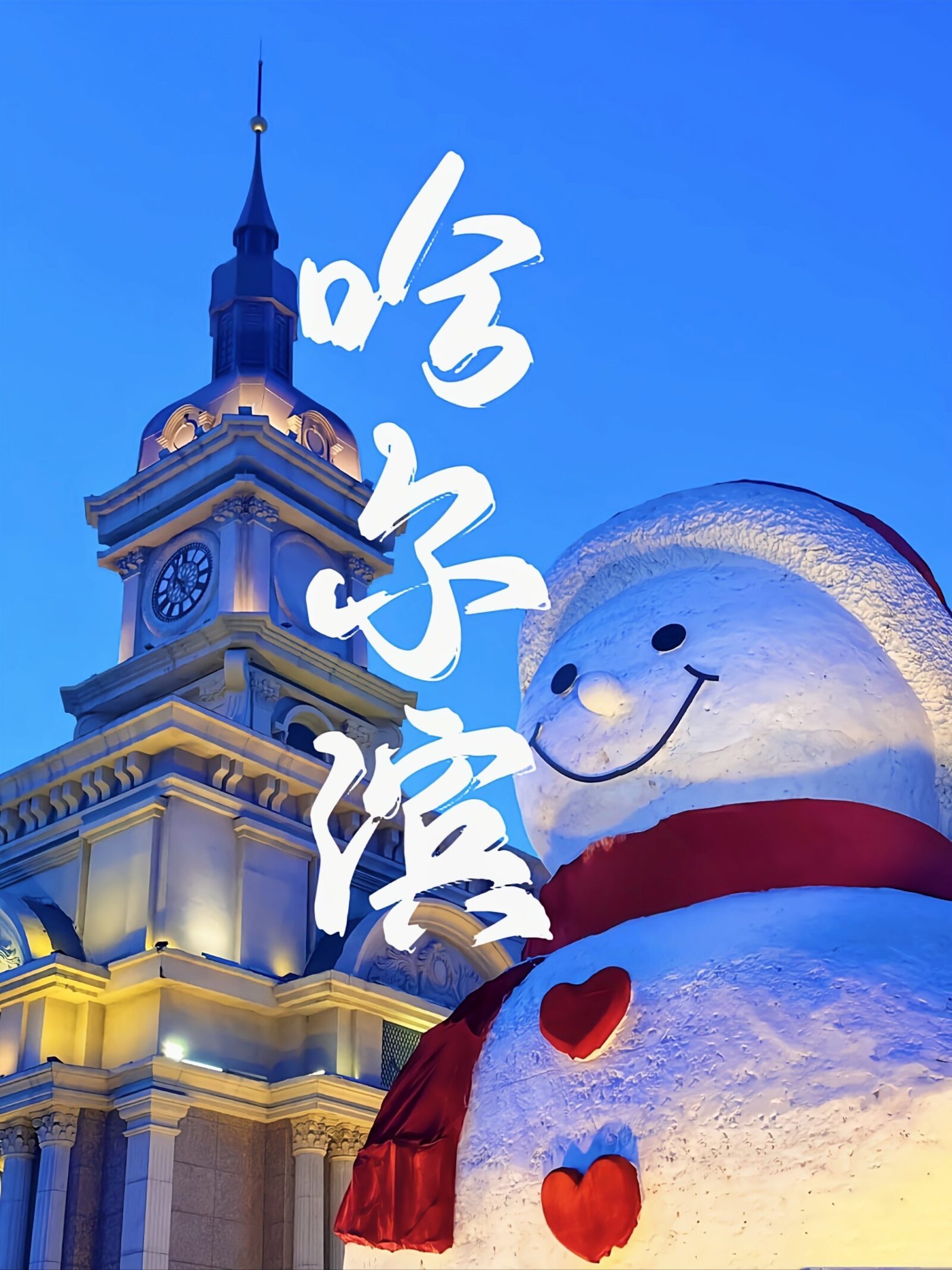
Harbin is something else entirely! To be honest, there’s no other city like it in Asia – possibly no other city like it at all. Located so far north in China that the temperature in winter is often below -20C, millions of visitors flock here anyway. Why? Because those things to do in Harbin are unlike anything you might find elsewhere in the world – ice castles the size of buildings, Russian Orthodox churches on Chinese streets, ice-cream-eating locals in winter. It definitely does not work according to the rule book.
What can you do in Harbin? How about ice festivals, ski resorts, close encounters with polar animals and wonderful dishes that fuse spectra of flavors to leave everyone salivating for more? We’ve compiled up-to-date ticket prices, verified visitor experiences, and honest advice about what’s worth your time (or what’s not). Whether you’re heading out on a big winter adventure or planning in summer, we’ve got everything you need. With the 2025 Asian Winter Games set to take place here, it’s time to start planning!
Iconic Winter Experiences: Ice and Snow Adventures
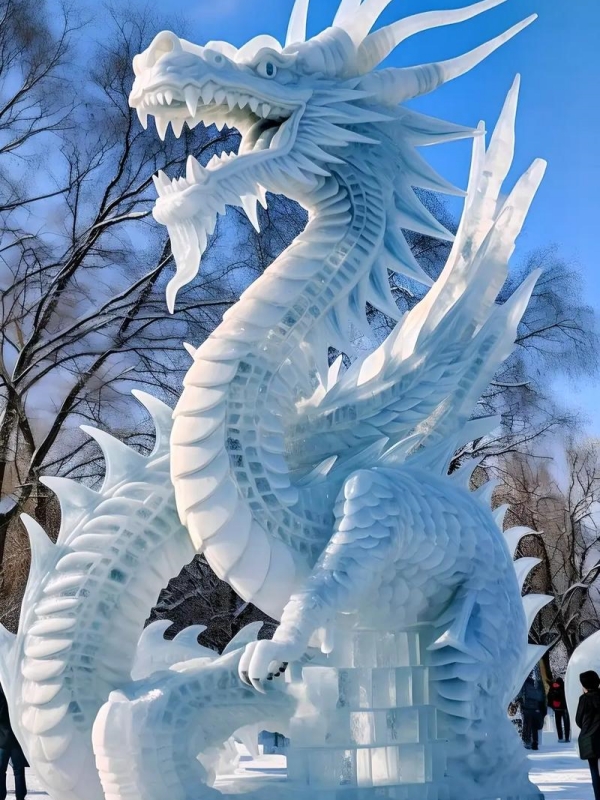
Harbin Ice and Snow World & Ice Festival — The Ultimate Frozen Experience (2025-2026)
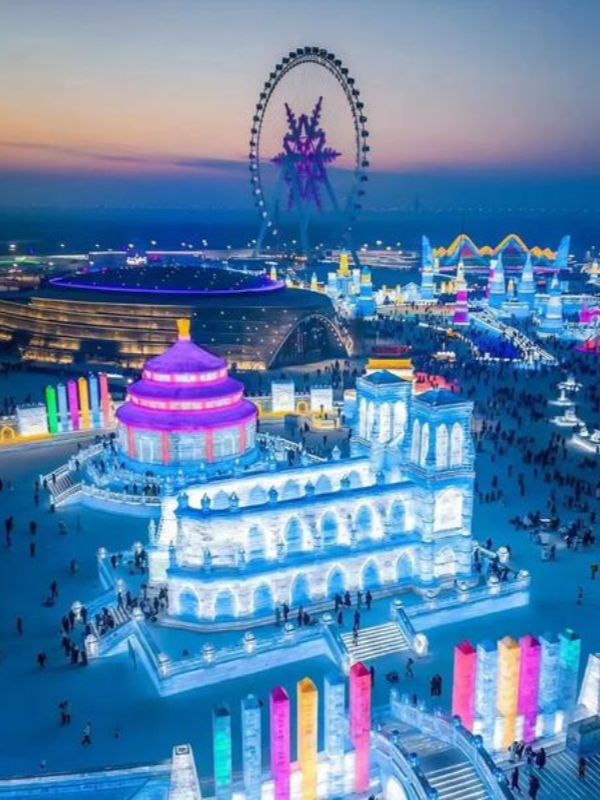
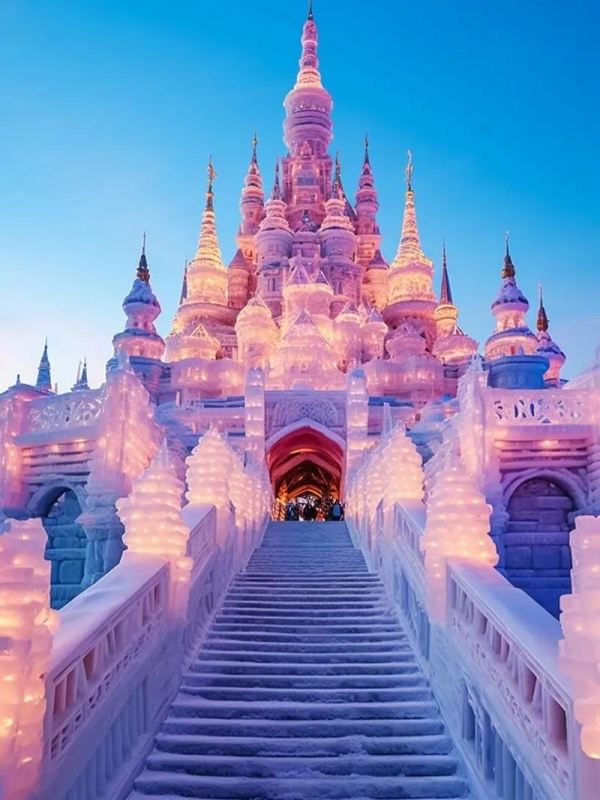
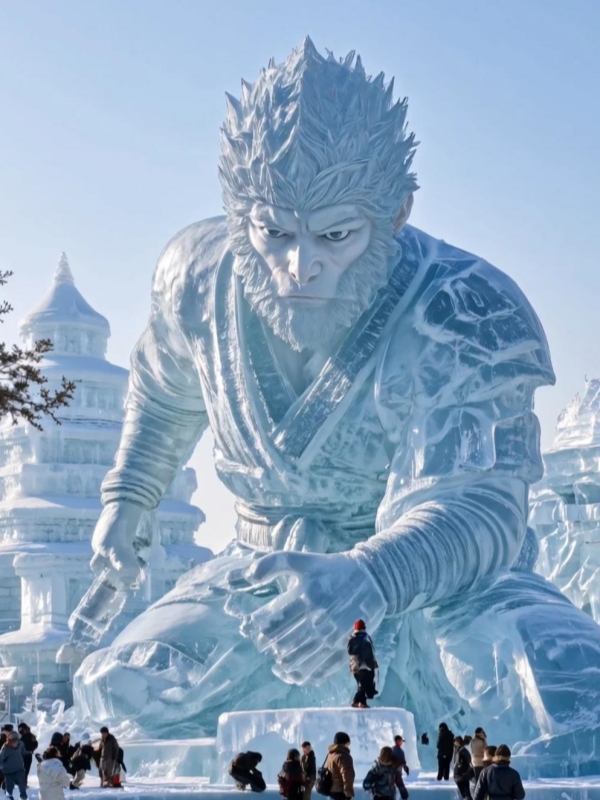
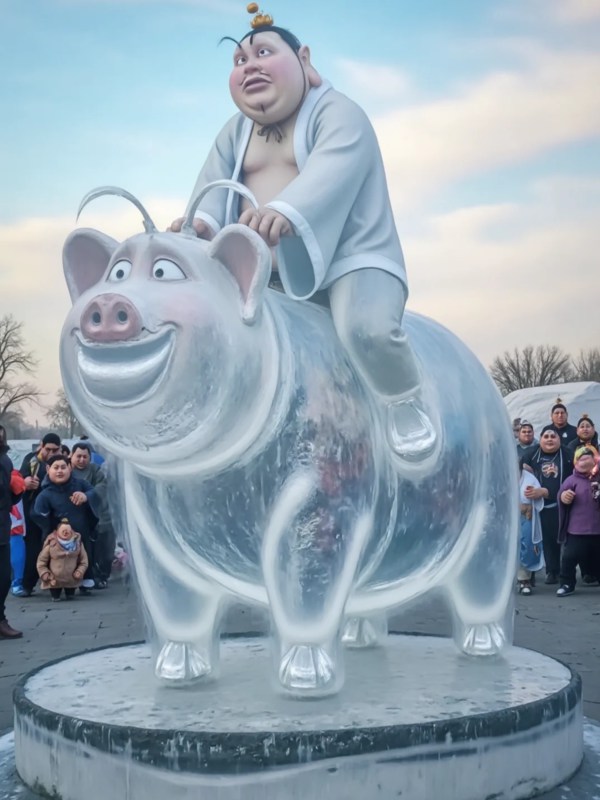
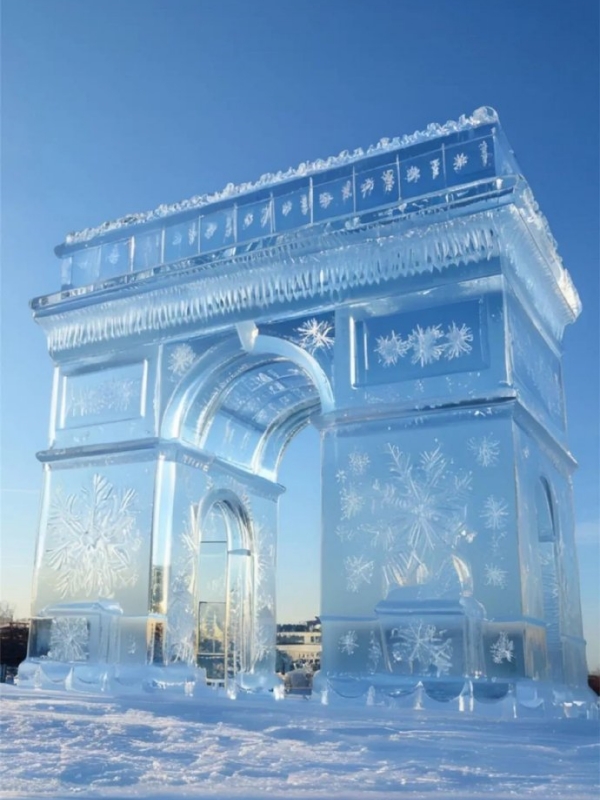
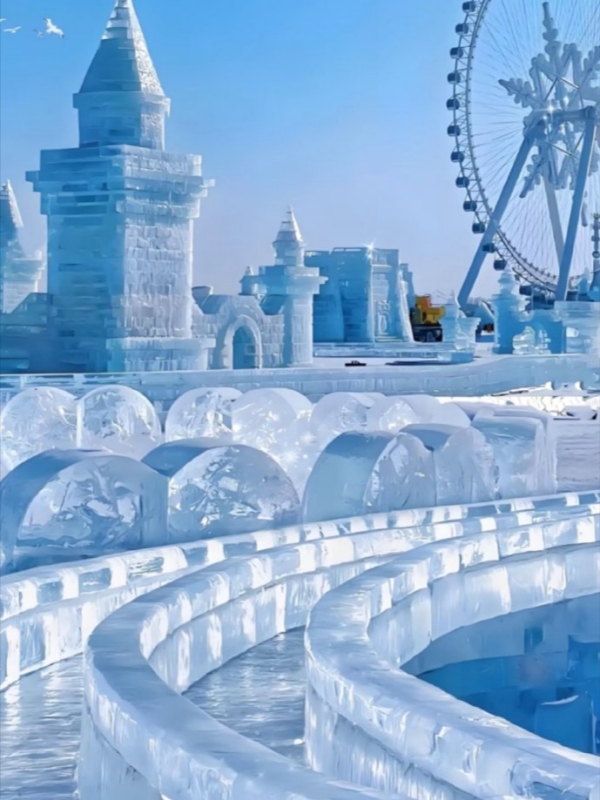
Ice and Snow World genuinely stops you in your tracks. The indoor Dream Ice and Snow Hall holds a Guinness World Record—238,000 square feet of frozen artistry, all crafted from real ice and real snow. Temperatures stay between -5°C and -10°C year-round, so stepping inside almost feels like teleporting into winter. The "Asian Unity" main tower draws everyone's cameras, while kids line up for ice slides scattered throughout. But honestly? The night experience hits hardest. LED lights transform transparent ice into something almost psychedelic—that moment when colors first pulse through frozen walls, you'll hear families gasping around you.
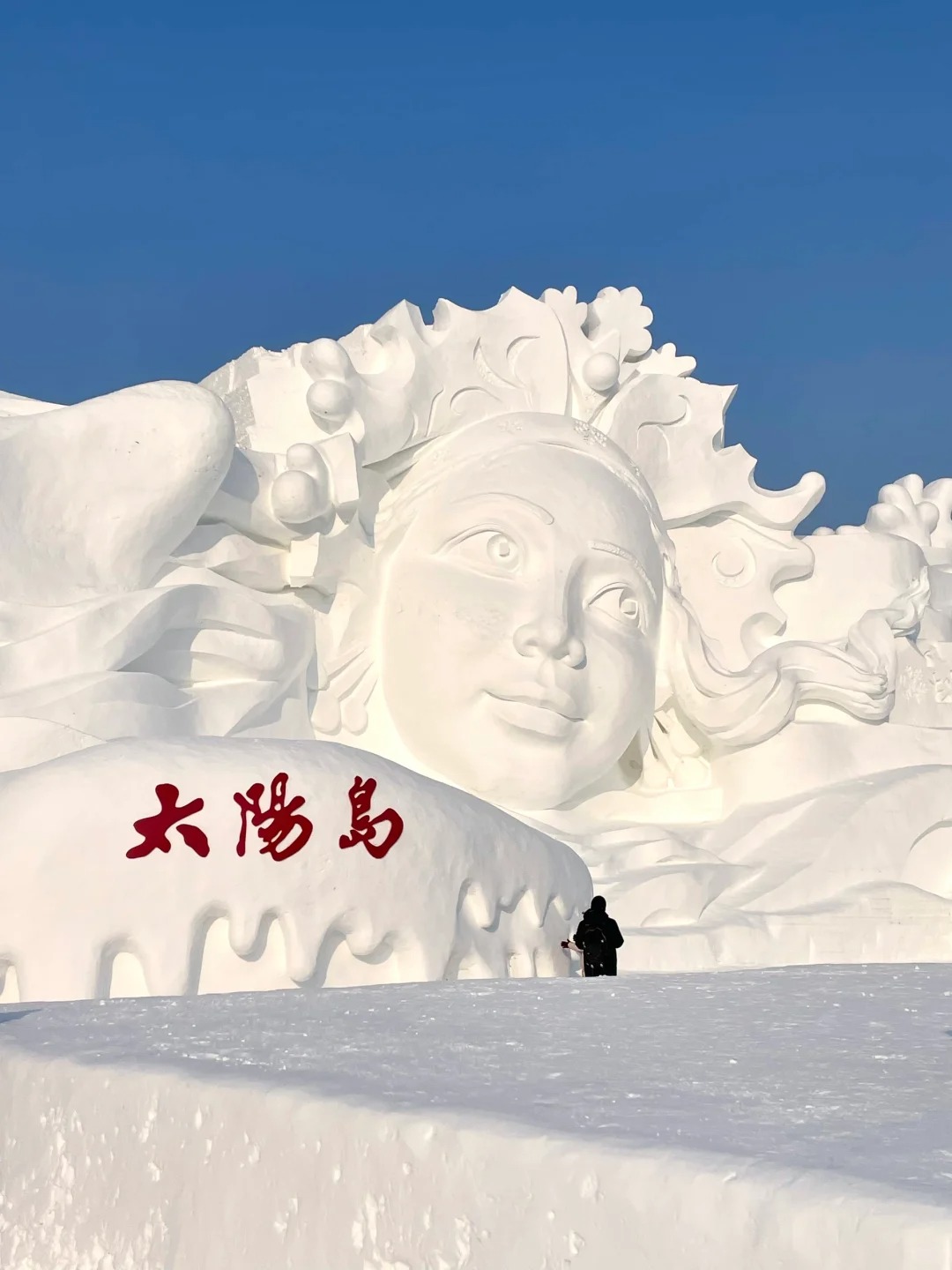
42nd Harbin International Ice and Snow Festival 2025 typically runs from early January through mid-February, spreading across multiple city venues. Ice and Snow World showcases the biggest structures. Sun Island hosts the Snow Sculpture Expo. Zhaolin Park displays traditional ice lanterns with delicate beauty. The 2025-2026 season should be particularly impressive, with Asian Winter Games momentum pushing everyone to step up their game. One warning though: don't assume late February works. Warmer days can force early closures without notice. Book flexible accommodations if your dates fall near the end.
Quick facts: Tickets run about ¥328 for adults; each venue requires separate admission. Plan 2-3 hours minimum for Ice and Snow World alone, and arrive after 4 PM for the best lighting effects.
Yabuli Ski Resort — Where International Athletes Train
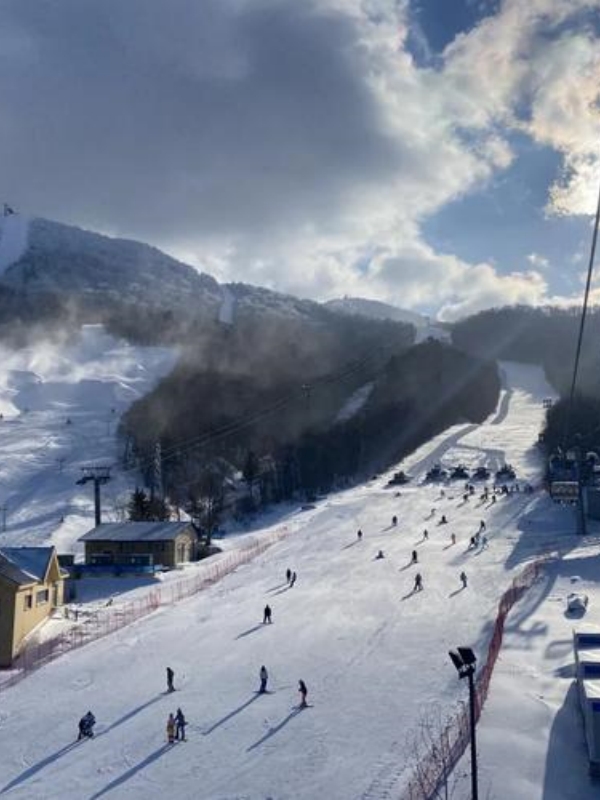
Yabuli also hosted the Asian Winter Games events which tells you something about the quality. 300,000 visitors came through during the 2024 ski season alone. Canadian instructor Mark Long has spent seven straight winters here, he calls it his "happy homeland" which sounds like a decent recommendation.
Slopes range from professional competition to gentle beginner runs. There are instructors who speak some English - be patient though. The "competition plus tourism" concept means that regular visitors can ski facilities built to Olympic standard. Kind of cool actually to snow plough down the same runs being used by elite athletes!
Getting there takes about three hours from downtown Harbin. Tourist shuttle buses and trains make the journey straightforward. Many travelers pair Yabuli with their city itinerary—a couple days exploring ice sculptures, a couple days hitting the slopes.
Sun Island & Snow Sculpture Art Expo
Sun Island sits on the northern bank of the Songhua River. Winter brings the Snow Sculpture Art Expo, one of the world's largest snow art exhibitions. Artists carve these enormous figures from compressed snow—some tower multiple stories high. The level of detail surprises you. Facial expressions, flowing fabric, intricate patterns—all made from snow.
The inhabitants of the Giant Panda Pavilion on the Island are Zhishi and Zhima, the resident giant pandas who have become local celebrities. It offers an extraordinary opportunity to see a Giant Panda having fun in the snow, because they look like they are enjoying themselves to the fullest, just like kids.
Getting there: The Songhua River Cable Car offers the best approach. You'll float over the frozen river below—assuming winter timing—watching ice fishermen and skaters from above. Combine this with Ice and Snow World for a full day of frozen adventures.
Exploring Harbin's Russian Heritage and Cultural Landmarks
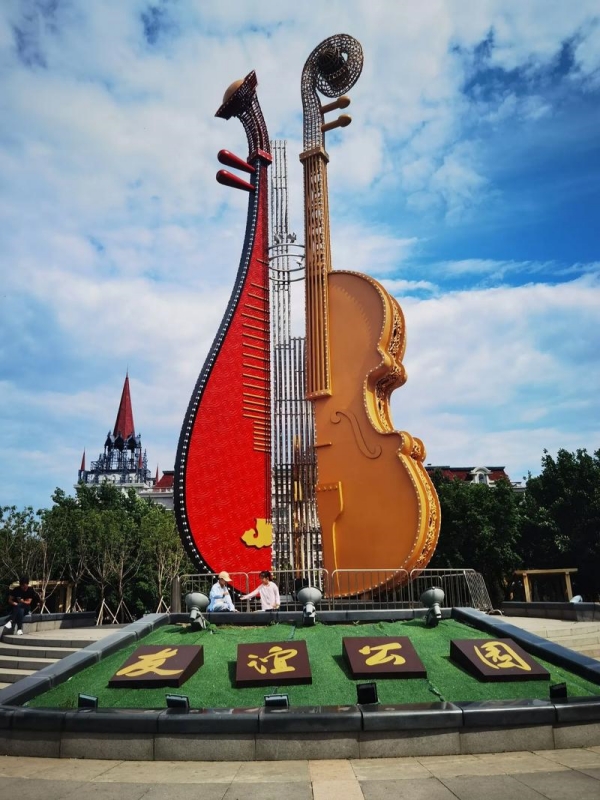
Saint Sophia Cathedral — The Crown Jewel of Harbin Architecture
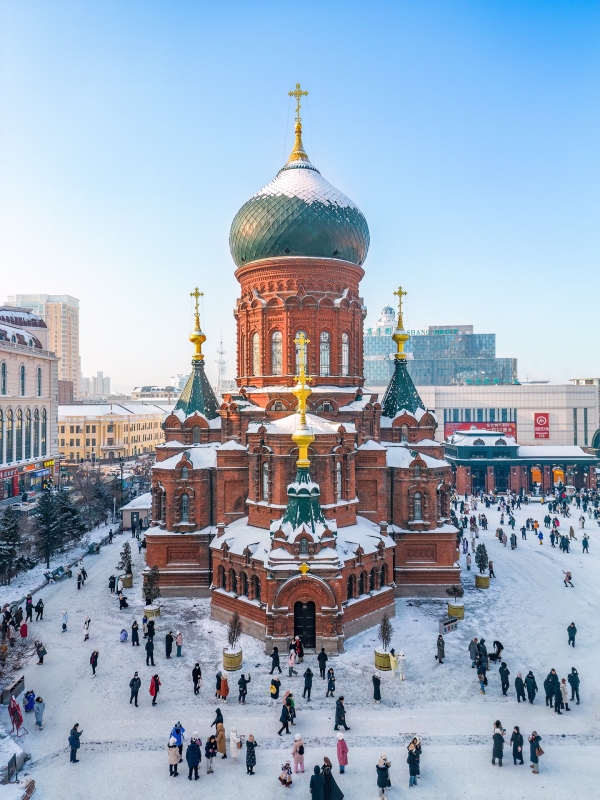
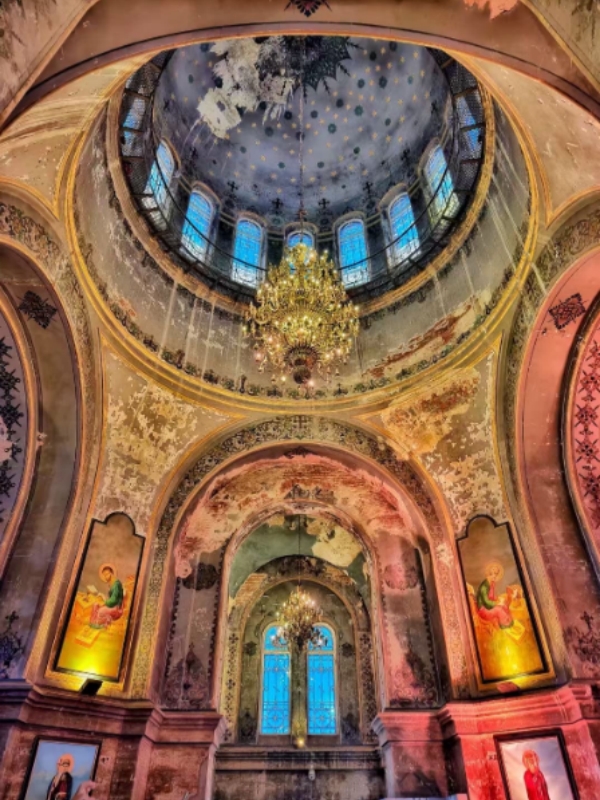
You'll spot it before you reach Saint Sophia Cathedral. The distinctive onion domes rise against whatever backdrop the weather provides—grey winter skies, summer blue, autumn gold. This Byzantine-style Orthodox church dates back to 1907, making it the largest Orthodox church in the Far East. Standing 53 meters tall, it dominates Sophia Square.
Seven bronze bells, each tuned to a different note. When they ring, together—a rather rare occurrence, so consider yourself lucky if you catch it—their echoes fill the plaza. It’s all been converted into a museum of architecture dedicated to charting the history of Harbin as a multicultural and cosmopolitan building project, so it might be worth a walk through if you’re interested in Russian/Chinese/European influences converging in one place.
Photo tips: Early morning gives you soft light and minimal crowds. Evening brings dramatic illumination—the cathedral glows against darkening skies. Maybe it's the traveler in me talking, but there's something special about watching day shift to night in foreign places. The square provides space for wide shots capturing the full structure.
Central Street (Zhongyang Dajie) — A Walk Through History
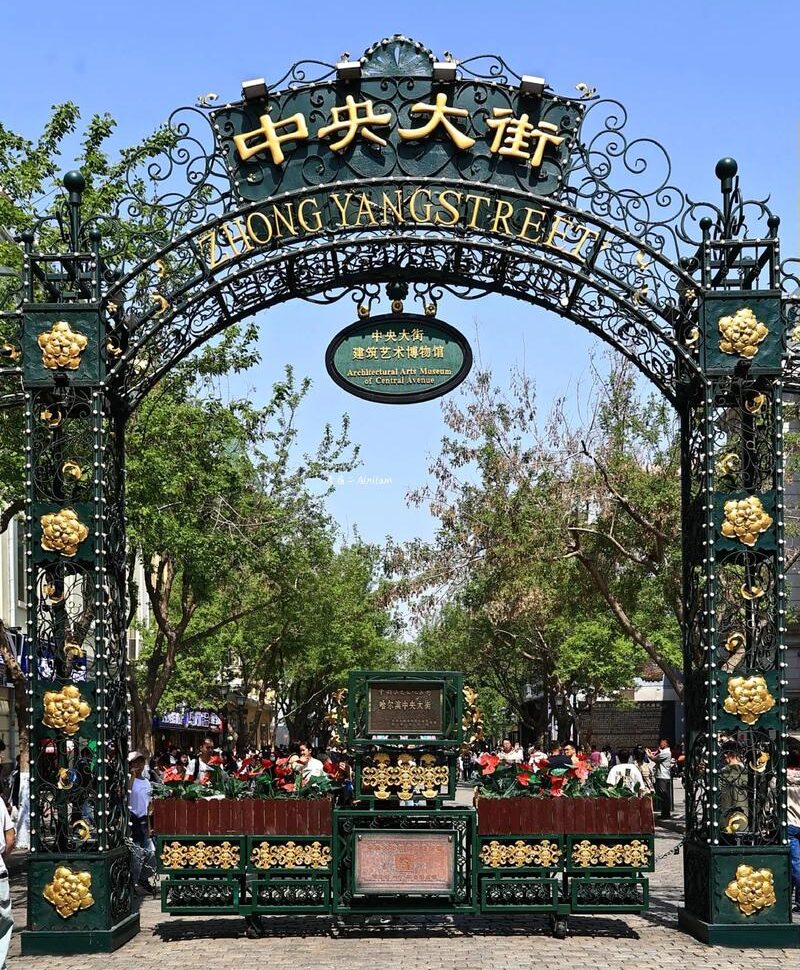
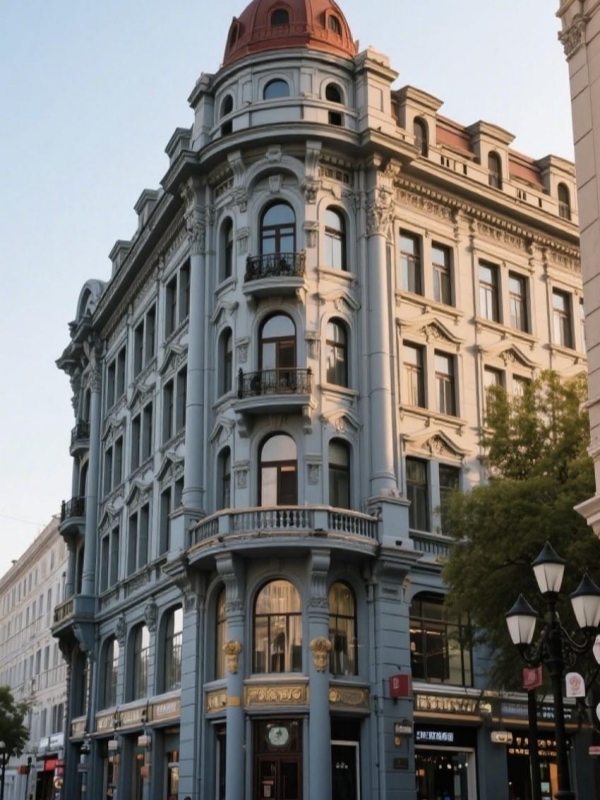
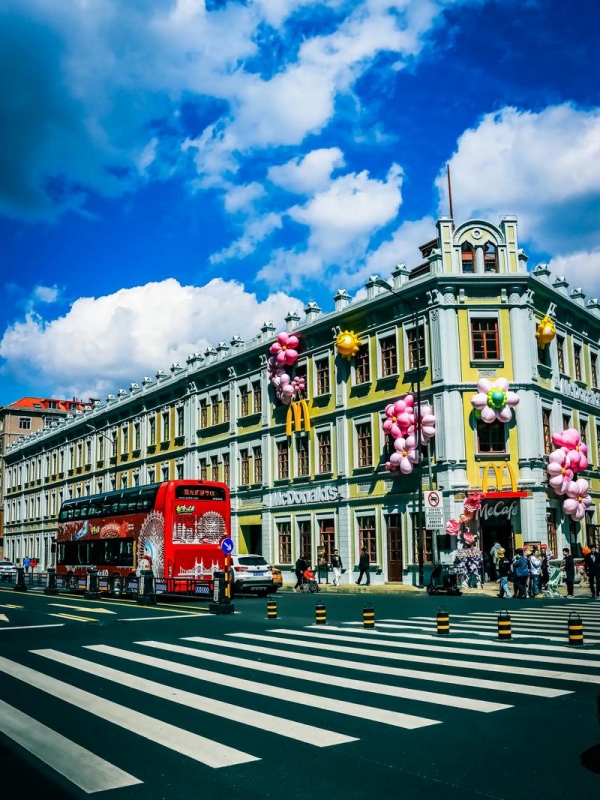
Central Street stretches about 1.4 kilometers through downtown Harbin. Locals call it the "Exhibition of World Architecture," and honestly, that's not overselling it. Over 65 protected historic buildings line this pedestrian avenue—Renaissance, Baroque, Art Nouveau, all jumbled together in a way that somehow works.
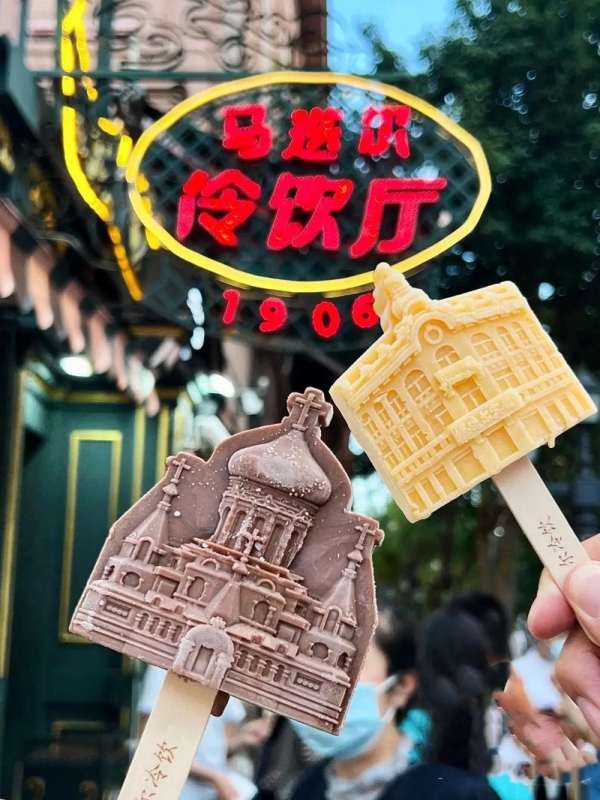
Cobblestones pave every inch. Some locals claim each stone set them back 100 RMB to import from Europe. Whether that's fact or fiction, walking the stones does take you somewhere. You’ll hear the sound of accordions wafting from corners. Roasted nuts and grilled meat hit your nose from street vendors. Madier ice cream—sold here for over a century—lines up customers in freezing weather.
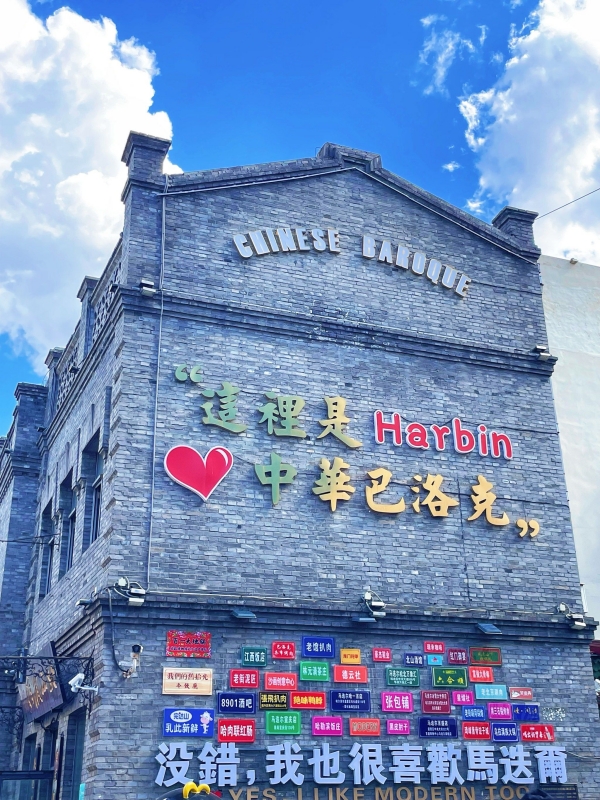
British visitor Jake told me how he donned traditional Hanfu clothing at a themed restaurant in the neighbouring Chinese Baroque district. “I never expected to find ancient Chinese culture right next to Russian architecture,” he said. That collision marks the heart of Central Street. East meets West, old meets new, and the strange somehow seems familiar.
Chinese Baroque Historic District — Where East Meets West
Just a short walk from Central Street, this neighborhood showcases architecture you won't find anywhere else. Buildings combine European Baroque facades with traditional Chinese courtyard layouts. The fusion looks strange in photos but makes sense in person—these structures tell the story of a city that never belonged to just one culture.
Themed restaurants offer immersive dining experiences. You can rent Hanfu costumes and photograph yourself against ornate backdrops. The area sees fewer tourists than Central Street, which gives it a more relaxed atmosphere. You might notice locals going about daily routines while visitors pose for pictures. That contrast—ordinary life against extraordinary settings—captures something essential about Harbin.
Harbin Concert Hall — The "City of Music" Experience
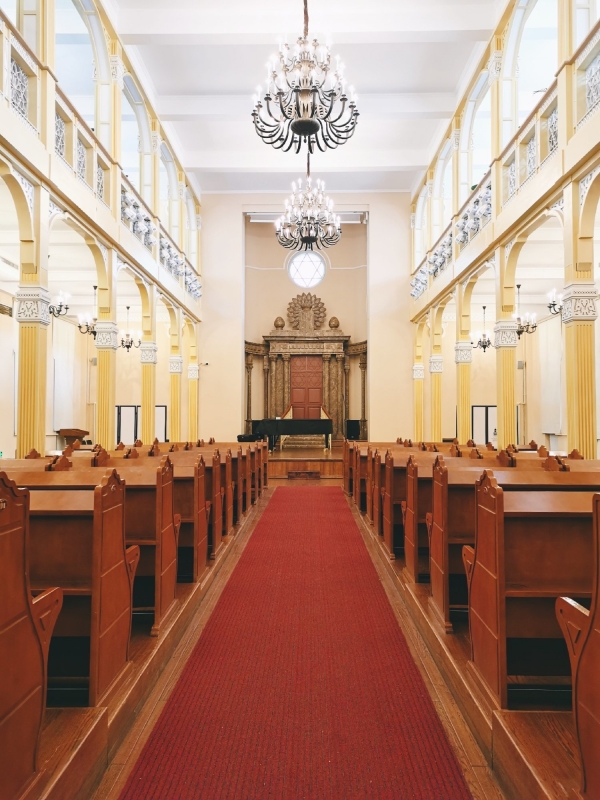
In 2010, the United Nations recognized Harbin as a “City of Music”. You can feel that legacy in Old Concert Hall, where regular classical recitals take place. Russian-influenced programs still feature—a show will include violinists, a pianist, chamber group—musicians continuing traditions that came with the immigrants over a century ago.
Be sure to check performance calendars before you come. To attend a concert is to dive into the life of the city and get something beyond the casual tourist experience. If scheduling doesn’t work for you, at least take a minute to look over the building. Just something about being in a city that so appreciates music it earned UN recognition for it—you notice the racket in the streets more in that knowledge.
Wildlife Encounters: Polar Animals and Siberian Tigers
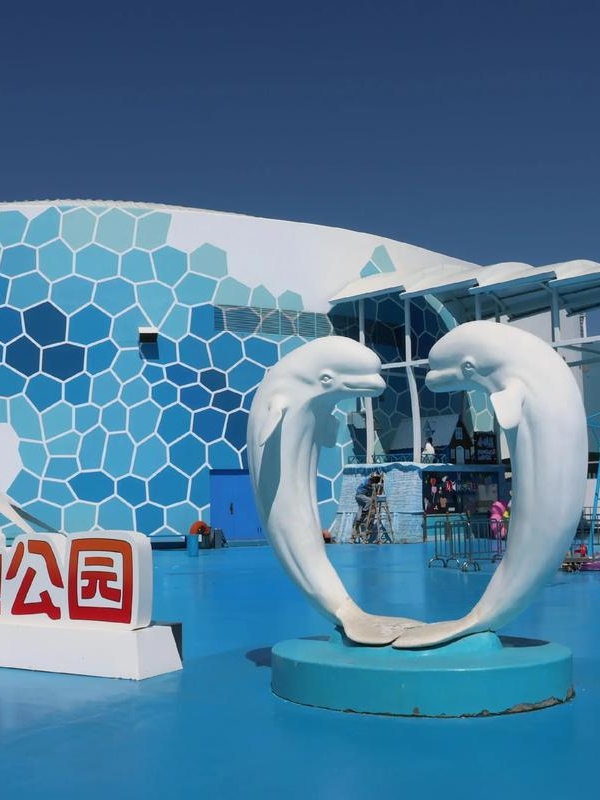
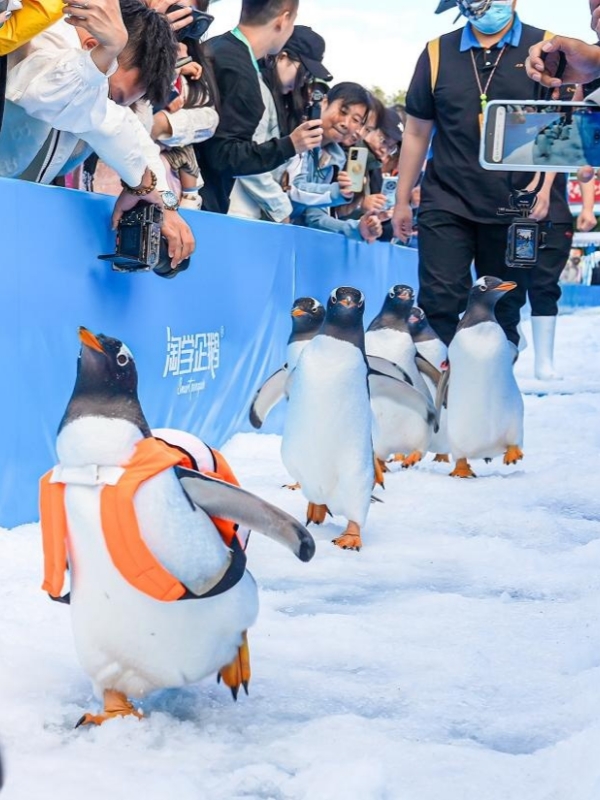
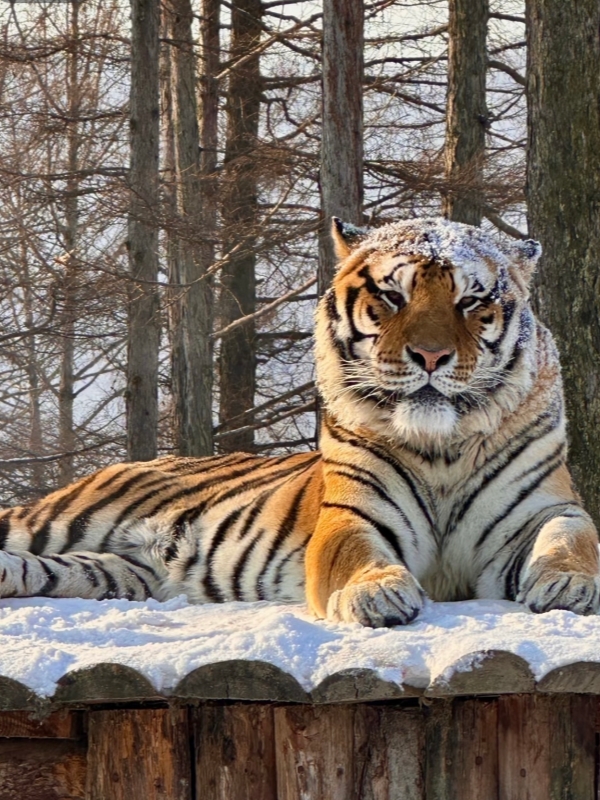
Harbin Polarland — A Dreamland of Arctic Wonders
This place pulls off the unlikely trick of bringing Arctic life to Northeast China. The signature beluga whale show features synchronized swimming and what staff call "heart of the ocean" formations. The whales seem genuinely engaged—or maybe that's projection on my part, but their movements look playful rather than robotic.
Walrus comedy acts deliver what locals describe as "Northeast-style talk shows." Penguin colonies waddle through dedicated viewing areas. You'll see polar bears lounging in enclosures designed to mimic natural habitats. An underwater tunnel lets you watch mermaids—yes, actual performers in mermaid costumes—swim alongside tropical fish. The variety keeps families entertained for hours.
Ticket breakdown:
- Polar Hall only: ¥193 ($27)
- Three-hall combo (Polar + Ocean + Penguin): ¥308 ($42)
- Allow half a day for the full experience
Siberian Tiger Park — Get Up Close with the World's Largest Cat
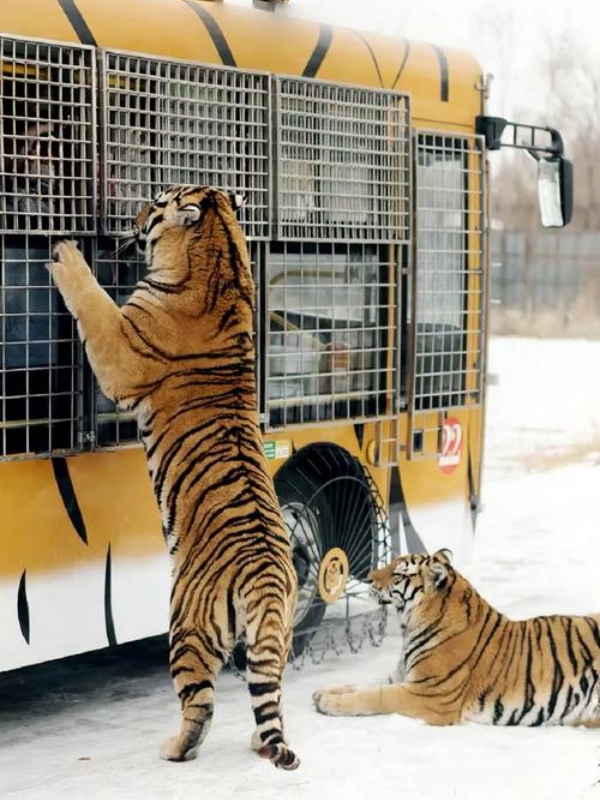
This is the world’s largest Siberian tiger breeding base. What a great thing to do; supporting conservation efforts that are ensuring the survival of this endangered species, and while you do so enjoy the most incredible wildlife experiences.
Tour buses drive around enclosures and you get the chance to buy strips of fresh meat then, while on board the bus, toss the meat strips to the tigers. When feeding’s about to take place (you’ll know it’s going to happen because the atmosphere changes immediately), the tigers fight like crazy and the meat disappears in seconds. Watching apex predators move that fast and that powerfully… to be honest, it’s a little overwhelming. There’s an opportunity to get up close to tiger cubs here too. Staff monitor you of course, but they are beyond cute. That said, those paws remind you what they’ll grow into.
Pricing:
- Adult ticket with bus tour: ¥125 ($17)
- Student ticket: ¥85 ($12)
- Stay inside the vehicle at all times during the main tour—seriously, no exceptions
Beyond the Big Three: Expanding Your Harbin Itinerary
-

- Songhua River
-
- Songhua River Cable Car
-
- Winter at Volga Manor
Songhua River — Activities Across All Seasons
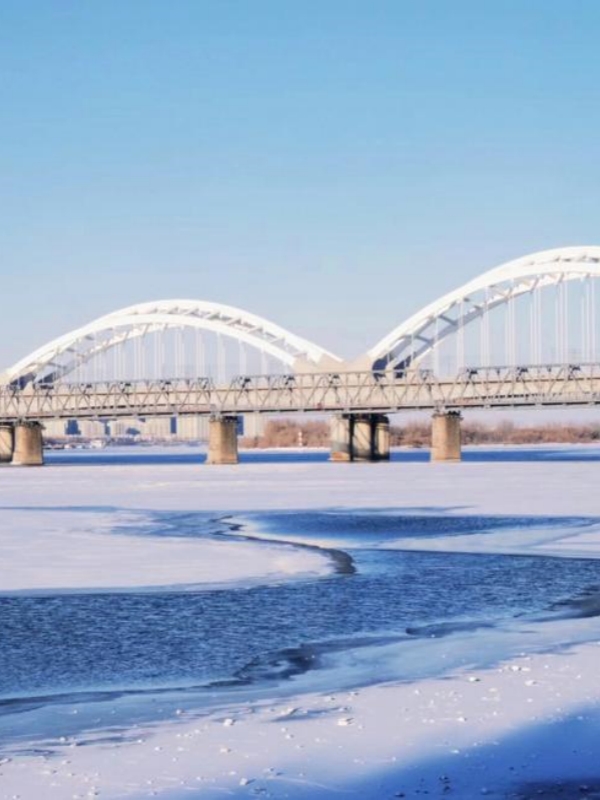
Harbin’s very geography and rhythm are set by the Songhua River. In winter, it freezes thick enough for people to skate on—and vehicles to use it. Locals set up parks for skating, runs for tobogganing, even tracks for motorcyclists on the frozen river. You’ll see families having picnics, kids racing around, Tai Chi practitioners.
In the summer, the banks become pleasant walking areas. Boat excursions skim the surface. At one end lies the Flood Control Monument erected to commemorate the flood disaster of 1957, the kind of local history that makes you appreciate a destination beyond its tourist highlights.
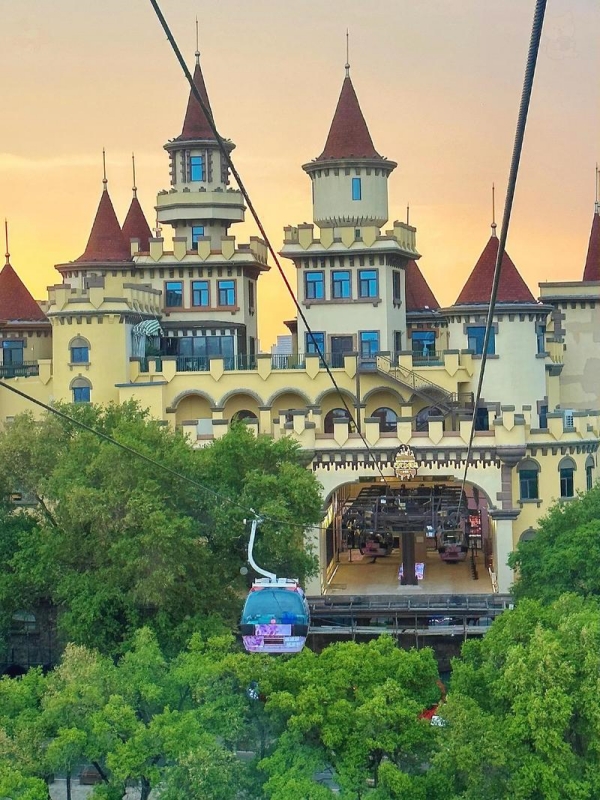
Cable car experience: The Songhua River Cable Car crosses between downtown and Sun Island. Single-ride tickets cost approximately ¥60 ($8). Evening rides capture sunset colors reflecting off the water below—or off ice, depending on when you visit. Either way, the aerial perspective shifts how you see the city.
Volga Manor — A Slice of Russia in China
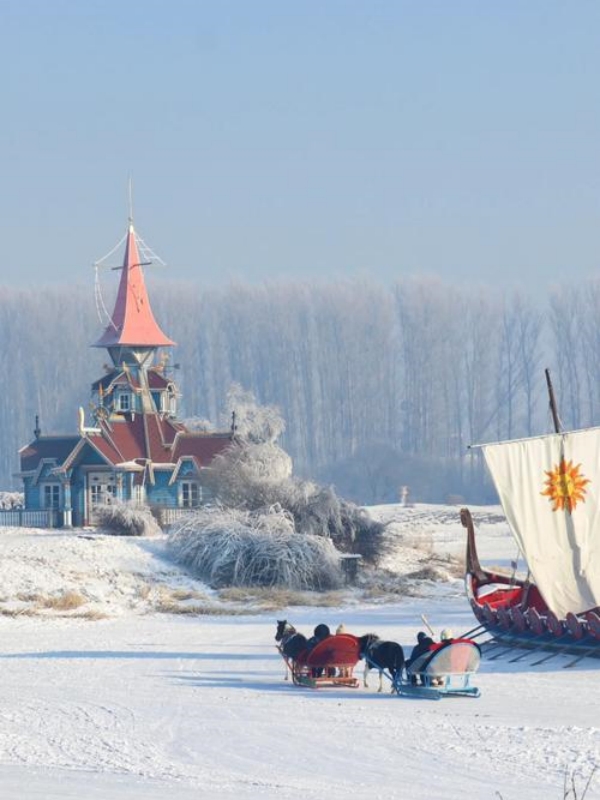
Volga Manor—— this Russian-themed estate lies about an hour outside central Harbin. Over 40 buildings replicate traditional Russian wooden architecture. Walking the grounds feels like stepping into a different country—or maybe a different century.
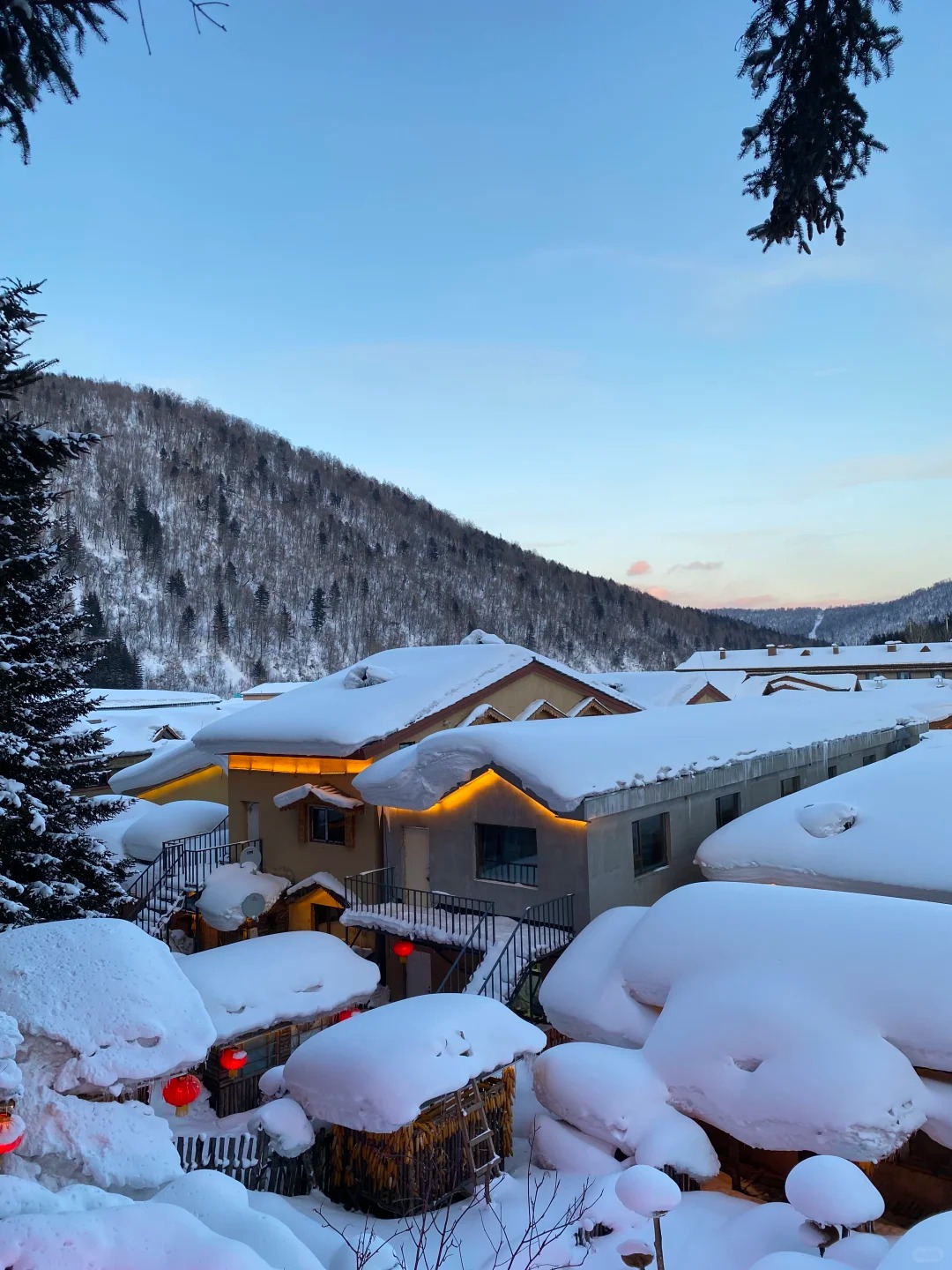
Summer visitors enjoy lush gardens and flowing streams. Winter blankets everything in photogenic snow. Wedding photographers frequent the location, so don't be surprised if you stumble into a bridal party posing among wooden cottages. There's a theatrical quality to the whole place—not fake exactly, but definitely curated for beauty.
Details:
- Tickets start at ¥148 ($20)
- Tourist shuttle buses or private cars offer the best transportation options
- Allow 2-3 hours for comfortable exploration
What to Eat in Harbin — A Fusion of East and West


Must-Try Harbin Street Food and Local Specialties
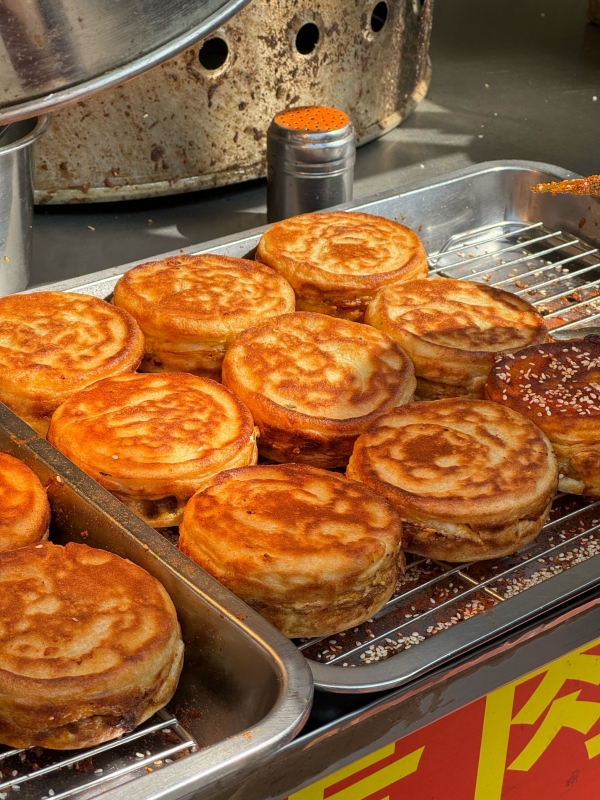
The smell of sizzling meat hits first. Walk any busy street in Harbin and you'll encounter vendors grilling skewers, frying dumplings, hawking snacks from carts. The food scene here reflects the city's position—geographically northern, culturally mixed.
Guobaorou (锅包肉) sits at the top of most must-try lists. This sweet and sour pork dish originated in Harbin and differs noticeably from southern Chinese versions. The meat stays crispy even after sauce coating—crunch gives way to tender pork, then that tangy-sweet flavor fills your mouth. It's the kind of dish that makes you order seconds.
Madier Ice Cream has been sold on Central Street for over 100 years. Here's the thing: locals eat these popsicles outdoors even when temperatures drop below freezing. The cold air acts as a natural freezer. Trying one while surrounded by snow feels wonderfully absurd—you're eating frozen treats in a frozen world.
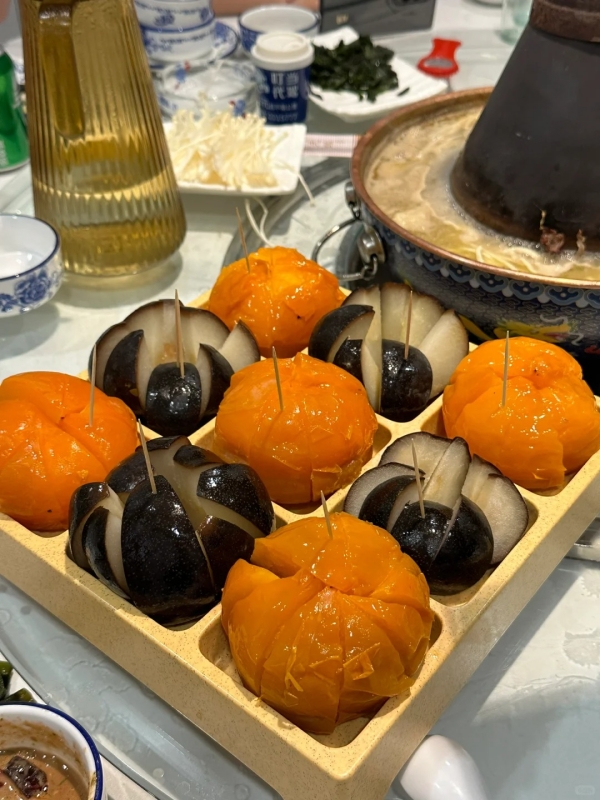
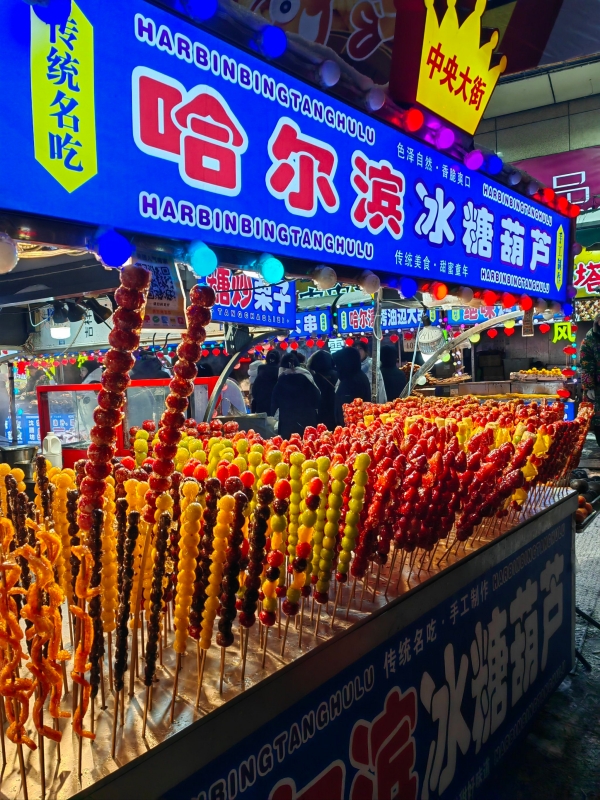
Winter brings unique options. Frozen pears (冻梨) turn black and hard in the cold. You thaw them slightly before eating the icy, sweet flesh inside. The texture takes adjustment, but the flavor rewards patience. Tanghulu (冰糖葫芦)—candied hawthorn berries on sticks—offers that perfect sweet-tart crunch.
Where to find the good stuff:
Hongzhuan Street Morning Market: Arrive early for local breakfast favorites. The atmosphere alone—vendors shouting, steam rising, crowds pushing—makes it worthwhile.
Normal University Night Market: Diverse snacks, loud music, young crowds. Lively is an understatement.
Russian-Style Dining in Harbin
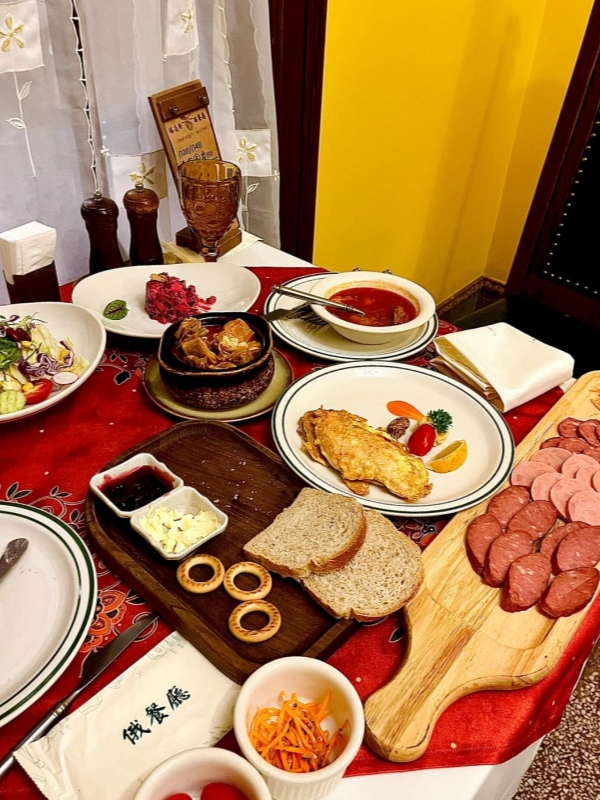
Russian immigrants left a lasting culinary legacy. Walk certain streets and you'll see Cyrillic lettering on restaurant signs. Menus feature dishes that traveled here over a century ago and never left.
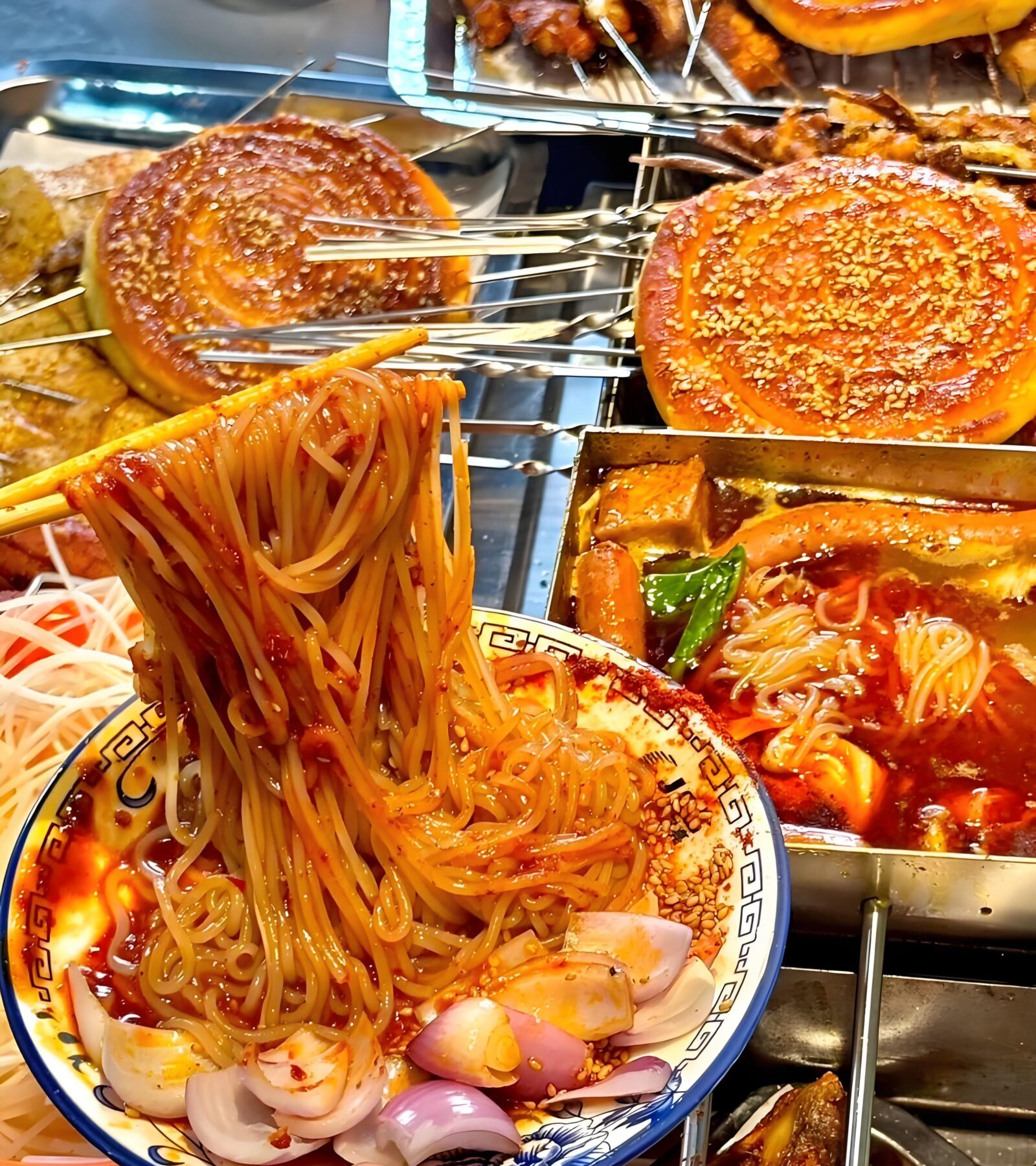
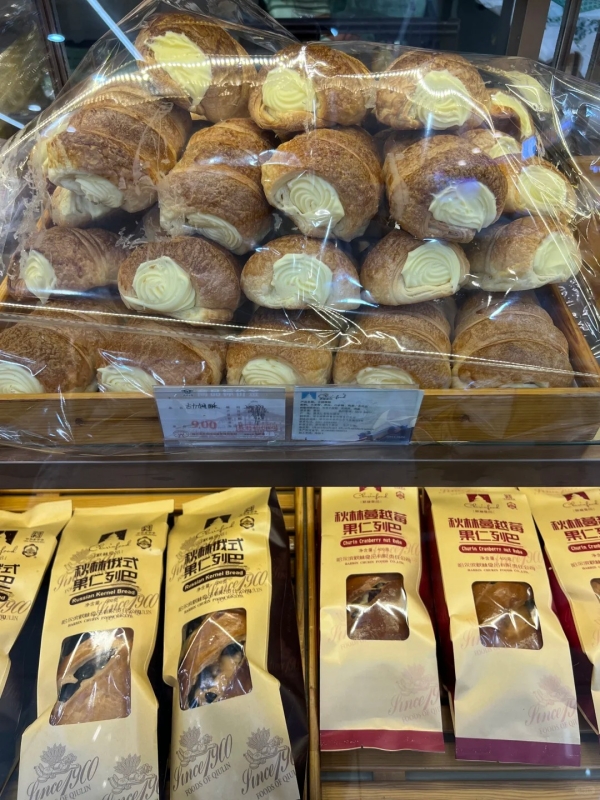
Churin Red Sausage (秋林里道斯红肠) makes an excellent souvenir. This smoked sausage has protected status as a regional specialty. Buy some for the flight home—assuming customs allows it. Dalieba bread (大列巴) weighs several pounds per loaf. Dense, slightly sour, perfect for soaking up Russian-style stews. You'll see locals carrying these massive loaves like they're ordinary groceries.
Restaurant recommendations:
Huamei Restaurant: It is the most famous Russian establishment. You should expect crowds.
Portman Restaurant: This location is popular with locals who are knowledgeable about good food.
Madier Restaurant: Conveniently located on Central Street, making it a great stop after a day of walking.
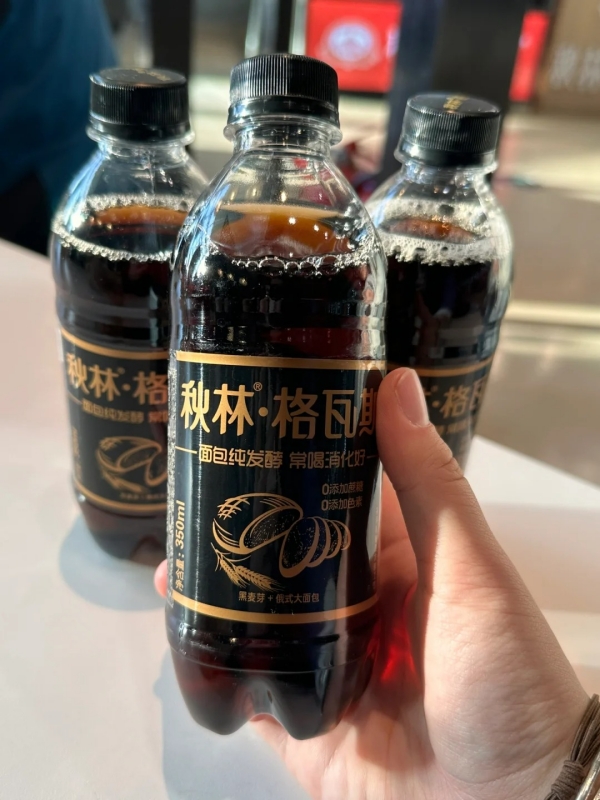
Don't skip Kvass (格瓦斯), a fermented bread beverage with slight carbonation. The taste—imagine sweet, fizzy bread juice—requires an open mind. Some travelers love it immediately. Others need a few sips. Either way, it's part of the experience.
When Is the Best Time to Visit Harbin?
International Beer Festival
Season Switch: Harbin's Dueling Personalities (Winter Chill vs. Summer Comfort)
Things to Do in Harbin in Winter (December to February): This is when Harbin truly shines. The cold transforms the city with massive ice sculptures at the Ice and Snow World and intricate carvings at the Snow Sculpture Expo on Sun Island. The frozen Songhua River becomes a playground for activities like ice skating and sledding. Timing Tip: Early January is the ideal time to visit, but be warned that the festivals might close unexpectedly in late February.
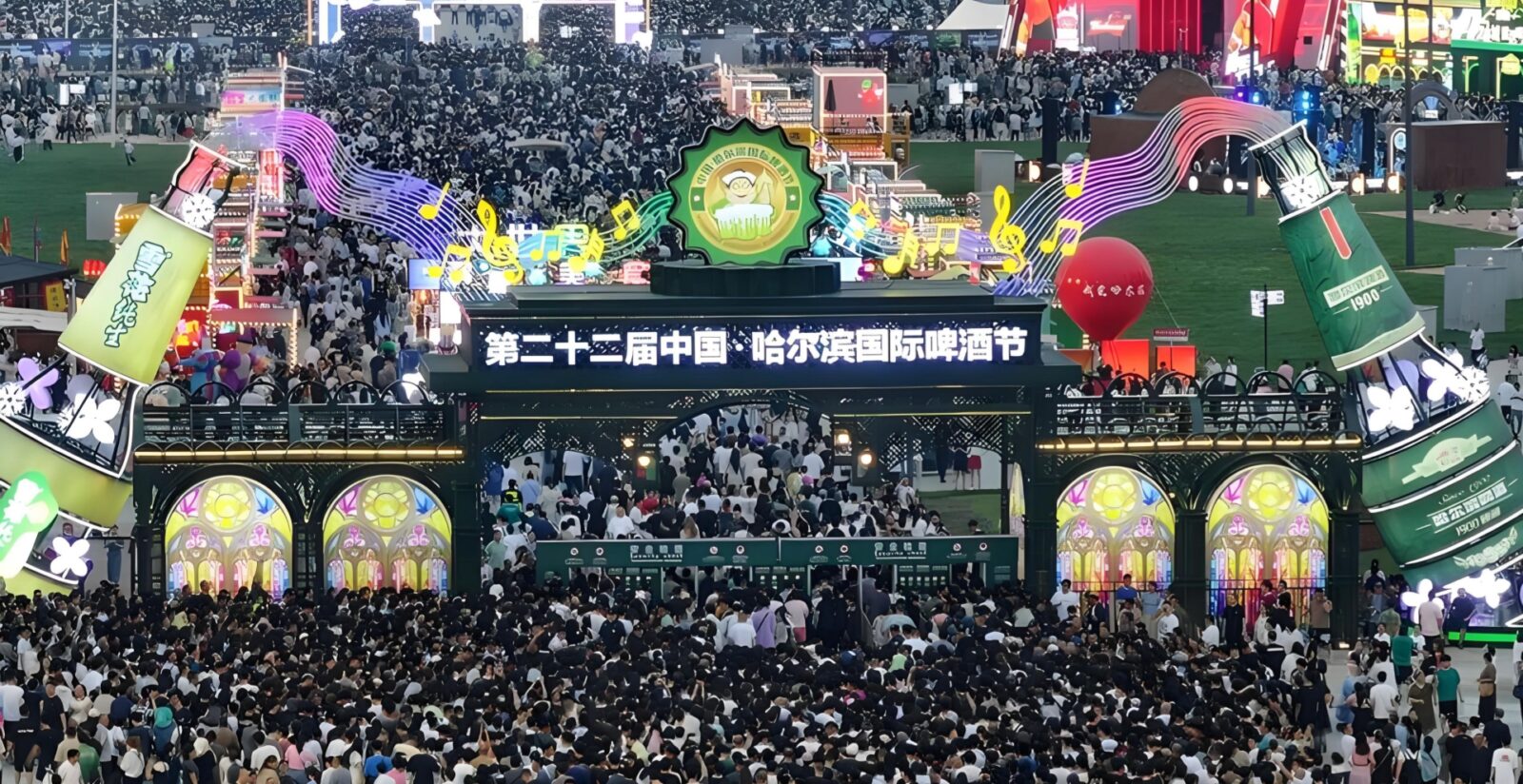
Things to Do in Harbin in Summer (June to August): Summer offers a different experience, serving as a comfortable retreat with temperatures around 20℃. Sun Island becomes a lush park for relaxation and picnics. Activities include the International Beer Festival and enjoying the greenery and architecture. Interestingly, you can still experience instant winter by visiting the Indoor Ice and Snow World.
Visiting Harbin in September and Shoulder Seasons
September sits in this nice middle ground. Crowds thin out considerably. Hotel prices drop. The weather stays pleasant enough for outdoor exploring, and you might catch early autumn colors in surrounding forests.
Spring months—March and April specifically—require some caution. Ice sculptures melt during this transition period. Outdoor winter attractions shut down. You can still enjoy the architecture and food scene, just don't expect frozen wonderlands. Maybe it's just me, but I find something appealing about seeing a city in its quieter moments. Fewer tourists means shorter lines and more room to breathe.
Practical Travel Tips for Visiting Harbin
What to Pack for Harbin's Extreme Winter
Let me be direct: Harbin winter will punish inadequate preparation. We're talking temperatures that can freeze exposed skin in minutes. Layering works better than single heavy pieces. Start with thermal underwear, add fleece mid-layers, finish with a down jacket rated for extreme cold.
Essential items:
| Item | Purpose/Note |
| Insulated, waterproof boots with non-slip soles | Prevents falls on ice. |
| Wool or fleece hat | Must cover ears completely. |
| Thick scarf or neck gaiter | Protects nose and mouth. |
| Insulated gloves | Touchscreen-compatible is helpful for taking photos. |
| Hand and toe warmers | Recommended for extended outdoor time. |
Phone protection: Cold drains batteries faster than you'd expect. Keep your phone in an inner pocket close to body heat. Some travelers attach hand warmers to phone backs when shooting photos outdoors. Others just accept that their phones will die and bring portable chargers.
According to Moji Weather's December 2025 forecast, Harbin temperatures reached -30°C with wind chill dropping to -33°C. The forecast predicted continued cold. These numbers demand respect—dress accordingly or risk a miserable trip.
Getting Around Harbin — Transportation Guide
Harbin's public transit system makes independent travel fairly straightforward. Metro lines connect major downtown attractions. Buses reach areas the subway doesn't cover. Taxis and Didi (China's Uber equivalent) fill remaining gaps. The city feels navigable even without Mandarin skills, though patience helps.
For attractions outside the city:
Yabuli: Access is available via tourist buses or by train from Harbin East Station. The journey takes approximately 3 hours.
Volga Manor: You can get there by shuttle bus or by private hire. The trip takes about 1 hour.
Sun Island: Reach this destination using the cable car or by taking a bus across the river. Travel time is between 15 and 20 minutes.
Language help: Download the "Butterfly Valley" (蝴蝶云谷—中俄通) app before arriving. It offers real-time translation in Chinese, English, Russian, Japanese, and Korean. The app includes attraction guides, itinerary planning tools, and emergency assistance features. Worth having even if you never use the emergency functions.
Safety Tips for Ice and Snow Activities
Winter fun carries real risks that deserve mention. Ice thickness varies across the Songhua River—stick to designated activity areas where authorities have verified safety. Random spots might look solid but could have weak points underneath. People do fall through occasionally. Don't become a cautionary tale.
Ski resort rules exist for reasons beyond liability. Beginners should take lessons rather than attempting slopes alone. Wear helmets even when not required. Cold air masks fatigue, so take regular warm-up breaks indoors. Overconfidence causes more injuries than inexperience.
Watch for frostbite signs: numbness, white or grayish skin, unusual firmness when touched. Get to a warm space immediately if these symptoms appear. Don't rub affected areas—friction causes additional damage. Prevention beats treatment, so take breaks before problems start.
Frequently Asked Questions About Visiting Harbin
Q: Is Harbin worth visiting outside of winter?
Definitely yes—though the experience differs significantly. Summer Harbin offers pleasant 20°C weather while most of China bakes under brutal heat. Sun Island becomes genuinely beautiful, all green space and waterways. The International Beer Festival draws crowds looking for cold drinks and live entertainment. Central Street and Saint Sophia Cathedral photograph beautifully in any season.
Q: How many days do you need in Harbin?
Three days covers the main attractions comfortably. Day one: Central Street, Saint Sophia Cathedral, Chinese Baroque district. And Day two: Ice and Snow World plus Sun Island. Day three: Polarland or Siberian Tiger Park. That itinerary hits major highlights without rushing between sites. If skiing interests you, add two more days for Yabuli. The journey takes three hours each direction, and you'll want at least a full day on slopes. Five days total gives you comprehensive coverage.
Q: What is the best area to stay in Harbin?
Daoli District near Central Street works best for most first-time visitors. You can walk to Saint Sophia Cathedral, numerous restaurants, and metro stations. Hotel options range from budget hostels to international luxury chains. The area stays lively at night with shops and street food vendors keeping things interesting. Some TripAdvisor reviewers recommend staying near the train station for easier access to day trips like Yabuli.
Q: Is Harbin safe for solo travelers?
Harbin maintains a strong safety reputation for tourists. Solo travelers consistently report feeling comfortable exploring both day and night. Main tourist areas have visible security presence and decent lighting. Language barriers honestly pose more challenges than safety concerns. Download translation apps before arrival. The "Butterfly Valley" app includes emergency assistance features designed specifically for foreign visitors.
Q: Can I visit Harbin Ice Festival in late February?
This gamble disappoints people regularly. The festival officially runs until mid-February, but exact closing dates depend on weather conditions and attendance numbers. Warmer temperatures accelerate ice melting, sometimes forcing early closure. Multiple travel blogs document visitors arriving in late February only to find gates locked. If February is your only option, contact venues directly before booking anything.
Q: What is the coldest month in Harbin?
January consistently records the lowest temperatures. Average highs reach only -13°C (9°F), with lows dropping to -25°C (-13°F) or colder. Wind chill makes conditions feel significantly worse. These numbers sound abstract until you're standing outside watching breath freeze mid-air. The extreme cold actually benefits ice sculptures—structures stay crisp and detailed throughout January rather than softening at edges.
Q: Are the attractions in Harbin foreigner-friendly?
Major attractions accommodate international visitors reasonably well. Signage at Ice and Snow World, Polarland, and Central Street includes English translations. Staff at ticket counters in tourist zones often speak basic English—enough for transactions if not lengthy conversations. Russian language support appears more frequently than in other Chinese cities, reflecting historical connections. The "Butterfly Valley" app provides audio guides and navigation in five languages.