18 Steps
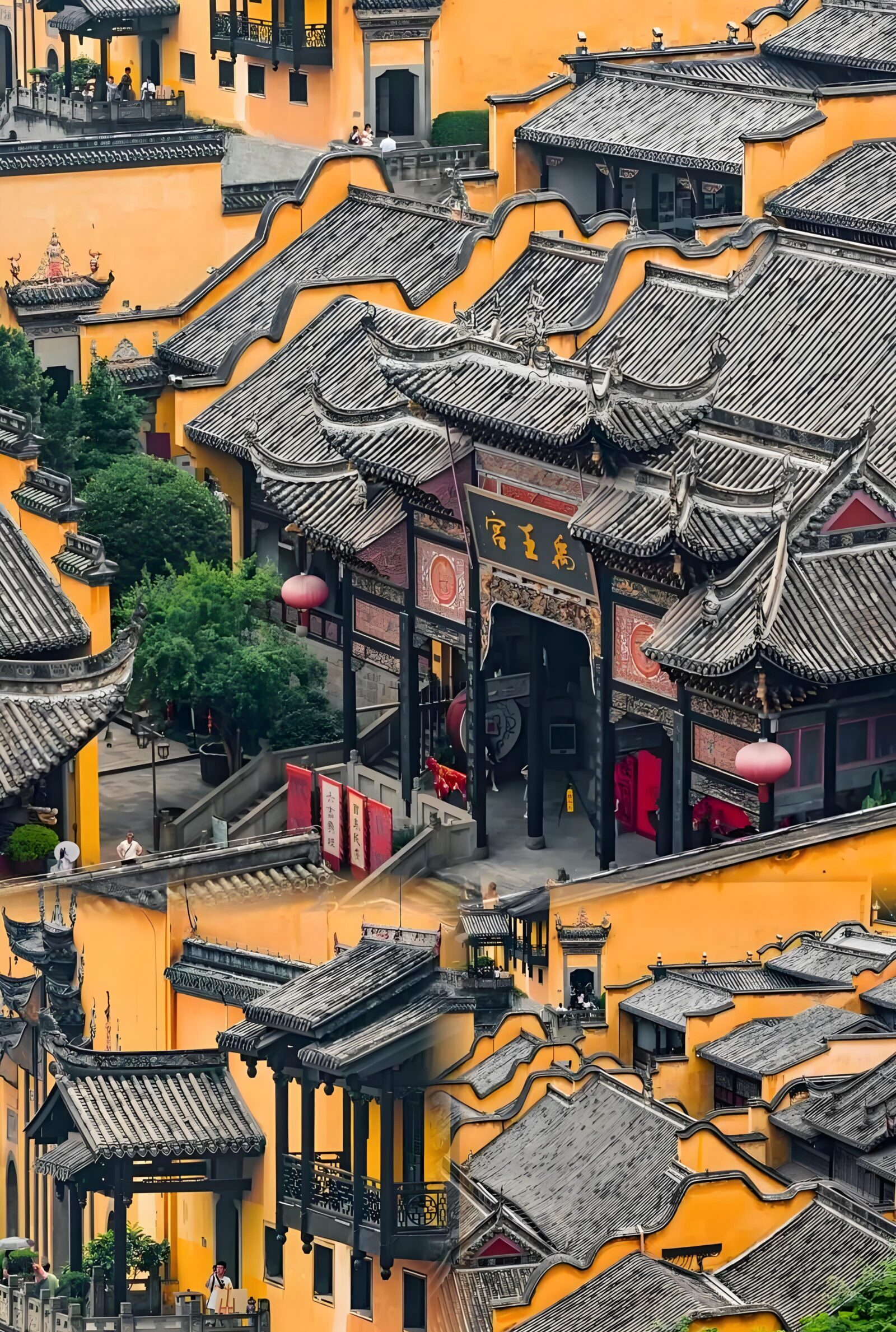
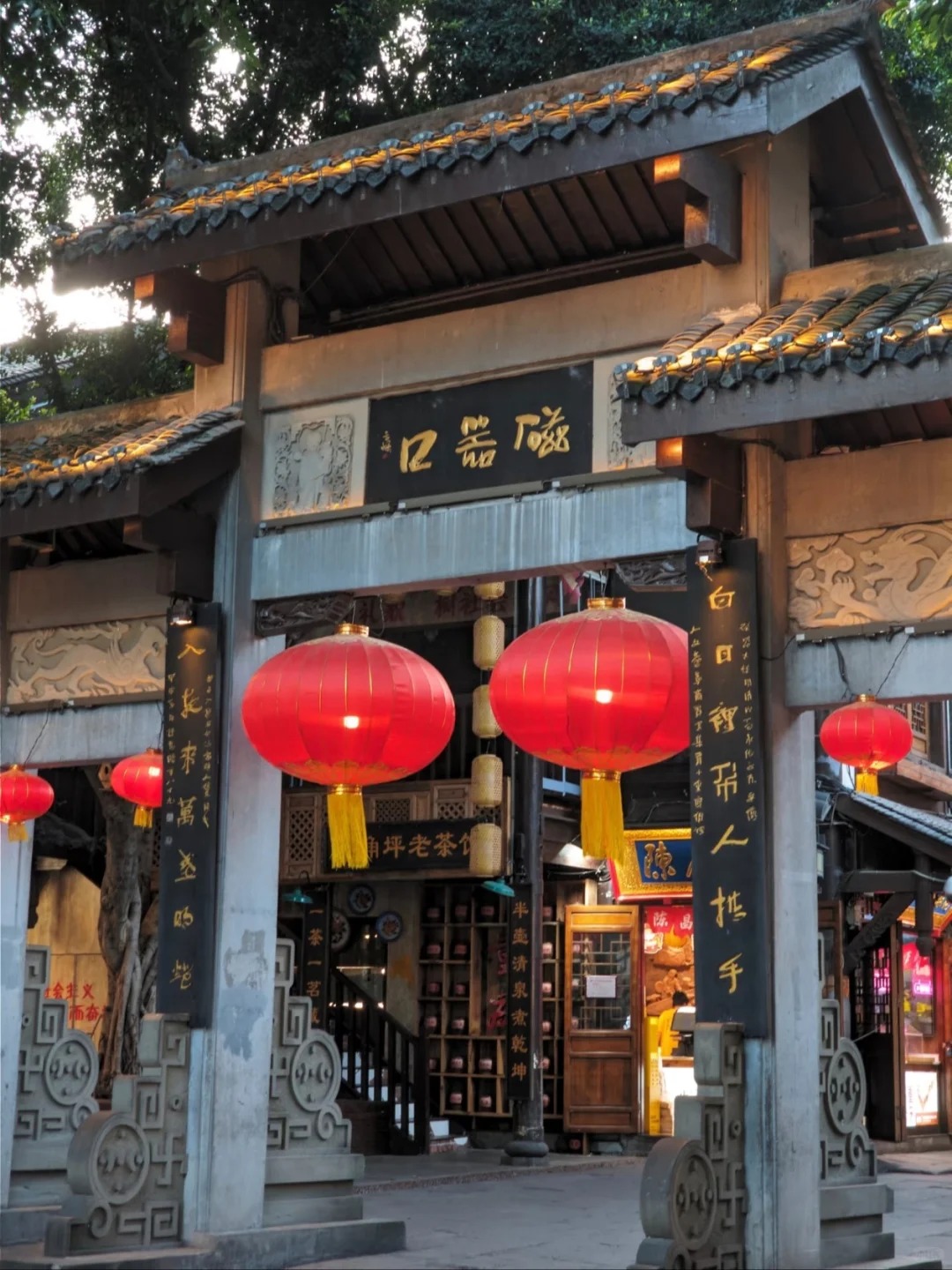
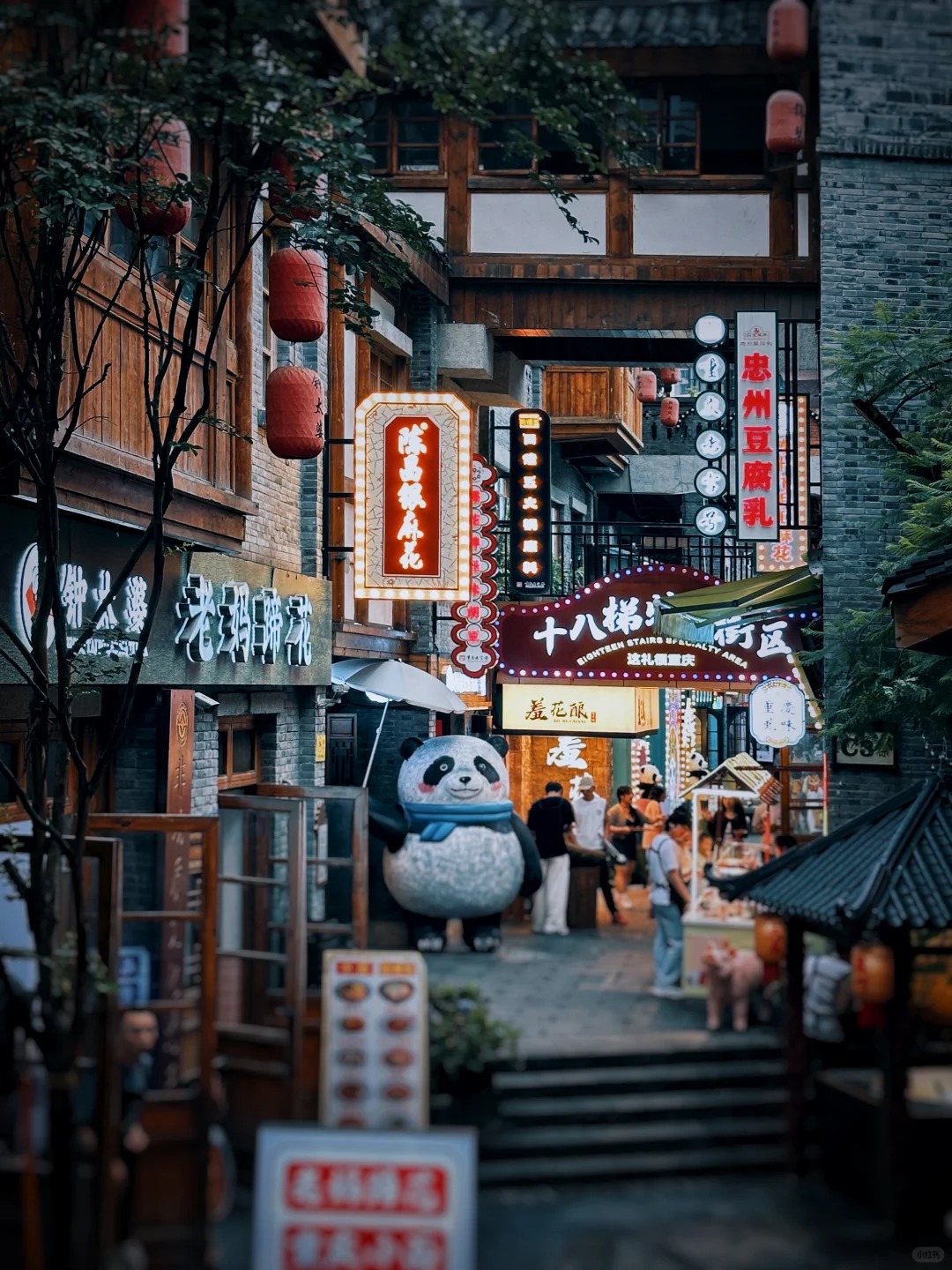
The 18 Steps of Chongqing is located in the Yuzhong District; it shares the atmosphere of an old Chongqing hillside street (although a significant part of it is a contemporary reconstruction as of today). It is similar to Danzishi Old Street or Longmenhao except that it is cleaner, more recent and it tries to retain some of the older street feels of the city. It was finally opened on September 30, 2021, after years of construction, and divided into 5 zones, namely A, B, C, D, and E. Every section is tilted in another direction, whether it be minor cultural exhibits, food stands and artisan stores.
Individuals visit here due to simple motives: it is easy to walk and it is easy to photograph and the old-style buildings are located directly under the high-rises of Chongyang. The opposition renders it an easy stop in case you are in downtown Yuzhong in the first place.
Quick Facts About 18 Steps
| 📛 Chinese Name | 十八梯(Shíbā Tī) |
| 📍 Location & Address | Yuzhong District, Chongqing, China |
| 🕒 Opening Hours | Daily, roughly 9:00 AM – 10:00 PM |
| 💰 Admission Fee | Free (no ticket required) |
| 🌤 Best Time to Visit | Early morning or evening — fewer crowds, better photo light |
| ⏳ Time Needed | About 1–2 hours to explore all five zones |
| 🚇 Metro Access | Near Shiyoulu Station (Line 1) or Xiaoshizi Station (Line 1 & 6) |
| 🔄 Reopening Date | September 30, 2021 |
| 🗂 District Zones | A, B, C, D, E (culture, food, creative areas) |
| 🧭 Nearby Attractions | Jiefangbei, Hongya Cave, Chaotianmen Dock |
Why 18 Steps Deserves a Spot on Your Chongqing Itinerary
-
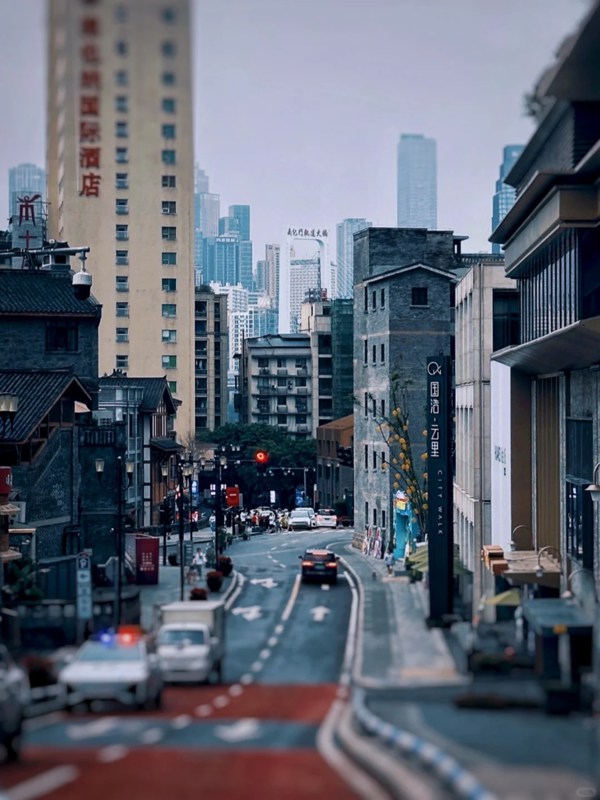

- Street of 18 Steps
-
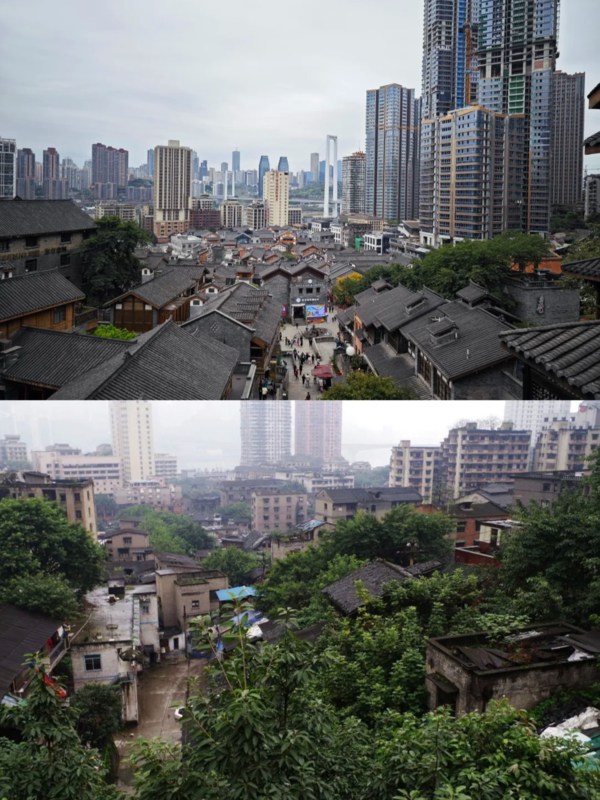
- Past and Present
Not Another Reconstructed "Ancient Town"
I’ve been to Lijiang and Zhouzhuang—beautiful but museum-like, with real life pushed out long ago. Shibati, or 18 Steps, still has residents in its side alleys. One morning, I saw an elderly woman bargaining for bok choy while tourists photographed from afar; two old men played chess at a tea stall, oblivious to the selfie sticks. The main avenue is commercial, but the backstreets—Shanguo Alley, Houci Street—remain lived-in and pleasantly disheveled.
What truly sets Shibati apart is how it embodies Chongqing’s famous 8D topography. You enter Jiaochangkou Metro thinking you’re at ground level, only to realize you’re already eight floors up. In just 400 meters, Shibati compresses Chongqing’s vertical chaos: staircases that drop several stories, walkways threading through buildings, and junctions that fork in impossible angles. It feels, as one visitor said, like “China’s cousin of M.C. Escher”—messy, real, and uniquely Chongqing.
The Bittersweet History Behind 18 Steps: From Lifeline to Rebirth
The old 18 Steps started as a lifeline, not a pretty walkway. It linked Chongqing’s upper district—officials, teahouses, families with money—with the riverbank below where workers, fish markets and crowded housing sat. People say the name came either from an old well with eighteen stone steps or from Qing-era resting platforms on the long climb. For locals back then, these stairs weren’t poetic; they were the path between two social worlds.
Things changed after Chongqing became a treaty port in 1891. The alleys filled with noodle stalls, tailors and loud teahouses, and the steps even led down to WWII air-raid shelters carved into the hillside. Elder resident Wang Qingsheng once said his mother’s voice could echo down three alley networks when calling him home. Through the 80s and 90s, Shibati still felt like pure old Chongqing—messy, loud, but undeniably alive.
The 2015 demolition hit the city hard. Photos titled “The Last 18 Ladders” showed residents packing boxes and saying painful goodbyes. When the rebuilt version reopened in 2021, people felt both relief and doubt. Architects kept the steep angle and fishbone alleys and reused some doorframes and stone, but the grit is gone. Older locals feel the difference; younger visitors just enjoy the new Eighteen Steps for what it is.
Exploring the Five Zones of 18 Steps: A Detailed Walking Guide
-
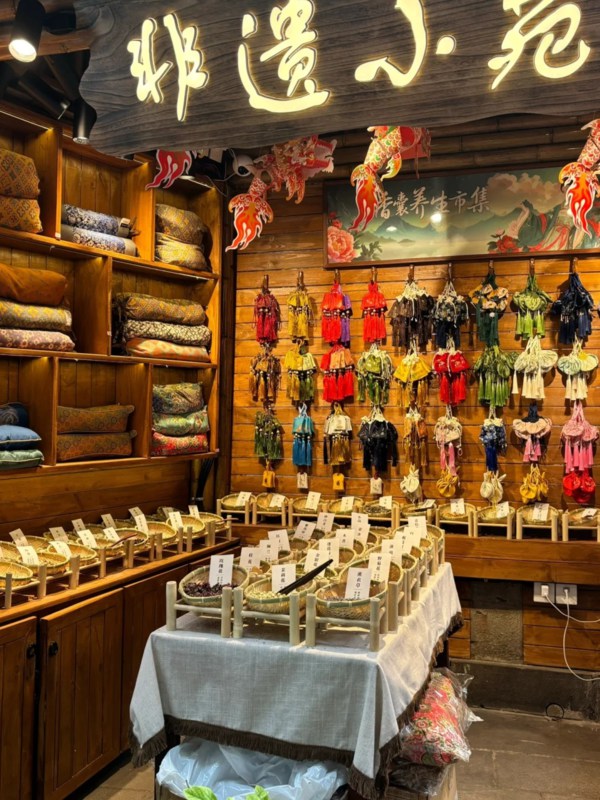
- Intangible Cultural Heritage Store
-
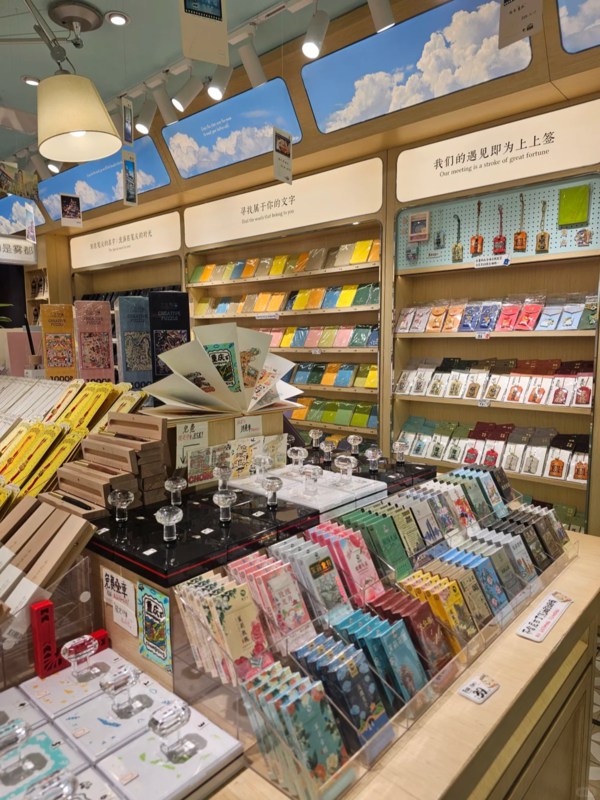
- Cultural and Creative Store
-
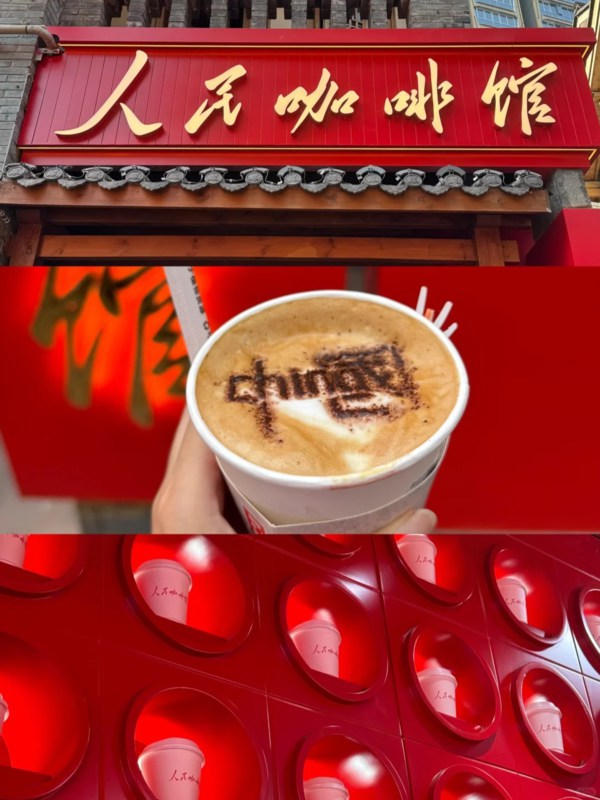
- People’s Coffee Shop
Zone A & B: Traditional Culture Hub – Where Old Chongqing Lives On
In the north, the zones A and B are the most located and have the greatest inclination to heritage preservation. No. 35 Shanguo Alley, Bayu Family Courtyard it is worth visiting, one of the few remaining buildings of the time, a family home of five generations transformed into a museum. In the early mornings of 7 to 8 AM, the elderly residents sit in the well square doing tai chi, moving around in their forms and the vendors erect breakfast stalls.
Close to the intangible cultural heritage workshop, there are craftsmen who practice the traditional arts such as bamboo weaving and sugar painting. As I was looking at an elderly lady she was showing her granddaughter how to pinch and fold a wonton wrapper, their hands were moving simultaneously. Tourist trap alert: there are traditional shops which deal with souvenirs that charge 80 yuan for tea, but which can be found in other parts of Chongqing at 20 yuan. Check prices before buying.
Zone C: Creative Cultural District – Instagram Paradise
Zone C will appeal to the art audience and selfie lovers. The walls made of red bricks and the use of yellow lantern corridors will make the backdrop of a photograph complete- the late afternoon light (4 to 6 PM) is the best. This place has CATSYARD, the cat cafe that I talked about. These cats can interact as opposed to most of the Chinese cat cafes where the animals hide under furniture. The entry fee is approximately 50yen including a beverage.
Sishu Travel Space offers average souvenirs: Chongqing dialect tote bags, notebooks with a hotpot theme, the city skyline print. The merchandise is more artistic than the 义乌 factory items that are flooding the Zone D. Small galleries and art installations are changed every few months. On the second floor of the cultural center, there is a bookshop in which the English travel guides can be found, but they are not many.
Zone D: International Flavor – Where East Meets West
Zone D is not so authentic Chongqing as it is international district by committee. Coffee shops take over, Starbucks, local chains, some independent stores where the baristas know what a flat white is. Prices are between 30 to 50 yen per beverage which is typical of tourist spots. This place serves to have a mid-way rest, particularly during hot summer days, when the Chongqing humidity makes the stone steps a sauna.
This was the place where I encountered the greatest number of foreign tourists in 18 Steps--lovers of maps, a crowd of Korean sightseers demanding iced Americanos. The restaurants provide Japanese, western and fusion menu as well as Sichuan cuisine. There is nothing wrong with you having what you already know, but you did not go to Chongqing and order pizza.
Zone E: Night Owl Heaven – When 18 Steps Comes Alive
Zone E wakes up after sunset. The cocktail scene here is sophisticated more than rough-and-tumble- cocktails, live music, lighting. Not the type of place where students who have drunk spill beer on your shoes. Yuchao Theater has the performance of night Sichuan opera with face-changing (bianlian), acrobatics and tea ceremony performances.
Shows are approximately 70 minutes long with a ticket price between ¥120 and ¥180, depending on the seats. You can book online with Ctrip or purchase at the door subsidized unless it is a weekend. Local tip:After 9 PM the crowd reduces and Zone E should be the place to capture nighttime photography with the red lanterns without having a hundred phones in your picture. Weekends have the bars open beyond midnight.
Must-Try Experiences at 18 Steps (Beyond Just Walking Around)
-
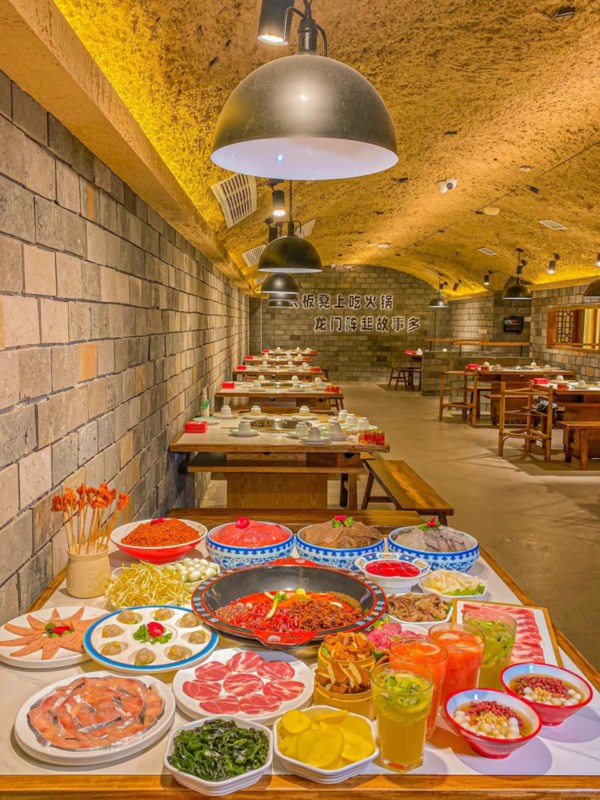
- Hotpot at 18 Steps
-
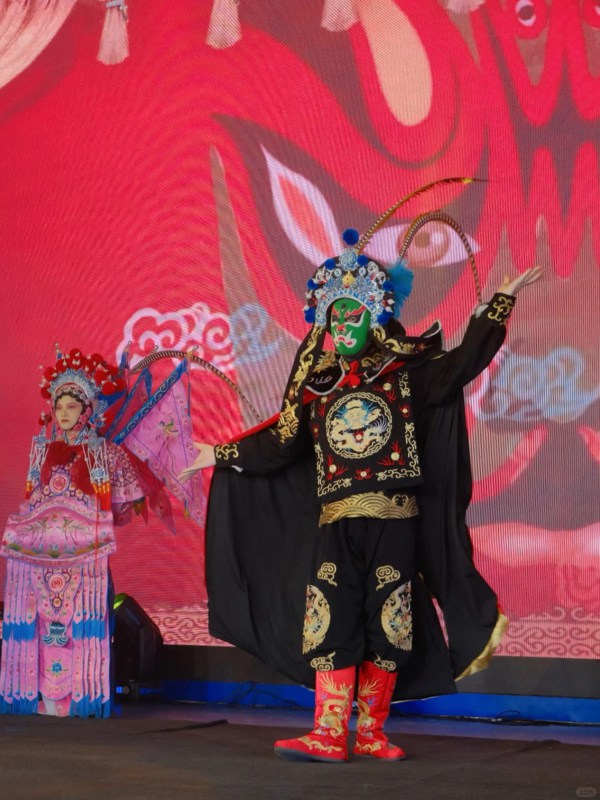
- Performance at 18 Steps
-
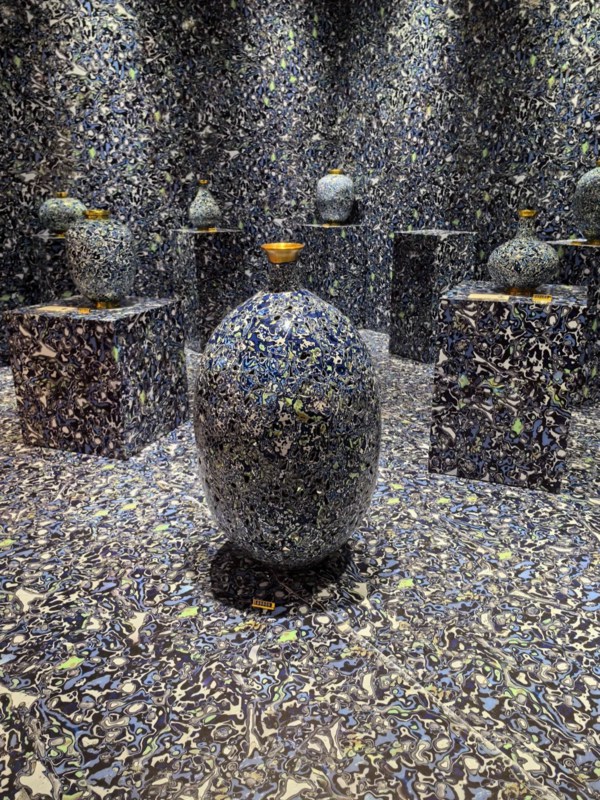
- Zhubingren Copper Art
Culinary Adventures: From Cave Hot Pot to Street Snacks
Dongzi Laohuo Guo (Cave Hot Pot) is at the top of most of these lists of recommendations not without reason as they have transformed a real bomb cell in WWII into a restaurant, so you are dining in the cave of the rock walls and the low lights. Even the hotpot is made in solid Chongqing style: numbing spice, beef tallow base, fresh ingredients. Depending on the order you take, price is ¥80-120 per person. Significant drawback: you have to make your reservation in advance (particularly when it comes to dinner times).
Walk-ins experience queues of 1-2 hours in the weekends. Yuli Huoguo is more modern reinterpretation of the 1930s recipes- cleaner decor, a bit of attenuated spice in the interest of the tourists. In the case of street food, you should get Xiangxiang Youcha (alley oil tea) in the morning; this is a sort of rice porridge breakfast with crunchy pieces and costs around ¥10-15. The price of bingfen (jelly dessert) varies between ¥8-12 depending on the main street vendors, and ¥5 depending on the side alley shops. If you're curious about what else Chongqing's food scene offers beyond hotpot, check out our complete guide to Chongqing's must-try dishes and where to find them.
Cultural Performances Worth Your Time (and Money)
Sichuan opera face-changing performance at Yuchao Theater attracts people, but is it worth 120-180 yuan? Will be according to your expectations. The face-changing (bianlian) effect leaves first-time viewers astounded - actors change masks in a milliseconds using hidden technology. The tea pouring ceremony appears elegant. Acrobatics are competent. The whole production is a bit hasty, though, as though they are cramming three forms of art into 70 minutes without substance.
The tea ceremony involving kung fu is more of an introduction to the cultures, rather than a performance art. TripAdvisor reviews are divided into two parts- some of the visitors claim that it is the highlight, others mention that they saw better in some other places in Sichuan. The level of skills of the performers is different by night. Go to Sichuan opera, if you have never watched it. Unless you are a frequent visitor to China, perhaps you should not visit it.
Shopping for Authentic Souvenirs
The copper craft shop of Zhu Bingren offers hand-hammered products -teapots, decorative plates, small sculptures. The cost is approximately 300 and goes up rapidly. The artisanship is above board, but there are others that appear unnaturally clean, implying some factory aids other than pure handwork. To save more, the merchandise of Chongqing dialect (tote bags, magnets, postcards) in Sishu Travel Space costs ¥30-80 and is a good present.
Situation: counterfeit fake products of the so-called intangible cultural heritage are overflowing the central shopping street. The sellers attach official certificates to mass-produced products and set the prices like the artisans. Real test: observe inconsistencies. Artisan products have a minor difference in products. There are no differences between factory goods. There are also no pushy sales persons to sell genuine heritage crafts and give special offers today only. Those are red flags.
FAQ About 18 Steps
Q: Is 18 Steps worth visiting if I only have one day in Chongqing?
If you're picking just one "old Chongqing" spot, 18 Steps makes a solid choice. It's more compact than Ciqikou and easier to combine with other downtown attractions like Hongya Cave or Jiefangbei, both within walking distance. That said, don't dedicate your entire day here—two to three hours covers it. A half-day itinerary works best: spend your morning at Shibati, grab lunch in Zone D, then head to Jiefangbei for shopping or the Yangtze cable car for river views.
Q: How is 18 Steps different from Ciqikou Ancient Town?
Ciqikou leans heavily into the "ancient water town" aesthetic with Ming-Qing architecture and traditional snacks, but it feels more touristy and farther from the city center (about 30 minutes by metro). 18 Steps sits right in Yuzhong District, easily reachable from downtown. The vibe here is more contemporary—modern cafés mixed with heritage elements, local residents still living in side alleys. Ciqikou preserves history better; 18 Steps blends old and new. If you have time, visit both to see different facets of Chongqing's past.
Q: Is 18 Steps accessible for people with mobility issues?
Honestly, no. The entire point of 18 Steps is stairs—steep ones. There are no elevators, ramps, or wheelchair-accessible routes through the main pathways. Anyone with mobility challenges will struggle here. The upper section of Zone A has some flatter areas near the well square where you can experience part of the atmosphere without climbing, but you'd miss most of the district. If stairs are a dealbreaker, consider Jiefangbei Pedestrian Street instead, which offers flat, accessible exploration of Chongqing's urban culture.
Q: Can I visit 18 Steps at night? Is it safe?
Absolutely—nighttime is when 18 Steps looks best. Red lanterns light up around dusk, and the stone steps glow under warm lighting. Safety isn't a concern; the area stays crowded until 10 or 11 PM, security guards patrol regularly, and lighting is adequate throughout. Most shops and restaurants close around 10 to 11 PM, though Zone E bars stay open later on weekends. Solo female travelers should feel comfortable here. The atmosphere is lively but not chaotic. Just watch your step on wet stones after rain.
Q: What's the real deal with the demolition and reconstruction?
The original 18 Steps got demolished in 2015 during Yuzhong District's urban renewal push. Locals protested loudly—this wasn't just any old neighborhood. Reconstruction ran from 2017 to 2021, attempting to preserve the original street layout and architectural style. The buildings you see now are new constructions built to look old, not restored originals. Some residents appreciate the effort; others say the soul got lost in translation. It's a compromise—you get the visual aesthetic and historical context without the decay and overcrowding.
Q: Are the prices inflated because it's a tourist area?
Yes, expect prices about 20-40% higher than regular Chongqing neighborhoods. A bowl of noodles that costs ¥12 elsewhere runs ¥18 here. Hotpot meals range from ¥80 to ¥150 per person. Street snacks go for ¥10-30. That said, 18 Steps is cheaper than similar heritage districts in Shanghai or Beijing. The trick: avoid the main pedestrian street vendors. Duck into side alleys like Shanguo Alley or Houci Street where locals still shop—prices drop noticeably. Look for places without English menus or fancy signage.
Q: Do I need to book anything in advance?
Most experiences at 18 Steps don't require advance booking. You can walk around freely, pop into shops, and grab street food on impulse. Exception: popular hotpot restaurants like Dongzi Laohuo Guo (Cave Hot Pot) fill up fast, especially dinner slots on weekends. Book through Ctrip or call ahead if you're set on eating there. The Sichuan opera show at Yuchao Theater sells tickets at the door, but weekend performances sometimes sell out. If you're visiting during a Chinese holiday, reserve restaurants in advance.
Q: What if it rains during my visit?
Rain adds atmosphere—wet stone steps reflect the lantern light, creating moody photo opportunities. The downside: those stones get slippery. Wear shoes with good traction and bring an umbrella. Chongqing rain tends to come and go quickly rather than lasting all day. Zone A has a covered cultural center, Zone C has cafés, and the Cave Hot Pot restaurant sits underground, so you've got rain backup options. Honestly, rainy afternoons at Shibati feel more authentic than sunny tourist-packed days. Just watch your footing on the steeper sections.