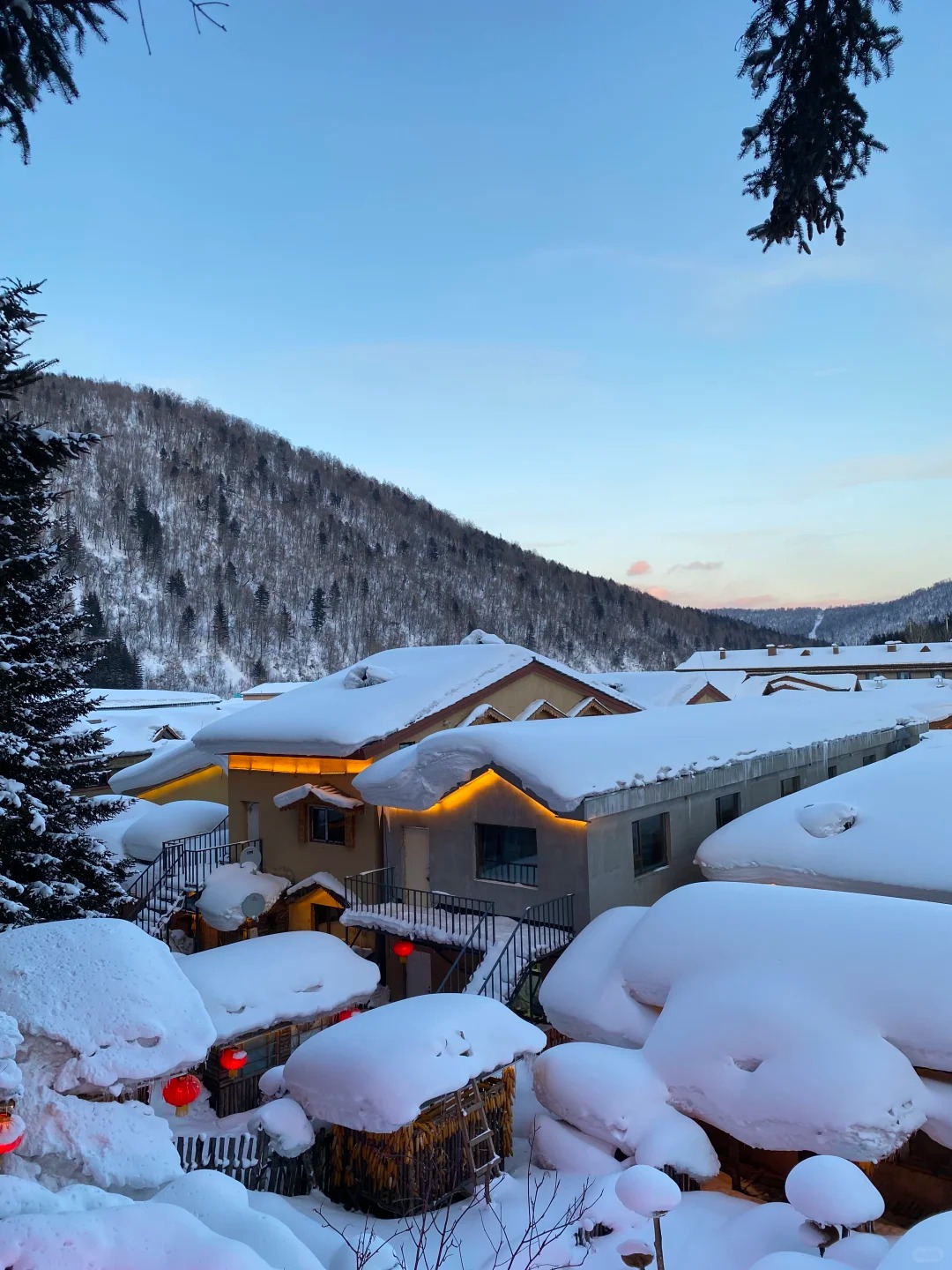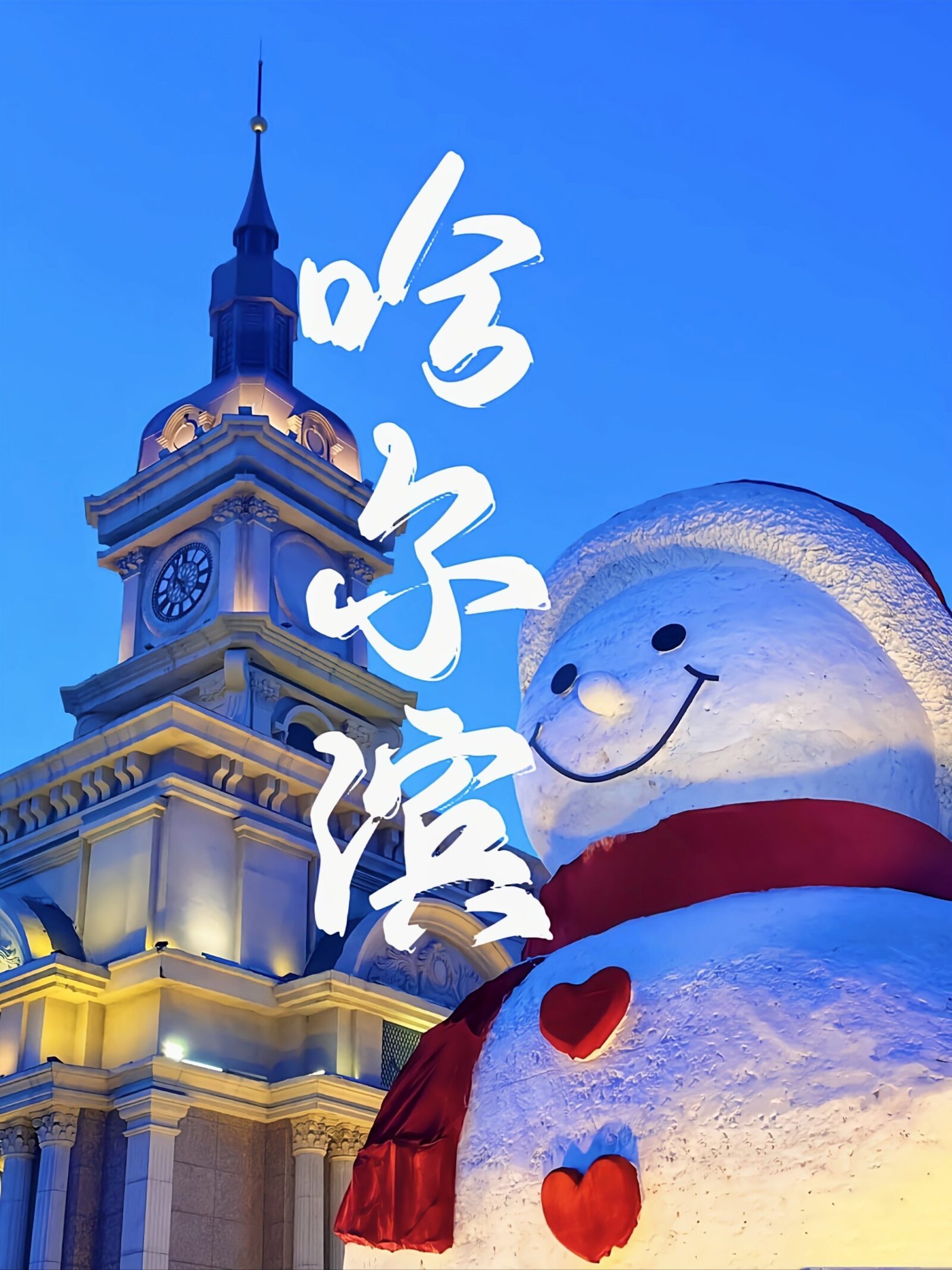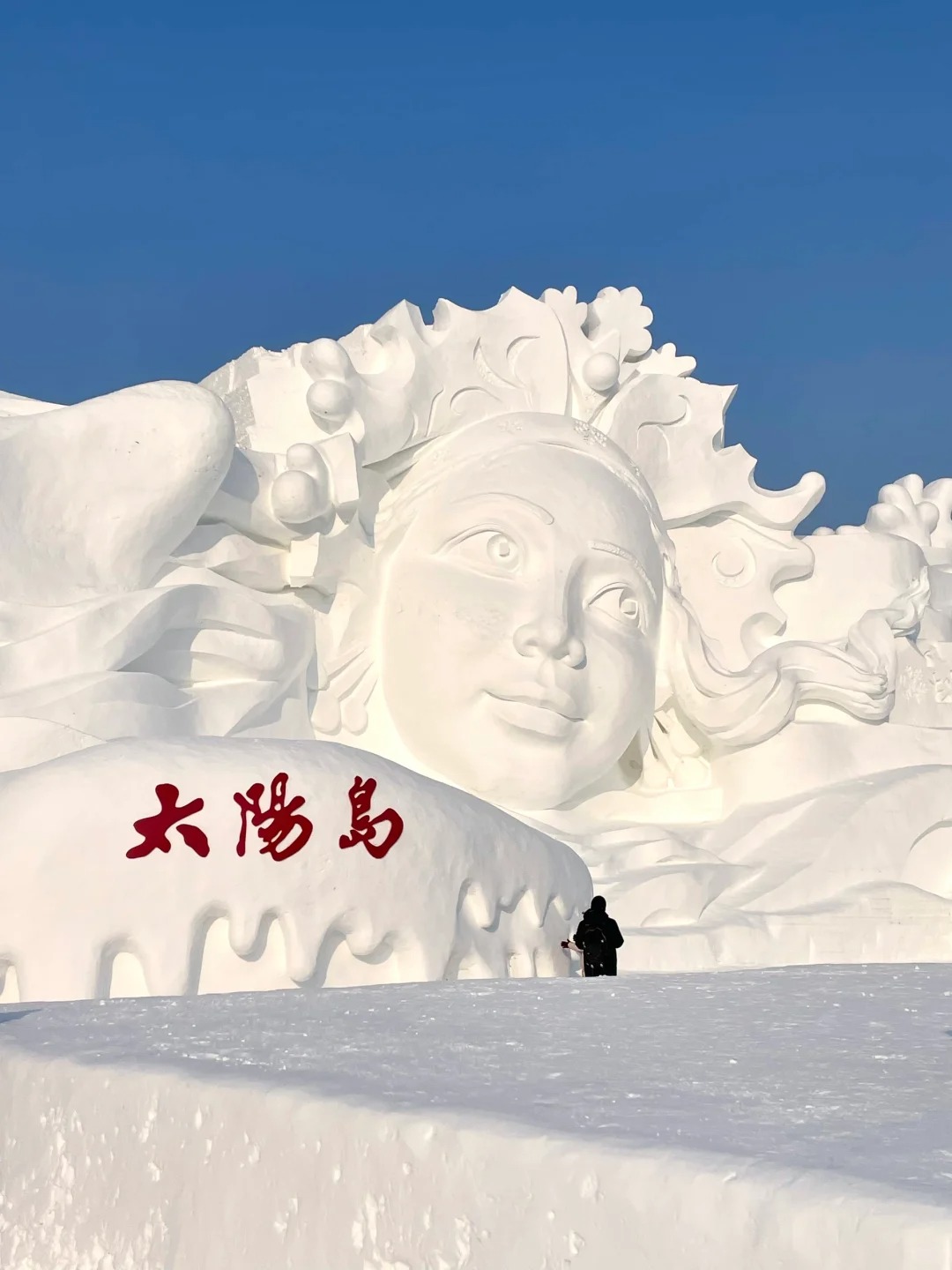
Sulpture in Sun Island
Sun Island Harbin sits on the north bank of the Songhua River, right across from downtown. It covers about 38 square kilometers—big enough to spend half a day wandering. Most people come here between December and February for the International Snow Sculpture Art Expo, where artists from over 20 countries carve massive sculptures out of compacted snow. But the island works year-round. In summer, locals use it as an escape from the heat. There's a Russian-style village, a squirrel park, deer gardens, and an indoor ice lantern hall that stays frozen even in July. The place earned China's 5A scenic rating—Heilongjiang's first—and TripAdvisor reviewers currently give it 4.5 out of 5 stars.
Quick Facts about Sun Island Harbin at a Glance
| 🏝️ Chinese Name | 太阳岛 (Tàiyáng Dǎo) |
| 📍 Location | North bank of Songhua River, Songbei District |
| 📐 Total Area | 38 km² scenic area |
| ❄️ Winter Ticket (Snow Expo) | ¥240–330 |
| 🍃 Off-Season Ticket | ¥30 |
| ⏰ Opening Hours | 8:30 AM–5:00 PM (extended during Snow Expo) |
| 🌨️ Best Winter Months | Late December–February |
| 🌞 Best Summer Months | June–August |
| ⌛ Recommended Duration | 3–4 hours |
The Reasons Sun Island Harbin Is Worth Your Time
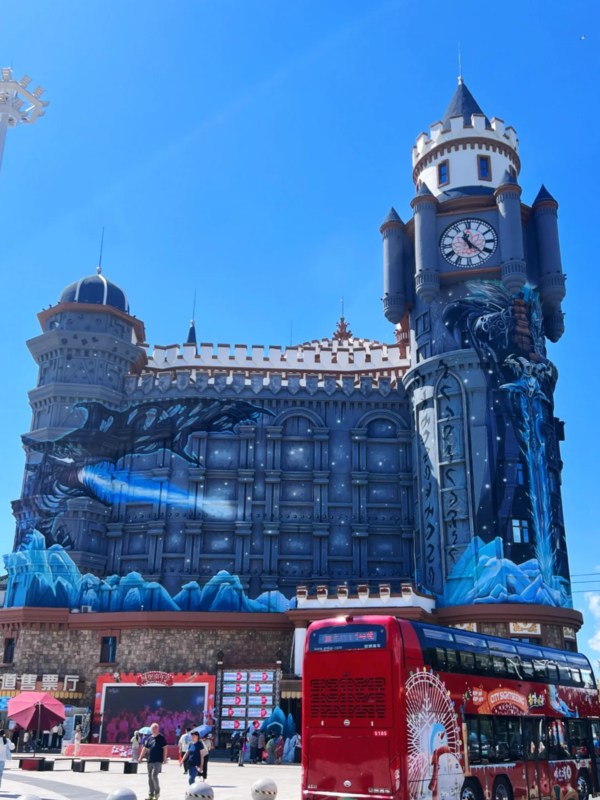
Entrance of Sun Island
More Than Just Another Park – China's Only City-Center Wetland
Sun Island Harbin holds a strange distinction. It's the only floodplain wetland ecosystem located in a city center anywhere in China. The Songhua River wraps around it, feeding marshes and small lakes that attract migratory birds each spring. Heilongjiang Province awarded it 5A scenic status—their first—and the national tourism board later added it to China's official "Tourism Business Card" list.
The island shifts with the seasons. Winter brings the famous snow sculptures and temperatures that drop to minus 30. Summer turns the place green and breezy, a local escape when Harbin hits 28°C. Autumn paints everything gold and red. Spring? Quieter, but the wetlands come alive with birds.
The Curious Origin of the Name "Sun Island"
The name sounds poetic, but it started with fish. Manchu fishermen called a local species "Taiyi'an"—the word sounded close to "Taiyang," which means "sun" in Mandarin. Over time, the fish name became the island name. During Emperor Kangxi's reign in the Qing Dynasty, the island served as a naval training base. Russians built summer villas here in the early 1900s.
Then came 1980. A singer named Zheng Xulan recorded a song called "On the Sun Island" for a CCTV documentary. Neither she nor the composer had ever visited. They recorded it in one take. The song became a nationwide hit overnight, and suddenly everyone in China wanted to see this place. The island's modern fame—built on a song about somewhere the singer had never been.
Top Attractions at Sun Island Harbin


Must-See Spots Inside the Park
The Indoor Ice Lantern Hall covers 5,000 square meters and keeps temperatures at minus 10 year-round. Staff hand out red insulated coats at the entrance. Inside, you'll find over 100 ice sculptures preserved from previous Snow Expos—castles, towers, even a replica of the Roman Colosseum. It's the largest indoor ice lantern gallery in the world and the only way to experience Harbin's winter art during summer months.
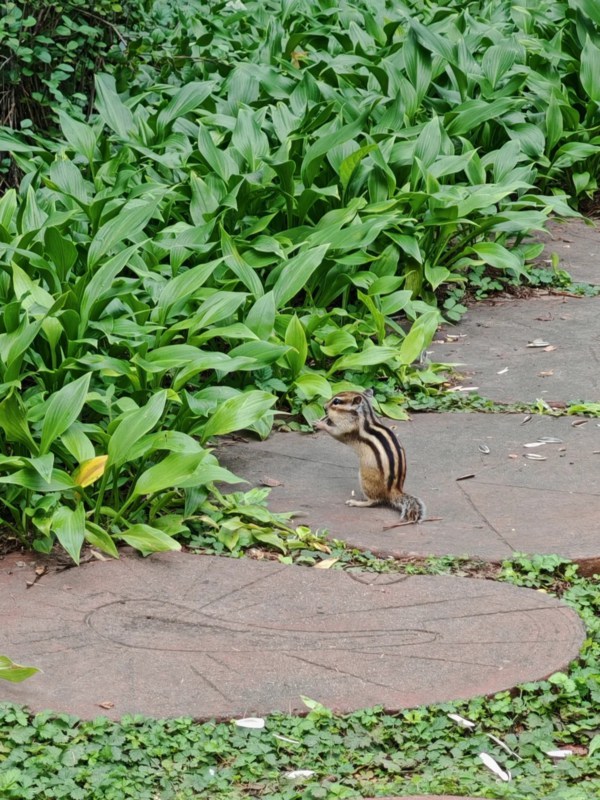
Squirrel Island spreads across 2.4 hectares in the northern section of the park. More than 1,600 squirrels live here, with feeding stations scattered throughout. Visitors can purchase food and interact with them directly. Nearby, Deer Garden houses around 30 spotted deer on an open hillside—no cages, just animals wandering freely. Swan Lake connects to both areas and shelters black swans, whooper swans, tundra swans, and mandarin ducks along its banks.
Russian Town features 27 timber buildings constructed in early 20th-century Russian architectural style. The structures reflect Harbin's history as a hub for Russian settlers during the railway era. One villa contains the Russian Art Exhibition Hall, displaying paintings and cultural artifacts. A small theater screens Russian films and hosts traditional dance performances. Sun Waterfall sits near the park's center—a man-made cascade with walkable caves hidden behind the falling water. The path through takes about five minutes and offers a cooler temperature on hot days.
What Many Visitors Skip (But Shouldn't)
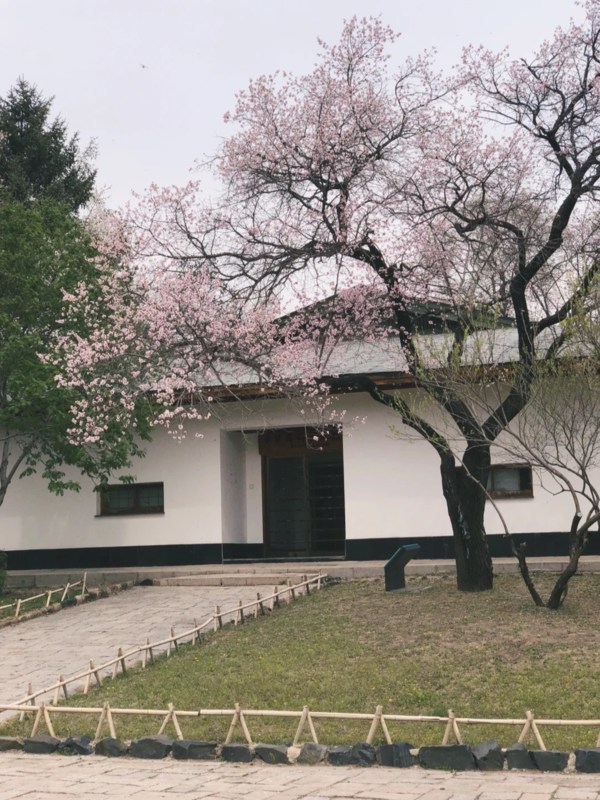
You aren't likely to find any English guides that mention the Harbin-Niigata Friendship Garden. This Japanese-style courtyard is behind the Cloud-water Gloriette and is quiet; it has streams and a wooden bridge. It is divided into 12 sections (one for each star sign) of the Zodiac Flower Garden. From May to July, there will be 12 types of lilacs blooming in the garden. Because very few tourists bother visiting, it's also a very peaceful place.
Pitfalls to Avoid at Sun Island
Avoid being surprised by unexpected fees! Animal photo opportunities (for example: holding a snow fox) incur a ¥30 fee, but vendors may not mention it until after you've already held the animal.
The Sun Island park is enormous! Walking the entire thing will take you a minimum of four hours! Electric trams are available from the entrance of the park to your desired location (costing about ¥20-25), which will allow you to save your feet/legs! You will also likely be disappointed if you want to eat while in the park because of high prices and limited selection. Be sure to bring your own snacks or eat prior to arriving at the park!
If you plan to visit in late February, be aware that many of the ice sculptures will have begun melting! Many reviewers reported disappointment in regard to "many of the sculptures have already begun to deteriorate." So you may want to consider visiting Sun Island during the month of January for the best experience.
Sun Island Snow Sculpture Art Expo
-

- Snow Sculpture
-

- Sun Island Harbin
The World-Famous Harbin Sun Island International Snow Sculpture Art Expo
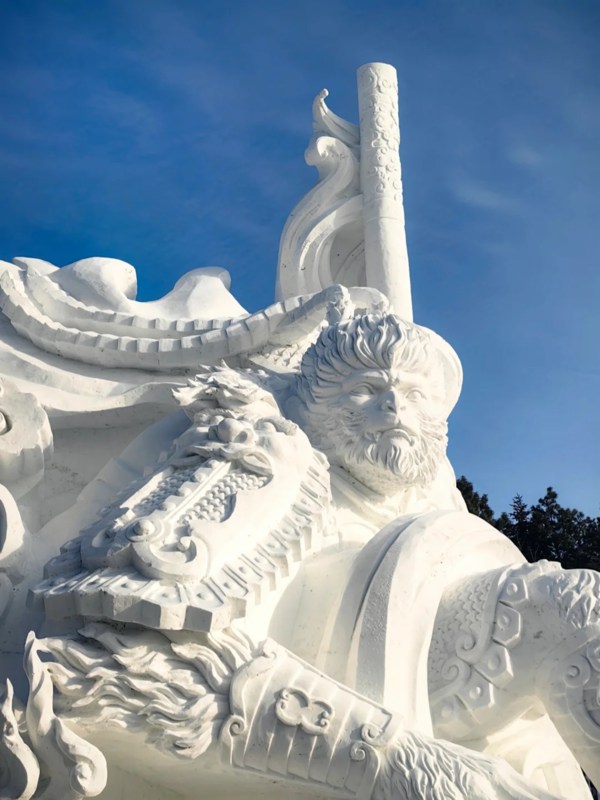
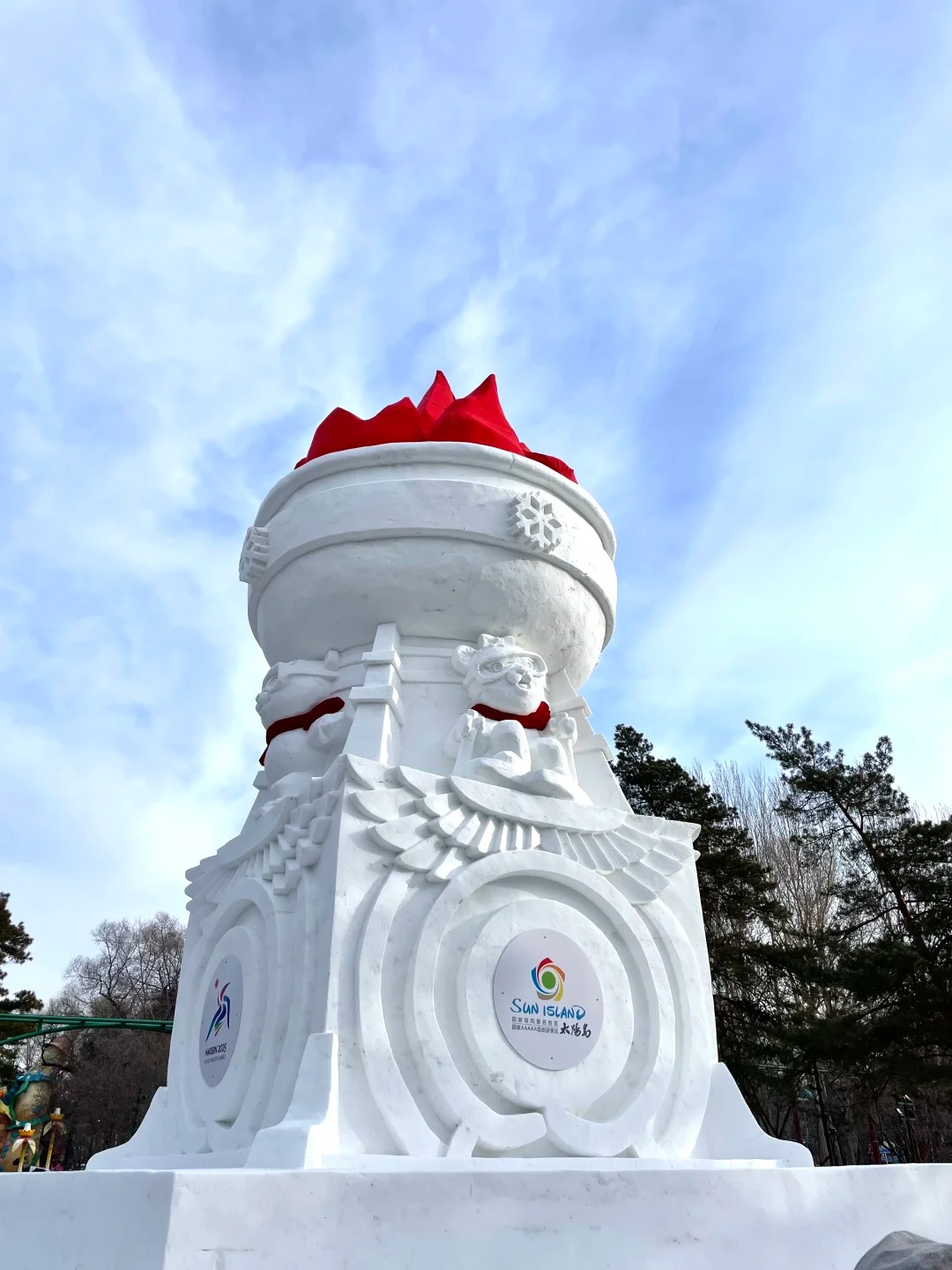
The Snow Sculpture Art Expo was established in 1988 and happens every year between late December and early February. Over twenty countries participate in the competition where artists transform compacted snow into enormous creations. A Guinness World Record was created in 2007 for the longest sculpture measuring 250 meters by one of the teams participating in this competition. This competition is frequently confused with Ice and Snow World. There is a large difference between them.
Sun Island is where you will find intricate snow sculptures (white), which you should view during daylight because the sun hits the textured surface; however, Ice and Snow World is constructed with ice blocks collected from the Songhua River and utilizes colored LED lights for illumination; therefore, Ice and Snow World looks best after dark. If you're curious about what makes the ice venue special, check out our complete guide to Harbin Ice and Snow World. A review on TripAdvisor states, "Do Sun Island in the morning, Ice World at night." Lastly, both Ice and Snow World and Sun Island are located on the same bank of the river and are only approximately five minutes apart by taxi. If you do not have time to visit both venues, Sun Island has greater artistic interest than Ice and Snow World. However, Ice and Snow World is more of a spectacular attraction.
Real Traveler Verdict: The Good, The Cold, and The Surprising
Positive reviews pile up around the artistry. "Blown away by the sculptures—everything from tractors to presidents to a hamburger, all very lifelike," wrote one visitor. Another said they "preferred this over Ice City" because of the craftsmanship. Several mentioned free activities: an ice slide near the back of the expo area and occasional DIY carving stations.
The warnings repeat too. "Sculptures start to melt late February"—multiple reviewers noted deterioration if you visit near the end of the season. Electronics struggle in the cold. "My camera conked out quickly," one person wrote. Others complained about transport: "No taxis at closing time" and "the parking lot was empty when we left at 6 PM." Pre-arrange a driver or accept a long wait.
One specific scam keeps appearing. Vendors hand you animals—snow foxes, usually—then demand ¥30 for the photo. "He passed it to me as I thought it was adorable, then asked for money." Don't touch anything unless you've confirmed the price first.
Best Routes for Visiting Sun Island Harbin: Suggested Itineraries
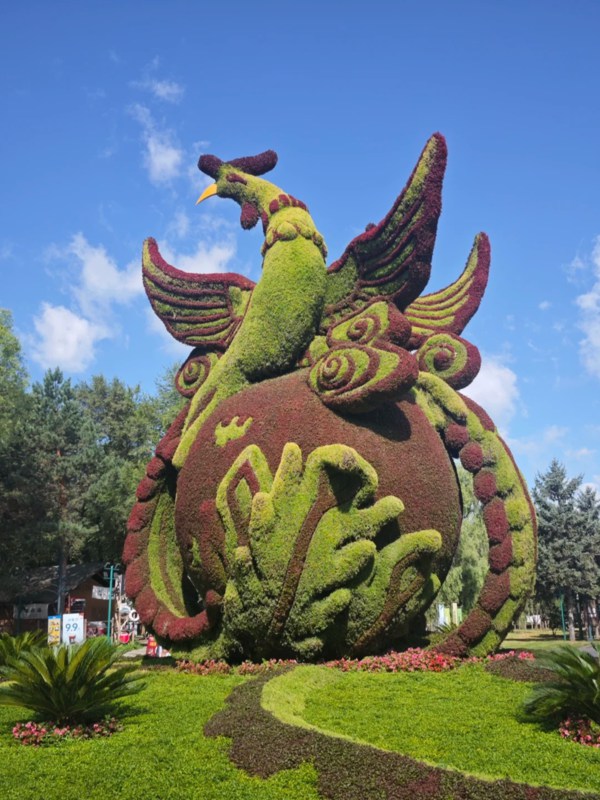
Garden in Sun Island
Winter Day Trip: Snow Sculpture Focus (3–4 Hours)
Start at the main entrance around 10 AM. Take the electric tram (¥20–25) to the Snow Sculpture Art Expo zone first—this is the highlight and you want good light. Spend about two hours wandering the sculpture displays. The largest pieces sit near the back, so don't rush through the entrance area.
After the sculptures, walk to the Indoor Ice Lantern Hall. It takes maybe 40 minutes inside. Then grab free ginger tea at one of the small rest houses before heading out. If energy remains, Squirrel Island and Deer Garden sit nearby. Exit by 2 PM, grab lunch outside the park, then taxi to Ice and Snow World for the evening show.
Summer Half-Day: Gardens and Wildlife (2–3 Hours)
Before you arrive for summer visit, remember to change the order of your walk. Go to the entrance of the Sun Island Scenic Area from the gate, and go first to Russian Town; the timber buildings and villas look best with morning light. From there, continue into the Harbin-Niigata Friendship Garden, and return via Swan Lake and Deer Garden.
May to July is also considered the best time to see the flowers bloom in the Zodiac Flower Garden. Finish at the Sun Waterfall and go around to see the caves behind the waterfall. You can go to the Indoor Ice Lantern Hall for a cool off - it's literally a cool down - staff will give guests insulated coats, and provide a wintertime experience in the middle of July!
With Kids: Activity-Focused Route (3 Hours)
Families with small children should go to the Squirrel Island early as the kids can feed the squirrels, plus the numbers of visitors are lower in the morning. After Squirrel Island, go to the Deer Garden and then go to find free ice slides near the Snow Expo area during winter. One reviewer has noted, "The icy slide at the end is Free and well worth going onto." Do not bother with paid activities such as ice buggies which are overrated and very short. Finish your day by enjoying hot drinks at a tea house before your kids get too cold.
Essential Tips for Visiting Sun Island Harbin
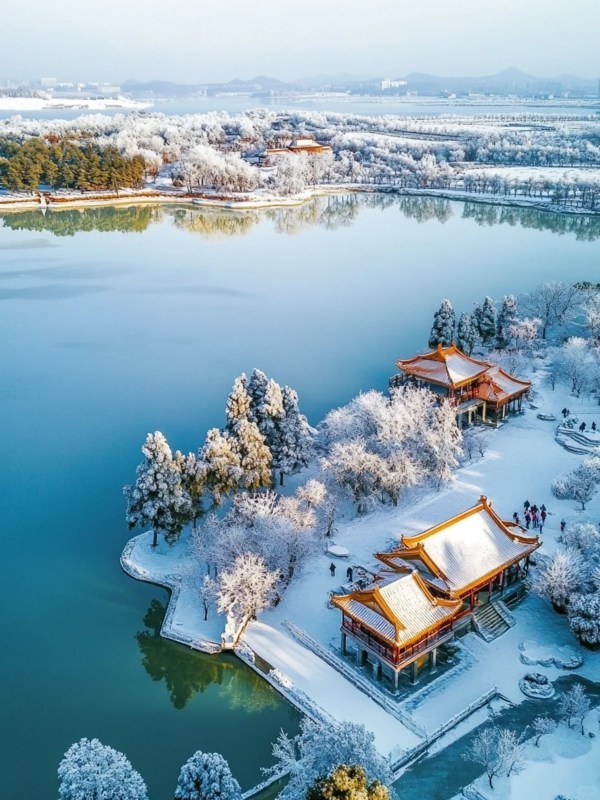
Lake in Sun Island
Surviving Harbin's Brutal Cold (And Protecting Your Gear)
Winter temperatures in Harbin drop to minus 20°C on average. Some days hit minus 35. This isn't "wear a warm jacket" cold—it's the kind that shuts down your phone in fifteen minutes.
Layer properly. Thermal underwear first, then fleece, then a heavy down jacket. Cover your head, hands, and neck. Snow boots with grip matter because the paths get icy. One TripAdvisor tip comes up repeatedly: "Wear disposable heat packs in your shoes." Your feet will thank you after three hours on frozen ground. Cameras and phones drain fast in extreme cold. Keep your power bank inside your jacket, close to your body. Some visitors reported their cameras "conked out" entirely. A backup phone or keeping the main one warm between shots helps.
Timing Your Visit Right
You should plan on arriving between 10:00 am and 11:00 am. By this time, the sun has come into contact with the sculpture and provides the best angles for taking pictures (and, relative to early morning hours, it also provides a slight easing of the harsh winter temperatures). Visitors usually spend three to four hours at the event during regular hours.
In our opinion, an ideal combination would be starting with Sun Island Snow Sculptures in the morning, followed by a taxi ride over to Ice and Snow World at 3 pm when it’s still light outside but you can also see the buildings lit up after dark. It only takes about five minutes by taxi and costs approximately 8-10 yuan. After late February, there will be no more snow sculptures (they’ll melt), and because of the climate in Harbin, it gets dark very early in the winter months, so you should avoid going inside after 4:00 pm because it gets really cold outside as the sun is going down.
Practical Matters for International Visitors
It is important to know that staff at the ticket office generally do not speak English; it is therefore advisable to write down what you want or use a translation app. For payment, you can use cash, Alipay, or Wechat Pay, but if you don’t have Alipay or Wechat, just bring enough cash (RMB) to pay for your tickets.
Inside the park, there are also small tea houses that provide free hot ginger tea for visitors to warm up. At least one reviewer on TripAdvisor was quoted to have said they “made a stop here every hour to get warm.” They said that “the coffee in the cafe is not very good, however, the free ginger tea helped us quite a bit.” Make sure to find these locations before you get cold! If you're planning more cold-weather adventures beyond Harbin, take a look at our guide to winter activities in China.
FAQ about Sun Island Harbin
Q: How do I get to Sun Island Harbin?
Metro Line 2 is the easiest option. Get off at Sun Island Station (太阳岛站), then walk toward the main gate—about ten minutes. Buses 29, 47, 80, and 119 also stop at Taiyangdao Daokou (太阳岛道口), but you'll need to walk further or catch a shuttle van. The most scenic route? Take the cable car from Tongjiang Street. It crosses the frozen Songhua River in winter and offers panoramic views. In deep winter, some locals walk across the ice from Central Street—takes 30 to 40 minutes, but only attempt this if you see others doing it safely.
Q: What is the Sun Island Harbin entrance price?
During the Snow Sculpture Art Expo (late December to February), tickets cost around ¥240–330 depending on the year. Off-season entry drops to just ¥30. Keep in mind that some attractions inside charge extra—the Russian Garden, Squirrel Island feeding, and animal photo ops all have separate fees. The electric tram runs about ¥20–25. One visitor mentioned buying a combo ticket that included the cable car, so ask at the booth if bundles are available.
Q: What are Sun Island Harbin opening hours?
Standard hours run 8:30 AM to 5:00 PM. During the Snow Expo, the park extends closing to 7:00 PM. Ticket sales stop at 4:40 PM, but if you're already inside, you can stay longer. One TripAdvisor user confirmed: "Once you're in, they don't kick you out at closing." That said, wandering the park after dark in minus 25°C isn't pleasant. Most people leave before sunset anyway.
Q: Is Sun Island Harbin worth visiting in summer?
Yes, though it's a completely different experience. The snow disappears, but the wetland gardens turn green and shady. Locals come here to escape Harbin's summer heat—temperatures stay cooler near the river. The Indoor Ice Lantern Hall operates year-round, so you can still see ice sculptures in July. Swan Lake, Deer Garden, and the Zodiac Flower Garden all peak in summer. It's quieter than winter, with fewer crowds and cheaper tickets.
Q: Sun Island vs Ice and Snow World – which should I choose?
They serve different purposes. Sun Island features snow sculptures—white, detailed, artistic. Best viewed during the day when sunlight shows the textures. Ice and Snow World uses ice blocks lit with colored LEDs—more spectacle, better at night. If you only have one day in Harbin, do both. Visit Sun Island in the morning, then taxi to Ice and Snow World by 3 PM to catch daylight and sunset. They're about five minutes apart by car.
Q: Can foreigners visit Harbin and Sun Island?
Absolutely. China expanded its visa-free transit policy in recent years. Citizens from many countries can stay 144 hours without a visa if transiting through certain cities—Harbin qualifies. For longer stays, check current visa requirements before booking. Inside the park, staff rarely speak English, so download a translation app. Payment works with cash, Alipay, or WeChat Pay. Bring RMB if you haven't set up Chinese mobile payments yet.
Q: Which month is best to visit Sun Island Harbin?
For snow sculptures, January is ideal. The expo runs strong, sculptures remain intact, and you'll catch the peak of the Harbin Ice Festival. Late February sees melting and deterioration—several travelers reported disappointment. For summer visits, June through August offers pleasant weather, blooming gardens, and far fewer tourists. Autumn (September–October) brings golden foliage but limited attractions. Spring can be muddy and unpredictable.
Q: What should I wear to Sun Island Harbin in winter?
Layer everything. Start with thermal underwear, add fleece, then a heavy down jacket. Thick gloves, a wool hat, and a scarf covering your face help when wind picks up. Waterproof snow boots with good grip prevent slipping on icy paths. Multiple TripAdvisor reviewers recommend disposable heat packs inside your shoes—your feet get cold fast standing on ice for hours. Keep your phone and power bank inside your jacket to preserve battery life. Cameras struggle in extreme cold, so warm them between shots.
Q: How big is Sun Island Harbin and how long does a visit take?
The scenic area covers 38 square kilometers, though most visitors stick to the central zones. Plan for three to four hours minimum—longer if you want to see everything. The Snow Expo section alone takes two hours to walk properly. Electric trams help cover ground faster for about ¥20–25. One TripAdvisor reviewer spent over four hours and "would have stayed longer if my wife wasn't shutting down from the cold." Pace yourself and build in warming breaks at the tea houses.