Northeast China Attractions
Northeast China covering Heilongjiang, Jilin, and Liaoning provinces has some of the most unique of China attractions. When we mean northeast china attractions we mean to include its world-famous ice sculptures, steaming hot springs floating amidst snow, its world noted sacred mountain and crater lakes, its imperial palaces that molded Qing dynasty history. A depth of relaxing pleasures unlike any other, with Chinese, Russian, Korean, and Manchu society. All beautiful in their own unique way.
Since the full sweep of northeast China attractions are everywhere, this guide zeroes in on what’s important to you. We’ll take you through must see northeast china attractions provice by plenty off the beaten track gems, dig into street food you cannot miss and plenty of hacks for your phone to keep it operating in the cold! Whether you are designing a winter ski trip, a summer nature getaway or a deep dive into history, this Northeast China is for you!
Northeast China Attractions: Province-Wise Key Spots Table
| Province | Key Attractions | Highlight Features | Suitable Crowds |
|---|---|---|---|
| Heilongjiang | Harbin Ice and Snow World, Mohe Arctic Village, Yabuli Ski Resort, Wudalianchi | World-class ice art, aurora viewing, top skiing, volcanic landscapes & hot springs | Ice/snow lovers, skiers, nature explorers, aurora chasers, photographers |
| Jilin | Changbai Mountain Tianchi, Wusong Island, Chagan Lake, Puppet Emperor's Palace | Sacred crater lake, rime (China's natural wonder), ancient winter fishing, historical sites | Photographers, history buffs, cultural experience seekers, nature pilgrims |
| Liaoning | Shenyang Imperial Palace, Dalian Golden Pebble Beach, Panjin Red Beach, Benxi Water Cave | Qing imperial heritage, coastal geoparks, unique red wetland, underground river | History/architecture fans, families, beachgoers, summer escapers, photographers |
Heilongjiang Province — Where Ice Becomes Art
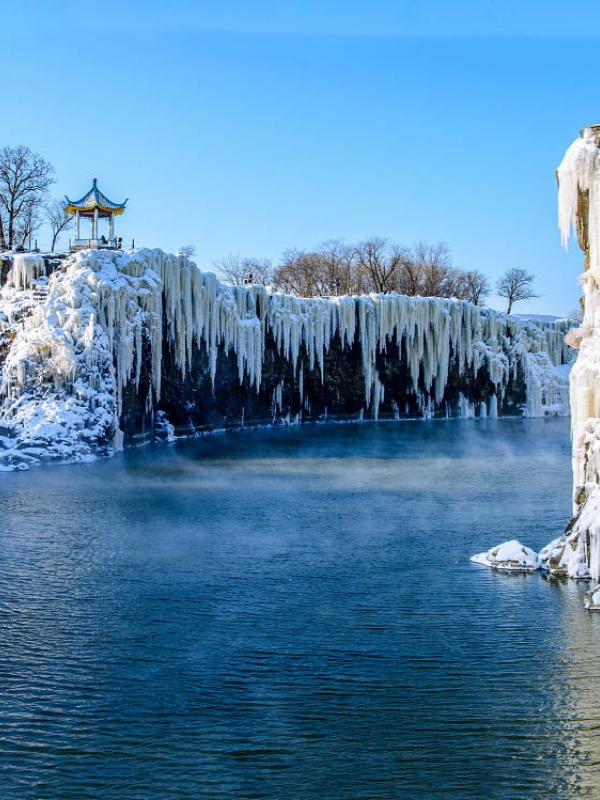
China's northernmost province is a land of extremes. Temperatures plunge to -40°C in winter, yet millions flock here precisely because of—not despite—the brutal cold. Heilongjiang transforms its harsh climate into its greatest attraction, turning ice into art and snow into fairy-tale villages.
Harbin's European Soul — More Than Just Ice Sculptures
Harbin earned its nickname "Oriental Moscow" for good reason. A century of Russian influence left behind onion-domed churches, Art Nouveau facades, and a culinary scene featuring both dumplings and borscht.
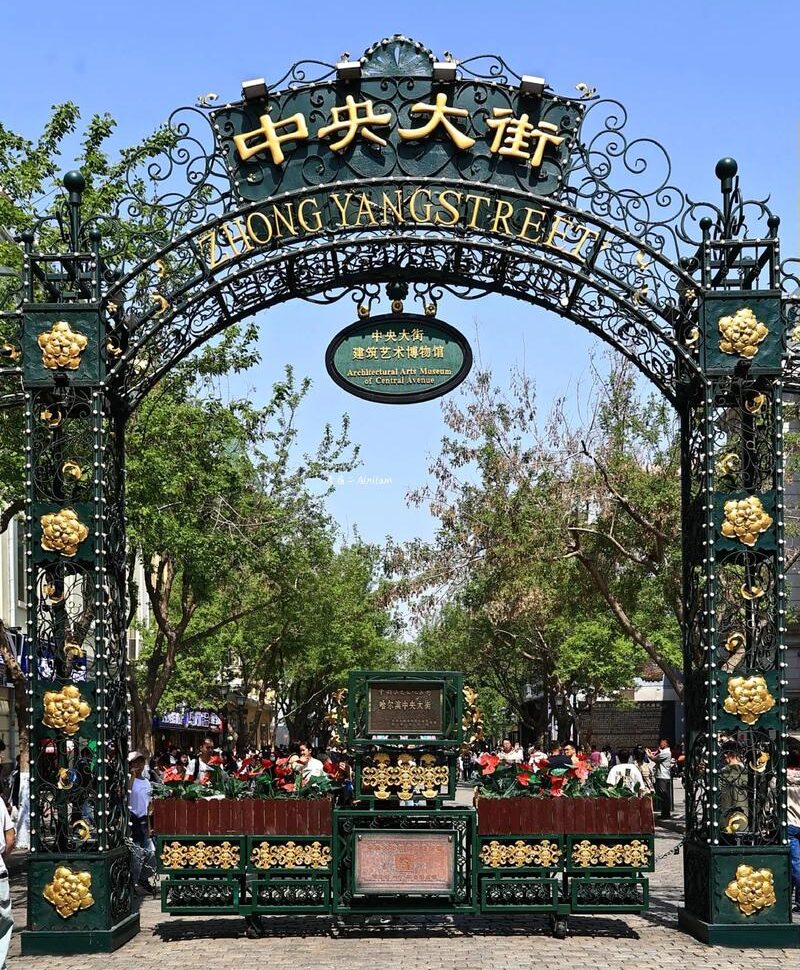
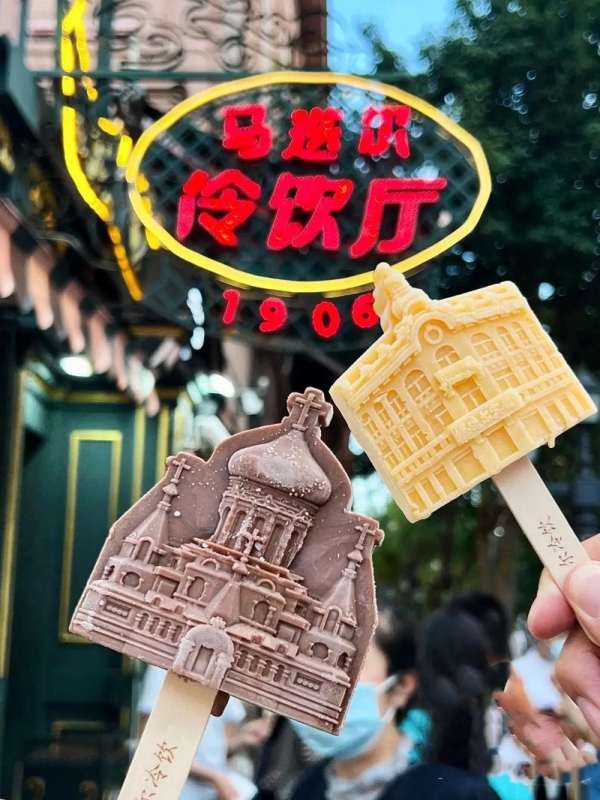
Central Avenue (Zhongyang Dajie) stretches 1.4 kilometers through 119 years of architectural history. The cobbled street winds past buildings of Byzantine, Baroque and Renaissance style, populated with Russian merchants, Jewish refugees, Japanese occupiers. And for the love of god, try a Madier popsicle (马迭尔冰棍) from the 1906 institution – locals enjoy them in the wind at -20°C and this bizarre ritual bewilders and charms newcomers.
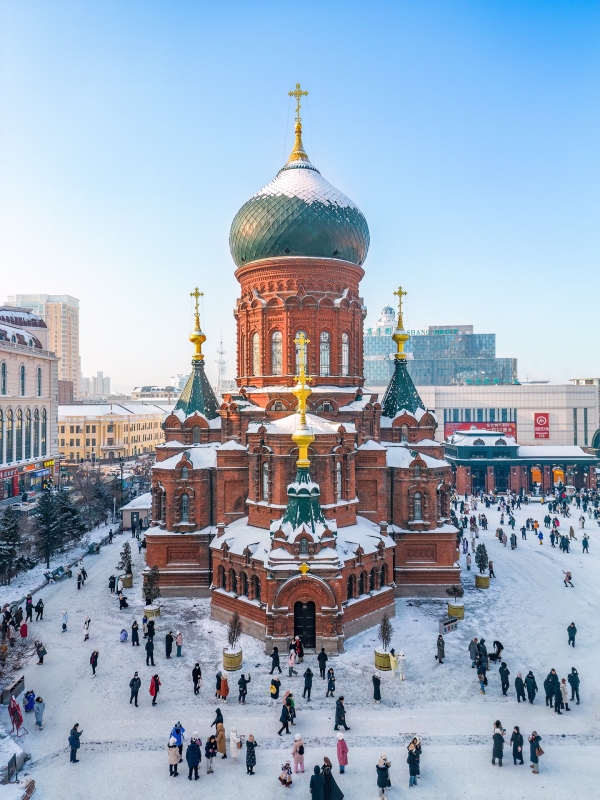
Saint Sophia Cathedral stands as Harbin's most iconic landmark. Built in 1907, this Byzantine-style Orthodox church now serves as an architectural museum. Visit at sunset when golden light bathes its green onion domes, or during snowfall when it transforms into a scene from a Russian novel.
Ice Festivals and Ski Thrills — Winter Playgrounds
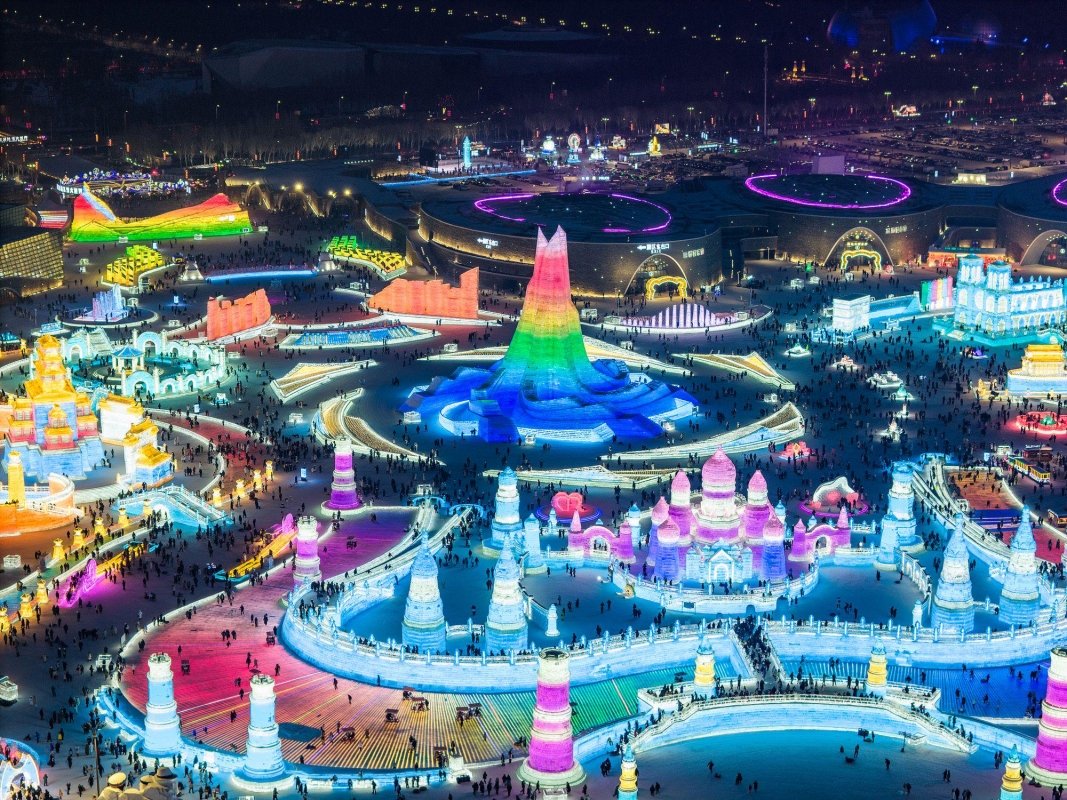
Harbin Ice and Snow World is the crown jewel of Northeast China attractions.Each winter thousands of workers mine 200,000 cubic meters from the Songhua River to create an 800,000 square meter frozen world. Towers, castles and slides are illuminated in neon colors against the black sky - imagine if Disneyland was rebuilt entirely from ice. Entry is approx. ¥330 (2025 peak season); get there around 4 in the afternoon when the lights come on, and expect crowds.
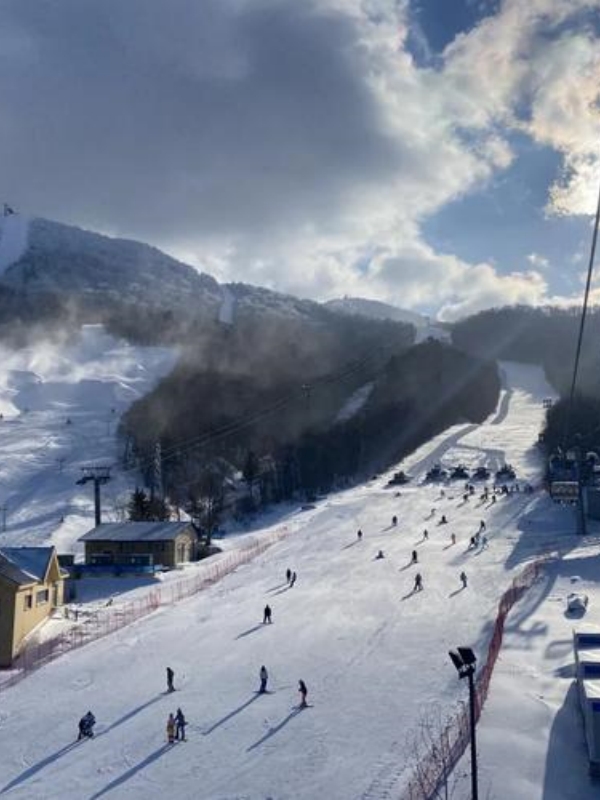
Yabuli Ski Resort hosted the Asian Winter Games and remains the number one skiing spot in China. With over 50 trails over three mountains, there’s something for everyone from a complete beginner to Olympic athletes. Equipment rental ¥200-400 a day. Accommodation prices range from hostels at around ¥150 a night to five star (from ¥2,000/night).
Arctic Wonders You Won't Find Anywhere Else in China
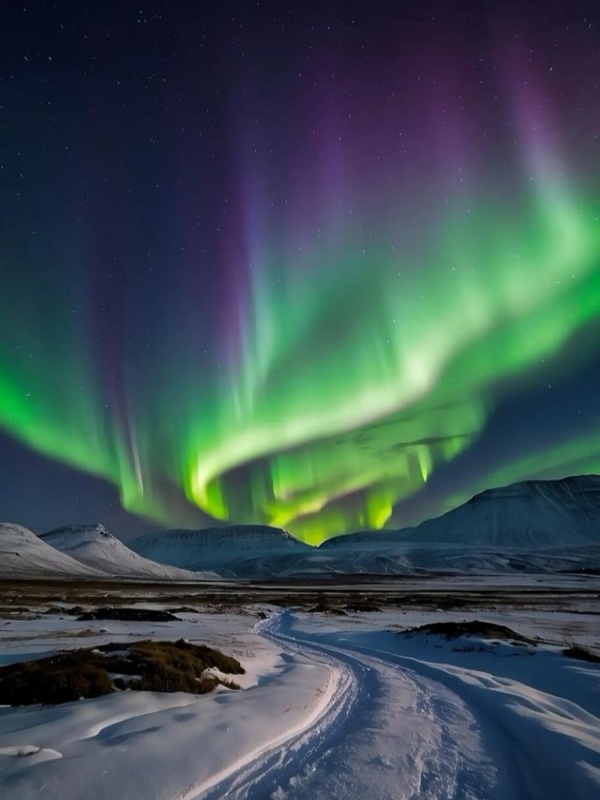
Mohe Arctic Village: Here you’ll be at China’s northernmost point—the only place in the entire country to see the Northern Lights. From September to March, aurora seekers flock to this outpost, although you’ll need patience and luck to find the lights yourself. Even without them to guide you, you can hunt for “Bei” (North) at prominent stones, experience the surreal sensation of 22-hours of daylight on the summer solstice, or just appreciate a temperature in winter that makes -30°C seem par for the course.
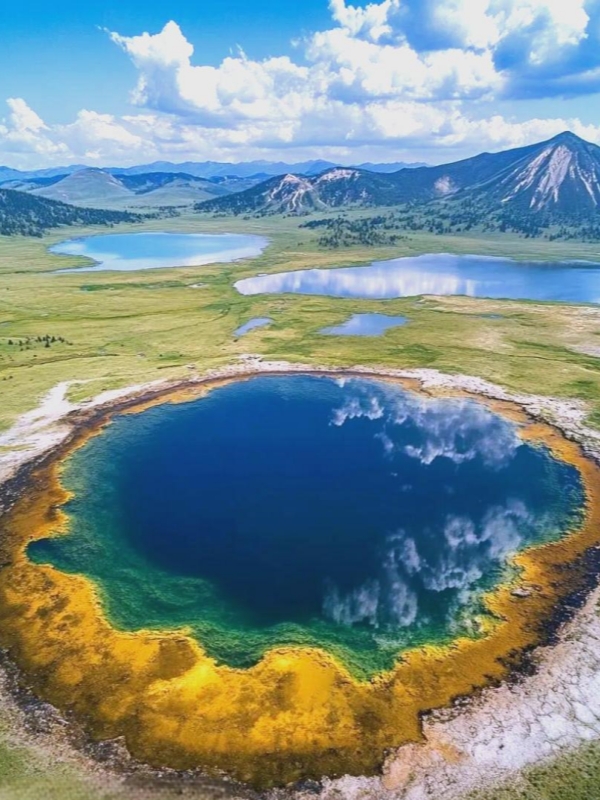
Wudalianchi (Five Connected Lakes): Described as “Nature’s Volcanic Museum”, the lakes were formed by eruptions just 300 years ago. A UNESCO Global Geopark, the site includes 14 volcanoes, crystal-clear crater lakes, and cold springs rich in minerals known for their health benefits. The scene is like a lunar landscape—vast fields of black lava contrasted with sapphire lakes.
Mirror Lake (Jingpo Lake): The largest volcanic barrier lake in the world. In winter, an insatiable ice thespians put on a performance like no other: professionals dressed in red dive from large cliffs into the freezing mist below, and the populace crowds to the shores as cliff heads mumble their nervousness. My first time at one of these cliff dives, the man disappeared into frozen fog for an eternity, and at the group gasp of 100s in the audience. I still shiver thinking about it.
⚠️ Travel Tip: Mohe is remote—accessible by a 2-hour flight from Harbin or a grueling 20-hour train ride. Pack extreme-cold gear: temperatures regularly hit -40°C. Phones die within minutes if exposed; keep batteries warm in your inner pockets.
Jilin Province — Sacred Mountains and Frozen Poetry
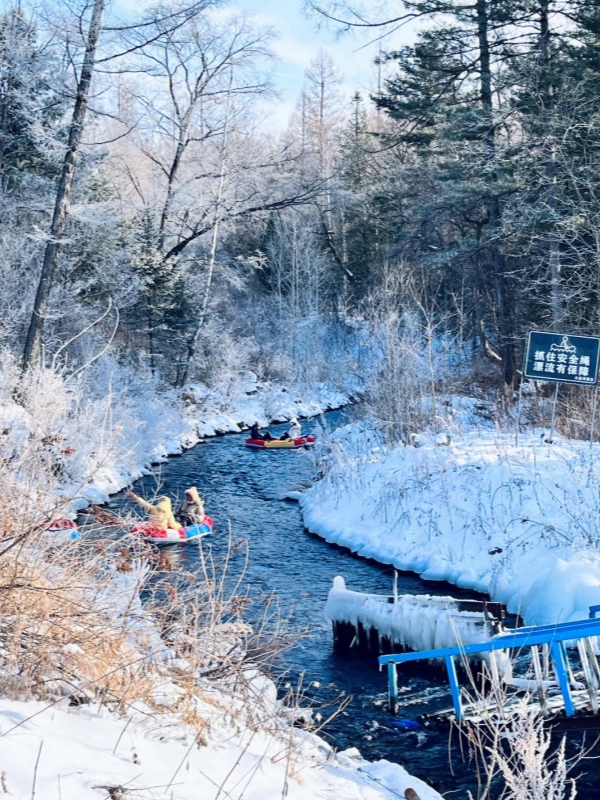
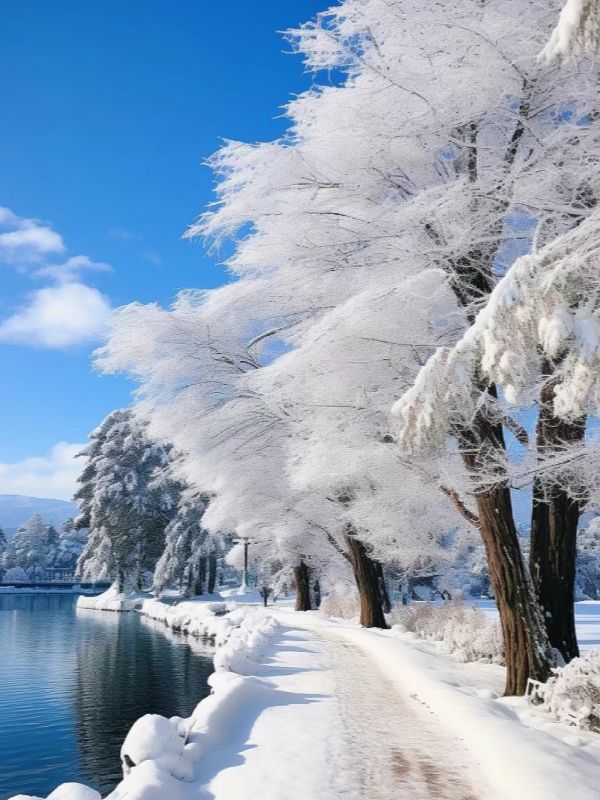
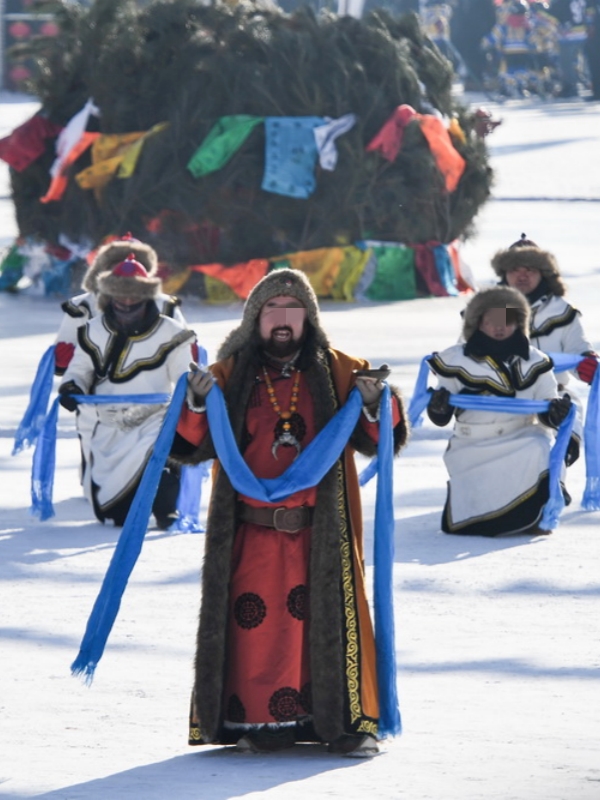
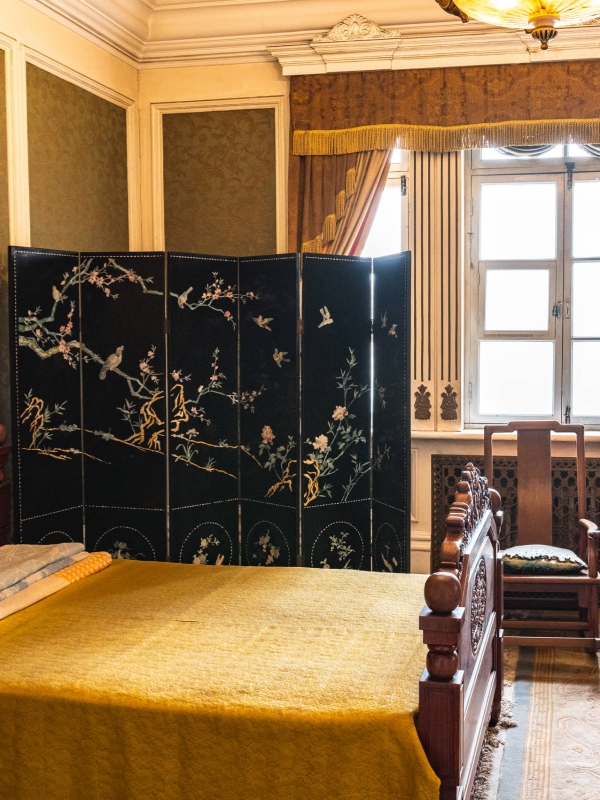
Jilin sits at the heart of Northeast China, home to the region's spiritual center—Changbai Mountain—and some of its most photogenic winter phenomena. The province also serves as a cultural crossroads where Korean, Manchurian, and Han Chinese traditions blend seamlessly.
Changbai Mountain — The Sacred Peak of Northeast China
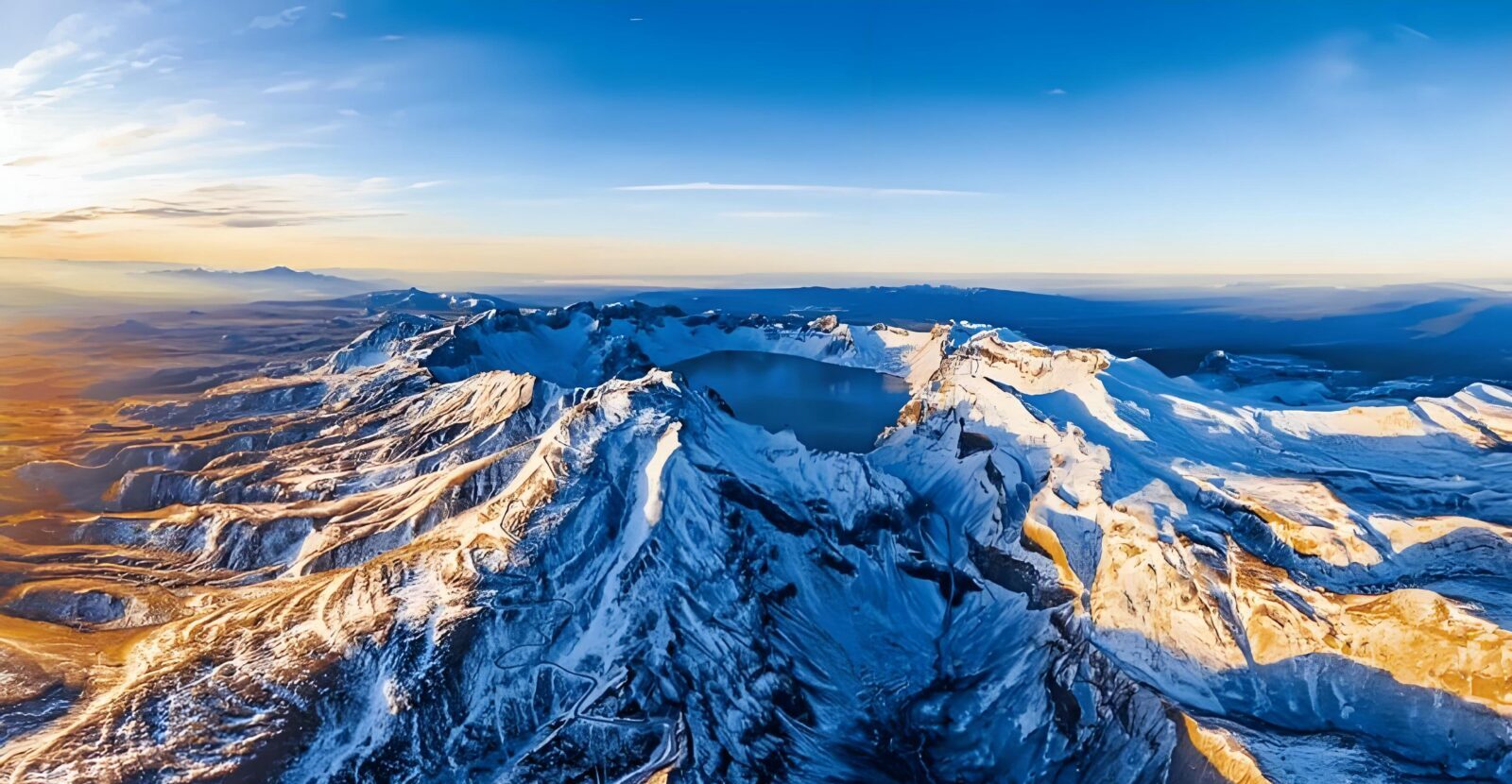
Tianchi (Heaven Lake) crowns Changbai Mountain at 2,189 meters—the deepest volcanic crater lake in China and one of the deepest in the world. It’s holy ground, for Koreans and Manchurians alike: the cradle of their myths. The lake won’t reveal itself unless weather is clear: about 70% of the time it’s shrouded in cloud. Three attempts over the years came up nil, until at last, on a crystal clear October morning, I glimpsed Tianchi from the summit of the mountain trail. Turquoise water ringed with snow-dappled peaks brought a tear to my eye, and I wasn’t alone. The seasoned world travelers were speechless.
The volcanic nature of the mountains also means natural hot springs - steaming bubbling from the earth. Imagine soaking in 80°C mineral water while snowflakes fall on your hair and temperatures drop of several degrees below -20! Vendors will happily sell you boiled eggs and other things from water in the springs - a great keepsake that gels well with breakfast.
Rime Frost and Winter Fishing — Jilin's Signature Spectacles
Wusong Island (Rime Island) showcases one of China's four great natural wonders: rime frost. Between December and February, moisture from the unfrozen Songhua River crystallizes on trees, coating every branch in delicate ice feathers. The effect is magical—forests transformed into white coral gardens. Arrive between 5-8 AM when the frost peaks; by mid-morning, sunshine often melts the delicate formations. The trees looked like they'd been dipped in powdered sugar, each branch a fragile sculpture against the pale winter sky.
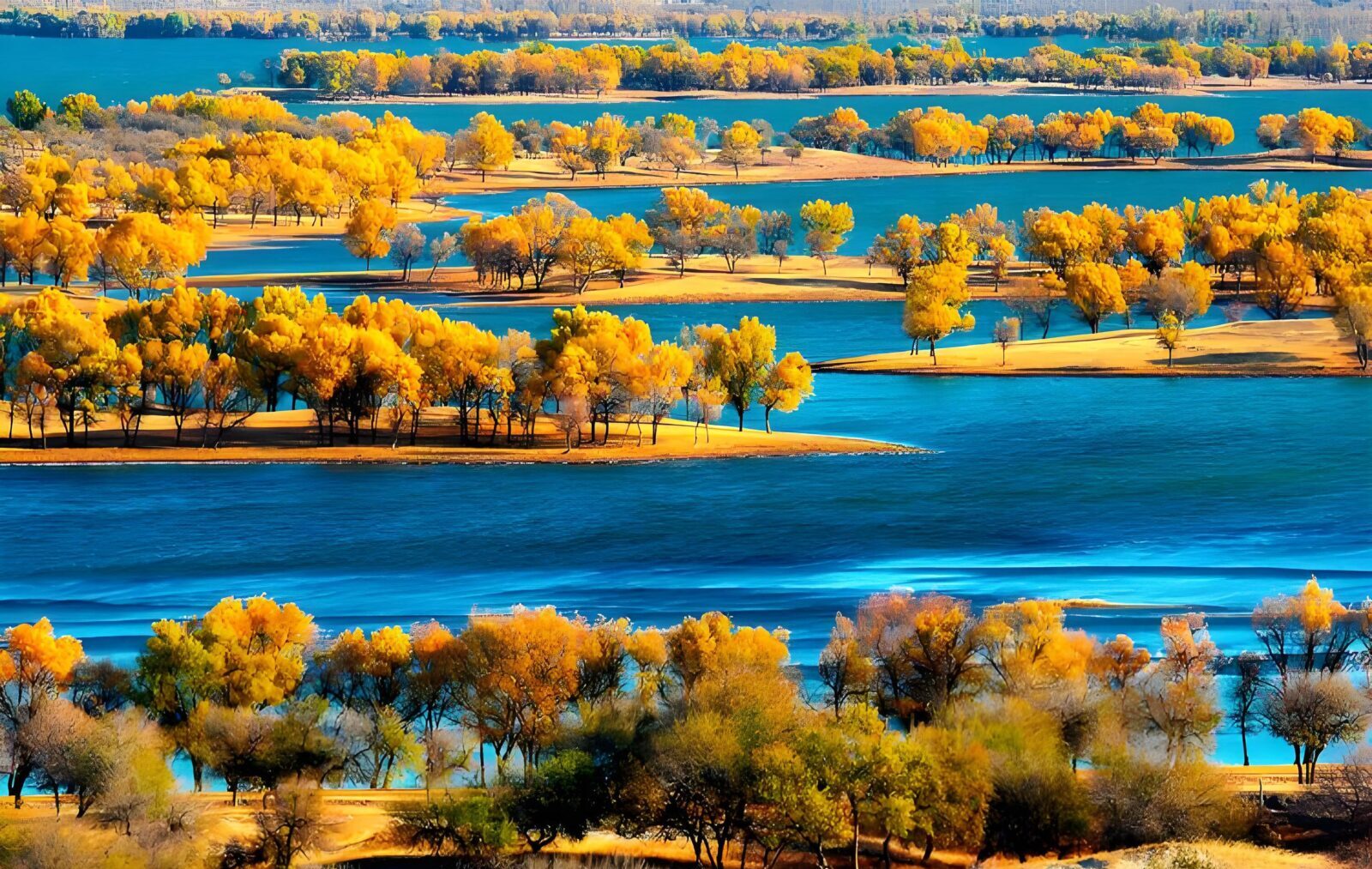
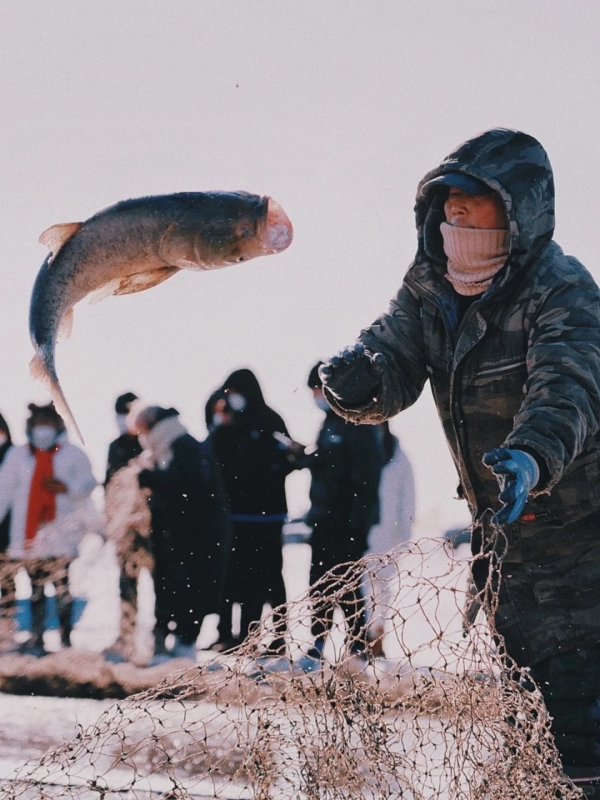
Chagan Lake Winter Fishing Festival preserves a 1,000-year-old Khitan tradition. Each December, fishermen cut through meter-thick ice, cast massive nets beneath the frozen surface, and haul up tons of fish in a single dramatic pull. The "first fish" auction draws bidders paying ¥2 million+ for luck and bragging rights. Even as a spectator, the scale of the operation—horses pulling nets, chanting fishermen, steam rising from the ice holes—feels like witnessing a living time capsule.
Royal Ruins and Korean Heritage — Jilin's Cultural Crossroads
The Puppet Emperor's Palace in Changchun tells one of history's strangest stories. Here, Puyi—China's last emperor—lived as a puppet ruler under Japanese occupation from 1932-1945. The museum preserves his modest quarters, propaganda films, and haunting photographs of a man trapped between identities. It's sobering, essential history.
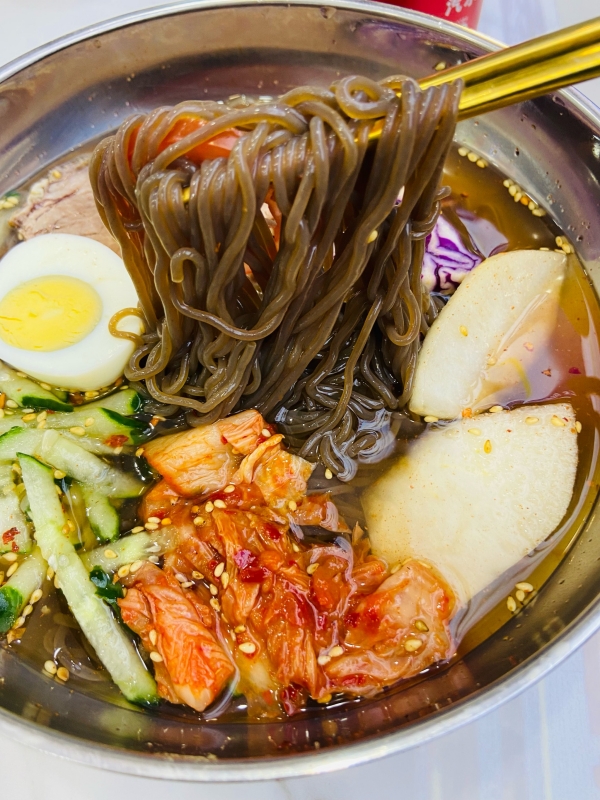
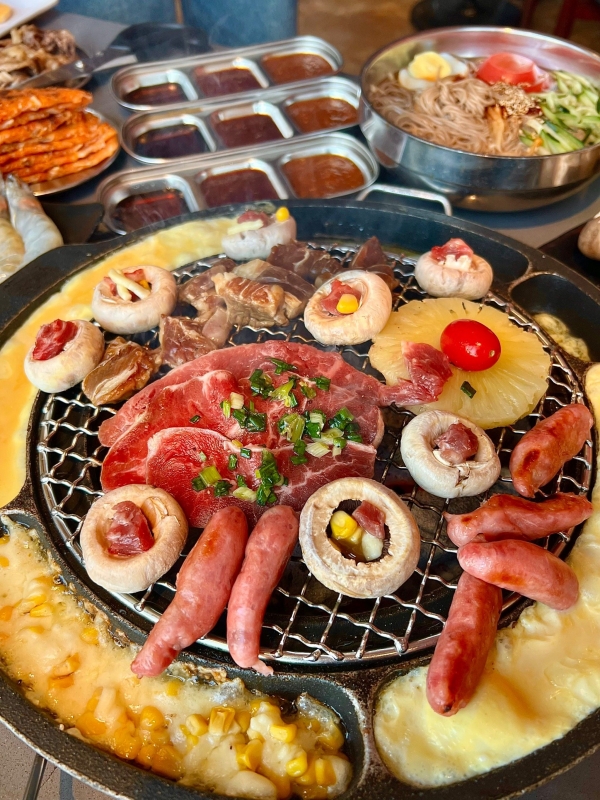
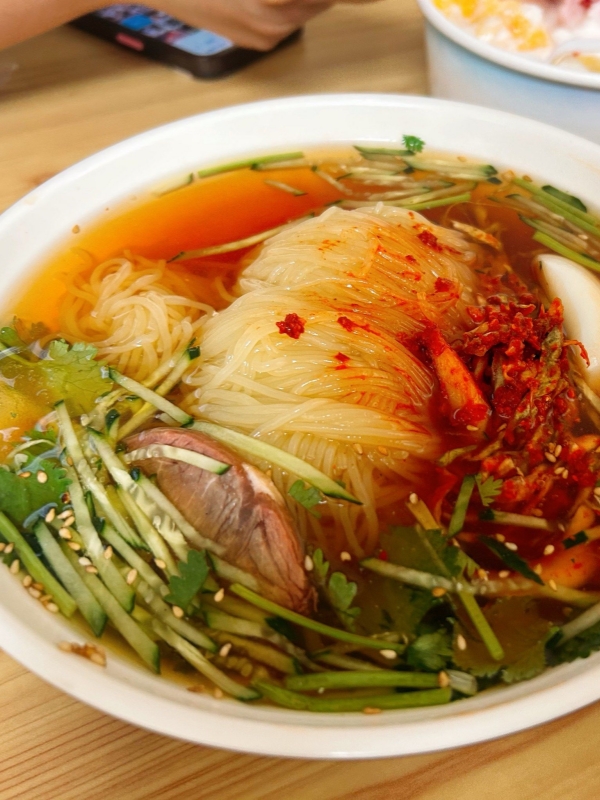
Yanji City serves as China's Korean cultural capital. Street signs display both Chinese and Korean script; restaurants serve authentic Pyongyang-style cold noodles and sizzling Korean BBQ at a fraction of Seoul prices. The Yanbian Korean Folk Village offers traditional performances, hanbok dress-up experiences, and architecture straight from a K-drama. For food lovers, Yanji is paradise—try the legendary Myeongdong cold noodles (¥15) or grilled beef ribs (¥80/serving).
History buffs shouldn't miss the Koguryo (Goguryeo) Royal Tombs near Ji'an—a UNESCO World Heritage Site featuring ancient Korean kingdom ruins dating back 2,000 years. The painted tomb murals rival anything in Egypt.
Liaoning Province — Imperial Glory Meets Coastal Charm
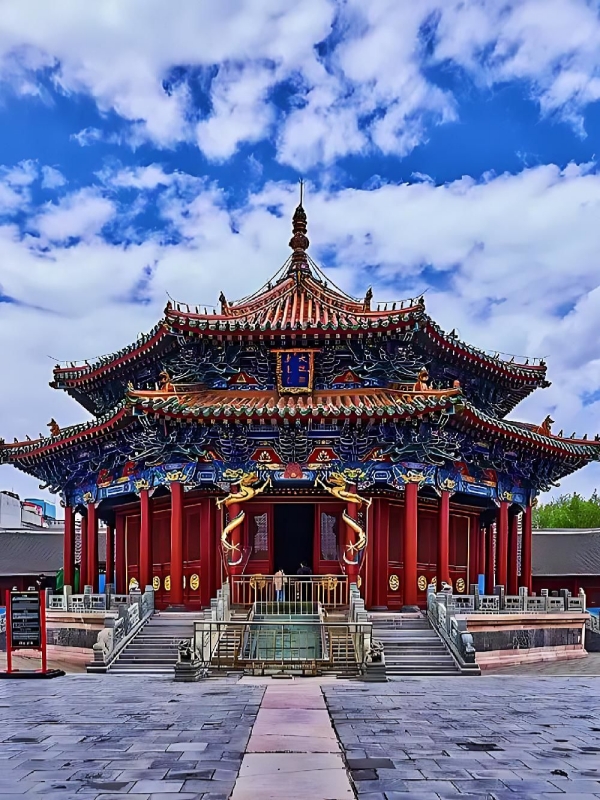
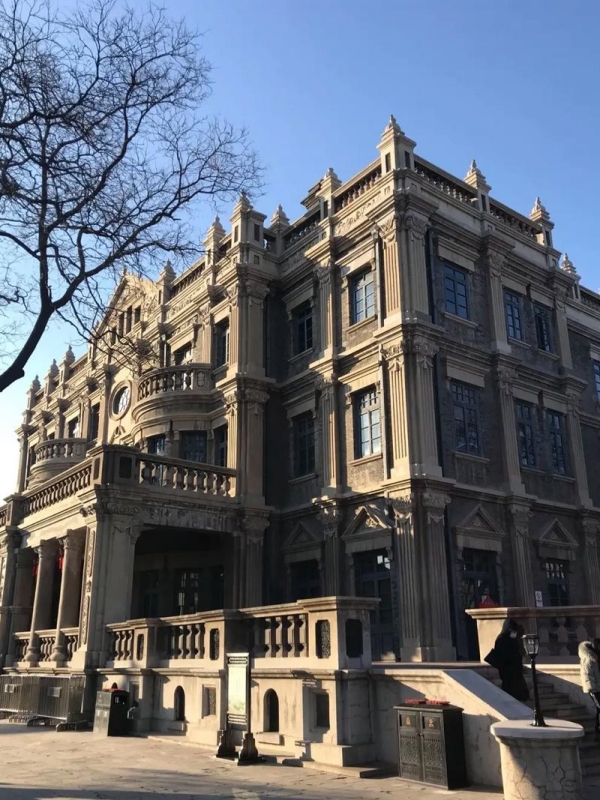
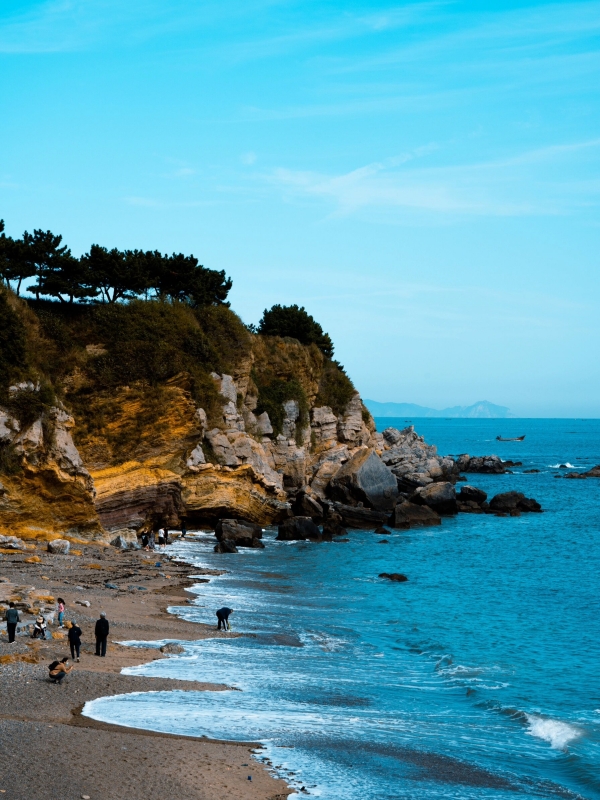
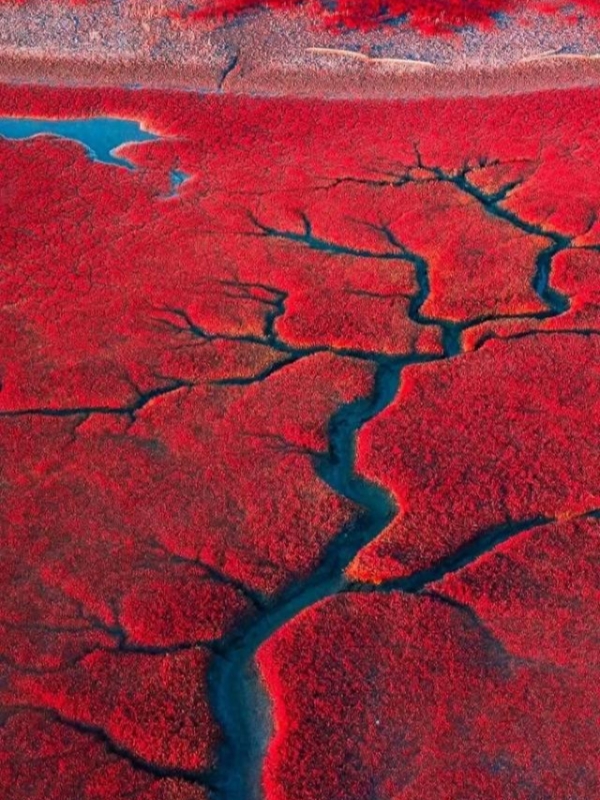
Liaoning bridges Northeast China's wilderness with its coastline. Here you'll find the Qing Dynasty's original imperial palace, dramatic geological formations, and beaches that transform into red carpets each autumn.
Shenyang Imperial Palace — The "Other" Forbidden City
Just prior to their overrunning of Beijing, the Qing emperors built their first Imperial Palace in Shenyang, the only other complete royal complex outside of the capital. It is slightly smaller than Beijing’s Forbidden City, but offers a curious blend of Manchurian, Mongolian, and Han Chinese styles. The octagonal Dazheng Hall, where Nurhachi received court, features a nomadic tent-structure roof. Tickets ¥50; combine with a visit across town to the Liaoning Provincial Museum (free entrance) for a day of Qing Dynasty immersion.
Fans of military history should head to Marshal Zhang’s Mansion, the former home of warlords Zhang Zuolin and his son Zhang Xueliang, known affectionately as ‘Young Marshal’. Xueliang’s dashing car rescued by dragoon and parachute in the 1936 so-called ‘xi’an Incident’ is the stuff of Heroes of from Zhang Zuolin to Mao. Inside the mansion are preserved the private rooms, antique cars, and cherished gardens in which the secretive political meetings took place.
Dalian's Coastal Wonders — Geological Marvels and Ocean Adventures
Golden Pebble Beach (Jinshitan) National Geopark displays 600 million years of geological history. Wind and waves sculpted limestone into fantastic shapes: dinosaurs, castles, camels—earning it the nickname "Frozen Zoo." The coastal trail spans 30 kilometers of photogenic formations.
Laohutan (Tiger Beach) Ocean Park ranks among Asia's largest marine theme parks. Polar bears, beluga whales, and dolphins perform in facilities overlooking the Yellow Sea. It's ideal for families—budget a full day (tickets ¥210-270). Nearby Xinghai Square—Asia's largest public square—offers sunset strolls with sea breezes.
Red Beaches, Underground Rivers, and War Memories
Panjin Red Beach defies expectations. Each autumn (September-October), a rare seaweed called Suaeda salsa turns the wetlands crimson—creating the world's only "red carpet" coastline. Boardwalks snake through the surreal landscape where the red vegetation meets blue sky and migrating cranes. It's genuinely otherworldly; no filter required.
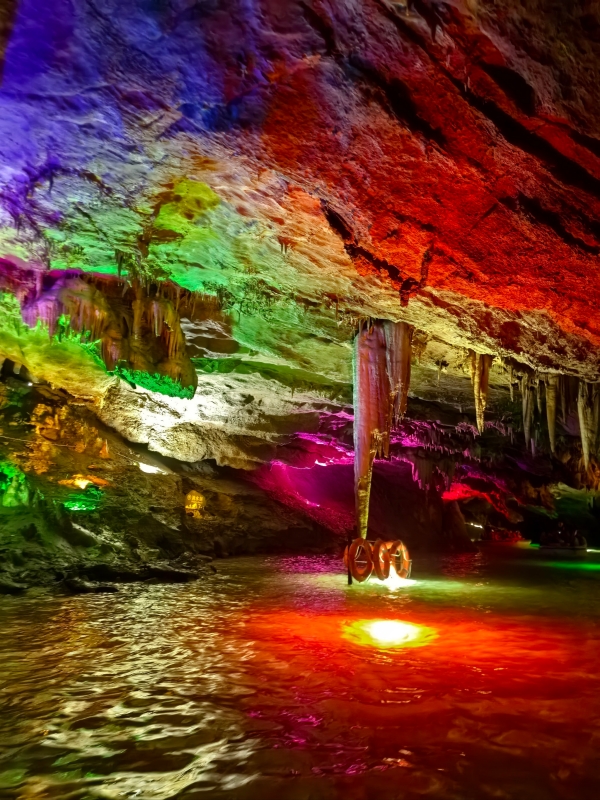
Benxi Water Cave holds Asia's longest underground river open to tourists. Small boats navigate 3 kilometers through stalactite-studded caverns, temperature a constant 10°C year-round. The cave doubles as summer escape from Northeast China's surprising humid heat.
The port city of Lüshun (Port Arthur) witnessed two devastating conflicts: the First Sino-Japanese War (1894-95) and Russo-Japanese War (1904-05). Museums, battlefields, and memorials preserve this heavy history—sobering but essential for understanding modern East Asia.
Northeast China Food — Hearty Dishes Built for Winter
Northeastern cuisine (东北菜) reflects the region's harsh winters: portions are massive, flavors are bold, and warmth comes from within. Forget delicate Cantonese refinement—this is comfort food designed to fuel farmers through -30°C mornings.
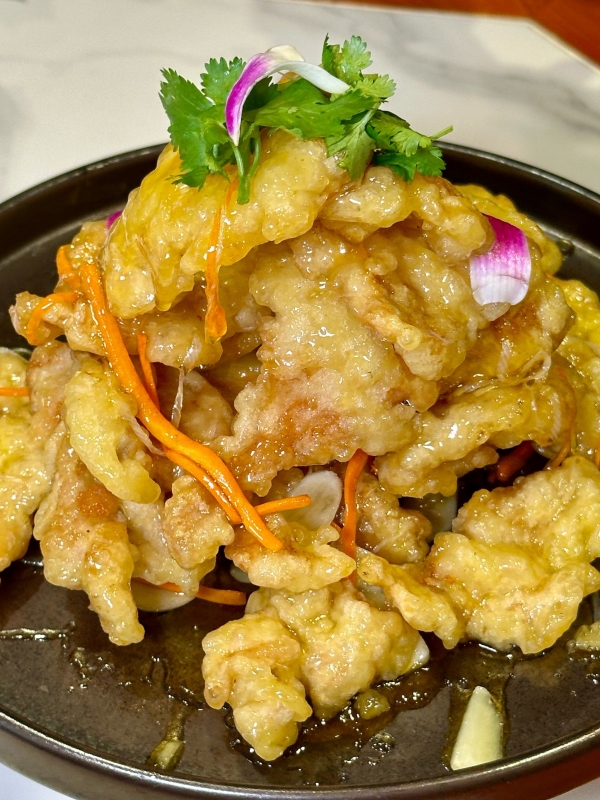
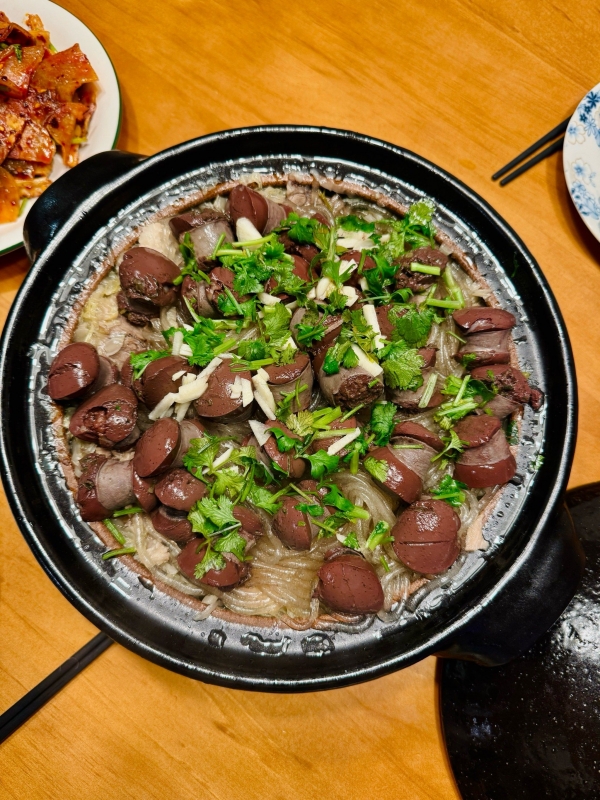
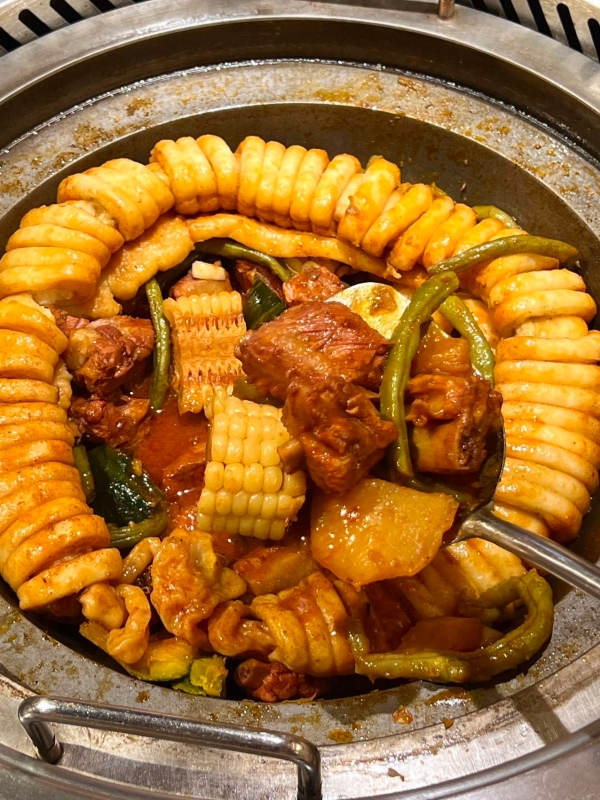
Signature Regional Dishes: This category includes the famously crispy and sweet-and-sour Guobaorou (crispy fried pork), the hearty farmhouse stew Shaguocai (pork, sauerkraut, and blood sausage), and Iron Pot Stew (Tiěguō Dùn), which features entire chickens, fish, or geese simmered in communal cast-iron cauldrons.
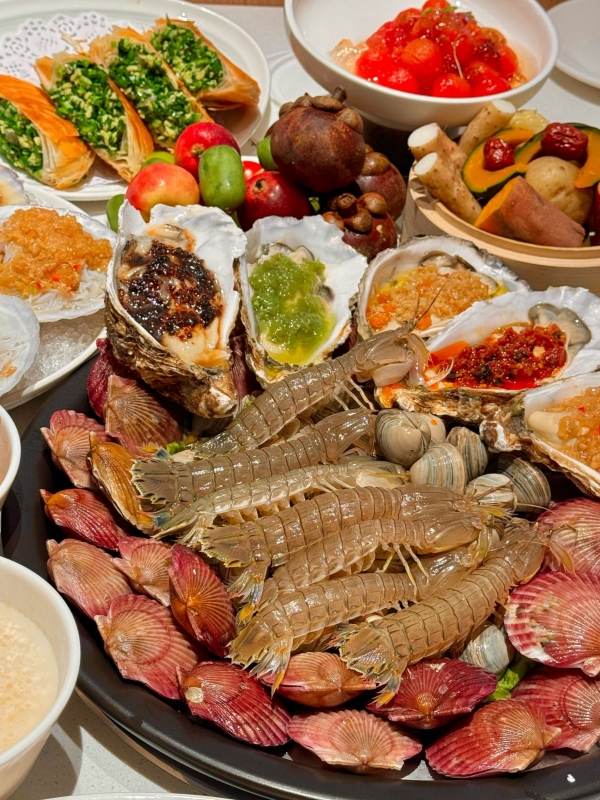
Street Food Highlights: Must-try street foods are Harbin's famous Madier popsicles (eaten outdoors in winter), Yanji's Korean cold noodles (chewy buckwheat in icy beef broth), and Dalian's grilled seafood (scallops, oysters, and sea urchin).
Dining Budget: Expect to budget ¥60–100 per person per meal at local restaurants, though prices in major tourist areas may be double this amount.
Northeast China Weather: Season-by-Season Guide
Northeast China features distinct four seasons with huge temperature variations—from extreme cold winters that shape its iconic ice attractions to cool summers perfect for escaping heat. Understanding its weather is key to enjoying your trip, as each season offers unique charms and requires specific preparations.
| Season | Timeframe | Key Characteristics & Climate | Tourism Highlights |
| Winter | Dec – Feb | Dry, biting cold; heavy snowfall. Harbin avg. -30℃; Mohe can hit -53℃. Coastal areas are milder but windier. | Peak season for Harbin Ice and Snow World, Wusong Island rime, and Chagan Lake winter fishing. Note: Protect electronics from extreme cold. |
| Spring | Mar – May | Short and volatile. Temps rise from -5℃ (Mar) to 15℃-20℃ (May). Frequent wind and occasional "late spring cold" snaps. | Quiet season, ideal for budget travelers. Wudalianchi's volcanic landscapes emerge. Early cherry blossoms in Dalian (late April). |
| Summer | Jun – Aug | Pleasantly cool compared to Southern China. Changbai Mountain 20℃-25℃ (day) and 10℃ (night). Harbin/Changchun avg. 22℃-26℃. | Top summer resort season. Rainfall concentrated in Jul-Aug (afternoon thunderstorms). Visit Tianchi (half-frozen, half-clear) and Benxi Water Cave. |
| Autumn | Sep – Nov | Most comfortable season. Crisp air, low humidity, and clear skies. Temps 10℃-20℃. | Prime time for foliage (Changbai Mountain, Qianshan Mountain) and Panjin Red Beach (Suaeda salsa turns crimson in Sep-Oct). |
Tip for Travelers: Check real-time forecasts before traveling, especially for remote areas like Changbai Mountain and Mohe.
Practical Tips for Surviving Extreme Cold of Northeast China Attractions
Getting There and Getting Around
High-Speed Rail (HSR): The region is efficiently connected by high-speed trains, notably the Harbin-Dalian HSR (哈大高铁), which links all major cities within 4–5 hours; ticket prices range from ¥250–400.
Air Travel: Major airports in Harbin, Changchun, Shenyang, and Dalian provide extensive domestic connections and a limited number of international flights.
Urban Transit: Within cities, travelers can utilize subways (available in Shenyang, Harbin, and Dalian) and popular ride-hailing apps like DiDi.
Remote Areas: For reaching remote attractions such as Mohe or Changbai Mountain, it is recommended to arrange private cars or join organized group tours.
What to Pack for -30°C
| Category | Essential Item | Key Purpose / Notes |
| Layering | Thermal Base Layers & Mid-Layers | Purpose: Core warmth and insulation. Notes: Use moisture-wicking material (wool/synthetic) beneath a fleece or down mid-layer. |
| Windproof Outer Shell (Jacket & Pants) | Purpose: Protection from the elements. Notes: Must be waterproof/water-resistant to block wind and snow. | |
| Extremities | Insulated Waterproof Boots & Wool Socks | Purpose: Foot warmth and dryness. Notes: Boots must be rated for extreme cold; pack extra wool socks (avoid cotton). |
| Balaclava/Ski Mask & Waterproof Mittens | Purpose: Head, face, and hand protection. Notes: Mittens offer superior warmth; a balaclava shields against wind chill. | |
| Tech & Safety | Chemical Warmers & UV Sunglasses/Goggles | Purpose: Safety and comfort. Notes: Warmers provide instant heat and protect batteries; UV protection prevents snow blindness. |
| Spare Batteries/Power Bank & Thermos Flask/First-Aid Kit | Purpose: Power and essential supplies. Notes: Keep batteries/devices warm; flask for hot drinks; kit for basic health and dry skin care. |
Insider Hacks for a Smoother Trip
Attraction Booking: Book major attractions (like Ice and Snow World, Changbai Mountain, and Rime Island) using WeChat mini-programs or official apps; note that English support is currently limited but is getting better.
Crowd Avoidance: Visit major ice festivals and popular spots on weekdays to avoid the crushing crowds typical of weekends.
Language: Learn basic Mandarin phrases, as English is rarely spoken outside of international hotels.
Local Culture: Embrace the local dialect and vocabulary (e.g., gā há (嘎哈) for "what's up" or zá zhěng (咋整) for "what to do")—locals will instantly warm to you.
FAQs: Your Northeast China Attractions Questions Answered
Q: What is Northeast China known for?
A: Northeast China is famous for its spectacular ice and snow festivals, dramatic volcanic landscapes, Manchurian imperial heritage, vibrant Korean-Chinese border culture, unique regional cuisine, and winter sports facilities. It's also China's historic industrial heartland, with a distinct cultural identity shaped by Russian, Japanese, Korean, and Mongolian influences.
Q: What is the number one tourist attraction in Northeast China?
A: In winter, Harbin Ice and Snow World draws the most visitors—it's the world's largest ice sculpture exhibition. Year-round, Changbai Mountain's Tianchi (Heaven Lake) holds spiritual and scenic significance as the region's most iconic natural landmark.
Q: How cold does it get in Northeast China Attractions in winter?
A: Very cold. Harbin averages -18°C in January, with temperatures regularly dropping to -25°C or lower. Mohe, China's northernmost town, can reach -50°C during cold snaps. However, the cold is dry rather than damp, so it feels more manageable than similar temperatures in humid climates. Indoor spaces are well-heated, often uncomfortably warm. The contrast between -30°C outside and +25°C inside takes adjustment.
Q: Do I need to speak Chinese to travel in Northeast China Attractions?
A: English is not widely spoken outside major hotels and some tourist sites. Translation apps like Google Translate or Baidu Translate become essential tools. Download offline language packs before arriving. For trains, use the 12306 app or Trip.com with English interface. Restaurant menus often lack English, but picture menus are common. Some travelers report that younger staff in chain hotels speak basic English, while smaller guesthouses rarely do.
Q: Is Northeast China safe for solo travelers?
A: Northeast China is generally very safe. Violent crime against tourists is rare, and petty theft is less common than in major southern cities. The main risks are environmental—extreme cold requires proper preparation, and icy sidewalks cause falls. Remote areas have limited medical facilities, so travel insurance covering evacuation is wise.
Q: How many days do I need for Northeast China Attractions?
A: For a focused winter trip covering Harbin's highlights and one nearby destination (Snow Town or Yabuli), 4-5 days works well. To explore two provinces (Heilongjiang + Jilin, including Changbai Mountain), plan 7-8 days. A comprehensive tour of all three provinces with major attractions needs 12-14 days.
Q: Are there Northern Lights in China?
A: Technically yes, but don't expect guaranteed sightings. Mohe, China's northernmost point, offers the best chance during winter (December-February) on clear nights with high solar activity. However, the aurora appears relatively faint and infrequent compared to Nordic countries or Alaska. Local tourism boards sometimes exaggerate viewing opportunities. Check aurora forecasts before planning trips specifically for this purpose. Many visitors see the experience as a bonus rather than a guaranteed highlight.