Changbai Mountains
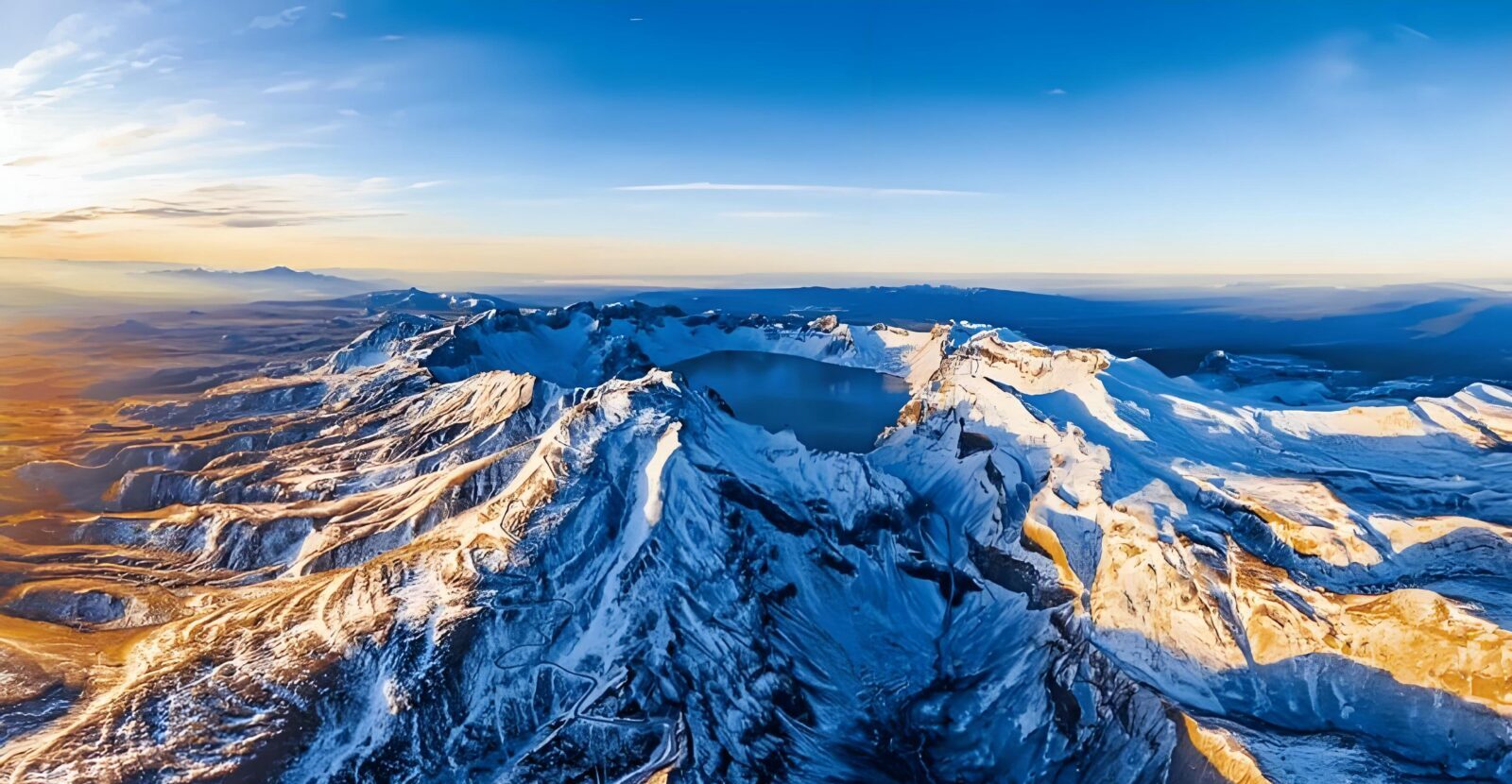
Changbai Mountains -total rarity they are in Northeast China’s natural paradise, they tower up into nearly the northeast corner of Jilin Province, bordering along the country’s border with North Korea. What does Changbai mean? “Eternally white”. The name says all as the maximum peaks remain snow capped for most of the year and white tinted pumice stones adorn the horizon. Sinfully gorgeous for keeping its volcanic magic intact, the most wonderful is Tianchi aka Heaven Lake. It has the honour of resting on the world’s lowest volcanic crater lake. A cultural garden along with being a treat for the eyes!
If you’re wondering how to optimise your trip, the guide that follows has everything you need. We run through the distinctive attractions of its 3 main slopes (North, West and South), and hit up the key destinations; Tianchi, hot springs, and in season skiing or summertime alpine sceneries. No gibbering dosh, just the heads up you’d expect and deserve. Let’s begin!
Overview of Changbai Mountains
| Categories | Key Information |
|---|---|
| 🏔️Name (with Aliases) | Changbai Mountains; Aliases: Eternally White Mountains, Heavenly White Mountains |
| 🗺️Location | Northeastern Jilin Province, China; adjacent to North Korea, with Tianchi as a Sino-North Korean border lake |
| 💰Opening Hours & Tickets | North/West Slopes: Year-round (closed in extreme weather); South Slope: Jun-Oct. Full ticket: Approximately ¥300/person; eco-bus ¥85. North Slope peak off-road vehicle ¥80; West Slope winter snowmobile ¥165 |
| 🌋Elevation & Geology | Tianchi elevation: 2,189.1m. Composite volcano with well-preserved volcanic landforms; 2024 UNESCO Global Geopark |
| ⛰️Slope Overviews | 1. North Slope: Most developed, off-road vehicle to summit, family-friendly. 2. West Slope: 1,442 steps to panoramic Tianchi view, for hikers. 3. South Slope: Quiet, Jun-Oct open, close to border, ideal for photographers |
| 🎎Folk Culture | Sacred ancestral homeland of Manchu ethnic group; integrated with Korean-Chinese culinary & cultural traditions |
| 👥Suitable Crowds | Nature lovers, family travelers, hikers, skiers, photographers, cultural exploration enthusiasts |
| ⚠️Taboos & Warnings | No entry to undeveloped areas; book tickets in advance; prepare warm clothes in winter; abide by border regulations |
Heaven Lake (Tianchi): China's Deepest Volcanic Crater Lake
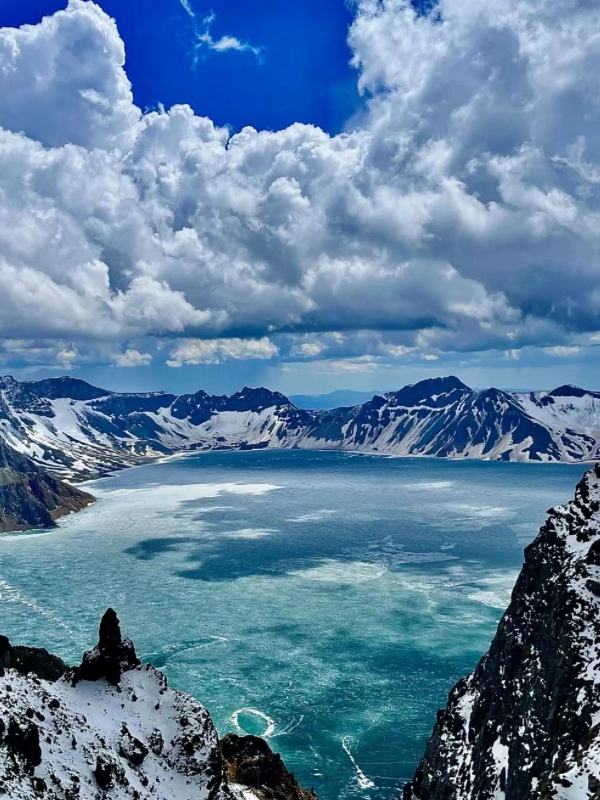
Heaven Lake (Tianchi)
Hidden in the heart of the Changbai Mountains, a dormant volcano crater, is Tianchi (Heaven Lake) China’s deepest volcanic lake, which glows sapphire blue in summer and dazzles as blue ice in winter. At 2,194 meters it is ringed by 16 peaks and straddles the China-North Korea border.
Here’s the magic: Unlike Tianchi Lake in Xinjiang’s Tianshan Mountains, this Tianchi’s full view is a “lucky gift”—only 30% of visitors catch it without cloud cover, as the mountain’s microclimate shifts from sunshine to fog in minutes. But that’s why it’s precious—countless travelers revisit just to see its true glory! Don’t worry: new viewing platforms and warm-up stations with hot water make waiting for clear skies comfortable.
North Slope (Family & Lazy Travelers): Take an off-road vehicle straight to the summit for a dramatic bird’s-eye view—stare down into the crater to feel the volcanic power. Perfect for those who want easy access to stunning scenery!
West Slope (Hikers & Panorama Lovers): Climb 1,442 steps (worth every step!) for the widest, eye-level view of Tianchi’s entire oval surface. Capture postcard shots of blue ice or summer clouds here.
South Slope (Photographers & Quiet Seekers): Get the closest, most intimate view—almost face-to-face with the water. Near the border, it’s less crowded, ideal for winter blue ice shots or summer sunset photos.
Changbai Waterfall and Grand Canyons: Sculpted by Volcanic Forces
-
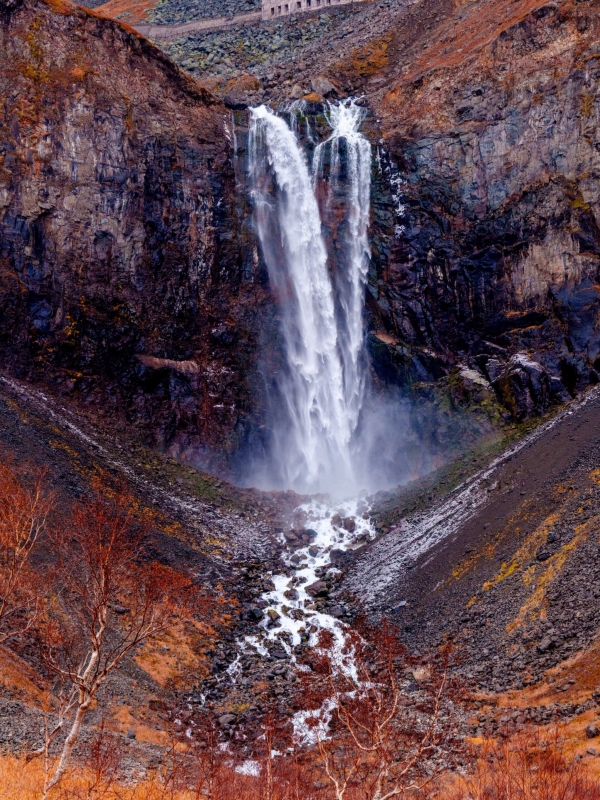

- Changbai Waterfall
-
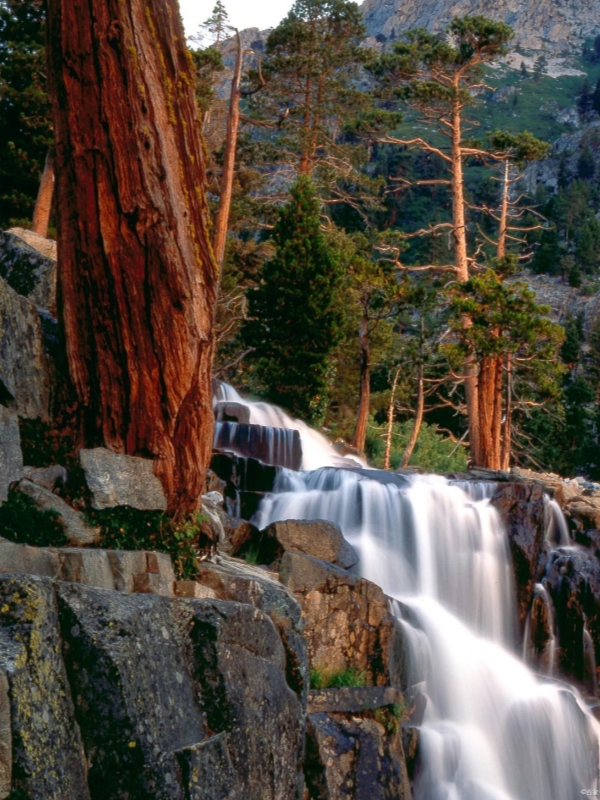
- Jinjiang Grand Canyon
-

- Sable
Changbai Waterfall — The 68-Meter Thundering Giant
Heaven Lake has but one outlet. All that water which lies in the crater pours into a narrow cleft in a cliff and tumbles 68 meters into a gorge below. This is Changbai Waterfall, one of the mightiest cataracts in Northeast China. You can hear its roar 200 meters away and long before you see it.
The falls are on the North Slope and may be easily reached after visiting Heaven Lake proper. A path leads up to the very verge of its base. A spray falls over the area set aside for viewing, and in winter the cascades, which partially freeze, present an unforgettable spectacle when mingled with the icicles hanging from the cliffs.
Jinjiang Grand Canyon — A Volcanic Wonderland on the West Slope
Also in the West Slope region is the Jinjiang Grand Canyon, which runs about 14 km and was carved by volcanic eruptions. This weird gorge is characterized by bizarre rock formations that we find difficult to characterize. The gorge is 80 meters deep with walls 200 - 300 meters apart. Should you choose to walk around the circular boardwalk, you should allow about one hour.
What is special about Jinjiang is the variety of rock formations that line the canyon walls. Some of them are tower-like in form, some look like frozen waves caught in mid-crash. The volcanic origin means that the colours and textures that we see are unlike those found in a sedimentary canyon. Dark basalt against light deposits of ash.
Autumn turns the canyon into a photographer's paradise. The forest turns gold and red while the stark volcanic gorge is dark and dramatic. On crowded days, the length of the gorge means you can find a quiet stretch and, in any case it is one of the better places in the Changbai Mountains to consider the geological history of the region.
Yalu River Grand Canyon — Raw and Untouched on the South Slope
After seeing Jinjiang, you might want to head west to the South Slope. Rivers carve out their own canyons. This south slope of the Yalu sees fewer visitors than its Jinjiang counterpart. It still feels untamed. The cliffs seem scraggly with plants growing out of seams in the rocks. The trees and foliage remain dense. Nature won’t have her domain disturbed much.
Here is the source of the Yalu! China and North Korea is the border that eventually ensues. Knowing you are stand in the very source might add to the timeless beauty of the canyon. It is remote, but that only means that you might catch a deer or rare bird that shy away from more populated areas. An early morning jaunt sometimes has rewards!
Summer and Autumn Highlights: Alpine Gardens and Ancient Forests
-

- Alpine Flower Gardens
-
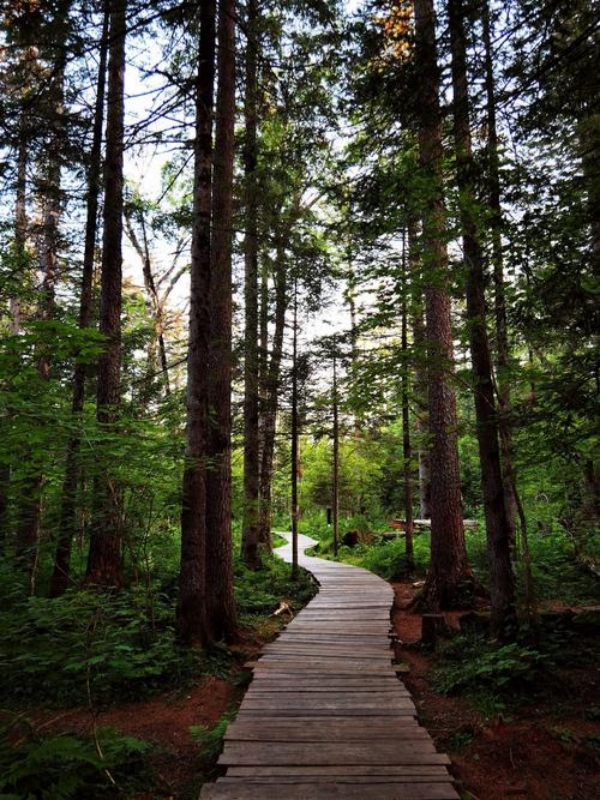
- Valley Forest
-
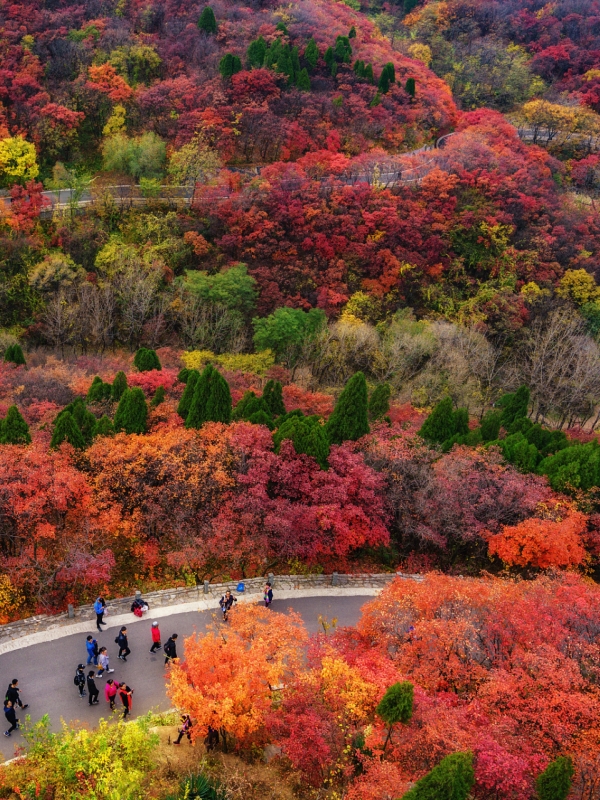
- Autumn Foliage
Alpine Flower Gardens — The Sky Gardens of Changbai
Every July and August, the West Slope appears in a riot of color. The Alpine Flower Garden, Wangchi Garden, and Iris Garden bloom with thousands of wildflowers in white, red, yellow, purple and pink. Changbai’s “Sky Garden,” as the high altitude meadows are known locally, offer some of the most scintillating displays of wildflowers in Northeast Asia.
Strolling on wooden boardwalks through flower meadows takes about two hours. You encounter species not found in your comunes. White, red, yellow, purple and pink blooms spread in all directions. The thin mountain air carries sweet fragrances. Many photographers camp out overnight in order to catch the light at dawn on the petals.
Valley Forest — Walking Among Ancient Giants
The Valley Forest on the North Slope is an interesting geological curiosity. Because of volcanic activity, the ground collapsed, dropping an entire forest into the ground some 50-60m below the surrounding terrain. You walk along the rim looking down at treetops, or take boardwalks down to the forest floor where you’re walking amongst massive ancient trees. The locals sometimes call the forest “Underground Forest”, even though it’s at least open to the sky.
There are extraordinarily high concentrations of negative ions in the forest. Some people come here just for the air supply. I’m not sure if you believe in that kind of air therapy – I can’t really say that I do myself – but taking slow deep breaths when walking around the forest I found it quite refreshing. Even on hot days in summer, it’s certainly much cooler in this forest, making it a great midday retreat.
Lvyuan Pond, nearby, the “Little Jiuzhaigou”, after the famous park in Sichuan, with its emerald waters reflecting the vegetation around it in undisturbed, mirror-like beauty from its surface, is fed by a small waterfall. Together, they make up a most splendid half-day walk in the Changbai mountains.
Autumn Foliage — When the Mountains Turn Golden
Mid-September through early October brings autumn colors to the Changbai Mountains. The phenomenon called "Five-Flower Mountain" occurs when different tree species change color at different rates. The result is a patchwork of reds, oranges, yellows, and lingering greens spreading across entire mountainsides.
The South Slope offers the most dramatic autumn displays since it receives fewer visitors and maintains more pristine forests. The mixed pine and birch forests create particularly striking color contrasts. Photographers prize this season for its soft light and vibrant landscapes. Book accommodations well in advance if visiting during peak foliage weeks.
Winter Adventures: Hot Springs, Skiing, Rime Rafting and Frozen Forests
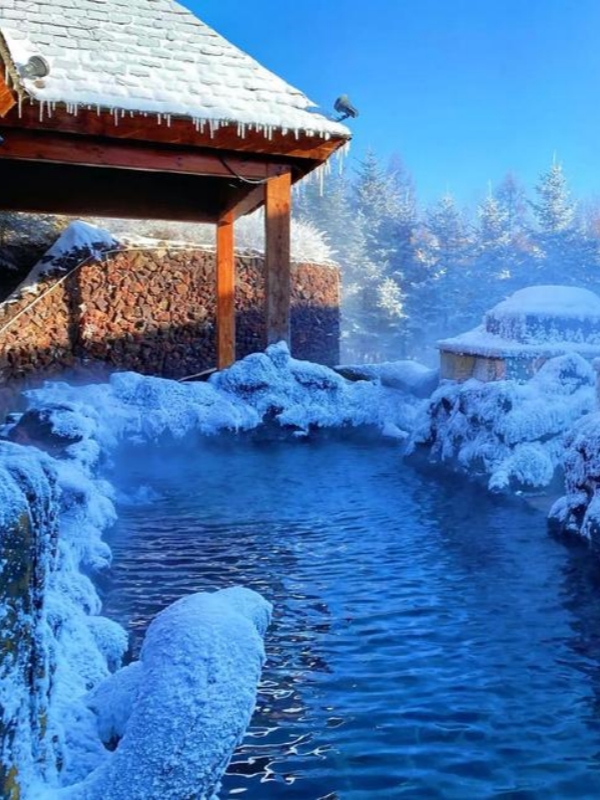
Julong Hot Springs — Taste Eggs Cooked by the Earth
Just below the magnificent Changbai Waterfall lies Julong Hot Springs, a cluster of geothermal vents where water bubbles up at temperatures exceeding 60°C (140°F). The sulfurous steam rising from dozens of springs creates an otherworldly atmosphere, painting the surrounding rocks in shades of gold, blue, and rust.
Don't leave without trying the famous hot spring eggs — a local delicacy that costs just 10 yuan for three. The unique cooking method produces eggs with fully set yolks but silky, custard-like whites. It's a simple pleasure that somehow tastes better when you're standing amid volcanic steam at 2,000 meters elevation.
Bring your own swimsuit since not all facilities provide rentals. The best time for outdoor bathing is early morning when steam creates dramatic photo opportunities. Many visitors consider this hot spring experience the highlight of their winter trip to the Changbai Mountains.
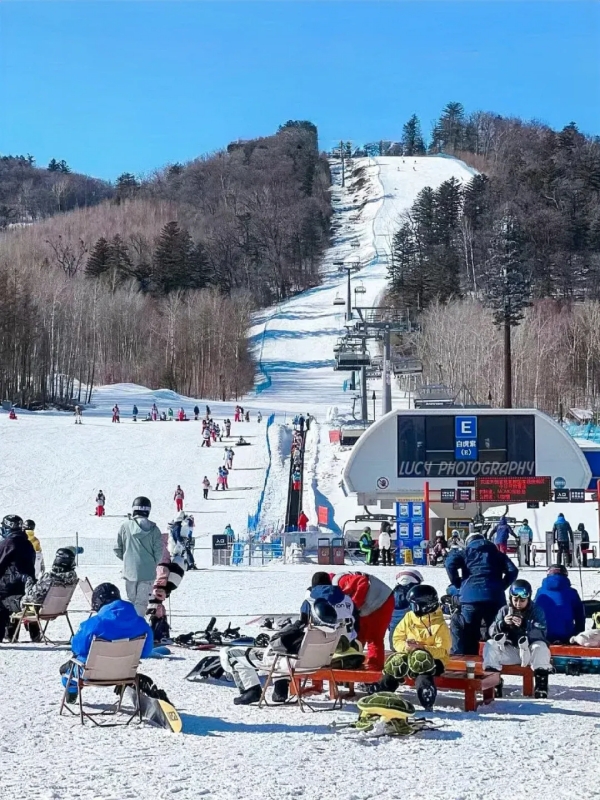
World-Class Ski Resorts at Your Doorstep
Wanda Changbaishan International Ski Resort has made this area a major winter destination for a new generation of skiers. Designed for the Zhaoyang district by Ecosign – the same company responsible for several Olympic venues – the resort packs in 43 trails over 30 kilometers, whose snow season runs from mid-November to early April (up to 150 days). The resort can handle up 8,000 skiers at a time, with terrain for newbies and master powderhounds.
A slightly more low-key skiing experience can be had at the Heping Ski Resort, located at 1,034 meters and featuring gentler slopes for beginner and intermediate skiers. Equipment rental and instruction in Chinese are available at both resorts, though English-speaking guides can be arranged through tour operators.
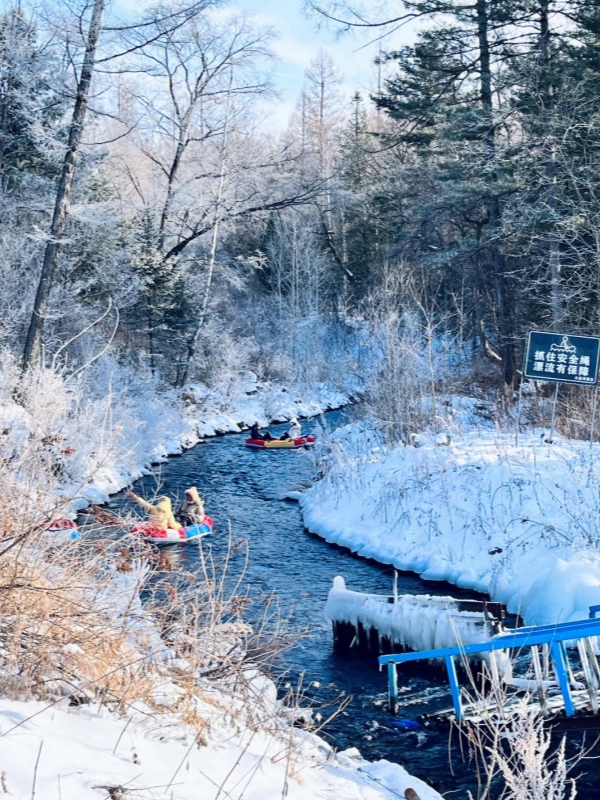
Rime Rafting — Floating Through a Frozen Fairyland
One of the most exotic winter experiences in the world awaits on the West Slope. The Lushui River flows with volcanically heated hot spring water that never freezes even in the coldest months while trees along both banks are encrusted with rime ice, creating an almost fairyland-like sparkling white tunnel through which you float in a rubber raft.
The rafting experience takes 40 minutes to an hour depending on conditions. The air temperature might hit minus 30 degrees, yet the water below your raft remains between 6 and 8 degrees. Any splash freezes almost immediately onto the surface of the boat. The combination of warm water and frozen landscape becomes the basis for the most surreal of photography not found anywhere else.
Unique Snow Activities Beyond Skiing
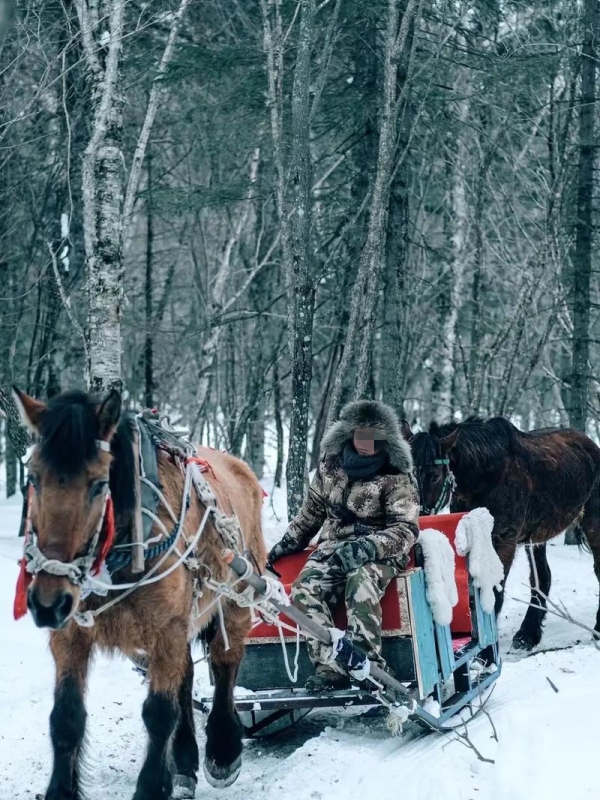
Changbai's winter offerings extend far beyond the slopes: snowmobile adventures through pristine forests, traditional horse-drawn sled rides, and winter ice fishing in frozen lakes. At Naitoushan Village, you can experience a tractor-pulled sled ride — a traditional local transport method that's equal parts thrilling and hilarious. The village also offers authentic winter fishing experiences where you can catch your lunch through holes drilled in the ice.
Authentic Local Flavors: What to Eat in Changbai Mountains
Korean-Chinese Fusion Cuisine
The Changbai Mountains region is home to one of China's largest Korean ethnic minority populations. Their culinary traditions blend with northern Chinese cooking to create distinctive dishes you will not find elsewhere. Erdaobaihe Town, the main gateway to the North Slope, offers dozens of authentic Korean-Chinese restaurants.
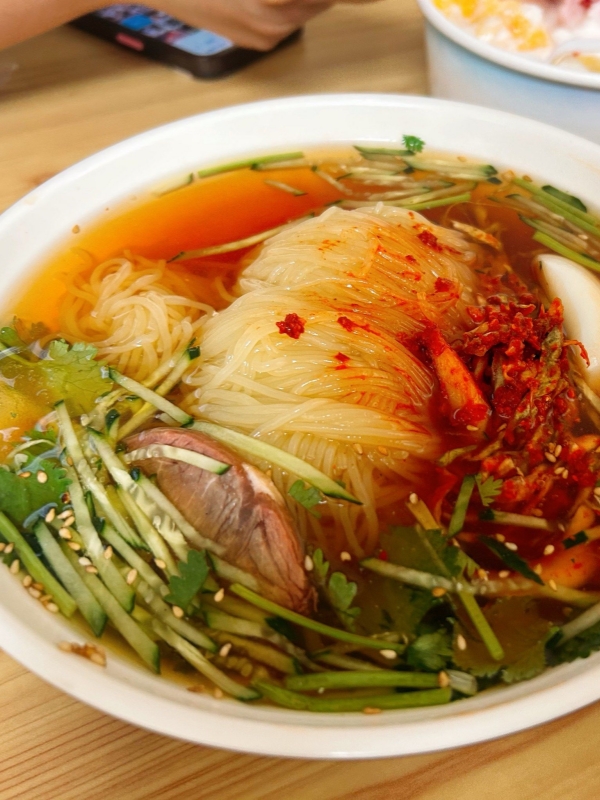
Cold noodles rank as the signature dish. Thin buckwheat noodles float in an icy beef broth with pickled radish, cucumber, and boiled egg. The refreshing taste perfectly counters summer heat. Dapao, or rice cakes, provide chewy sweetness. Kimchi here tastes different from Korean versions, with more emphasis on crunch and garlic.
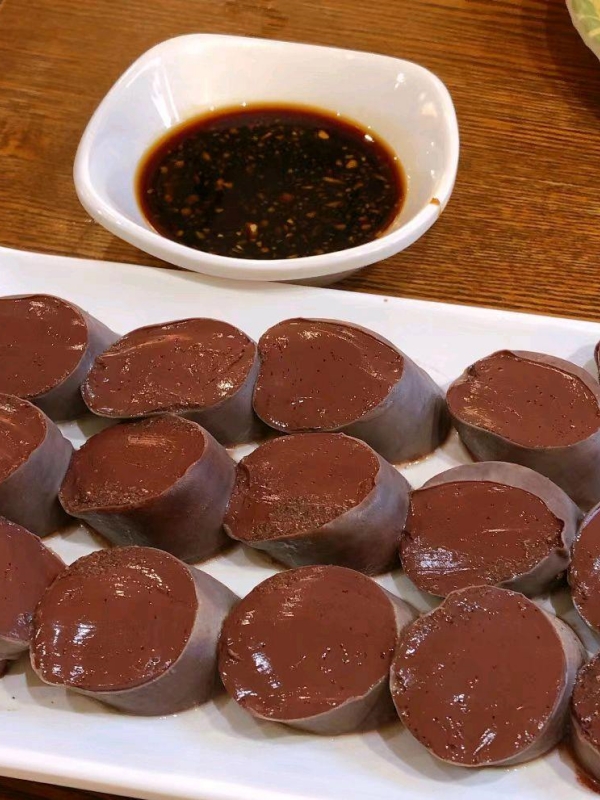
For adventurous eaters, try sundae, a blood sausage stuffed with glass noodles. It sounds intimidating but offers mild, savory flavors. These cultural crossover dishes reflect the Changbai Mountains position as a borderland where traditions merge and evolve.
Mountain Delicacies You Cannot Find Elsewhere
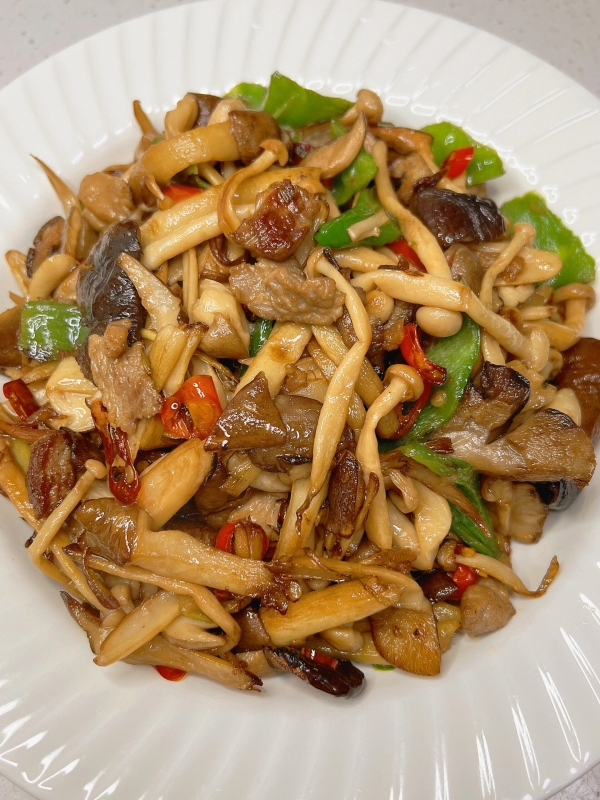
The forests around the Changbai Mountains give rise produce to ingredients that are found all over China, wild mushrooms, pine nuts, and medicinal herbs. Local restaurants have incorporated them into memorable dishes. The “Tieguo Dun” is an iron pot stew, made from cold-water fish caught locally and forest mushrooms into a bubbling broth.
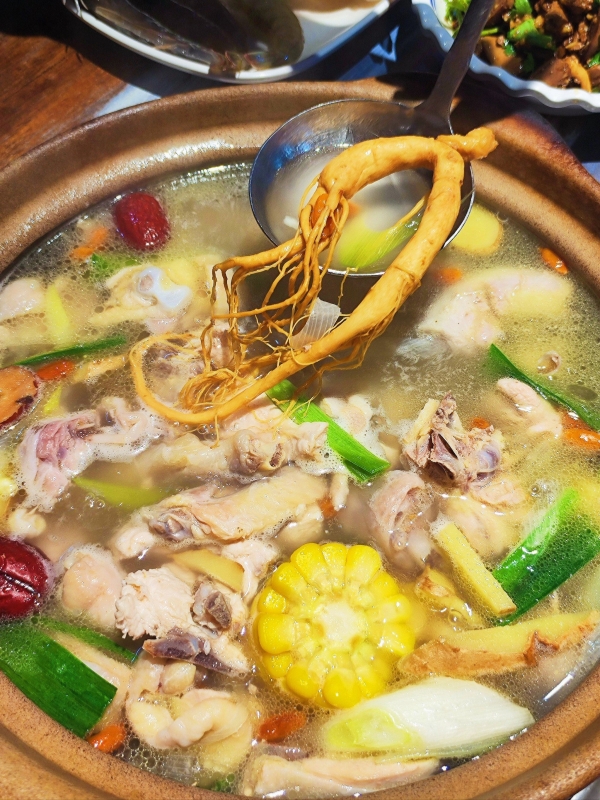
Ginseng chicken soup is another worthy cousin, which the ingredients that the region produces some of China’s best wild Ginseng, SLOW stewed with free-range chicken is very nutritious, and the meat absorb the complex flavors of the herby root. Locals regard this as an essential winter food. You will have to get used to the earthy and somewhat bitter taste of the ginseng if you have never tasted it before.
Practical Tips for Foreign Travelers About Changbai Mountains
How to Get to Changbai Mountains
By Air (Changbaishan Airport): This is the closest air connection, ideal for the West Slope (only $17text{ km}$ away). Direct flights are available from major cities like Beijing ($2$ hours) and Shanghai ($2.5$ hours). Reaching the North Slope from the airport requires a $2$-hour drive.
By High-Speed Rail (Changbaishan Railway Station): High-speed rail connects to major northeastern cities like Harbin ($4$ hours), Changchun ($2.5$ hours), and Beijing ($7.5$ hours). The station is about $40$ minutes by car from the North Slope entrance, making it a good option for regional sightseeing.
By Private Car Services: Hiring a private driver offers the most flexibility for exploring multiple slopes and eliminates navigation stress. Local tour operators and hotels can arrange reliable drivers who are familiar with the mountain roads.
Ticket Prices and Opening Hours
| Aspect | North Slope & West Slope | South Slope | General Advice |
| Combined Ticket Cost | Approximately ¥300 per person (includes entrance and scenic shuttle bus). | Tickets are limited and often require booking days in advance. | Prices may vary slightly by season. Purchase tickets through official channels. |
| North Slope Surcharge | An additional ¥80 fee for the mandatory off-road vehicle ride up to Heaven Lake. | Follows strict schedules and designated routes. | Check the official tourism website for current operating status and booking rules. |
| Operating Hours (Typical) | Gates typically open at 6:30 AM and close at 3:00 PM. | Operates under special regulations. | Arrive early (at opening time) to get the best chance for clear views and to avoid the peak crowd time (9:00 AM to noon). |
What to Pack and Wear
Layering for Rapid Weather Changes: The mountain weather changes quickly year-round. Even during summer (when valleys are warm), temperatures at the summit can be below 25℃. Minimum packing essentials should include a light waterproof jacket, long pants, and sturdy walking shoes.
Extreme Cold Gear for Winter: Winter requires serious preparation, as temperatures often drop below -30℃. You must bring full cold-weather gear, including thermal underwear, a quality down jacket, fleece-lined pants, a wool hat, insulated gloves, and snow boots with good grip.
Year-Round Essentials & Gadgets: Regardless of the season, remember to pack sunscreen and sunglasses (due to high-altitude UV). Other necessary items are a small backpack with snacks, plenty of water, a swimsuit (if visiting hot springs), and a waterproof phone case. A power bank is crucial, especially in winter, as cold quickly drains electronic device batteries.
Frequently Asked Questions About Changbai Mountains
Q: What is Changbaishan famous for?
Changbaishan is famous primarily for Heaven Lake (Tianchi), China's deepest volcanic crater lake surrounded by sixteen peaks. The region also draws visitors for Changbai Waterfall, natural hot springs heated by underground volcanic activity, and world-class ski resorts with over 40 runs. UNESCO recognized it as a Global Geopark in 2024. Beyond natural attractions, the mountains hold profound cultural significance as the ancestral homeland of the Manchu people and a sacred site in Korean tradition.
Q: What does Changbai mean in English?
The name "Changbai" directly translates to "Eternally White" or "Forever White Mountains" in English. This poetic name reflects the reality that snow covers the peaks for much of the year. Even during summer months, patches of white remain visible on the highest ridges.
Q: When is the best time to visit?
Summer (July-September) offers the best chance to see Heaven Lake clearly and enjoy alpine flowers. Winter (December-March) is ideal for skiing, hot spring bathing, and rime ice experiences. Autumn (mid-September to early October) showcases stunning foliage.
Q: Can I see North Korea from Changbai Mountains?
Yes, you can see North Korea from several points in the Changbai Mountains. Heaven Lake itself straddles the border, with the eastern portion belonging to North Korea. From the South Slope, you can approach border markers where one step literally crosses into North Korean territory, though you cannot proceed further.
Q: How many days do I need?
A minimum of two days allows you to explore either the North or West Slope thoroughly. Three to four days work better if you want to visit multiple slopes or add activities like skiing and hot spring visits. Five days permit a comprehensive experience including all three slopes during the South Slope open season. Winter travelers often extend stays to enjoy multiple days of skiing.
Q: Is Changbai Mountain open to foreigners?
Yes, Changbai Mountain is fully open to foreign visitors on the Chinese side. No special permits are required beyond standard Chinese tourist visas. All three slopes (North, West, and South during its operating season) welcome international tourists. The eastern portion of the mountain lies in North Korea and requires separate arrangements if you wish to visit from that side.
Q: Is Changbai Mountain the most beautiful mountain in China?
Beauty rankings remain subjective, but Changbai Mountain consistently appears among China's top ten famous mountains alongside Huangshan, Taishan, and Emeishan. What distinguishes Changbai is its volcanic origin, which creates landscapes dramatically different from other Chinese mountains. The combination of crater lake, cascading waterfalls, geothermal features, and four-season appeal makes it uniquely versatile.