Rime Rafting at Changbai Mountains
If jaw dropping winter landscapes and epic, edge-of-the-map adventures appeals to you, northeast China travel should be top of your travel list. Known as Dongbei in Chinese, this region contains the three provinces of Heilongjiang, Jilin and Liaoning. From the world’s biggest ice festival at Harbin to volcanic hot springs with snow bunnies in the off season, the northeast has something for every kind of traveler. Snow-goers, we’re talking about the world’s biggest snowmen, trolling for rare stag beetles in snow, skiing, and tigers in snowy forests. Culture-seekers, be prepared for a fascinating mix of Manchurian culture.
In this northeast China travel guide I’ll be covering when to visit, which attractions to include in your northeast China itinerary, how get around at the most efficient, and what foods in northeast China you can’t miss along the way. I’ve touched base with real travelers for tips, update the 2025 visa policies, and gathered together cyber-docs that most of your travel guides miss. Ready to plan your Dongbei trip? Let’s go!
Best Time to Visit Northeast China: Winter Magic vs Summer Escape
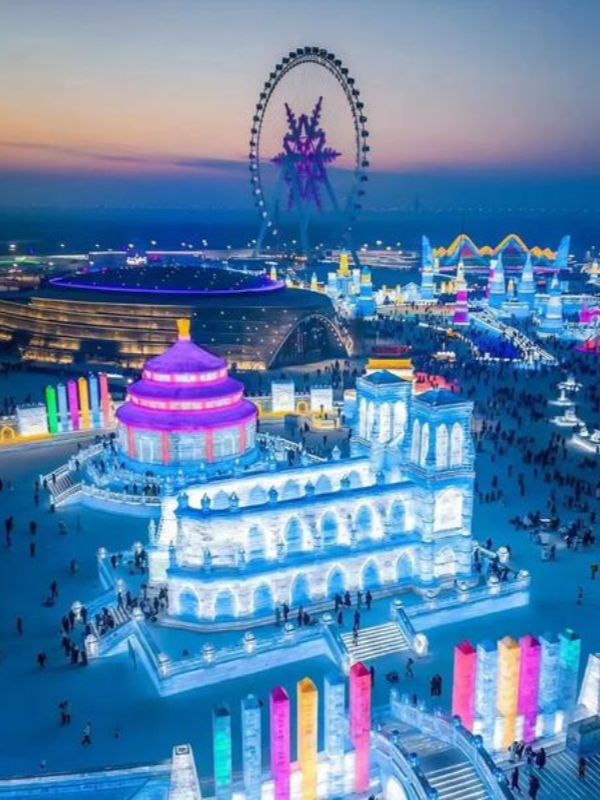

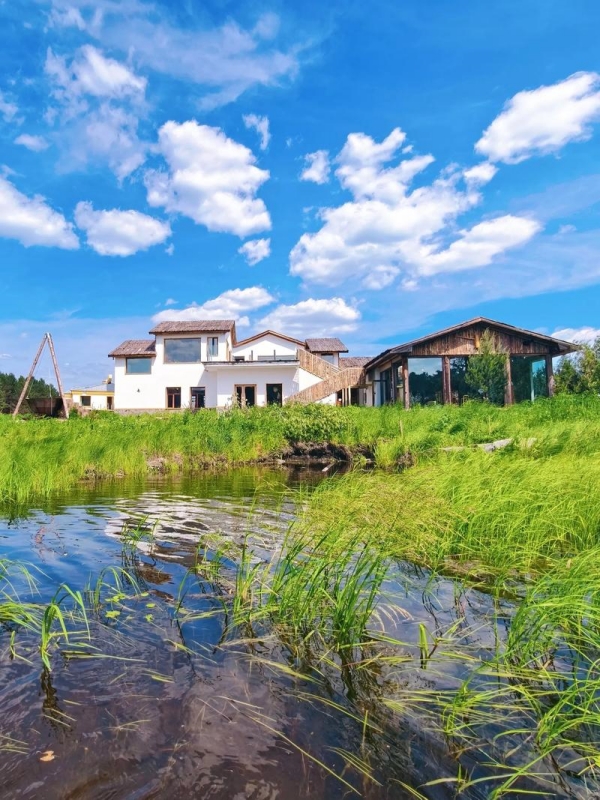
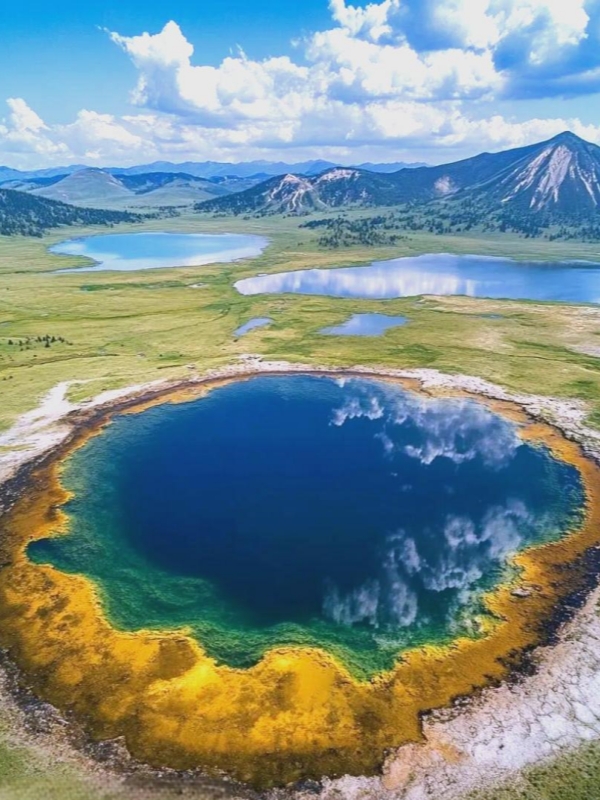
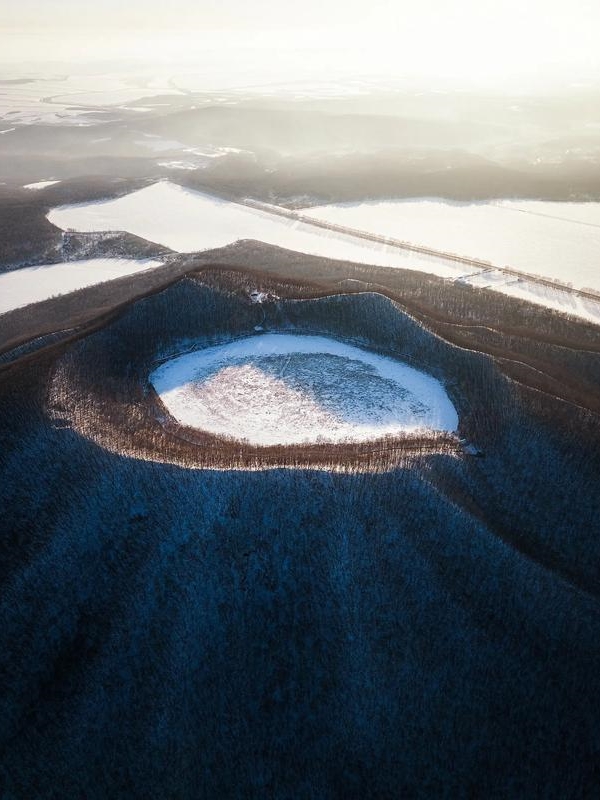
Here's the thing about timing your northeast China travel—The region offers two distinct seasons that attract different types of travelers. Winter transforms the landscape into a frozen paradise. Summer reveals lush forests and pleasant temperatures perfect for outdoor adventures.
Winter Season (December – February)——Frozen Wonderland
Winter is when northeast China really comes to life. Tickets for Harbin Ice and Snow World, which runs from late December through to late February, costs 280 yuan (about forty dollars). It’s like a scene ripped from a fantasy film. You’ll be taken aback - at temperatures regularly plunging to minus twenty or even minus thirty.
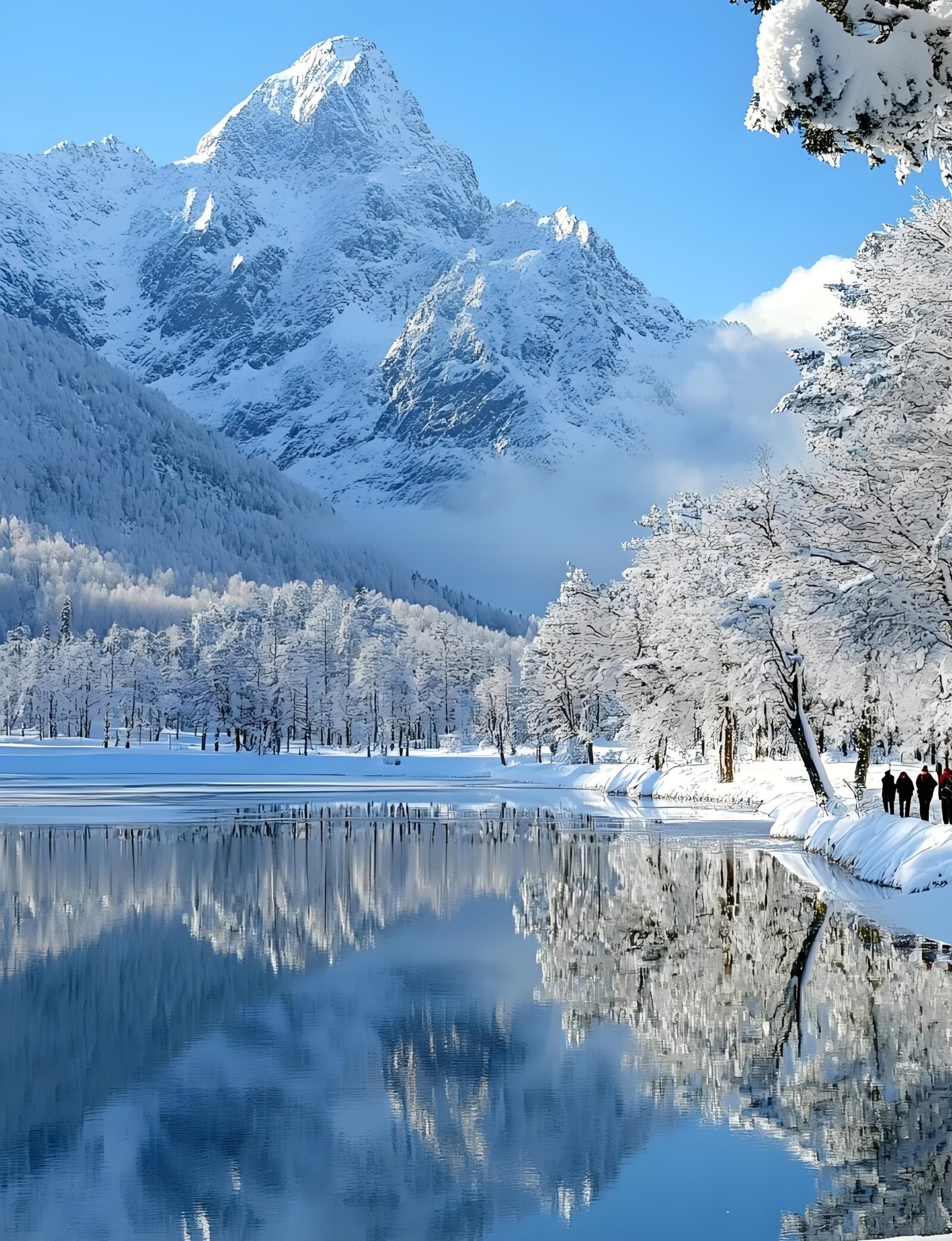
You can see the aurora borealis in Mohe, the northernmost town in the country, from November to February. You can snap that Instagram post with the “splash water into ice” phenomenon here, when temperatures drop below minus forty! Based at Yabuli Ski Resort, the International Ski Federation World Cup 2025 means this location now has a global stamp on it. Korean traveller Kim Ji-yeon wrote on TripAdvisor, the snow is “soft powder similar to Hokkaido's powmotown at a third the price.
Summer Season (June – August)——The Cool North
Summer is a whole different travel experience in northeast China. Average temperatures around twenty degrees Celsius are quite pleasant, and this time of year is much desired by those sicKe of the incessant heat of southern China. Mohe’s Arctic Village is objectively niCe when the rest of China is sweltering beyond thirty-five degrees. It is in summer that Changbai Mountain reveals its beautiful crater lake, Tianchi, which is way dimly draped in fog almost all the other nigging months of the year. It’s in summer that you stand the best chance of actually seeing it.
The Wudalianchi Geopark in summer is today beckoning hiking traffic as multi-kilometer hiking tracks snakelike through the once biding volcanic rocks. You could be walking about third century lava beneath a shroud of vapours. The earth is carpeted with trees and you’ll likely join the locals seasonally in fishing and or literally bathing in mineral springs like the cold water rhapsodies that dot nearby.
Province by Province: Mapping Your Northeast China Journey
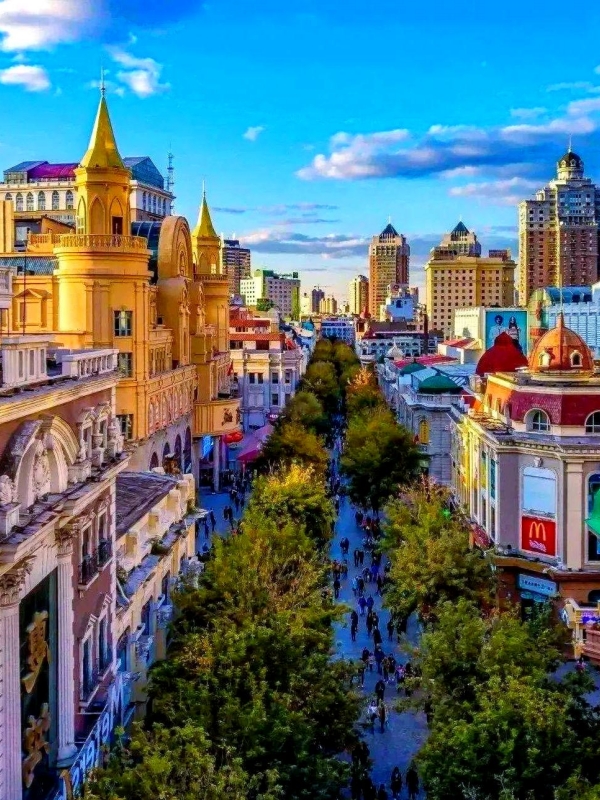
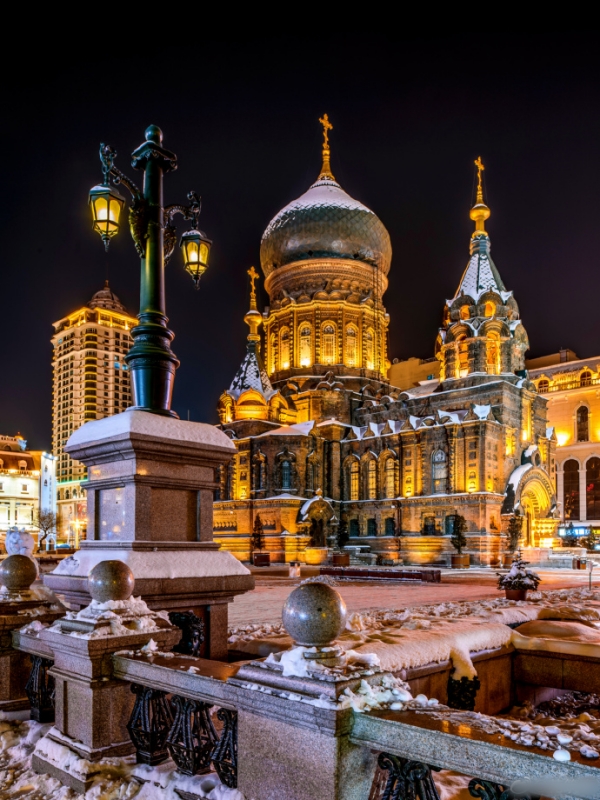
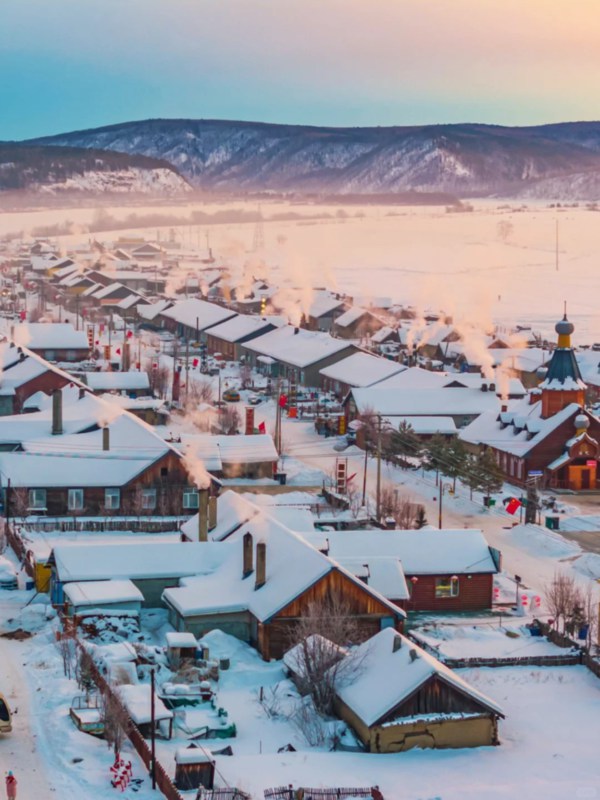
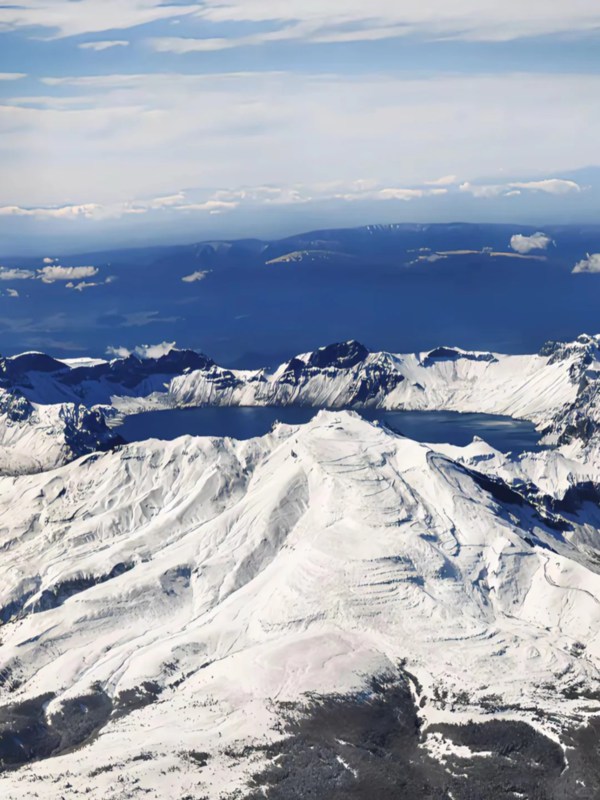
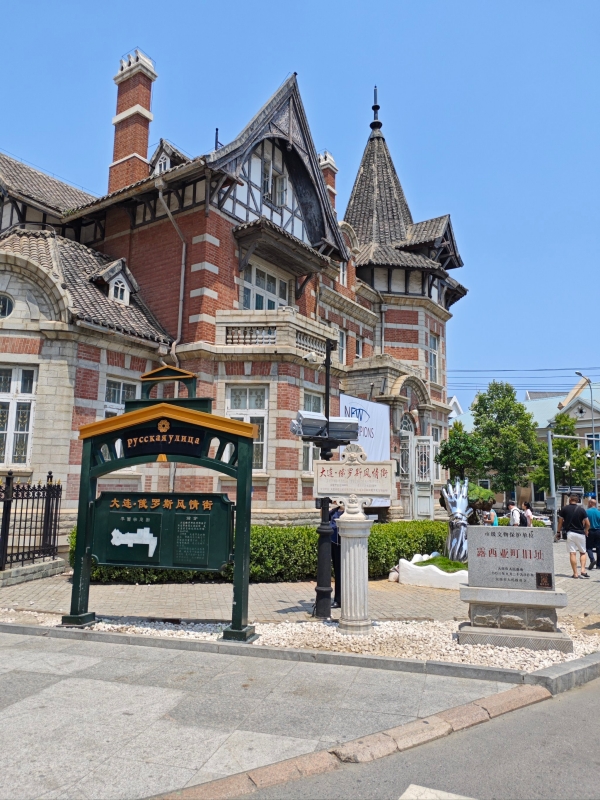
Northeast China comprises three provinces, each with distinct attractions. Understanding these regional differences helps you plan the perfect northeast China travel itinerary. Whether you seek ice sculptures, volcanic landscapes, or imperial history, you will find it here.
Heilongjiang: From Harbin's Ice Kingdom to China's Arctic Edge
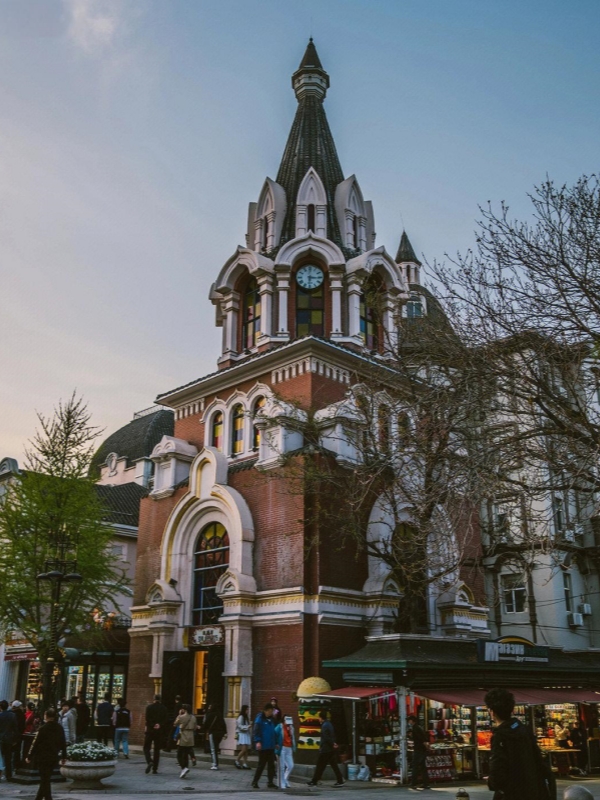
Harbin serves as the gateway for most northeast China travel itineraries. Find somthing to do in Harbin and dive into Ice City’s Multicultural Charm. Zhongyang Street, the main pedestrian boulevard, features Russian-style architecture dating back to the early twentieth century. Saint Sophia Cathedral offers a free light show every evening, projecting colorful patterns onto its Byzantine domes. The 2025 Ice and Snow World introduces new immersive light shows and interactive installations.
Mohe Arctic Village sits at China's northernmost point. It remains the country's only location where you might witness the northern lights. The "Most Northern Post Office" has become a must-visit landmark where you can send postcards stamped with a unique Arctic postmark. The Snow Train K7041 connects Harbin to Mohe, with sleeper tickets costing around two hundred yuan for the overnight journey.
Heihe sits directly across the river from Russia's Blagoveshchensk. The border crossing takes just two minutes for approved travelers. The morning market sells egg burgers for eight yuan, a local breakfast favorite. This twin city experience adds an international dimension to your northeast China travel adventure.
Jilin: Where Sacred Mountains Meet Korean Heritage
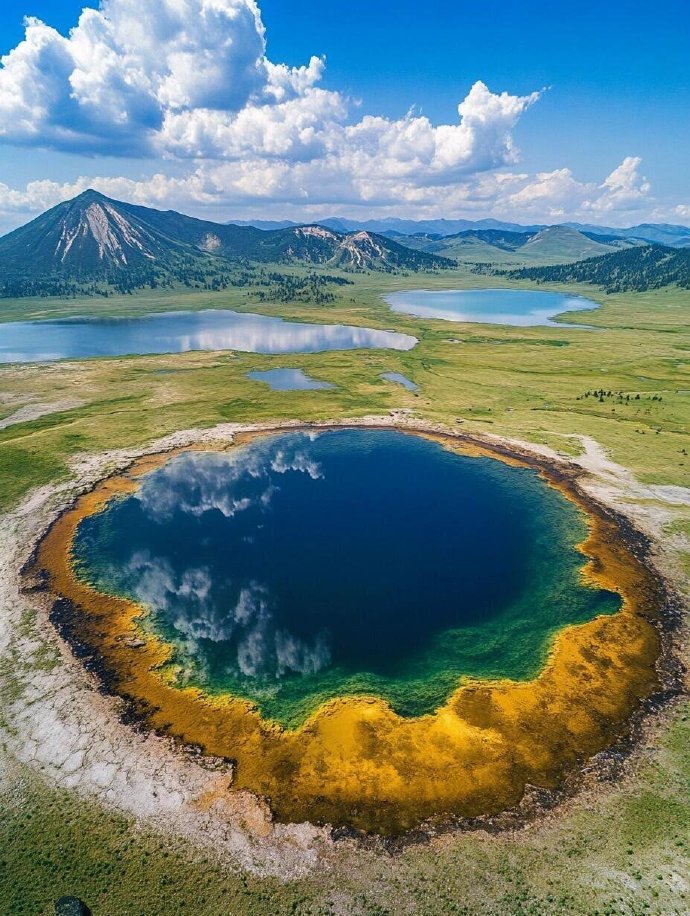
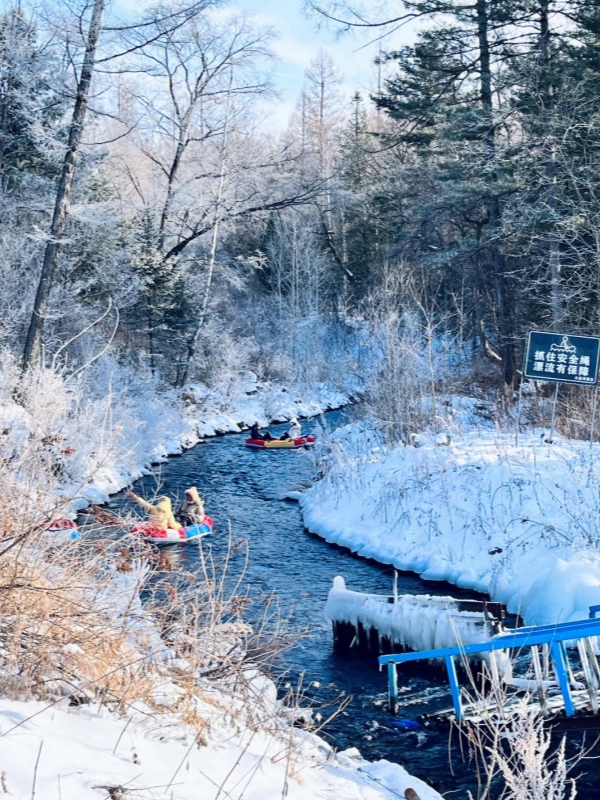
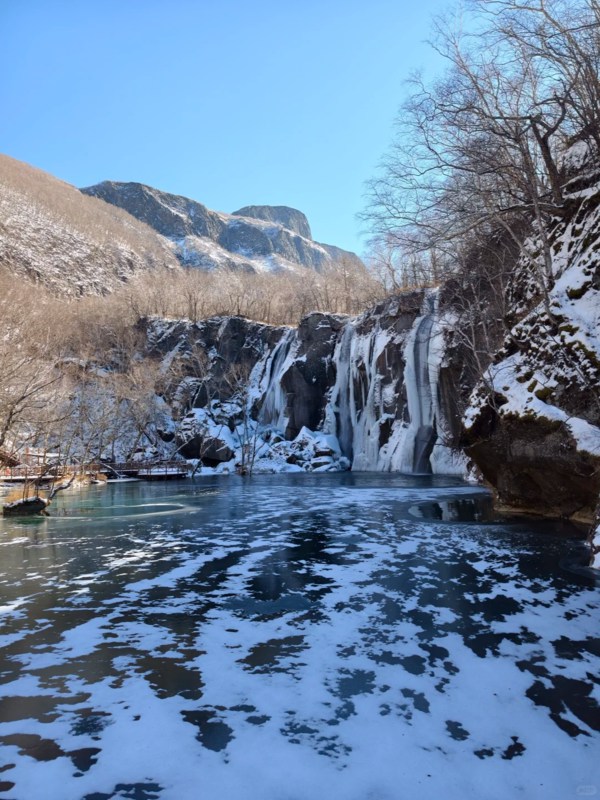
Changbai Mountains stand as northeast China's most iconic natural attraction. Tianchi Crater Lake (北朝鲜, Tiānchí) straddles the border between China and North Korea and entering costs ¥105 (this includes the compulsory environmental shuttle bus). You can boil eggs in the volcanic hot springs for ¥10 per batch. Since 2025 there is also a “frost drift” experience wherein visitors can float down a river surrounded by frozen trees. Visit in the early morning if possible for fewer crowds and better chances of views.
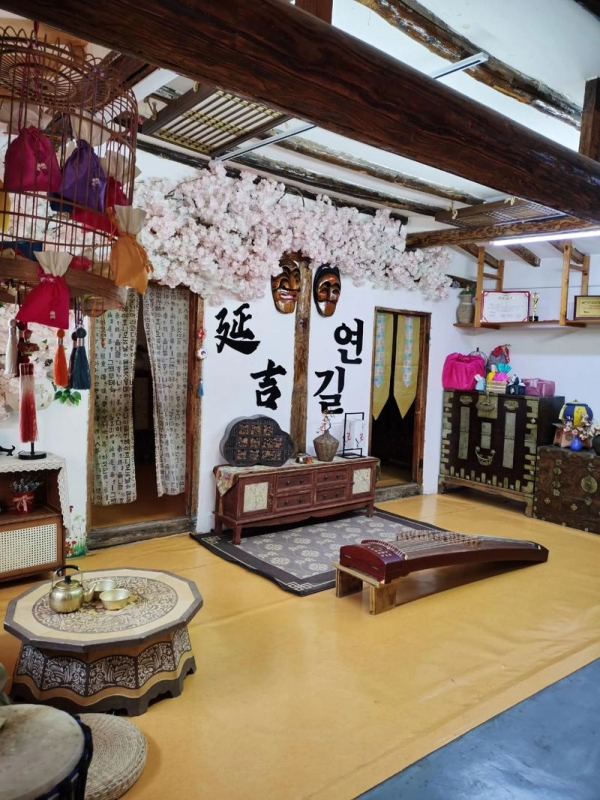
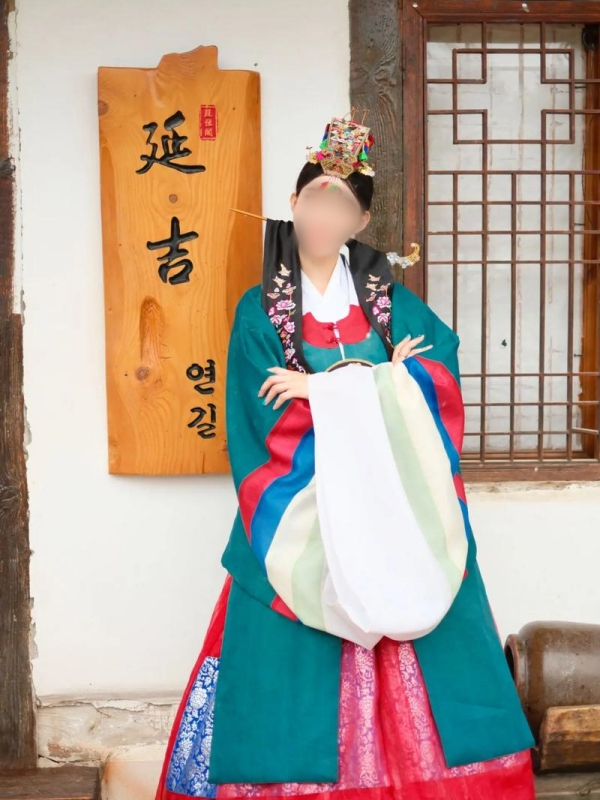
Yanji offers an authentic Korean cultural experience without leaving China. The city's ethnic Korean community has also preserved their traditions well. You can rent a tiexiu, the traditional costume of the Chinese Chaoxian ethnic group for 100 yuan and take pictures on its bright streets. Ctrip said that number of foreign visitors to Yanji surged 107 in 2025. Zhang’s Samgyetang, listed on Meituan’s Must-Eat list, serves ginseng chicken soup for 40 yuan per bowl.
Liaoning: Tracing Manchurian Emperors to the Yellow Sea
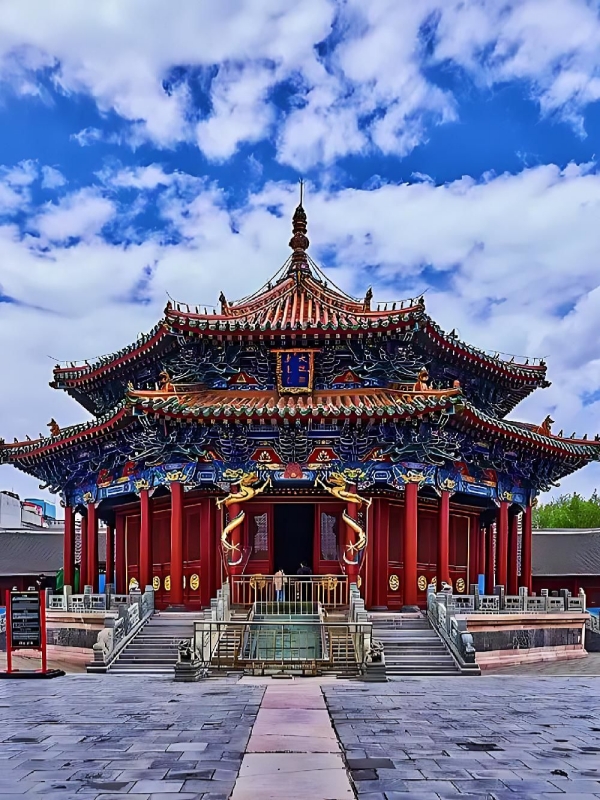
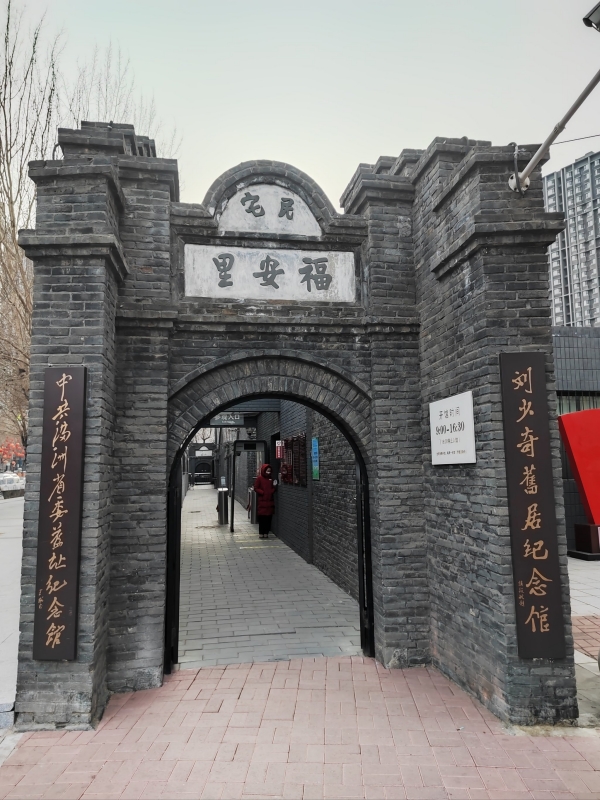
Shenyang Imperial Palace predates the Forbidden City in Beijing. This Manchu palace in Shenyang was built before they conquered China, and feels more rugged and genuine than its more famous Beijing counterpart. “The West House, located in Shengjing, would be reopened as a digital exhibition hall in 2024,” focusing on Eight Banner military history. You can combine this with a free visit to the Former Manchurian Provincial Committee site next door to get a fuller picture of a very complex local history.
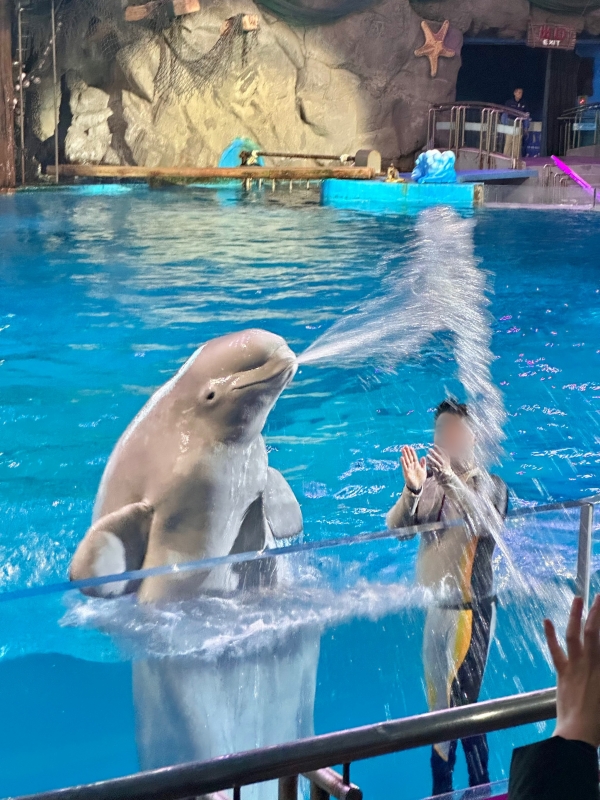
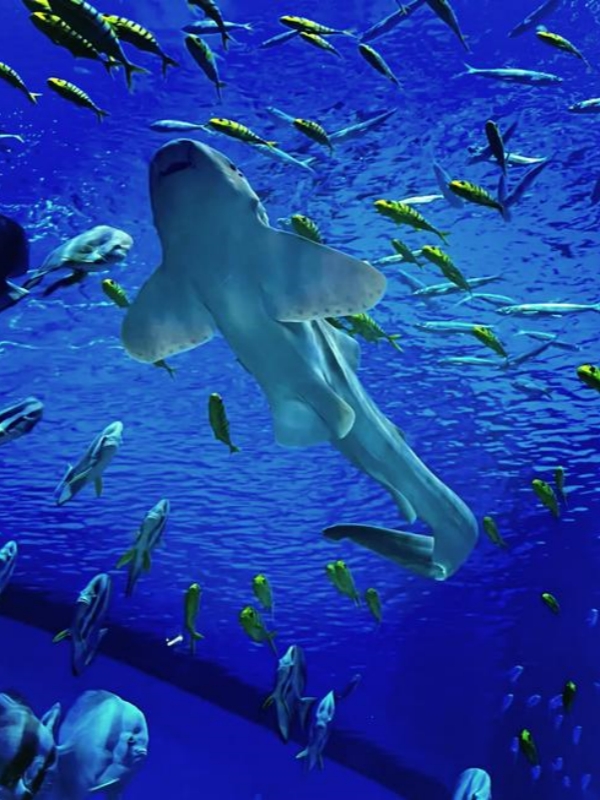
Dalian offers a coastal escape from the frozen interior. The Binhai Road scenic drive stretches along dramatic cliffs overlooking the sea. Tiger Beach Ocean Park combines marine life exhibits with beautiful beach views. Russian architecture from the colonial era adds European charm to this modern port city.
Only in Dongbei: Experiences That Define Northeast China Travel
-
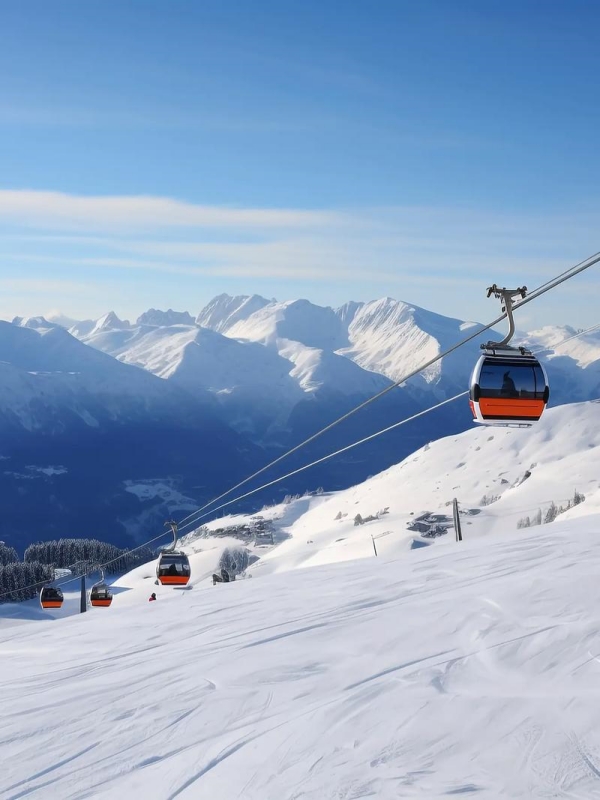

- Yabuli Ski Resort Cable Car
-
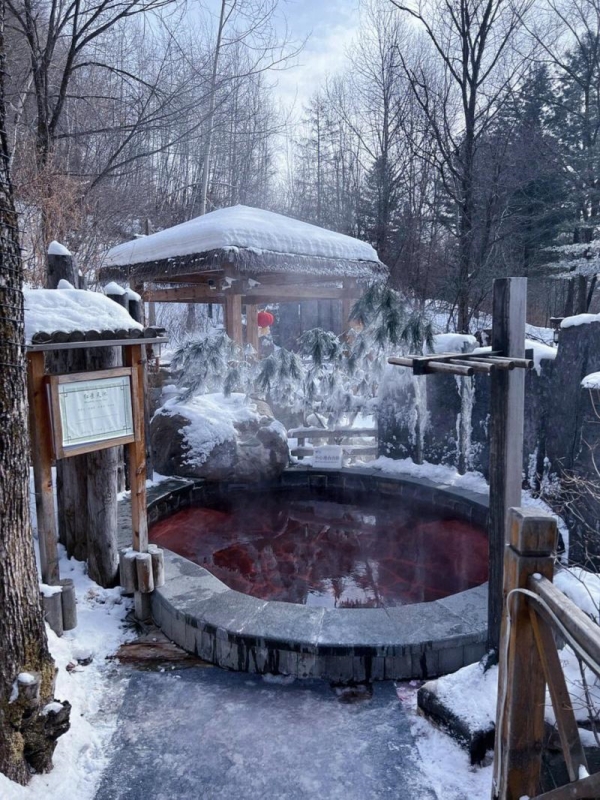
- Changbai Mountain’s Volcanic Hot Springs
-
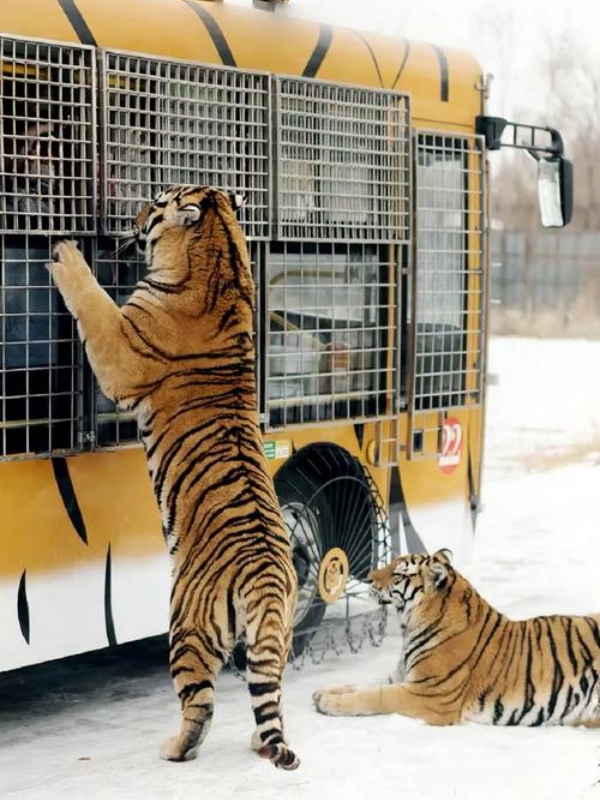
- Siberian Tiger Park
Northeast China travel offers experiences you simply cannot find elsewhere. These activities set the region apart from other winter destinations worldwide.
Powder Dreams: Skiing China's Northeast at Yabuli
Yabuli Ski Resort here in China is being trusted with the 2025 International Ski Federation Snowboard World Cup which speaks for the faith in this place as one of the best skiing locations on the Asian continent. Elsewhere there is a Club Med resort with international instructors (the British coach Benjamin can even give you an English course) and day pass with lift tickets are three hundred eighty yuan. Renting gear is another one hundred fifty yuan. The powder snow rivals Japan’s best at lower rates.
Steam Rising in the Snow: Dongbei's Volcanic Hot Springs
Enjoying ski slopes by day and hot springs by night is the perfect way to experience northeastern China! The universe has much to DIY resort Changbai Mountain, where you can soak in volcanic hot springs after roughing it on the slopes.
Pools filled with milky teal water steam in air hovering around minus thirty degrees, making for the surreal experience of spas in subzero conditions. Then, head to Wudalianchi for one hundred twenty yuan-sized sessions rolling around in mineral mud. Alternatively, shred muscles left sore from your day on the mountain with a traditional Chinese massage for sixty yuan.
Face to Face with the Siberian Tiger: Harbin's Wild Side
Siberian Tiger Park in Harbin has the world’s largest breeding centre for these endangered cats. You can watch the feeding from special buses that drive through the enclosures – it’ll provide live chicken feeding if you don’t look closely. This zoo makes a real contribution to conservation and has actually released tigers into the wild. One of my highlights in NE China.
Eat Like a Local: The Hearty Flavors of Northeast Chinese Cuisine
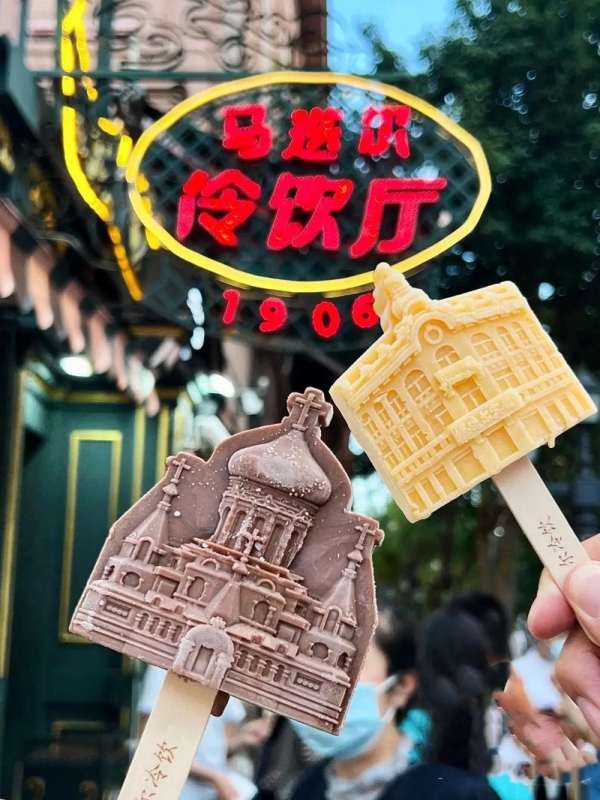
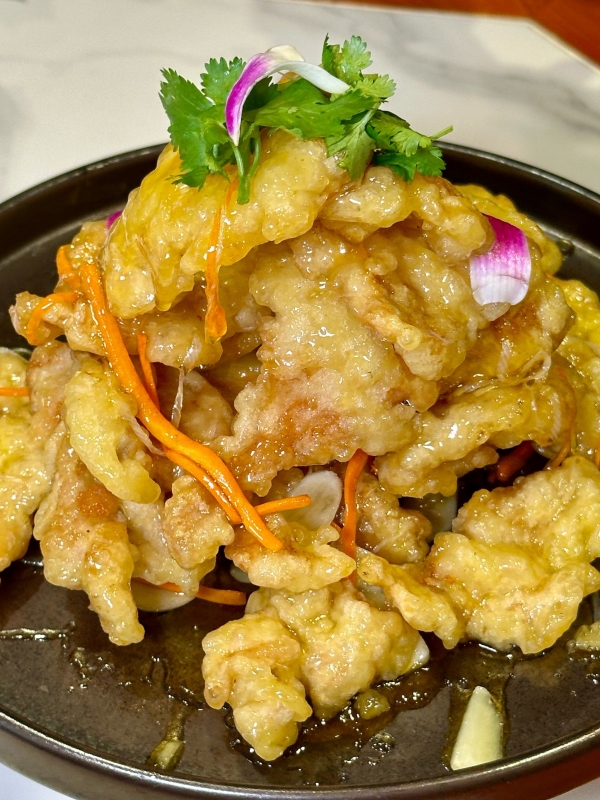
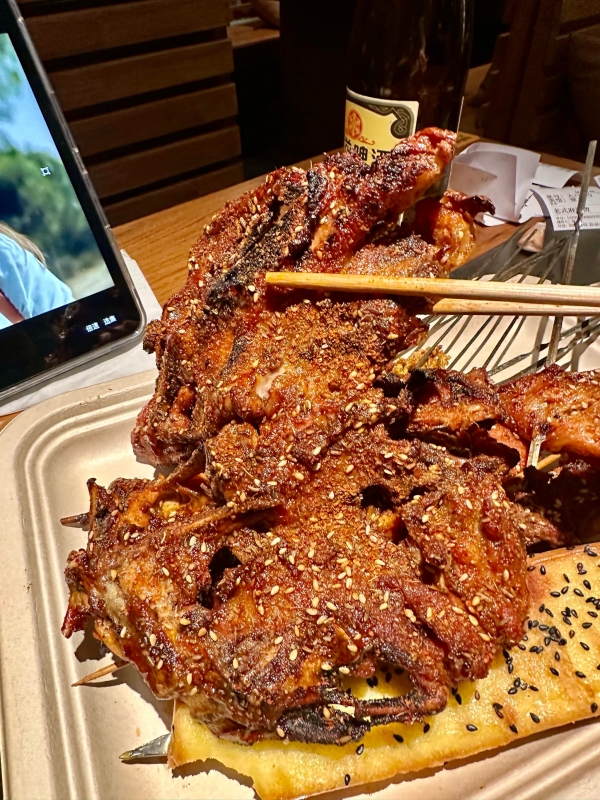
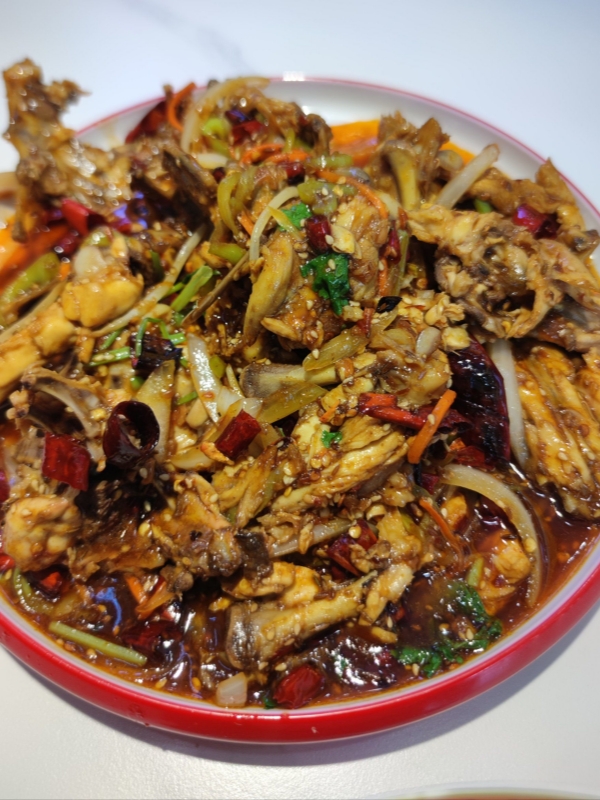
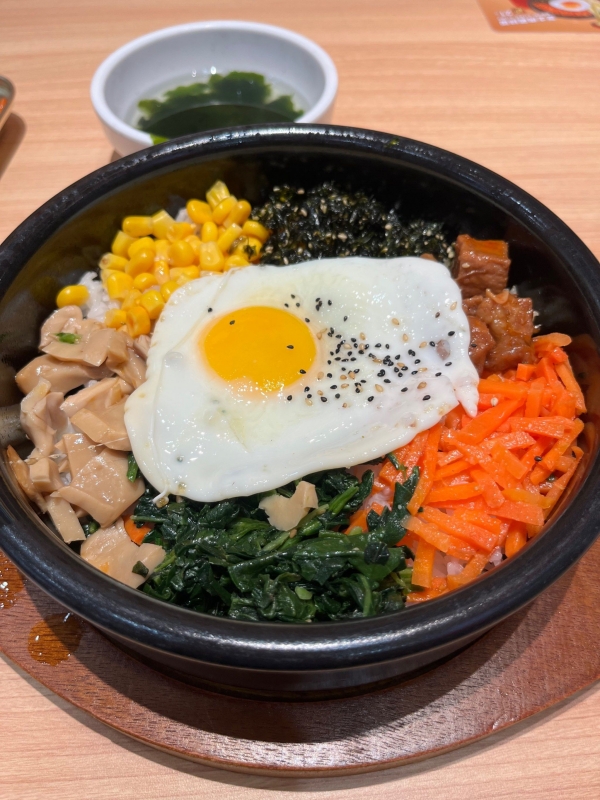
Alright, let's talk about food. Because no northeast China travel experience is complete without eating your way through the region. And trust me—the portions here are generous. Like, aggressively generous. You've been warned.
Harbin Must-Try Foods
First thing: Madier ice cream. Yes, you really do eat ice cream outdoors when it’s -20°C. Yes, that does sound crazy. And yet, we have come to love it. And you know what? It’s delicious. The cold makes it creamier.
And then there is the Russian influence—Hongchang (smoked sausages) everywhere in the city, Kvass (the fermented bread drink you need to get used to), Russian style bread. Guobaorou is the local take on sweet and sour pork. Crispy, tangy and utterly addictive. Seek out Madier Western Restaurant on Zhongyang Street if you want a taste of Harbin’s Russian culinary influence all in the one place. A waft of freshness and smoked meats greets you the moment you step in the door.
Regional Specialties
In Shenyang track down grilled chicken frames (jijia)—this late night street food is said to be addictive by the locals. In Yanji, the capital of the Korean Autonomous Prefecture, try the terrific cold noodles and the stone pot bibimbap. At Changbai Mountain, breakfast is boiled eggs in volcanic hot spring water—surprisingly good. Across the region, hunt down Disanxian (potato, eggplant and pepper stir-fry) and chicken stewed with wild mushrooms. One more peculiarity—frozen pears (dongdongli): pears that have been left outside until they blacken, then thawed slightly before eating. Strange? Yes. Delicious? Also yes.
Border Town Cuisines
You can have authentic Russian food in the border city of Suifenhe - I recommend trying the borscht and braised beef at Maxim Restaurant. If you make your way to Heihe—the “China-Russia twin city” as the locals call it since they sit directly across the river from each other (Blagoveshchensk in Russia) you’re in for a culinary treat of northeast Chinese experience mixing with Russian. There’s something gloriously strange about drinking Russian bread in soup form in a Chinese border town.
Route at a Glance: Your Week in Dongbei
| Day | Province | Destination | Key Attractions / Activities | Transportation | Featured Stay |
|---|---|---|---|---|---|
| Day 1 | Heilongjiang | Harbin | Central Street, St. Sophia Cathedral Light Show, Modern Ice Cream Bar | Flight arrival | Historic hotel near Central Street (Russian-style architecture charm) |
| Day 2 | Heilongjiang | Harbin | Ice & Snow World (enter in the afternoon), Siberian Tiger Park | Local city transport | Same hotel as Day 1 |
| Day 3 | Heilongjiang | Yabuli → Snow Town | Yabuli Ski Resort (Club Med English-language lessons available), Snow Town night scenery | Private car / tourist bus (approx. 3 hrs) | Snow Town heated kang-bed guesthouse (traditional Northeast warm-bed experience) |
| Day 4 | Jilin | Changchun → Changbai Mountain | Puppet Manchurian Palace Museum, transfer to Changbai Mountain in the afternoon | High-speed train + private car (approx. 4 hrs) | Changbai Mountain hot-spring resort hotel (volcanic hot-spring stay) |
| Day 5 | Jilin | Changbai Mountain → Yanji | Tianchi (Heaven Lake), hot-spring boiled eggs, frost-rime rafting, arrival in Yanji by evening | Private car (approx. 3 hrs) | Yanji Korean-ethnic style guesthouse (hanok-inspired) |
| Day 6 | Liaoning | Shenyang | Shenyang Imperial Palace, Former Manchuria Provincial Committee Site, Zhongjie Shopping District | High-speed train (approx. 2.5 hrs) | Boutique hotel near the Imperial Palace (Qing-culture themed) |
| Day 7 | Liaoning | Dalian | Binhai Road self-drive/cycling, Tiger Beach Ocean Park, departure | High-speed train (approx. 2 hrs) | Xinghai Bay seaside hotel (coastal-resort style) |
Planning Your Trip: A Foreigner's Survival Guide to Dongbei
Planning northeast China travel requires specific preparation. The extreme climate and regional differences from southern China demand attention to detail. These practical tips ensure your trip runs smoothly.
Getting In: Visa Rules for Northeast China in 2025
China's 144-hour transit visa exemption applies to travelers from many countries, including the United States, United Kingdom, and most European nations. This allows you to explore the region without obtaining a full visa if you are transiting to a third country. Some nationalities now qualify for thirty-day visa-free entry. The Heihe border crossing to Russia offers expedited processing, with some travelers reporting clearance times of just two minutes. Check the latest policies before booking, as rules change frequently.
What to Pack When Temperatures Drop to -30°C
Proper gear is the difference between enjoying and actually enduring northeast China travel in winter.
Pack a down jacket rated for extreme cold. Waterproof boots with thick insulation give your feet added protection on icy streets. Hand warmers are nearly free locally and make huge difference. Goggles or sunglasses protect eyes from glare. A balaclava or face mask protects exposed skin from frost bite. Keep your phone in an inner pocket close to your body, as devices drain rapidly in extreme cold!
Trains, Planes & Snow Roads: Moving Through the Northeast
High-speed rail connects the major cities efficiently. Trains link Harbin, Changchun, and Shenyang in one to three hours. The K7041 overnight train from Harbin to Mohe offers a scenic journey through snow-covered landscapes. Sleeper tickets cost approximately two hundred yuan. Within cities, ride-hailing apps work reliably. For remote destinations like Changbai Mountain, consider hiring a private driver or joining a tour group.
Lost in Translation? Apps & Phrases That Actually Help
English proficiency remains limited outside major hotels and tourist sites. Download a translation app before arriving. The "Butterfly Valley" app supports five languages and works offline for real-time translation. The "Mohe Tourism" app lets you book aurora viewing spots in advance. WeChat Pay and Alipay now support international credit cards, but carry some cash as backup. Some smaller vendors and rural areas only accept cash.
Frequently Asked Questions About Northeast China Travel
Q: Is northeast China safe for foreign travelers?
Absolutely. Northeast China has very low crime rates, and locals are known for their warm, direct hospitality. The main challenge is the language barrier—English isn't widely spoken outside major hotels and tourist sites. Download a translation app like Baidu Translate or Google Translate (with offline Chinese pack) before you arrive. Some travelers report that younger Chinese people, especially in cities, often speak basic English and are eager to help.
Q: Do I need a visa to visit northeast China in 2025?
Visa requirements vary by nationality. As of 2025, Russian citizens can enter visa-free. Citizens from many countries including the US, UK, Canada, and Australia qualify for 240-hour (10-day) transit-free entry if traveling through to a third country. For longer stays, you'll need a tourist visa (L visa). Check China's latest policies before booking, as rules have become increasingly favorable for international tourists. Border crossings at Suifenhe report processing times under 2 minutes for eligible travelers.
Q: What is the best month to see the Harbin Ice Festival?
Mid-January to early February offers the sweet spot. The festival officially opens January 5th, but the best sculptures are usually ready by mid-January. Avoid Chinese New Year week (late January to early February 2025) unless you enjoy massive crowds. Early January means slightly fewer tourists but some attractions may still be under construction. Late February brings warmer temperatures that can cause sculptures to melt or become damaged.
Q: How cold does it actually get in winter?
Prepare for -10°C to -30°C (-14°F to -22°F). The coldest period is typically late December through mid-January. However, the dry climate makes it feel less brutal than humid cold elsewhere. Inside buildings, heating keeps temperatures comfortable at 18-24°C. Many first-time visitors are surprised by how manageable the cold feels with proper clothing. That said, exposed skin can get frostbitten within minutes at extreme temperatures—cover up completely.
Q: Can I visit China Snow Town independently without a tour?
Yes, but it requires planning. From Harbin, you can take a bus to Mudanjiang (about 5 hours), then another bus to Xuexiang (Snow Town). The total journey takes 7-8 hours. Alternatively, hire a private car from Harbin (around ¥1,000-1,500 round trip) for much more flexibility. Some travelers report that independent visits offer better value than tours, as you can choose your own accommodation and avoid rushed group schedules. Just book your Snow Town lodging in advance during peak season.
Q: Is English widely spoken in northeast China?
Honestly, no. English proficiency is limited compared to cities like Shanghai or Beijing. Tourist attractions have English signage, and upscale hotels usually have English-speaking staff, but everyday interactions require basic Mandarin or a translation app. Learning a few key phrases ("hello," "thank you," "how much?") goes a long way. Younger Chinese people in cities often understand simple English. For this region, preparation is key—download offline translation tools and save your hotel address in Chinese characters.
Q: What are the must-try foods in Dongbei?
Top picks include Guobaorou (crispy sweet pork), Suancai (pickled cabbage) stewed with pork, chicken with mushrooms, Disanxian (three-ingredient stir-fry), and dumplings—lots of dumplings. In Harbin specifically, try Madier ice cream, Russian-style red sausage, and Kvass drink. For something adventurous, seek out frozen pears (dongdongli)—pears left outside until frozen black, then thawed slightly before eating. The portions in northeastern restaurants are famously generous, often twice what you'd expect elsewhere in China.
Q: How many days do I need for a northeast China trip?
It depends on your priorities. For Harbin plus Snow Town, 5 days works well. Add Changbai Mountain and you'll want 7-8 days. A comprehensive tour including Shenyang, skiing, and border towns needs 10-12 days. If you only have 3-4 days, focus on Harbin alone—the ice festival, tiger park, Russian architecture, and local food culture provide plenty to experience. High-speed rail makes intercity travel efficient, so even shorter trips can cover surprising ground.
Q: Can I see wild Siberian tigers in northeast China?
Wild Siberian tiger sightings are extremely rare—only about 60 wild tigers roam the forests along the China-Russia border. However, the Northeast China Tiger and Leopard National Park occasionally reports sightings. For guaranteed tiger encounters, visit the Siberian Tiger Park in Harbin, home to over 100 purebred Siberian tigers. The park focuses on conservation and semi-wild breeding. A road-trip tourist actually spotted a wild tiger crossing a road in 2025—it made national news because such sightings are so uncommon.
Q: What is the Puppet Emperor's Palace and is it worth visiting?
Located in Changchun, the Puppet Emperor's Palace is where China's last emperor, Puyi, lived during Japan's occupation of Manchuria (1932-1945). It's a fascinating and somewhat melancholy look at this period of history—Puyi was a figurehead ruler with no real power. The museum displays artifacts from both the Qing dynasty and the Japanese occupation. If you've seen the film "The Last Emperor," this is where much of that story took place. History buffs consider it essential; casual visitors find it interesting but not a must-see if time is limited.